Palais du Roure things to do, attractions, restaurants, events info and trip planning
Basic Info
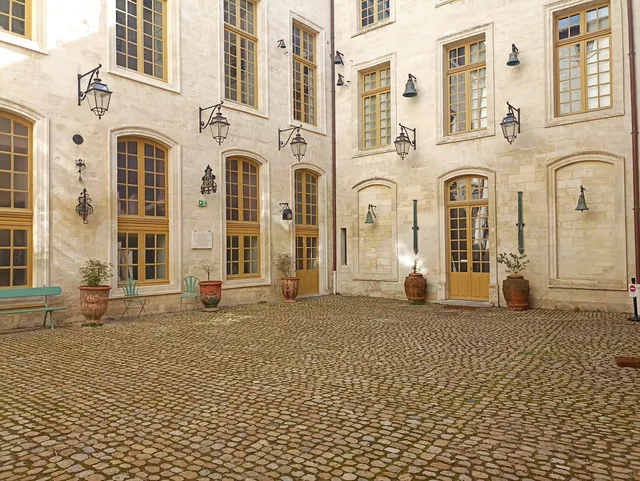
Palais du Roure
3 Rue Collège du Roure, 84000 Avignon, France
4.4(184)
Open until 6:00 PM
Save
spot
spot
Ratings & Description
Info
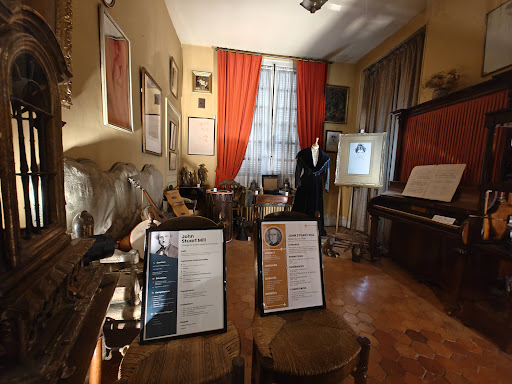
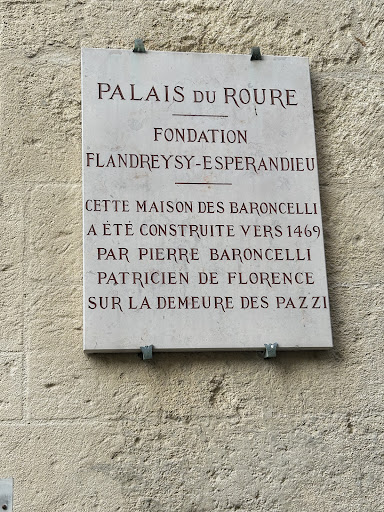
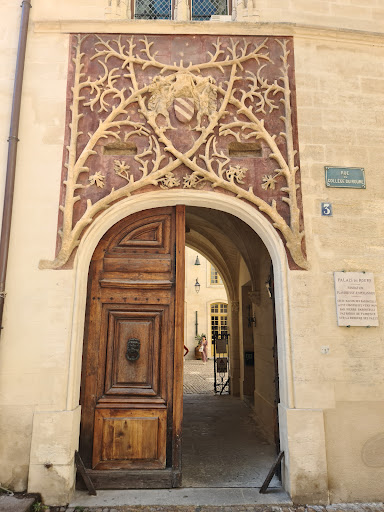
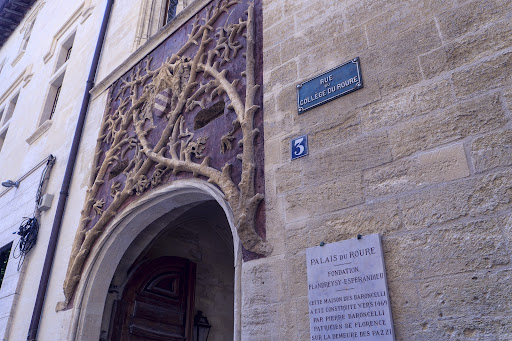
The Palais du Roure is a listed hôtel particulier in Avignon, France.
Cultural
Family friendly
Accessibility
attractions: Palais des Papes, Opéra Grand Avignon, Church of Saint-Agricol, Theatre Paradise Republique, Place de l’Horloge, Le Petit Louvre, Musée Calvet, Basilique Saint-Pierre, Le Rouge Gorge, Église Saint Didier, restaurants: La Brasserie les Arts, Le Vintage, D'Ici Et D'Ailleurs, Le cid café, Regal glace, Le Vin Devant Soi, Le festival comptoir gourmand, Restaurant La Cour du Louvre, Le Viet-nam, Opéra Café, local businesses: FNAC Avignon, Bil’s Hair, Boutique SFR Avignon République, Graphicaderme Tattoo République | Tatouage et Piercing à Avignon, Provence Reservation, Opticien Avignon | Alain Afflelou, Doux Joaillier - Détaillant Officiel Rolex, Mairie d'Avignon, Iris Galerie Avignon, PYLONES
 Learn more insights from Wanderboat AI.
Phone
+33 4 13 60 50 01
Website
avignon-tourisme.com
Open hoursSee all hours
Sun10 AM - 6 PMOpen
Plan your stay

Pet-friendly Hotels in Avignon
Find a cozy hotel nearby and make it a full experience.

Affordable Hotels in Avignon
Find a cozy hotel nearby and make it a full experience.

The Coolest Hotels You Haven't Heard Of (Yet)
Find a cozy hotel nearby and make it a full experience.

Trending Stays Worth the Hype in Avignon
Find a cozy hotel nearby and make it a full experience.
Reviews
Live events
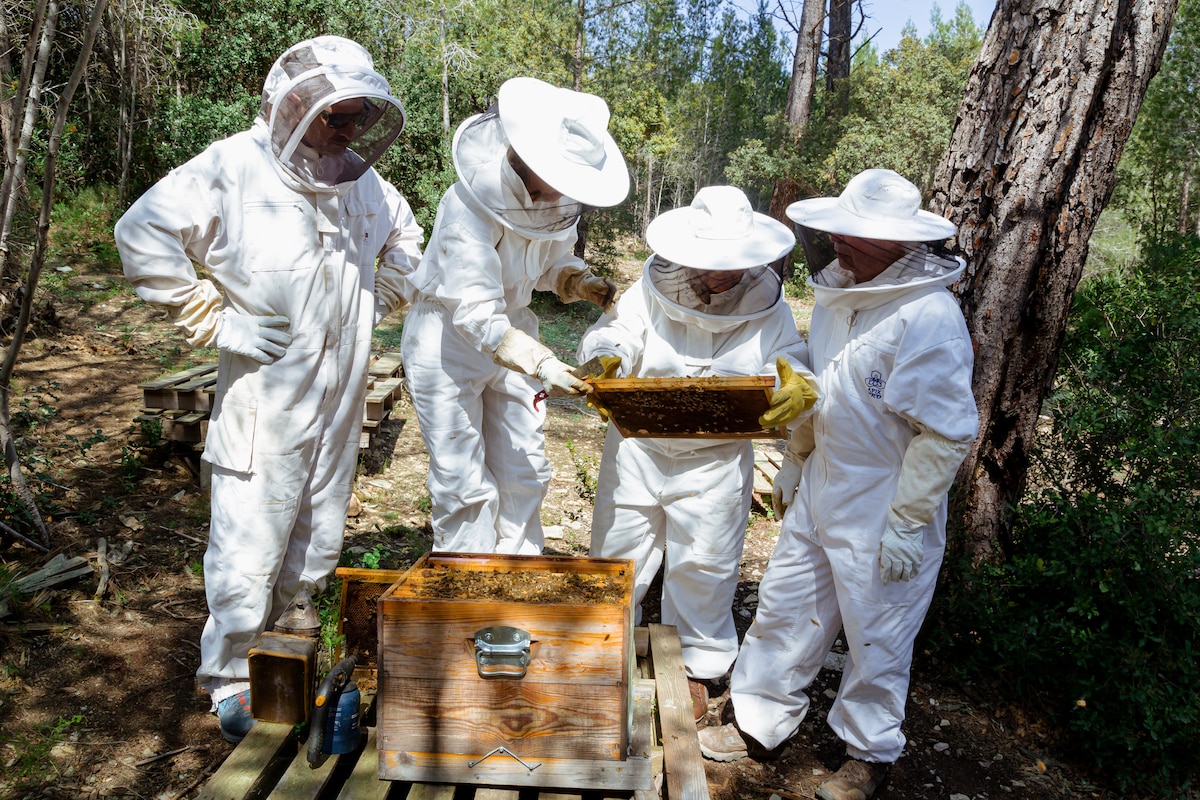
Immerse yourself in the magical job of beekeeping
Mon, Feb 23 • 2:00 PM
13890, Mouriès, France
View details

Prison Island Avignon
Sun, Feb 22 • 4:00 PM
182 Av. du Maréchal Leclerc, Le Pontet, 84130
View details
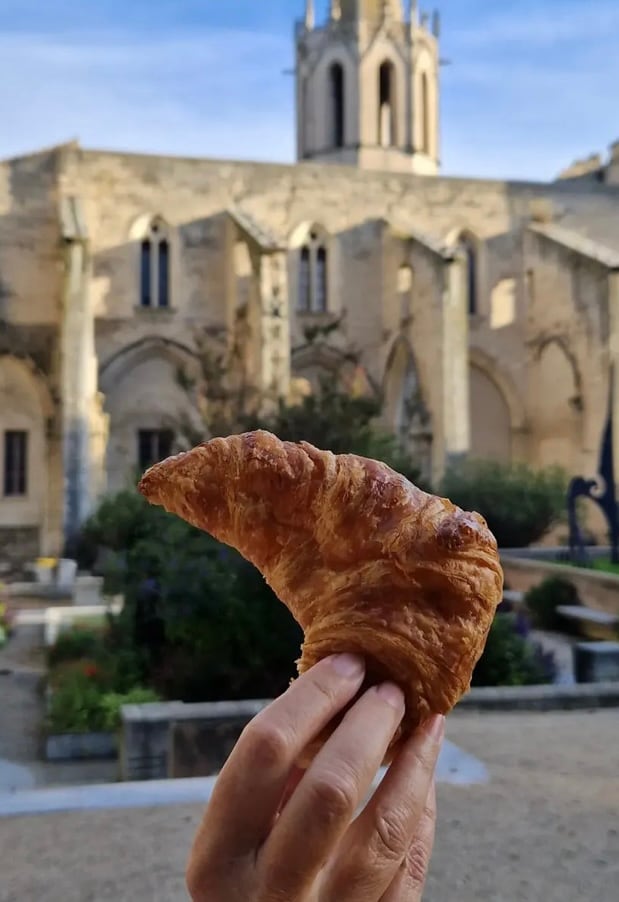
A Gourmet Walk Through Avignon
Tue, Feb 24 • 9:00 AM
84000, Avignon, France
View details
Nearby attractions of Palais du Roure
Palais des Papes
Opéra Grand Avignon
Church of Saint-Agricol
Theatre Paradise Republique
Place de l’Horloge
Le Petit Louvre
Musée Calvet
Basilique Saint-Pierre
Le Rouge Gorge
Église Saint Didier
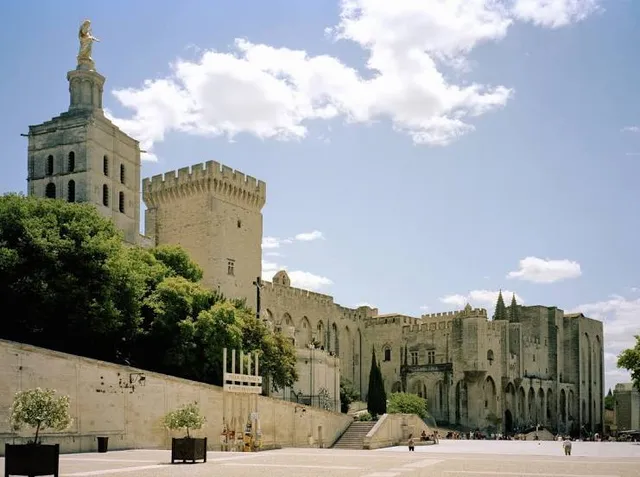
Palais des Papes
4.5
(18.7K)
Closed
Click for details
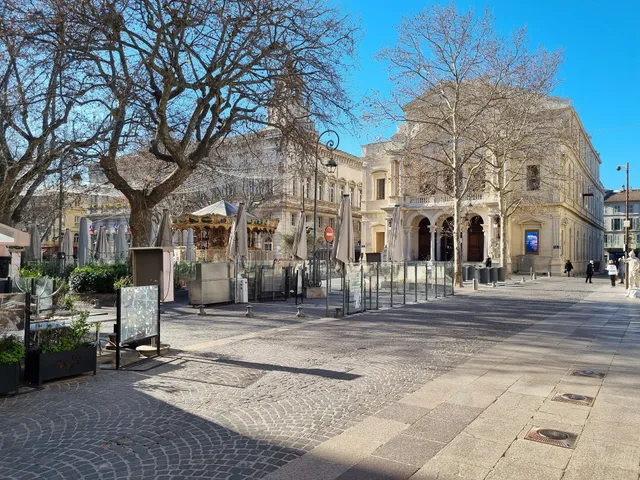
Opéra Grand Avignon
4.5
(299)
Open 24 hours
Click for details
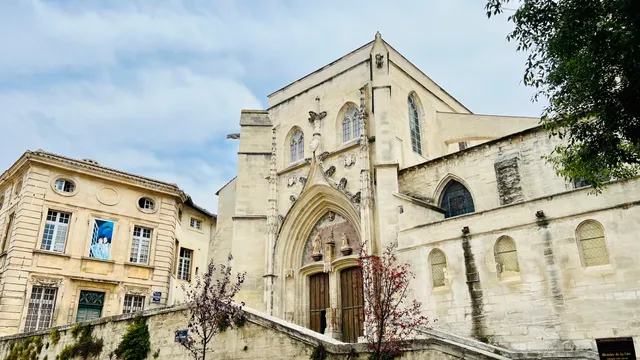
Church of Saint-Agricol
4.4
(135)
Closed
Click for details
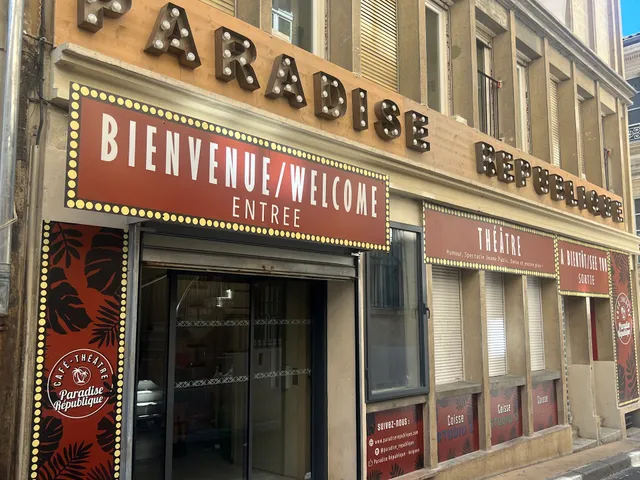
Theatre Paradise Republique
4.2
(212)
Open 24 hours
Click for details
Nearby restaurants of Palais du Roure
La Brasserie les Arts
Le Vintage
D'Ici Et D'Ailleurs
Le cid café
Regal glace
Le Vin Devant Soi
Le festival comptoir gourmand
Restaurant La Cour du Louvre
Le Viet-nam
Opéra Café
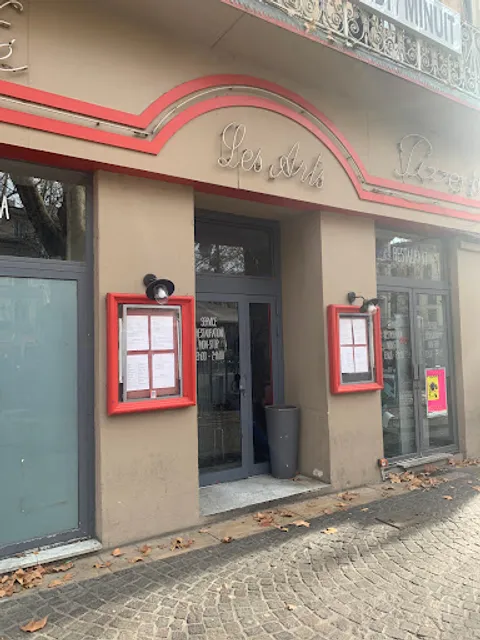
La Brasserie les Arts
4.0
(673)
Closed
Click for details
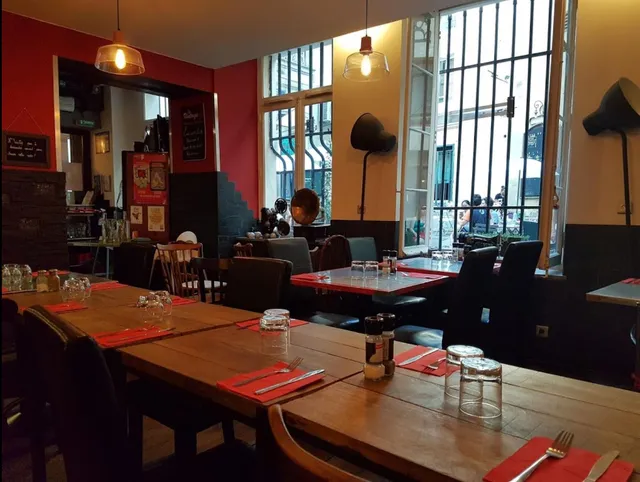
Le Vintage
4.4
(1.7K)
$$
Closed
Click for details
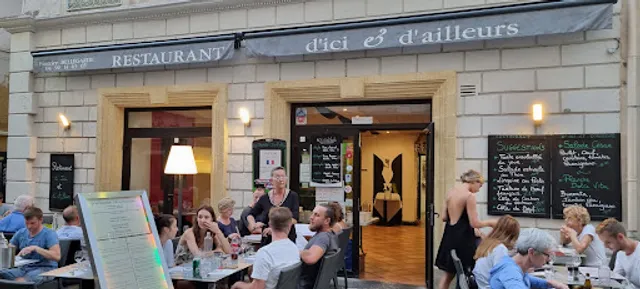
D'Ici Et D'Ailleurs
4.4
(559)
$$
Closed
Click for details
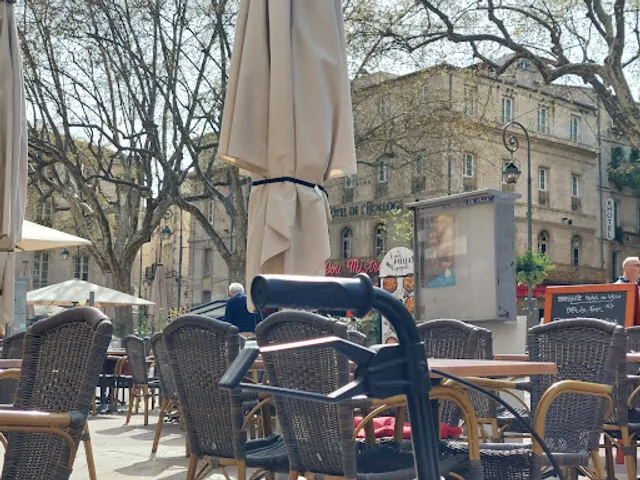
Le cid café
3.9
(310)
$
Open until 8:00 PM
Click for details
Nearby local services of Palais du Roure
FNAC Avignon
Bil’s Hair
Boutique SFR Avignon République
Graphicaderme Tattoo République | Tatouage et Piercing à Avignon
Provence Reservation
Opticien Avignon | Alain Afflelou
Doux Joaillier - Détaillant Officiel Rolex
Mairie d'Avignon
Iris Galerie Avignon
PYLONES
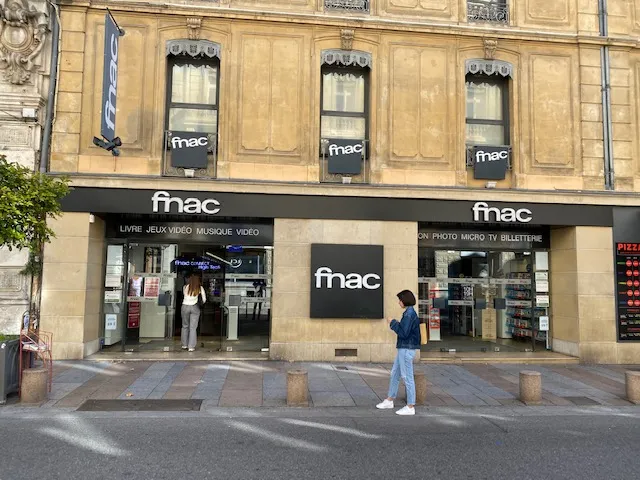
FNAC Avignon
4.0
(1.6K)
Click for details

Bil’s Hair
5.0
(38)
Click for details
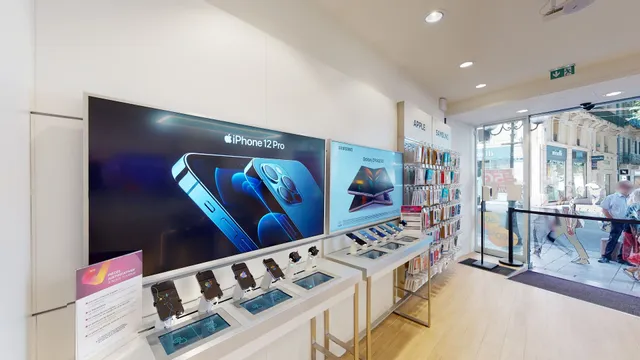
Boutique SFR Avignon République
4.7
(389)
Click for details

Graphicaderme Tattoo République | Tatouage et Piercing à Avignon
4.9
(205)
Click for details