Church of Saint-Gervais things to do, attractions, restaurants, events info and trip planning
Basic Info
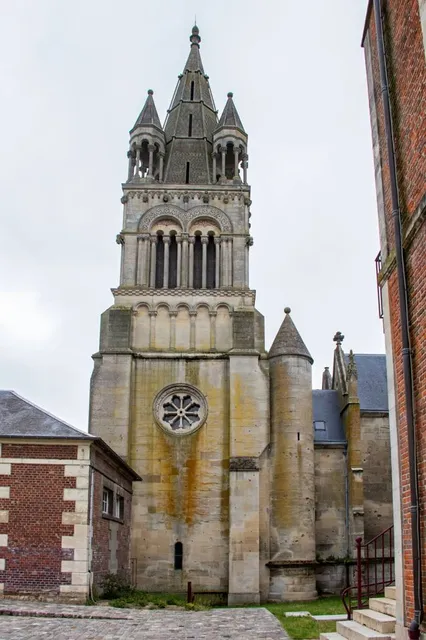
Church of Saint-Gervais
13 Rue des Barres, 75004 Paris, France
4.6(572)
Closed
Save
spot
spot
Ratings & Description
Info
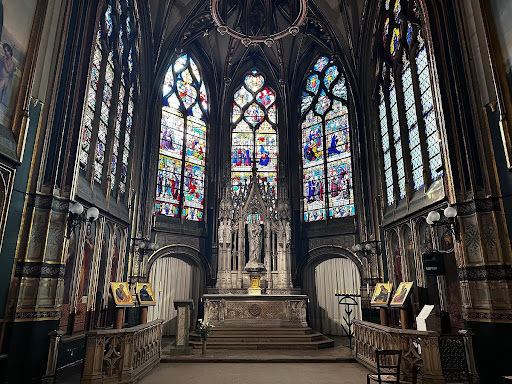
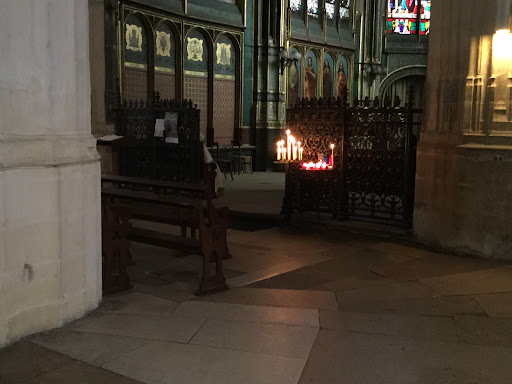
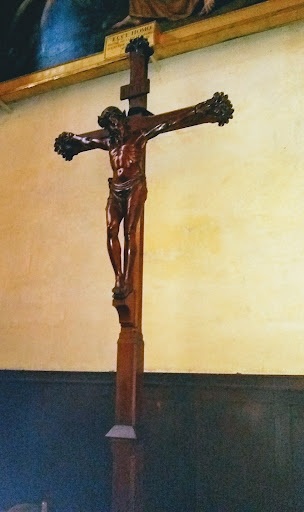
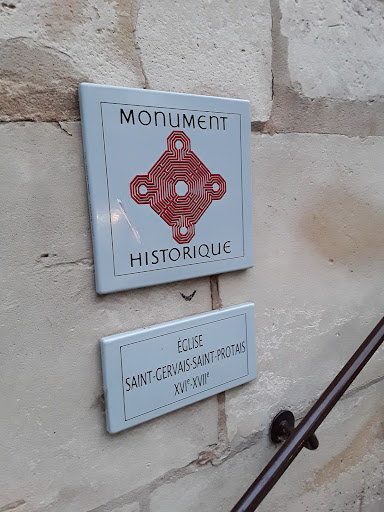
Saint-Gervais-Saint-Protais is a Roman Catholic parish church located in the 4th arrondissement of Paris, on Place Saint-Gervais in the Marais district, east of City Hall.
attractions: Mémorial de la Shoah, Hôtel de Ville, Cathédrale Notre-Dame de Paris, 13 novembre 2015 Garden, Azzedine Alaïa Foundation, Le Point Virgule, Micadanses, Parvis de l’Hôtel de Ville, Pont Saint-Louis, Maison Européenne de la Photographie, restaurants: Le Trumilou, Le Ju', Le Louis Philippe, Le Peloton Café, Chez Julien, Bel Canto, The Caféothèque of Paris, FÉRIA CAFÉ, L'Ébouillanté, La Perla Bar Paris, meilleur bar à Tequila Paris, bar et restaurant mexicain, mezcal Paris, bar à cocktails, local businesses: Le Coin des Barons - Paris, Izraël, BHV Marais, KIMONOYA, Librairie du Compagnonnage, Nature & Découvertes, Marché Baudoyer, BHV Marais - l'Homme, Fleux, Medley
 Learn more insights from Wanderboat AI.
Phone
+33 1 48 87 32 02
Website
fraternites-jerusalem.org
Open hoursSee all hours
Mon8 AM - 8 PMClosed
Plan your stay

Pet-friendly Hotels in Paris
Find a cozy hotel nearby and make it a full experience.

Affordable Hotels in Paris
Find a cozy hotel nearby and make it a full experience.

The Coolest Hotels You Haven't Heard Of (Yet)
Find a cozy hotel nearby and make it a full experience.

Trending Stays Worth the Hype in Paris
Find a cozy hotel nearby and make it a full experience.
Reviews
Live events
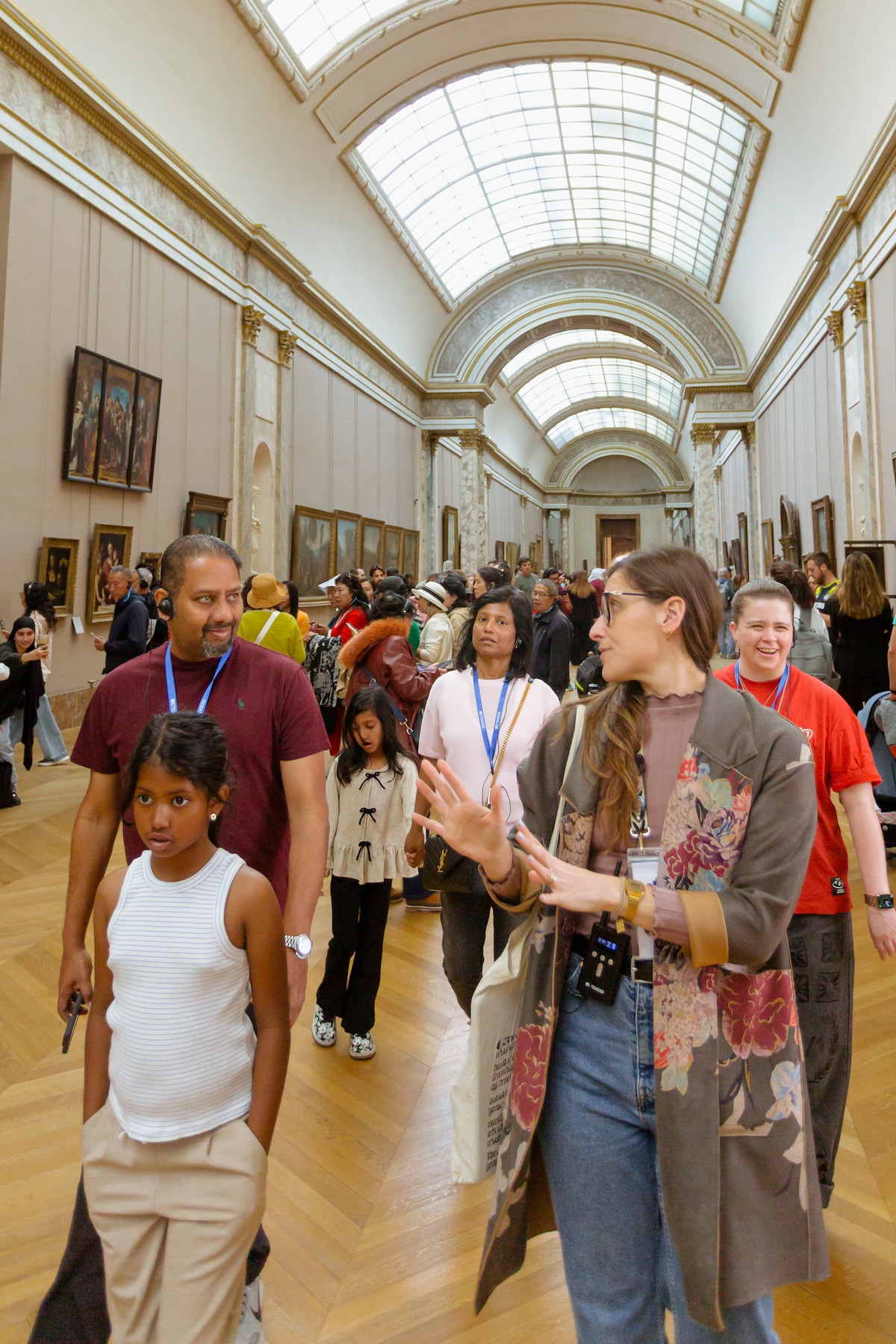
Explore the Louvre with up to 6 pax per guide
Fri, Jan 23 • 1:30 PM
75001, Paris, France
View details
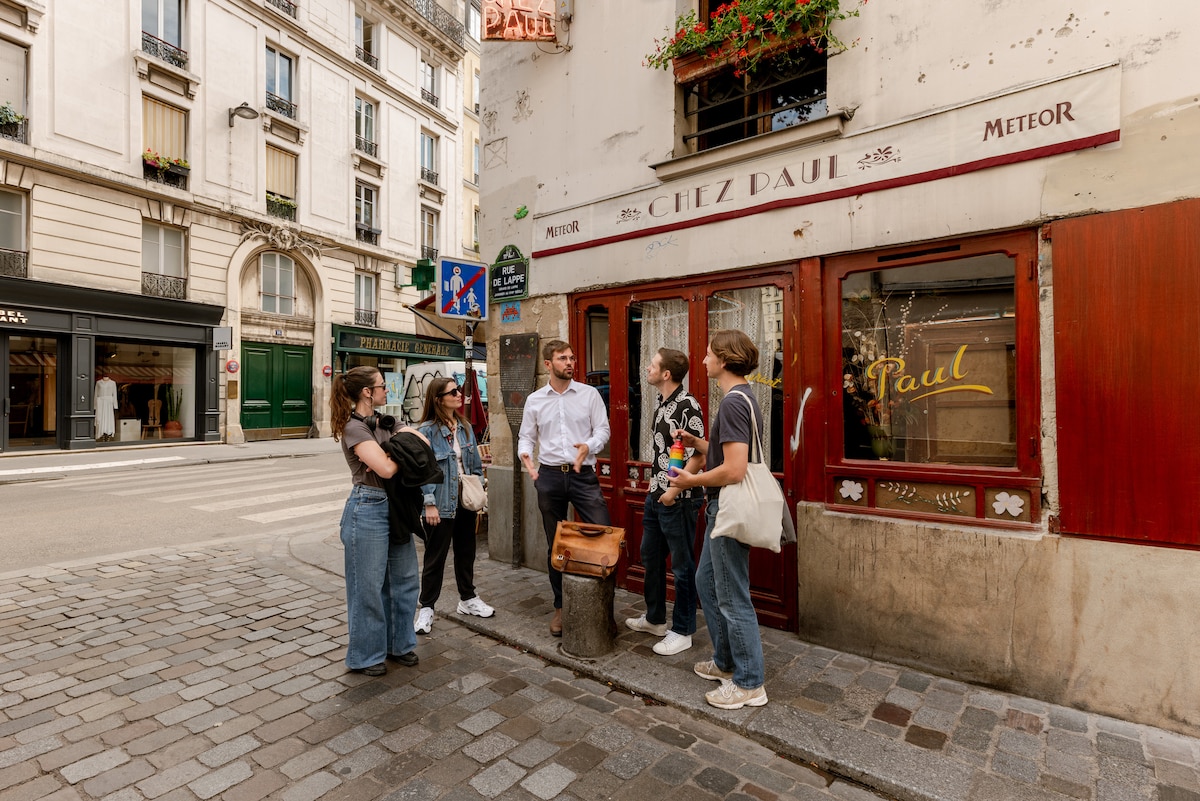
Relive the French Revolution, hour by hour
Fri, Jan 23 • 12:00 PM
75012, Paris, France
View details
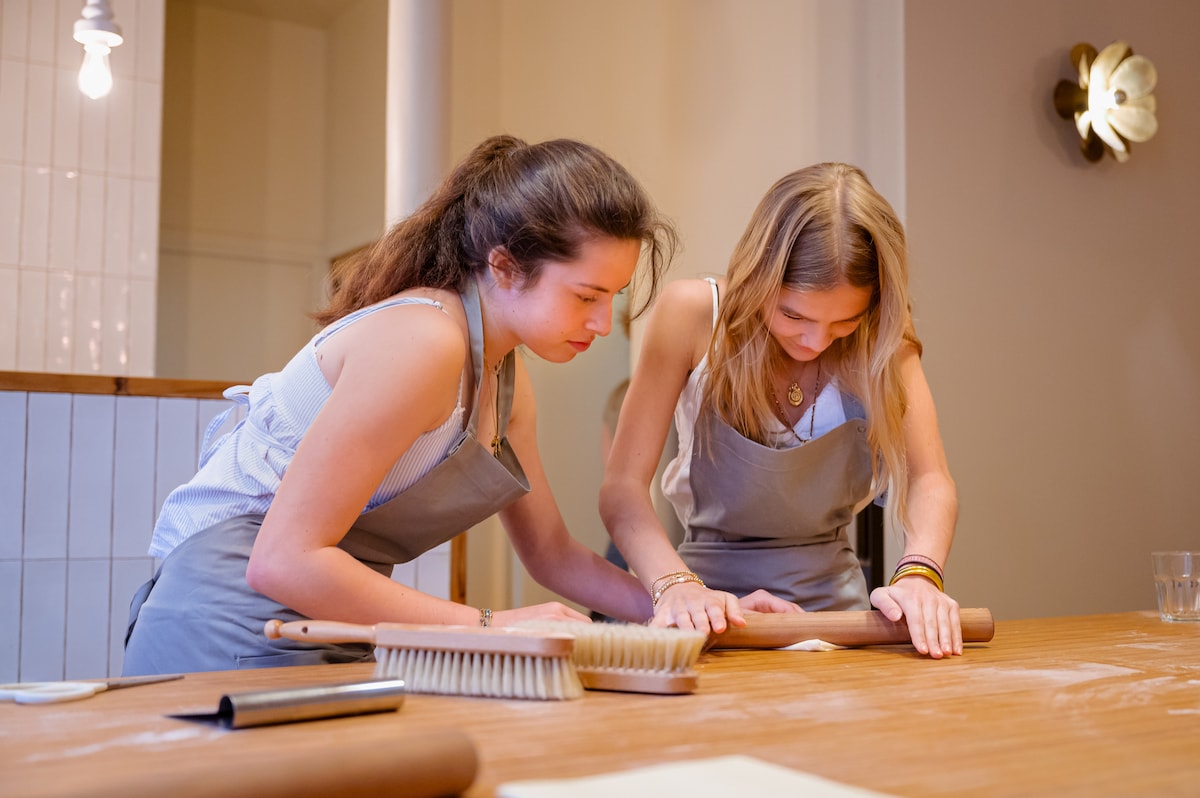
Learn to bake classic French croissants
Mon, Jan 19 • 9:00 AM
75007, Paris, France
View details
Nearby attractions of Church of Saint-Gervais
Mémorial de la Shoah
Hôtel de Ville
Cathédrale Notre-Dame de Paris
13 novembre 2015 Garden
Azzedine Alaïa Foundation
Le Point Virgule
Micadanses
Parvis de l’Hôtel de Ville
Pont Saint-Louis
Maison Européenne de la Photographie
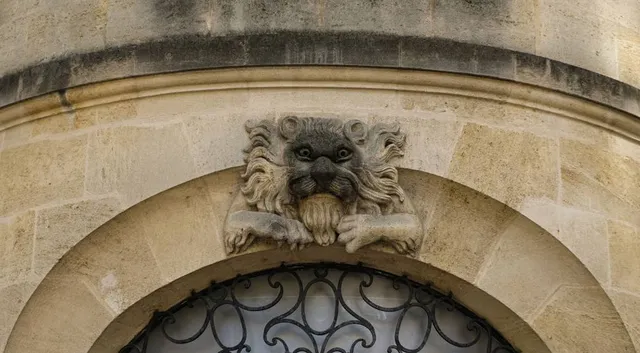
Mémorial de la Shoah
4.7
(1.7K)
Open 24 hours
Click for details
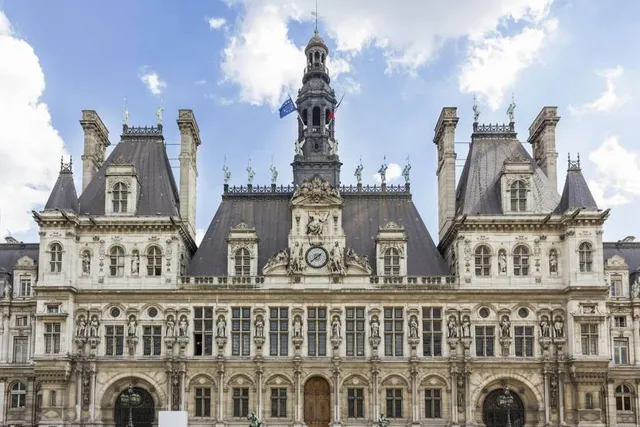
Hôtel de Ville
4.4
(2.2K)
Open 24 hours
Click for details
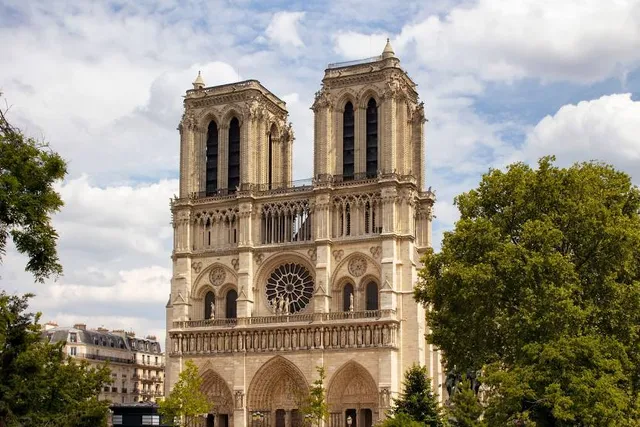
Cathédrale Notre-Dame de Paris
4.7
(28.4K)
Closed
Click for details
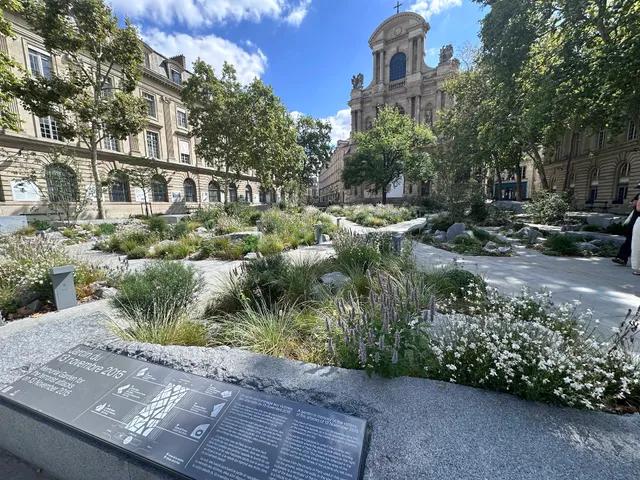
13 novembre 2015 Garden
4.9
(73)
Open until 12:00 AM
Click for details
Nearby restaurants of Church of Saint-Gervais
Le Trumilou
Le Ju'
Le Louis Philippe
Le Peloton Café
Chez Julien
Bel Canto
The Caféothèque of Paris
FÉRIA CAFÉ
L'Ébouillanté
La Perla Bar Paris, meilleur bar à Tequila Paris, bar et restaurant mexicain, mezcal Paris, bar à cocktails
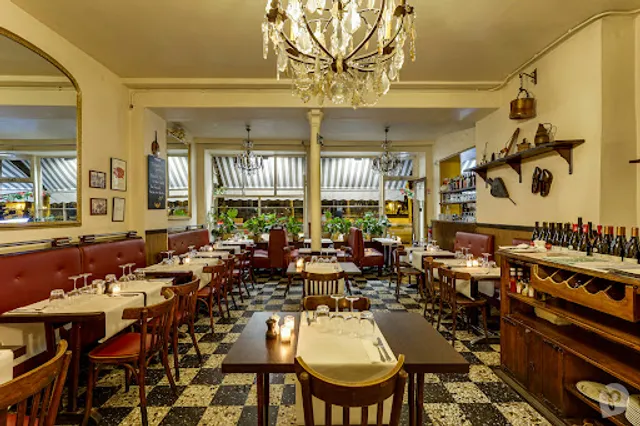
Le Trumilou
4.5
(632)
$$
Closed
Click for details
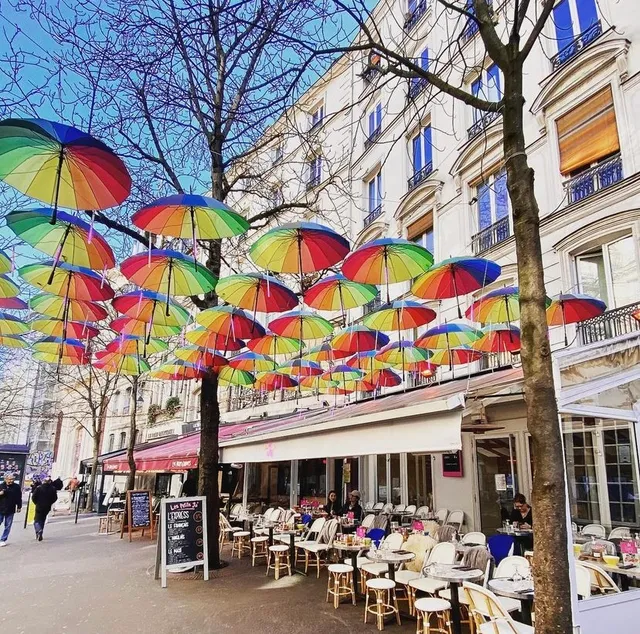
Le Ju'
4.8
(5.5K)
Open until 2:00 AM
Click for details
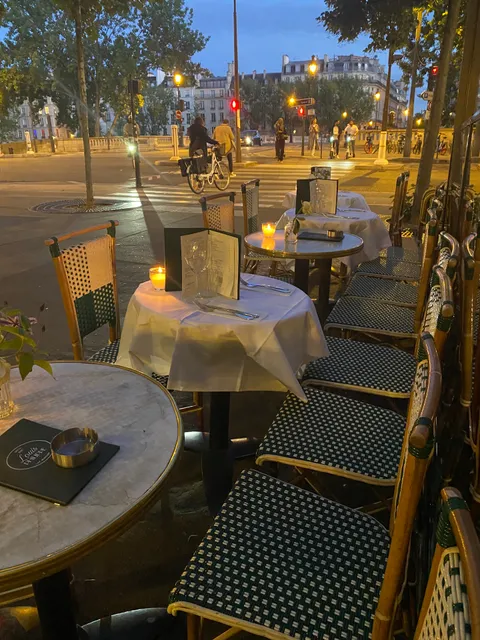
Le Louis Philippe
4.1
(1.0K)
$$
Open until 2:00 AM
Click for details
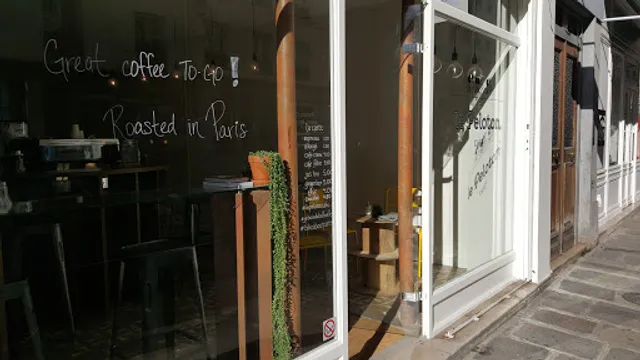
Le Peloton Café
4.7
(775)
Closed
Click for details
Nearby local services of Church of Saint-Gervais
Le Coin des Barons - Paris
Izraël
BHV Marais
KIMONOYA
Librairie du Compagnonnage
Nature & Découvertes
Marché Baudoyer
BHV Marais - l'Homme
Fleux
Medley
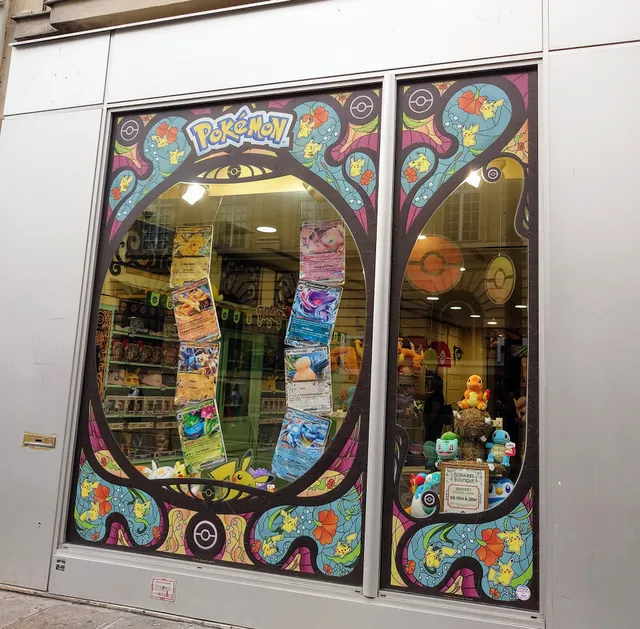
Le Coin des Barons - Paris
4.7
(399)
Click for details
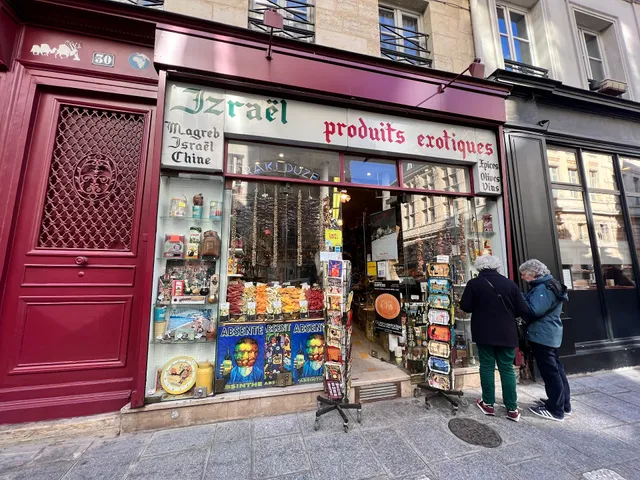
Izraël
4.4
(226)
Click for details
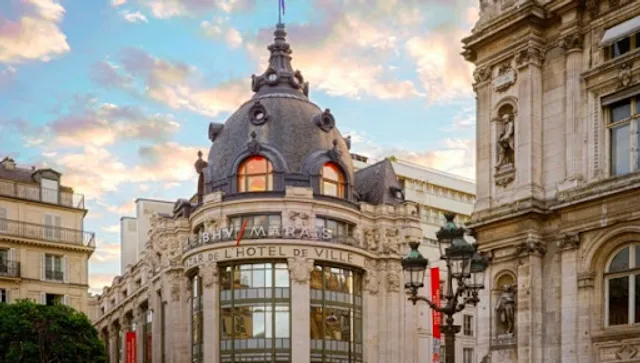
BHV Marais
4.2
(733)
Click for details

KIMONOYA
4.6
(66)
Click for details