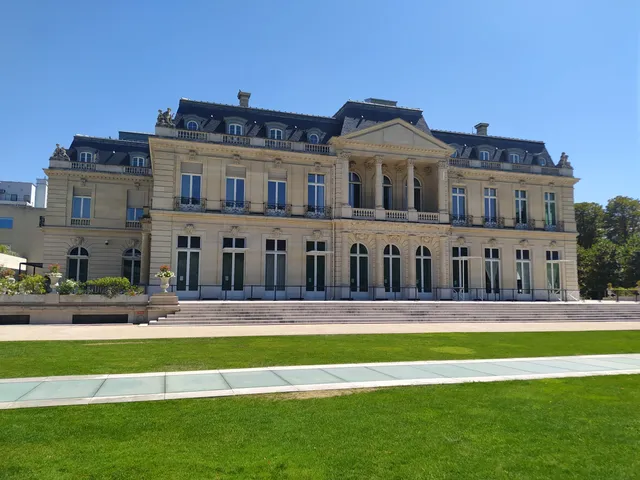
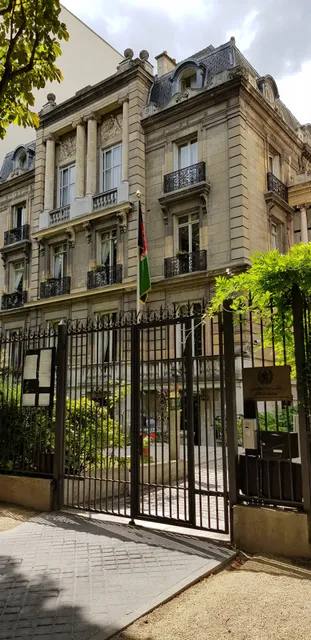
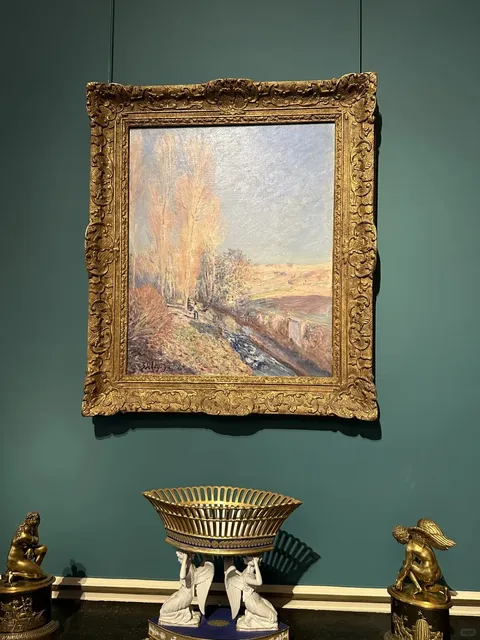
This small museum's treasured private collection includes a vast number of works by Berthe Morisot—the extraordinary female French impressionist. It also houses a strong collection of Monet’s paintings. The stunning hôtel particulier showcasing the entire collection presents a delightful stage.
I fortunately visit this rarely-crowded museum repeatedly. I daresay, there are a few things that could enhance patrons’ visits.
First, while their website allows regular visitors access to tickets online, it does not allow early purchase of the €4 audio guide clogging up their ticket line. Similarly, while the website “strongly recommends” reservations for people with free admission, yet this option has never functioned making it cumbersome for a ticketed visitor to enter at the same time as a non-ticketed guest. Visiting with a friend who holds such credentials I routinely witness the inconsistent staff-dependent entry protocols. She is sometimes allowed in at the door with the proper ID, other times required to stand in the non-ticketed line outside, and sometimes (but not always) required to stand in the separate ticket line inside, too. Be aware of this inefficacy.
Additionally, the locker policy is also strife with inconsistencies dependent upon which staff member is present. There are more than a couple dozen nice storage lockers inside between the staircase and ticket office, but the keys are only provided to a patron by the ticketing staff (kept in a stray cardboard box on their counter!). I try not to bring additional things to museums, but sometimes a package or large coat cannot be avoided. One young professional friend left work last week to go see the Morisot expo; she later explained she did not stay the entire time because, although more than half of the lockers stood empty, the staff told her they were only for backpacks—they would not allow storage of her heavy work laptop, and it was too burdensome to continue to carry it throughout the expo. I’ve sometimes seen keys handed to someone to store a moderate back pack, then denied to the next person with a larger carrying case. Be aware that whatever you have with you, you may be hauling it through the museum, especially a concern when many visitors are present or when winter means almost every guest is porting a huge parka once inside.
Audio guides. If I see an expo several times, I utilize the audio for one of those visits. The Monet Marmottan’s devices with headphones seem to be exclusively reserved for group tours. Non-tour-group visitors receive a small device with a volume control button (wish more people would figure that out), but if you bring an old-fashioned round-hole-jack earbud set, you can leisurely listen without bothering other guests. I keep one of these for the few museums who still used this out-dated audio technology. Also, be aware that this museum (like the Musée Luxembourg) stencils rather tiny numeric audio indicators for their text accompanying paintings; they are so small that I see many guests clamoring near the painting, pulling out reading glasses to discern the number.
Don’t let these inconveniences cause you to miss this museum—the collection is stellar. I just want to suggest ideas to allow patrons to enhance their visit and to alert you to kinks in the process to avoid or take in...
Read moreI am an ICOM member, which allows me free admission and queue-free entry. At 11:00 in the morning, I presented my ICOM identification and tried to communicate with the staff member managing the entrance. However, he completely ignored what I was saying and didn’t inform me where I should queue. He kept speaking in French and only said “no ticket” in English while waving his arms, using body language to drive me away.
So I came back at 4:00 in the afternoon, hoping that the entrance staff would have changed shifts and that someone else might be able to communicate with me. Unfortunately, it was still the same man. I queued on the right side, which was for visitors without tickets. At around 4:20 p.m., this man drove away a group of visitors, indicating that no more visitors without tickets would be allowed to enter the museum for the day. That’s when I realized something was wrong, because as an ICOM member, I should not be denied entry to the exhibition. I tried once again to communicate with him, but he refused to explain anything. When I attempted to speak with him, he simply said he didn’t speak English and waved his arms to shoo me away. I asked if there was someone who could speak English, and he said no. This was extremely rude, and as an ICOM member, I felt deeply humiliated.
At that moment, a kind French lady nearby asked me in English what was going on. After I explained the situation to her, she stopped the man and explained everything to him in French. Only then did I find out that I should have been queuing on the left side, where visitors with tickets queue. In fact, this staff member had been directing me to the queue for people without tickets all along, which wasted a lot of my time. Since the museum was going to close in just over an hour and a half and I have a flight to Berlin tomorrow, I nearly missed the chance to visit this museum entirely during my trip to Paris.
When I was leaving the museum, a security guard asked me if I was Japanese. After I replied “No,” he emphasized again, “I thought you were Japanese.” That was extremely rude. I don’t know whether he said it on purpose, but I was truly offended.
I have loved Monet since I was very young, and I deliberately chose to visit this museum on my birthday. I didn’t expect to encounter so many upsetting experiences. The coldness of the man managing the entrance deeply disappointed me, and the closing-time comment by the security guard made me feel so offended. As a fan of Monet, I feel deeply regretful and saddened that the museum employs such staff. However, I must say that every female staff member in the museum was very warm, welcoming, and helpful. I don’t understand why there is such a stark contrast in attitude among staff working at the same museum.
I sincerely hope the museum strengthens its oversight in this regard. After all, visitors to this museum come from all over the world. The attitude and behavior of the staff represent not only the museum but also the image of France. The poor conduct of a few individuals should not ruin the experience for international Monet enthusiasts or damage the image of France in the eyes...
Read moreIf you’re a fan of Monet or Impressionism in general, Musée Marmottan Monet in Paris is an absolute must-visit. It’s a bit of a hidden gem compared to the larger museums, and that’s part of its charm.
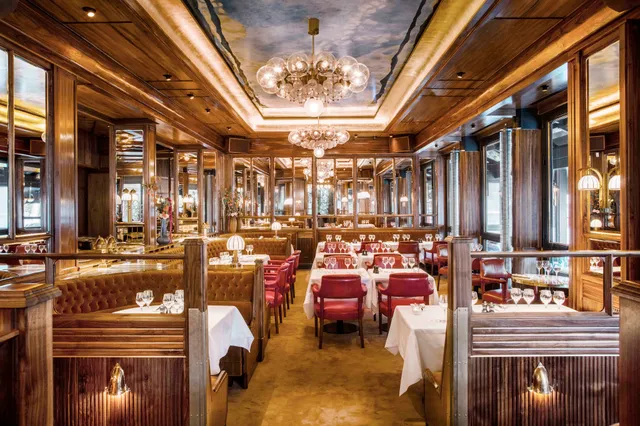
Housed in what feels like a Parisian maison rather than a typical museum, the space is warm and intimate—like stepping into someone’s beautifully curated home rather than a grand, impersonal gallery. The interior design is elegant, with wood-paneled rooms, chandeliers, and rich, cozy colors that make the experience feel personal and immersive.
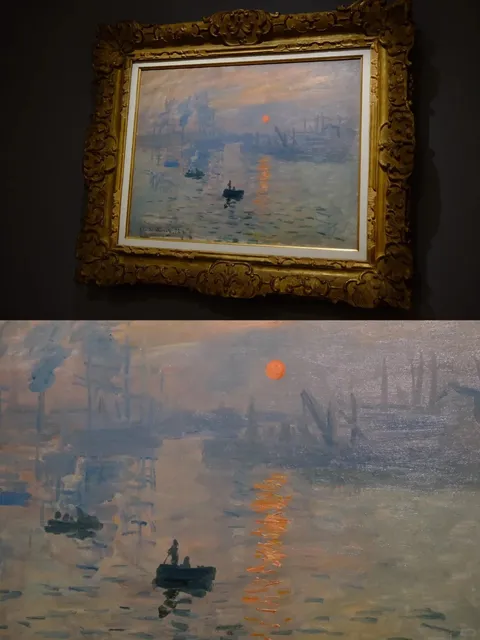
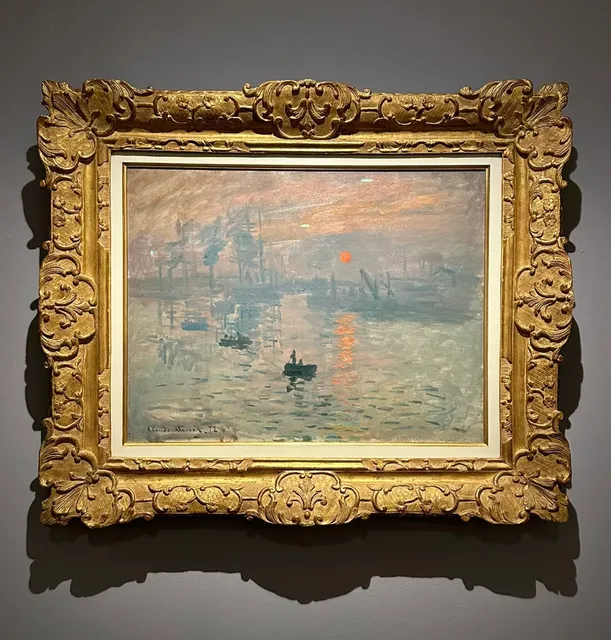
And then, of course, there’s the Monet collection. It’s breathtaking. The museum holds the largest collection of his works, including the famous Impression, Sunrise—the painting that literally gave Impressionism its name. The water lilies, the Japanese bridge, the Normandy landscapes—they’re all here, and up close, they feel even more alive.
One of my favorite things about this place is how it allows you to follow Monet’s artistic evolution. You see his earlier, more detailed works and then his later, almost abstract brushstrokes that dissolve into color and light. It’s like watching a master let go of form and embrace pure emotion.
The museum also has pieces from other Impressionist and Post-Impressionist artists, but Monet is the star. And because it’s slightly off the beaten path, it doesn’t have the overwhelming crowds of the Orsay or the Louvre. You can actually take your time, breathe, and just be with the art—which feels like the way Monet himself would have wanted it.
If you love Monet, or just want a museum that feels special and a little more personal, Musée Marmottan Monet is a...
Read more