Palais de Tokyo things to do, attractions, restaurants, events info and trip planning
Basic Info
Palais de Tokyo
13 Av. du Président Wilson, 75116 Paris, France
4.4(4.5K)
Open until 12:00 AM


tickets
Save
spot
spot
Ratings & Description
Info
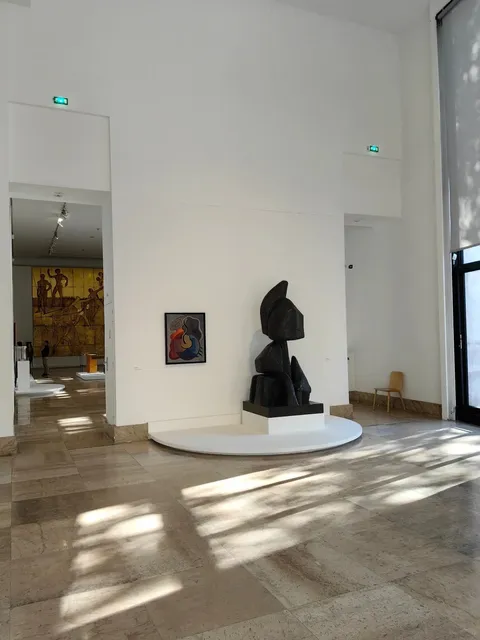
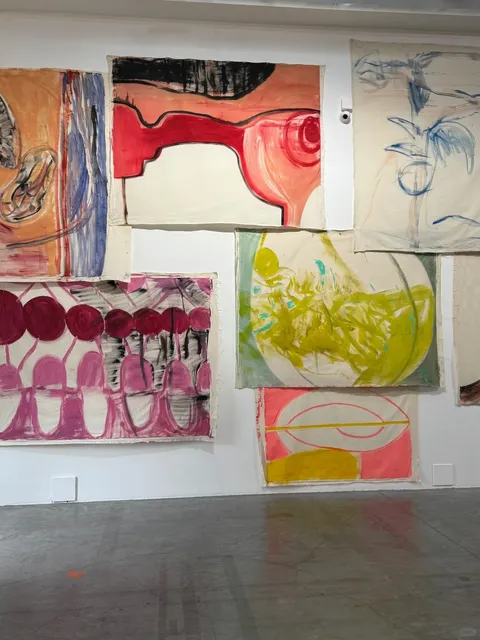
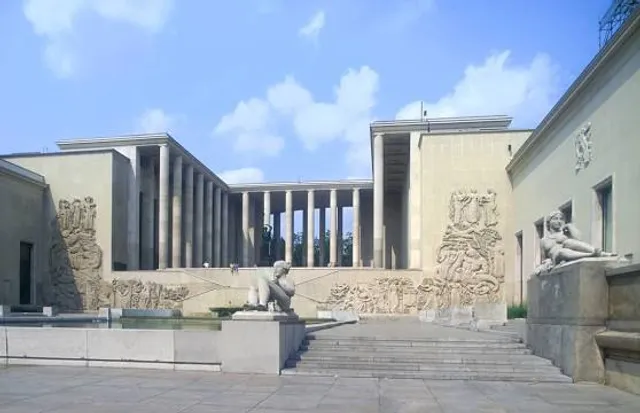
The Palais de Tokyo is a building dedicated to modern and contemporary art, located at 13 avenue du Président-Wilson, facing the Trocadéro, in the 16th arrondissement of Paris. The eastern wing of the building belongs to the City of Paris, and hosts the Musée d'Art Moderne de Paris.
Cultural
Entertainment
Accessibility
attractions: Musée d'Art Moderne de Paris, Palais Galliera, Guimet Museum, Musée Yves Saint Laurent, Passerelle Debilly, Alma's bridge, Square du Palais-Galliera, Flame of Liberty, Eiffel Tower, Musée du quai Branly - Jacques Chirac, restaurants: Bambini, Angelina Paris – Alma, Salon de thé, Monsieur Bleu, Corail, Les Marches, YOYO, Les Petites Mains, La Cantine Russe, Balilli, Margaux, local businesses: Passerelle Debilly, Marché Président Wilson, Seine river night cruise, ✅ BELGRAVIA MANUCURE RUSSE, Apple France Corporate Office, Sergei Rachmaninoff Conservatory, Ballroom dance Paris, Equestrian Statue of Georges Washington, Saint Pierre de Chaillot Catholic Church, PARIS SEINE │EVENT
 Learn more insights from Wanderboat AI.
Phone
+33 1 81 97 35 88
Website
palaisdetokyo.com
Open hoursSee all hours
TueClosedOpen
Plan your stay

Pet-friendly Hotels in Paris
Find a cozy hotel nearby and make it a full experience.

Affordable Hotels in Paris
Find a cozy hotel nearby and make it a full experience.

The Coolest Hotels You Haven't Heard Of (Yet)
Find a cozy hotel nearby and make it a full experience.

Trending Stays Worth the Hype in Paris
Find a cozy hotel nearby and make it a full experience.
Reviews
Live events
Dinner Cruise in the Heart of Paris with Music
Fri, Feb 27 • 8:30 PM
Port de la Bourdonnais 75007, Paris, France
View details

Learn to bake classic French croissants
Wed, Feb 25 • 9:00 AM
75007, Paris, France
View details
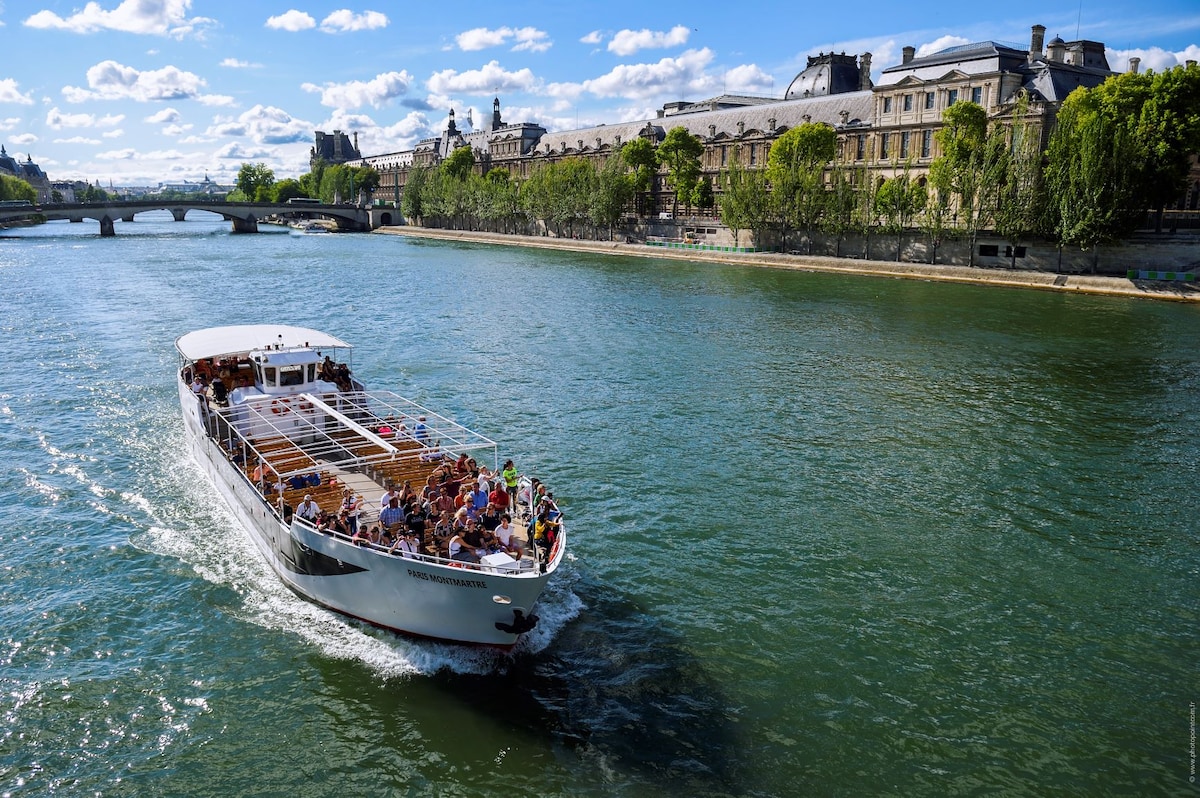
Fast-Access Seine River Cruise from Eiffel Tower
Tue, Mar 3 • 10:45 AM
75015, Paris, France
View details
Nearby attractions of Palais de Tokyo
Musée d'Art Moderne de Paris
Palais Galliera
Guimet Museum
Musée Yves Saint Laurent
Passerelle Debilly
Alma's bridge
Square du Palais-Galliera
Flame of Liberty
Eiffel Tower
Musée du quai Branly - Jacques Chirac
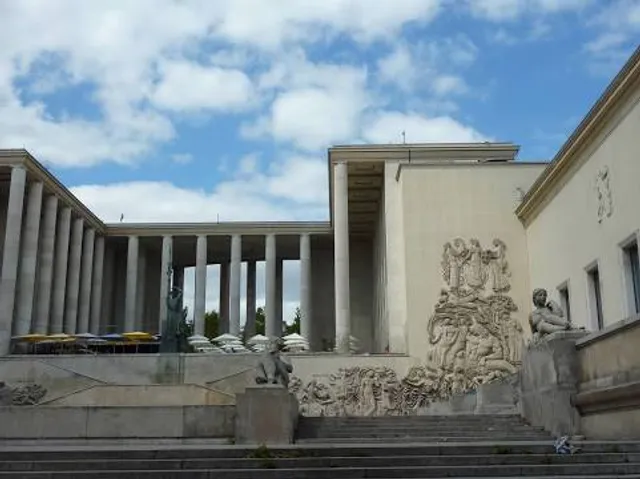
Musée d'Art Moderne de Paris
4.5
(3.5K)
Closed
Click for details
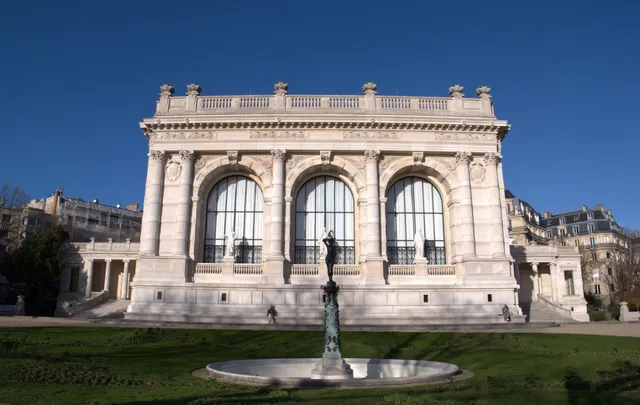
Palais Galliera
4.4
(2K)
Open until 12:00 AM
Click for details
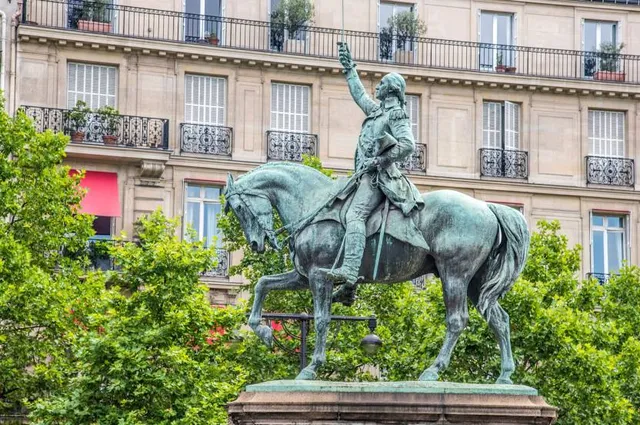
Guimet Museum
4.6
(3.4K)
Open until 12:00 AM
Click for details
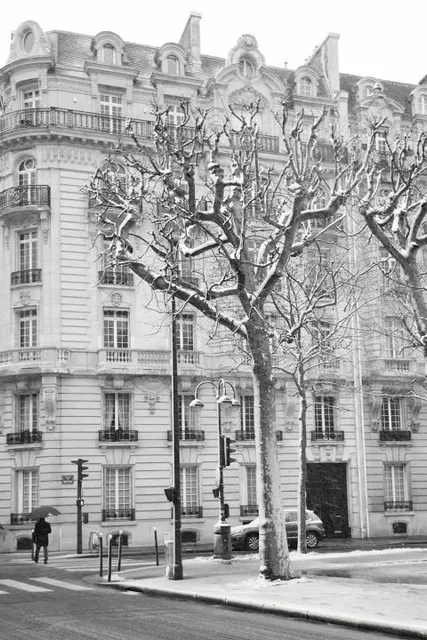
Musée Yves Saint Laurent
4.3
(2K)
Open 24 hours
Click for details
Nearby restaurants of Palais de Tokyo
Bambini
Angelina Paris – Alma, Salon de thé
Monsieur Bleu
Corail
Les Marches
YOYO
Les Petites Mains
La Cantine Russe
Balilli
Margaux
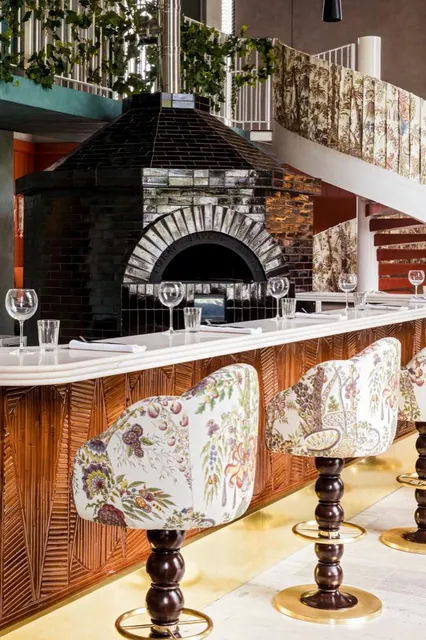
Bambini
3.7
(1.8K)
Open until 11:00 PM
Click for details
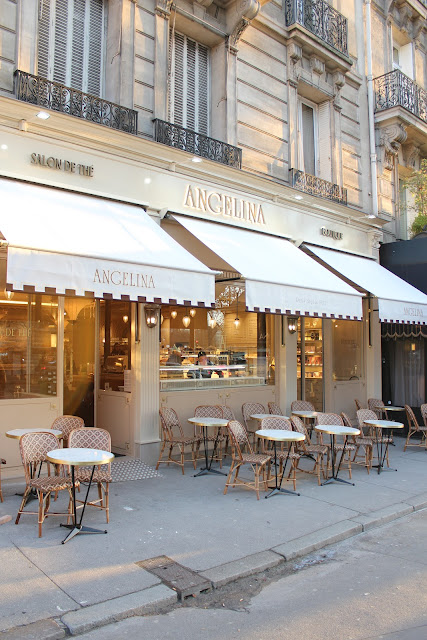
Angelina Paris – Alma, Salon de thé
4.6
(165)
Closed
Click for details
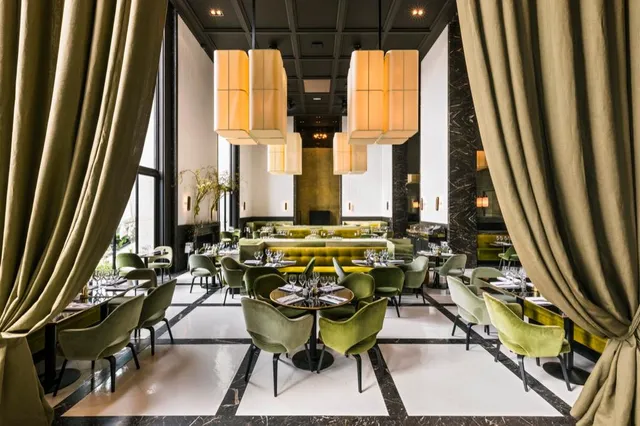
Monsieur Bleu
4.0
(1.6K)
Open until 2:00 AM
Click for details
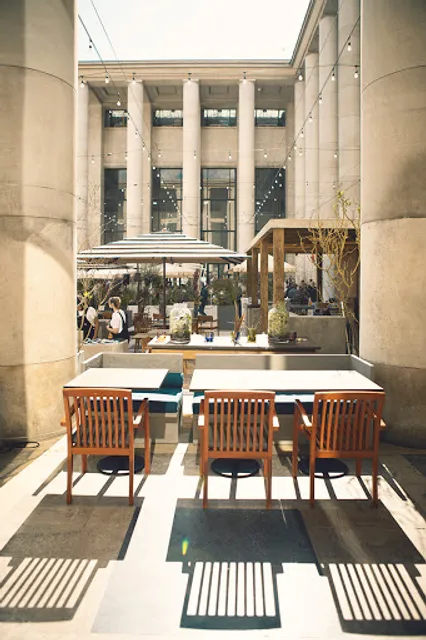
Corail
3.9
(731)
Open until 1:00 AM
Click for details
Nearby local services of Palais de Tokyo
Passerelle Debilly
Marché Président Wilson
Seine river night cruise
✅ BELGRAVIA MANUCURE RUSSE
Apple France Corporate Office
Sergei Rachmaninoff Conservatory
Ballroom dance Paris
Equestrian Statue of Georges Washington
Saint Pierre de Chaillot Catholic Church
PARIS SEINE │EVENT
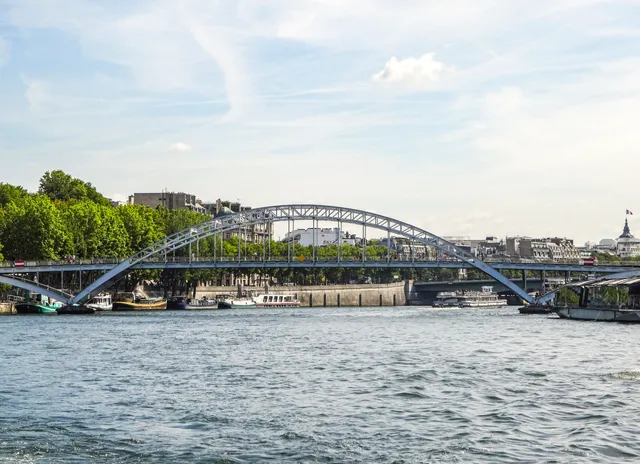
Passerelle Debilly
4.6
(1.3K)
Click for details
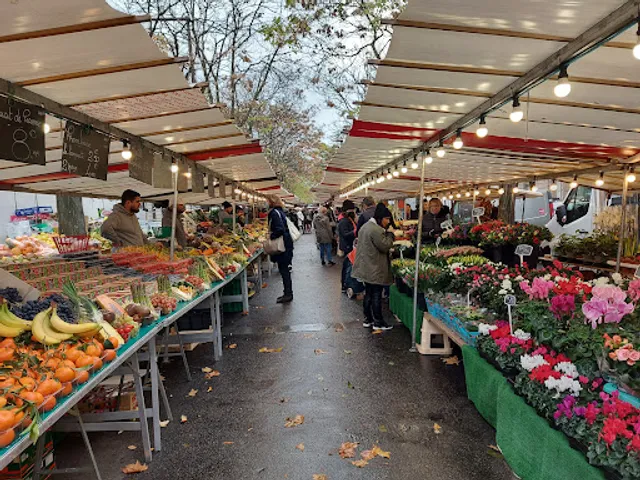
Marché Président Wilson
4.6
(115)
Click for details
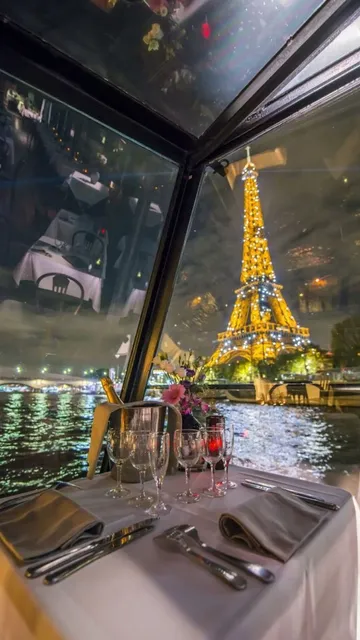
Seine river night cruise
4.7
(73)
Click for details

✅ BELGRAVIA MANUCURE RUSSE
4.8
(152)
Click for details