Flame of Liberty things to do, attractions, restaurants, events info and trip planning
Basic Info
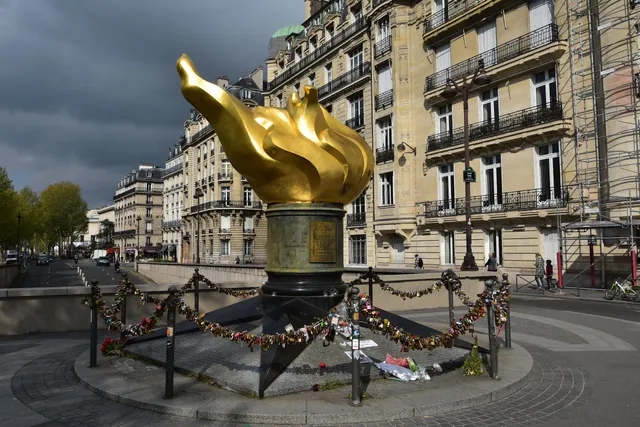
Flame of Liberty
Pl. de l'Alma, 75008 Paris, France
4.5(1.0K)
Open until 12:00 AM
Save
spot
spot
Ratings & Description
Info
The Flame of Liberty in Paris is a full-sized, gold-leaf-covered replica of the flame of the torch from the Statue of Liberty. The monument, which measures approximately 3.5 metres in height, is a sculpture of a flame, executed in gilded copper, supported by a pedestal of gray-and-black marble.
Cultural
Accessibility
attractions: Alma's bridge, Musée d'Art Moderne de Paris, Musée Yves Saint Laurent, Théâtre des Champs-Élysées, Palais de Tokyo, Paris Sewer Museum, Cathédrale de la Sainte-Trinité, Zouave, Passerelle Debilly, Palais Galliera, restaurants: Angelina Paris – Alma, Salon de thé, Le Grand Corona, Chez Francis, Le George V, 6 New-York, La Pistacherie, La Mascotte, Gigi Paris, Marius et Janette, Margaux, local businesses: Princess Diana Memories, Passerelle Debilly, Picard, Pont de l'Alma, Louis Vuitton, Saint Pierre de Chaillot Catholic Church, Bottega Veneta Paris Avenue Montaigne, DIOR Paris 30 Montaigne, Baby Prestige, Le Cireur de Paris
 Learn more insights from Wanderboat AI.
Open hoursSee all hours
WedOpen 24 hoursOpen
Plan your stay

Pet-friendly Hotels in Paris
Find a cozy hotel nearby and make it a full experience.

Affordable Hotels in Paris
Find a cozy hotel nearby and make it a full experience.

The Coolest Hotels You Haven't Heard Of (Yet)
Find a cozy hotel nearby and make it a full experience.

Trending Stays Worth the Hype in Paris
Find a cozy hotel nearby and make it a full experience.
Reviews
Live events
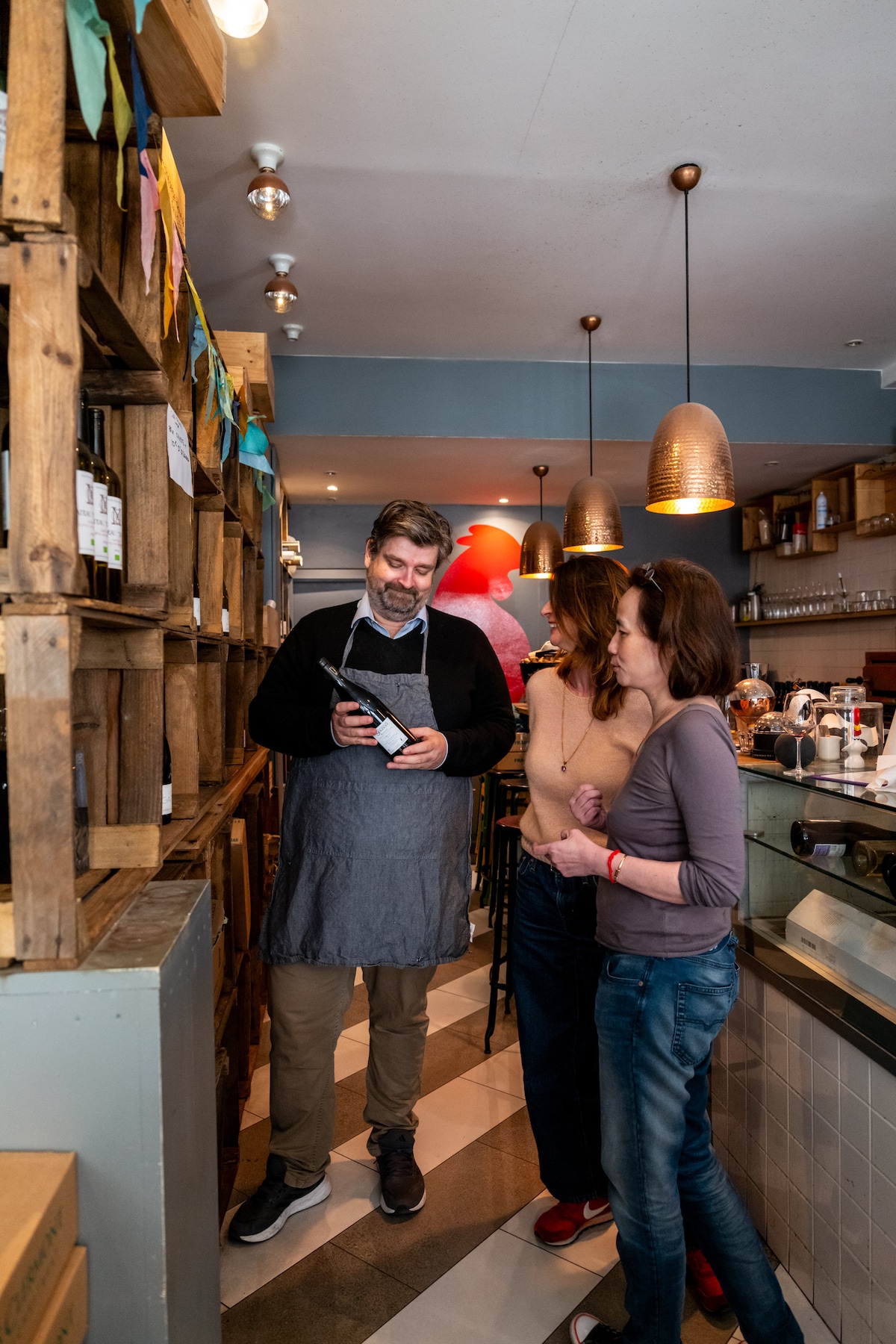
A sommelier’s wine tasting tour de France
Thu, Feb 26 • 1:00 PM
75009, Paris, France
View details

Planète Préhistorique : Dinosaures, L’expérience immersive à l’Atelier des Lumières
Wed, Feb 25 • 10:00 AM
38 Rue Saint-Maur, 75011
View details
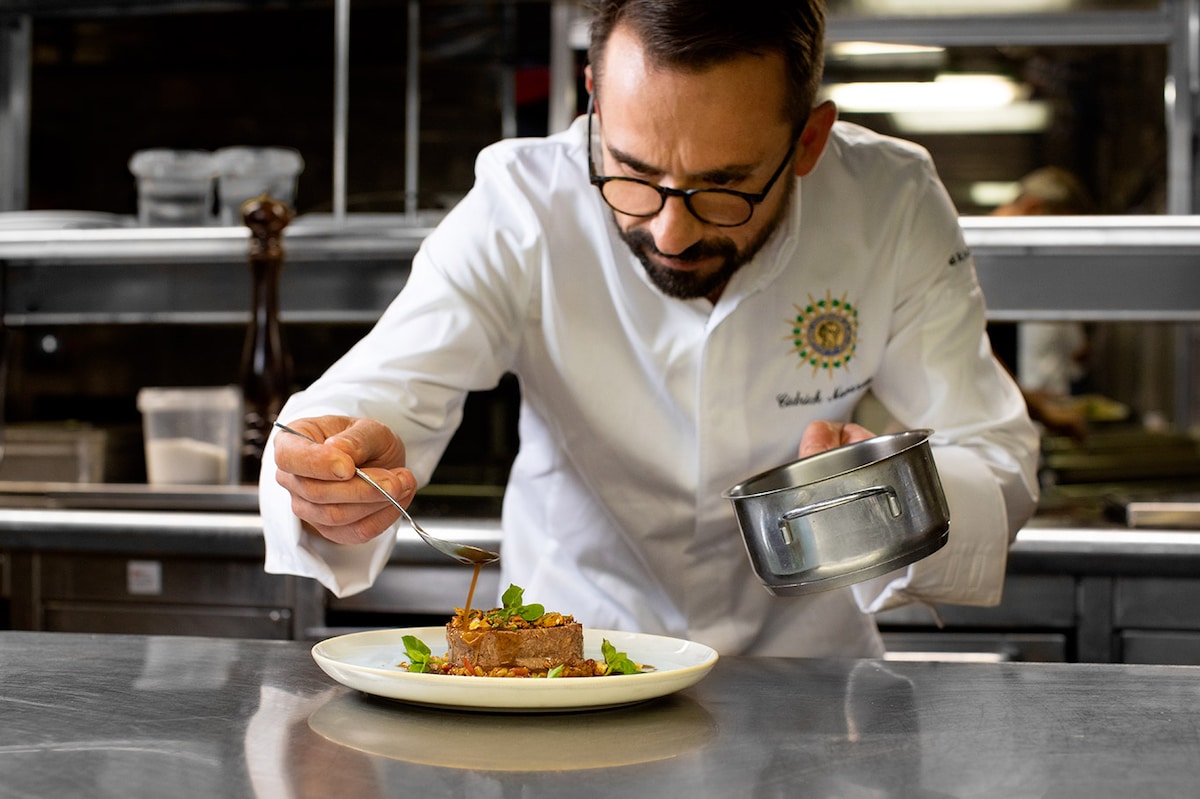
Dinner Cruise in the Heart of Paris with Music
Fri, Feb 27 • 8:30 PM
Port de la Bourdonnais 75007, Paris, France
View details
Nearby attractions of Flame of Liberty
Alma's bridge
Musée d'Art Moderne de Paris
Musée Yves Saint Laurent
Théâtre des Champs-Élysées
Palais de Tokyo
Paris Sewer Museum
Cathédrale de la Sainte-Trinité
Zouave
Passerelle Debilly
Palais Galliera
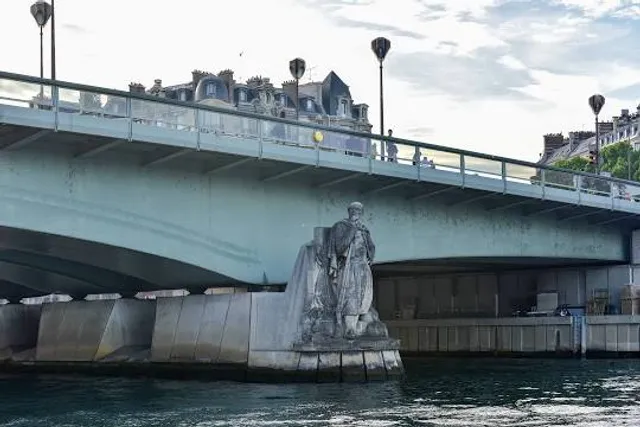
Alma's bridge
4.5
(8.8K)
Open until 12:00 AM
Click for details
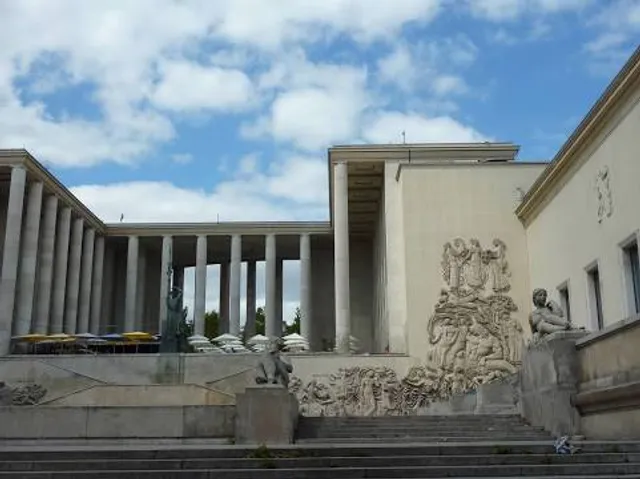
Musée d'Art Moderne de Paris
4.5
(3.5K)
Closed
Click for details
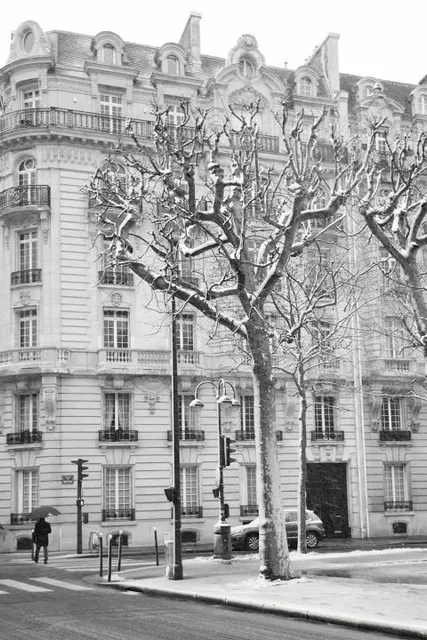
Musée Yves Saint Laurent
4.3
(2K)
Open 24 hours
Click for details
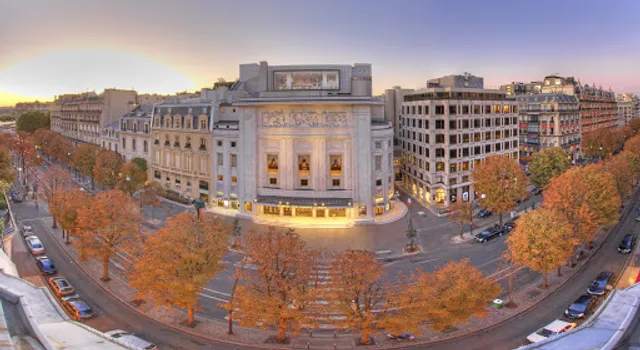
Théâtre des Champs-Élysées
4.5
(2.1K)
Open 24 hours
Click for details
Nearby restaurants of Flame of Liberty
Angelina Paris – Alma, Salon de thé
Le Grand Corona
Chez Francis
Le George V
6 New-York
La Pistacherie
La Mascotte
Gigi Paris
Marius et Janette
Margaux
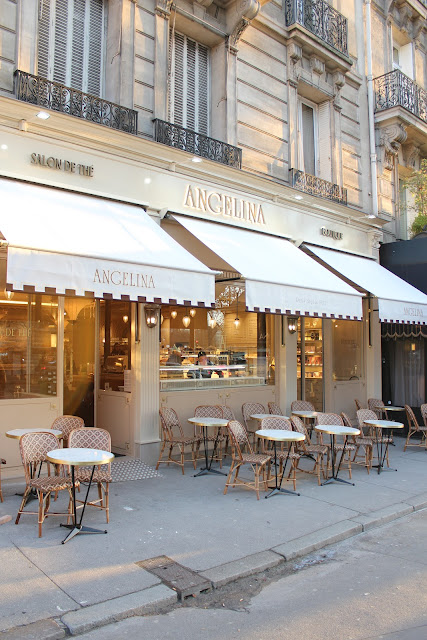
Angelina Paris – Alma, Salon de thé
4.6
(165)
Open until 7:00 PM
Click for details
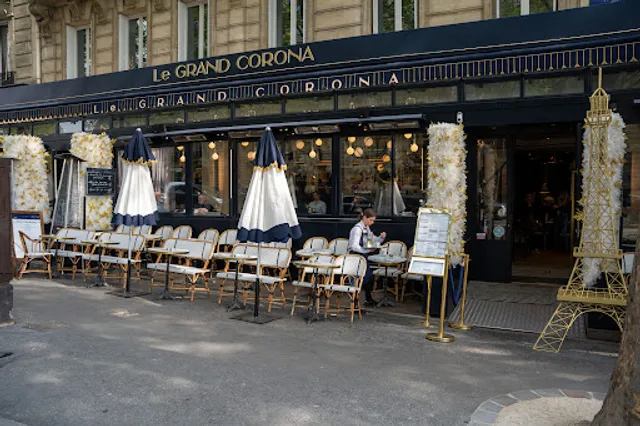
Le Grand Corona
3.7
(970)
$$
Open until 2:00 AM
Click for details
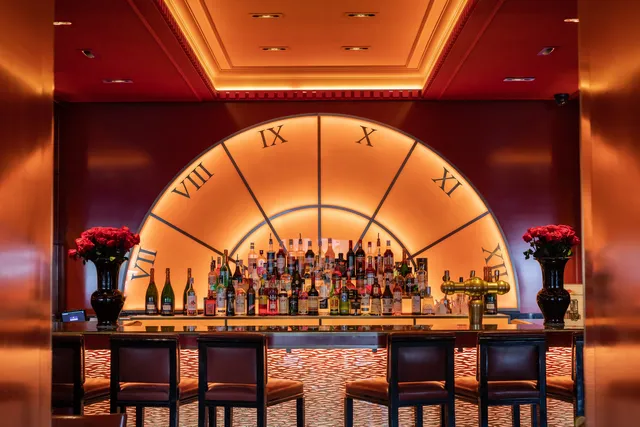
Chez Francis
3.6
(2.1K)
$$$
Open until 11:30 PM
Click for details
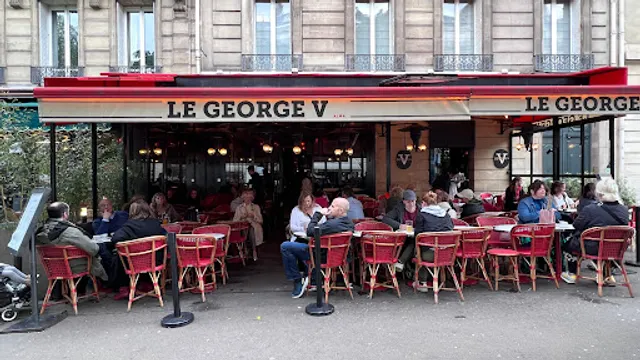
Le George V
3.9
(1.3K)
Open until 2:00 AM
Click for details
Nearby local services of Flame of Liberty
Princess Diana Memories
Passerelle Debilly
Picard
Pont de l'Alma
Louis Vuitton
Saint Pierre de Chaillot Catholic Church
Bottega Veneta Paris Avenue Montaigne
DIOR Paris 30 Montaigne
Baby Prestige
Le Cireur de Paris
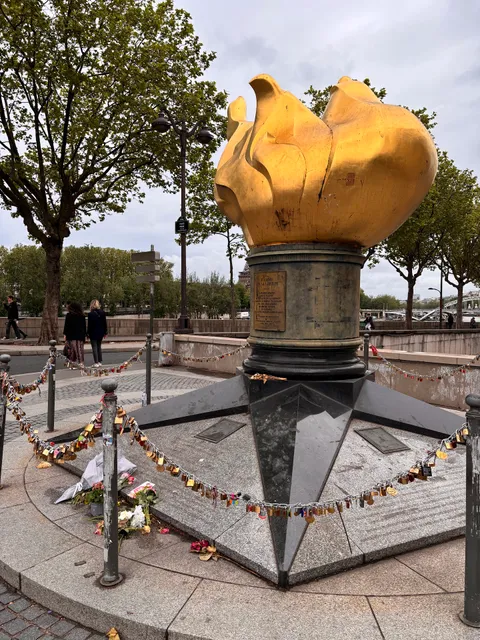
Princess Diana Memories
4.8
(46)
Click for details
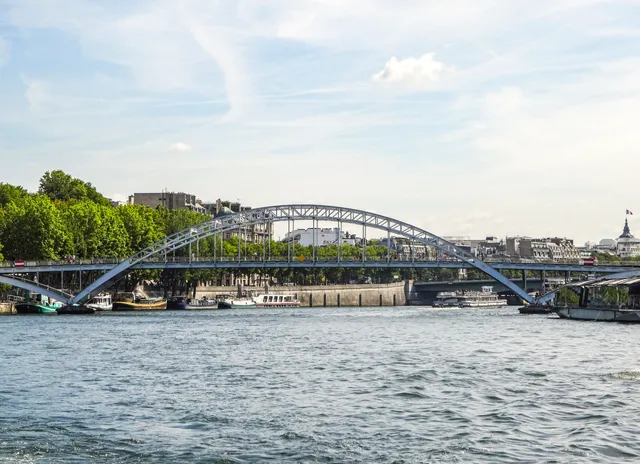
Passerelle Debilly
4.6
(1.3K)
Click for details
Picard
4.4
(45)
Click for details
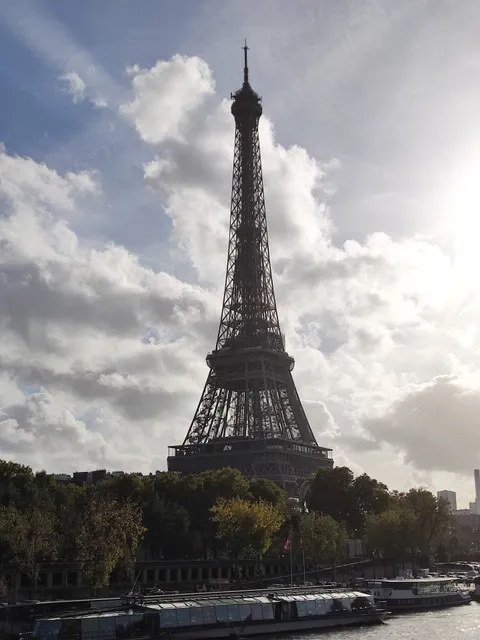
Pont de l'Alma
3.6
(54)
Click for details