The Humboldt Forum in Berlin is a cultural institution that leaves visitors with a multitude of positive impressions. As a hub for art, culture, and knowledge, it offers a unique and immersive experience that celebrates diversity, fosters intellectual exploration, and promotes intercultural dialogue.
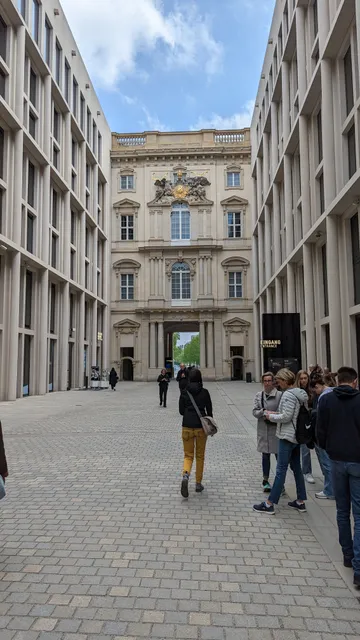
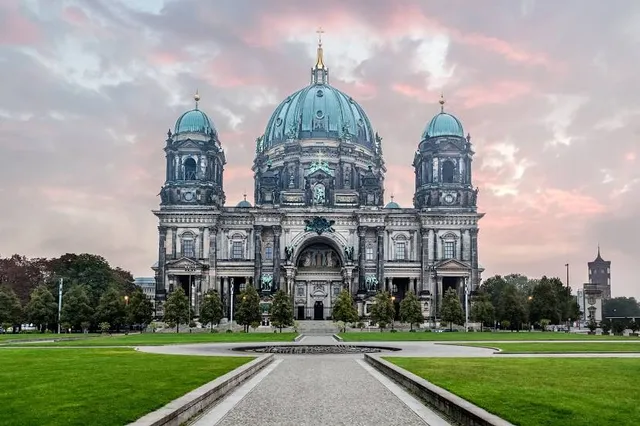
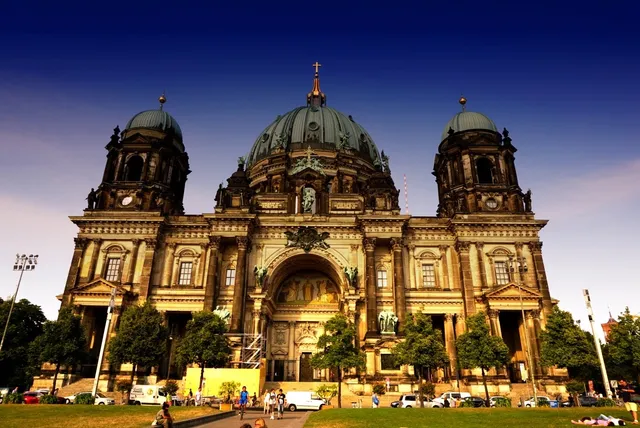
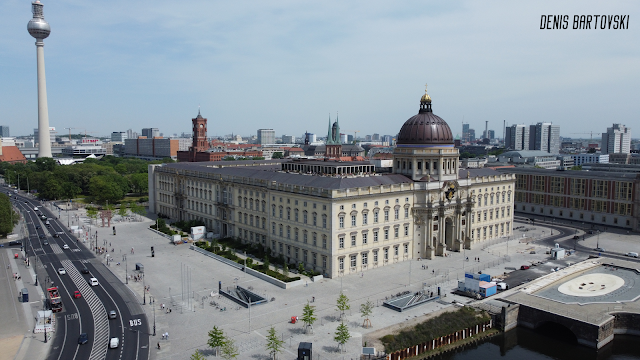
One of the first things that captivates visitors about the Humboldt Forum is its stunning architecture. The Forum is located in the reconstructed Berlin Palace, a historic building that combines elements of the original Baroque architecture with contemporary design. The juxtaposition of old and new creates a visually striking environment that symbolizes the Forum's mission of bridging past and present.
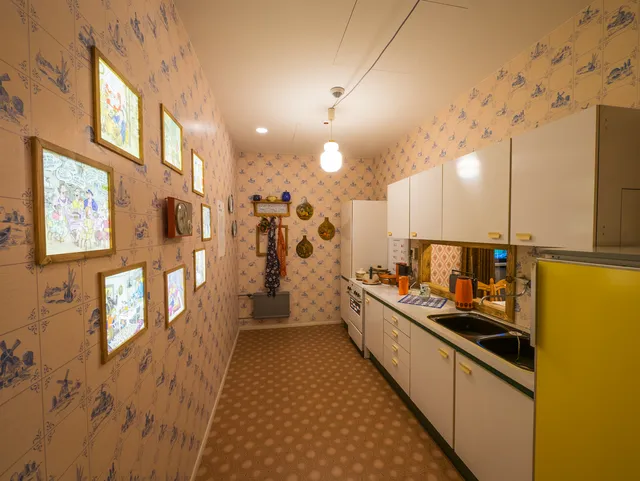
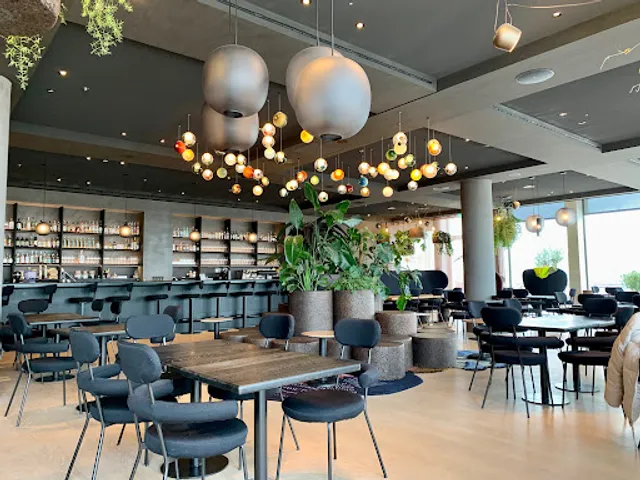
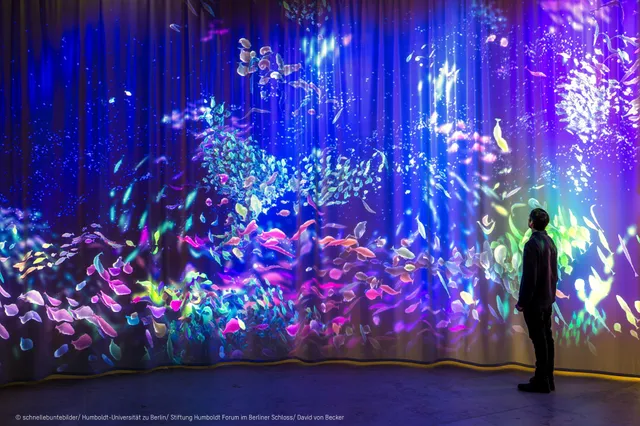
The interior of the Humboldt Forum is equally impressive. Its spacious galleries, modern exhibition spaces, and state-of-the-art facilities provide an ideal setting for showcasing a diverse range of artistic and cultural expressions. The attention to detail in the design and layout of the exhibitions creates an immersive and engaging experience for visitors.
One of the highlights of the Humboldt Forum is its vast and varied collections. The Forum houses a rich assortment of art, artifacts, and objects from around the world, representing different cultures, historical periods, and artistic traditions. From ancient civilizations to contemporary art, the collections offer a comprehensive and multifaceted exploration of human creativity and cultural heritage.
The Humboldt Forum's commitment to intercultural dialogue and understanding is another aspect that leaves a positive impression. Through its exhibitions, events, and programs, the Forum encourages visitors to explore different perspectives, challenge preconceptions, and engage in conversations about important social and cultural issues. It serves as a platform for fostering cross-cultural understanding, empathy, and appreciation.
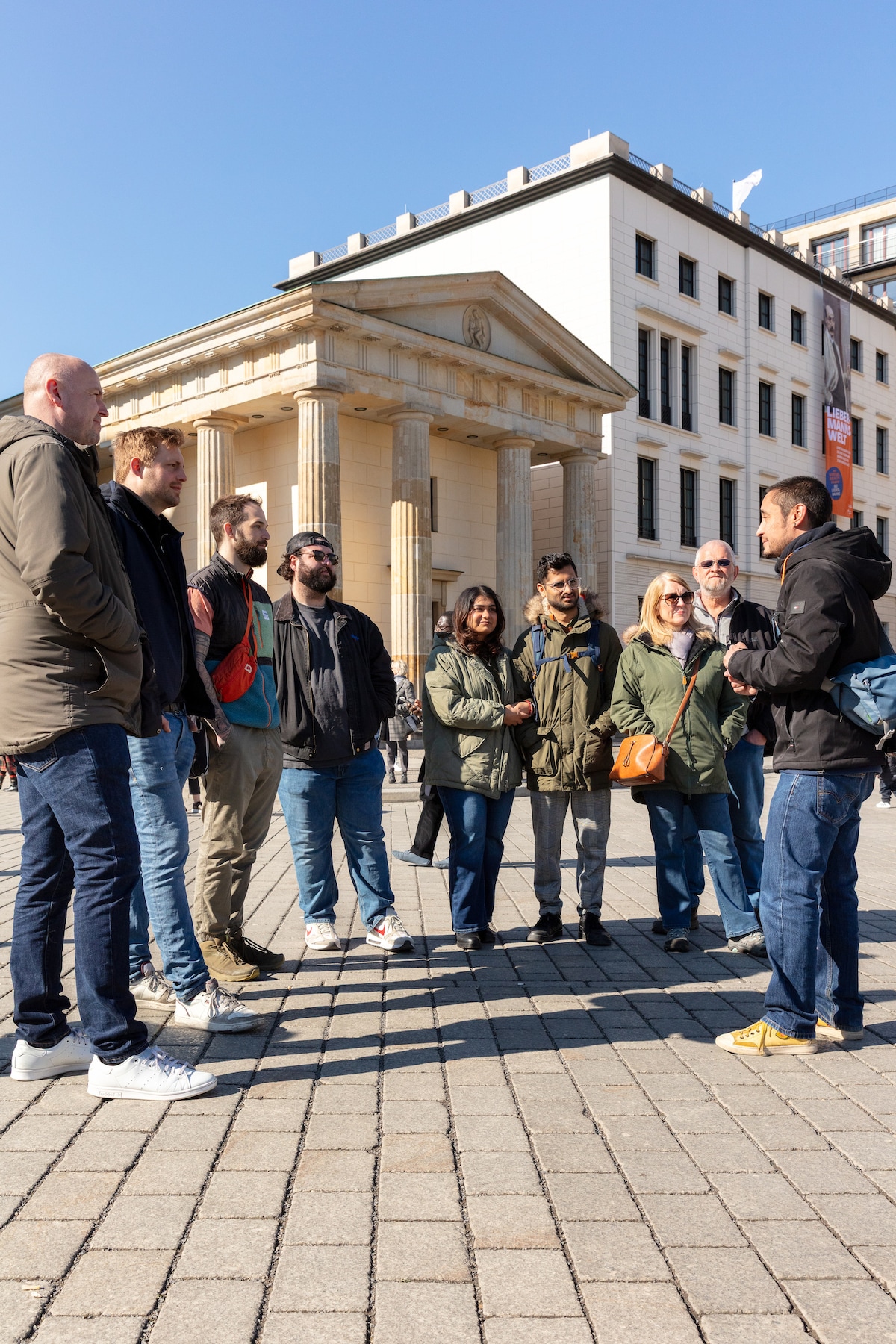
In addition to its exhibitions, the Humboldt Forum offers a wide range of educational and interactive activities for visitors of all ages. Workshops, lectures, guided tours, and performances provide opportunities for deeper engagement with the collections and themes presented. These activities enhance the overall visitor experience and promote lifelong learning.
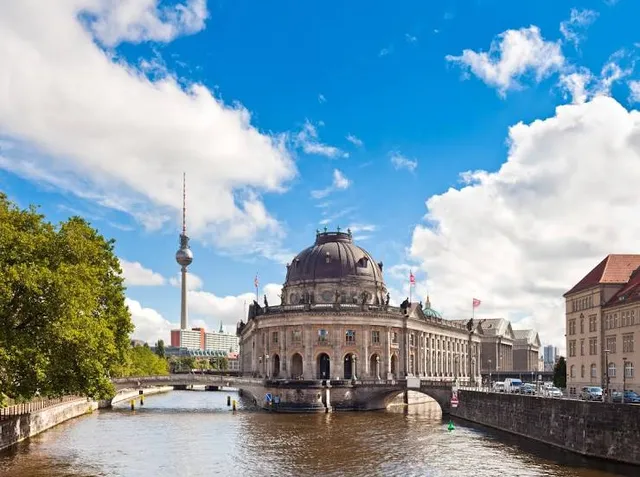
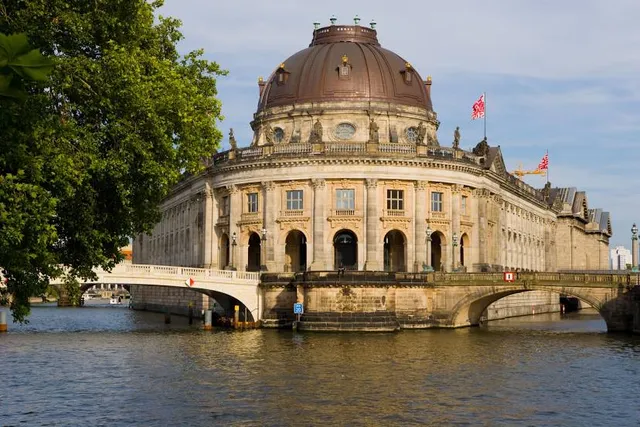
The location of the Humboldt Forum in the heart of Berlin adds to its allure. Situated on the historic Museum Island, it is surrounded by other renowned cultural institutions and landmarks, creating a vibrant and intellectually stimulating environment. Visitors can easily explore multiple museums and immerse themselves in the rich cultural offerings of the city.
Lastly, the Humboldt Forum's commitment to sustainability and social responsibility contributes to its positive impression. The Forum actively engages with environmental and social challenges, employing sustainable practices in its operations and promoting inclusivity and accessibility in its programs.
In conclusion, the Humboldt Forum in Berlin is a cultural treasure that impresses visitors with its stunning architecture, diverse collections, commitment to intercultural dialogue, engaging activities, and prime location. It offers a space for intellectual exploration, cultural enrichment, and meaningful encounters, making it a must-visit destination for those seeking a dynamic and enriching cultural...
Read moreThe Berliner Schloss, also known as the Berlin Palace or the Stadtschloss (City Palace), is a historically significant building located in the heart of Berlin, Germany. Its history is deeply intertwined with the city's rich cultural and political heritage. Here's an overview of the Berliner Schloss:
Historical Background: The Berliner Schloss has a long and storied history dating back to the 15th century. It was originally built as a royal palace for the Hohenzollern family, who were the ruling dynasty of Brandenburg and Prussia. Over the centuries, it underwent multiple renovations and expansions, evolving in architectural style from Renaissance to Baroque and later Neoclassical.
Architectural Significance: The Berliner Schloss is notable for its stunning architecture, with its facade adorned with sculptures, decorative elements, and grand facades. The palace served as a symbol of Prussian power and grandeur during the reign of the Hohenzollern monarchs.
Cultural and Historical Significance: Throughout its history, the Berliner Schloss was not only a royal residence but also a center of political and cultural life in Prussia. It housed the Prussian royal family, hosted important events, and was home to impressive collections of art and cultural artifacts.
Destruction and Reconstruction: Tragically, the Berliner Schloss was heavily damaged during World War II. After the war, the East German government decided to demolish the palace in 1950, considering it a symbol of Prussian militarism. The removal of the palace left a significant void in Berlin's cityscape.
In the 21st century, there was a significant effort to reconstruct the Berliner Schloss as a symbol of cultural continuity and historical preservation. The project, known as the "Humboldt Forum," aimed to rebuild the palace's exterior while creating a modern cultural and exhibition space within. The Humboldt Forum would house various museums, collections, and cultural institutions.
Reconstruction and the Humboldt Forum: The reconstruction of the Berliner Schloss began in the early 2010s, and it was a significant architectural undertaking. The exterior of the palace was meticulously recreated to resemble its historical appearance. The interior, however, was redesigned to serve the needs of a modern cultural center.
The Humboldt Forum officially opened to the public in December 2020, marking a significant milestone in the history of the Berliner Schloss. It houses various cultural collections, including art, artifacts, and exhibitions, and serves as a hub for cultural exchange, research, and education.
Today, the Berliner Schloss stands as a symbol of Berlin's commitment to preserving its cultural heritage and embracing its rich history. It serves as a testament to the city's resilience, bridging the gap between its past and present while providing a space for the appreciation of art, culture, and history in the heart of the...
Read moreAfter both times installing my work in Humboldt Forum's Schlüterhof, I would like to share some thoughts and experience. During both times, me and my friends were exposed to the public and received lots of questions, curiosity, both positive but also hateful energy. On-site projects like this are never as easy as simply putting a work in a hall, a wall where you can just avoid questions if you want to. Out in this courtyard, there are no walls keeping me from the audience, I am splitted between focusing on my work and dealing with explanation.
An old German asked me: "I came here to see German art, you are a foreigner, why are you here?" He then asked more personal questions like "Are you German? Have you lived here since you were a child or something else? Do you live here alone or with your parents?". One woman said: "This is not the place for you to play games for kindergarten like this, it's the Schlüterhof, 10000 Euros!". There was a staff member working there who knew I was allowed to do this work, but said loudly: "Don't you have any other ideas?" (Hast du keine andere Ideen?) and simply moved on, without the need to hear my answer, which means he only wanted to express his dislike towards my work (anyway, I couldn't instantly give him any answer).
Receiving such mixed reactions made me more closed and careful before the gazes of outsiders. There may be people who really like the idea and approached me, at first I didn't dare to open up and only answered with a very careful neutral attitude.
From this incident, I had a lot to reflect on and believe all sides have lessons to learn from. I really hope that Humboldt Forum can be more aware of which audience artists might interact with and give them some precautions advice. Of course, for myself, it was my idea and it was approved and I take all the risks, or let's say encounters that I might have, this is also an experience for me to learn from. The chance to be part of the exhibition in here was an eye-opening experience due to the scale and I really appreciate the good things of it over the bad things. I also hope that from some incidents that happened in my work, we see that there are still social problems existing and we all together should deal with it. I don't want any future artists to propose a work in the public and get declined because institutions are afraid of what might happen. It means that to hide away from dealing with the existing problems in this reality, one would decide to constrain the artist's creativity. And for that, I hope we choose the right way to go instead of the easy way, only through that can we improve together.
All the best, Quang Vinh Giang
Pictures: Our Soil Or Your Soil , 2023, Mingled Living Forces Earth ambigram installation and video...
Read more