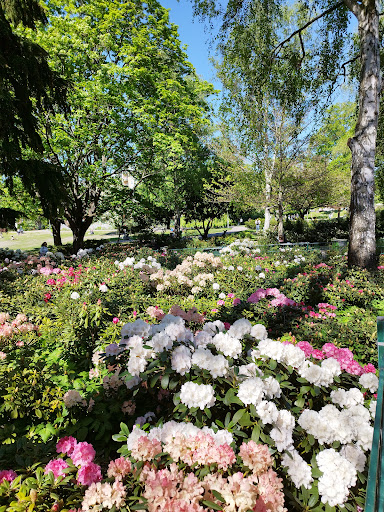
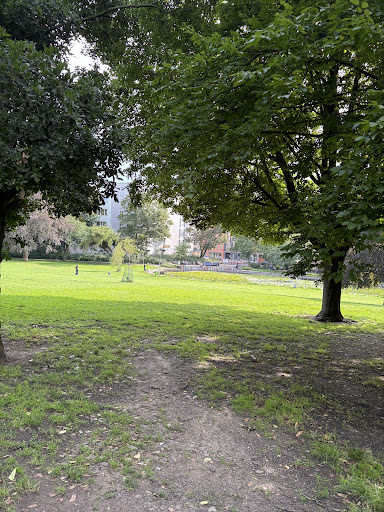
Volkspark am Weinberg things to do, attractions, restaurants, events info and trip planning

Basic Info
Volkspark am Weinberg
Weinbergsweg 15, 10119 Berlin, Germany
4.4(1.6K)
Open until 12:00 AM
Save
spot
spot
Ratings & Description
Info
The Volkspark am Weinberg is the only Volkspark in Berlin's Mitte locality in the district of the same name and covers an area of 4.3 hectares. It is bordered by Weinbergsweg to the southeast, Brunnenstraße to the southwest, Veteranenstraße to the northwest and Fehrbelliner Straße to the northeast.
Outdoor
Family friendly
Pet friendly
attractions: ACUD Theater, Zagreus- Projekt, David Hasselhoff Museum, Zionskirchplatz, Zion Church, Berlin Wall Memorial, janinebeangallery, Samurai Museum Berlin, Teutoburger Platz, Spielplatz Arkonaplatz, restaurants: Coccodrillo, El Amigo Taqueria, 100 Gramm Bar & Lounge, FC Magnet Bar, Buck and Breck, VOLK, Rises Delicacies, CODOS Berlin, Café Fleury, Aiko, local businesses: ACUD Kino, Waschsalon 115 GmbH, Fior di Pane, Fleischhandlung, Slice Society, Habeit shel AMANO, Supreme, Dodo's Blow Dry Bar, Wochenmarkt Arkonaplatz, Bandito Rosso
 Learn more insights from Wanderboat AI.
Phone
+49 30 25002333
Website
visitberlin.de
Open hoursSee all hours
MonOpen 24 hoursOpen
Plan your stay

Pet-friendly Hotels in Berlin
Find a cozy hotel nearby and make it a full experience.

Affordable Hotels in Berlin
Find a cozy hotel nearby and make it a full experience.

The Coolest Hotels You Haven't Heard Of (Yet)
Find a cozy hotel nearby and make it a full experience.

Trending Stays Worth the Hype in Berlin
Find a cozy hotel nearby and make it a full experience.
Reviews
Live events
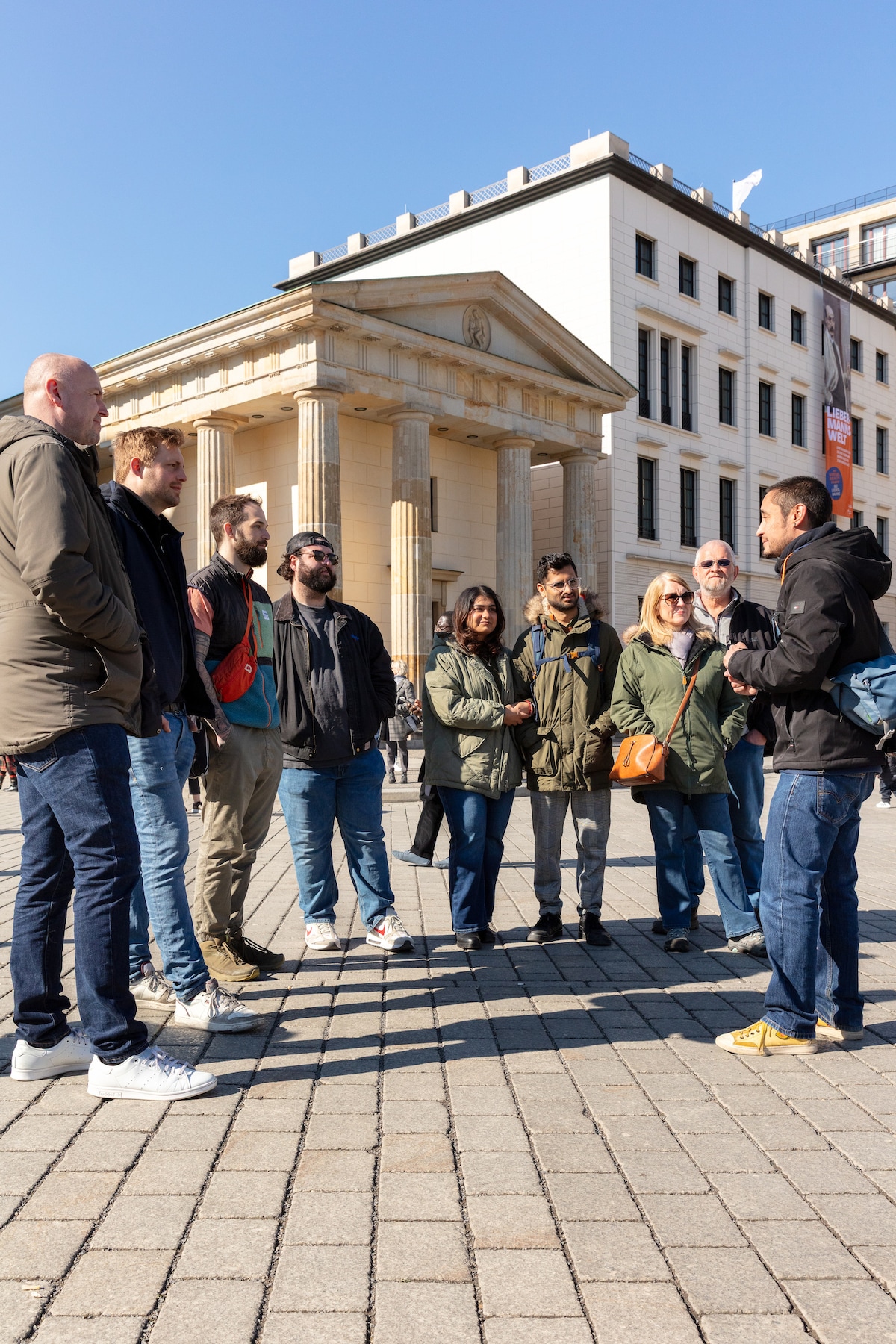
Rude Bastards Tour of® Berlin
Mon, Feb 23 • 10:00 AM
10785, Berlin, Germany
View details
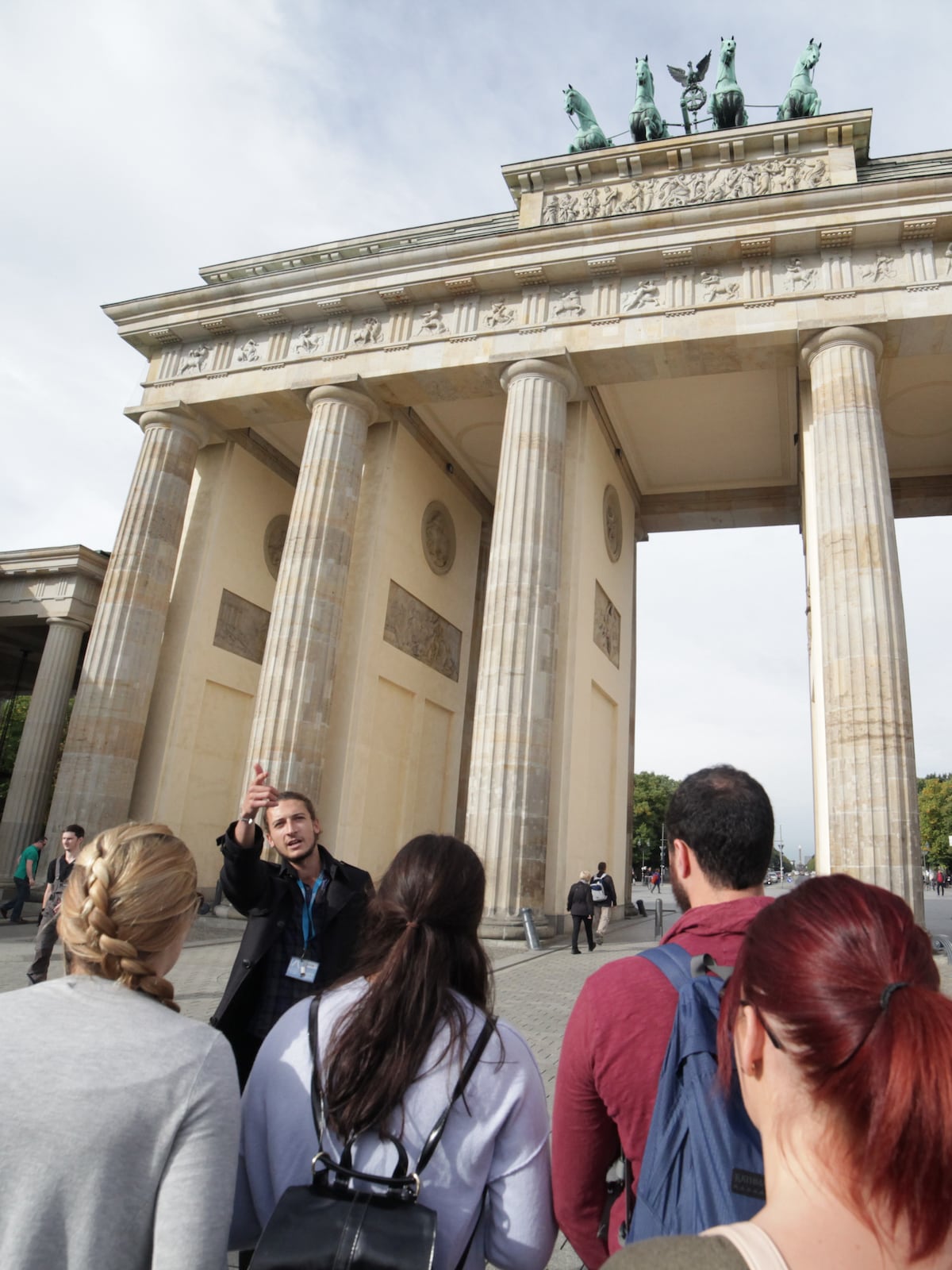
Discover Berlin - Main Sights Tour in English
Mon, Feb 23 • 10:30 AM
10178, Berlin, Germany
View details

Enjoy an English-speaking comedy show
Mon, Feb 23 • 7:45 PM
10117, Berlin, Germany
View details
Nearby attractions of Volkspark am Weinberg
ACUD Theater
Zagreus- Projekt
David Hasselhoff Museum
Zionskirchplatz
Zion Church
Berlin Wall Memorial
janinebeangallery
Samurai Museum Berlin
Teutoburger Platz
Spielplatz Arkonaplatz
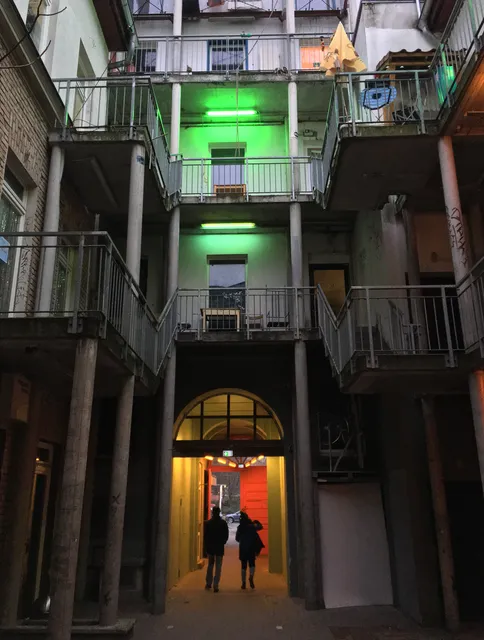
ACUD Theater
4.5
(147)
Open 24 hours
Click for details
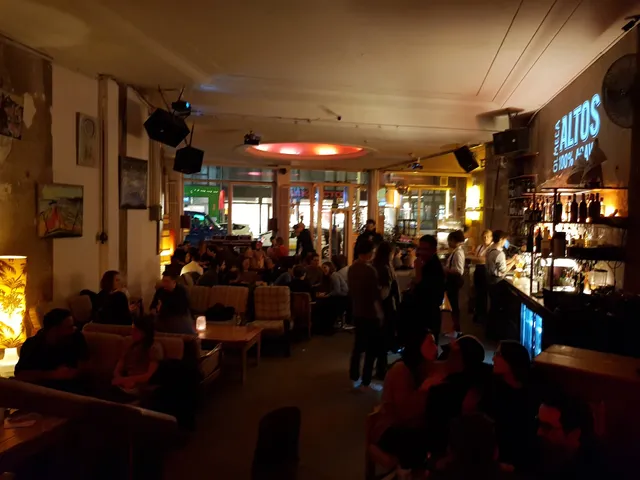
Zagreus- Projekt
4.6
(29)
Open 24 hours
Click for details
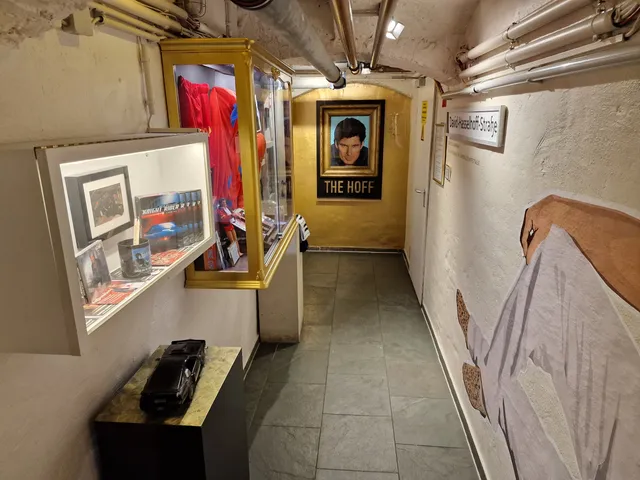
David Hasselhoff Museum
4.6
(153)
Open until 12:00 AM
Click for details
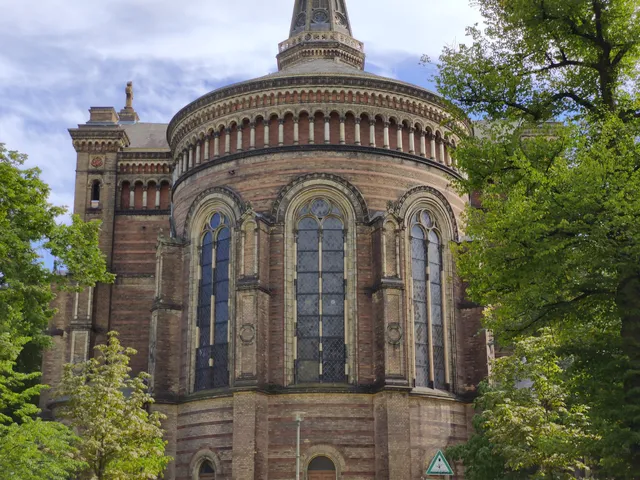
Zionskirchplatz
4.5
(481)
Open until 12:00 AM
Click for details
Nearby restaurants of Volkspark am Weinberg
Coccodrillo
El Amigo Taqueria
100 Gramm Bar & Lounge
FC Magnet Bar
Buck and Breck
VOLK
Rises Delicacies
CODOS Berlin
Café Fleury
Aiko

Coccodrillo
4.7
(6.3K)
$$$
Open until 2:30 PM
Click for details

El Amigo Taqueria
4.8
(737)
$
Open until 12:00 AM
Click for details

100 Gramm Bar & Lounge
4.8
(1.9K)
Closed
Click for details
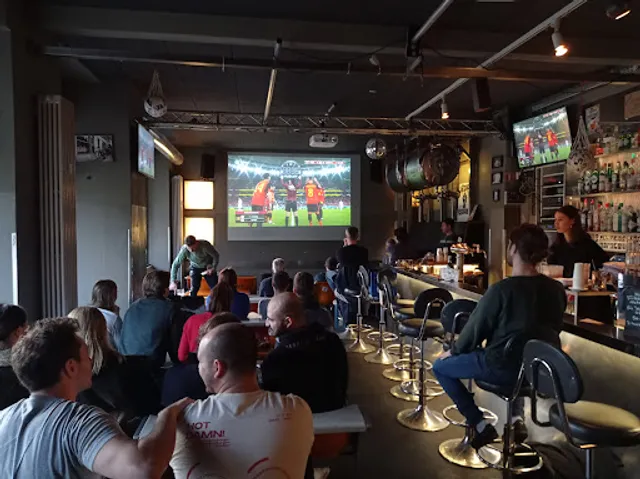
FC Magnet Bar
4.3
(338)
Closed
Click for details
Nearby local services of Volkspark am Weinberg
ACUD Kino
Waschsalon 115 GmbH
Fior di Pane
Fleischhandlung
Slice Society
Habeit shel AMANO
Supreme
Dodo's Blow Dry Bar
Wochenmarkt Arkonaplatz
Bandito Rosso
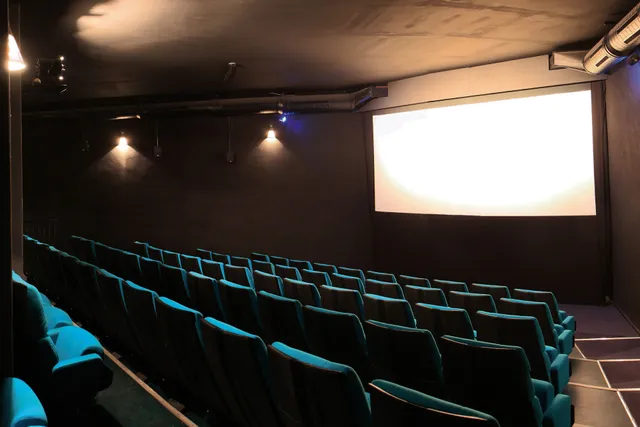
ACUD Kino
4.5
(157)
Click for details

Waschsalon 115 GmbH
4.3
(268)
Click for details

Fior di Pane
4.8
(19)
Click for details

Fleischhandlung
4.8
(50)
Click for details