Lovely.
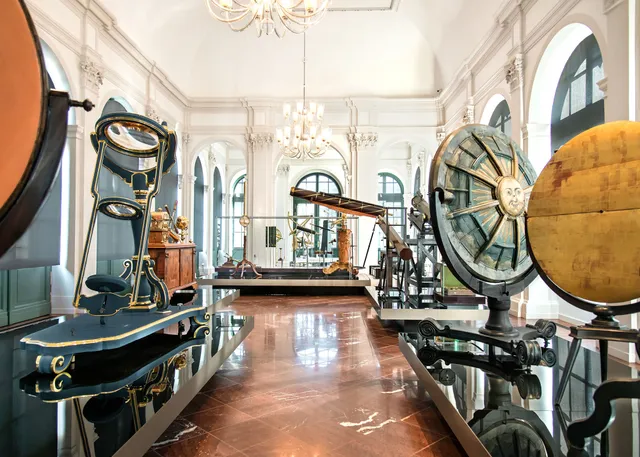
The Porzellansammlung, also known as the Porcelain Collection, is a remarkable museum located within the Staatliche Kunstsammlungen Dresden (Dresden State Art Collections) in Dresden, Germany. This collection is renowned for its extensive and exquisite display of porcelain, showcasing the artistry, craftsmanship, and cultural significance of this delicate medium.
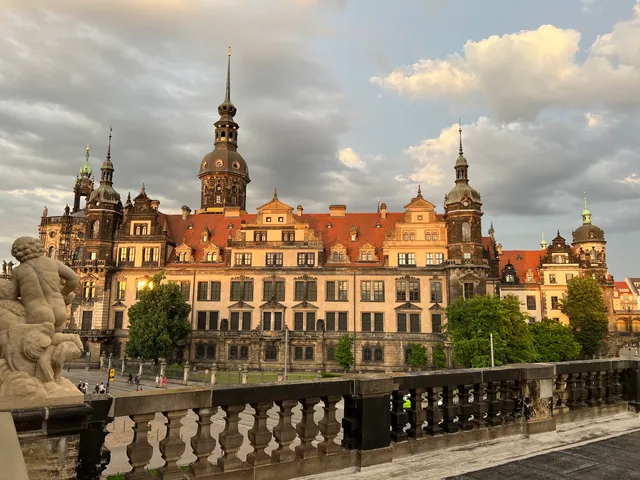
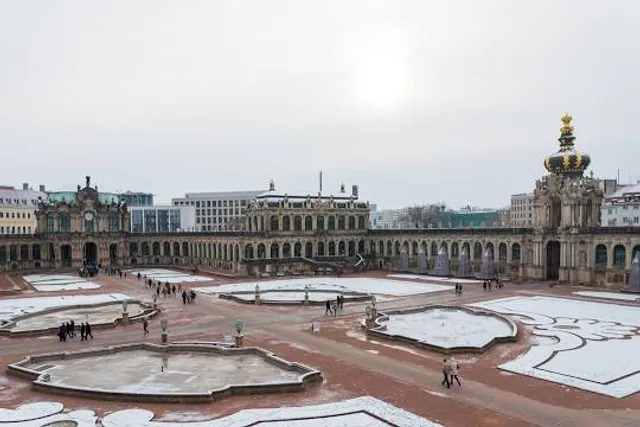
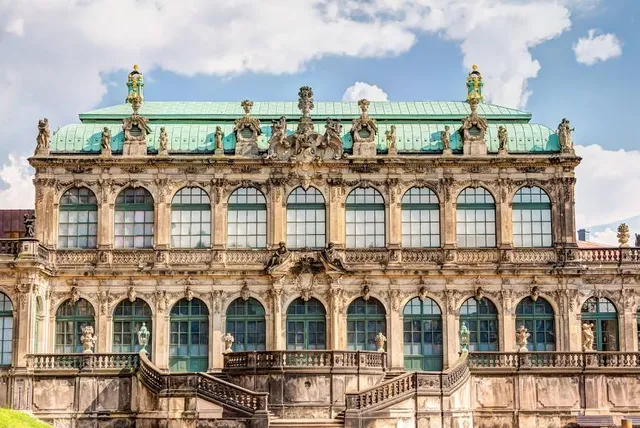
Housed in the Zwinger Palace, a magnificent Baroque building, the Porzellansammlung boasts a diverse range of porcelain pieces from different eras and regions. Here's a detailed overview of what you can expect to find:
Historical Context and Beginnings: The collection's origins trace back to the early 18th century when Augustus the Strong, Elector of Saxony and King of Poland, developed a passion for collecting porcelain. He founded Europe's first hard-paste porcelain factory in Meissen, a nearby town. The Porzellansammlung showcases some of the earliest Meissen porcelain pieces, illustrating the history of porcelain production in Europe.
Exquisite Porcelain Pieces: The collection features an impressive array of porcelain objects, including vases, figurines, tableware, and decorative items. The pieces range from delicate, intricately detailed figurines to opulent, grand-scale vases adorned with ornate designs. The craftsmanship and attention to detail in these pieces are truly remarkable.
Meissen Porcelain: As the birthplace of European porcelain, Meissen holds a significant place in the collection. Visitors can admire Meissen's iconic Blue Onion pattern, as well as intricate floral and figurative motifs that showcase the innovation and artistic achievements of Meissen porcelain artisans.
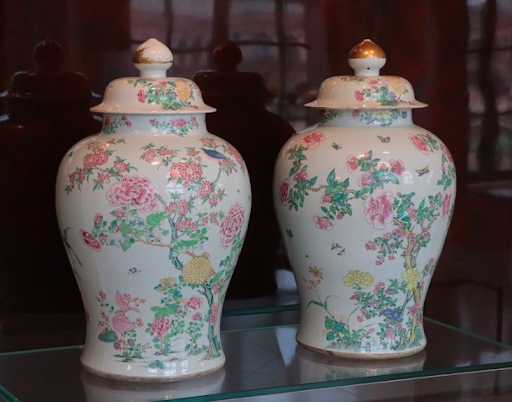
East Asian Porcelain: The collection also includes a splendid assortment of East Asian porcelain, highlighting the trade and cultural exchanges between Europe and Asia. You can find exquisite Chinese, Japanese, and other East Asian porcelain pieces, showcasing different styles, techniques, and artistic influences.
Historical Evolution: The Porzellansammlung takes visitors on a journey through the evolution of porcelain design and production techniques. From the delicate and decorative pieces of the Rococo period to the more restrained and elegant styles of Neoclassicism, you can trace the changing tastes and artistic movements through the porcelain objects on display.
The "Porcelain Cabinet": Within the Zwinger Palace, there is a dedicated area known as the "Porcelain Cabinet," where some of the most valuable and unique pieces are showcased. This space offers an intimate setting to appreciate the intricacy and artistry of these porcelain treasures.
Temporary Exhibitions: The Porzellansammlung occasionally hosts temporary exhibitions that provide deeper insights into specific aspects of porcelain art, history, and culture. These exhibitions offer visitors the opportunity to explore specialized themes within the broader context of the collection.
Overall, the Porzellansammlung in Dresden is a captivating museum that allows visitors to immerse themselves in the world of porcelain, from its historical origins to its artistic expressions across various cultures and time periods. It's a testament to human creativity and craftsmanship, offering a unique glimpse into the beauty and cultural significance of this...
Read moreOne of the interesting museums to visit at Zwinger Palace is the famous Dresden Porcelain Collection, considered to one of the largest and most impressive of its kind in the world. Opening hours 10-6pm daily. Entry is €10 and includes access to all three museums at Zwinger Palace.
The Porcelain collection was founded by King Augustus II who perhaps unintentionally fostered the discovery of how to manufacture porcelain by Johann Friedrich Böttger, an alchemist turned potter under the sponsorship (or was it imprisonment) of the King. The Meissen porcelain factory was then founded and King Augustus the Strong, who greatly enjoyed delicate porcelain works, went on to amass a collection of over 20,000 pieces, many of which you can see today.
The collection was originally located in the Japanese Palace near the Elbe River but has moved a few times over the centuries. It has been housed at Zwinger since 1962. Today you will see fine Japanese and Chinese works as well as a large number of animals and other interesting pieces which you can view and photograph.
Overall, the Royal collection is a remarkable collection that is well worth viewing if you have interest in porcelain or art in general. Enthusiasts will likely consider this a must-see attraction and want to allow extra time here during...
Read moreSehr schöne, beeindruckende Ausstellung von deutschem und asiatischem Porzellan aus verschiedenen Zeitaltern. Hierzu gibt es auch eine begleitende App die alles schön erklärt. Also am besten Handy aufladen und Ohrstöpsel/Kopfhörer mitnehmen. Dauer der Tour mindestens 2 Stunden.
Leider ist das Posten von Bildern hier nicht mehr gewünscht. Ich hoffe Google bekommt das endlich mal auf die Reihe.
Wie bei allen Museen der Staatlichen Kunstsammlungen dürfen keine Taschen und Jacken mit in die Ausstellungsräume genommen werden. Aufbewahrungsboxen gibt es für 1 Euro Pfand genügend am Eingang. Das Fotografieren und Filmen ist erlaubt.
Ausgestellt sind verschiedene Porzellanerzeugnisse wie Geschirr, Deko, Tiere in allen Größen, Büsten, Figuren, Blumen, Töpfe usw. Es gibt auch einen Raum in dem die Entstehung/Herstellung gut und anschaulich erklärt wird.
Ich war erst noch etwas skeptisch doch dann von Der Ausstellung sehr begeistert.
Zur Geschichte: Die Porzellansammlung ist Teil der Staatlichen Kunstsammlungen Dresdens.
Sie wurde 1715 vom sächsischen Kurfürsten August dem Starken gegründet und befand sich ursprünglich im Holländischen (Japanischen) Palais am Neustädter Elbufer.
Nach einem Umzug 1876 in das Johanneum (heute Verkehrsmuseum) fanden die im Zweiten Weltkrieg großteils ausgelagerten Sammlungen 1962 im Südteil des Zwingers ihr dauerhaftes Domizil.
Im 21. Jahrhundert umfasste die Sammlung ungefähr 20.000 Kunstwerke der Porzellankunst. Wegen der beschränkten Platzverhältnisse werden aber nur ca. 2000 Ausstellungsstücke präsentiert.
Am 10. Oktober 2006 wurde die Ostasien-Ausstellung um eine zusätzliche Galerie erweitert.
Ein Schwerpunkt ist traditionelles Porzellan aus China und Japan aus den Beständen Augusts des Starken. Zu sehen sind insbesondere Blau-Weiß-Porzellan der Ming- und Qing-Dynastie, darunter die berühmten, dem Kurfürsten vom preußischen König im Tausch gegen Soldaten überlassenen Dragonervasen, weiter farbenfrohe Stücke der famille-verte und der famille-rose, weiße Dehua-Ware, japanisches Arita-Porzellan sowie speziell für den Export gefertigte Keramik.
Den zweiten Schwerpunkt bilden die Erzeugnisse der sächsischen Porzellankunst, insbesondere der Manufaktur Meißen. Das Dekor des Gebrauchsgeschirrs greift teilweise chinesische Muster auf, andererseits finden sich aber auch vielfach europäische Motive wie etwa mythologische Szenen oder Rokoko-Idylle.
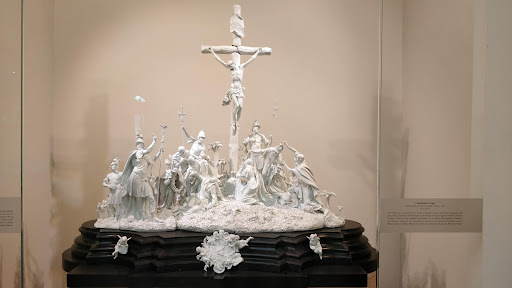
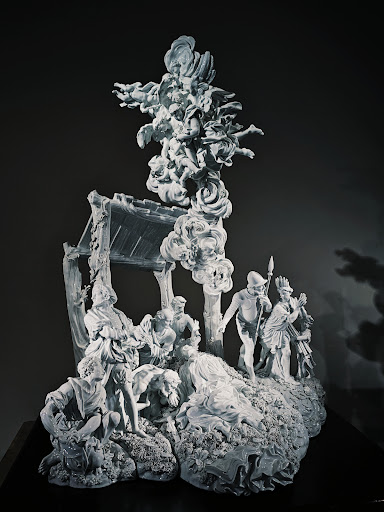
Ebenfalls stark vertreten sind Skulpturen aus rein-weißem oder farbig bemaltem Porzellan wie die Miniaturen von Komödianten, Musikern sowie den Hofnarren Schmiedel und Fröhlich, aber auch der berühmte Tafelaufsatz für Kurfürst Friedrich August III. von 1775 oder das Reiterstandbild König Augusts III.
In der Abteilung Meißner Porzellan (Entstehung/Herstellung) ist auch das Ausgangsmaterial für die Gegenstände zu sehen. Eine besondere Bedeutung kam dabei der Kaolin-Erde aus der St. Andreas...
Read more