Hetjens-Museum things to do, attractions, restaurants, events info and trip planning

Basic Info
Hetjens-Museum
Schulstraße 4, 40213 Düsseldorf, Germany
4.6(215)
Open until 12:00 AM


tickets
Save
spot
spot
Ratings & Description
Info
Cultural
Family friendly
Accessibility
attractions: Filmmuseum Düsseldorf, St. Maximilian, Rheinpromenade, Stadtmuseum Düsseldorf, Town Hall, Pegeluhr, Heinrich-Heine-Institut, Rheintreppe, Mustard Museum, Jan-Wellem-Reiterstandbild Düsseldorf, restaurants: Uerige, HeimWerk Altstadt, Bob & Mary, Libanon Restaurant, Palito Restaurant Düsseldorf, Fischhaus, Hulala – Pretty Burger & Drinks, Eis Cafe Roma, Altstadt Restaurant - Düsseldorf, Café Kasbah, local businesses: Yomaro, Marktplatz, LAKRIDS BY BÜLOW Carlsplatz, Cinema Filmkunstkino, Rheinuferpromenade, Churrito Düsseldorf, Aux Merveilleux de fred, Ramina Imbiss, Cinnamood Düsseldorf, Chez Jean Luc - Geraldine Marionneau
 Learn more insights from Wanderboat AI.
Phone
+49 211 8994210
Website
duesseldorf.de
Open hoursSee all hours
MonClosedOpen
Plan your stay

Pet-friendly Hotels in Dusseldorf
Find a cozy hotel nearby and make it a full experience.

Affordable Hotels in Dusseldorf
Find a cozy hotel nearby and make it a full experience.

The Coolest Hotels You Haven't Heard Of (Yet)
Find a cozy hotel nearby and make it a full experience.

Trending Stays Worth the Hype in Dusseldorf
Find a cozy hotel nearby and make it a full experience.
Reviews
Live events
Candlelight: Ed Sheeran meets Coldplay
Fri, Feb 13 • 8:00 PM
Bilker Straße 7-9, Düsseldorf-Stadtbezirk 1, 40213
View details

Die Formula 1®-Ausstellung - Oberhausen
Tue, Feb 10 • 10:00 AM
OBEX Duisburger Str. 375, 46049 Oberhausen, Deutschland, 46049
View details
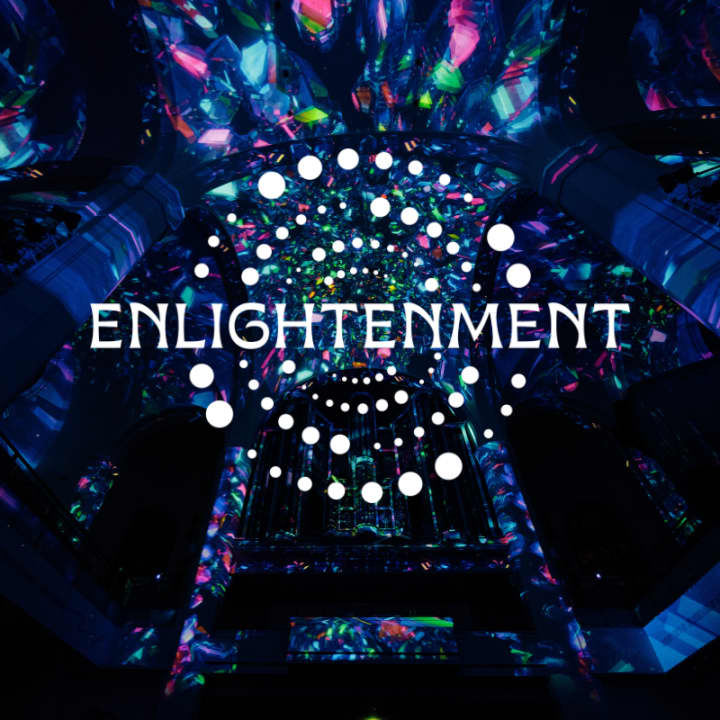
PROJEKTIL presents: ENLIGHTENMENT, eine immersive Lichtshow in Düsseldorf
Tue, Feb 10 • 6:30 PM
Martin-Luther-Platz 39, 40212 Düsseldorf, 40212
View details
Nearby attractions of Hetjens-Museum
Filmmuseum Düsseldorf
St. Maximilian
Rheinpromenade
Stadtmuseum Düsseldorf
Town Hall
Pegeluhr
Heinrich-Heine-Institut
Rheintreppe
Mustard Museum
Jan-Wellem-Reiterstandbild Düsseldorf
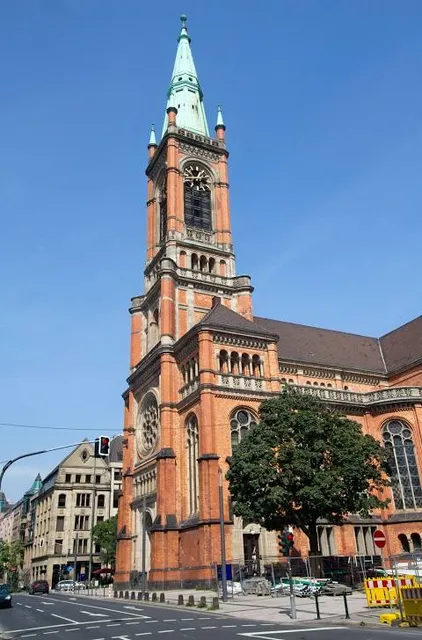
Filmmuseum Düsseldorf
4.4
(815)
Open until 12:00 AM
Click for details
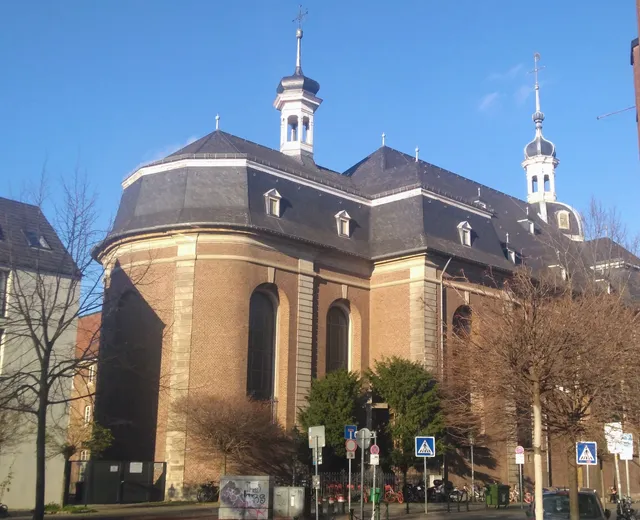
St. Maximilian
4.6
(136)
Open until 12:00 AM
Click for details
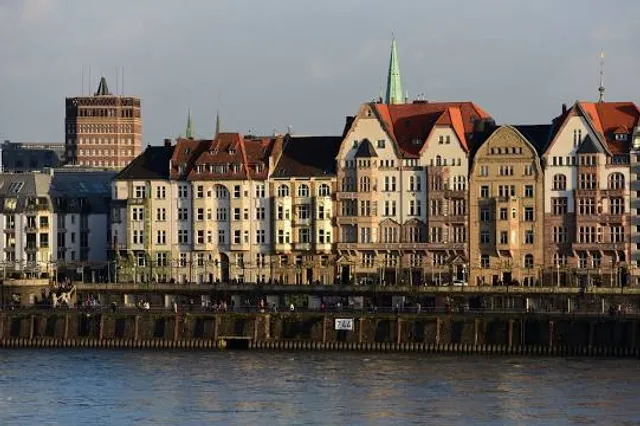
Rheinpromenade
4.6
(3K)
Open until 12:00 AM
Click for details
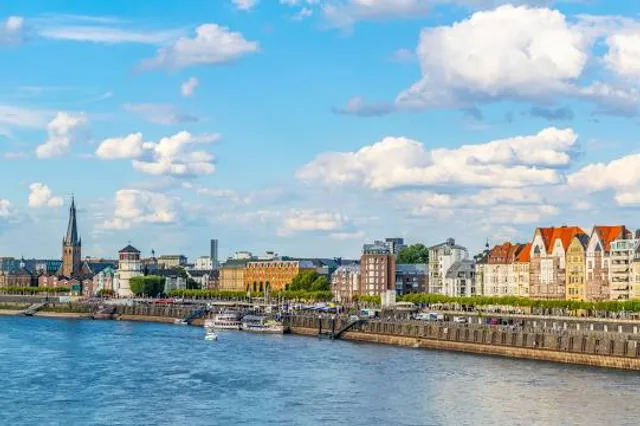
Stadtmuseum Düsseldorf
4.3
(298)
Open until 12:00 AM
Click for details
Nearby restaurants of Hetjens-Museum
Uerige
HeimWerk Altstadt
Bob & Mary
Libanon Restaurant
Palito Restaurant Düsseldorf
Fischhaus
Hulala – Pretty Burger & Drinks
Eis Cafe Roma
Altstadt Restaurant - Düsseldorf
Café Kasbah
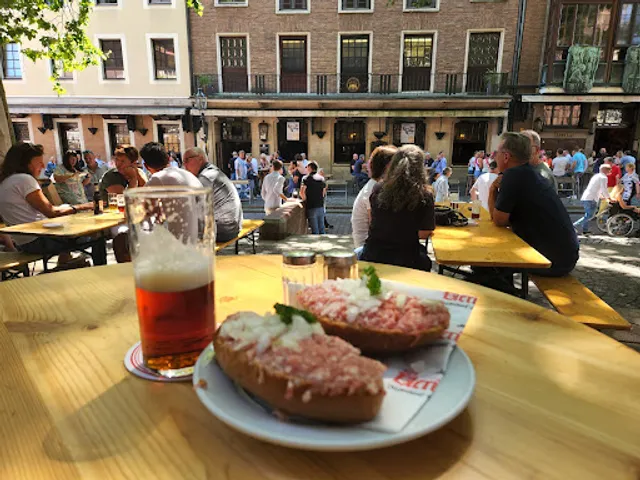
Uerige
4.4
(5.1K)
$$
Open until 12:00 AM
Click for details
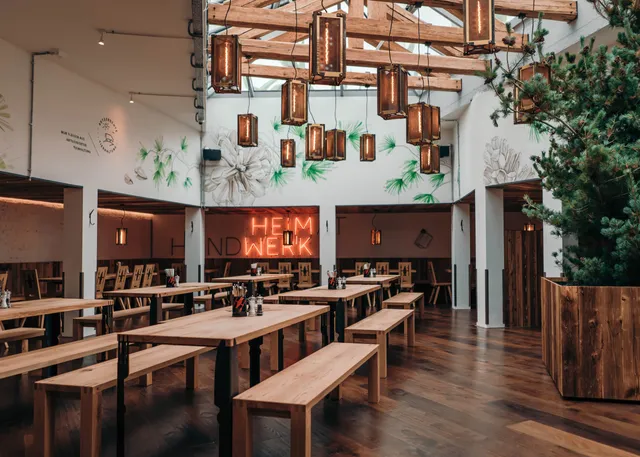
HeimWerk Altstadt
4.5
(1.7K)
Open until 12:00 AM
Click for details
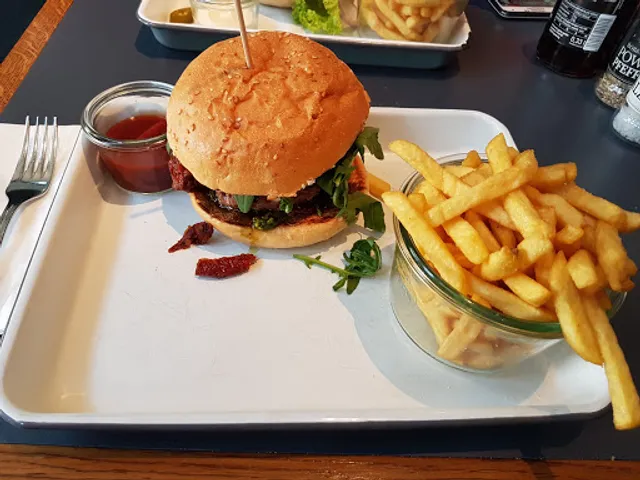
Bob & Mary
4.5
(1.6K)
Open until 12:00 AM
Click for details
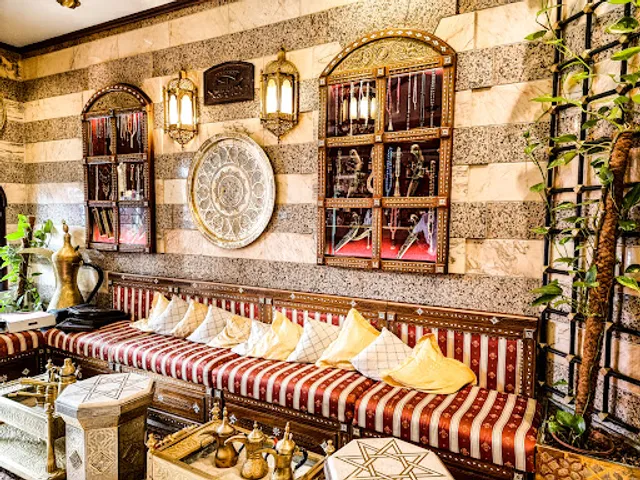
Libanon Restaurant
4.2
(1.3K)
$$
Open until 11:00 PM
Click for details
Nearby local services of Hetjens-Museum
Yomaro
Marktplatz
LAKRIDS BY BÜLOW Carlsplatz
Cinema Filmkunstkino
Rheinuferpromenade
Churrito Düsseldorf
Aux Merveilleux de fred
Ramina Imbiss
Cinnamood Düsseldorf
Chez Jean Luc - Geraldine Marionneau
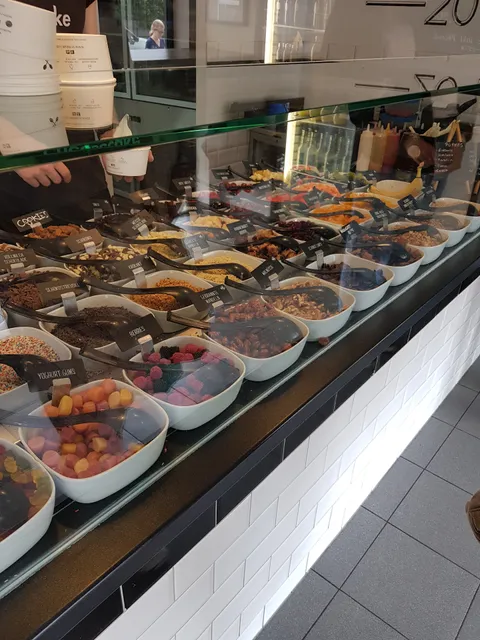
Yomaro
4.6
(518)
Click for details
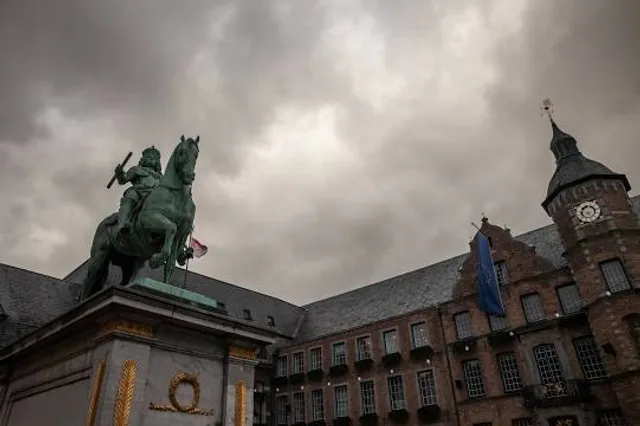
Marktplatz
4.5
(336)
Click for details
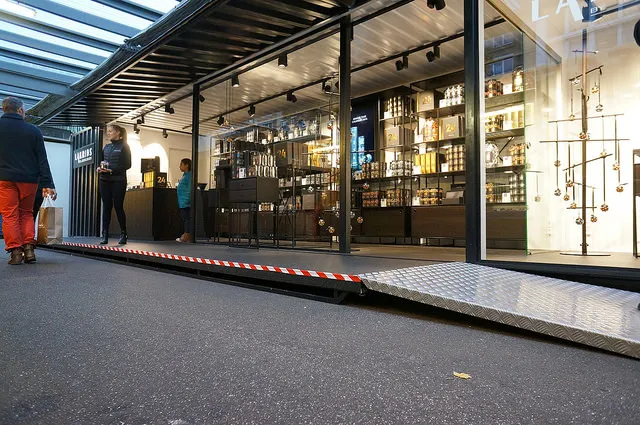
LAKRIDS BY BÜLOW Carlsplatz
4.9
(206)
Click for details
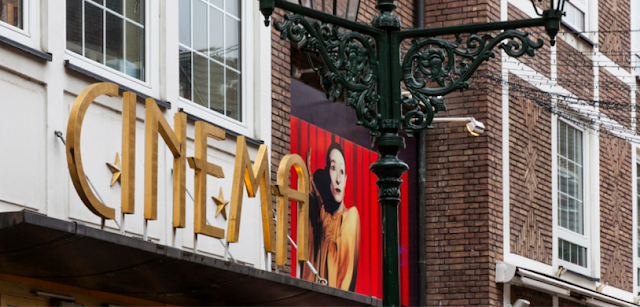
Cinema Filmkunstkino
4.6
(262)
Click for details