HTML SitemapExplore
Find Things to DoFind The Best Restaurants

Odeon of Agrippa — Attraction in Athens

Name
Odeon of Agrippa
Description
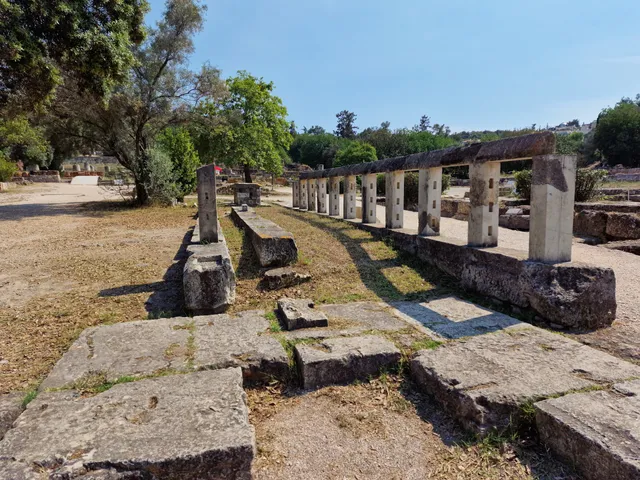
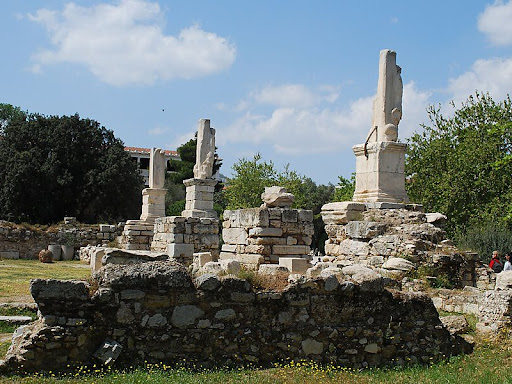
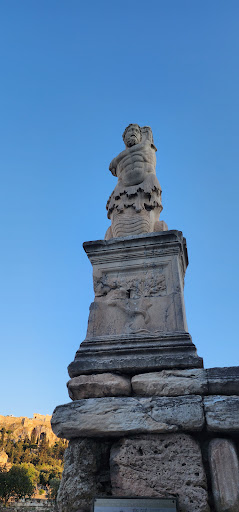
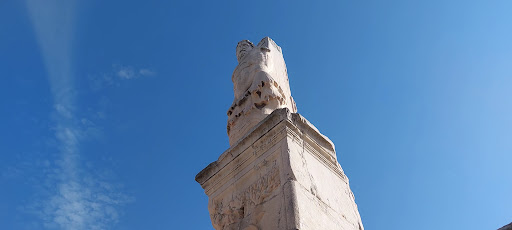
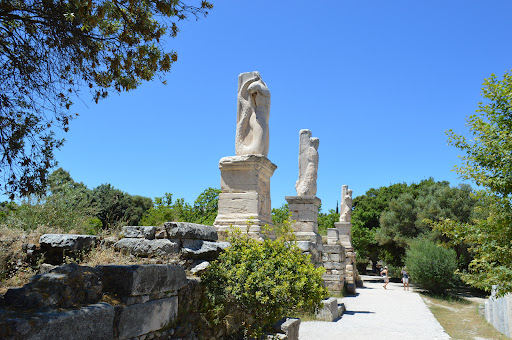
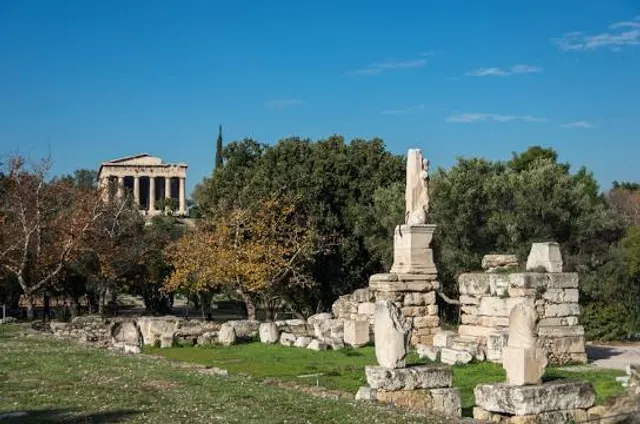
The Odeon of Agrippa was a large odeon located in the centre of the ancient Agora of Athens. It was built about 15 BC, occupying what had previously been open space in the centre of the Agora. It was a gift to the people of Athens by Marcus Vipsanius Agrippa, a Roman statesman and general.
Nearby attractions
Ancient Agora of Athens
Athens 105 55, Greece
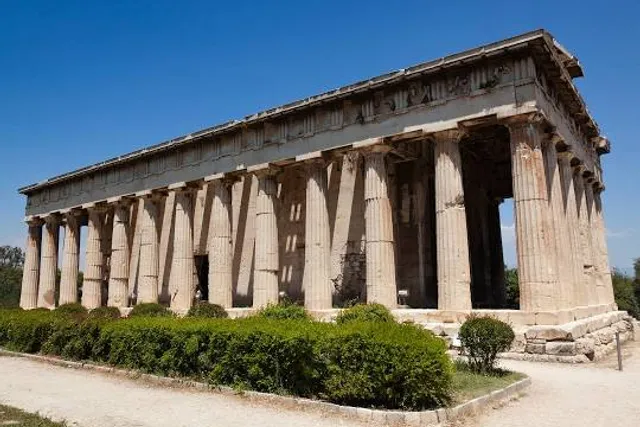
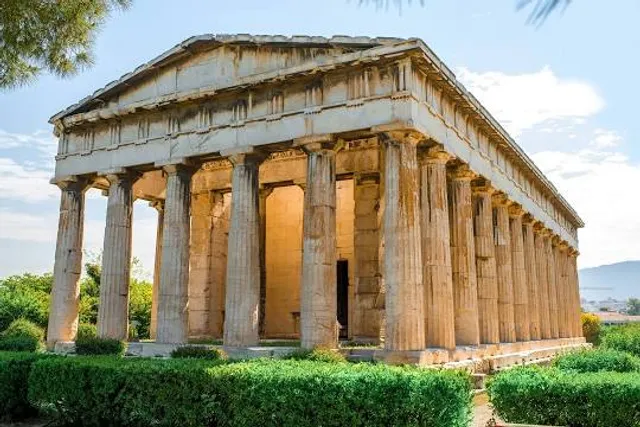
Temple of Hephaestus
Athens 105 55, Greece
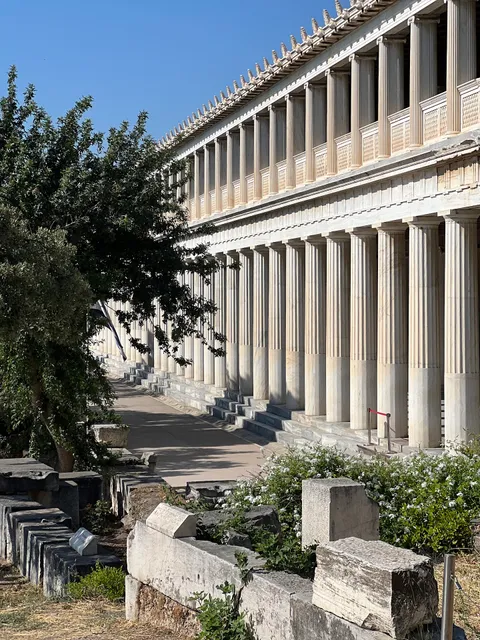
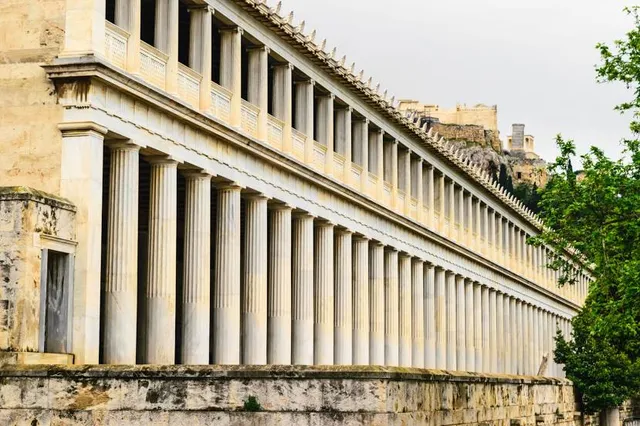
Stoa of Attalos - Museum of the Ancient Agora
Adrianou 24, Athina 105 55, Greece
Museum of Illusions Athens
Ermou 119 Entrance from, Astiggos 12, Athina 105 55, Greece
Monastiraki Square
Apollonos 21, Athina 105 57, Greece
Flea Market
Ifestou, Athina 105 55, Greece
Roman Forum of Athens (Roman Agora)
Polignotou 3, Athina 105 55, Greece
Hadrian's Library
Κ, Areos 3, Τ, Athina 105 55, Greece
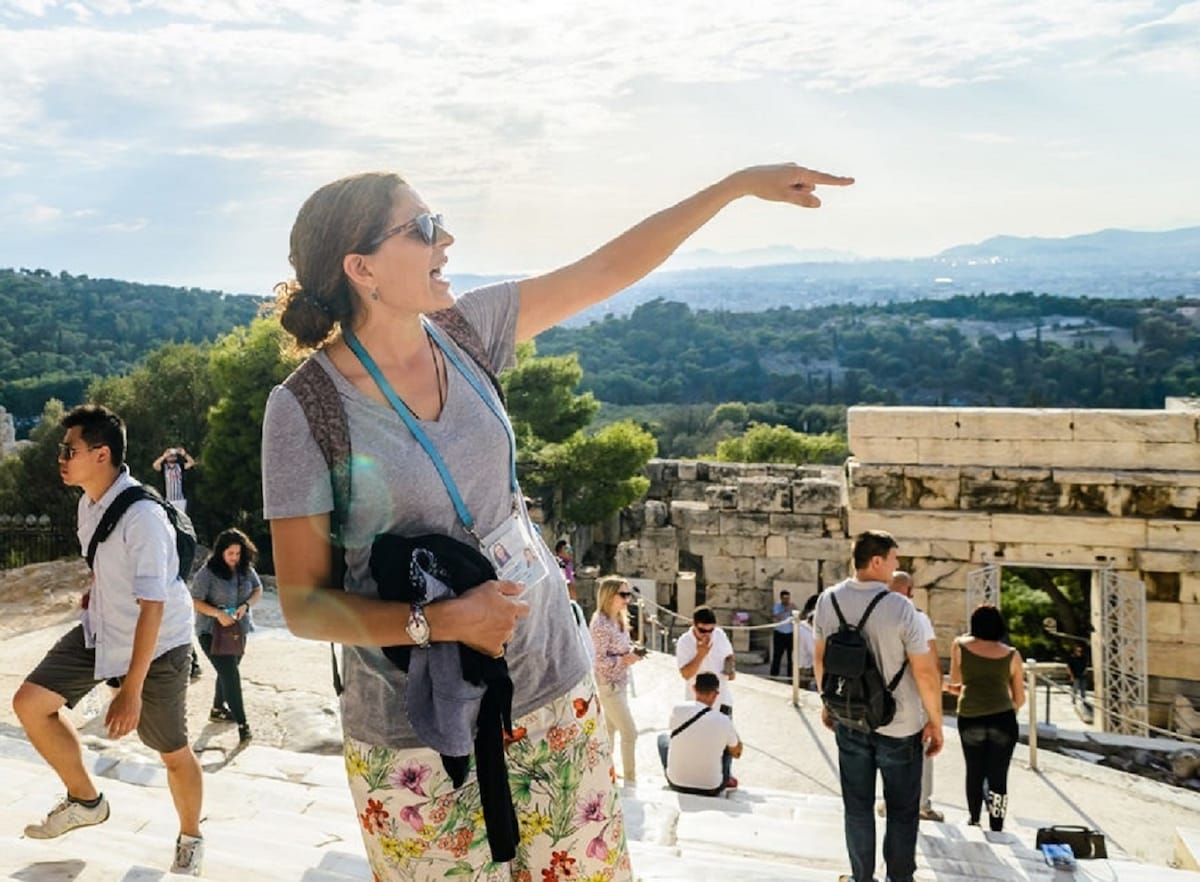
Acropolis of Athens
Athens 105 58, Greece
Areopagus Hill
Theorias 21, Athina 105 55, Greece
Nearby restaurants
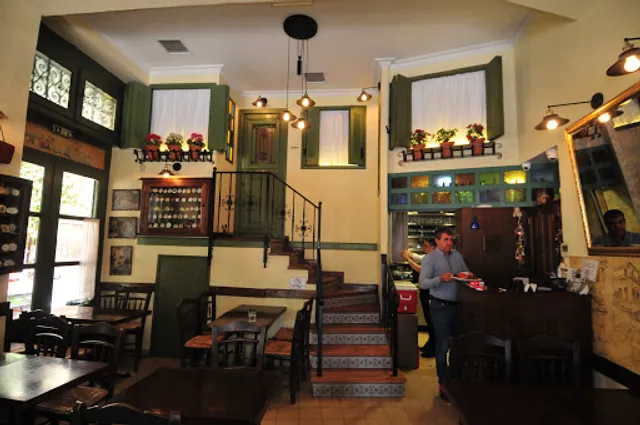
Diodos
Adrianou 19, Athina 105 55, Greece
Couleur Locale
Normanou 3, Athina 105 55, Greece
Maiandros Restaurant
Adrianou 47, Athina 105 55, Greece
Stone Athens
Adrianou 31, Athina 105 55, Greece
ELLYZ Cafe Athens
Αγίου Φιλίππου 11, Athina 105 55, Greece
Antica Restaurant & Cafe
Adrianou 25, Athina 105 55, Greece
Μοma
Adrianou 29, Athina 105 55, Greece
HAPPY BLENDER
Ifestou 39, Athina 105 55, Greece
Efcharis restaurant
Adrianou 49Α, Athina 105 55, Greece
The James Joyce Irish Pub
Astiggos 12, Athina 105 55, Greece
Nearby hotels
A for Athens
Miaouli 2-4, Athina 105 54, Greece
Pella Inn Hostel
Ermou 104, Athina 105 54, Greece
Safestay Athens Monastiraki
Ag. Theklas 10, Athina 105 54, Greece
Lotus Center Hotel
Ermou 95, Athina 105 55, Greece
360° Degrees Hotel
Pl. Monastirakiou, Athina 105 52, Greece
Suitas
Ifestou 41, Athina 105 55, Greece
Beautiful City Suites
Kinetou 4, Athina 105 55, Greece
Muse Urban Suites
Ifestou 26, Athina 105 55, Greece
Altar Suites in Athens with Acropolis View
Astiggos 11, Athina 105 55, Greece
Theasis Athens
Normanou 10, Athina 105 55, Greece
Related posts
Keywords
Odeon of Agrippa tourism.Odeon of Agrippa hotels.Odeon of Agrippa bed and breakfast. flights to Odeon of Agrippa.Odeon of Agrippa attractions.Odeon of Agrippa restaurants.Odeon of Agrippa travel.Odeon of Agrippa travel guide.Odeon of Agrippa travel blog.Odeon of Agrippa pictures.Odeon of Agrippa photos.Odeon of Agrippa travel tips.Odeon of Agrippa maps.Odeon of Agrippa things to do.
Odeon of Agrippa things to do, attractions, restaurants, events info and trip planning
Odeon of Agrippa
GreeceAtticaAthensOdeon of Agrippa

Basic Info

Odeon of Agrippa

Athens 105 55, Greece
4.7(51)
Open 24 hours
Save
spot

Ratings & Description

Info

The Odeon of Agrippa was a large odeon located in the centre of the ancient Agora of Athens. It was built about 15 BC, occupying what had previously been open space in the centre of the Agora. It was a gift to the people of Athens by Marcus Vipsanius Agrippa, a Roman statesman and general.

Cultural
Scenic
attractions: Ancient Agora of Athens, Temple of Hephaestus, Stoa of Attalos - Museum of the Ancient Agora, Museum of Illusions Athens, Monastiraki Square, Flea Market, Roman Forum of Athens (Roman Agora), Hadrian's Library, Acropolis of Athens, Areopagus Hill, restaurants: Diodos, Couleur Locale, Maiandros Restaurant, Stone Athens, ELLYZ Cafe Athens, Antica Restaurant & Cafe, Μοma, HAPPY BLENDER, Efcharis restaurant, The James Joyce Irish Pub
logoLearn more insights from Wanderboat AI.

Plan your stay

hotel
Pet-friendly Hotels in Athens
Find a cozy hotel nearby and make it a full experience.

hotel
Affordable Hotels in Athens
Find a cozy hotel nearby and make it a full experience.

hotel
The Coolest Hotels You Haven't Heard Of (Yet)
Find a cozy hotel nearby and make it a full experience.

hotel
Trending Stays Worth the Hype in Athens
Find a cozy hotel nearby and make it a full experience.

Reviews

Nearby attractions of Odeon of Agrippa

Ancient Agora of Athens

Temple of Hephaestus

Stoa of Attalos - Museum of the Ancient Agora

Museum of Illusions Athens

Monastiraki Square

Flea Market

Roman Forum of Athens (Roman Agora)

Hadrian's Library

Acropolis of Athens

Areopagus Hill

Ancient Agora of Athens

Ancient Agora of Athens

4.7

(13.2K)

Open until 8:00 PM
Click for details
Temple of Hephaestus

Temple of Hephaestus

4.8

(4.8K)

Open 24 hours
Click for details
Stoa of Attalos - Museum of the Ancient Agora

Stoa of Attalos - Museum of the Ancient Agora

4.8

(1.5K)

Open 24 hours
Click for details
Museum of Illusions Athens

Museum of Illusions Athens

4.5

(4.2K)

Open 24 hours
Click for details

Things to do nearby

Awful Athens
Awful Athens
Tue, Dec 30 • 3:00 PM
104 33, Athens, Greece
View details
Acropolis tour with entrance tickets included
Sat, Dec 27 • 7:30 AM
117 42, Athens, Greece
View details

Amazing Athens Walks & Local Hidden Gems
Thu, Dec 25 • 4:00 PM
105 55, Athens, Greece
View details

Nearby restaurants of Odeon of Agrippa

Diodos

Couleur Locale

Maiandros Restaurant

Stone Athens

ELLYZ Cafe Athens

Antica Restaurant & Cafe

Μοma

HAPPY BLENDER

Efcharis restaurant

The James Joyce Irish Pub

Diodos

Diodos

4.2

(1.4K)

Click for details
Couleur Locale

Couleur Locale

4.5

(4.5K)

$

Click for details
Maiandros Restaurant

Maiandros Restaurant

4.6

(3.9K)

$

Click for details
Stone Athens

Stone Athens

4.8

(1.4K)

$$

Click for details
Get the Appoverlay
Get the AppOne tap to find yournext favorite spots!
Wanderboat LogoWanderboat

Your everyday Al companion for getaway ideas

CompanyAbout Us
InformationAI Trip PlannerSitemap
SocialXInstagramTiktokLinkedin
LegalTerms of ServicePrivacy Policy

Get the app

© 2025 Wanderboat. All rights reserved.

Posts

mpampis antoniadismpampis antoniadis
The Agrippa Conservatory (also known as the Marcus Agrippa Conservatory) is an important ancient theater in Athens, built by the Roman statesman and general Marcus Agrippa in 15 BC. Located in the Acropolis area, this theater was one of the most impressive theaters of ancient Athens and an important cultural center of its time. Highlights of Agrippa's Conservatory History and Chronology. The Agrippa Conservatory was built in 15 BC. by Marcus Agrippa, who was a close advisor of Augustus. The theater was built to host musical and theatrical performances and was an important part of the city's cultural life. Architectural Layout. Agrippa's Conservatory had the typical Roman layout with a semicircular tribune and stage area. It was made of stone and had excellent acoustics, which made it suitable for theater and musical performances. Status and Maintenance Today, the Agrippa Conservatory lies in ruins, but excavations and conservation work have been carried out to preserve its remains. Although it is not in complete condition, it remains an important archaeological and historical monument. Visitable Places and Hours: The Agrippa Conservatory is part of the archaeological sites visited by tourists and researchers. It is usually accessible via organized tours and can be combined with visits to the Acropolis.
Jocimar AraujoJocimar Araujo
O Ódeo de Agripa (ou Odeon de Agripa) é um teatro antigo localizado na Ágora de Atenas. Construído em 15 a.C. pelo prefeito romano Marco Vipsânio Agripa, que era um aliado próximo do imperador Augusto, o edifício foi erguido como um presente para a cidade de Atenas e para comemorar a vitória romana. O Ódeo de Agripa era um teatro coberto, projetado para eventos musicais e apresentações, em contraste com os teatros ao ar livre típicos da Grécia antiga. Algumas de suas características incluem: Era um edifício de forma semicircular, com um palco e assentos para a plateia. A construção foi projetada para proporcionar uma excelente acústica, algo fundamental para os eventos musicais que ali se realizavam. O teatro tinha uma capacidade para cerca de 1.000 espectadores, o que o tornava um local de tamanho médio comparado aos grandes teatros da época. O edifício era decorado com mármore e possuía uma fachada impressionante. A construção incluía colunas e ornamentos que refletiam o estilo arquitetônico romano da época, misturado com elementos tradicionais gregos. O Ódeo de Agripa foi um importante centro cultural durante o período romano. Era usado para apresentações musicais e poéticas, e sua construção exemplifica o interesse romano por promover e preservar a cultura grega. Embora o edifício tenha sido parcialmente destruído ao longo dos séculos, partes significativas de sua estrutura ainda são visíveis e podem ser exploradas por visitantes hoje. O Ódeo de Agripa é um dos muitos sítios arqueológicos que atraem visitantes para a Ágora de Atenas. Embora em ruínas, as estruturas remanescentes oferecem uma visão fascinante da arquitetura e da cultura romana em Atenas. É um local de interesse para aqueles que estudam a influência romana na Grécia antiga e para qualquer pessoa interessada na rica história da cidade. Recomendo à visitação e contemplação.
Lampros KaratasiosLampros Karatasios
The Odeon of Agrippa, nestled within the archaeological wonders of Athens, stands as a testament to ancient grandeur. Originally a majestic concert hall, its partial reconstruction allows visitors to envision its former glory. The intricate details of its façade and the echoes of its classical purpose make it a captivating stop. Though a fragment of its former self, the Odeon of Agrippa contributes to the rich tapestry of Athens' historical legacy.
See more posts
See more posts
hotel
Find your stay

Pet-friendly Hotels in Athens

Find a cozy hotel nearby and make it a full experience.

The Agrippa Conservatory (also known as the Marcus Agrippa Conservatory) is an important ancient theater in Athens, built by the Roman statesman and general Marcus Agrippa in 15 BC. Located in the Acropolis area, this theater was one of the most impressive theaters of ancient Athens and an important cultural center of its time. Highlights of Agrippa's Conservatory History and Chronology. The Agrippa Conservatory was built in 15 BC. by Marcus Agrippa, who was a close advisor of Augustus. The theater was built to host musical and theatrical performances and was an important part of the city's cultural life. Architectural Layout. Agrippa's Conservatory had the typical Roman layout with a semicircular tribune and stage area. It was made of stone and had excellent acoustics, which made it suitable for theater and musical performances. Status and Maintenance Today, the Agrippa Conservatory lies in ruins, but excavations and conservation work have been carried out to preserve its remains. Although it is not in complete condition, it remains an important archaeological and historical monument. Visitable Places and Hours: The Agrippa Conservatory is part of the archaeological sites visited by tourists and researchers. It is usually accessible via organized tours and can be combined with visits to the Acropolis.
mpampis antoniadis

mpampis antoniadis

hotel
Find your stay

Affordable Hotels in Athens

Find a cozy hotel nearby and make it a full experience.

Get the Appoverlay
Get the AppOne tap to find yournext favorite spots!
O Ódeo de Agripa (ou Odeon de Agripa) é um teatro antigo localizado na Ágora de Atenas. Construído em 15 a.C. pelo prefeito romano Marco Vipsânio Agripa, que era um aliado próximo do imperador Augusto, o edifício foi erguido como um presente para a cidade de Atenas e para comemorar a vitória romana. O Ódeo de Agripa era um teatro coberto, projetado para eventos musicais e apresentações, em contraste com os teatros ao ar livre típicos da Grécia antiga. Algumas de suas características incluem: Era um edifício de forma semicircular, com um palco e assentos para a plateia. A construção foi projetada para proporcionar uma excelente acústica, algo fundamental para os eventos musicais que ali se realizavam. O teatro tinha uma capacidade para cerca de 1.000 espectadores, o que o tornava um local de tamanho médio comparado aos grandes teatros da época. O edifício era decorado com mármore e possuía uma fachada impressionante. A construção incluía colunas e ornamentos que refletiam o estilo arquitetônico romano da época, misturado com elementos tradicionais gregos. O Ódeo de Agripa foi um importante centro cultural durante o período romano. Era usado para apresentações musicais e poéticas, e sua construção exemplifica o interesse romano por promover e preservar a cultura grega. Embora o edifício tenha sido parcialmente destruído ao longo dos séculos, partes significativas de sua estrutura ainda são visíveis e podem ser exploradas por visitantes hoje. O Ódeo de Agripa é um dos muitos sítios arqueológicos que atraem visitantes para a Ágora de Atenas. Embora em ruínas, as estruturas remanescentes oferecem uma visão fascinante da arquitetura e da cultura romana em Atenas. É um local de interesse para aqueles que estudam a influência romana na Grécia antiga e para qualquer pessoa interessada na rica história da cidade. Recomendo à visitação e contemplação.
Jocimar Araujo

Jocimar Araujo

hotel
Find your stay

The Coolest Hotels You Haven't Heard Of (Yet)

Find a cozy hotel nearby and make it a full experience.

hotel
Find your stay

Trending Stays Worth the Hype in Athens

Find a cozy hotel nearby and make it a full experience.

The Odeon of Agrippa, nestled within the archaeological wonders of Athens, stands as a testament to ancient grandeur. Originally a majestic concert hall, its partial reconstruction allows visitors to envision its former glory. The intricate details of its façade and the echoes of its classical purpose make it a captivating stop. Though a fragment of its former self, the Odeon of Agrippa contributes to the rich tapestry of Athens' historical legacy.
Lampros Karatasios

Lampros Karatasios

See more posts
See more posts

Reviews of Odeon of Agrippa

4.7
(51)
avatar
5.0
2y

Το Ωδείο του Αγρίππα (ή Θέατρο του Κεραμεικού ή Αγρίππειο)1] ήταν μεγάλος συναυλιακός χώρος στο κέντρο της Αρχαίας Αγοράς της Αθήνας, για μουσικές εκδηλώσεις και φιλοσοφικές διαλέξεις. Χτίστηκε περίπου το 15 π.Χ., εποχή του Ρωμαίου αυτοκράτορα Αυγούστου, καταλαμβάνοντας τον ανοιχτό χώρο στο κέντρο της αγοράς. Ήταν ένα δώρο προς τους Αθηναίους από τον Μάρκο Βιψάνιο Αγρίππα, Ρωμαίο πολιτευτή και στρατηγό. Ο Αγρίππας μάλιστα ήταν γαμπρός του Αυγούστου.[2

Η πρώτη οικοδομική φάση του Ωδείου τοποθετείται στον 1ο αι. π.Χ. Σύμφωνα με την σχεδιαστική αναπαράσταση της πρόσοψης, προκύπτει πως το κυρίως κτίσμα διέθετε στις τρεις πλευρές του (την ανατολική, τη δυτική και τη νότια) διώροφες στοές, ενώ η βόρεια πλευρά ήταν η μόνη που διέφερε και έφερε πρόπυλο. Εντυπωσιακή ήταν η αρμονική και μαθηματική σχέση των δομικών στοιχείων του, κάτι που είναι αισθητό και από το εσωτερικό του Ωδείου.

Εσωτερικά η κεντρική αίθουσα ήταν τετράγωνη και τα κύρια δομικά στοιχεία της αίθουσας, δηλαδή το κοίλο, η ορχήστρα και το προσκήνιο, καταλάμβαναν αρκετά μικρή έκταση από την κεντρική αίθουσα, δηλαδή περίπου τη μισή της έκταση. Επομένως, ο θεατρικός χώρος δεν αποτελούσε ανεξάρτητο και αυτόνομο τμήμα. Ένας από τους βασικούς στόχους της αρχιτεκτονικής του συγκεκριμένου ωδείου ήταν η προβολή του μεγαλείου της ρωμαϊκής αυτοκρατορίας. Το ελλειψοειδές σχήμα του κοίλου δημιούργησε ιδιαίτερα ευνοϊκές συνθήκες οπτικοακουστικής επικοινωνίας θεατών και καλλιτεχνών, αφού ο σκηνικός χώρος ήταν δομικά συνδεδεμένος με το μεγαλύτερο μέρος του χώρου των θεατών.

Κατά τη δεύτερη φάση του Ωδείου, τον 2ο αι. μ.Χ. σημειώνονται ορισμένες αλλαγές, καθώς η οροφή του είχε καταρρεύσει λόγω στατικών προβλημάτων. Με βάση τα νέα δεδομένα ακολούθησε μια ριζική αναδιαμόρφωση του κεντρικού θεατρικού χώρου, καθώς μεταφέρθηκε ο τοίχος του προθαλάμου βορειότερα, με αποτέλεσμα να μειωθούν οι σειρές εδωλίων και κατ’ επέκταση η χωρητικότητα των θεατών κατά το ήμισυ. Επίσης, απομακρύνθηκε το πρόπυλο και η βόρεια πλευρά του Ωδείου μετατράπηκε σε ανοιχτή στοά. Η ριζική μείωση του χώρου των θεατών της κεντρικής αίθουσας, καθώς και η μετατροπή του οπίσθιου τμήματος της σκηνής εναρμονίζεται με την νέα λειτουργία του Ωδείου κατά τον 2ο αι. μ.Χ. ως αίθουσας διαλέξεων. Πιθανότητα αργότερα να έγινε προσθήκη ενός λίθινου βήματος για τον ομιλητή.[4] Η διώροφη αίθουσα είχε χωρητικότητα περίπου 1.000 θεατών και ήταν εξοπλισμένη με υπερυψωμένη σκηνή και μαρμάρινη ημικυκλική ορχήστρα. Το δάπεδο της ορχήστρας ήταν καλυμμένο με έγχρωμες μαρμάρινες πλάκες, τοποθετημένες σε συμπαγή θεμελίωση (υπόστρωμα).[4] Η επιφάνεια της πλακόστρωσης παρουσίαζε κλίση προς ΒΔ για τη διοχέτευση των λημμάτων.[1] Είχε αμφιθέατρο 19 θέσεων. Το μήκος του ήταν 51 περίπου μέτρα, ενώ το πλάτος του περίπου 43 μέτρα.[2] Στις τρεις πλευρές η αίθουσα ήταν περιτριγυρισμένη από υπόγειες κρύπτες (Λατινικά: cryptoporticus) με στοές πάνω. Το κτήριο ήταν διακοσμημένο εξωτερικά με κιονοστοιχία κορινθιακού ρυθμού. Η κύρια είσοδος για τους θεατές βρισκόταν αρχικά στη νότια πλευρά του κτιρίου, με πρόσβαση από την άνδηρο (επίπεδη στέγη) της Μέσης Στοάς.[1] Μόνον η βόρεια πρόσοψη είχε μια μικρή στοά για πρόσβαση στη σκηνή. Στο χώρο σύμφωνα με τον Παυσανία υπήρχε ένα αξιόλογο άγαλμα του Διονύσου. Δεν υπήρχαν κίονες στήριξης της στέγης, και το κτίριο στηριζόταν αποκλειστικά στους τοίχους.[2] Για αυτό το λόγο η μήκους 25 μ. αίθουσα προξένησε την κατάρρευση της οροφής περίπου το 150 μ.Χ.. Το Ωδείο χτίστηκε ξανά, την εποχή του Αντωνίνου του Ευσεβούς, ως μικρότερη αίθουσα διαλέξεων, με χωρητικότητα μόνο 500 ατόμων, ενώ μια πιο περίτεχνη πρόσοψη προστέθηκε στη βόρεια πλευρά. Οι γιγαντιαίοι του κίονες χαράχτηκαν σε μορφές «γιγάντων» (μυθικά πρόσωπα με ουρές φιδιού) και «τριτώνων» (μυθικά πρόσωπα με ουρές ψαριών). Τέσσερα από τα αγάλματα αυτά χρησιμοποιήθηκαν αργότερα στη Στοά των Γιγάντων.[1] Το Ωδείο του Αγρίππα χρησιμοποιούνταν ακόμη και κατά τη δεύτερη φάση του μέχρι το 267 μ.Χ., που εν τέλει καταστράφηκε από πυρκαγιά το 267 μ.Χ. κατά την επιδρομή των Ερούλων.[1] Τα ερείπιά του διατηρήθηκαν μέχρι...

   Read more
avatar
5.0
1y

The Agrippa Conservatory (also known as the Marcus Agrippa Conservatory) is an important ancient theater in Athens, built by the Roman statesman and general Marcus Agrippa in 15 BC. Located in the Acropolis area, this theater was one of the most impressive theaters of ancient Athens and an important cultural center of its time. Highlights of Agrippa's Conservatory History and Chronology. The Agrippa Conservatory was built in 15 BC. by Marcus Agrippa, who was a close advisor of Augustus. The theater was built to host musical and theatrical performances and was an important part of the city's cultural life. Architectural Layout. Agrippa's Conservatory had the typical Roman layout with a semicircular tribune and stage area. It was made of stone and had excellent acoustics, which made it suitable for theater and musical performances. Status and Maintenance Today, the Agrippa Conservatory lies in ruins, but excavations and conservation work have been carried out to preserve its remains. Although it is not in complete condition, it remains an important archaeological and historical monument. Visitable Places and Hours: The Agrippa Conservatory is part of the archaeological sites visited by tourists and researchers. It is usually accessible via organized tours and can be combined with visits to...

   Read more
avatar
5.0
1y

O Ódeo de Agripa (ou Odeon de Agripa) é um teatro antigo localizado na Ágora de Atenas. Construído em 15 a.C. pelo prefeito romano Marco Vipsânio Agripa, que era um aliado próximo do imperador Augusto, o edifício foi erguido como um presente para a cidade de Atenas e para comemorar a vitória romana.

O Ódeo de Agripa era um teatro coberto, projetado para eventos musicais e apresentações, em contraste com os teatros ao ar livre típicos da Grécia antiga. Algumas de suas características incluem:

Era um edifício de forma semicircular, com um palco e assentos para a plateia. A construção foi projetada para proporcionar uma excelente acústica, algo fundamental para os eventos musicais que ali se realizavam.

O teatro tinha uma capacidade para cerca de 1.000 espectadores, o que o tornava um local de tamanho médio comparado aos grandes teatros da época.

O edifício era decorado com mármore e possuía uma fachada impressionante. A construção incluía colunas e ornamentos que refletiam o estilo arquitetônico romano da época, misturado com elementos tradicionais gregos.

O Ódeo de Agripa foi um importante centro cultural durante o período romano. Era usado para apresentações musicais e poéticas, e sua construção exemplifica o interesse romano por promover e preservar a cultura grega.

Embora o edifício tenha sido parcialmente destruído ao longo dos séculos, partes significativas de sua estrutura ainda são visíveis e podem ser exploradas por visitantes hoje.

O Ódeo de Agripa é um dos muitos sítios arqueológicos que atraem visitantes para a Ágora de Atenas. Embora em ruínas, as estruturas remanescentes oferecem uma visão fascinante da arquitetura e da cultura romana em Atenas. É um local de interesse para aqueles que estudam a influência romana na Grécia antiga e para qualquer pessoa interessada na rica história da cidade.

Recomendo à visitação e...

   Read more
Page 1 of 7
Previous
Next