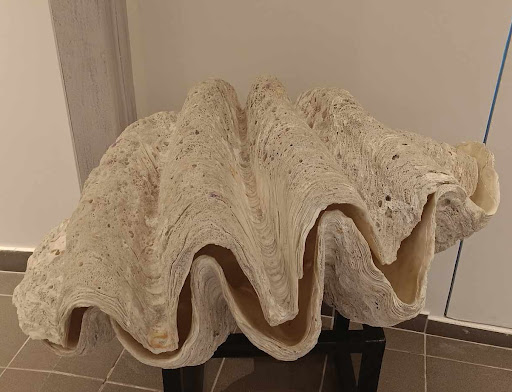
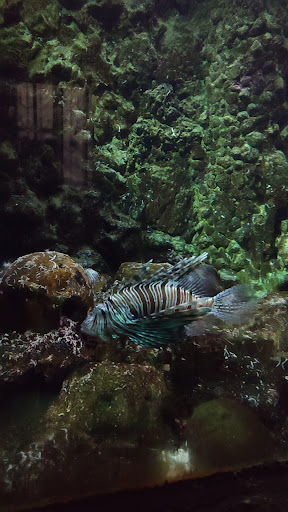
Aquarium of Rhodes - Hydrobiological Station HCMR things to do, attractions, restaurants, events info and trip planning
Basic Info
Aquarium of Rhodes - Hydrobiological Station HCMR
Enydreiou Sq, Rodos 851 31, Greece
3.8(2.2K)
Closed

tickets
Save
spot
spot
Ratings & Description
Info
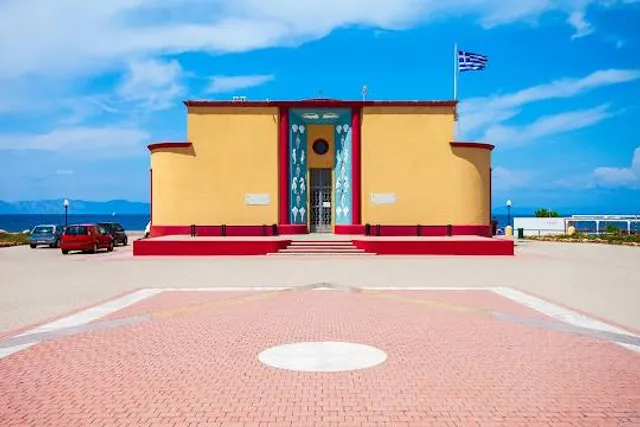
The Aquarium of Rhodes is a research centre, aquarium and museum in Rhodes, Greece. It was built in the 1930s, when the island was under the Italian rule and is currently administered by the National Centre of Marine Research.
Cultural
Entertainment
Family friendly
Accessibility
attractions: Windy Beach, Paralia Elli, Modern Greek Art Museum of Rhodes - Nestorideion Melathron, Myth Colossus of Rhodes, Throne of Helios: The History of Rhodes 9D Experience, Saint Nicholas Fortress, restaurants: Elia - Olive Restaurant, Nisos, memphis bbq grill, Louis Restaurant, STAY Gastropub Rhodes, Demis Suomalainen Baari Ravintola Karaoke, Azul Rhodes, Arena Sports | Grill Bar, Fork 31, RED RESTAURANT, local businesses: Gabriels Watersports, Spiaggia Akti Miaouli, Rhodes Casino, Museum of Modern Greek Art (new wing), Nikiforou Mandilara 32, MEAT STREET, Italiana pizza 24 Hour, Leontos 8, Leontos 12, Nikiforou Mandilara 36
 Learn more insights from Wanderboat AI.
Phone
+30 2241 027308
Website
rhodes-aquarium.hcmr.gr
Open hoursSee all hours
Wed9 AM - 4 PMClosed
Plan your stay

Pet-friendly Hotels in Municipality of Rhodes
Find a cozy hotel nearby and make it a full experience.

Affordable Hotels in Municipality of Rhodes
Find a cozy hotel nearby and make it a full experience.

The Coolest Hotels You Haven't Heard Of (Yet)
Find a cozy hotel nearby and make it a full experience.

Trending Stays Worth the Hype in Municipality of Rhodes
Find a cozy hotel nearby and make it a full experience.
Reviews
Live events
Explore hidden Rhodes
Wed, Feb 18 • 7:00 AM
851 00, Rhodes, Greece
View details
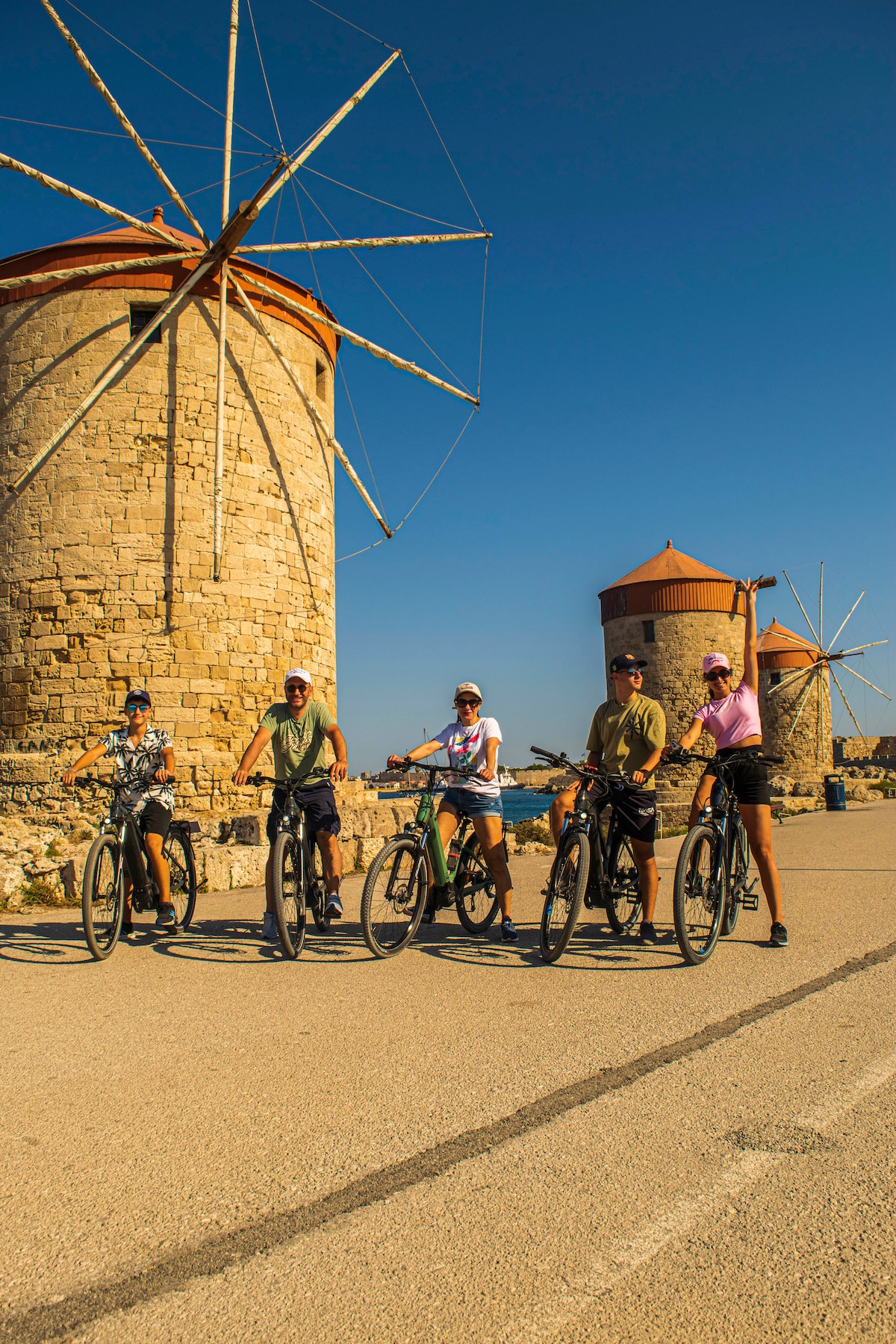
Ride medieval Rhodes with e-bike specialist
Wed, Feb 18 • 9:00 AM
85100, Rhodes, Greece
View details
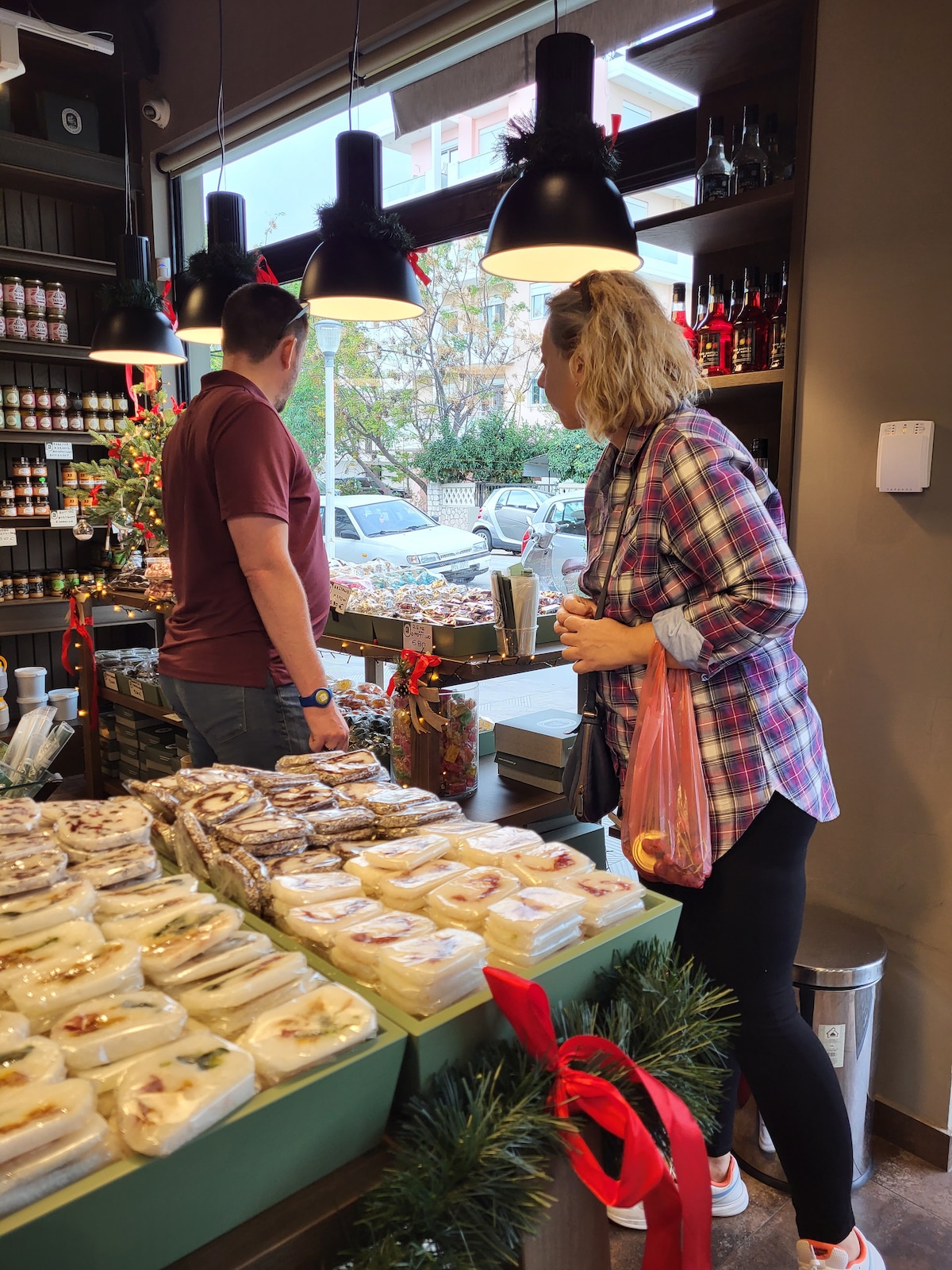
The Local Food markets tour
Wed, Feb 18 • 11:00 AM
851 32, Rhodes, Greece
View details
Nearby attractions of Aquarium of Rhodes - Hydrobiological Station HCMR
Windy Beach
Paralia Elli
Modern Greek Art Museum of Rhodes - Nestorideion Melathron
Myth Colossus of Rhodes
Throne of Helios: The History of Rhodes 9D Experience
Saint Nicholas Fortress

Windy Beach
4.6
(131)
Open 24 hours
Click for details
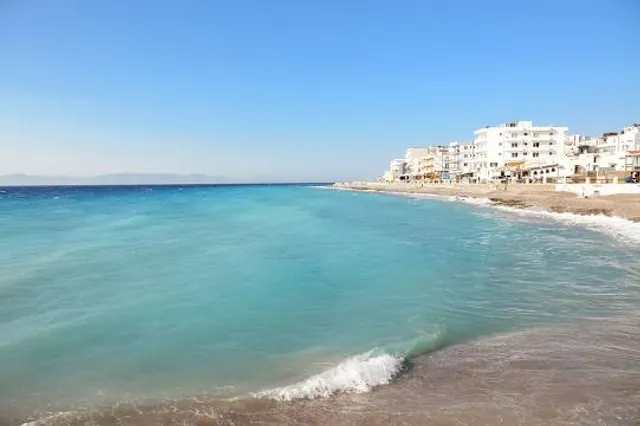
Paralia Elli
4.4
(129)
Open 24 hours
Click for details
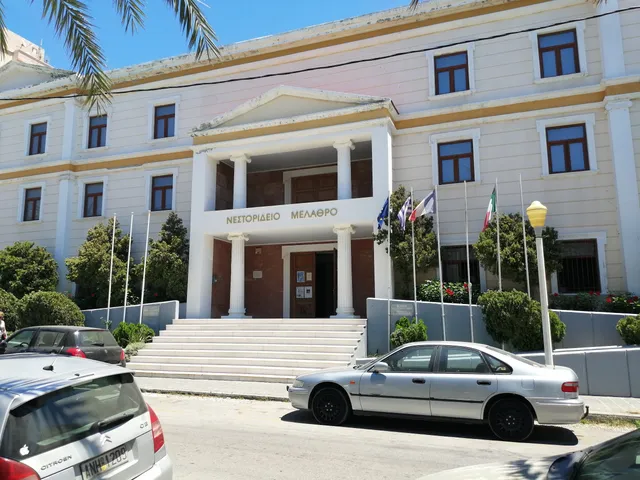
Modern Greek Art Museum of Rhodes - Nestorideion Melathron
4.2
(134)
Closed
Click for details
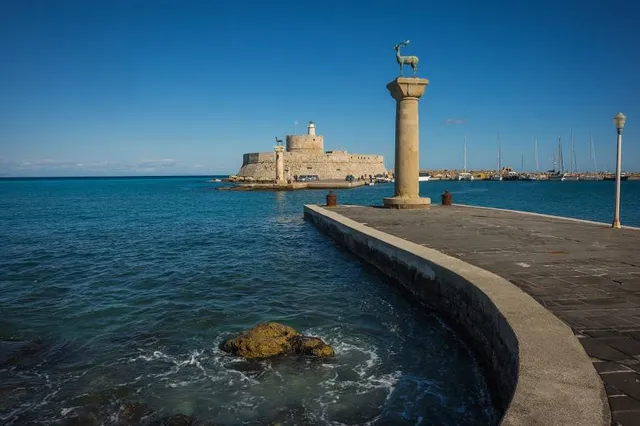
Myth Colossus of Rhodes
4.5
(2.5K)
Open until 12:00 AM
Click for details
Nearby restaurants of Aquarium of Rhodes - Hydrobiological Station HCMR
Elia - Olive Restaurant
Nisos
memphis bbq grill
Louis Restaurant
STAY Gastropub Rhodes
Demis Suomalainen Baari Ravintola Karaoke
Azul Rhodes
Arena Sports | Grill Bar
Fork 31
RED RESTAURANT
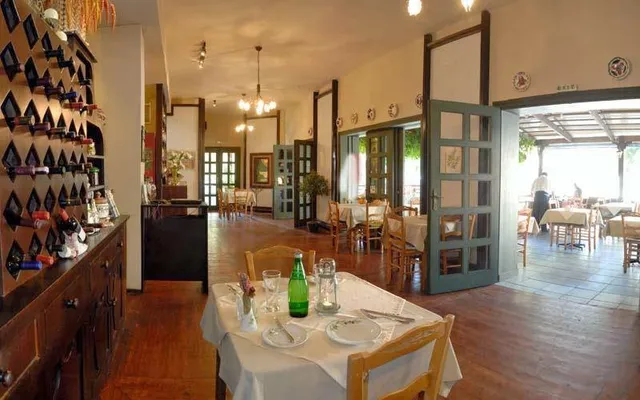
Elia - Olive Restaurant
4.5
(656)
$$
Closed
Click for details
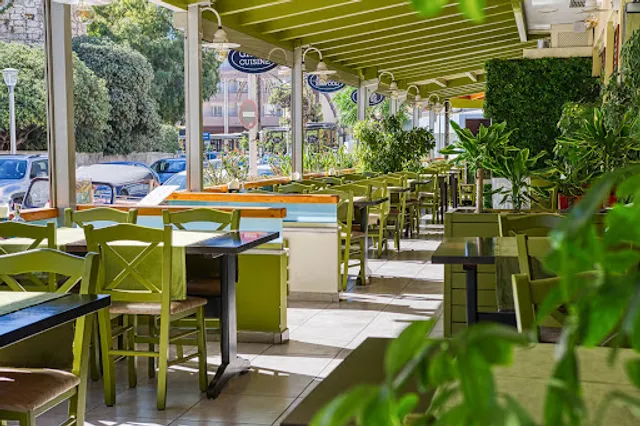
Nisos
4.5
(686)
$$
Click for details
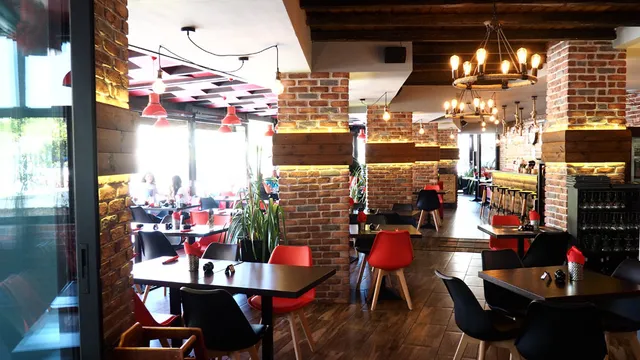
memphis bbq grill
4.6
(1.3K)
$$
Click for details

Louis Restaurant
4.6
(886)
$$
Closed
Click for details
Nearby local services of Aquarium of Rhodes - Hydrobiological Station HCMR
Gabriels Watersports
Spiaggia Akti Miaouli
Rhodes Casino
Museum of Modern Greek Art (new wing)
Nikiforou Mandilara 32
MEAT STREET
Italiana pizza 24 Hour
Leontos 8
Leontos 12
Nikiforou Mandilara 36
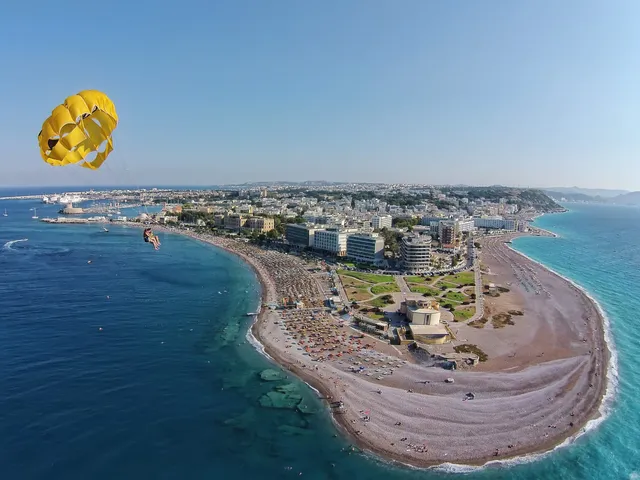
Gabriels Watersports
4.8
(97)
Click for details
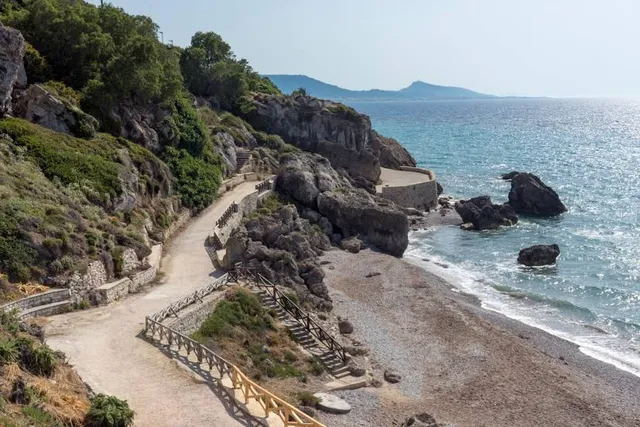
Spiaggia Akti Miaouli
4.4
(138)
Click for details
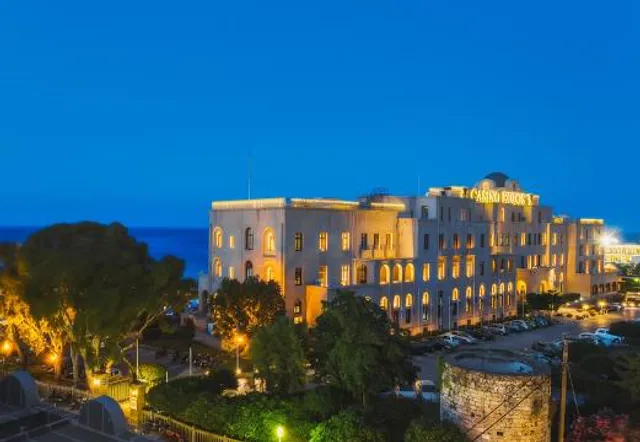
Rhodes Casino
3.9
(1.1K)
Click for details
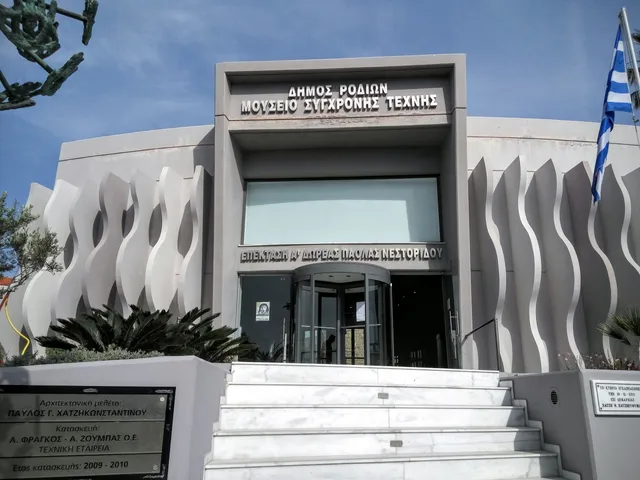
Museum of Modern Greek Art (new wing)
4.6
(95)
Click for details