Gellért Hill things to do, attractions, restaurants, events info and trip planning
Basic Info
Gellért Hill
Budapest, 1016 Hungary
4.6(1.1K)
Save
spot
spot
Ratings & Description
Info
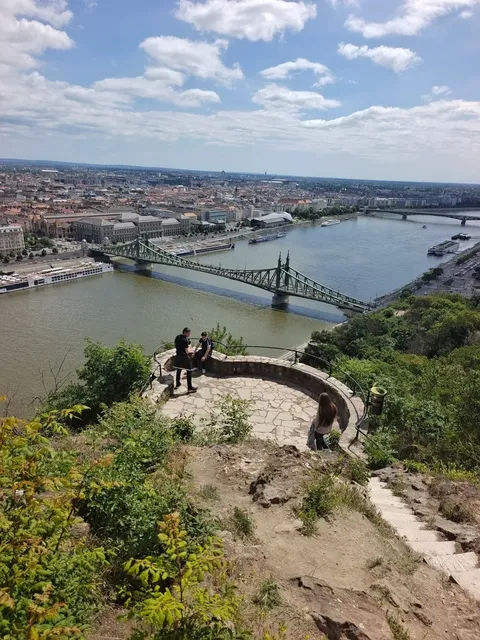
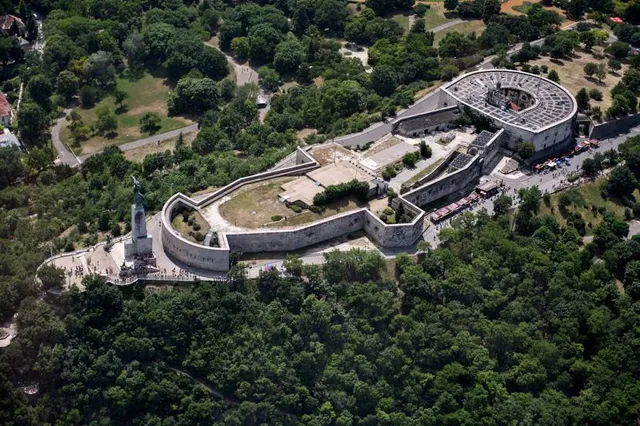
Gellért Hill is a 235 m high hill overlooking the Danube in Budapest, Hungary. It is located in the 1st and the 11th districts. The hill was named after Saint Gerard who was thrown to death from the hill.
Outdoor
Accessibility
attractions: Vuk playground, Gellért Hill, Citadella, Citadel Lookout, Cerka-firka Playground, Garden of Philosophers, Gellért-hegy, Rudas Thermal Bath, St. Gerard Sagredo Statue, Gellért-hegy Jubileumi park, restaurants: Búsuló Juhász, ODA, Rudas Bistro, Zileat Brunch & Bistro Budapest, Platán Grill, Tabáni Gösser Étterem, Mr. & Mrs. Columbo, Kisvigadó vendéglő, Tabáni Kakas Vendeglõ, FELIX Kitchen&Bar, local businesses: Rudas Baths, Liberty Statue, ゲッレールトの丘, Czakó Termelői Piacz, Oxygen Wellness, Mandulás Cukrászda, Statue des heiligen Stephan I., Gellért Budapest Suites
 Learn more insights from Wanderboat AI.
Plan your stay

Pet-friendly Hotels in Budapest
Find a cozy hotel nearby and make it a full experience.

Affordable Hotels in Budapest
Find a cozy hotel nearby and make it a full experience.

The Coolest Hotels You Haven't Heard Of (Yet)
Find a cozy hotel nearby and make it a full experience.

Trending Stays Worth the Hype in Budapest
Find a cozy hotel nearby and make it a full experience.
Reviews
Live events

Free tour of downtown Budapest, in Spanish
Wed, Feb 25 • 10:30 AM
Budapest, 1055, Hungary
View details

Amazing Private Photo Shoot in Budapest
Sun, Feb 22 • 7:00 AM
Budapest, 1014, Hungary
View details

Budapest 101, an introduction to the city
Wed, Feb 25 • 2:00 PM
Budapest, 1096, Hungary
View details
Nearby attractions of Gellért Hill
Vuk playground
Gellért Hill
Citadella
Citadel Lookout
Cerka-firka Playground
Garden of Philosophers
Gellért-hegy
Rudas Thermal Bath
St. Gerard Sagredo Statue
Gellért-hegy Jubileumi park
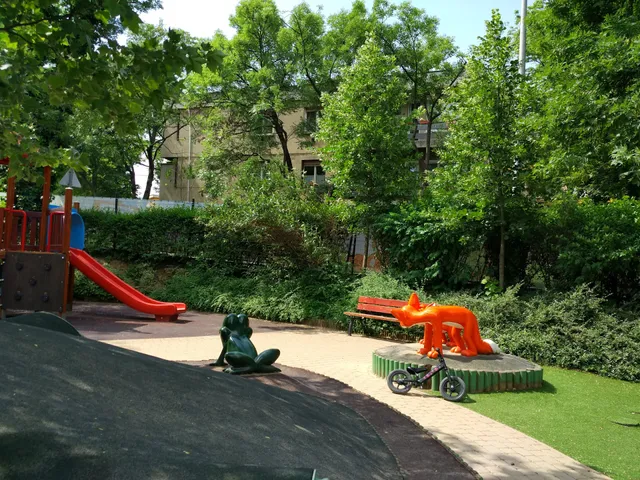
Vuk playground
4.7
(674)
Closed
Click for details
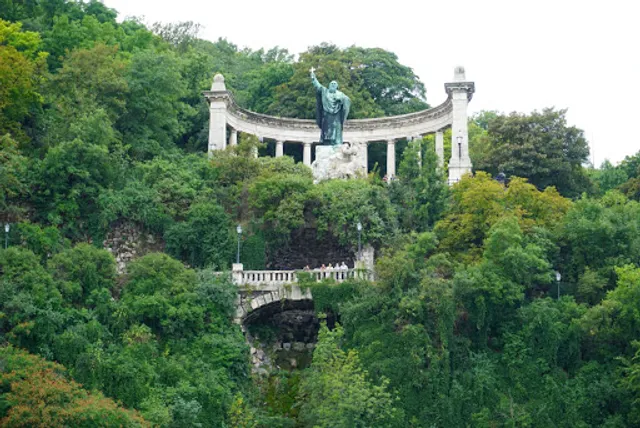
Gellért Hill
4.7
(13.1K)
Open until 12:00 AM
Click for details

Citadella
4.6
(7.4K)
Open 24 hours
Click for details
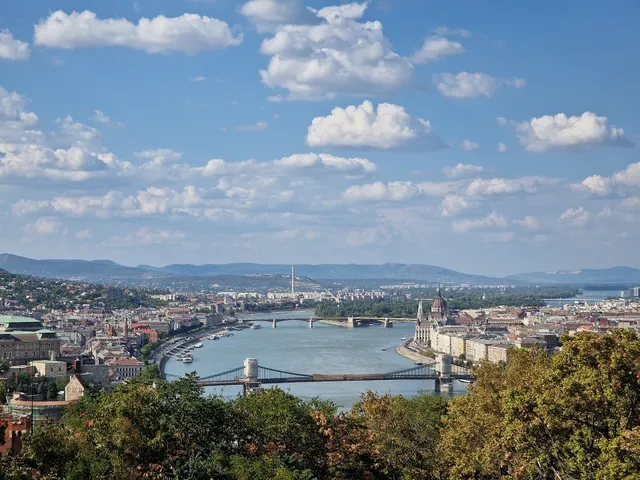
Citadel Lookout
4.6
(815)
Open until 12:00 AM
Click for details
Nearby restaurants of Gellért Hill
Búsuló Juhász
ODA
Rudas Bistro
Zileat Brunch & Bistro Budapest
Platán Grill
Tabáni Gösser Étterem
Mr. & Mrs. Columbo
Kisvigadó vendéglő
Tabáni Kakas Vendeglõ
FELIX Kitchen&Bar
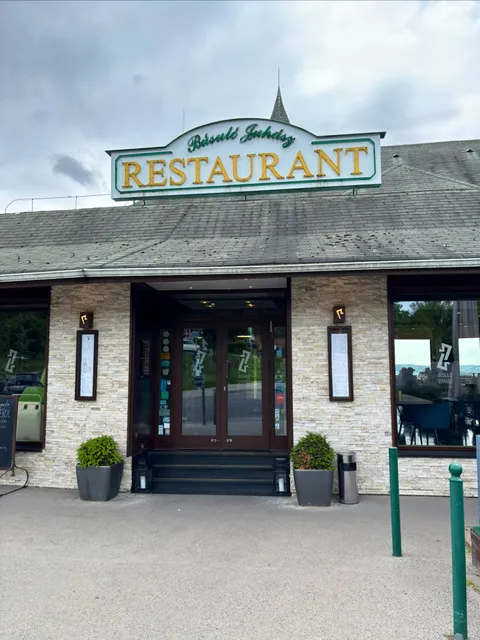
Búsuló Juhász
4.5
(1.1K)
$$$
Closed
Click for details
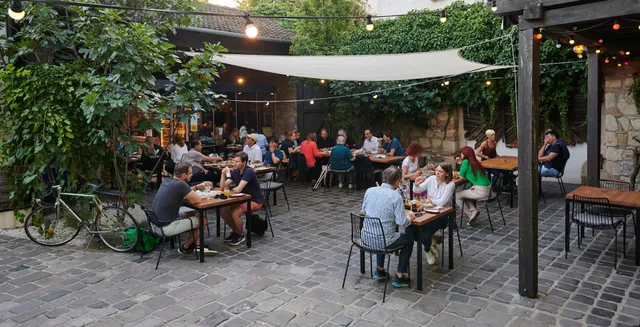
ODA
4.3
(1.1K)
$$
Closed
Click for details

Rudas Bistro
4.5
(1.0K)
Closed
Click for details
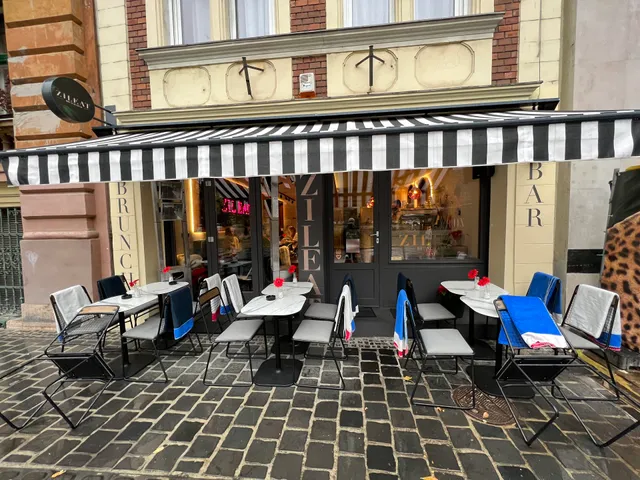
Zileat Brunch & Bistro Budapest
4.7
(663)
Closed
Click for details
Nearby local services of Gellért Hill
Rudas Baths
Liberty Statue
ゲッレールトの丘
Czakó Termelői Piacz
Oxygen Wellness
Mandulás Cukrászda
Statue des heiligen Stephan I.
Gellért Budapest Suites

Rudas Baths
4.4
(4.2K)
Click for details

Liberty Statue
4.6
(2.1K)
Click for details
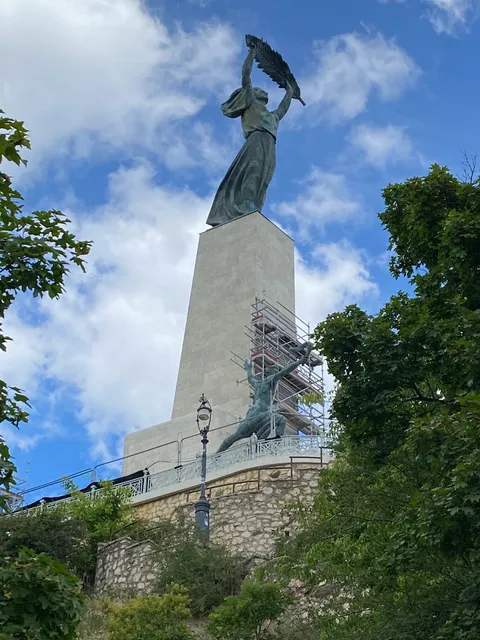
ゲッレールトの丘
3.8
(14)
Click for details

Czakó Termelői Piacz
4.5
(133)
Click for details