St. Stephen's Basilica things to do, attractions, restaurants, events info and trip planning
Basic Info
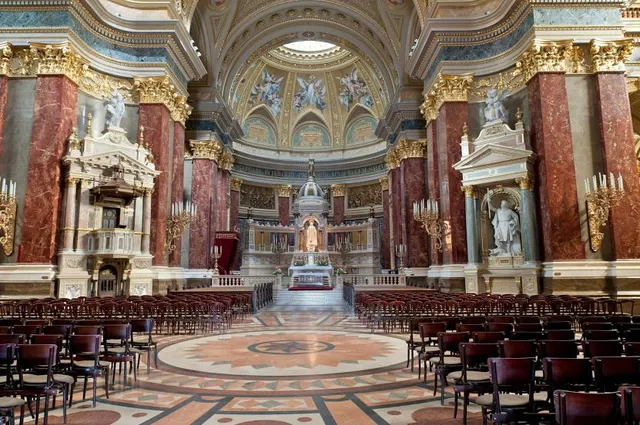
St. Stephen's Basilica
Budapest, Szent István tér 1, 1051 Hungary
4.7(26.1K)
Closed
Save
spot
spot
Ratings & Description
Info
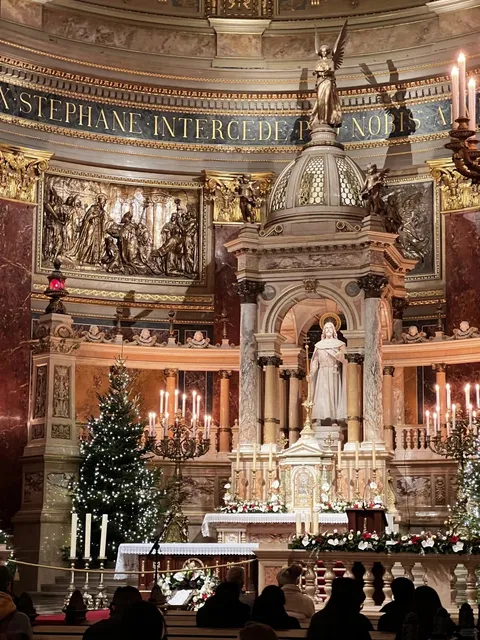
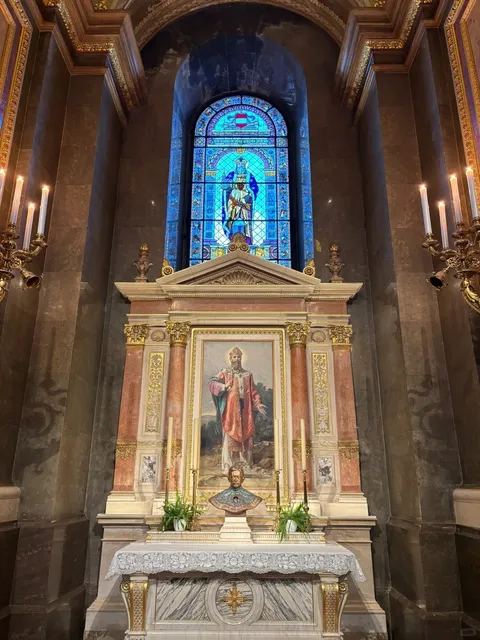
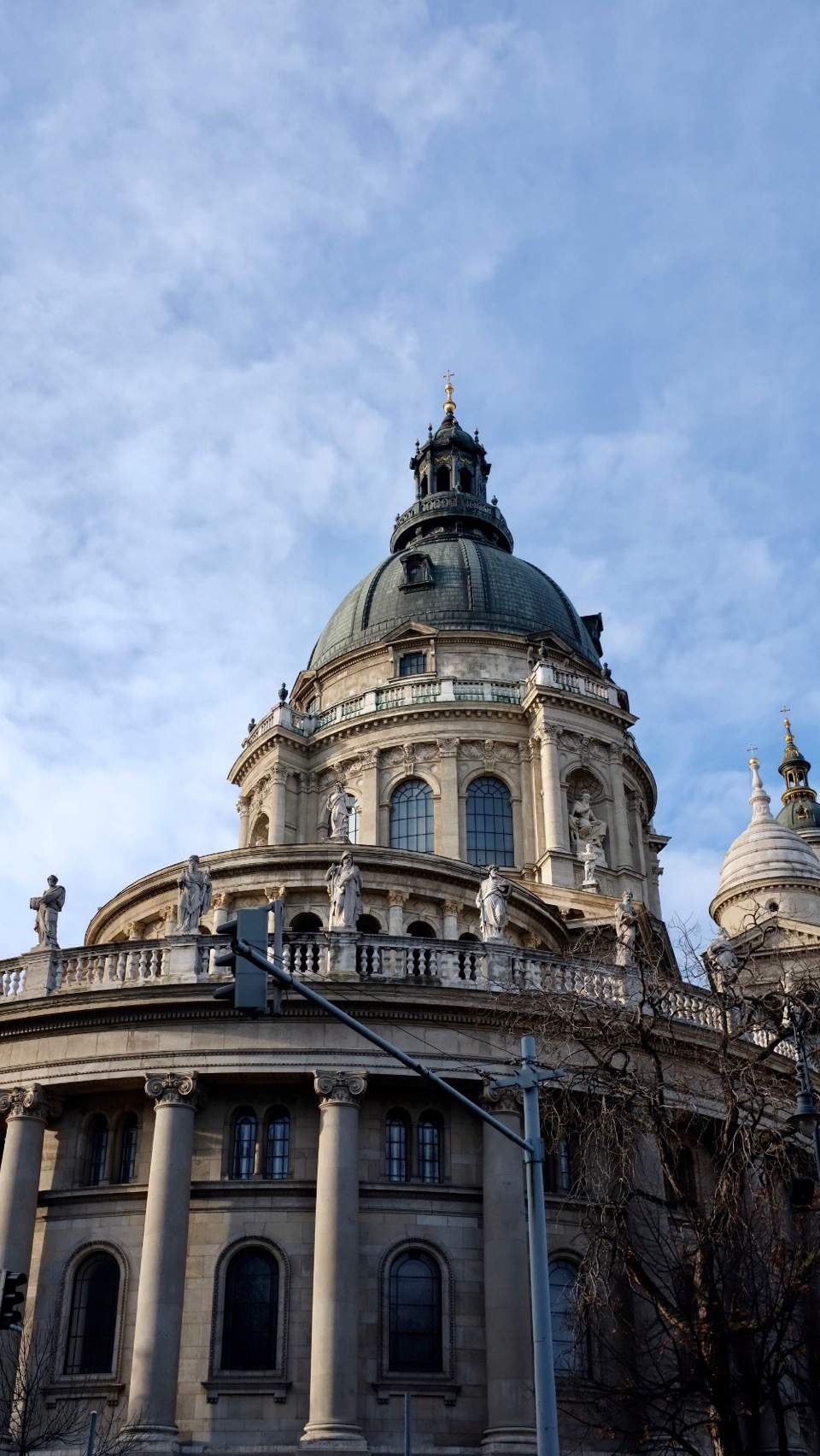
St. Stephen's Basilica is a Roman Catholic basilica in Budapest, Hungary. It is named in honour of Stephen, the first King of Hungary, whose right hand is housed in the reliquary. Since the renaming of the primatial see, it has been the co-cathedral of the Roman Catholic Archdiocese of Esztergom-Budapest.
Cultural
Family friendly
Accessibility
attractions: Basilica Budapest, Ferris Wheel of Budapest, Elizabeth Square, Budapest Retro Élményközpont, Hungarian State Opera, The Policeman, Liberty Square, Light Art Museum, Underground Railway Museum, Danubius Fountain, restaurants: BESTIA, Gelarto Rosa, Akademia Italia Budapest, Belvárosi Lugas Restaurant, 0,75 Basilica WINE BAR & BISTRO, Cookie Beacon Brunch, Hachapuri, Cat Cafe, DiVino Wine Bar, Tapassio, local businesses: Hot Stone Steakhouse Budapest, Saint Stephen's Basilica, Bajcsy-Zsilinszky út 9, Museum of Illusions, Budapest retro Erlebnispark, Duran Szendvics Hungaria Kft., MiniPolisz, Central Passage Shopping Center, Central Passage, Harmony Spa Budapest
 Learn more insights from Wanderboat AI.
Phone
+36 1 311 0839
Website
bazilikabudapest.hu
Open hoursSee all hours
Fri9 AM - 5:45 PMClosed
Plan your stay

Pet-friendly Hotels in Budapest
Find a cozy hotel nearby and make it a full experience.

Affordable Hotels in Budapest
Find a cozy hotel nearby and make it a full experience.

The Coolest Hotels You Haven't Heard Of (Yet)
Find a cozy hotel nearby and make it a full experience.

Trending Stays Worth the Hype in Budapest
Find a cozy hotel nearby and make it a full experience.
Reviews
Live events
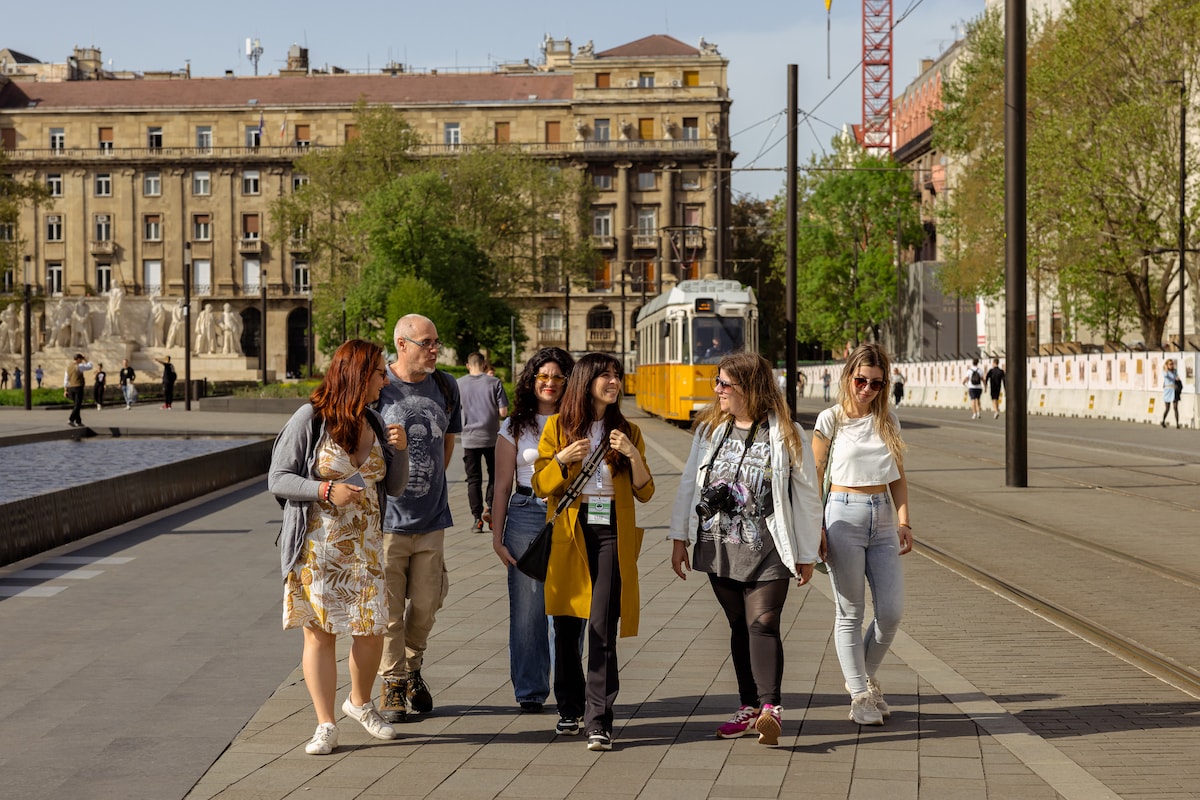
Free tour of downtown Budapest, in Spanish
Wed, Feb 25 • 10:30 AM
Budapest, 1055, Hungary
View details

Amazing Private Photo Shoot in Budapest
Fri, Feb 20 • 7:30 AM
Budapest, 1014, Hungary
View details
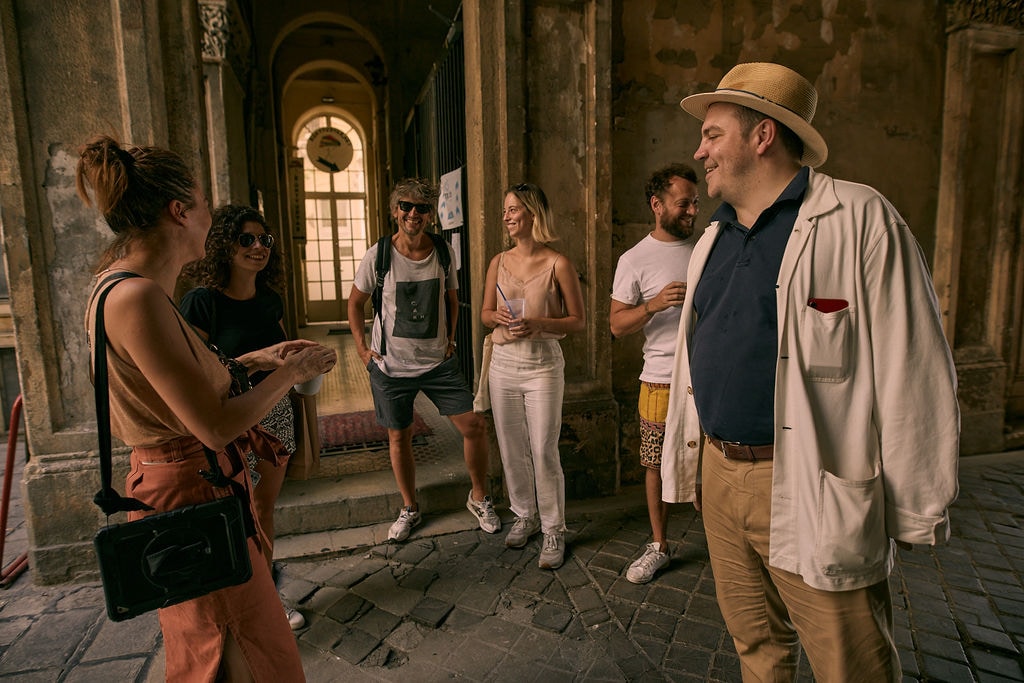
Budapest 101, an introduction to the city
Wed, Feb 25 • 2:00 PM
Budapest, 1096, Hungary
View details
Nearby attractions of St. Stephen's Basilica
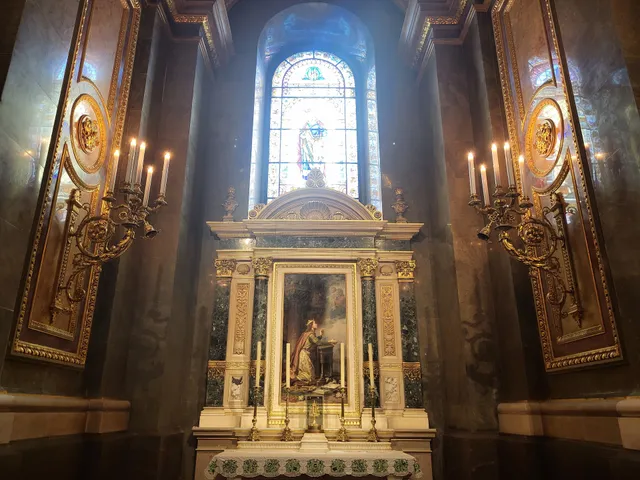
Basilica Budapest
Ferris Wheel of Budapest
Elizabeth Square
Budapest Retro Élményközpont
Hungarian State Opera
The Policeman
Liberty Square
Light Art Museum
Underground Railway Museum
Danubius Fountain
Basilica Budapest
4.6
(319)
Open 24 hours
Click for details
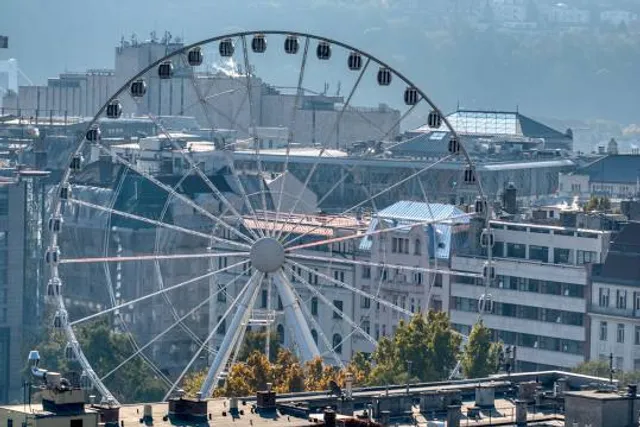
Ferris Wheel of Budapest
4.5
(10.6K)
Closed
Click for details
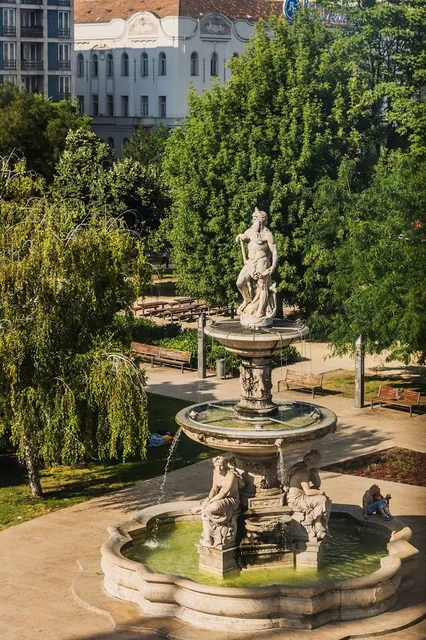
Elizabeth Square
4.5
(5.9K)
Closed
Click for details
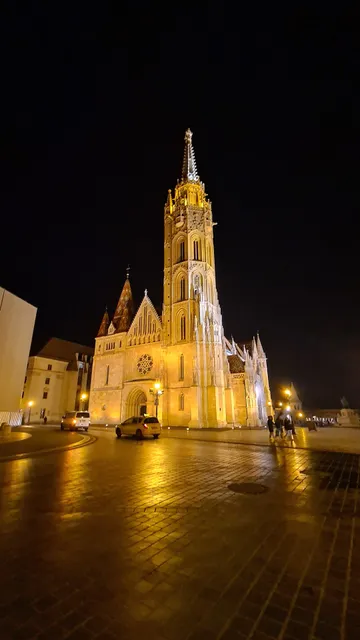
Budapest Retro Élményközpont
4.7
(2K)
Closed
Click for details
Nearby restaurants of St. Stephen's Basilica
BESTIA
Gelarto Rosa
Akademia Italia Budapest
Belvárosi Lugas Restaurant
0,75 Basilica WINE BAR & BISTRO
Cookie Beacon Brunch
Hachapuri
Cat Cafe
DiVino Wine Bar
Tapassio
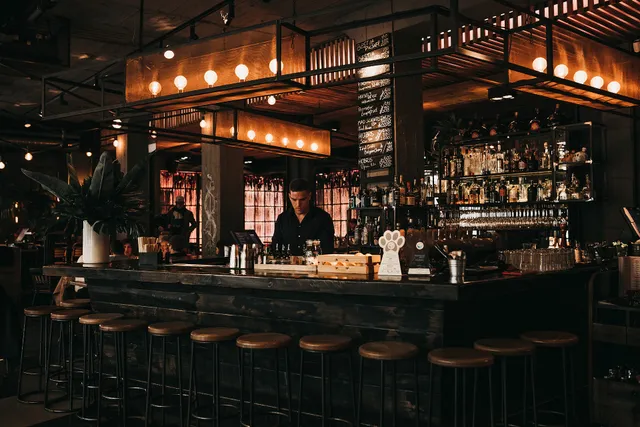
BESTIA
4.6
(3.1K)
$$
Closed
Click for details
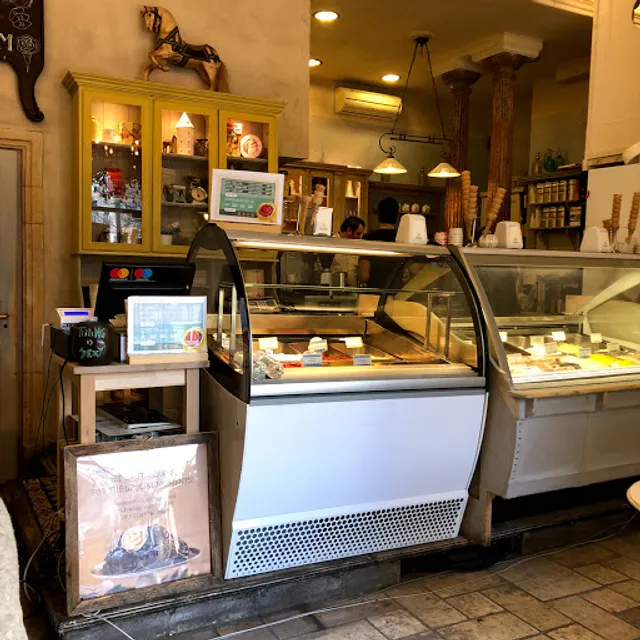
Gelarto Rosa
4.7
(3K)
$$
Closed
Click for details
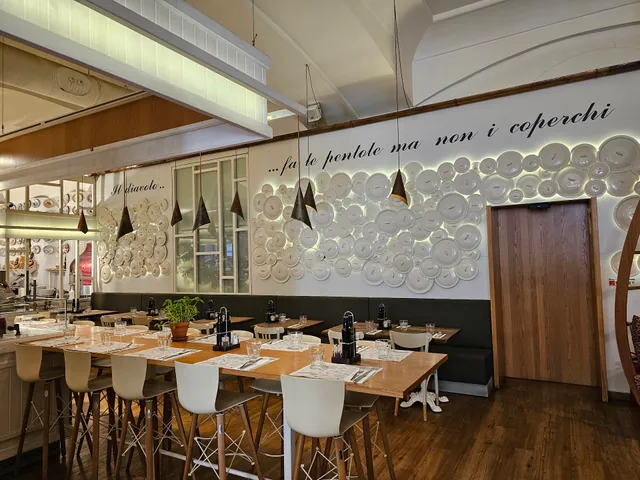
Akademia Italia Budapest
4.5
(1.8K)
$$$
Closed
Click for details
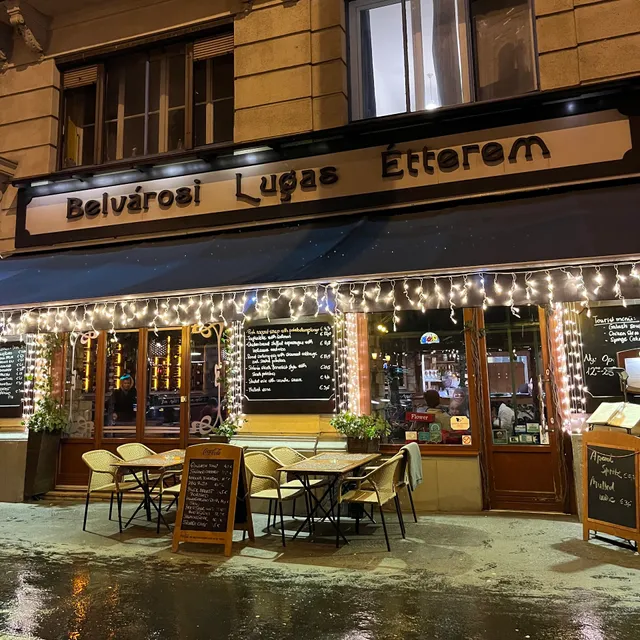
Belvárosi Lugas Restaurant
4.5
(2.1K)
$$
Closed
Click for details
Nearby local services of St. Stephen's Basilica
Hot Stone Steakhouse Budapest
Saint Stephen's Basilica
Bajcsy-Zsilinszky út 9
Museum of Illusions
Budapest retro Erlebnispark
Duran Szendvics Hungaria Kft.
MiniPolisz
Central Passage Shopping Center
Central Passage
Harmony Spa Budapest

Hot Stone Steakhouse Budapest
4.7
(4.4K)
Click for details
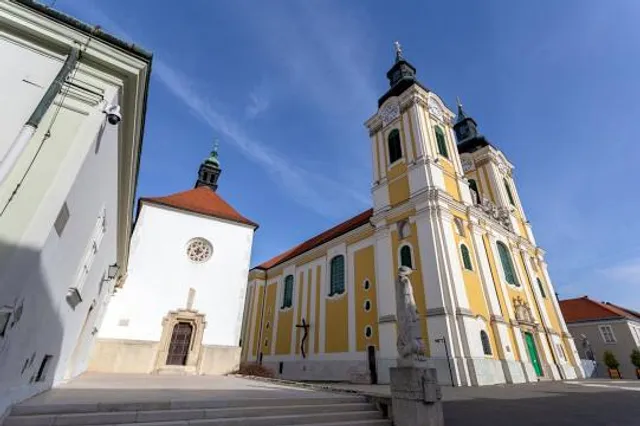
Saint Stephen's Basilica
4.8
(180)
Click for details
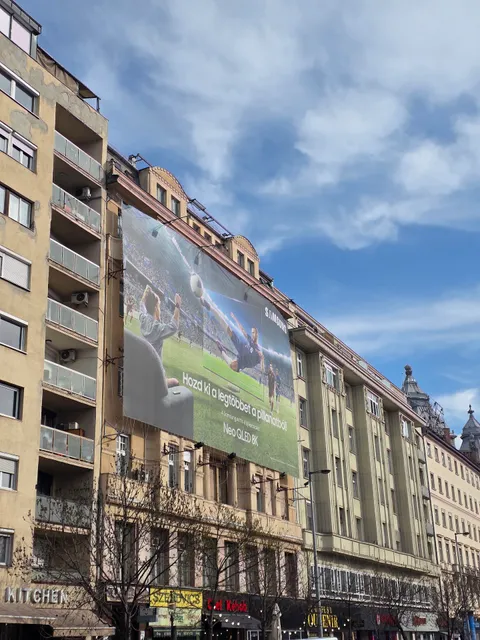
Bajcsy-Zsilinszky út 9
4.4
(1.3K)
Click for details
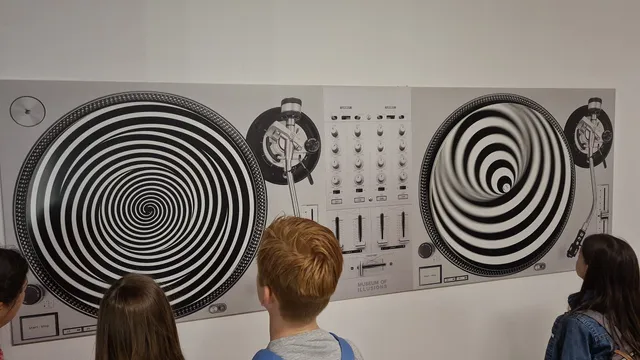
Museum of Illusions
4.4
(2.2K)
Click for details