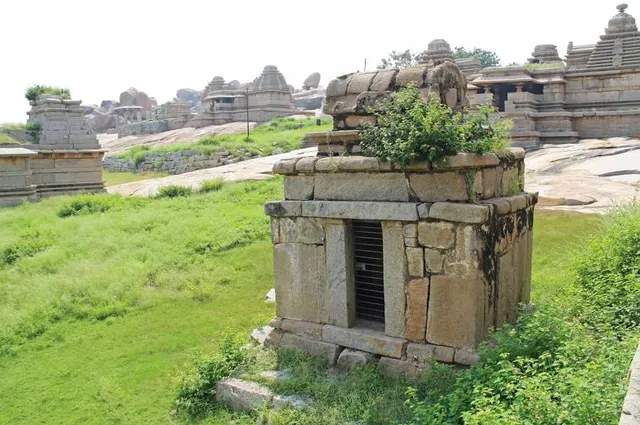
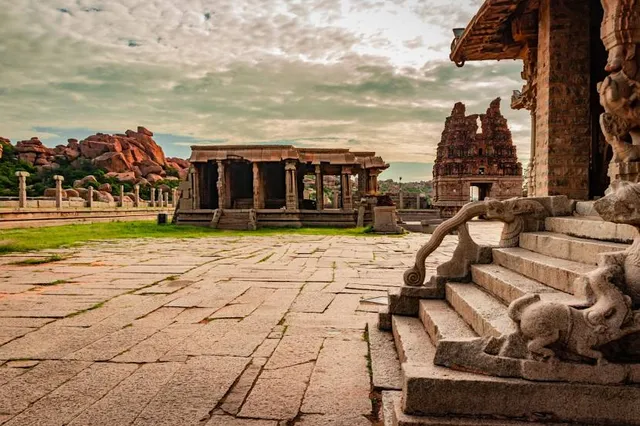
This UNESCO World Heritage Site, scattered with captivating ruins and awe-inspiring landscapes, offers a mesmerizing journey through history, architecture, and natural beauty.
The first impression of Hampi is its surreal and dramatic setting. The vast boulder-strewn landscape, interspersed with ancient ruins, temples, and monuments, creates a unique and otherworldly atmosphere. The juxtaposition of the rocky terrain against the remnants of a once-thriving city evokes a sense of wonder and curiosity, igniting the imagination.
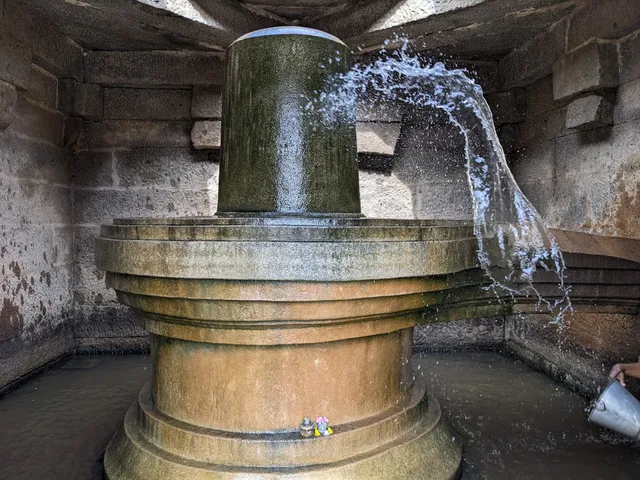
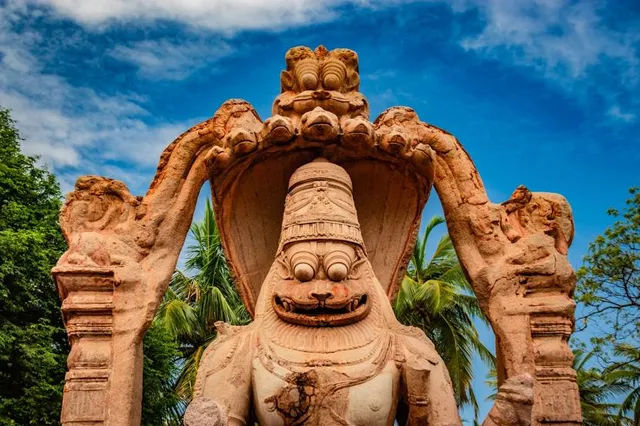
Exploring the ruins of Hampi is like unraveling a fascinating tale. The Virupaksha Temple, dedicated to Lord Shiva, is a prominent attraction that showcases intricate carvings, towering gopurams (entrance towers), and a vibrant atmosphere of devotion. The nearby Hampi Bazaar, with its vibrant market stalls and bustling energy, adds a lively and colorful element to the experience.
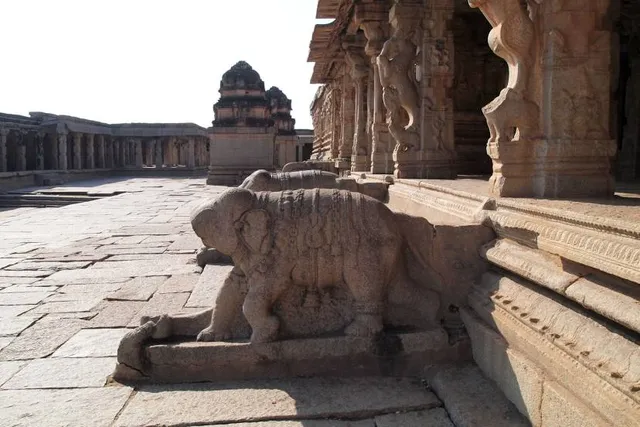
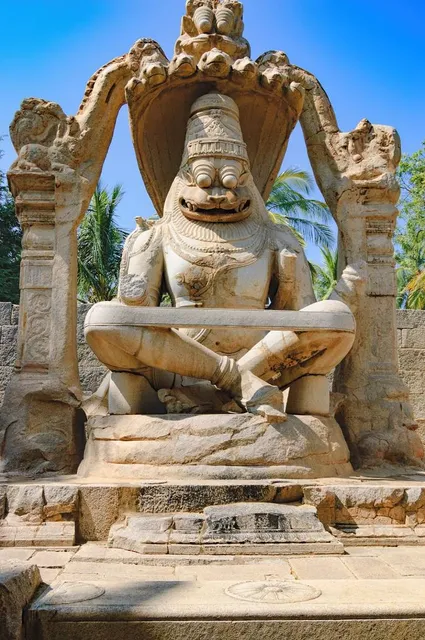
Venturing further into the ancient city, one encounters the architectural marvels that Hampi is renowned for. The Vijaya Vittala Temple, with its iconic stone chariot and musical pillars, stands as a testament to the skilled craftsmanship and engineering prowess of the Vijayanagara Empire. The Lotus Mahal, the Elephant Stables, and the Hazara Rama Temple are among the many other sites that display the architectural grandeur and intricate detailing of the era.
Beyond the architectural wonders, Hampi offers breathtaking natural vistas. The Tungabhadra River flowing through the landscape, the lush paddy fields, and the picturesque sunsets create a captivating backdrop for exploration. Trekking up the Matanga Hill provides panoramic views of the entire Hampi region, allowing visitors to appreciate the vastness and beauty of the surroundings.
Hampi is not just a static historical site; it is a living heritage that comes alive during various festivals and cultural events. The Hampi Utsav, a grand celebration held annually, showcases traditional music, dance performances, and a vibrant display of the region's rich cultural heritage. Participating in such events provides a deeper understanding and connection to the vibrant history and cultural tapestry of Hampi.
The preservation and conservation efforts in Hampi are commendable. The Archaeological Survey of India and various organizations have undertaken initiatives to protect and restore the historical structures, ensuring that future generations can continue to marvel at this ancient wonder. However, with the influx of tourists, it is essential for visitors to be responsible and respectful of the sites to help maintain their integrity.
In conclusion, Hampi is a captivating destination that offers a remarkable blend of history, architecture, and natural beauty. The ancient ruins, stunning landscapes, and the palpable aura of the past make it an unforgettable experience for travelers. Hampi's significance as a UNESCO World Heritage Site and its cultural vibrancy make it a must-visit destination for those seeking a glimpse into India's rich historical and...
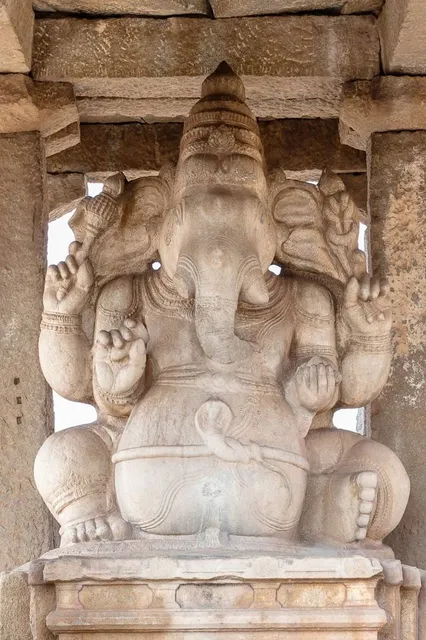
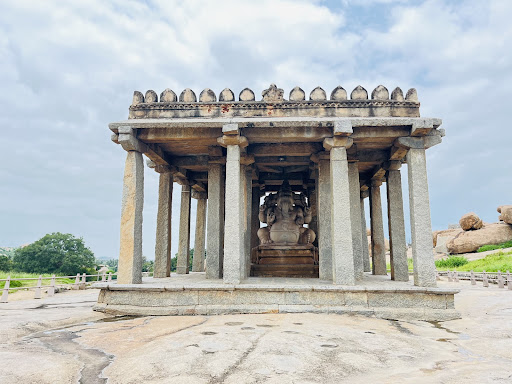
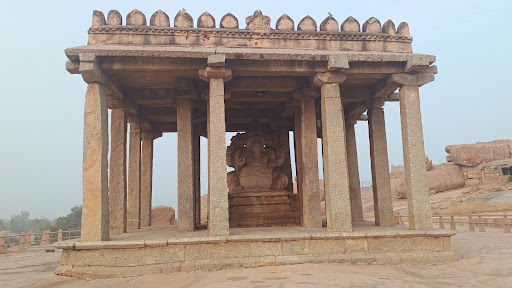
Read moreThe Sasuvekalu Ganesha statue in Hampi is one of the remarkable attractions within the UNESCO World Heritage site.
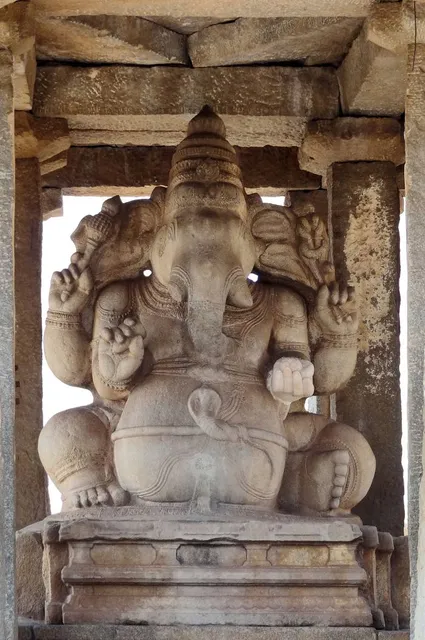
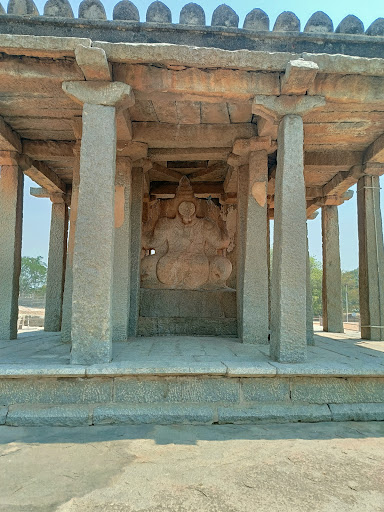
Majestic Statue: The Sasuvekalu Ganesha statue is known for its grandeur and artistic beauty. It depicts Lord Ganesha, the elephant-headed Hindu deity, in a sitting posture. The statue is approximately 2.4 meters (8 feet) tall and is carved out of a single block of granite. Visitors are often impressed by the craftsmanship and intricate details of the sculpture.
Artistic Details: The statue showcases the expertise of the artisans who sculpted it. The intricate carvings on the statue's jewelry, clothing, and various accessories exhibit the mastery of ancient Indian sculpting techniques. Visitors appreciate the fine details and the delicate expressions on the face of Lord Ganesha.
Historical and Cultural Significance: The Sasuvekalu Ganesha statue holds historical and cultural significance within the Hampi region. It is believed to date back to the 15th century, during the Vijayanagara Empire. The statue is an important representation of the Hindu deity Ganesha, who is revered as the remover of obstacles and the god of wisdom. Visitors often find the historical context intriguing and gain a deeper understanding of the religious and cultural practices of the time.
Scenic Location: The statue is situated amidst the picturesque landscape of Hampi, which adds to its charm. Surrounded by ancient ruins, boulder-strewn hills, and lush greenery, the location provides a serene and tranquil atmosphere for visitors to appreciate the statue and the surrounding natural beauty.
Accessibility: The Sasuvekalu Ganesha statue is easily accessible within the Hampi archaeological site. Visitors can explore the area on foot and enjoy the statue along with other nearby attractions. It is advisable to check the site's opening hours and plan the visit accordingly.
Photography Opportunities: The impressive size and intricate details of the Sasuvekalu Ganesha statue make it a popular subject for photography enthusiasts. The contrasting textures and the play of light and shadows on the sculpture offer unique opportunities for capturing memorable photographs.
It's important to note that individual experiences may vary, and it is always beneficial to have a knowledgeable guide or refer to informative resources to gain a deeper understanding of the cultural and historical significance of the Sasuvekalu Ganesha statue and its context within the...
Read moreHampi, a UNESCO world heritage site, is known for its magnificent temples and one such fine specimen is Sasivekalu Ganesha temple. Sasivekalu Ganesha Temple is a huge statue of Lord Ganesha, carved out of a single block of rock. It is one of the major landmarks in Hampi. Sasivekalu Ganesha is about 8 feet (2.5 metres) tall.

Sasivekalu Ganesha Temple, Hampi. Photographer Arun
History of Sasivekalu Ganesha Temple
According to the Hindu mythology, Lord Ganesha is known for his love for food. Once Ganesha consumed a lot of food, due to which his stomach was on the verge of bursting. Finding no other option to stop his stomach from exploding, Ganesha caught hold of a snake and tied it around his stomach in order to prevent it from bursting open. This is the mythological incidence behind the existence of the snake tied around the Ganesha’s stomach, which is visible on the statue.
The inscription on the statue is as old as 1500 AD and says that this statue was erected in memory of the king Narasimha II, of the Vijayanagar Empire. This temple and the statue is indeed one of the finest specimens of Indian sculptures.

Sasivekalu Ganesha, Hampi. Image courtesy Tania Dey
Architecture of Sasivekalu Ganesha Temple
The Ganesha is seen in a half-lotus position with four arms. The right and left hand at the upper side holds a goad and a broken tusk. The top right hand of the statue holds a sweet (modak) the left hand is portrayed with a noose. A large mandapa is covering the statue at the top with a rough wall covering pillars around it. The archaeology department has installed a huge sitemap consisting of whereabouts of the place and history of the statue.

Sasivekalu Ganesha, Hampi. Image courtesy Paawak
How to Reach Sasivekalu Ganesha Temple
Sasivekalu Ganesha Temple is situated in the town of Hampi. Any local transport in the city can be used to reach the temple. You can reach Hampi by any of the following conveyance.
By Air
Hampi does not have an airport but can be reached through the nearby airports. Bellary is the nearest airport, about 615 kms from Hampi. There are a number of buses and taxis available from Bellary to Hampi. Apart from Bellary, Bangalore airport can also be accessed to reach Hampi; it is 353km from Hampi. One can hire a cab or taxi from the airport to reach the beautiful...
Read more