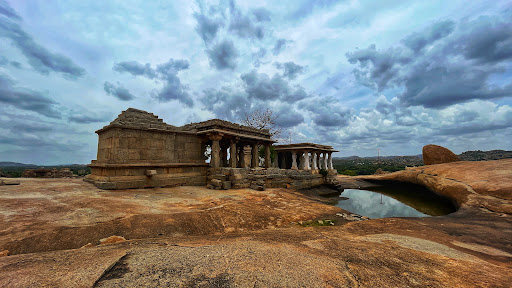
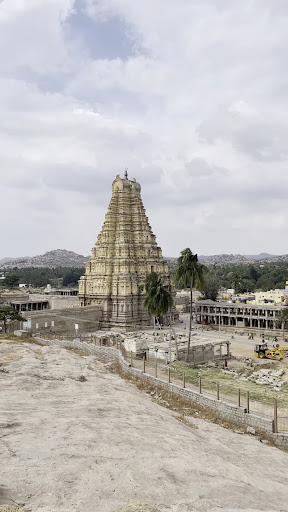
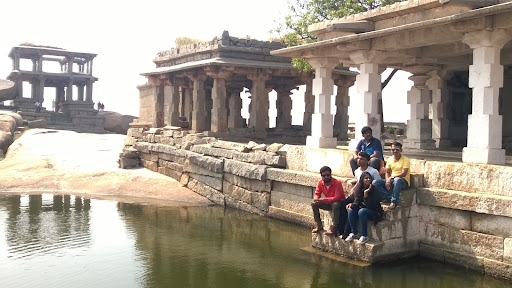
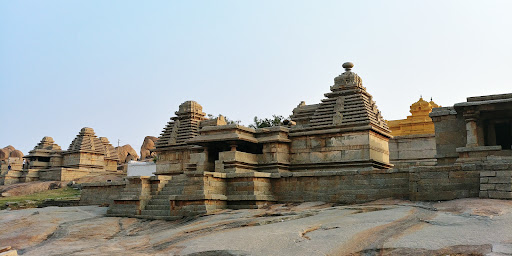
Sri Guddada Moola Virupaksha Gudi things to do, attractions, restaurants, events info and trip planning
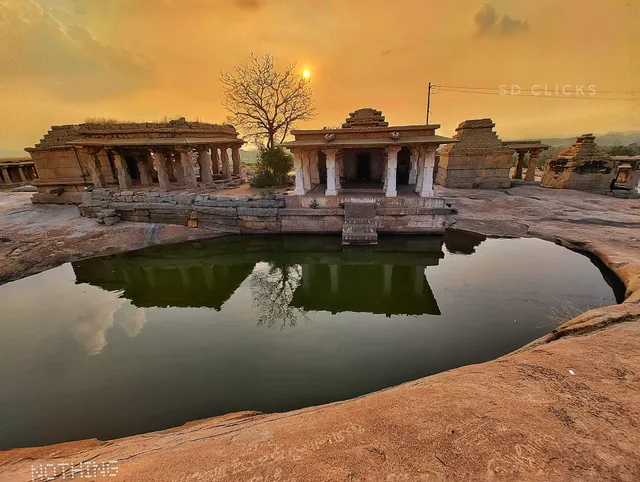
Basic Info
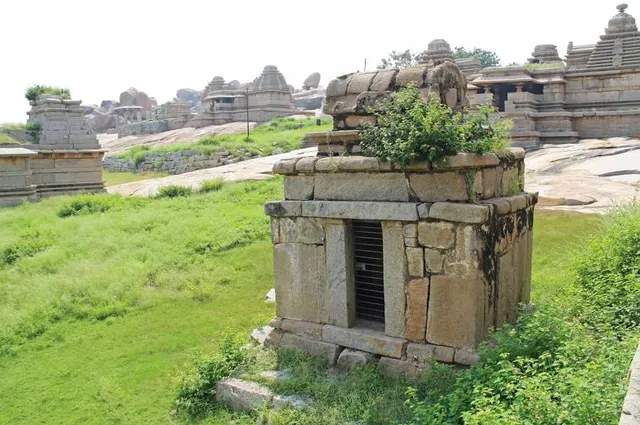
Sri Guddada Moola Virupaksha Gudi
8FP5+2WP, Hampi, Karnataka 583239, India
4.6(42)
Open 24 hours
Save
spot
spot
Ratings & Description
Info
Cultural
Scenic
Family friendly
attractions: Group of Monuments at Hampi, Virupaksheshwara Temple, Virupaksha Temple, Hampi, Kadalekalu Ganesha, Saasivekaalu Ganesha, Shiva Temple, Hampi Shri Krishna Swami Temple, Shree Badavilinga Gudi, Shri Lakshmi Narasimha Temple, Nandi, restaurants: Taste of Brahmins, Prince Indian food court Junction, Panchamukhi Restaurant Hampi, Ravi’s Rose Restaurant, Sagar Hotel hampi, Funky Monkey restaurant hampi, OLD CHILL OUT Ganesh RESTAURANT, Chillout Bamboo Restaurant, Shiva Cafe & Megha Guest House, Trishul Restaurant (Owner), local businesses: Hampi Vijayanagara, Hampi Archeological Ruins, Hemakuta Hill Temple, Temples on Hemakuta Hill, Sri Hanuman Temple
 Learn more insights from Wanderboat AI.
Phone
+91 80 2235 2828
Plan your stay

Pet-friendly Hotels in Karnataka
Find a cozy hotel nearby and make it a full experience.

Affordable Hotels in Karnataka
Find a cozy hotel nearby and make it a full experience.

The Coolest Hotels You Haven't Heard Of (Yet)
Find a cozy hotel nearby and make it a full experience.

Trending Stays Worth the Hype in Karnataka
Find a cozy hotel nearby and make it a full experience.
Reviews
Live events
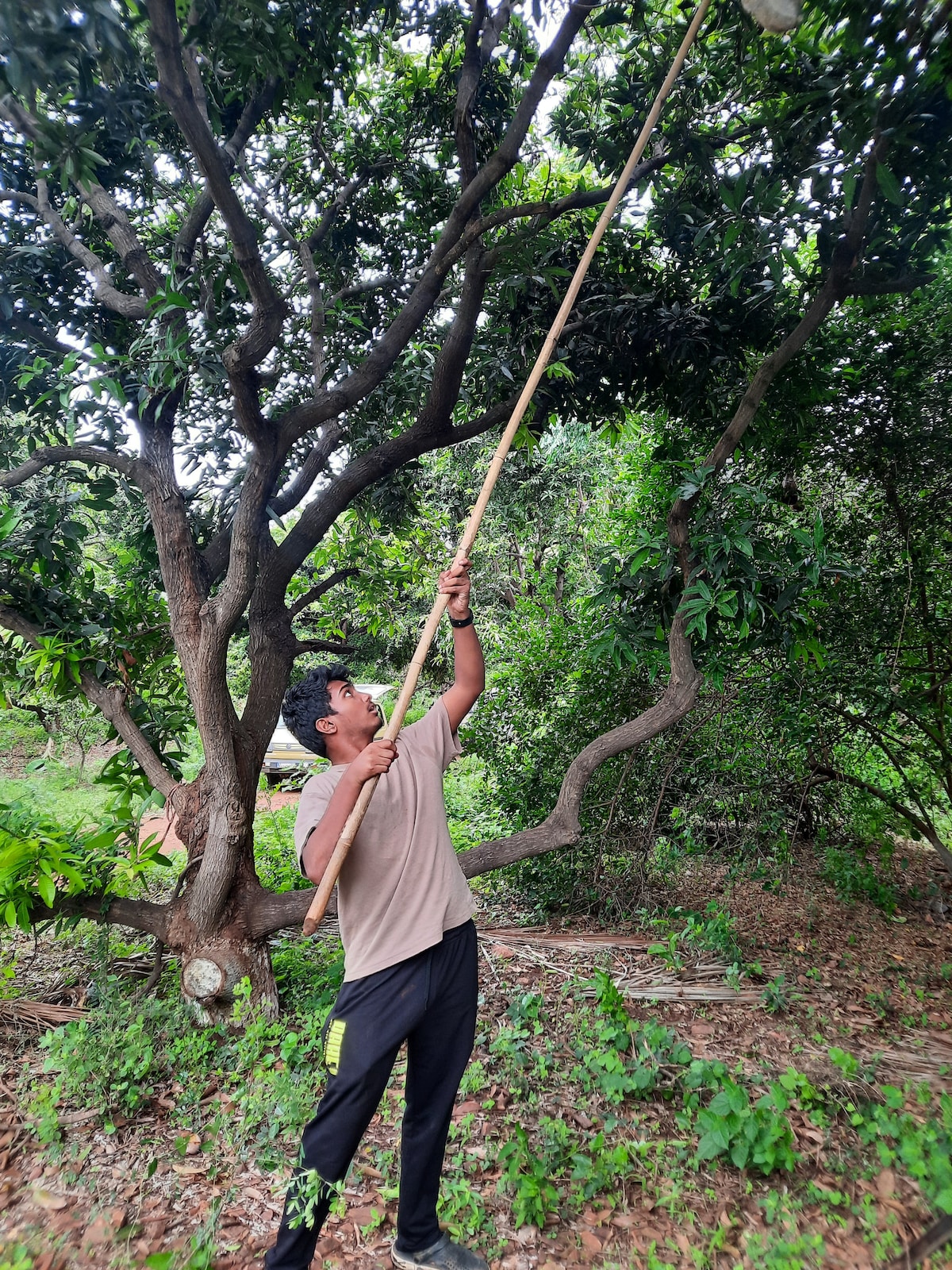
Diverse Organic Farm with Satvic Food near Hampi
Sat, Feb 21 • 9:00 AM
Ramalingana kere, Ramasagara Ramasagar, Karnataka, 583132, India
View details
Nearby attractions of Sri Guddada Moola Virupaksha Gudi
Group of Monuments at Hampi
Virupaksheshwara Temple
Virupaksha Temple, Hampi
Kadalekalu Ganesha
Saasivekaalu Ganesha
Shiva Temple
Hampi Shri Krishna Swami Temple
Shree Badavilinga Gudi
Shri Lakshmi Narasimha Temple
Nandi
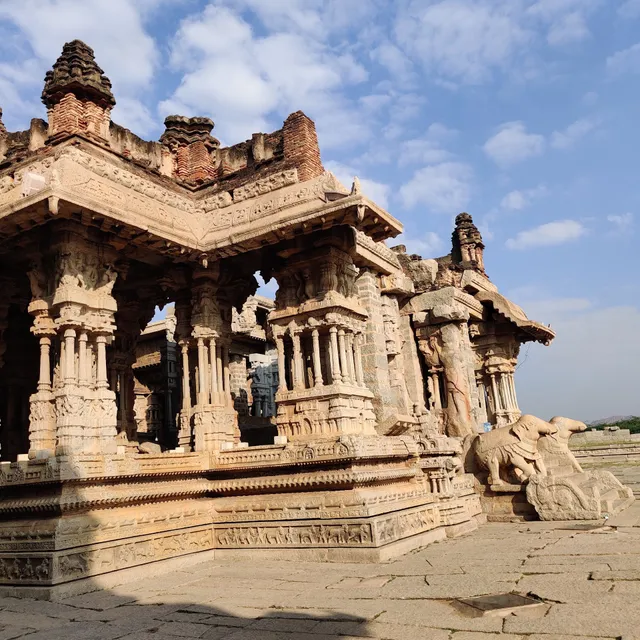
Group of Monuments at Hampi
4.7
(2.5K)
Closed
Click for details
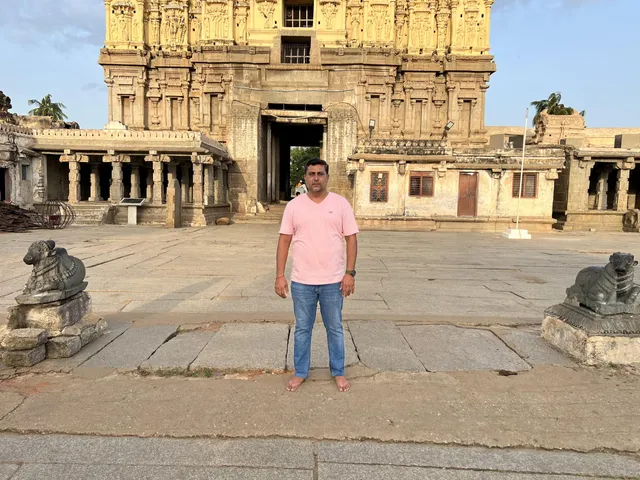
Virupaksheshwara Temple
4.7
(25)
Open 24 hours
Click for details
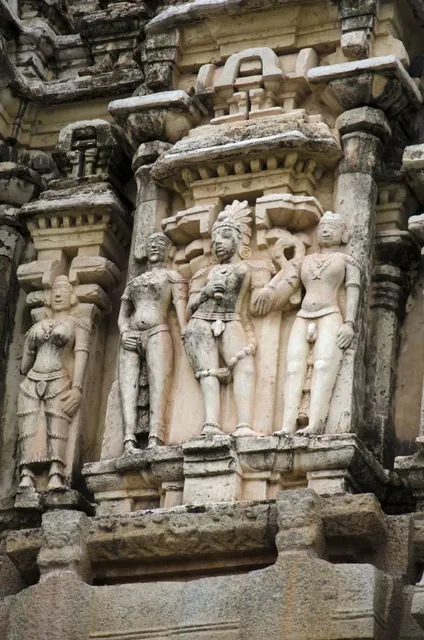
Virupaksha Temple, Hampi
4.7
(116)
Open 24 hours
Click for details
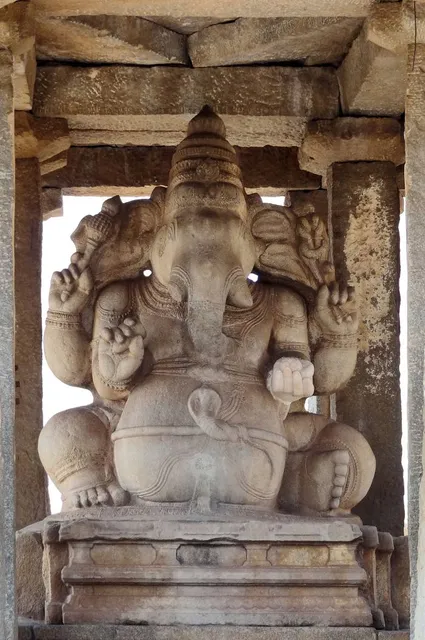
Kadalekalu Ganesha
4.7
(557)
Closed
Click for details
Nearby restaurants of Sri Guddada Moola Virupaksha Gudi
Taste of Brahmins
Prince Indian food court Junction
Panchamukhi Restaurant Hampi
Ravi’s Rose Restaurant
Sagar Hotel hampi
Funky Monkey restaurant hampi
OLD CHILL OUT Ganesh RESTAURANT
Chillout Bamboo Restaurant
Shiva Cafe & Megha Guest House
Trishul Restaurant (Owner)
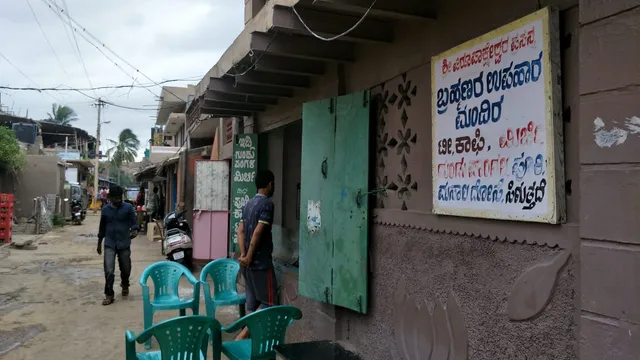
Taste of Brahmins
4.8
(561)
Closed
Click for details
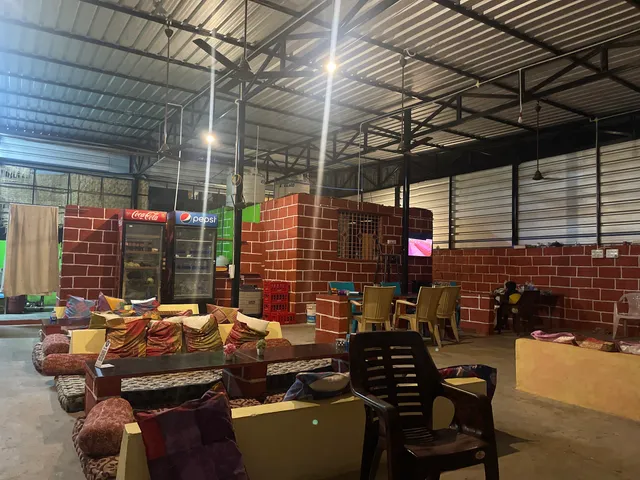
Prince Indian food court Junction
4.7
(216)
Open until 10:30 PM
Click for details
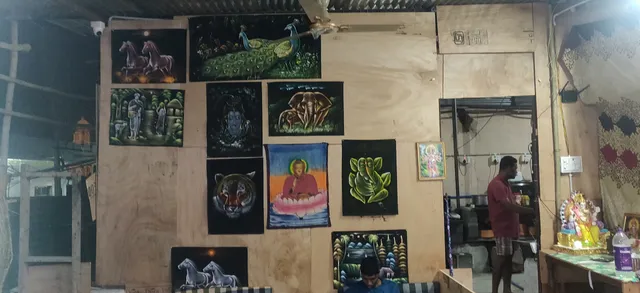
Panchamukhi Restaurant Hampi
4.5
(174)
Open until 10:00 PM
Click for details
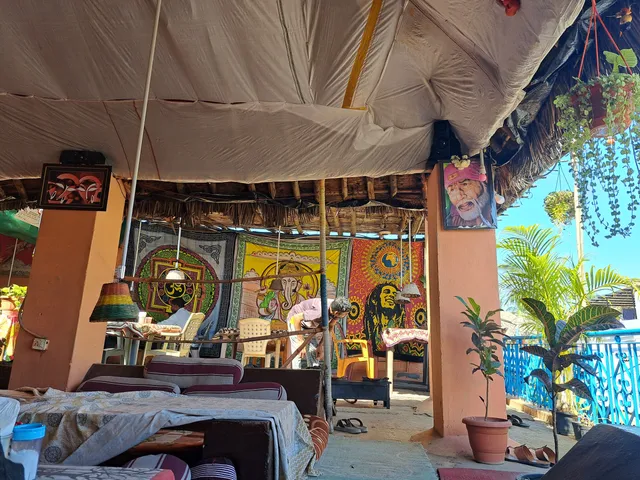
Ravi’s Rose Restaurant
4.6
(399)
Open until 11:00 PM
Click for details
Nearby local services of Sri Guddada Moola Virupaksha Gudi
Hampi Vijayanagara
Hampi Archeological Ruins
Hemakuta Hill Temple
Temples on Hemakuta Hill
Sri Hanuman Temple
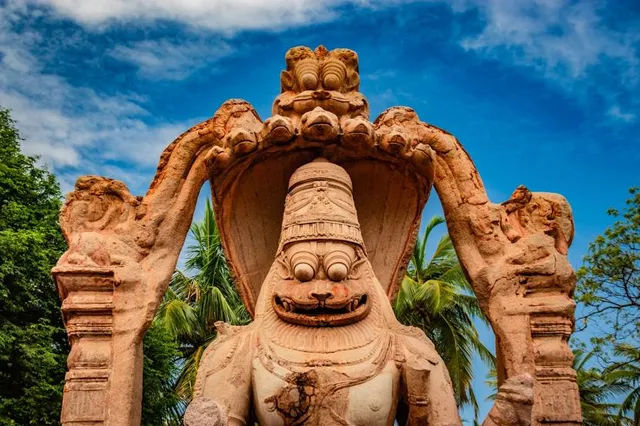
Hampi Vijayanagara
4.6
(416)
Click for details
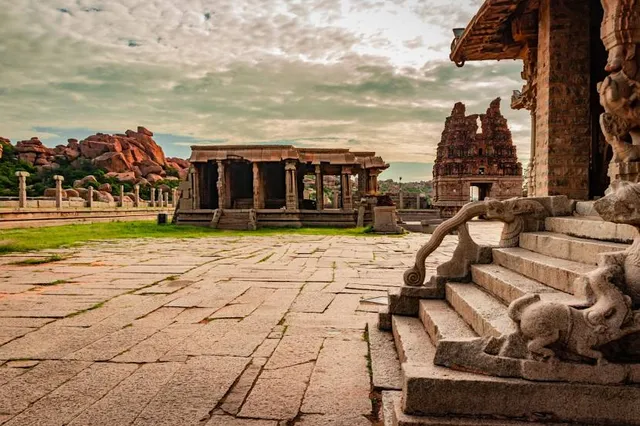
Hampi Archeological Ruins
4.7
(1.3K)
Click for details
Hemakuta Hill Temple
4.7
(250)
Click for details

Temples on Hemakuta Hill
4.6
(84)
Click for details