HTML SitemapExplore
logo
Find Things to DoFind The Best Restaurants

Group of Monuments at Hampi — Attraction in Karnataka

Name
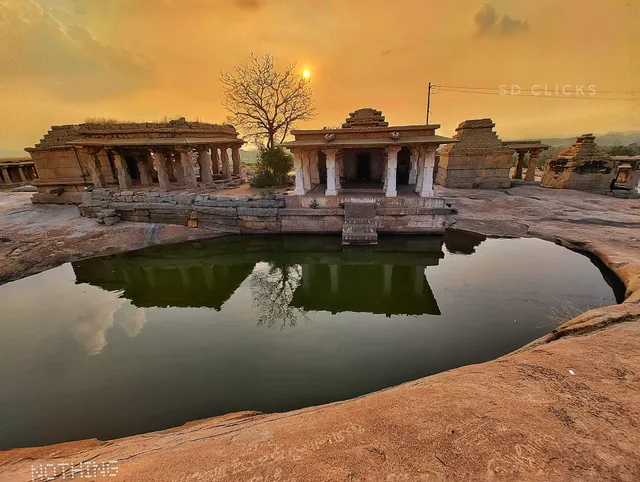
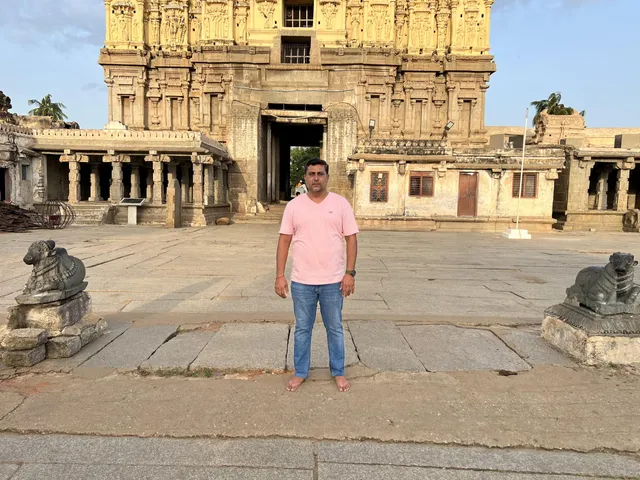
Group of Monuments at Hampi
Description
Nearby attractions
Virupaksha Temple, Hampi
Hampi, Karnataka 583239, India
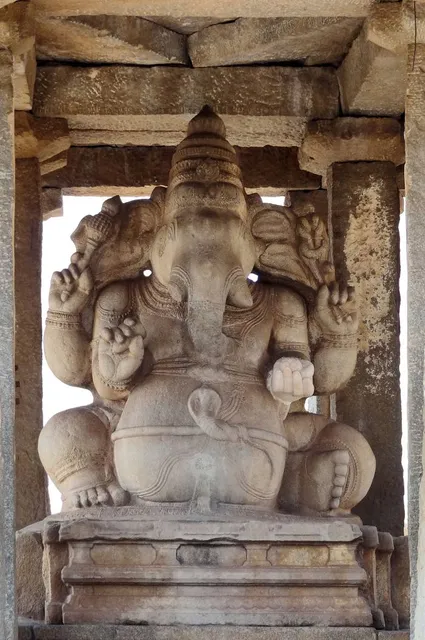
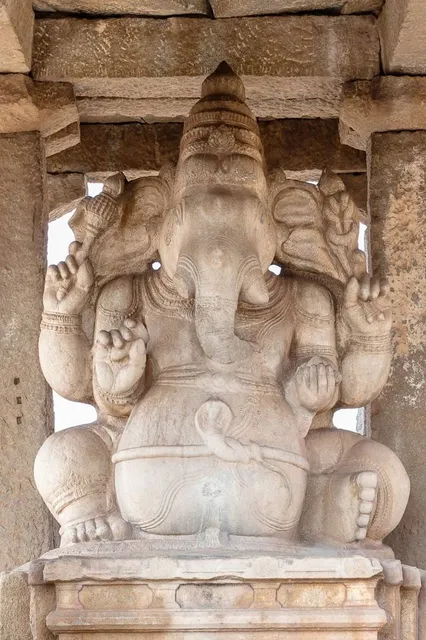
Kadalekalu Ganesha
8FM6+4FQ, Hampi, Karnataka 583239, India
Sri Guddada Moola Virupaksha Gudi
8FP5+2WP, Hampi, Karnataka 583239, India
Saasivekaalu Ganesha
8FJ5+HXC, Hampi, Krishnapura, Karnataka 583239, India
Virupaksheshwara Temple
8FP5+2X5, Hampi, Karnataka 583239, India
Hampi Shri Krishna Swami Temple
8FJ6+454, Hampi, Krishnapura, Karnataka 583239, India
Nandi
8FM8+HP8, Nimbapura, Karnataka 583239, India
Shiva Temple
8FM5+X4R, Hampi, Karnataka 583239, India
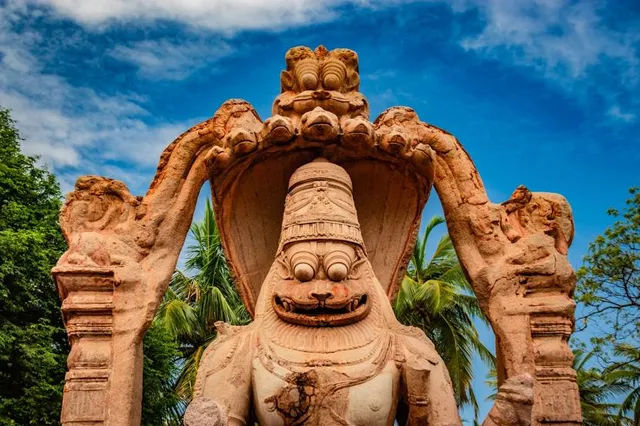
Shri Lakshmi Narasimha Temple
Hampi, Krishnapura, Karnataka 583239, India
Shree Badavilinga Gudi
8FH5+PJG, Hampi, Krishnapura, Karnataka 583239, India
Nearby restaurants
Ravi’s Rose Restaurant
janatha plot, Hampi, Karnataka 583239, India
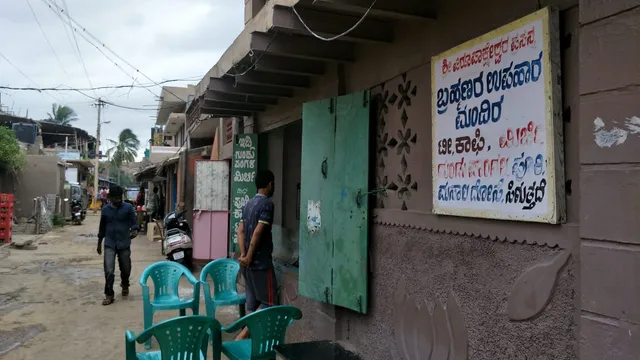
Taste of Brahmins
Janatha Plot, Hampi, Karnataka 583239, India
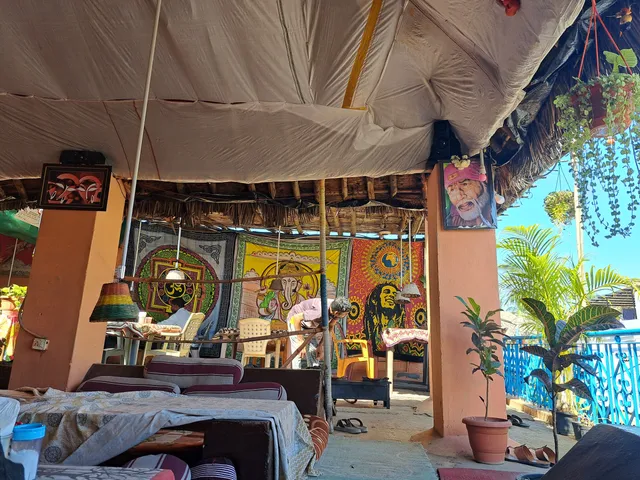
Hampi Roof Restaurant
janatha plot, Hampi, Karnataka 583239, India
Trishul Restaurant
8FP6+9GR, Hampi, Karnataka 583239, India
OLD CHILL OUT Ganesh RESTAURANT
Hampi Rd, Hampi, Karnataka 583239, India
Prince Indian food court Junction
Janatha Plot, near Virupaksha Temple, Hampi, Karnataka 583239, India
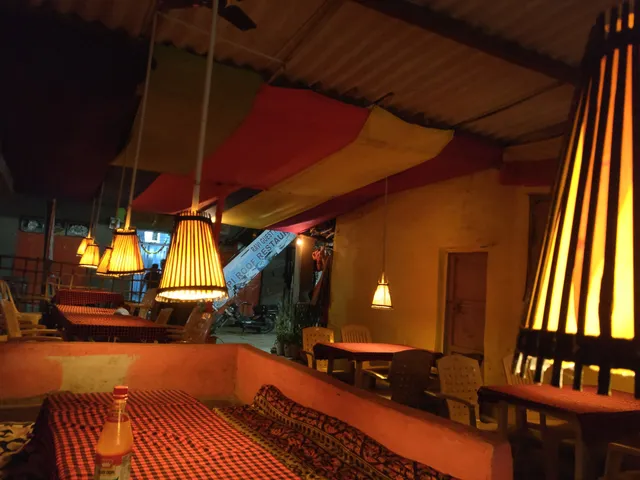
Chillout Bamboo Restaurant
1st Floor, Janatha Plot, near Tilak Homestay, opposite Hampi, Hampi, Karnataka 583239, India
Shiva Cafe & Megha Guest House
Hampi, Karnataka 583239, India
Sagar Hotel hampi
Janatha Plot, 2, Cross, near Virupaksha Temple Road, Hampi, Karnataka 583239, India
Panchamukhi Restaurant Hampi
backside Panchmukhi Restaurant, Virupaksha temple, near Jantaplot, Hampi, Karnataka 583239, India
Nearby hotels
Padmaa Hampi Villa
Virupaksha Temple Rd, near Bus stop, Hampi, Karnataka 583239, India
Ranjana guest house
Hampi St, Hampi, Karnataka 583239, India
LAKSHMI HERITAGE TOURIST HOME
Janatha Plot, near श्री विरूपाक्ष टेम्पल, Hampi, Karnataka 583239, India
Thilak Home Stay
River side Road, Hippie Hampi, Hampi, Karnataka 583239, India
Vicky Guest House Hampi
Janta Plot, River Road Janata Plot Hampi, Hampi, Karnataka 583239, India
Rashmitha home stay
Hampi Bazaar St, Hampi, Karnataka 583239, India
Rocky Guest House
Janatha Plot, Hampi, Karnataka 583239, India
All Is Well (New Lakshmi Tourist Home)
New Lakshmi Tourist Home, Janata Plot, near Flour Mill, Hampi, Karnataka 583239, India
Sudha Home stay Hampi
Janatha Plot, Hampi, Karnataka 583239, India
Kalyan Guest House Hampi
Hampi Janatha Flat, Hospet taluk Vijayanagara Dist, Karnataka 583239, India
Related posts
Keywords
Group of Monuments at Hampi tourism.Group of Monuments at Hampi hotels.Group of Monuments at Hampi bed and breakfast. flights to Group of Monuments at Hampi.Group of Monuments at Hampi attractions.Group of Monuments at Hampi restaurants.Group of Monuments at Hampi travel.Group of Monuments at Hampi travel guide.Group of Monuments at Hampi travel blog.Group of Monuments at Hampi pictures.Group of Monuments at Hampi photos.Group of Monuments at Hampi travel tips.Group of Monuments at Hampi maps.Group of Monuments at Hampi things to do.
Group of Monuments at Hampi things to do, attractions, restaurants, events info and trip planning
Group of Monuments at Hampi
IndiaKarnatakaGroup of Monuments at Hampi

Basic Info

Group of Monuments at Hampi

Hampi, Karnataka 583239, India
4.7(2.4K)
Open 24 hours
Save
spot

Ratings & Description

Info

Cultural
Scenic
Outdoor
Family friendly
Off the beaten path
attractions: Virupaksha Temple, Hampi, Kadalekalu Ganesha, Sri Guddada Moola Virupaksha Gudi, Saasivekaalu Ganesha, Virupaksheshwara Temple, Hampi Shri Krishna Swami Temple, Nandi, Shiva Temple, Shri Lakshmi Narasimha Temple, Shree Badavilinga Gudi, restaurants: Ravi’s Rose Restaurant, Taste of Brahmins, Hampi Roof Restaurant, Trishul Restaurant, OLD CHILL OUT Ganesh RESTAURANT, Prince Indian food court Junction, Chillout Bamboo Restaurant, Shiva Cafe & Megha Guest House, Sagar Hotel hampi, Panchamukhi Restaurant Hampi
logoLearn more insights from Wanderboat AI.
Website
incredibleindia.gov.in

Plan your stay

hotel
Pet-friendly Hotels in Karnataka
Find a cozy hotel nearby and make it a full experience.
hotel
Affordable Hotels in Karnataka
Find a cozy hotel nearby and make it a full experience.
hotel
The Coolest Hotels You Haven't Heard Of (Yet)
Find a cozy hotel nearby and make it a full experience.
hotel
Trending Stays Worth the Hype in Karnataka
Find a cozy hotel nearby and make it a full experience.

Reviews

Nearby attractions of Group of Monuments at Hampi

Virupaksha Temple, Hampi

Kadalekalu Ganesha

Sri Guddada Moola Virupaksha Gudi

Saasivekaalu Ganesha

Virupaksheshwara Temple

Hampi Shri Krishna Swami Temple

Nandi

Shiva Temple

Shri Lakshmi Narasimha Temple

Shree Badavilinga Gudi

Virupaksha Temple, Hampi

Virupaksha Temple, Hampi

4.7

(5.1K)

Open 24 hours
Click for details
Kadalekalu Ganesha

Kadalekalu Ganesha

4.7

(506)

Open 24 hours
Click for details
Sri Guddada Moola Virupaksha Gudi

Sri Guddada Moola Virupaksha Gudi

4.6

(41)

Open 24 hours
Click for details
Saasivekaalu Ganesha

Saasivekaalu Ganesha

4.7

(978)

Open 24 hours
Click for details

Nearby restaurants of Group of Monuments at Hampi

Ravi’s Rose Restaurant

Taste of Brahmins

Hampi Roof Restaurant

Trishul Restaurant

OLD CHILL OUT Ganesh RESTAURANT

Prince Indian food court Junction

Chillout Bamboo Restaurant

Shiva Cafe & Megha Guest House

Sagar Hotel hampi

Panchamukhi Restaurant Hampi

Ravi’s Rose Restaurant

Ravi’s Rose Restaurant

4.6

(362)

Click for details
Taste of Brahmins

Taste of Brahmins

4.8

(548)

Click for details
Hampi Roof Restaurant

Hampi Roof Restaurant

3.6

(102)

Click for details
Trishul Restaurant

Trishul Restaurant

3.8

(132)

Click for details
Get the Appoverlay
Get the AppOne tap to find yournext favorite spots!
Wanderboat LogoWanderboat

Your everyday Al companion for getaway ideas

CompanyAbout Us
InformationAI Trip PlannerSitemap
SocialXInstagramTiktokLinkedin
LegalTerms of ServicePrivacy Policy

Get the app

© 2025 Wanderboat. All rights reserved.
logo

Reviews of Group of Monuments at Hampi

4.7
(2,388)
avatar
5.0
46w

The Ruins of Hampi: Historical, Architectural, Cultural & Religious Significance

The ruins of Hampi, now a UNESCO World Heritage Site, stand as a testament to the grandeur and splendor of the Vijayanagara Empire, once one of the most powerful and prosperous empires in Indian history. These remnants, scattered across a vast landscape, provide a glimpse into the empire’s rich heritage and its remarkable contributions to architecture, culture, and religion.

Historical Significance:

Hampi was the capital of the Vijayanagara Empire during the 14th to 16th centuries. Under rulers like Krishnadevaraya and his successors, Hampi flourished as a center of trade, culture, and art. The empire controlled much of South India and was known for its prosperity. However, after a significant defeat in 1565 during the Battle of Talikota, the empire began to decline, leaving behind the majestic ruins that we see today.

Architectural Significance:

The ruins of Hampi exhibit a remarkable blend of architectural styles, combining elements of Hindu, Islamic, and Indo-Islamic influences. Key architectural features include:

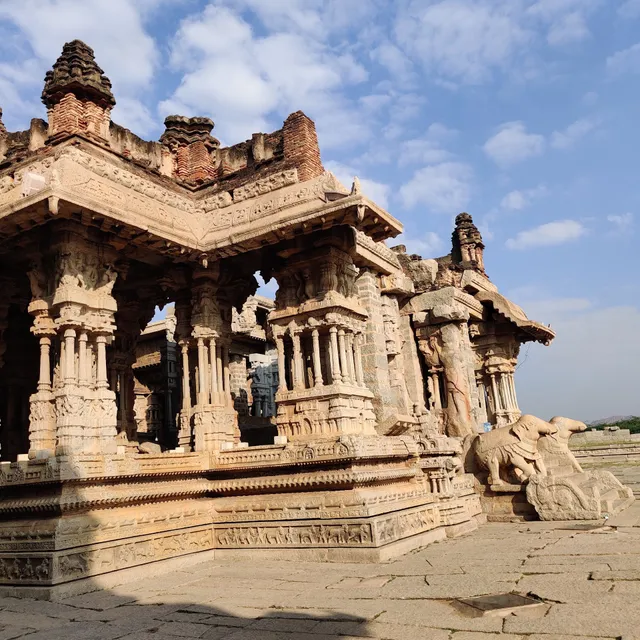
Vijayanagara Style: The architecture is characterized by massive walls, expansive courtyards, and intricately designed pillars. Temples like the Virupaksha Temple, Vishnu Temple, and Krishna Temple reflect this style.

Gopuras and Pillared Halls: Large gopuras (entrance towers) adorned with sculptures, intricate carvings, and grand mandapas (pavilions) are notable. For instance, the Lotus Mahal and Elephant Stable showcase fine rubble masonry with striking domical and vaulted structures.

Stucco Figures and Wall Reliefs: Temples like the Krishna Temple feature stucco reliefs depicting mythological stories such as the Kalinga Mardhana.

Subterranean Temples: The Prasanna Virupaksha Temple, also known as the "Underground Temple," showcases structural ingenuity, where parts of the temple are below ground level, exemplifying advanced engineering.

Cultural Significance:

Hampi reflects the cultural vibrancy of the Vijayanagara Empire. The city was not just a political capital but a center of arts, literature, and philosophy. The inscriptions, sculptures, and reliefs in temples serve as records of historical events, donations, and rituals.

Religious Diversity: Hampi was home to both Hindu and Jain temples, showcasing the religious tolerance of the empire. Temples like the Parshwanatha Temple and Shantinatha Basadi represent Jain traditions, while Virupaksha and Vishnu temples reflect Hindu devotion.

Craftsmanship: The bazaar areas, including the Hampi Bazar, show how the city was a center for trade and craftsmanship. The handloom creations made from banana silk and other fabrics illustrate the artisans’ skill in weaving traditions.

Festivities and Rituals: Temples were centers for religious activities, including processions, festivals, and rituals. Temples like the Virupaksha Temple still attract pilgrims during festivals like Vijayadashami.

Religious Significance:

The temples and monuments of Hampi served not only as places of worship but also as symbols of divine power and devotion. These structures were constructed to honor deities such as Vishnu, Shiva, and Jaina Tirthankaras.

Pilgrimage Sites: Temples like the Virupaksha Temple continue to serve as pilgrimage centers. The temple’s history, associated legends, and the deity’s influence contribute to its spiritual significance.

Sacred Symbolism: The architectural designs and sculptures within the temples are imbued with religious meaning. The carvings and inscriptions reflect the religious and philosophical ideals of the empire, narrating stories from Hindu epics like the Ramayana and the Mahabharata.

In conclusion, the ruins of Hampi are more than just stone structures; they are a living archive of India's rich history, architectural genius, and cultural heritage. These monuments represent centuries of artistic achievement, political power, and religious devotion, providing valuable insights into the legacy of the Vijayanagara Empire. The ruins...

   Read more
avatar
5.0
48w

Hampi History – The Tale Of An Unforgettable Empire ❣ Hampi History | Amazing Hampi History – The Story of Kampili

Hampi History

Hampi history comes alive in what remains of the ancient capital of the glorious Vijayanagara Empire. The ruins of its grand temples, its palaces, and even the rocks that dot the landscape whisper stories from centuries ago. Hampi in the state of Karnataka, India, is a UNESCO World Heritage Site, however, its role in India’s history, and in the preservation of ancient traditions and cultures goes much beyond this.

Hampi history is a saga that saw it climb the zeniths of ecstasy and later experience the pangs of agony as the resplendent city was literally razed to the ground and reduced to ruins. The ruins of Hampi.

Table of Contents

Hampi History – The Tale Of An Unforgettable Empire Hampi History

Hampi history tells the tale of a glorious empire, the Vijayanagara Empire, and the story of a rich and magnificent capital city, the likes of which the Western world had not seen before. A city that boasted of urban planning, secure fortifications, grand temples, public utility buildings, and residential palaces. A city which was the hub of trade and commerce, a city in whose bazaars precious stones and horses were traded in addition to other goods.

Hampi history is also the story of the great King Krishnadevaraya and how the Vijayanagara Empire expanded and flourished under his rule. But alas. Hampi history is also the story of treachery and mindless barbarism that reduced the great and glittering city to mounds of rubble.

Unfortunately, Hampi history is also something that most of us have not learned in our history classes in school, apart from passing and cursory references. It is surprising that the empire that encompassed most of Southern India and held high the flag of ancient traditions and culture of India for more than two and a half centuries is by and large relegated to the back alleys of history.

The Vijayanagara Empire was the bulwark that kept at bay the barbaric and marauding forces that had already established their hegemony across Northern India, right up to the Deccan region.

Hampi History – Kampili | An Incredible Saga

The history of Hampi goes way beyond the city’s birth, and also the birth of what is considered to be its mother city, Anegundi. The area covered by Hampi and Anegundi today is believed to have been the Kishkinda Kshetra that is mentioned in the Ramayana. The region was also known as Pampa Kshetra, because of the presence of the Pampa river.

The history of the region however goes back even farther to more than 4 billion years. The plateau that is interspersed with rocky terrain and hillocks is believed to be one of the oldest plateaus on earth. However, here we go back in time to look at the circumstances that led to the birth of Hampi or the grand city of Vijayanagara, and how it flourished, for well nigh two and a half centuries before it met its nemesis.

Before The Birth Of Hampi – Kampili And Anegundi

Towards the end of the 13th century and the beginning of the 14th century, Southern India was in turmoil. The power of the great Hindu kingdoms of the Hoysalas and the Kakatiyas was on the wane. A series of repeated incursions from the Delhi Sultanate had taken its toll. There were however pockets that valiantly resisted the invaders from the north. One such pocket was the kingdom of Kampili with its centre near the town of Anegundi, some 20 kilometres from where the ruins of Hampi stand today.

The Kingdom of Kampili was founded around the year 1290 CE, by Mummadi Singeya Nayaka who is also referred to as Mummadi Singa, who was a commander in the army of the Yadava kings of Deogiri, which would later be rechristened as Daulatabad, by the eccentric tyrant Muhammed bin Tughlaq of the Delhi Sultanate.

Towards the end of the 13th century, Mummadi Singa left the service of the Yadava Kings and established his own kingdom in Kampili, as the fortunes of the Yadava Kings of Deogiri had plummeted and their kingdom was annexed by the...

   Read more
avatar
5.0
1y

I recently had the opportunity to visit the incredible ruins of Hampi, and it was an experience that left me utterly astonished. The sheer enormity of the site, coupled with the intricate artistry, is a testament to the grandeur and sophistication of this historical wonder. Hampi, once a bustling metropolis and the capital of the Vijayanagara Empire, is now a sprawling UNESCO World Heritage site that captivates every visitor with its ancient splendor.

The architectural brilliance of Hampi is evident in every structure. From the majestic Virupaksha Temple, which stands as a testament to the devotion and skill of the artisans, to the intricate carvings that adorn the stone pillars and walls, every detail speaks of a time when art and architecture flourished. The ruins are not just remnants of buildings but are living stories carved in stone, each telling tales of a rich cultural heritage and a civilization that was ahead of its time.

One of the most striking aspects of Hampi is the advanced mechanisms and engineering feats that the artisans of that era achieved. The aqueducts, the stepped tanks, and the massive stone chariots are not just visually impressive but also showcase an incredible understanding of engineering and hydraulics. The Vijaya Vittala Temple, with its musical pillars that produce different sounds when tapped, is a marvel that continues to baffle modern engineers and historians. It’s astounding to think about the ingenuity and precision that went into creating such masterpieces centuries ago.

The historical importance of Hampi cannot be overstated. It was a significant center of trade, culture, and religion in South India, attracting merchants, scholars, and pilgrims from across the world. Walking through the ruins, one can almost feel the vibrant life that once pulsed through the city's markets, palaces, and temples. The royal enclosures, the imposing elephant stables, and the remnants of the bustling bazaars all paint a vivid picture of the prosperity and grandeur that defined Hampi.

Adding to the allure of this magnificent site was the exceptionally great weather during my visit. The clear skies and pleasant temperatures made exploring the vast expanse of ruins all the more enjoyable. The soft sunlight cast a golden hue on the stone structures, highlighting the intricate carvings and creating a mesmerizing interplay of light and shadow. It was the perfect backdrop to appreciate the beauty and historical significance of this ancient city.

In conclusion, visiting Hampi was an unforgettable experience that left me in awe of the advanced artistry and engineering skills of the bygone era. The ruins are not just relics of the past but are a celebration of human creativity and ingenuity. The beautiful weather only enhanced the experience, making it a perfect day to explore and soak in the rich history and stunning architecture. Hampi is truly a gem of India’s heritage, and I highly recommend it to anyone interested in history, architecture, or simply the beauty of ancient...

   Read more
Page 1 of 7
Previous
Next

Posts

Pragul .SPragul .S
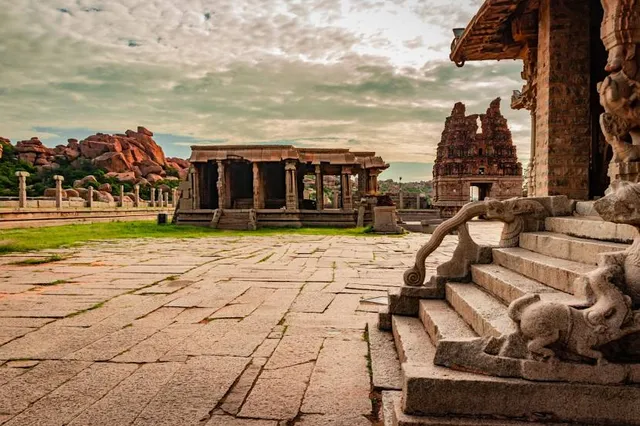
Hampi, a small town is the 14th century capital of greatest Vijayanagar Empire which has several historic and architectural monuments. Hampi is a UNESCO World Heritage Site, listed as the ‘Group of Monuments at Hampi’. Monuments in Hampi stands for its famous symbols of ancient civilizations, these monuments were built during AD 1336-1646. Excavation is still going on in Hampi by ‘Archaeological Survey of India’ to discover additional artifacts and temples. Monuments in Hampi includes beautiful temples, royal palaces and pavilions, tanks, ancient market streets, various pillars etc. Among these Achyuta Raya’s Temple stands as a wonderful monument. The outer courtyard are mostly in ruins with scattered pillars. There are two huge ruined towers, which gives way to the temple also there are many awesome carvings on the pillars in the halls. This Temple can be reached from the sides of Kodanda Rama temple. The Kodanda Rama Temple is situated at the end of the Virupaksha Bazaar. The temple covers a vast area and is adorned with pillars which is finely carved with various elegant sculptures and the inner sanctum of the temple has a rectangular shape. The street in front of Achyuta Raya's Temple is the Courtesans Street, In this street we can notice heaps of carved pillars on either side of the street. Ranganatha Temple is located in the north end of the Courtesans Street, here Lord Vishnu resting on the seven headed serpent Ananta is elegantly carved in the wall. Another interesting place having notable monuments is Zeneth Enclosure. It is a structural complex with walls on four sides with entrance. It has Jal Mahal, very popular Lotus Mahal, Watch towers, Tanks, Elephant Stables etc., Lotus Mahal is the most marvelous structure in Hampi. It shows a Hindu-Islamic Culture with Mesmerizing carvings and artistic work done in pillars on this building. Elephant stables is one of the few least destroyed structures in Hampi, Elephant Stable is always the major attraction for tourists. It consist of a long building with a row of 11 domed chambers, it was once used to park the royal elephants. Another vast area where the fallen Vijayanagara Empire stood is known as Royal Enclosure. It is a wide open area with hundreds of square meters, this area has a number of interesting monuments like halls, tanks, chambers etc., One of the beautiful remained in Royal enclosure is Stepped tank. This Stepped tankis beautifully designed using finely finished black schist stone blocks. This tank was discovered during excavations. Stone doors in the entrance of Royal Enclosure is always an unnoticed attraction. It is a pair of fallen stone doors. Probably, it must have been the entrance of some important royal building. It has the typical feature of wooden doors.
Satish Kumar SinghSatish Kumar Singh
*Hampi- Rise, Decline and Revival* The Vijayanagara Empire, which was founded in 1336, was a powerful and prosperous empire in South India. Its rise, decline, and revival is an important chapter in Indian history. The empire was known for its military might, cultural vibrancy, and architectural marvels, but eventually collapsed after losing the Battle of Talikota. Two brothers named Harihara and Bukka Raya, who belonged to the Sangama dynasty, founded the Vijayanagara Empire in 1336. The Vijayanagara Empire made an important place in South India through its military might, efficient administration, and economic prosperity. The economy of the empire was based on agriculture, which included rice, pulses, and other crops. Trade and commerce also played an important role in the economy of the empire. The Vijayanagara Empire made significant contributions in the fields of art, literature, and architecture. Internal conflicts within the empire and battles for succession weakened it. In 1565, the Vijayanagara army was defeated by a coalition of Deccan Sultans in the Battle of Talikota. After this defeat, the empire began to decline and eventually the Vijayanagara Empire came to an end in 1646. After the Battle of Talikota, the Aravidu dynasty continued to rule parts of the Vijayanagara Empire. Administrative and economic reforms: The Aravidu dynasty attempted administrative and economic reforms to revive the empire, but they were not successful. The architectural and cultural heritage of the Vijayanagara Empire is still visible in South India and is an important historical site, such as Hampi. Hampi, the capital of the Vijayanagara Empire, was a historical city that had no parallel. Known as Kishkindha in the Puranas, this city was associated with Lord Shri Ram, Goddess Sita and Hanuman Ji, and after being reestablished in the fourteenth century, this city achieved the pinnacle of its rise and glory. The living ruins of Hampi still seem to tell the tale of its heyday during the times of the eight giants including King Krishna Deva Raya and his minister Tenali Rama. Then there was a sudden flood in the Tunga Bhadra river which damaged many monuments and temples in Hampi. Earthquakes and other natural calamities have also been seen from time to time in the area around Hampi, causing further damage to some monuments. Certainly, such natural calamities buried much of Hampi under sand and mud, some of which is now being excavated.
Dibakar DebnathDibakar Debnath
Hampi, a UNESCO World Heritage Site located in Karnataka, India, is renowned for its historic temples and rich architectural heritage. During my visit, I was thoroughly captivated by the beauty and grandeur of the Hampi Temple complex. **Architecture and Historical Significance** The temples of Hampi are a testament to the architectural brilliance of the Vijayanagara Empire. The intricate carvings, majestic gopurams (towering gateways), and detailed sculptures reflect the artistic prowess of that era. The Virupaksha Temple, one of the oldest structures, stands as a symbol of the divine and royal patronage. **Cultural and Spiritual Experience** Walking through the temple complex, I felt a deep sense of spirituality and cultural richness. The temples are not just historical monuments but also active places of worship, which adds a vibrant and sacred ambiance. The rituals, the sound of bells, and the devotees' chants create an immersive spiritual experience. **Highlights** - **Virupaksha Temple:** Known for its towering gopuram and intricate carvings, this temple is dedicated to Lord Shiva and is a must-visit. - **Vittala Temple:** Famous for its musical pillars and the iconic stone chariot, this temple showcases the pinnacle of Vijayanagara architecture. - **Achyutaraya Temple:** Though less crowded, it offers a serene and tranquil experience with its beautiful ruins and intricate details. **Surrounding Landscape** The temple complex is set amidst a surreal landscape of boulder-strewn hills, lush greenery, and the serene Tungabhadra River. The natural beauty of the area complements the historic grandeur of the temples, making it a picturesque destination for photography and exploration. **Accessibility and Amenities** While the site is well-maintained, it is advisable to wear comfortable footwear as exploring the expansive complex involves a lot of walking. Basic amenities like restrooms and drinking water are available, but it's a good idea to carry some essentials. **Conclusion** Hampi Temple complex offers a unique blend of history, spirituality, and natural beauty. It's a place where every stone has a story to tell, and the echoes of the past resonate with the present. Whether you are a history buff, a spiritual seeker, or a casual traveler, Hampi's temples promise an enriching and unforgettable experience.
See more posts
See more posts
hotel
Find your stay

Pet-friendly Hotels in Karnataka

Find a cozy hotel nearby and make it a full experience.

Hampi, a small town is the 14th century capital of greatest Vijayanagar Empire which has several historic and architectural monuments. Hampi is a UNESCO World Heritage Site, listed as the ‘Group of Monuments at Hampi’. Monuments in Hampi stands for its famous symbols of ancient civilizations, these monuments were built during AD 1336-1646. Excavation is still going on in Hampi by ‘Archaeological Survey of India’ to discover additional artifacts and temples. Monuments in Hampi includes beautiful temples, royal palaces and pavilions, tanks, ancient market streets, various pillars etc. Among these Achyuta Raya’s Temple stands as a wonderful monument. The outer courtyard are mostly in ruins with scattered pillars. There are two huge ruined towers, which gives way to the temple also there are many awesome carvings on the pillars in the halls. This Temple can be reached from the sides of Kodanda Rama temple. The Kodanda Rama Temple is situated at the end of the Virupaksha Bazaar. The temple covers a vast area and is adorned with pillars which is finely carved with various elegant sculptures and the inner sanctum of the temple has a rectangular shape. The street in front of Achyuta Raya's Temple is the Courtesans Street, In this street we can notice heaps of carved pillars on either side of the street. Ranganatha Temple is located in the north end of the Courtesans Street, here Lord Vishnu resting on the seven headed serpent Ananta is elegantly carved in the wall. Another interesting place having notable monuments is Zeneth Enclosure. It is a structural complex with walls on four sides with entrance. It has Jal Mahal, very popular Lotus Mahal, Watch towers, Tanks, Elephant Stables etc., Lotus Mahal is the most marvelous structure in Hampi. It shows a Hindu-Islamic Culture with Mesmerizing carvings and artistic work done in pillars on this building. Elephant stables is one of the few least destroyed structures in Hampi, Elephant Stable is always the major attraction for tourists. It consist of a long building with a row of 11 domed chambers, it was once used to park the royal elephants. Another vast area where the fallen Vijayanagara Empire stood is known as Royal Enclosure. It is a wide open area with hundreds of square meters, this area has a number of interesting monuments like halls, tanks, chambers etc., One of the beautiful remained in Royal enclosure is Stepped tank. This Stepped tankis beautifully designed using finely finished black schist stone blocks. This tank was discovered during excavations. Stone doors in the entrance of Royal Enclosure is always an unnoticed attraction. It is a pair of fallen stone doors. Probably, it must have been the entrance of some important royal building. It has the typical feature of wooden doors.
Pragul .S

Pragul .S

hotel
Find your stay

Affordable Hotels in Karnataka

Find a cozy hotel nearby and make it a full experience.

Get the Appoverlay
Get the AppOne tap to find yournext favorite spots!
*Hampi- Rise, Decline and Revival* The Vijayanagara Empire, which was founded in 1336, was a powerful and prosperous empire in South India. Its rise, decline, and revival is an important chapter in Indian history. The empire was known for its military might, cultural vibrancy, and architectural marvels, but eventually collapsed after losing the Battle of Talikota. Two brothers named Harihara and Bukka Raya, who belonged to the Sangama dynasty, founded the Vijayanagara Empire in 1336. The Vijayanagara Empire made an important place in South India through its military might, efficient administration, and economic prosperity. The economy of the empire was based on agriculture, which included rice, pulses, and other crops. Trade and commerce also played an important role in the economy of the empire. The Vijayanagara Empire made significant contributions in the fields of art, literature, and architecture. Internal conflicts within the empire and battles for succession weakened it. In 1565, the Vijayanagara army was defeated by a coalition of Deccan Sultans in the Battle of Talikota. After this defeat, the empire began to decline and eventually the Vijayanagara Empire came to an end in 1646. After the Battle of Talikota, the Aravidu dynasty continued to rule parts of the Vijayanagara Empire. Administrative and economic reforms: The Aravidu dynasty attempted administrative and economic reforms to revive the empire, but they were not successful. The architectural and cultural heritage of the Vijayanagara Empire is still visible in South India and is an important historical site, such as Hampi. Hampi, the capital of the Vijayanagara Empire, was a historical city that had no parallel. Known as Kishkindha in the Puranas, this city was associated with Lord Shri Ram, Goddess Sita and Hanuman Ji, and after being reestablished in the fourteenth century, this city achieved the pinnacle of its rise and glory. The living ruins of Hampi still seem to tell the tale of its heyday during the times of the eight giants including King Krishna Deva Raya and his minister Tenali Rama. Then there was a sudden flood in the Tunga Bhadra river which damaged many monuments and temples in Hampi. Earthquakes and other natural calamities have also been seen from time to time in the area around Hampi, causing further damage to some monuments. Certainly, such natural calamities buried much of Hampi under sand and mud, some of which is now being excavated.
Satish Kumar Singh

Satish Kumar Singh

hotel
Find your stay

The Coolest Hotels You Haven't Heard Of (Yet)

Find a cozy hotel nearby and make it a full experience.

hotel
Find your stay

Trending Stays Worth the Hype in Karnataka

Find a cozy hotel nearby and make it a full experience.

Hampi, a UNESCO World Heritage Site located in Karnataka, India, is renowned for its historic temples and rich architectural heritage. During my visit, I was thoroughly captivated by the beauty and grandeur of the Hampi Temple complex. **Architecture and Historical Significance** The temples of Hampi are a testament to the architectural brilliance of the Vijayanagara Empire. The intricate carvings, majestic gopurams (towering gateways), and detailed sculptures reflect the artistic prowess of that era. The Virupaksha Temple, one of the oldest structures, stands as a symbol of the divine and royal patronage. **Cultural and Spiritual Experience** Walking through the temple complex, I felt a deep sense of spirituality and cultural richness. The temples are not just historical monuments but also active places of worship, which adds a vibrant and sacred ambiance. The rituals, the sound of bells, and the devotees' chants create an immersive spiritual experience. **Highlights** - **Virupaksha Temple:** Known for its towering gopuram and intricate carvings, this temple is dedicated to Lord Shiva and is a must-visit. - **Vittala Temple:** Famous for its musical pillars and the iconic stone chariot, this temple showcases the pinnacle of Vijayanagara architecture. - **Achyutaraya Temple:** Though less crowded, it offers a serene and tranquil experience with its beautiful ruins and intricate details. **Surrounding Landscape** The temple complex is set amidst a surreal landscape of boulder-strewn hills, lush greenery, and the serene Tungabhadra River. The natural beauty of the area complements the historic grandeur of the temples, making it a picturesque destination for photography and exploration. **Accessibility and Amenities** While the site is well-maintained, it is advisable to wear comfortable footwear as exploring the expansive complex involves a lot of walking. Basic amenities like restrooms and drinking water are available, but it's a good idea to carry some essentials. **Conclusion** Hampi Temple complex offers a unique blend of history, spirituality, and natural beauty. It's a place where every stone has a story to tell, and the echoes of the past resonate with the present. Whether you are a history buff, a spiritual seeker, or a casual traveler, Hampi's temples promise an enriching and unforgettable experience.
Dibakar Debnath

Dibakar Debnath

See more posts
See more posts