Ubud Palace things to do, attractions, restaurants, events info and trip planning
Basic Info
Ubud Palace
F7V7+72R, Jl. Raya Ubud No.8, Ubud, Kecamatan Ubud, Kabupaten Gianyar, Bali 80571, Indonesia
4.3(7.1K)
Closed
Save
spot
spot
Ratings & Description
Info
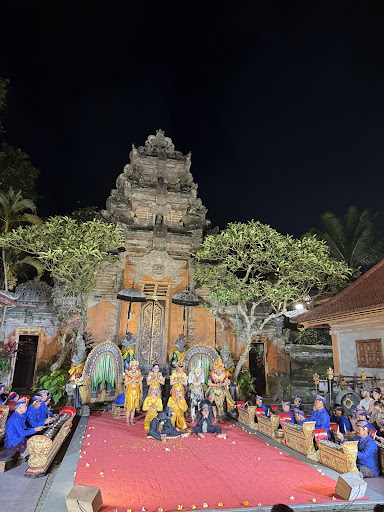
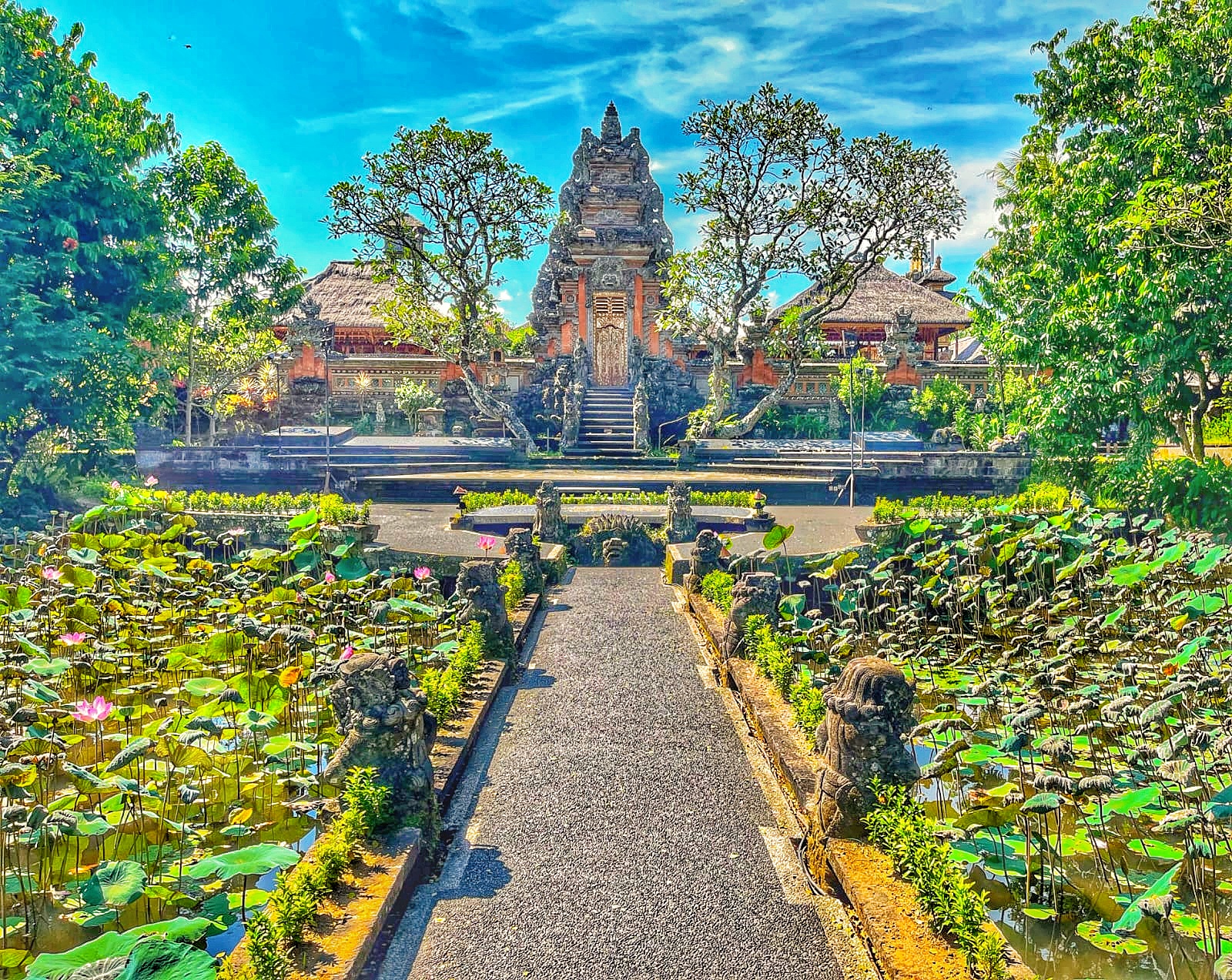
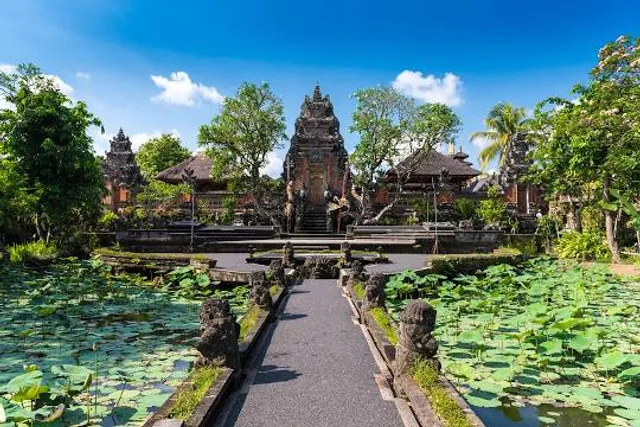
The Ubud Palace, officially Puri Saren Agung, is a historical building complex situated in Ubud, Gianyar Regency of Bali, Indonesia. The palace was the official residence of the royal family of Ubud.
Cultural
Family friendly
attractions: Pura Taman Kemuda Saraswati, Ubud Water Palace, Pura Desa Ubud, Museum Puri Lukisan, Puri Kauhan Ubud, Sweet Orange Walk Trail, Pura Dalem Taman Kaja, Threads of Life Store, Pondok Pekak Library & Learning Centre, Dalam Seniman, restaurants: Milk & Madu Ubud, Queen's of India, Bollywood Indian Cuisine Ubud, Tropical Restaurant - Ubud, Cherry Pepper Ubud, Warung Babi Guling Ibu Oka 1, Starbucks Ubud, Ary's Book Cafe, Eat Me! Ubud, Warung Makan Bu Rus, local businesses: Ubud Art Market, Ubud Street Market, Puri Saren Agung Ubud ( Puri Saren Ubud ), Morning Market, Hujan Locale, Sensatia - Monkey Forest Ubud, Midas Spa Ubud, PRIANKA UBUD ART MARKET, Sriwedari silver class, Ubud Souvenir Market
 Learn more insights from Wanderboat AI.
Open hoursSee all hours
Mon7 AM - 5 PMClosed
Plan your stay

Pet-friendly Hotels in Pulau Bali
Find a cozy hotel nearby and make it a full experience.

Affordable Hotels in Pulau Bali
Find a cozy hotel nearby and make it a full experience.

The Coolest Hotels You Haven't Heard Of (Yet)
Find a cozy hotel nearby and make it a full experience.

Trending Stays Worth the Hype in Pulau Bali
Find a cozy hotel nearby and make it a full experience.
Reviews
Live events
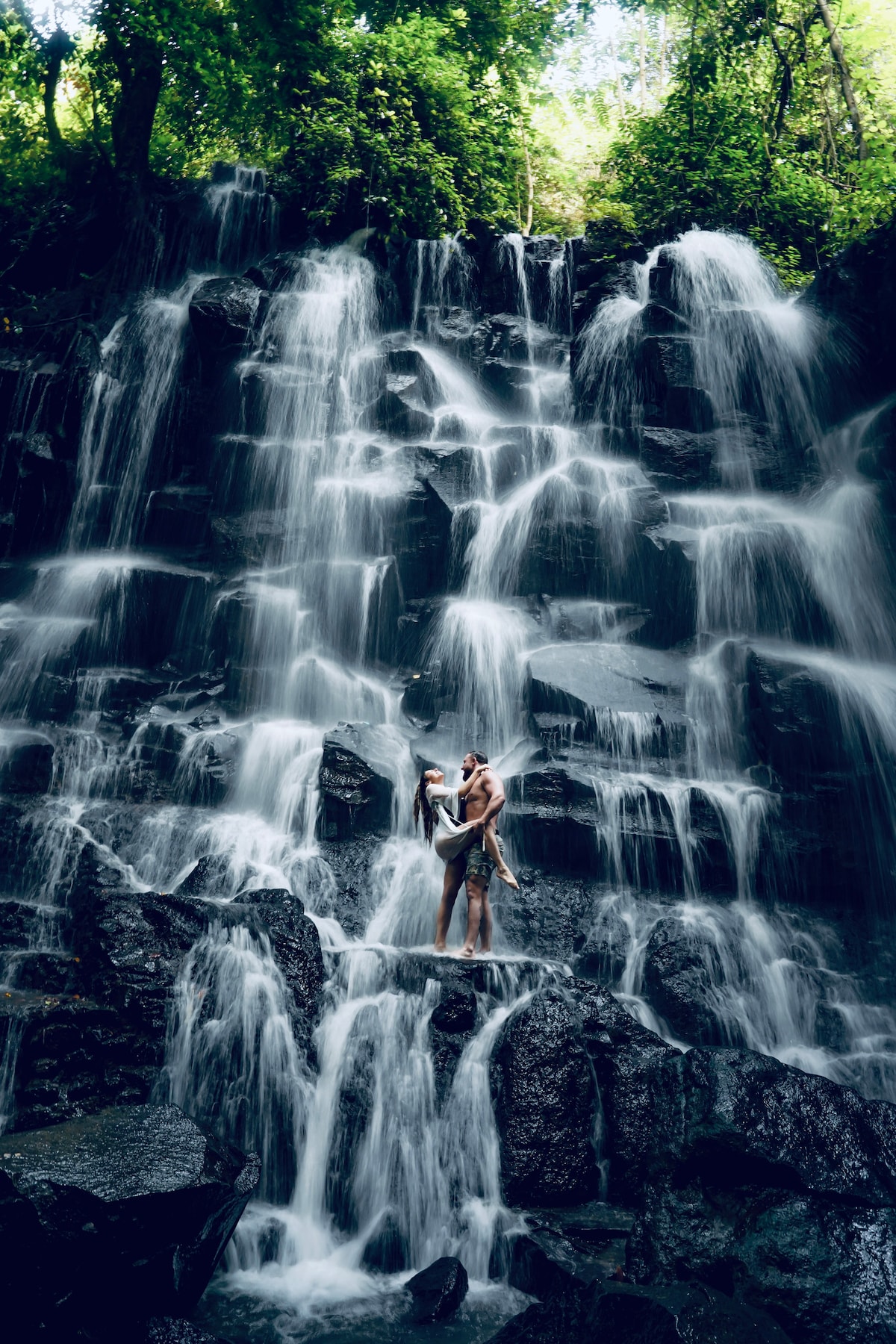
Ubud Sightseeing - Customize private full day tour
Mon, Feb 23 • 7:00 AM
Ubud, Bali, 80571, Indonesia
View details

Atv Ride & Ayung River Rafting with Transfer
Mon, Feb 23 • 7:30 AM
N/A Kuta Utara, Bali, 80361, Indonesia
View details
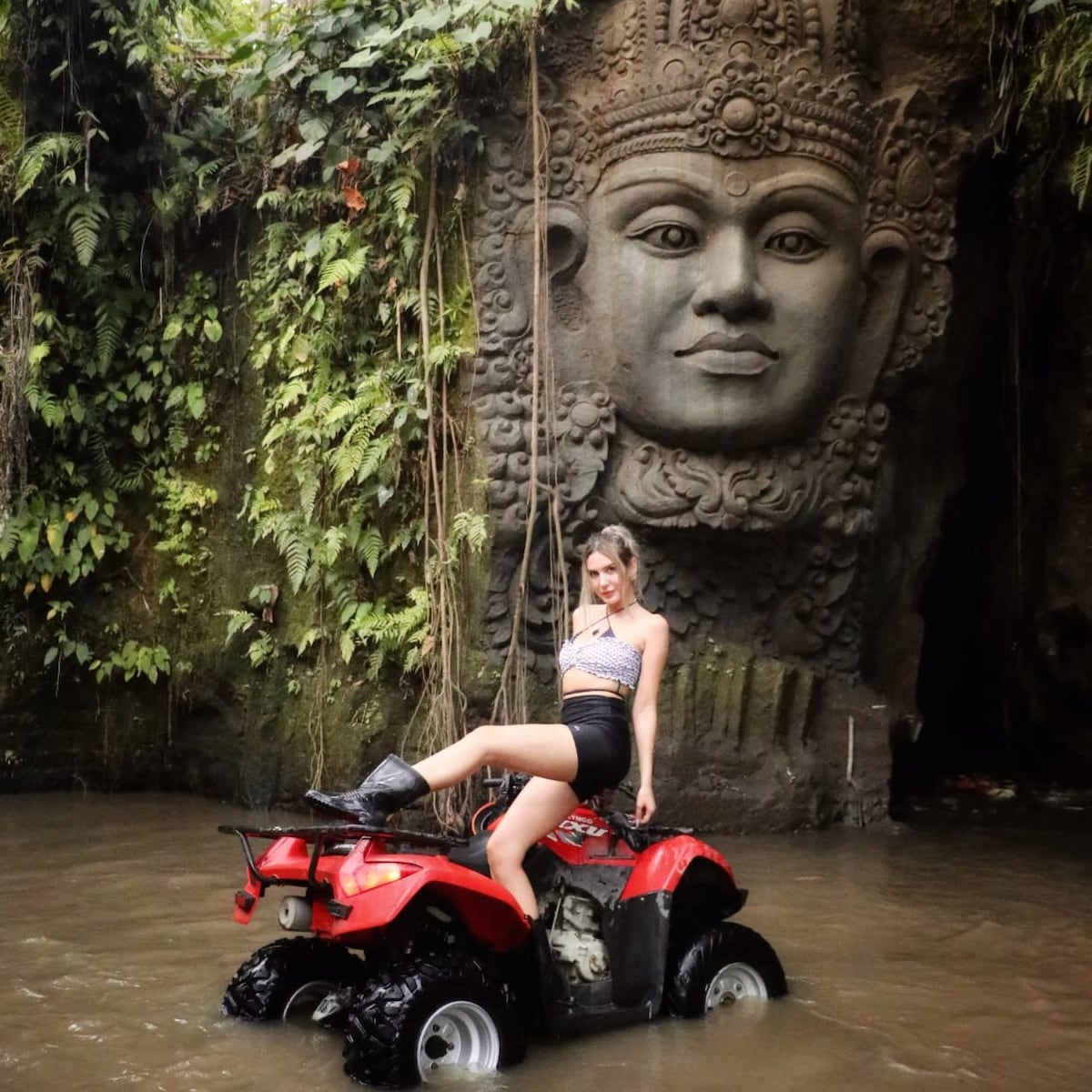
Scenic Ubud Atv Ride Meet Up Only
Mon, Feb 23 • 8:30 AM
Knowles Park Kuta Utara, Bali, 80361, Indonesia
View details
Nearby attractions of Ubud Palace
Pura Taman Kemuda Saraswati
Ubud Water Palace
Pura Desa Ubud
Museum Puri Lukisan
Puri Kauhan Ubud
Sweet Orange Walk Trail
Pura Dalem Taman Kaja
Threads of Life Store
Pondok Pekak Library & Learning Centre
Dalam Seniman
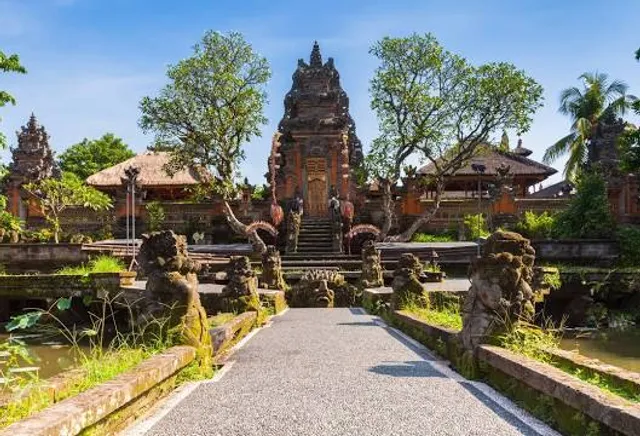
Pura Taman Kemuda Saraswati
4.2
(2.2K)
Closed
Click for details
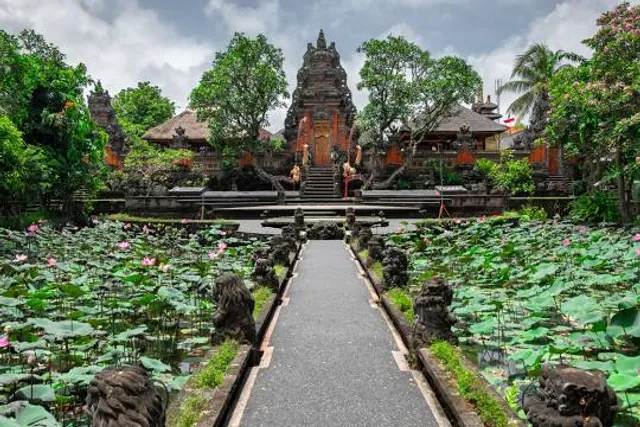
Ubud Water Palace
3.9
(654)
Closed
Click for details

Pura Desa Ubud
4.4
(38)
Open until 12:00 AM
Click for details
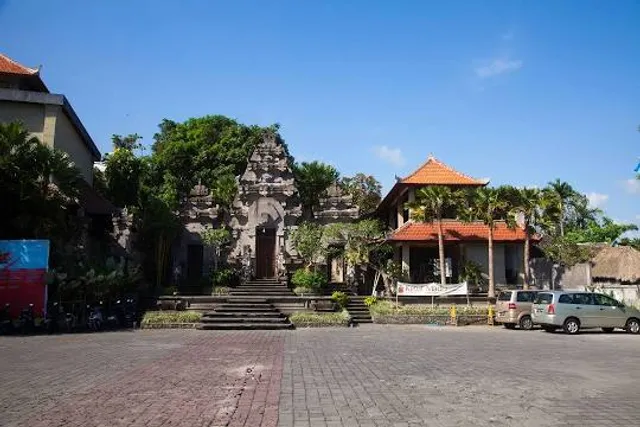
Museum Puri Lukisan
4.3
(1.0K)
Closed
Click for details
Nearby restaurants of Ubud Palace
Milk & Madu Ubud
Queen's of India
Bollywood Indian Cuisine Ubud
Tropical Restaurant - Ubud
Cherry Pepper Ubud
Warung Babi Guling Ibu Oka 1
Starbucks Ubud
Ary's Book Cafe
Eat Me! Ubud
Warung Makan Bu Rus
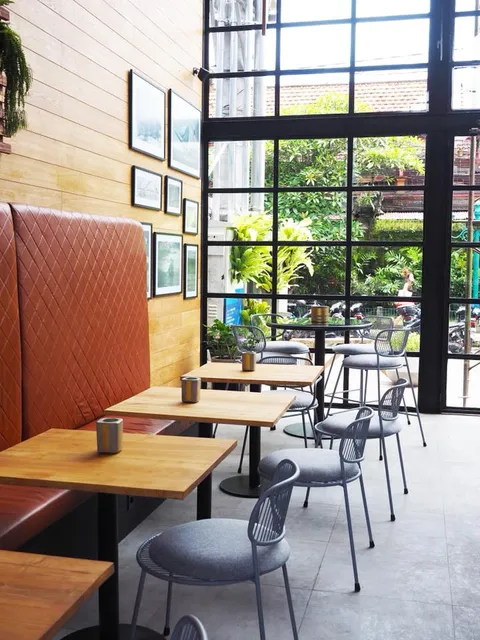
Milk & Madu Ubud
4.5
(2.4K)
$$
Closed
Click for details
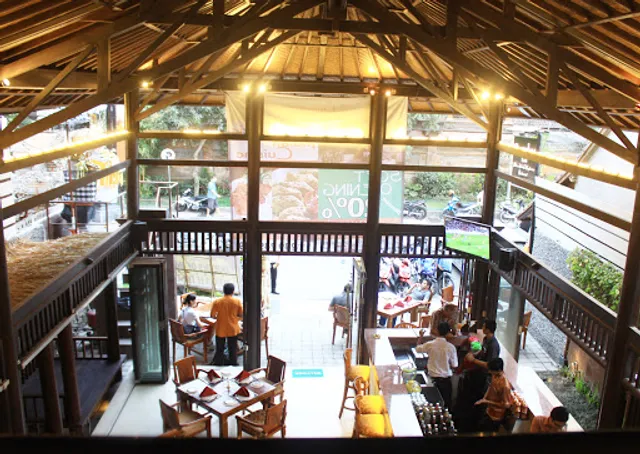
Queen's of India
4.3
(1.6K)
Closed
Click for details
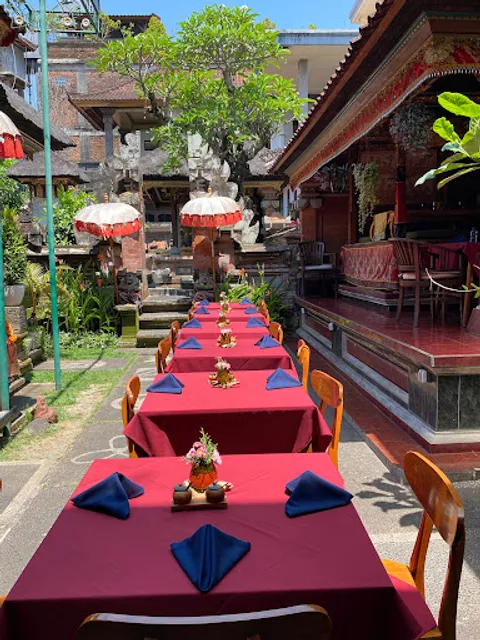
Bollywood Indian Cuisine Ubud
4.8
(3.5K)
Closed
Click for details

Tropical Restaurant - Ubud
4.7
(2K)
Closed
Click for details
Nearby local services of Ubud Palace
Ubud Art Market
Ubud Street Market
Puri Saren Agung Ubud ( Puri Saren Ubud )
Morning Market
Hujan Locale
Sensatia - Monkey Forest Ubud
Midas Spa Ubud
PRIANKA UBUD ART MARKET
Sriwedari silver class
Ubud Souvenir Market

Ubud Art Market
4.0
(1.5K)
Click for details
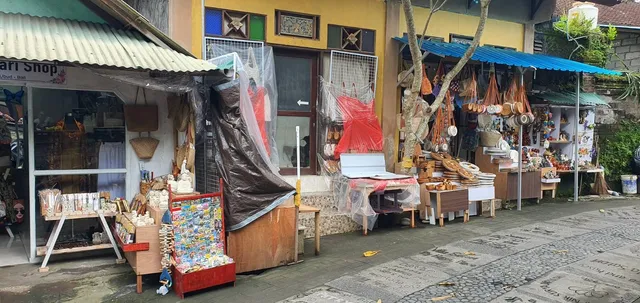
Ubud Street Market
4.0
(301)
Click for details
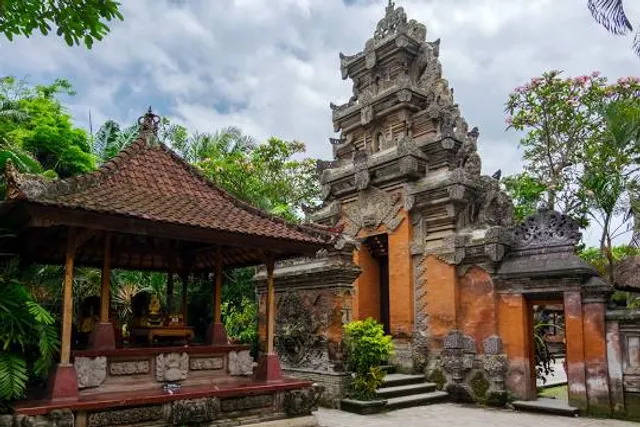
Puri Saren Agung Ubud ( Puri Saren Ubud )
4.6
(34)
Click for details
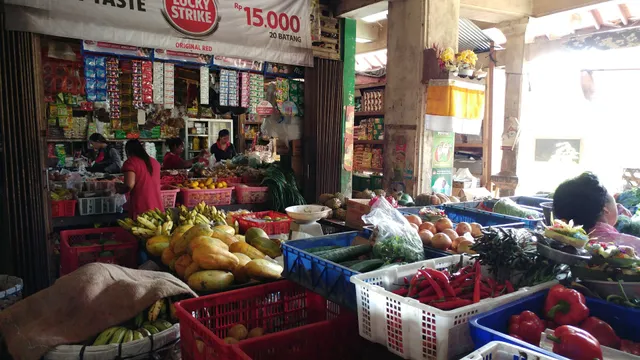
Morning Market
4.2
(72)
Click for details