Garden of Remembrance things to do, attractions, restaurants, events info and trip planning
Basic Info
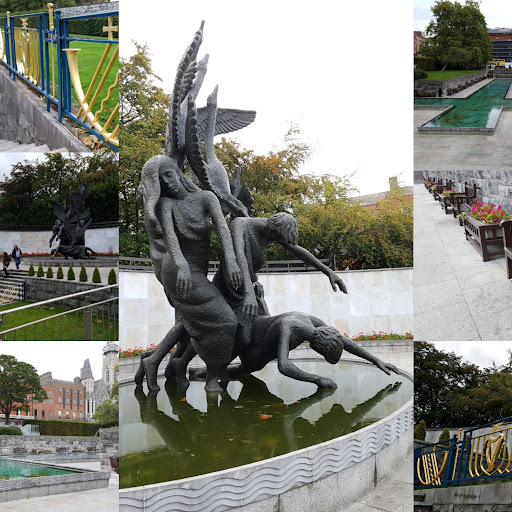
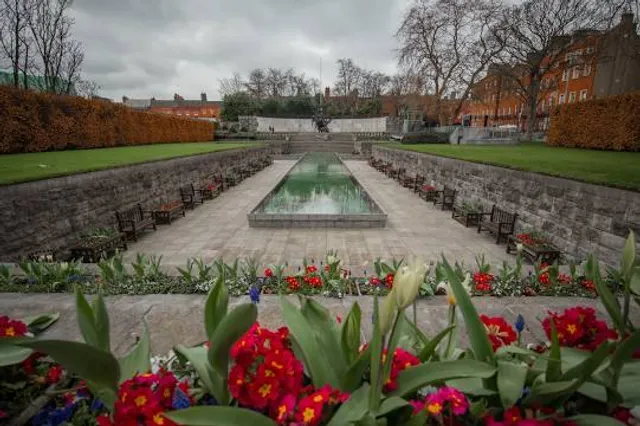
Garden of Remembrance
Parnell Square E, Rotunda, Dublin 1, D01 A0F8, Ireland
4.6(1.4K)
Closed
Save
spot
spot
Ratings & Description
Info
The Garden of Remembrance is a memorial in honor of over 8,000 Washington state residents who have died in wars since World War II. The memorial includes a passage from Laurence Binyon's poem, "For the Fallen". Designed by Robert Murase, the Garden is located on the Second Street side of Benaroya Hall.
Cultural
Relaxation
Accessibility
attractions: Hugh Lane Gallery, Gate Theatre, O'Reilly Theatre, James Joyce Centre, The Spire, 14 Henrietta Street, Olivier Cornet Gallery, GPO Museum, Dublin Tourist Information Centre O'Connell Street, St. Mary's Cathedral, restaurants: Chapter One Restaurant, Murray’s Bar, Murray's Sports Bar, The Parnell Heritage Pub & Grill, Kimchi Hophouse, Fibber Magees, Old Music Shop Restaurant, Lovinspoon, Pho Kim, Fortune Terrace Buffet, local businesses: Moore Street Mall, ILAC Shopping Centre, Enzo's Take Away, Turkish Kebab House, Nimra Asian Halal Foods, Carrolls Irish Gifts, Arnotts, Welcome City, Eason, Jervis Shopping Centre
 Learn more insights from Wanderboat AI.
Phone
+353 1 821 3021
Website
heritageireland.ie
Open hoursSee all hours
Thu9:30 AM - 4 PMClosed
Plan your stay

Pet-friendly Hotels in Dublin
Find a cozy hotel nearby and make it a full experience.

Affordable Hotels in Dublin
Find a cozy hotel nearby and make it a full experience.

The Coolest Hotels You Haven't Heard Of (Yet)
Find a cozy hotel nearby and make it a full experience.

Trending Stays Worth the Hype in Dublin
Find a cozy hotel nearby and make it a full experience.
Reviews
Live events

Forge a silver ring workshop
Thu, Feb 12 • 3:00 PM
Dublin, County Dublin, D02 V658, Ireland
View details
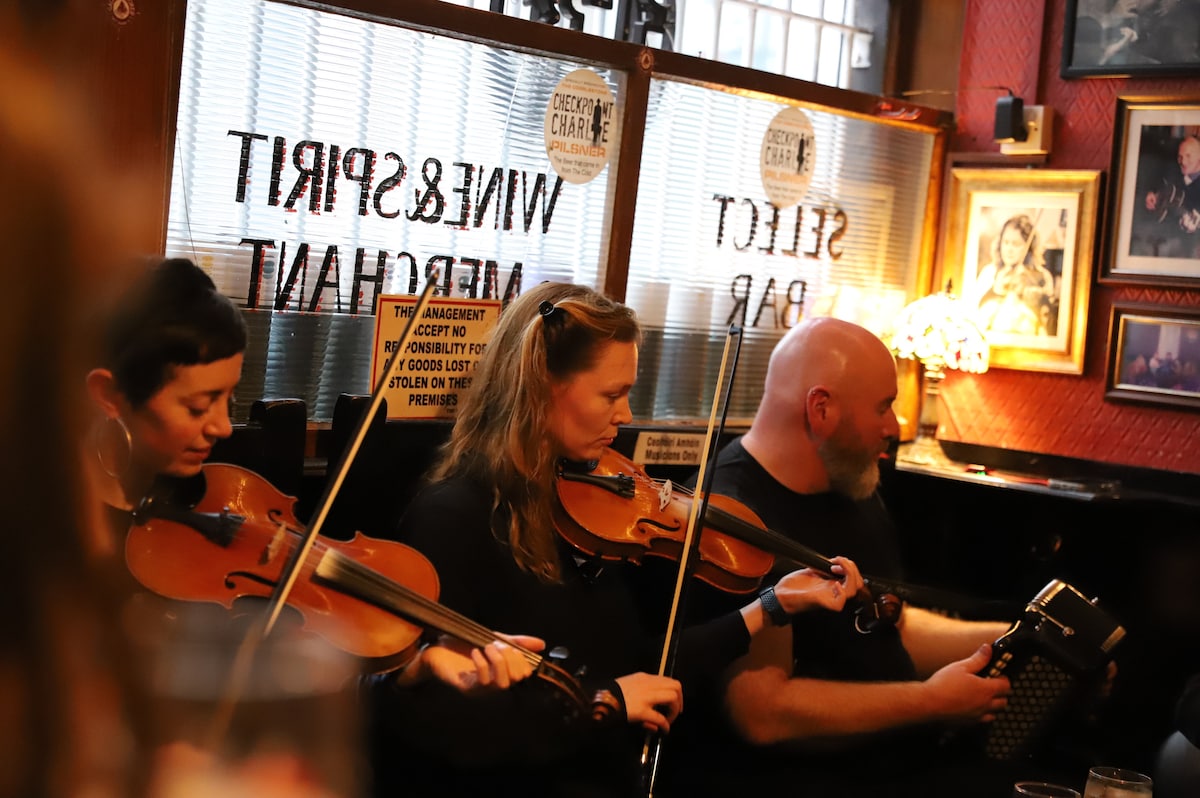
Real Dublin Traditional Music Pub Tour
Thu, Feb 12 • 7:30 PM
Dublin, County Dublin, d7, Ireland
View details
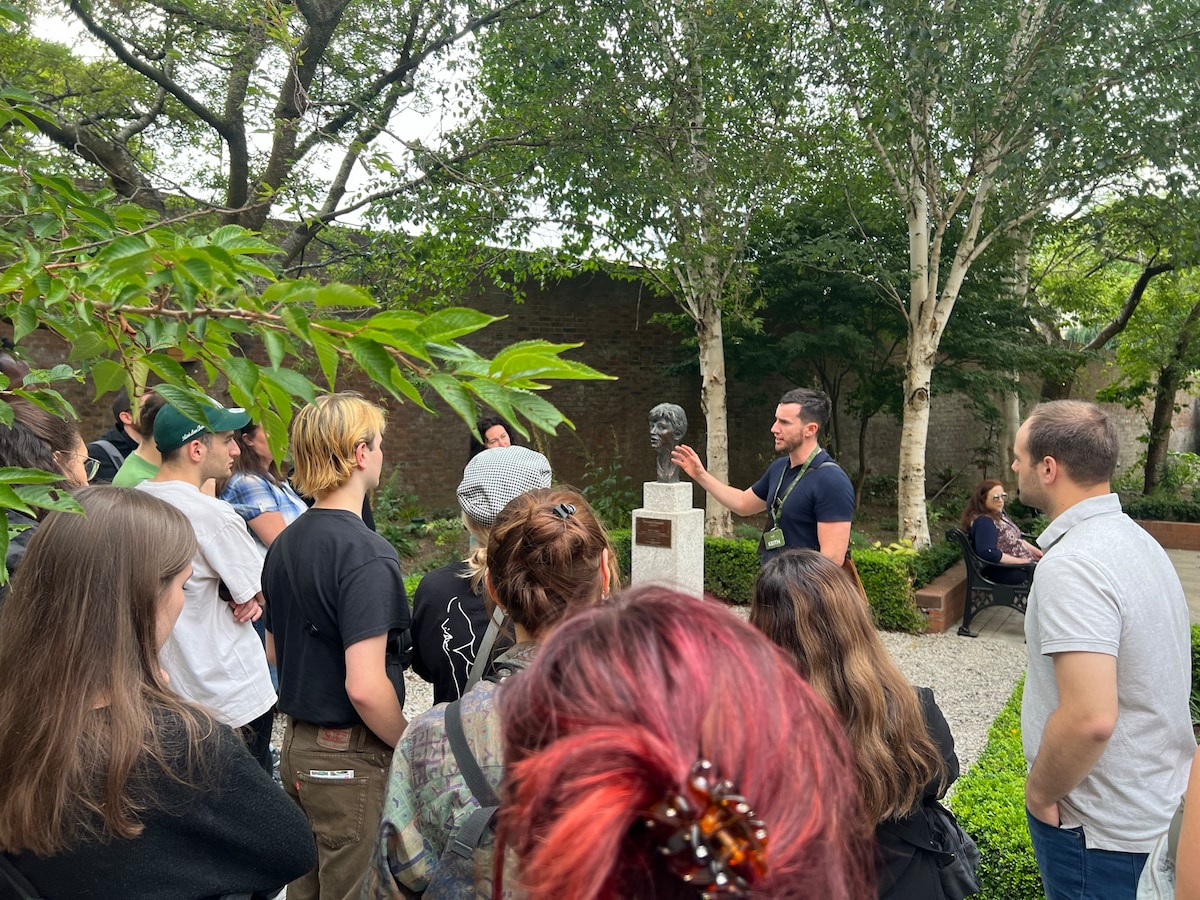
Explore Dublins history
Thu, Feb 12 • 3:00 PM
Dublin, County Dublin, D02 CX67, Ireland
View details
Nearby attractions of Garden of Remembrance
Hugh Lane Gallery
Gate Theatre
O'Reilly Theatre
James Joyce Centre
The Spire
14 Henrietta Street
Olivier Cornet Gallery
GPO Museum
Dublin Tourist Information Centre O'Connell Street
St. Mary's Cathedral
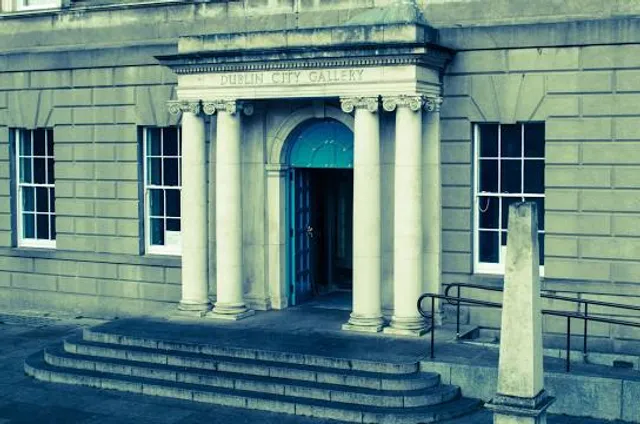
Hugh Lane Gallery
4.5
(1.4K)
Open 24 hours
Click for details
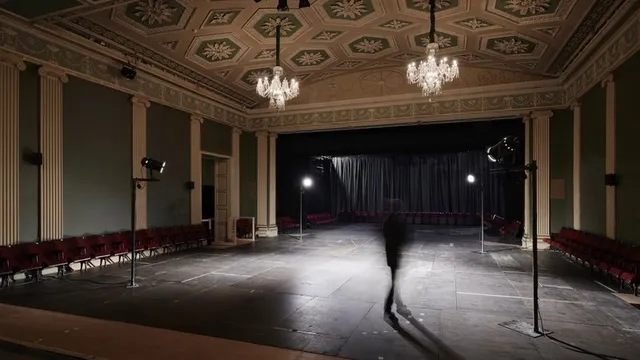
Gate Theatre
4.7
(686)
Open 24 hours
Click for details
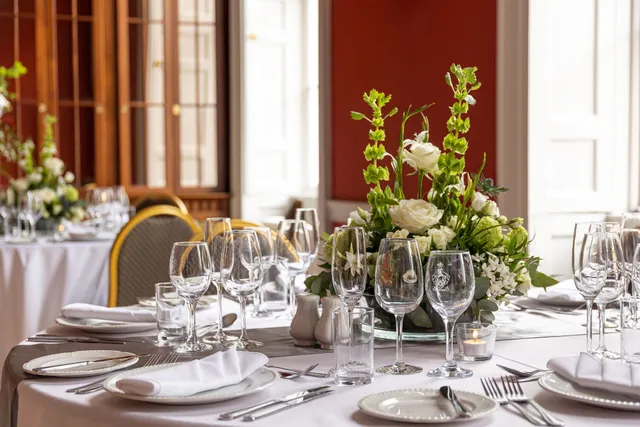
O'Reilly Theatre
4.6
(397)
Open 24 hours
Click for details
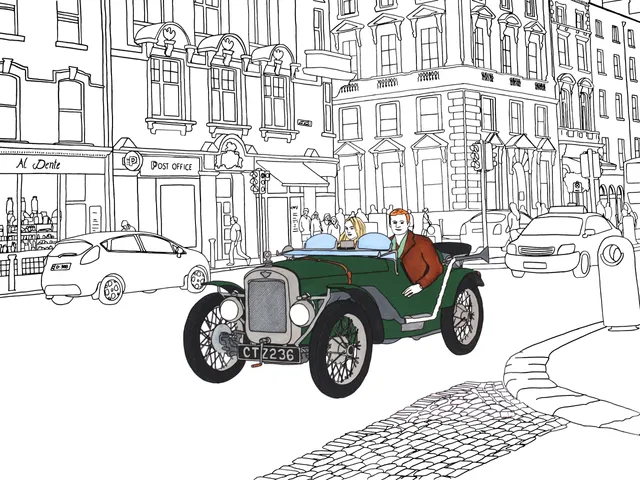
James Joyce Centre
4.3
(353)
Open until 4:30 PM
Click for details
Nearby restaurants of Garden of Remembrance
Chapter One Restaurant
Murray’s Bar
Murray's Sports Bar
The Parnell Heritage Pub & Grill
Kimchi Hophouse
Fibber Magees
Old Music Shop Restaurant
Lovinspoon
Pho Kim
Fortune Terrace Buffet
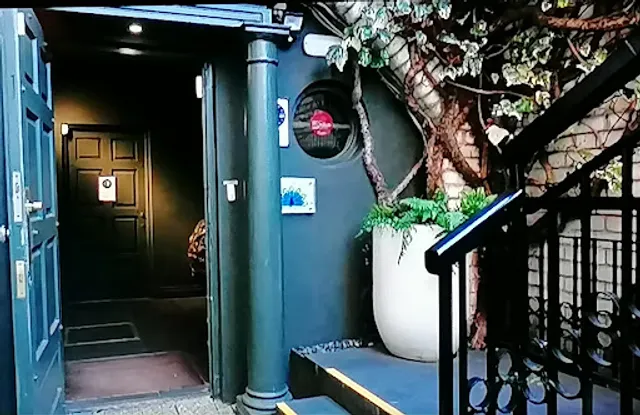
Chapter One Restaurant
4.8
(564)
Closed
Click for details
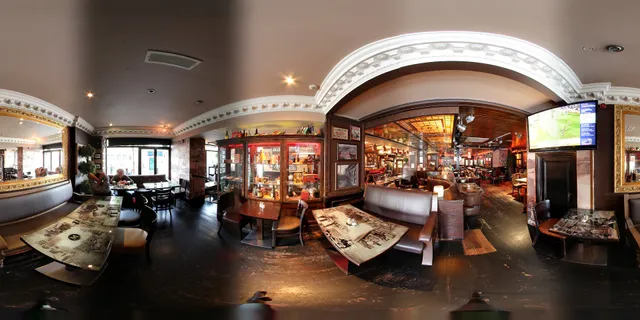
Murray’s Bar
4.5
(3K)
Open until 11:30 PM
Click for details

Murray's Sports Bar
4.2
(2.7K)
Open until 11:30 PM
Click for details
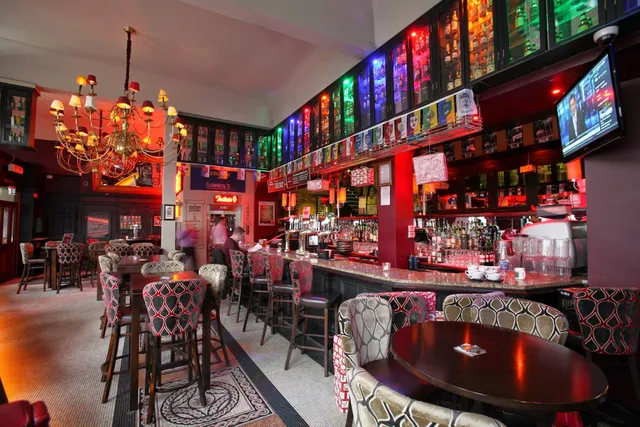
The Parnell Heritage Pub & Grill
4.3
(1.4K)
Open until 11:30 PM
Click for details
Nearby local services of Garden of Remembrance
Moore Street Mall
ILAC Shopping Centre
Enzo's Take Away
Turkish Kebab House
Nimra Asian Halal Foods
Carrolls Irish Gifts
Arnotts
Welcome City
Eason
Jervis Shopping Centre
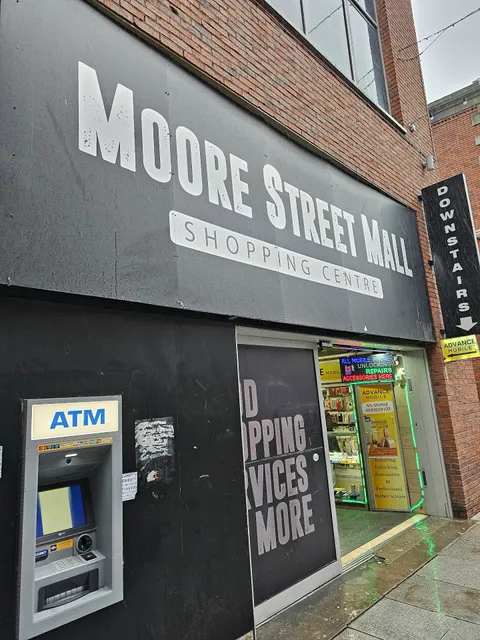
Moore Street Mall
4.2
(1.7K)
Click for details

ILAC Shopping Centre
4.2
(7K)
Click for details
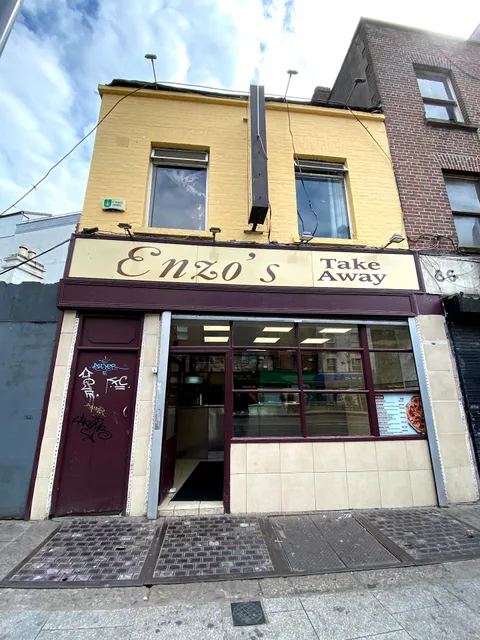
Enzo's Take Away
4.5
(174)
Click for details
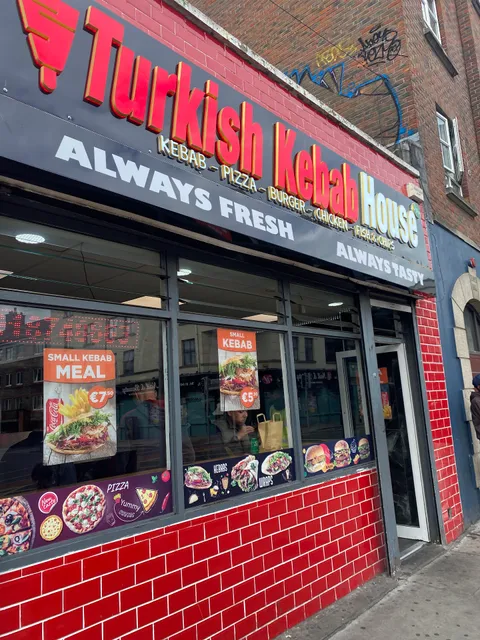
Turkish Kebab House
4.1
(659)
Click for details