GPO Museum things to do, attractions, restaurants, events info and trip planning
Basic Info
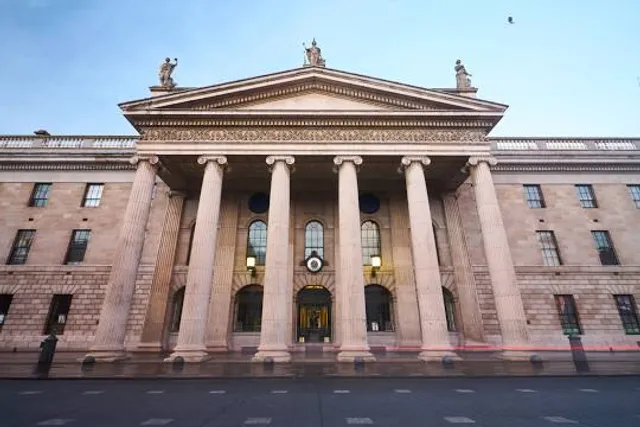
GPO Museum
O'Connell Street Lower, North City, Dublin 1, D01 F5P2, Ireland
4.6(1.2K)
Closed


tickets
Save
spot
spot
Ratings & Description
Info
Cultural
Accessibility
attractions: The Spire, An Post, General Post Office, James Joyce Statue, Dublin Portal, O'Connell Monument, St. Mary's Cathedral, Abbey Theatre, Ha'penny Bridge, The National Wax Museum Plus, Dublin Tourist Information Centre O'Connell Street, restaurants: Flanagan's Bar & Restaurant, Kalabasa Market, The Oval Bar, Andhra Bhavan (Marlborough St), Beshoff O'Connell Street, Burger King O'Connell Street, BóBós Burgers Restaurant, Supermac's & Papa John's O’Connell Street Dublin, Boojum - Abbey Street, Fujiyama Izakaya Dublin 1, local businesses: Eason, Arnotts, Carrolls Irish Gifts, ILAC Shopping Centre, Flying Tiger GPO Arcade, Carrolls Irish Gifts, Elegant Irish Tours, Private Tours of Ireland, Jervis Shopping Centre, Bounce Luggage Storage - Abbey Street, No 1 Astrologer & Spiritual psychic healer
 Learn more insights from Wanderboat AI.
Phone
+353 1 872 1916
Website
gpomuseum.ie
Open hoursSee all hours
Fri10 AM - 5 PMClosed
Plan your stay

Pet-friendly Hotels in Dublin
Find a cozy hotel nearby and make it a full experience.

Affordable Hotels in Dublin
Find a cozy hotel nearby and make it a full experience.

The Coolest Hotels You Haven't Heard Of (Yet)
Find a cozy hotel nearby and make it a full experience.

Trending Stays Worth the Hype in Dublin
Find a cozy hotel nearby and make it a full experience.
Reviews
Live events
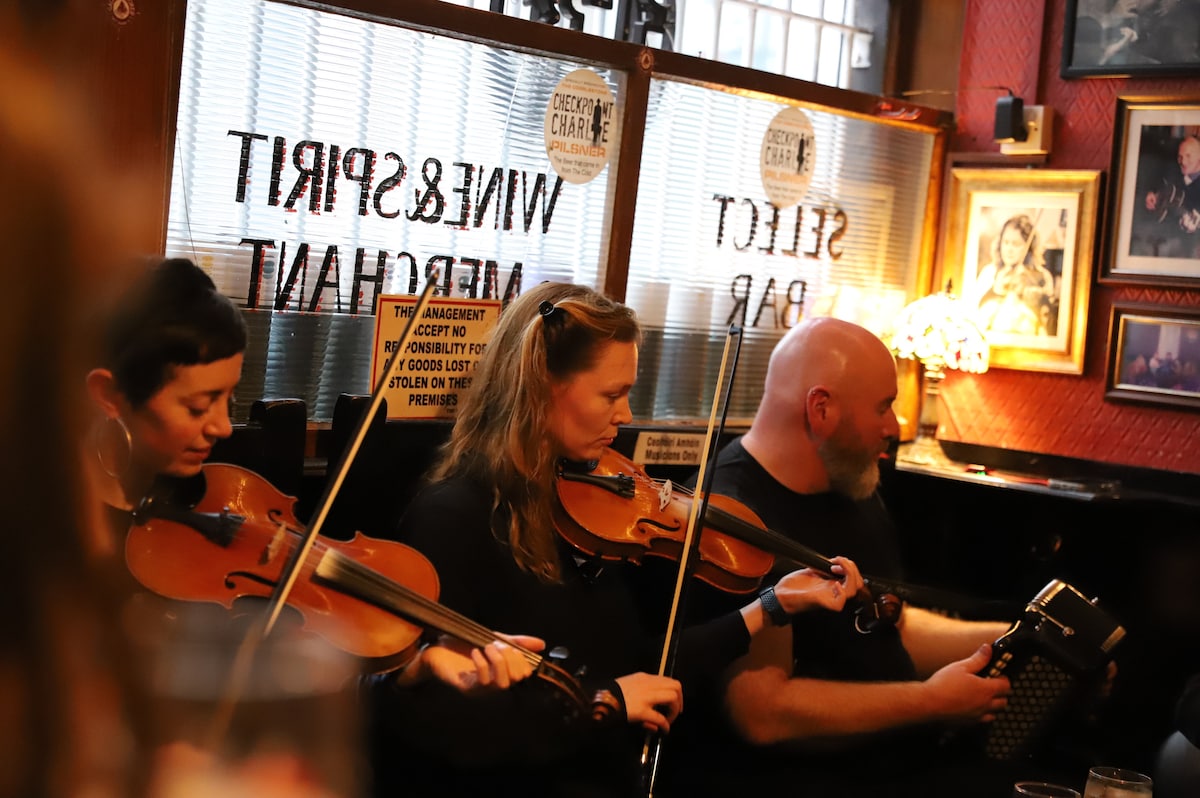
Real Dublin Traditional Music Pub Tour
Fri, Feb 27 • 7:30 PM
Dublin, County Dublin, d7, Ireland
View details

Forge a silver ring workshop
Fri, Feb 27 • 3:00 PM
Dublin, County Dublin, D02 V658, Ireland
View details

Irish Coffee Experience
Fri, Feb 27 • 1:15 PM
Dublin 2, County Dublin, D02 E620, Ireland
View details
Nearby attractions of GPO Museum
The Spire
An Post, General Post Office
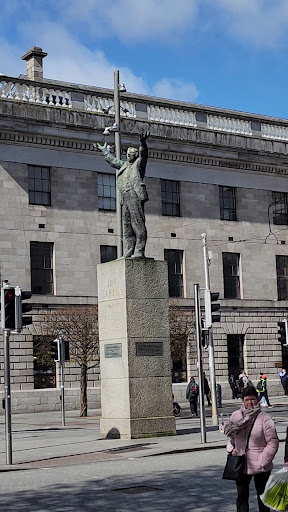
James Joyce Statue
Dublin Portal
O'Connell Monument
St. Mary's Cathedral
Abbey Theatre
Ha'penny Bridge
The National Wax Museum Plus
Dublin Tourist Information Centre O'Connell Street
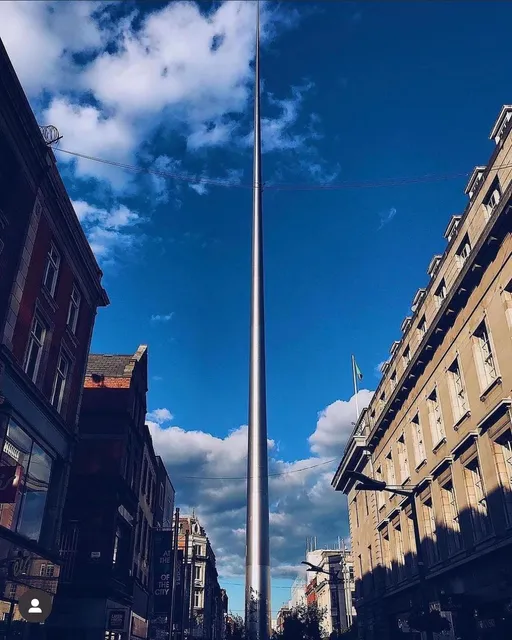
The Spire
4.3
(4.5K)
Open until 12:00 AM
Click for details
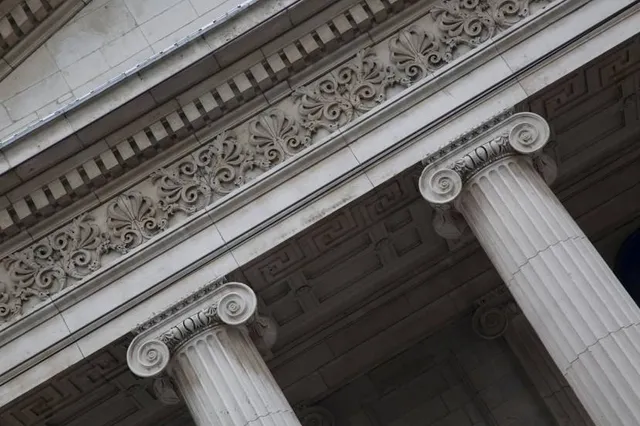
An Post, General Post Office
4.1
(386)
Open until 6:00 PM
Click for details
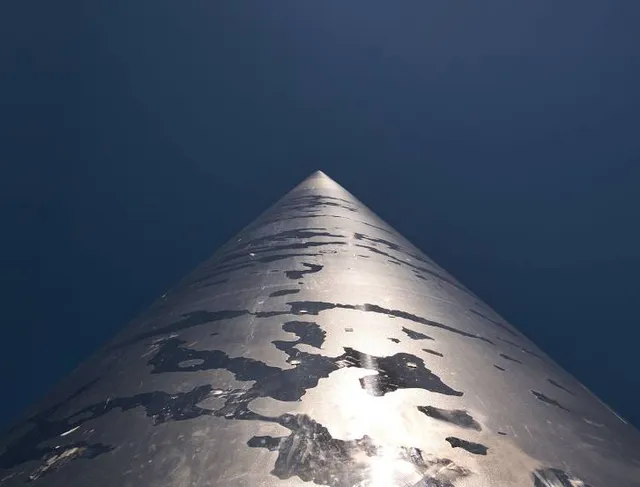
James Joyce Statue
4.4
(323)
Open until 12:00 AM
Click for details
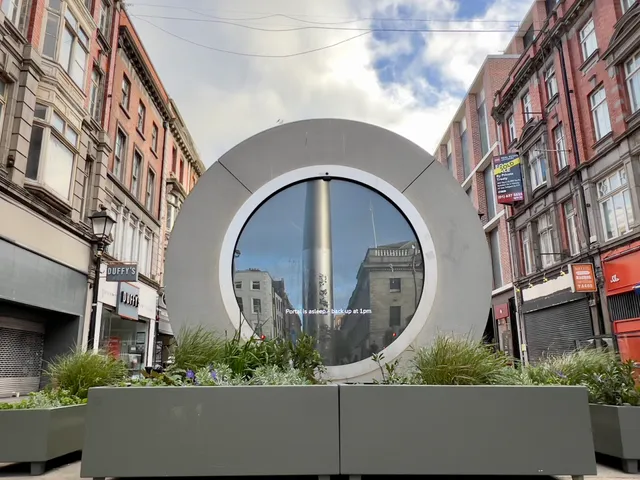
Dublin Portal
4.4
(337)
Open until 12:00 AM
Click for details
Nearby restaurants of GPO Museum
Flanagan's Bar & Restaurant
Kalabasa Market
The Oval Bar
Andhra Bhavan (Marlborough St)
Beshoff O'Connell Street
Burger King O'Connell Street
BóBós Burgers Restaurant
Supermac's & Papa John's O’Connell Street Dublin
Boojum - Abbey Street
Fujiyama Izakaya Dublin 1
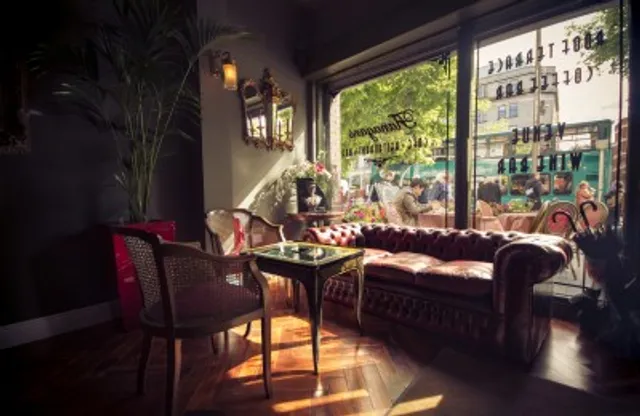
Flanagan's Bar & Restaurant
4.2
(1.7K)
Open until 10:00 PM
Click for details
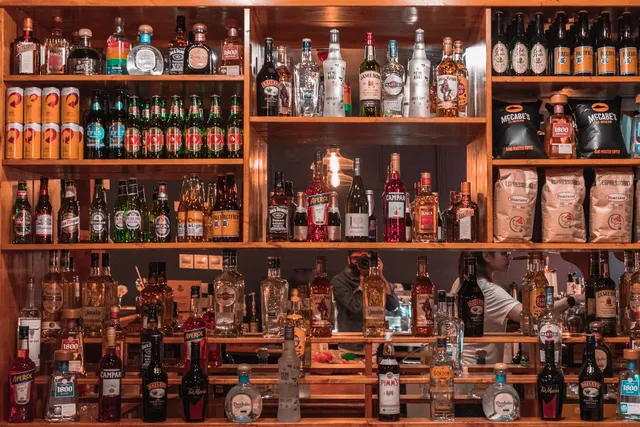
Kalabasa Market
4.8
(3.8K)
Closed
Click for details
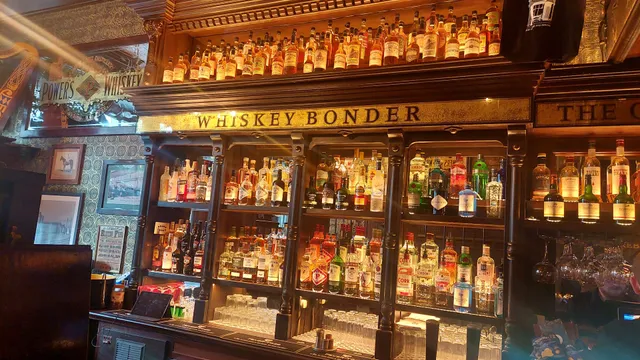
The Oval Bar
4.4
(1.3K)
Closed
Click for details
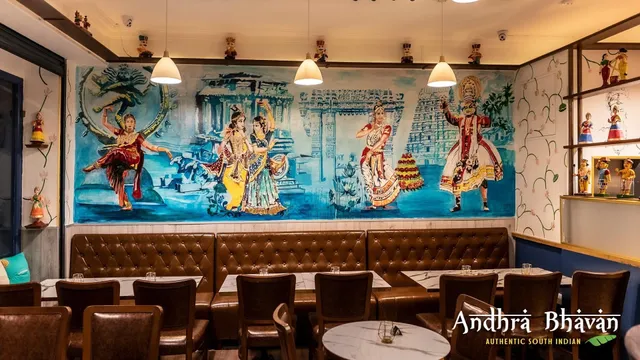
Andhra Bhavan (Marlborough St)
4.7
(2.4K)
Closed
Click for details
Nearby local services of GPO Museum
Eason
Arnotts
Carrolls Irish Gifts
ILAC Shopping Centre
Flying Tiger GPO Arcade
Carrolls Irish Gifts
Elegant Irish Tours, Private Tours of Ireland
Jervis Shopping Centre
Bounce Luggage Storage - Abbey Street
No 1 Astrologer & Spiritual psychic healer
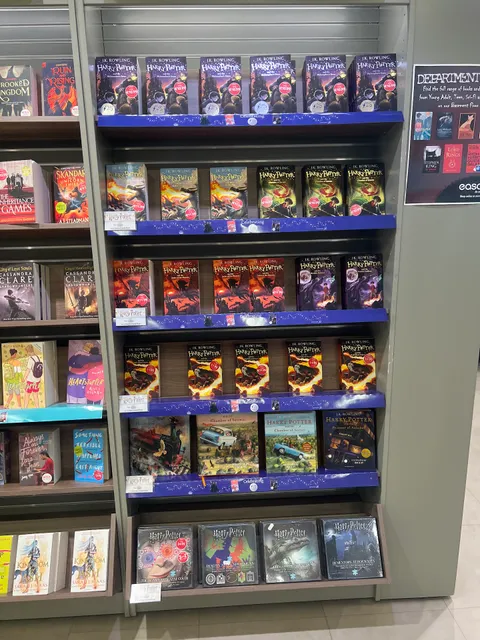
Eason
4.4
(2.4K)
Click for details
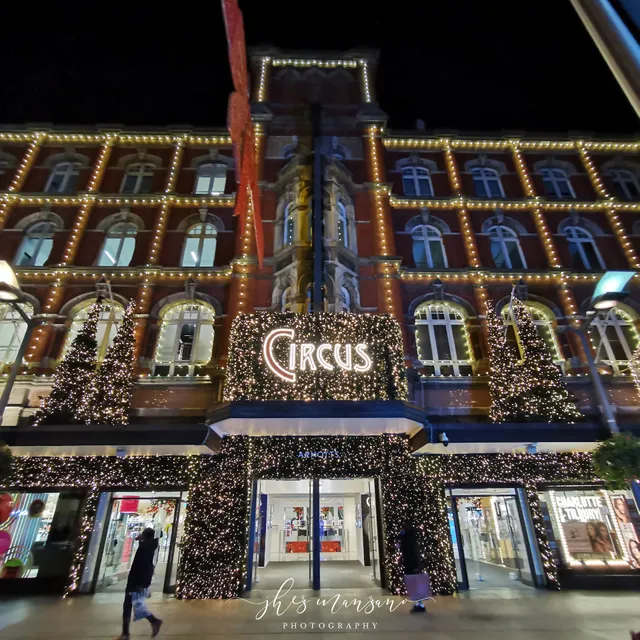
Arnotts
4.4
(3.9K)
Click for details
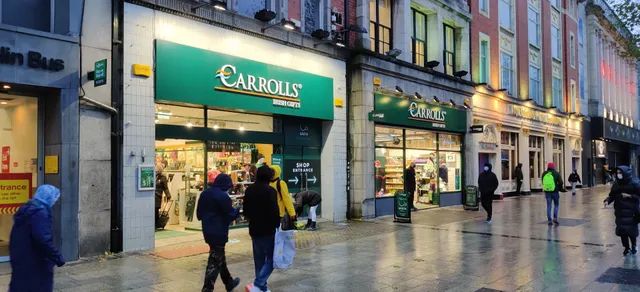
Carrolls Irish Gifts
4.5
(841)
Click for details
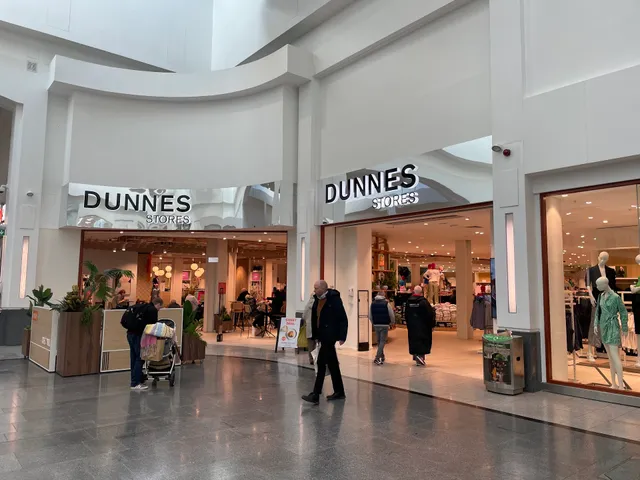
ILAC Shopping Centre
4.2
(6.6K)
Click for details