The Baptistery of St. John things to do, attractions, restaurants, events info and trip planning
Basic Info
The Baptistery of St. John
Piazza San Giovanni, 50122 Firenze FI, Italy
4.6(3.9K)
Open until 7:30 PM


tickets
Save
spot
spot
Ratings & Description
Info
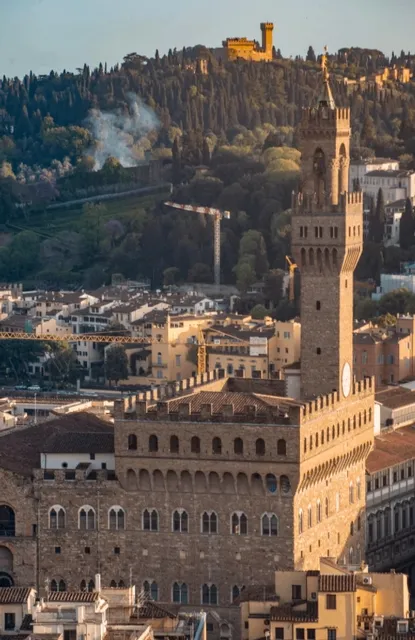
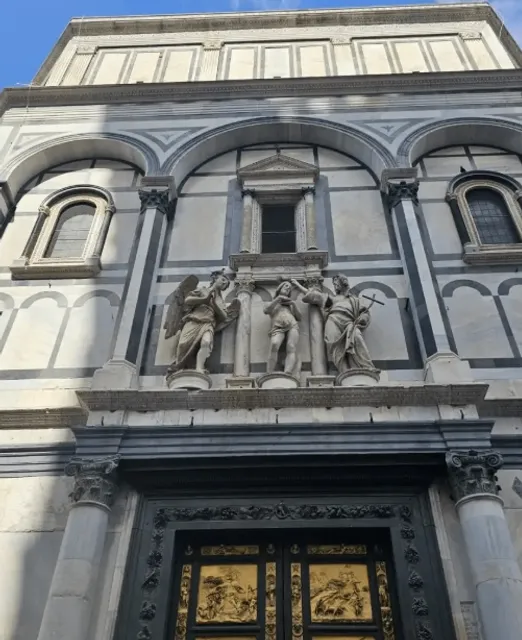
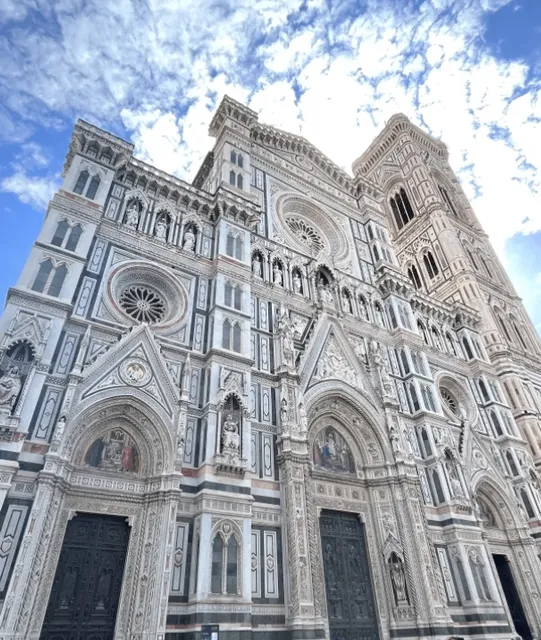
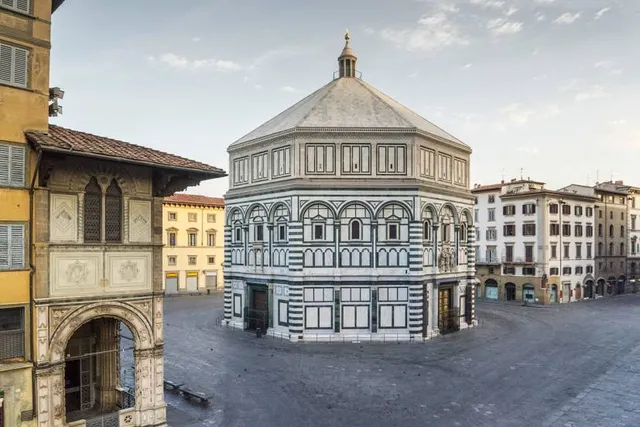
The Florence Baptistery, also known as the Baptistery of Saint John, is a religious building in Florence, Italy, and has the status of a minor basilica. The octagonal baptistery stands in both the Piazza del Duomo and the Piazza San Giovanni, across from Florence Cathedral and the Campanile di Giotto.
Cultural
Accessibility
attractions: Piazza del Duomo, Cathedral of Santa Maria del Fiore, Giotto's Bell Tower, Brunelleschi's dome, Piazza della Repubblica, The Gates of Paradise, Piazza della Signoria, Cappelle Medicee, Teatro Niccolini, Loggia del Bigallo, restaurants: Trattoria Dall'Oste, Venchi Cioccolato e Gelato, Il Grande Nuti Trattoria, Mister Pizza, Caffè Gilli, Eataly Firenze, Caffè Scudieri Firenze, Osteria Nuvoli, Brunelleschi Bistrot, JJ Cathedral, local businesses: Piazza del Duomo, Museo Leonardo Da Vinci, Rinascente Firenze, Feltrinelli Librerie, Caf Tour & Travel - Headquarter, LUISAVIAROMA, Armando Poggi - Jewelry & Home Design💍, LEGO® Certified Store Firenze, Lindt Chocolate Shop Firenze Duomo, Nino and friends
 Learn more insights from Wanderboat AI.
Phone
+39 055 230 2885
Website
duomo.firenze.it
Open hoursSee all hours
Mon8:30 AM - 7:30 PMOpen
Plan your stay

Pet-friendly Hotels in Florence
Find a cozy hotel nearby and make it a full experience.

Affordable Hotels in Florence
Find a cozy hotel nearby and make it a full experience.

The Coolest Hotels You Haven't Heard Of (Yet)
Find a cozy hotel nearby and make it a full experience.

Trending Stays Worth the Hype in Florence
Find a cozy hotel nearby and make it a full experience.
Reviews
Live events
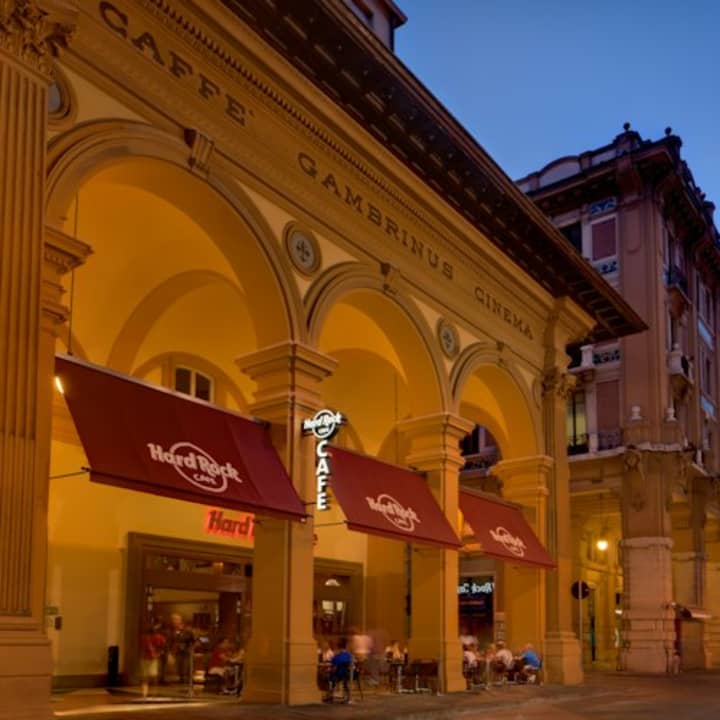
Hard Rock Cafe Firenze
Mon, Feb 9 • 11:00 AM
Via dei Brunelleschi, 1, Firenze, 50123
View details
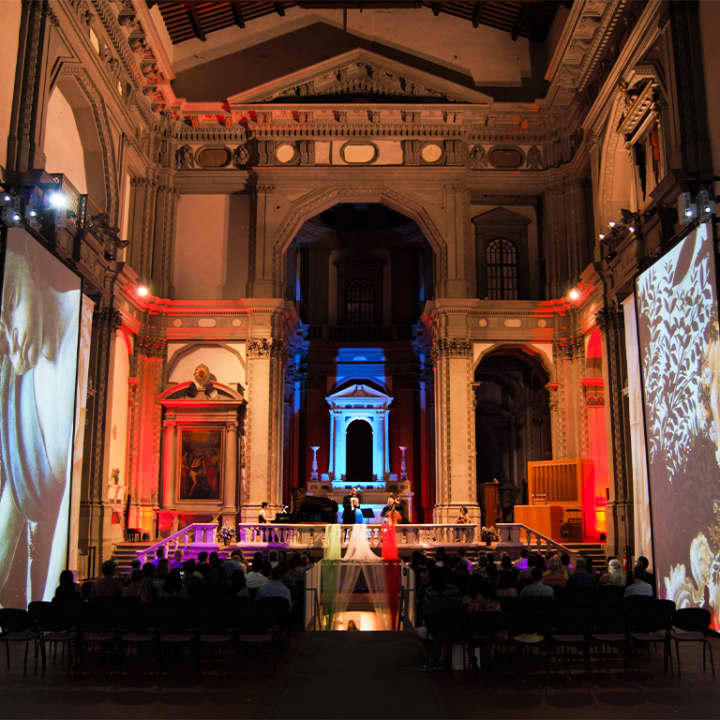
Opera in Roma: Three Tenors - Nessun Dorma Cattedrale dellImmagine
Tue, Feb 10 • 8:30 PM
Piazza di Santo Stefano, 5, Firenze, 50122
View details
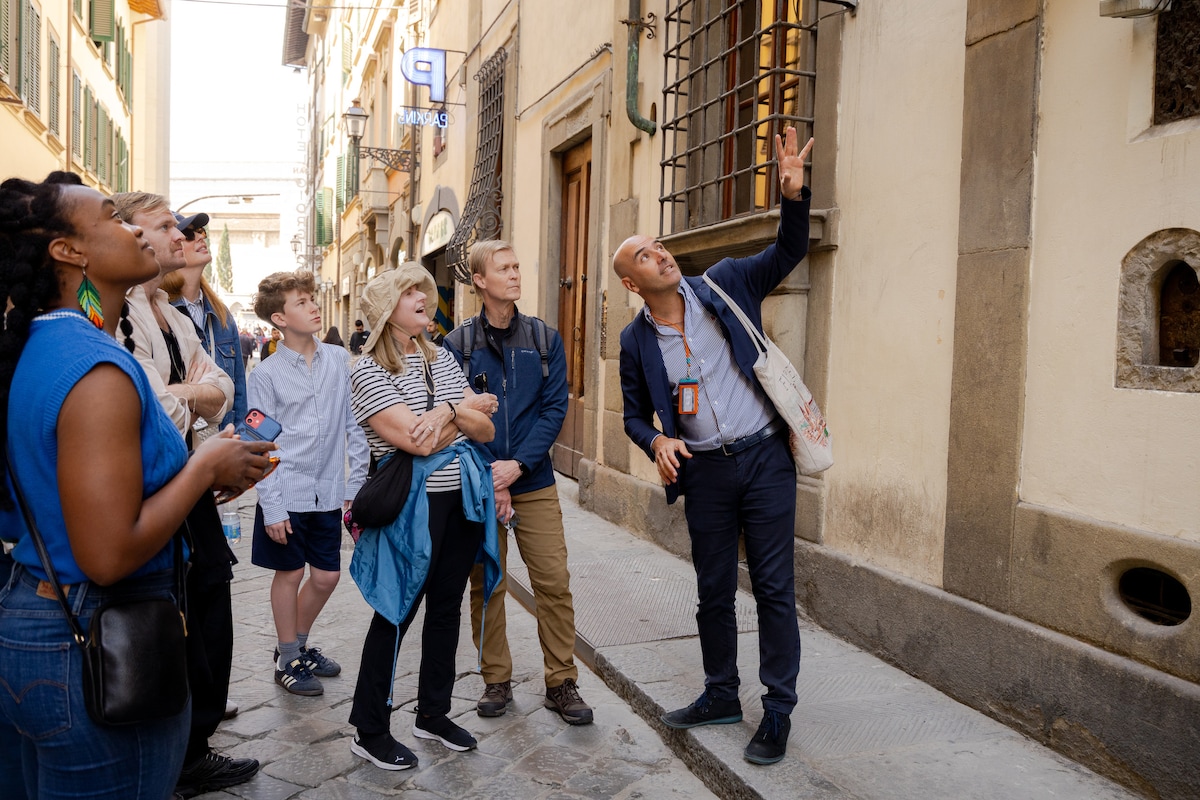
Tasty Florence Street Food Tour
Mon, Feb 9 • 4:30 PM
50123, Florence, Tuscany, Italy
View details
Nearby attractions of The Baptistery of St. John
Piazza del Duomo
Cathedral of Santa Maria del Fiore
Giotto's Bell Tower
Brunelleschi's dome
Piazza della Repubblica
The Gates of Paradise
Piazza della Signoria
Cappelle Medicee
Teatro Niccolini
Loggia del Bigallo
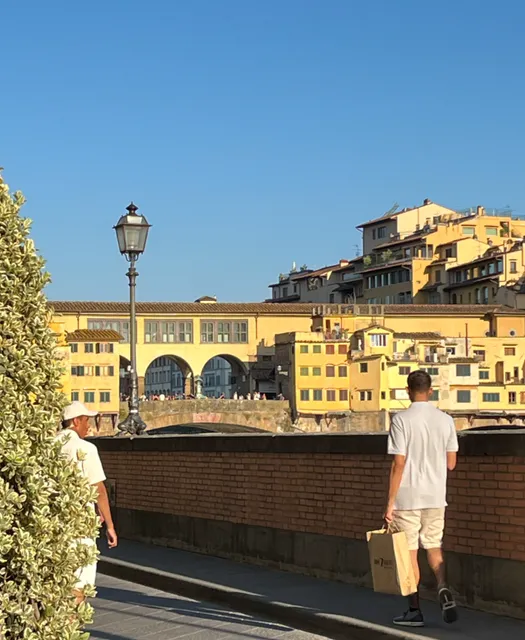
Piazza del Duomo
4.8
(44.1K)
Open until 12:00 AM
Click for details
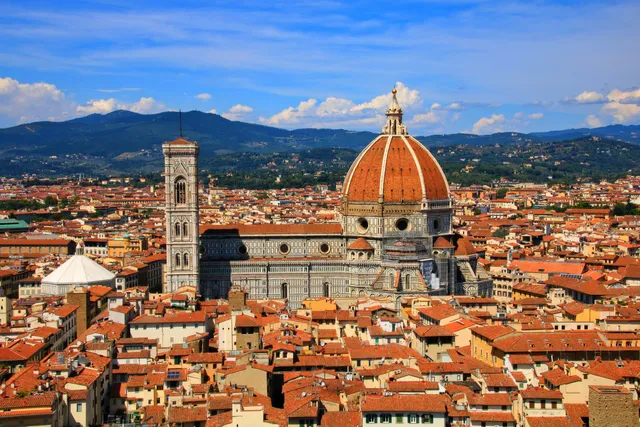
Cathedral of Santa Maria del Fiore
4.8
(34K)
Open until 12:00 AM
Click for details
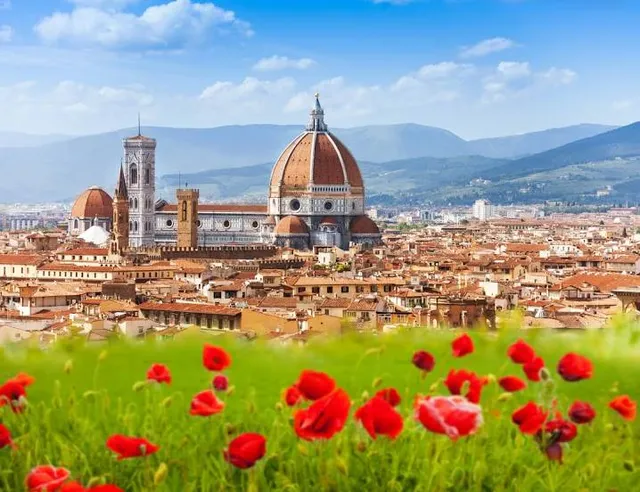
Giotto's Bell Tower
4.8
(3.3K)
Open until 6:45 PM
Click for details
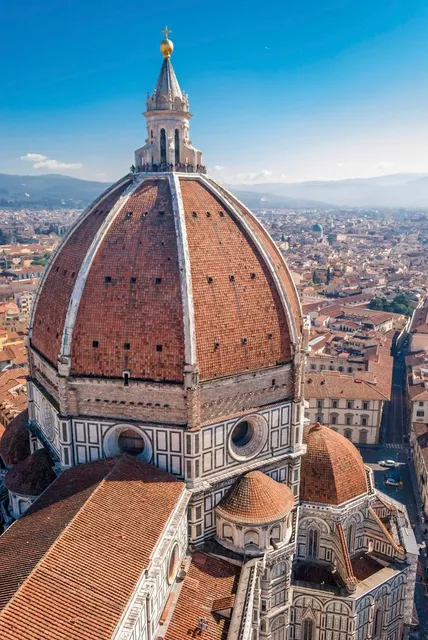
Brunelleschi's dome
4.8
(4.4K)
Open until 6:45 PM
Click for details
Nearby restaurants of The Baptistery of St. John
Trattoria Dall'Oste
Venchi Cioccolato e Gelato
Il Grande Nuti Trattoria
Mister Pizza
Caffè Gilli
Eataly Firenze
Caffè Scudieri Firenze
Osteria Nuvoli
Brunelleschi Bistrot
JJ Cathedral
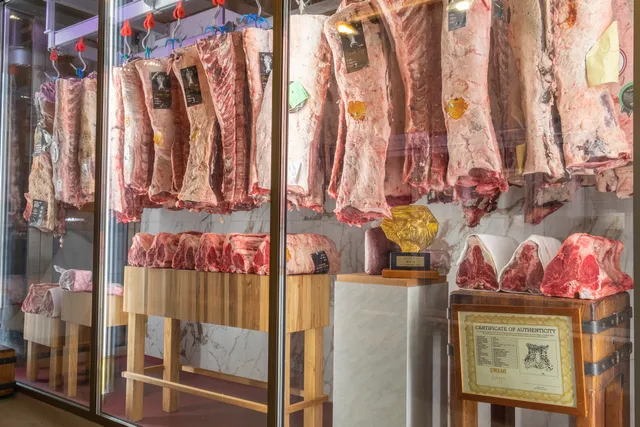
Trattoria Dall'Oste
4.7
(10.6K)
$$
Open until 10:00 PM
Click for details
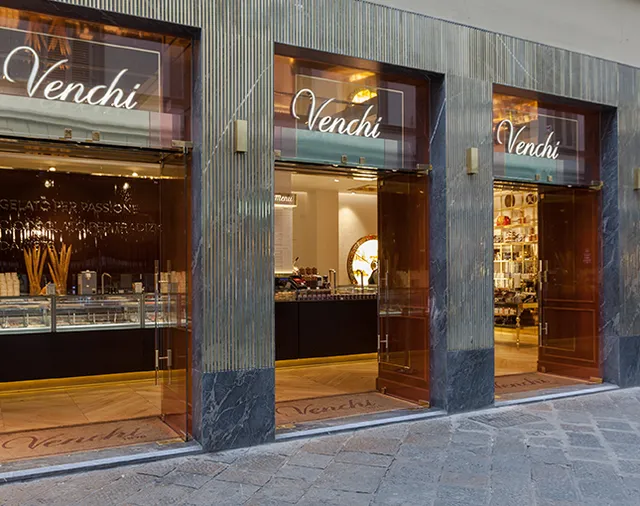
Venchi Cioccolato e Gelato
4.7
(4.6K)
$$
Open until 12:00 AM
Click for details
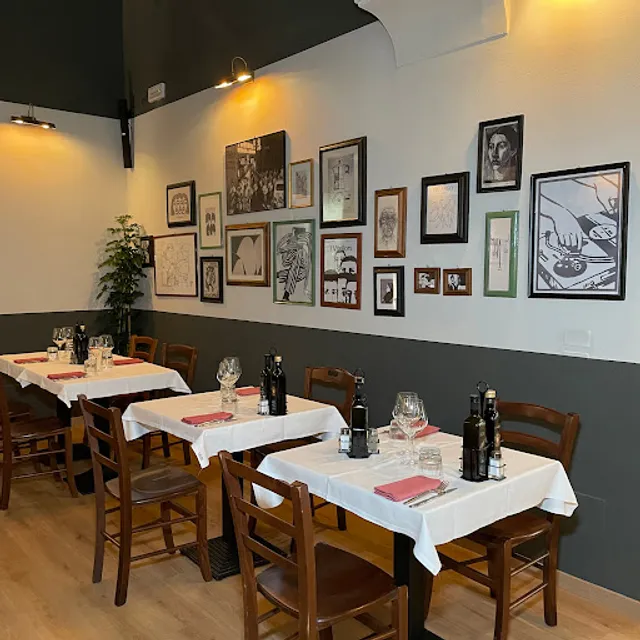
Il Grande Nuti Trattoria
4.6
(3.6K)
$$
Open until 10:30 PM
Click for details
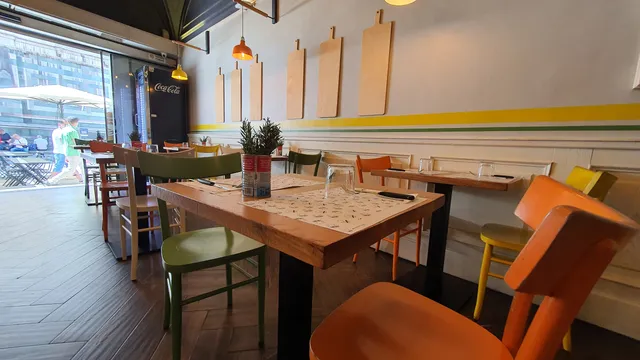
Mister Pizza
4.6
(4.3K)
Open until 4:00 AM
Click for details
Nearby local services of The Baptistery of St. John
Piazza del Duomo
Museo Leonardo Da Vinci
Rinascente Firenze
Feltrinelli Librerie
Caf Tour & Travel - Headquarter
LUISAVIAROMA
Armando Poggi - Jewelry & Home Design💍
LEGO® Certified Store Firenze
Lindt Chocolate Shop Firenze Duomo
Nino and friends
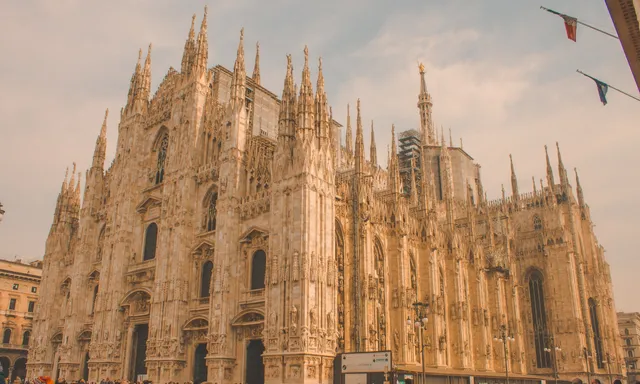
Piazza del Duomo
4.8
(41.2K)
Click for details
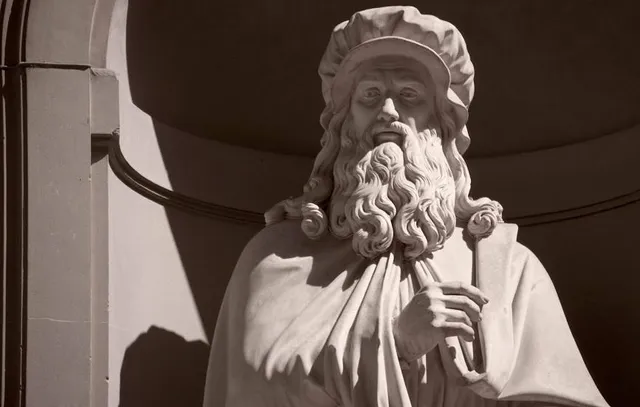
Museo Leonardo Da Vinci
4.7
(17.6K)
Click for details
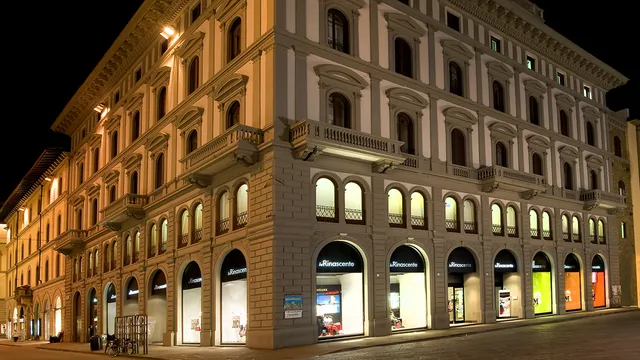
Rinascente Firenze
4.1
(2.2K)
Click for details
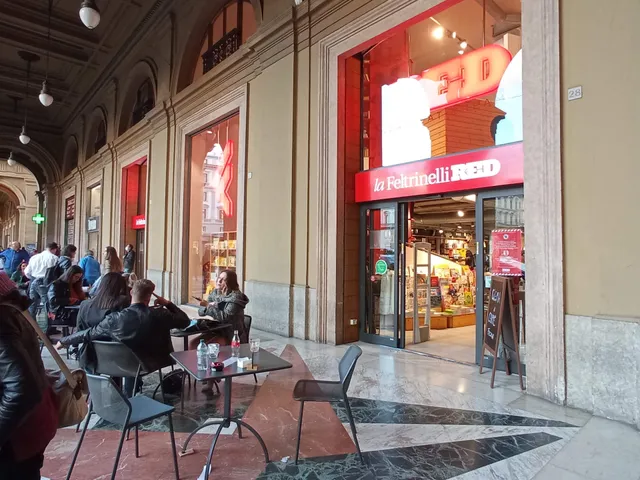
Feltrinelli Librerie
4.3
(1.9K)
Click for details