Museo di Palazzo Davanzati things to do, attractions, restaurants, events info and trip planning
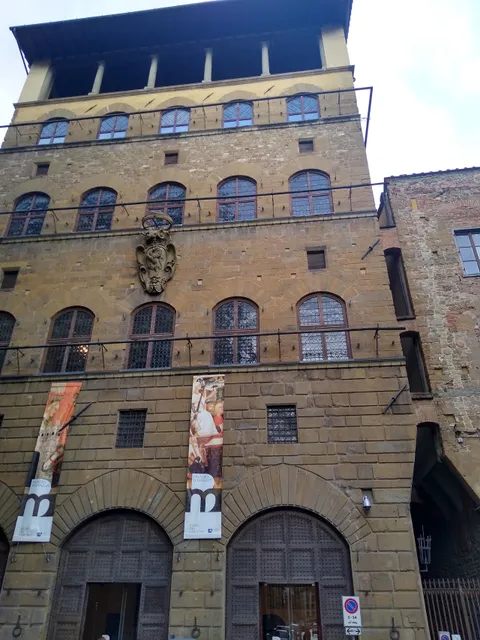
Basic Info
Museo di Palazzo Davanzati
Via Porta Rossa, 13, 50123 Firenze FI, Italy
4.6(681)
Closed


tickets
Save
spot
spot
Ratings & Description
Info
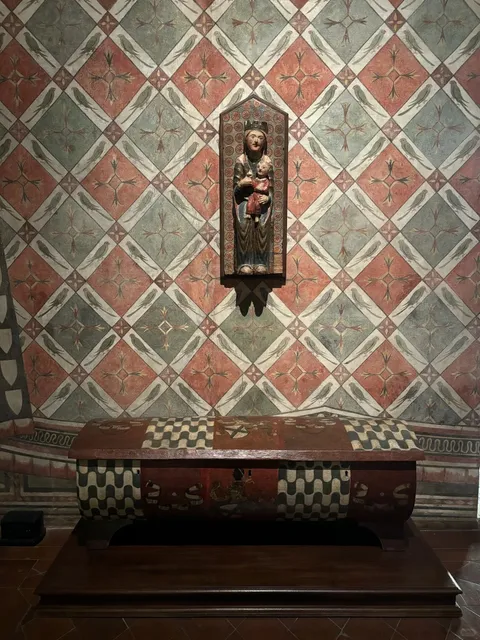
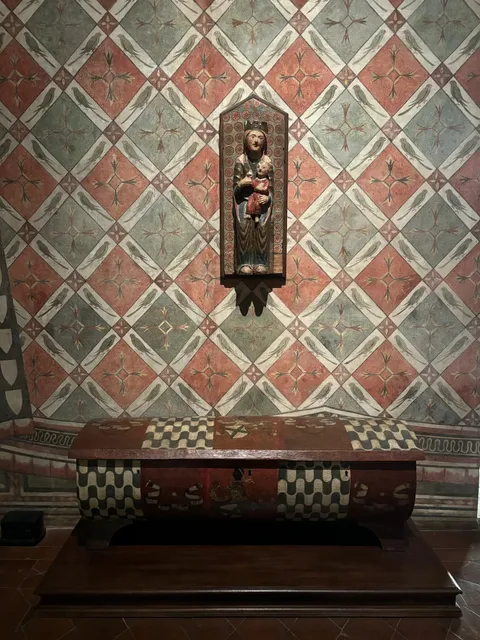
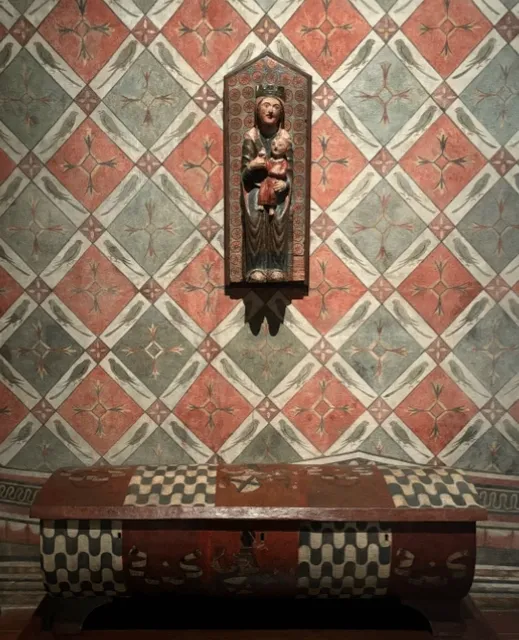
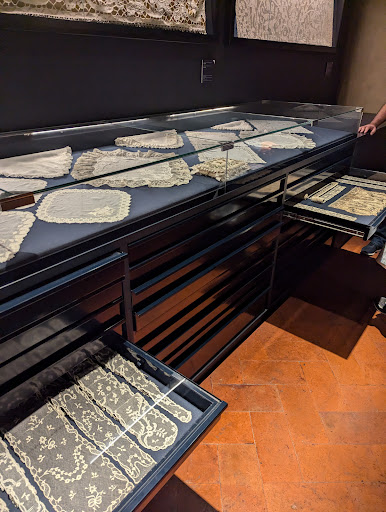
Palazzo Davanzati is a palace in Florence, Italy. It houses the Museum of the Old Florentine House.
Cultural
Family friendly
Accessibility
attractions: Ponte Vecchio, Piazza della Signoria, Fontana del Porcellino, Piazza della Repubblica, Strozzi Palace, Strozzi Palace, Uffizi Gallery, Palazzo Vecchio, Piazza del Duomo, Ponte Santa Trinita, restaurants: Rooster Cafe Firenze, La Grotta Guelfa, The Old Stove Irish Pub, La Bistecca - Osteria Fiorentina - Piazza della Repubblica, Venchi Gelato and Chocolate, Ristorante Oliviero 1962, Ristorante Hostaria Il Desco, La Bussola, PaStation, Fattoria Rossi Firenze, local businesses: Giunti Odeon - Libreria e Cinema, Apple Firenze, Ponte Santa Trinità, Rinascente Firenze, Feltrinelli Librerie, H&M, La Bussola free walking tour, Trippaio del Porcellino - Nencioni, Iglesia de la Santa Trinidad, Musée Salvatore Ferragamo
 Learn more insights from Wanderboat AI.
Phone
+39 055 064 9460
Website
bargellomusei.it
Open hoursSee all hours
Sat1:15 - 6:50 PMClosed
Plan your stay

Pet-friendly Hotels in Florence
Find a cozy hotel nearby and make it a full experience.

Affordable Hotels in Florence
Find a cozy hotel nearby and make it a full experience.

The Coolest Hotels You Haven't Heard Of (Yet)
Find a cozy hotel nearby and make it a full experience.

Trending Stays Worth the Hype in Florence
Find a cozy hotel nearby and make it a full experience.
Reviews
Live events

The Jury Experience: morte per mano dell’IA. Chi paga il prezzo?
Sat, Feb 28 • 4:00 PM
Largo Piero Farulli, 1, 50014 Fiesole (FI), 50014
View details

UNA NOTTE AL MUSEO 28/02
Sat, Feb 28 • 5:00 PM
6 Piazza della Calza 50125 Firenze
View details

Saturday BLUE VELVET VIP ROOM
Sat, Feb 28 • 11:59 PM
16r Via del Castello D'Altafronte 50122 Firenze
View details
Nearby attractions of Museo di Palazzo Davanzati
Ponte Vecchio
Piazza della Signoria
Fontana del Porcellino
Piazza della Repubblica
Strozzi Palace
Strozzi Palace
Uffizi Gallery
Palazzo Vecchio
Piazza del Duomo
Ponte Santa Trinita
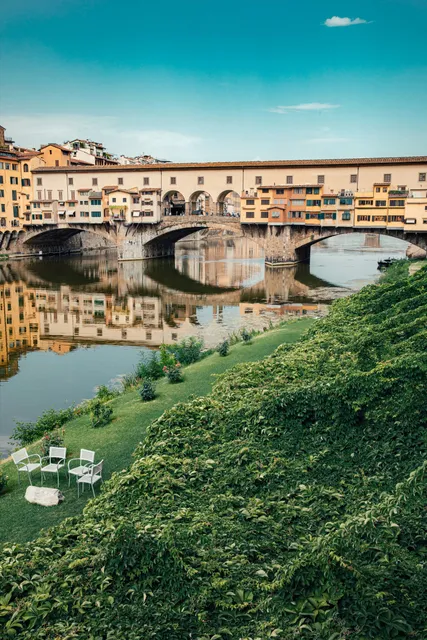
Ponte Vecchio
4.7
(49.1K)
Open 24 hours
Click for details
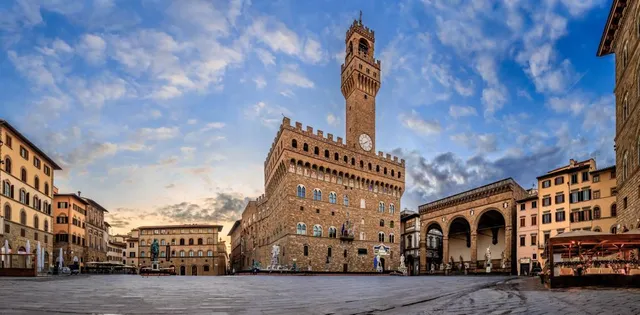
Piazza della Signoria
4.8
(27.4K)
Open 24 hours
Click for details
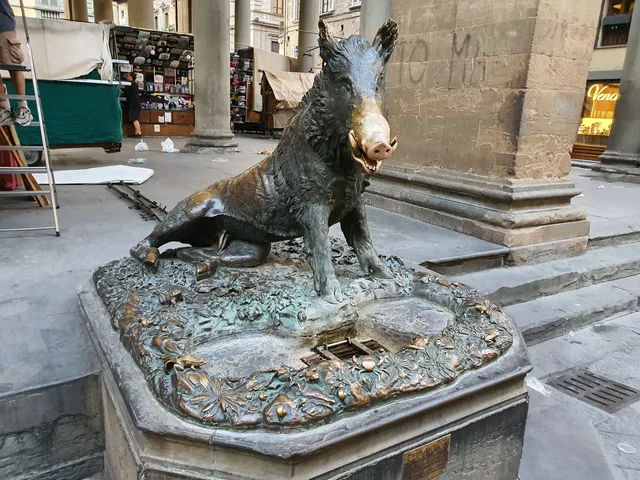
Fontana del Porcellino
4.5
(4.8K)
Open until 12:00 AM
Click for details
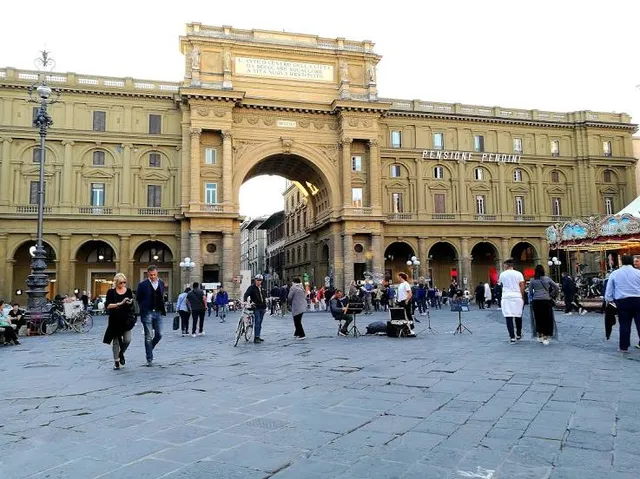
Piazza della Repubblica
4.6
(9.9K)
Open 24 hours
Click for details
Nearby restaurants of Museo di Palazzo Davanzati
Rooster Cafe Firenze
La Grotta Guelfa
The Old Stove Irish Pub
La Bistecca - Osteria Fiorentina - Piazza della Repubblica
Venchi Gelato and Chocolate
Ristorante Oliviero 1962
Ristorante Hostaria Il Desco
La Bussola
PaStation
Fattoria Rossi Firenze
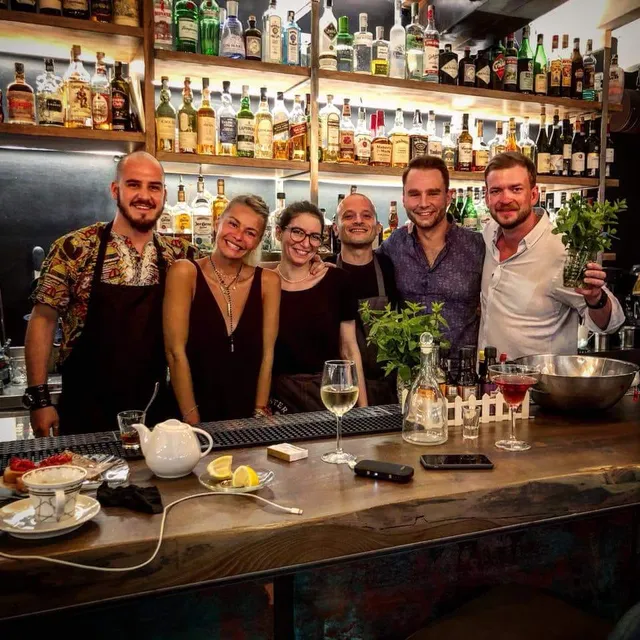
Rooster Cafe Firenze
4.8
(3.1K)
Closed
Click for details
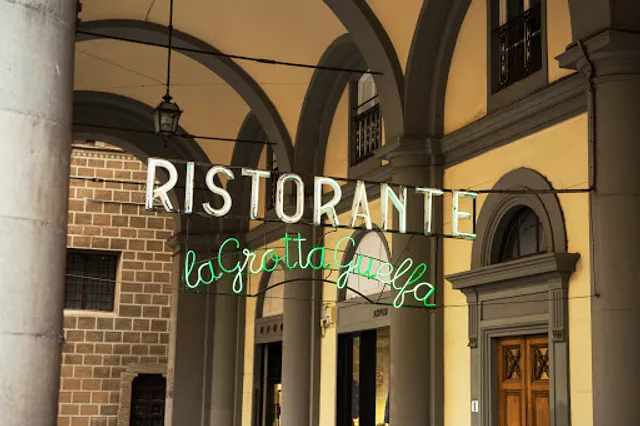
La Grotta Guelfa
4.5
(1.4K)
Closed
Click for details
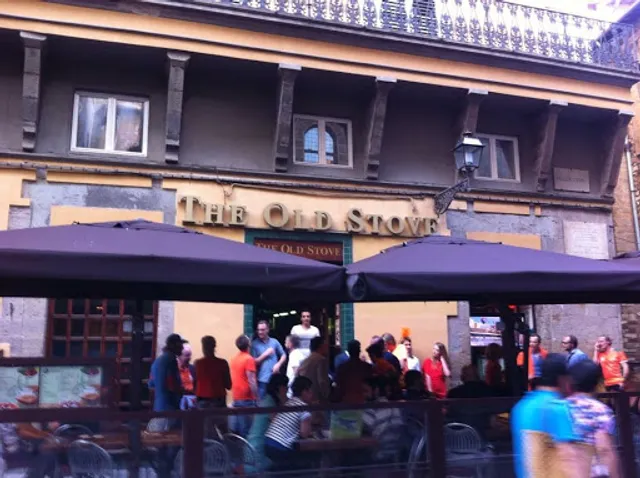
The Old Stove Irish Pub
4.6
(1.6K)
Closed
Click for details
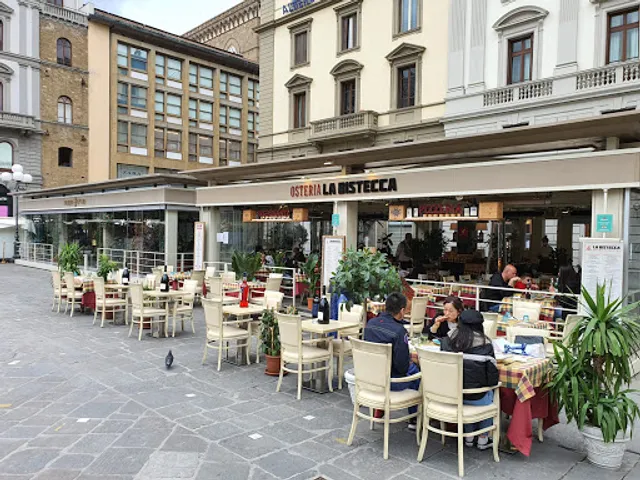
La Bistecca - Osteria Fiorentina - Piazza della Repubblica
4.7
(4.5K)
$$
Closed
Click for details
Nearby local services of Museo di Palazzo Davanzati
Giunti Odeon - Libreria e Cinema
Apple Firenze
Ponte Santa Trinità
Rinascente Firenze
Feltrinelli Librerie
H&M
La Bussola free walking tour
Trippaio del Porcellino - Nencioni
Iglesia de la Santa Trinidad
Musée Salvatore Ferragamo
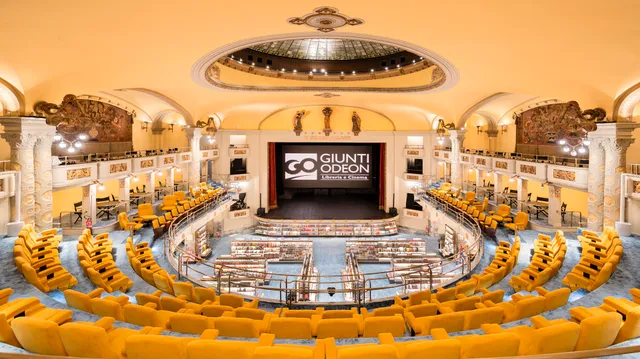
Giunti Odeon - Libreria e Cinema
4.7
(1.7K)
Click for details
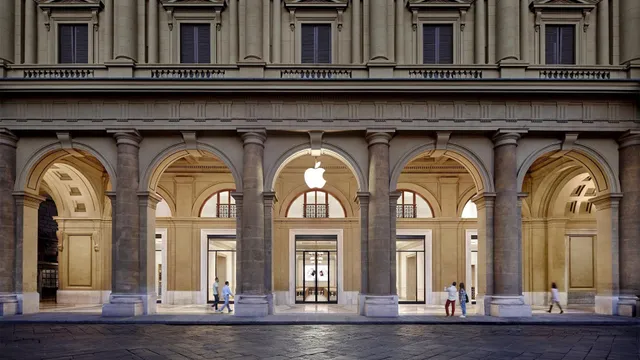
Apple Firenze
4.2
(1.1K)
Click for details
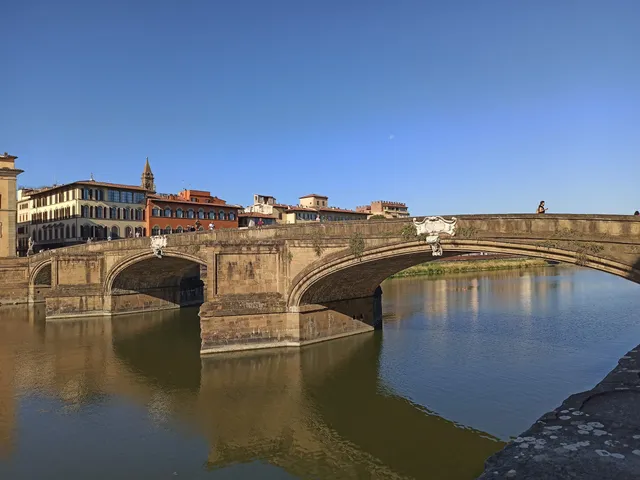
Ponte Santa Trinità
4.6
(4.4K)
Click for details
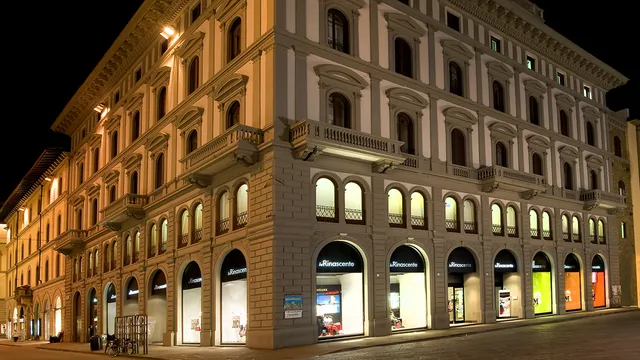
Rinascente Firenze
4.1
(2.2K)
Click for details