Fontana Pretoria things to do, attractions, restaurants, events info and trip planning
Basic Info
Fontana Pretoria
Piazza Pretoria, 90133 Palermo PA, Italy
4.6(3.2K)
Open until 12:00 AM
Save
spot
spot
Ratings & Description
Info
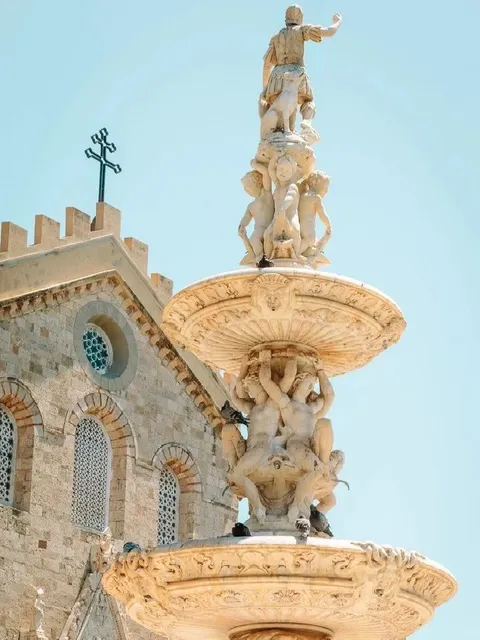
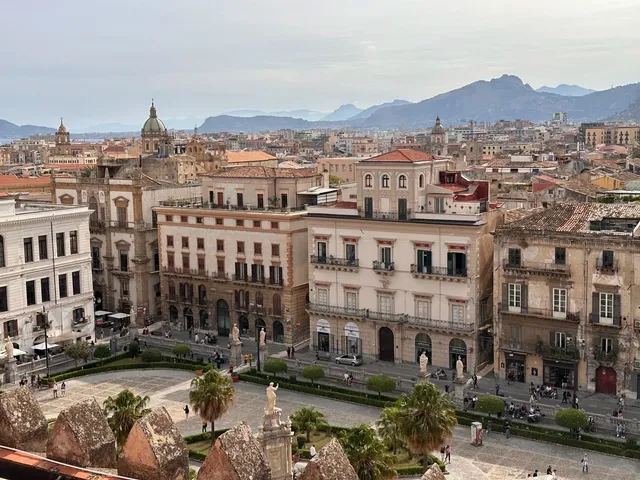
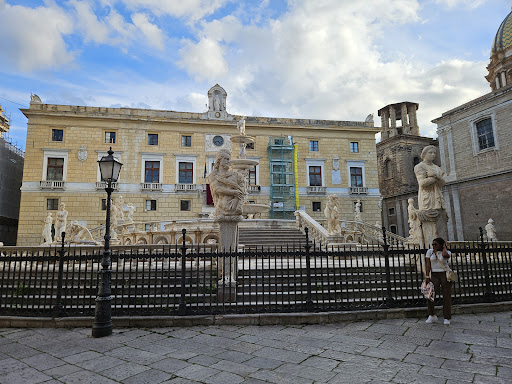
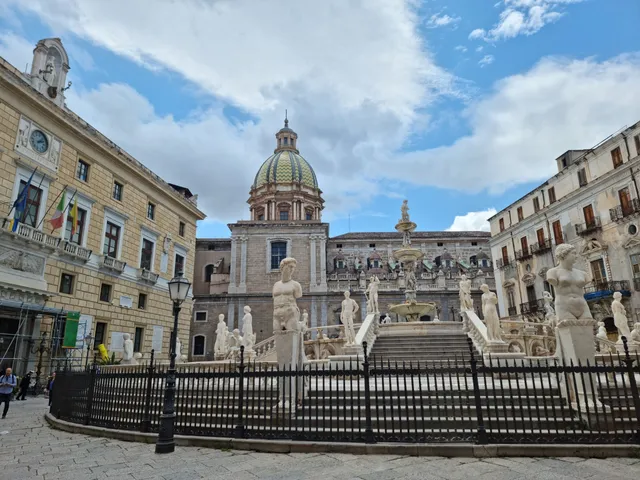
The Praetorian Fountain is a monumental fountain located in Piazza Pretoria in the historic center of Palermo, region of Sicily, Italy. The fountain dominates the piazza on the west flank of the church of Santa Caterina, and is one block south of the intersection of the Quattro Canti.
Cultural
Outdoor
Accessibility
attractions: Quattro Canti, Church of St. Mary of the Admiral, Chiesa di Santa Caterina d'Alessandria, Church of San Cataldo, Church of San Giuseppe dei Padri Teatini, Church of San Giuseppe dei Padri Teatini, No Mafia Memorial, Chiesa del Gesù di Casa Professa, Palazzo Riso, La Vucciria, restaurants: La Lapa - Osteria Siciliana, Bisso Bistrot, Ciurma Palermo Maqueda, Timilia, Villena, Pasticceria Costa, Tara - Bottega e Cucina, Trattoria Al Ferro di Cavallo, Morettino Caffè Palermo, RISTORANTE PRIMI PIATTI, local businesses: La Dolceria di Santa Caterina, Monastero Santa Caterina, Solo Patate, Costantino Palace, Spazio a Tempo, Donnarumma Souvenirs, Lidl, Nana Aristova Jewels, SOUVENIR SAN GIUSEPPE, Archivio Storico Comunale
 Learn more insights from Wanderboat AI.
Website
turismo.comune.palermo.it
Open hoursSee all hours
WedOpen 24 hoursOpen
Plan your stay

Pet-friendly Hotels in Palermo
Find a cozy hotel nearby and make it a full experience.

Affordable Hotels in Palermo
Find a cozy hotel nearby and make it a full experience.

The Coolest Hotels You Haven't Heard Of (Yet)
Find a cozy hotel nearby and make it a full experience.

Trending Stays Worth the Hype in Palermo
Find a cozy hotel nearby and make it a full experience.
Reviews
Live events
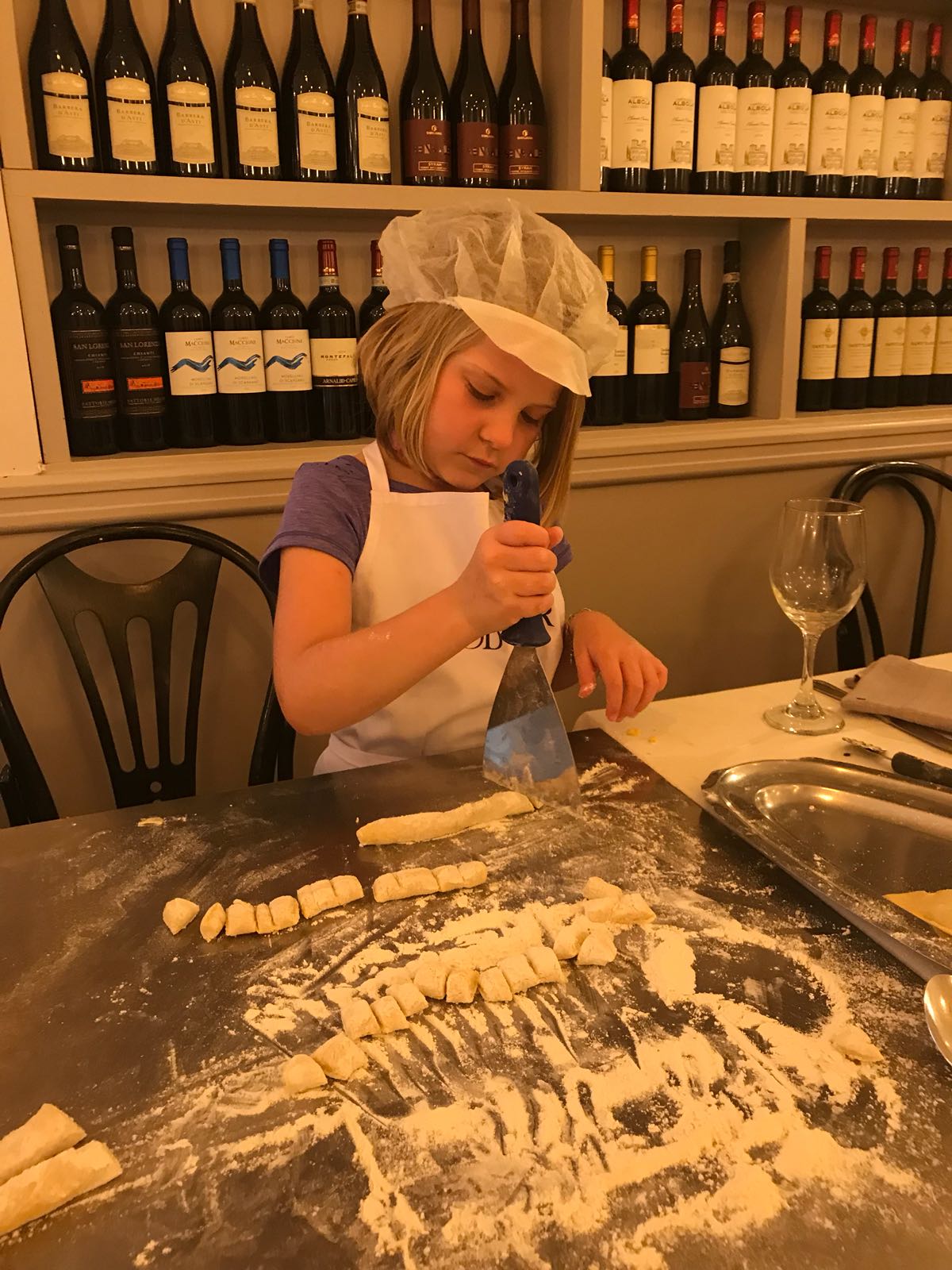
Palermo pasta & tiramisu cooking class with wine
Wed, Feb 25 • 12:00 PM
90137, Palermo, Sicily, Italy
View details
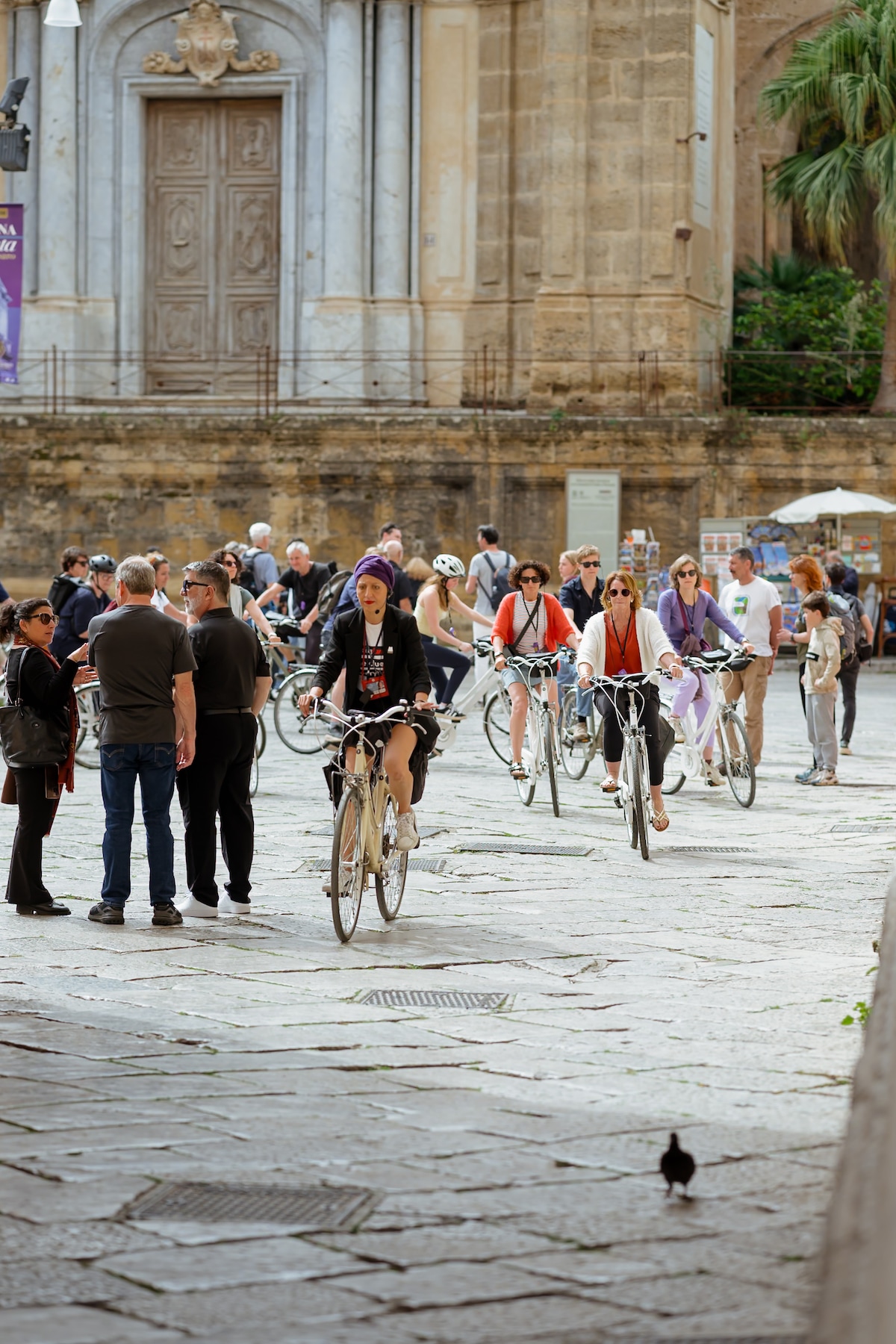
Uncover Palermo by bike
Wed, Feb 25 • 10:00 AM
90133, Palermo, Sicily, Italy
View details
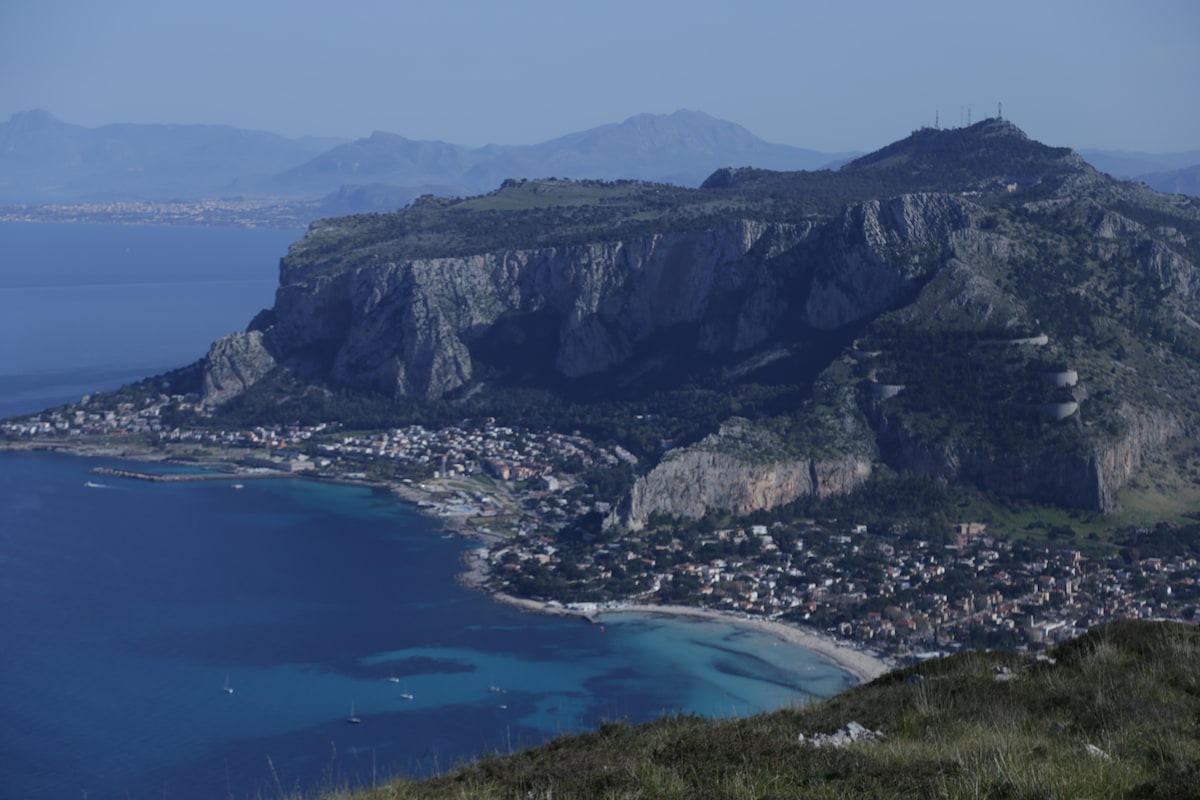
Trekking in Palermo among nature and local food
Wed, Feb 25 • 9:15 AM
90127, Palermo, Sicily, Italy
View details
Nearby attractions of Fontana Pretoria
Quattro Canti
Church of St. Mary of the Admiral
Chiesa di Santa Caterina d'Alessandria
Church of San Cataldo
Church of San Giuseppe dei Padri Teatini
Church of San Giuseppe dei Padri Teatini
No Mafia Memorial
Chiesa del Gesù di Casa Professa
Palazzo Riso
La Vucciria
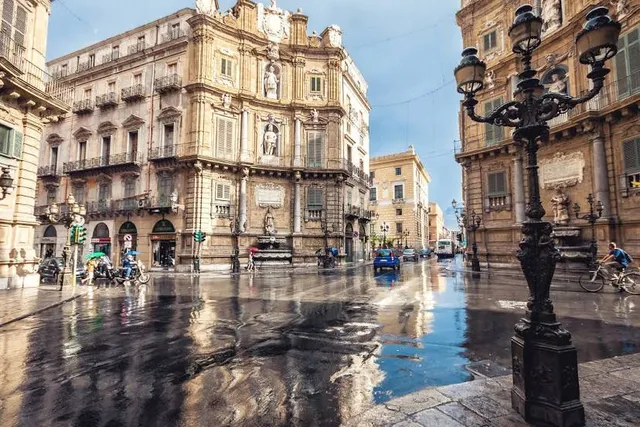
Quattro Canti
4.6
(10.5K)
Open until 12:00 AM
Click for details
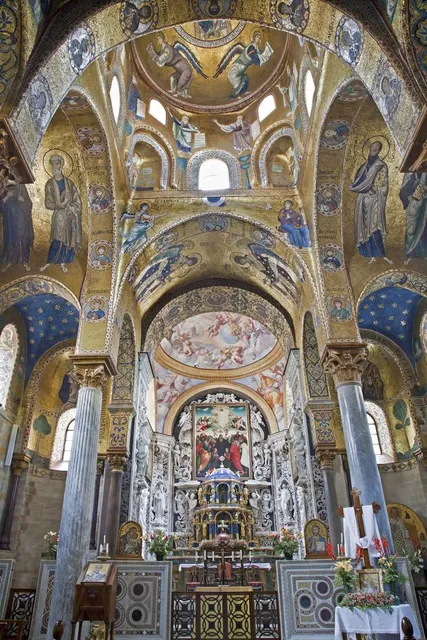
Church of St. Mary of the Admiral
4.7
(2.3K)
Closed
Click for details
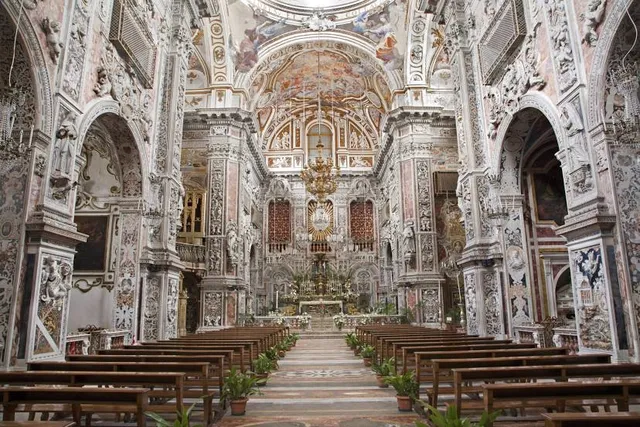
Chiesa di Santa Caterina d'Alessandria
4.7
(966)
Closed
Click for details
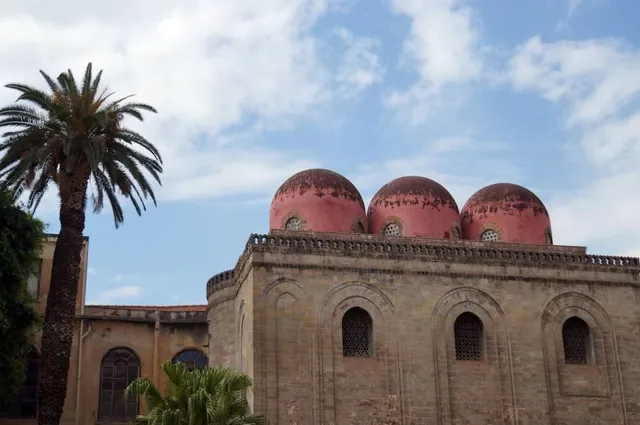
Church of San Cataldo
4.4
(891)
Closed
Click for details
Nearby restaurants of Fontana Pretoria
La Lapa - Osteria Siciliana
Bisso Bistrot
Ciurma Palermo Maqueda
Timilia
Villena
Pasticceria Costa
Tara - Bottega e Cucina
Trattoria Al Ferro di Cavallo
Morettino Caffè Palermo
RISTORANTE PRIMI PIATTI

La Lapa - Osteria Siciliana
4.7
(44)
Closed
Click for details
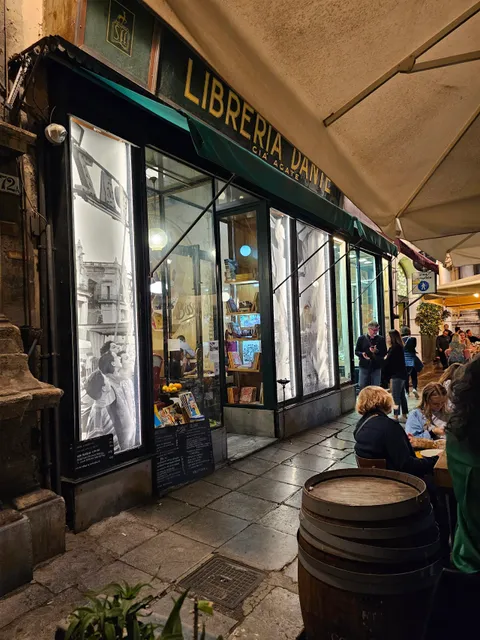
Bisso Bistrot
4.2
(1.9K)
$
Closed
Click for details
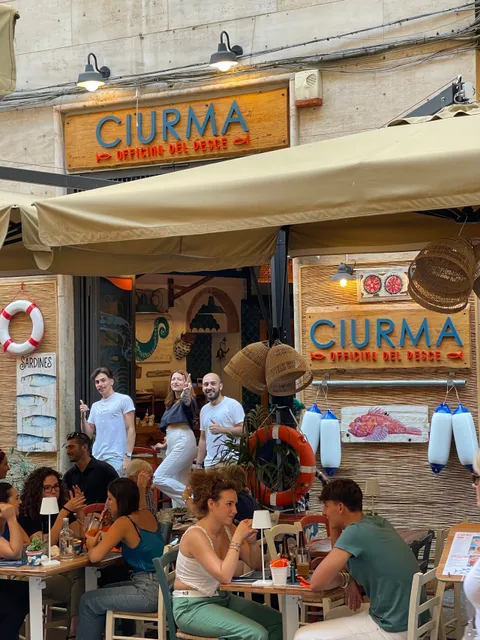
Ciurma Palermo Maqueda
4.4
(2.5K)
Closed
Click for details
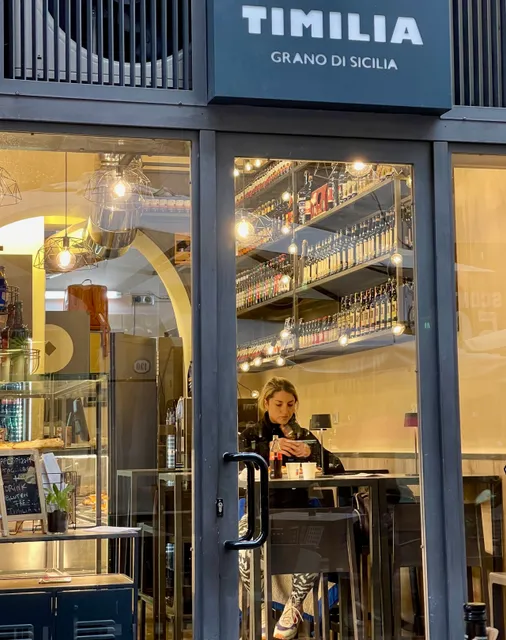
Timilia
4.6
(1.6K)
$
Closed
Click for details
Nearby local services of Fontana Pretoria
La Dolceria di Santa Caterina
Monastero Santa Caterina
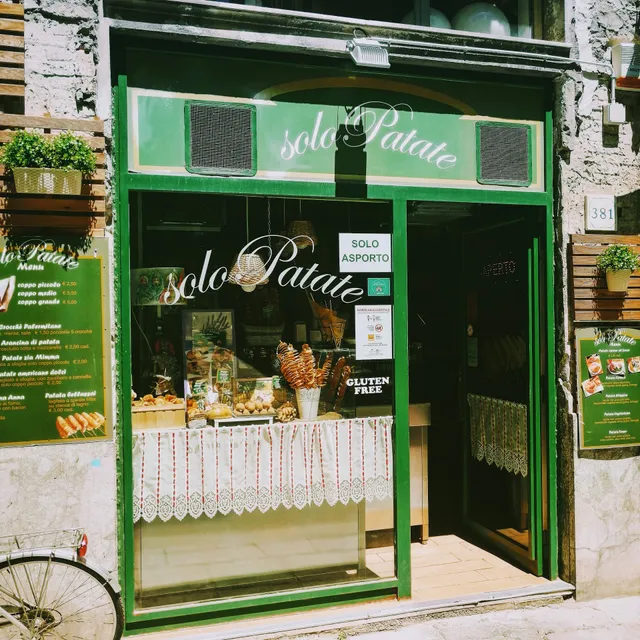
Solo Patate
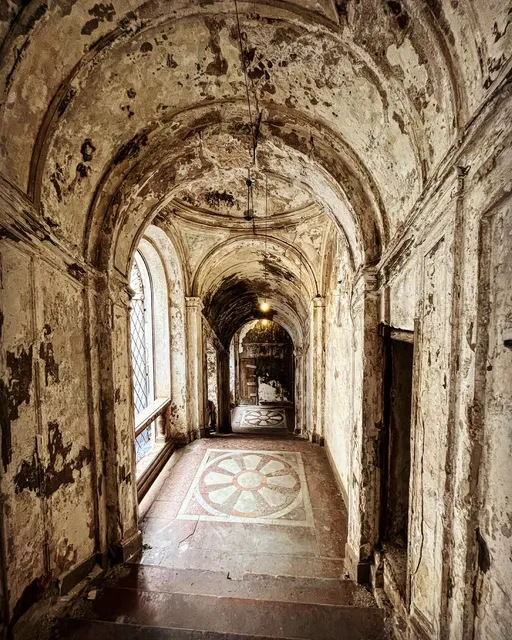
Costantino Palace
Spazio a Tempo
Donnarumma Souvenirs
Lidl
Nana Aristova Jewels
SOUVENIR SAN GIUSEPPE
Archivio Storico Comunale
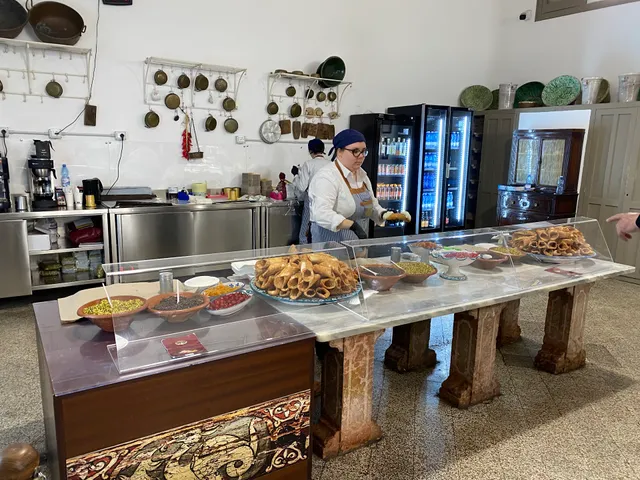
La Dolceria di Santa Caterina
4.5
(250)
Click for details
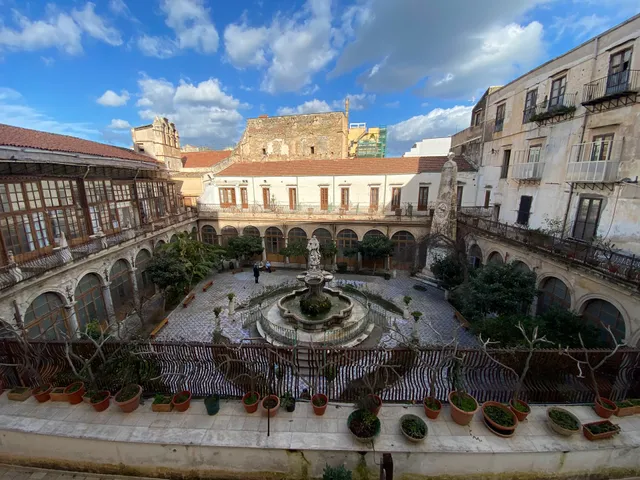
Monastero Santa Caterina
4.7
(162)
Click for details
Solo Patate
4.8
(218)
Click for details
Costantino Palace
3.8
(42)
Click for details