HTML SitemapExplore
logo
Find Things to DoFind The Best Restaurants

San Giovanni Evangelista — Attraction in Parma

Name
San Giovanni Evangelista
Description
Nearby attractions
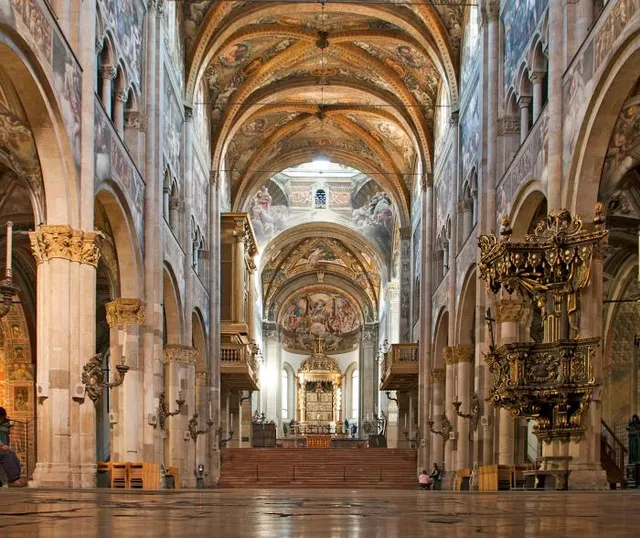
Cattedrale di Parma
P.za Duomo, 7, 43121 Parma PR, Italy
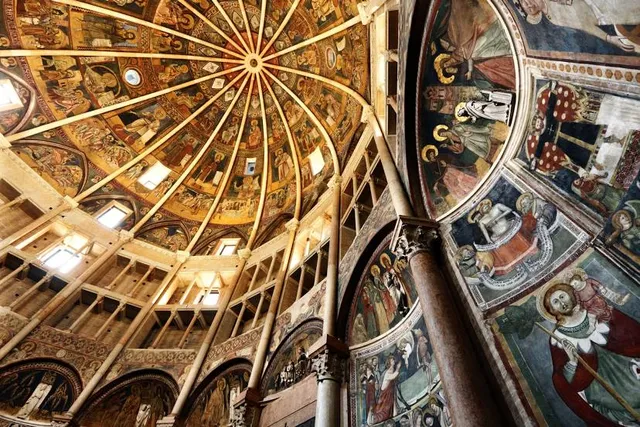
Baptistery of Parma
P.za Duomo, 43121 Parma PR, Italy
Chiesa di San Francesco del Prato
Piazzale San Francesco, 5, 43121 Parma PR, Italy
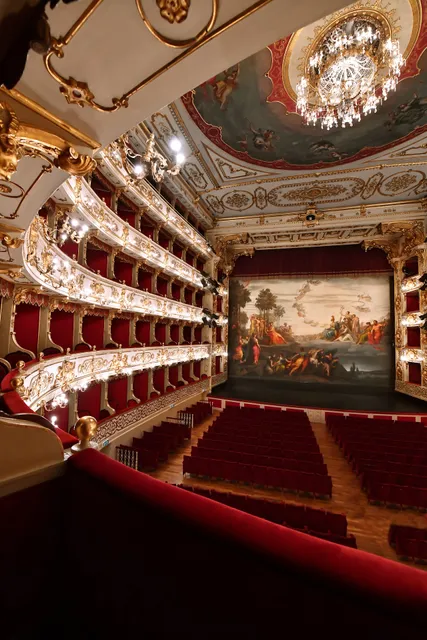
Teatro Regio
Str. Giuseppe Garibaldi, 16/a, 43121 Parma PR, Italy
Governor's Palace
Piazza Giuseppe Garibaldi, 19, 43100 Parma PR, Italy
Palazzo Pigorini
Str. della Repubblica, 29A, 43121 Parma PR, Italy
Museo Diocesano, Parma
Vicolo Vescovado, 3, 43121 Parma PR, Italy
House of Sound
Piazzale Salvo D'Acquisto, 11, 43121 Parma PR, Italy
Camera di San Paolo e Cella di Santa Caterina
Strada Macedonio Melloni, 3, 43121 Parma PR, Italy
Pinacoteca Stuard
Borgo del Parmigianino, 2, 43121 Parma PR, Italy
Nearby restaurants
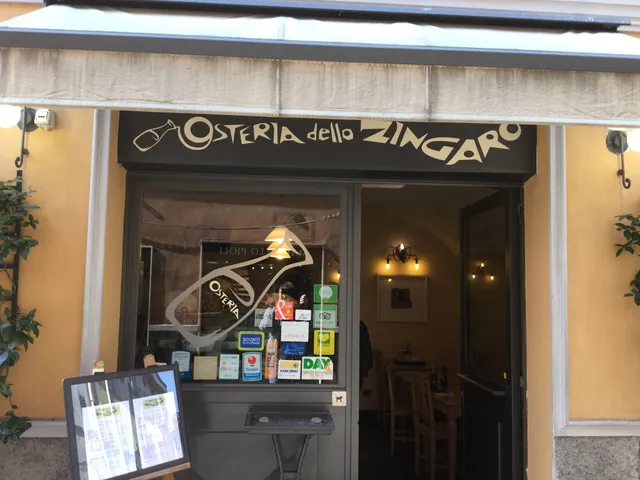
Osteria Dello Zingaro
Borgo del Correggio, 5/B, 43100 Parma PR, Italy
Angiol d'Or
Via Scutellari, 1, 43121 Parma PR, Italy
Cortex Bistrot
Borgo del Correggio, 20/B, 43121 Parma PR, Italy
Ristorante La Forchetta
Borgo S. Biagio, 6/D, 43121 Parma PR, Italy
Ristorante Atmosfera Parma
Borgo S. Biagio, 6/E, 43121 Parma PR, Italy
Borgo 20 | Ristorante Gourmet nel Centro di Parma – Accanto al Duomo
Borgo Venti Marzo, 14, 43121 Parma PR, Italy
La Filoma
Borgo Venti Marzo, 15, 43121 Parma PR, Italy
Tra L'uss e L'asa
Borgo S. Biagio, 6/c, 43121 Parma PR, Italy
Uagliò - Parma
Strada Cavour, 37, 43121 Parma PR, Italy
Osteria Rangon
Borgo delle Colonne, 26, 43121 Parma PR, Italy
Nearby hotels
Palazzo Dalla Rosa Prati
Str. Duomo, 7, 43121 Parma PR, Italy
Residence Liberty - Residence in Parma
Piazzale Salvo D'Acquisto, 15, 43121 Parma PR, Italy
Hotel Torino
Borgo Angelo Mazza, 7, 43121 Parma PR, Italy
B & B Parma Cathedral
Str. Sant'Anna, 12, 43121 Parma PR, Italy
Hotel Button
Borgo della Salina, 7, 43121 Parma PR, Italy
The Host
Vicolo delle Asse, 1, 43121 Parma PR, Italy
B&B San Francesco
Borgo Retto, 6, 43121 Parma PR, Italy
Borgo 35
Borgo delle Colonne, 35, 43121 Parma PR, Italy
Parmigianino Nove
Borgo del Parmigianino, 9, 43121 Parma PR, Italy
Parma Central Apartments
Borgo Venti Marzo, 2, 43121 Parma PR, Italy
Related posts
Keywords
San Giovanni Evangelista tourism.San Giovanni Evangelista hotels.San Giovanni Evangelista bed and breakfast. flights to San Giovanni Evangelista.San Giovanni Evangelista attractions.San Giovanni Evangelista restaurants.San Giovanni Evangelista travel.San Giovanni Evangelista travel guide.San Giovanni Evangelista travel blog.San Giovanni Evangelista pictures.San Giovanni Evangelista photos.San Giovanni Evangelista travel tips.San Giovanni Evangelista maps.San Giovanni Evangelista things to do.
San Giovanni Evangelista things to do, attractions, restaurants, events info and trip planning
San Giovanni Evangelista
ItalyEmilia-RomagnaParmaSan Giovanni Evangelista

Basic Info

San Giovanni Evangelista

Piazzale S. Giovanni, 1, 43121 Parma PR, Italy
4.6(343)
Open 24 hours
Save
spot

Ratings & Description

Info

Cultural
Accessibility
attractions: Cattedrale di Parma, Baptistery of Parma, Chiesa di San Francesco del Prato, Teatro Regio, Governor's Palace, Palazzo Pigorini, Museo Diocesano, Parma, House of Sound, Camera di San Paolo e Cella di Santa Caterina, Pinacoteca Stuard, restaurants: Osteria Dello Zingaro, Angiol d'Or, Cortex Bistrot, Ristorante La Forchetta, Ristorante Atmosfera Parma, Borgo 20 | Ristorante Gourmet nel Centro di Parma – Accanto al Duomo, La Filoma, Tra L'uss e L'asa, Uagliò - Parma, Osteria Rangon
logoLearn more insights from Wanderboat AI.
Phone
+39 0521 165 1508
Website
monasterosangiovanni.com

Plan your stay

hotel
Pet-friendly Hotels in Parma
Find a cozy hotel nearby and make it a full experience.

hotel
Affordable Hotels in Parma
Find a cozy hotel nearby and make it a full experience.

hotel
The Coolest Hotels You Haven't Heard Of (Yet)
Find a cozy hotel nearby and make it a full experience.

hotel
Trending Stays Worth the Hype in Parma
Find a cozy hotel nearby and make it a full experience.

Reviews

Nearby attractions of San Giovanni Evangelista

Cattedrale di Parma

Baptistery of Parma

Chiesa di San Francesco del Prato

Teatro Regio

Governor's Palace

Palazzo Pigorini

Museo Diocesano, Parma

House of Sound

Camera di San Paolo e Cella di Santa Caterina

Pinacoteca Stuard

Cattedrale di Parma

Cattedrale di Parma

4.7

(4.9K)

Open 24 hours
Click for details
Baptistery of Parma

Baptistery of Parma

4.5

(496)

Open 24 hours
Click for details
Chiesa di San Francesco del Prato

Chiesa di San Francesco del Prato

4.7

(268)

Closed
Click for details
Teatro Regio

Teatro Regio

4.7

(2.2K)

Open 24 hours
Click for details

Things to do nearby

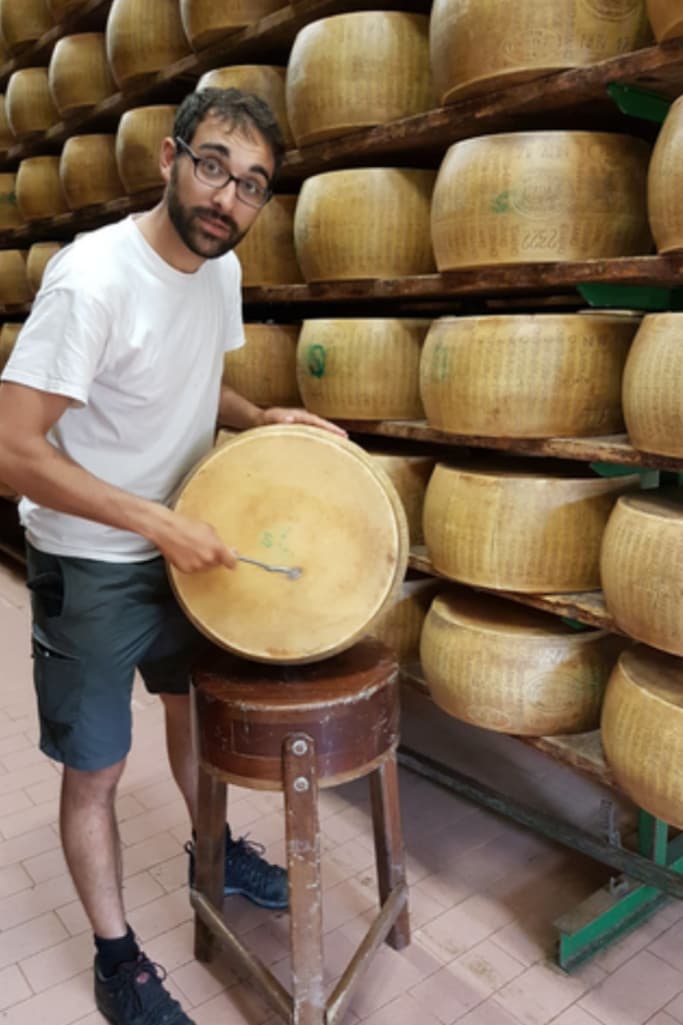
The Secret of Parmigiano Reggiano&Balsamic Vinegar
Wed, Dec 10 • 8:00 AM
42122, Reggio Emilia, Emilia-Romagna, Italy
View details
Taste and see how Parmesan and prosciutto are made
Tue, Dec 9 • 8:30 AM
43122, Parma, Emilia-Romagna, Italy
View details
Homemade Pasta in a Peaceful Medieval Village
Tue, Dec 9 • 11:00 AM
43121, Parma, Emilia-Romagna, Italy
View details
Nearby restaurants of San Giovanni Evangelista

Osteria Dello Zingaro

Angiol d'Or

Cortex Bistrot

Ristorante La Forchetta

Ristorante Atmosfera Parma

Borgo 20 | Ristorante Gourmet nel Centro di Parma – Accanto al Duomo

La Filoma

Tra L'uss e L'asa

Uagliò - Parma

Osteria Rangon

Osteria Dello Zingaro

Osteria Dello Zingaro

4.4

(554)

Click for details
Angiol d'Or

Angiol d'Or

4.5

(691)

Click for details
Cortex Bistrot

Cortex Bistrot

4.8

(279)

$$

Click for details
Ristorante La Forchetta

Ristorante La Forchetta

4.5

(697)

$$

Click for details
Get the Appoverlay
Get the AppOne tap to find yournext favorite spots!
Wanderboat LogoWanderboat

Your everyday Al companion for getaway ideas

CompanyAbout Us
InformationAI Trip PlannerSitemap
SocialXInstagramTiktokLinkedin
LegalTerms of ServicePrivacy Policy

Get the app

© 2025 Wanderboat. All rights reserved.
logo

Posts

Scott G.Scott G.
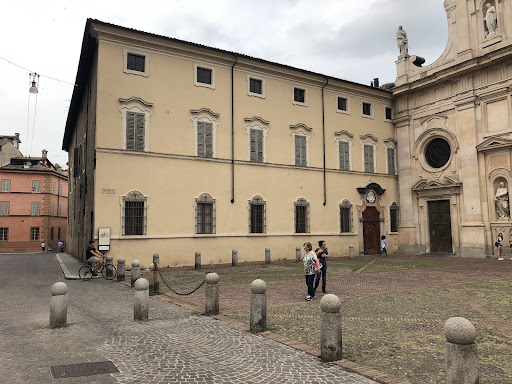
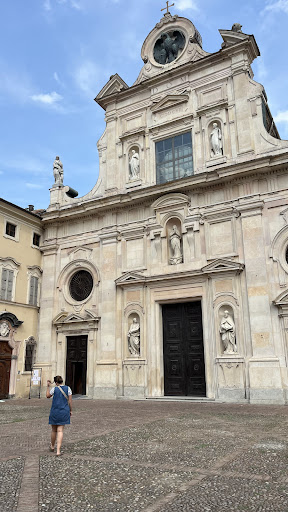
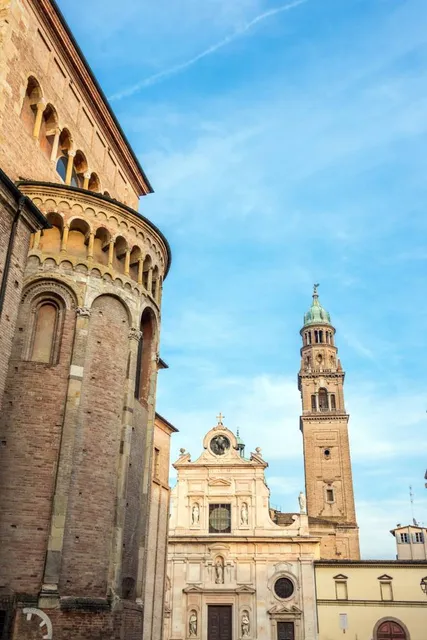
My wife and I stayed in Parma for a full month, and visiting San Giovanni Evangelista was one of those moments that reminded us why Italy feels like a living museum. Tucked just behind the famous Parma Cathedral, this 16th-century Benedictine church and monastery feels peaceful even when the city is busy. From the outside it looks almost understated, but once you step inside, you realize why people whisper in awe. The ceiling frescoes by Correggio are absolutely breathtaking. Standing beneath them, you can feel the energy and faith that went into every brushstroke. The light changes through the day and makes the colors shift, so no two visits feel the same. We found ourselves returning more than once, each time noticing new details in the artwork and architecture that we somehow missed before. There is a calm courtyard connected to the cloister that feels like a world away from modern life. You can hear faint bells, the echo of footsteps, and the soft hum of the city beyond the walls. It’s hard to describe how peaceful it feels—almost meditative. If you are staying in Parma, take the time to walk here slowly, maybe after an espresso at one of the nearby cafés. The area around Borgo Pipa and Via Scutellari is full of charm, and you can easily pair this visit with a stop at the Cathedral or Baptistery nearby. We’ve seen many churches during our month in Italy, but San Giovanni Evangelista stands out. It’s not just beautiful—it’s soulful.
Jong Kwon RJong Kwon R
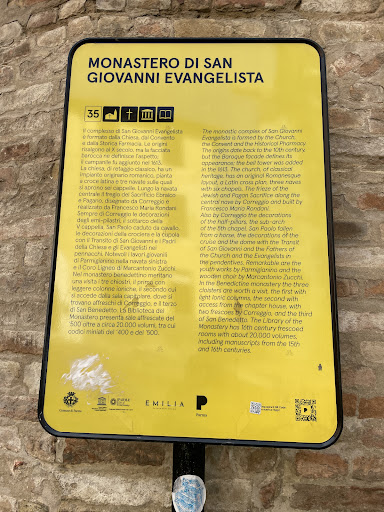
L'abbazia di San Giovanni Evangelista è un complesso benedettino del centro storico di Parma, in Emilia-Romagna. Il vasto insieme di edifici comprende la chiesa, il monastero e l'antica spezieria. Costruita nel 980 dal vescovo Sigefredo II su un precedente oratorio intitolato a San Colombano, l'abbazia viene affidata al primo abate Giovanni, canonico del Capitolo della Cattedrale di Parma. Nel 1477 l'intero complesso venne danneggiato da un incendio. La basilica abbaziale venne ricostruita a partire dal 1490 circa, con un progetto definitivo nel 1510 a opera di Bernardino Zaccagni. I lavori dovettero concludersi verso il 1519. Fin dai progetti originari l'abate Girolamo Spinola aveva previsto di scandire gli spazi architettonici con un'ampia decorazione pittorica, assicurandosi precocemente il giovane Correggio. In San Giovanni Correggio eseguì cinque imprese ad affresco. La prima è in genere considerata la lunetta con il San Giovanni e l'aquila (1520 circa, alla cui data di realizzazione aveva già forse in mente tutto il complesso decorativo), seguita dalla cupola in cui si trovano l'Ascensione di Cristo corredata dalla decorazione del tamburo e dei quattro pennacchi. La terza impresa riguardava la decorazione della volta e il catino dell'abside della Cappella Maggiore, opera parzialmente distrutta nel 1586 con il prolungamento del coro, della quale resta oggi il grosso frammento centrale dell'Incoronazione della Vergine alla Galleria nazionale di Parma. La quarta riguardò le pareti del coro, completamente distrutte con l'ampliamento. La quinta il fregio pittorico che corre lungo tutto il perimetro interno, ancora in situ. Disegni preparatori simostrano come anche parti lasciate ai collaboratori vennero progettate da Correggio, come le candelabre che corrono a lati del costoloni della volta sul presbiterio e le figure di putti sulle vele. Infine a San Giovanni Correggio lasciò verso il 1524 due tele nella Cappella del Bono, oggi alla Galleria nazionale di Parma: il Compianto sul Cristo morto e il Martirio di quattro santi. . . . The abbey of San Giovanni Evangelista is a Benedictine complex in the historic center of Parma, in Emilia-Romagna. The vast collection of buildings includes the church, the monastery and the ancient apothecary. Built in 980 by Bishop Sigefredo II on a previous oratory dedicated to San Colombano, the abbey is entrusted to the first abbot Giovanni, canon of the Chapter of the Cathedral of Parma. In 1477 the whole complex was damaged by fire. The abbey basilica was rebuilt from around 1490, with a definitive project in 1510 by Bernardino Zaccagni. The work had to end around 1519. Since the original projects the abbot Girolamo Spinola had planned to scan the architectural spaces with a wide pictorial decoration, ensuring the young Correggio at an early stage. In San Giovanni Correggio executed five frescoes. The first is generally considered to be the lunette with the San Giovanni and the eagle (around 1520, whose date of realization already had in mind the entire decorative complex), followed by the dome containing the Ascension of Christ accompanied by the decoration of the drum and four pendentives. The third undertaking concerned the decoration of the vault and the apse of the Cappella Maggiore, a work partially destroyed in 1586 with the extension of the choir, of which the large central fragment of the Coronation of the Virgin at the National Gallery of Parma remains today. The fourth concerned the walls of the choir, completely destroyed by enlargement. The fifth is the pictorial frieze that runs along the entire internal perimeter, still in situ. Preparatory drawings resemble the parts left to collaborators that were designed by Correggio, such as the candelabras that run along the ribs of the vault over the presbytery and the figures of cherubs on the sails. Finally in San Giovanni Correggio he left around 1524 two paintings in the Cappella del Bono, today at the National Gallery of Parma: the Lamentation on the Dead Christ and the Martyrdom of Four Saints.
Michele SoldovieriMichele Soldovieri
L'apertura pomeridiana ha consentito al viandante di effettuare una breve ancorché intensa visita a questa splendida chiesa, al cui interno rifulgono due autentici capolavori del Correggio. Ci si prepara alla visita del monastero attiguo con l'alzare lo sguardo in alto per cogliere se nella superficie emisferica della cupola del San Giovanni evangelista, il colore diffuso dal Correggio abbia esaltato maggiormente le figure degli apostoli o quella del Cristo in ascensione. Ebbene, il tratto del Correggio ha un andamento lineare ed equilibrato e le figure degli apostoli ben rappresentate, compresa quella di Giovanni ritratto in età assai avanzata mentre il Cristo è raffigurato nella posizione centrale come assessore portante della narrazione pittorica. La lunetta affrescata dallo stesso Correggio desta nello sguardo di chi l'ammira per la prima volta, lo stupore e la meraviglia per l'essenzialità della composizione in cui sono rappresentate le figure dell'evangelista e dell'aquila che simboleggia un passo del suo vangelo. La visita è incentrata principalmente nella zona del presbiterio e dei due transetti dove sono collocate le vette supreme della rappresentazione artistica del Correggio mentre ci si è dovuti attenere dalla visita delle cappelle laterali. In controfacciata una poco illuminata tela del Metano raffigurante il sogno di San Giovanni nell'isola di Patmos si impone per la sua monumentalità.
See more posts
See more posts
hotel
Find your stay

Pet-friendly Hotels in Parma

Find a cozy hotel nearby and make it a full experience.

My wife and I stayed in Parma for a full month, and visiting San Giovanni Evangelista was one of those moments that reminded us why Italy feels like a living museum. Tucked just behind the famous Parma Cathedral, this 16th-century Benedictine church and monastery feels peaceful even when the city is busy. From the outside it looks almost understated, but once you step inside, you realize why people whisper in awe. The ceiling frescoes by Correggio are absolutely breathtaking. Standing beneath them, you can feel the energy and faith that went into every brushstroke. The light changes through the day and makes the colors shift, so no two visits feel the same. We found ourselves returning more than once, each time noticing new details in the artwork and architecture that we somehow missed before. There is a calm courtyard connected to the cloister that feels like a world away from modern life. You can hear faint bells, the echo of footsteps, and the soft hum of the city beyond the walls. It’s hard to describe how peaceful it feels—almost meditative. If you are staying in Parma, take the time to walk here slowly, maybe after an espresso at one of the nearby cafés. The area around Borgo Pipa and Via Scutellari is full of charm, and you can easily pair this visit with a stop at the Cathedral or Baptistery nearby. We’ve seen many churches during our month in Italy, but San Giovanni Evangelista stands out. It’s not just beautiful—it’s soulful.
Scott G.

Scott G.

hotel
Find your stay

Affordable Hotels in Parma

Find a cozy hotel nearby and make it a full experience.

Get the Appoverlay
Get the AppOne tap to find yournext favorite spots!
L'abbazia di San Giovanni Evangelista è un complesso benedettino del centro storico di Parma, in Emilia-Romagna. Il vasto insieme di edifici comprende la chiesa, il monastero e l'antica spezieria. Costruita nel 980 dal vescovo Sigefredo II su un precedente oratorio intitolato a San Colombano, l'abbazia viene affidata al primo abate Giovanni, canonico del Capitolo della Cattedrale di Parma. Nel 1477 l'intero complesso venne danneggiato da un incendio. La basilica abbaziale venne ricostruita a partire dal 1490 circa, con un progetto definitivo nel 1510 a opera di Bernardino Zaccagni. I lavori dovettero concludersi verso il 1519. Fin dai progetti originari l'abate Girolamo Spinola aveva previsto di scandire gli spazi architettonici con un'ampia decorazione pittorica, assicurandosi precocemente il giovane Correggio. In San Giovanni Correggio eseguì cinque imprese ad affresco. La prima è in genere considerata la lunetta con il San Giovanni e l'aquila (1520 circa, alla cui data di realizzazione aveva già forse in mente tutto il complesso decorativo), seguita dalla cupola in cui si trovano l'Ascensione di Cristo corredata dalla decorazione del tamburo e dei quattro pennacchi. La terza impresa riguardava la decorazione della volta e il catino dell'abside della Cappella Maggiore, opera parzialmente distrutta nel 1586 con il prolungamento del coro, della quale resta oggi il grosso frammento centrale dell'Incoronazione della Vergine alla Galleria nazionale di Parma. La quarta riguardò le pareti del coro, completamente distrutte con l'ampliamento. La quinta il fregio pittorico che corre lungo tutto il perimetro interno, ancora in situ. Disegni preparatori simostrano come anche parti lasciate ai collaboratori vennero progettate da Correggio, come le candelabre che corrono a lati del costoloni della volta sul presbiterio e le figure di putti sulle vele. Infine a San Giovanni Correggio lasciò verso il 1524 due tele nella Cappella del Bono, oggi alla Galleria nazionale di Parma: il Compianto sul Cristo morto e il Martirio di quattro santi. . . . The abbey of San Giovanni Evangelista is a Benedictine complex in the historic center of Parma, in Emilia-Romagna. The vast collection of buildings includes the church, the monastery and the ancient apothecary. Built in 980 by Bishop Sigefredo II on a previous oratory dedicated to San Colombano, the abbey is entrusted to the first abbot Giovanni, canon of the Chapter of the Cathedral of Parma. In 1477 the whole complex was damaged by fire. The abbey basilica was rebuilt from around 1490, with a definitive project in 1510 by Bernardino Zaccagni. The work had to end around 1519. Since the original projects the abbot Girolamo Spinola had planned to scan the architectural spaces with a wide pictorial decoration, ensuring the young Correggio at an early stage. In San Giovanni Correggio executed five frescoes. The first is generally considered to be the lunette with the San Giovanni and the eagle (around 1520, whose date of realization already had in mind the entire decorative complex), followed by the dome containing the Ascension of Christ accompanied by the decoration of the drum and four pendentives. The third undertaking concerned the decoration of the vault and the apse of the Cappella Maggiore, a work partially destroyed in 1586 with the extension of the choir, of which the large central fragment of the Coronation of the Virgin at the National Gallery of Parma remains today. The fourth concerned the walls of the choir, completely destroyed by enlargement. The fifth is the pictorial frieze that runs along the entire internal perimeter, still in situ. Preparatory drawings resemble the parts left to collaborators that were designed by Correggio, such as the candelabras that run along the ribs of the vault over the presbytery and the figures of cherubs on the sails. Finally in San Giovanni Correggio he left around 1524 two paintings in the Cappella del Bono, today at the National Gallery of Parma: the Lamentation on the Dead Christ and the Martyrdom of Four Saints.
Jong Kwon R

Jong Kwon R

hotel
Find your stay

The Coolest Hotels You Haven't Heard Of (Yet)

Find a cozy hotel nearby and make it a full experience.

hotel
Find your stay

Trending Stays Worth the Hype in Parma

Find a cozy hotel nearby and make it a full experience.

L'apertura pomeridiana ha consentito al viandante di effettuare una breve ancorché intensa visita a questa splendida chiesa, al cui interno rifulgono due autentici capolavori del Correggio. Ci si prepara alla visita del monastero attiguo con l'alzare lo sguardo in alto per cogliere se nella superficie emisferica della cupola del San Giovanni evangelista, il colore diffuso dal Correggio abbia esaltato maggiormente le figure degli apostoli o quella del Cristo in ascensione. Ebbene, il tratto del Correggio ha un andamento lineare ed equilibrato e le figure degli apostoli ben rappresentate, compresa quella di Giovanni ritratto in età assai avanzata mentre il Cristo è raffigurato nella posizione centrale come assessore portante della narrazione pittorica. La lunetta affrescata dallo stesso Correggio desta nello sguardo di chi l'ammira per la prima volta, lo stupore e la meraviglia per l'essenzialità della composizione in cui sono rappresentate le figure dell'evangelista e dell'aquila che simboleggia un passo del suo vangelo. La visita è incentrata principalmente nella zona del presbiterio e dei due transetti dove sono collocate le vette supreme della rappresentazione artistica del Correggio mentre ci si è dovuti attenere dalla visita delle cappelle laterali. In controfacciata una poco illuminata tela del Metano raffigurante il sogno di San Giovanni nell'isola di Patmos si impone per la sua monumentalità.
Michele Soldovieri

Michele Soldovieri

See more posts
See more posts

Reviews of San Giovanni Evangelista

4.6
(343)
avatar
5.0
9w

My wife and I stayed in Parma for a full month, and visiting San Giovanni Evangelista was one of those moments that reminded us why Italy feels like a living museum. Tucked just behind the famous Parma Cathedral, this 16th-century Benedictine church and monastery feels peaceful even when the city is busy. From the outside it looks almost understated, but once you step inside, you realize why people whisper in awe.

The ceiling frescoes by Correggio are absolutely breathtaking. Standing beneath them, you can feel the energy and faith that went into every brushstroke. The light changes through the day and makes the colors shift, so no two visits feel the same. We found ourselves returning more than once, each time noticing new details in the artwork and architecture that we somehow missed before.

There is a calm courtyard connected to the cloister that feels like a world away from modern life. You can hear faint bells, the echo of footsteps, and the soft hum of the city beyond the walls. It’s hard to describe how peaceful it feels—almost meditative.

If you are staying in Parma, take the time to walk here slowly, maybe after an espresso at one of the nearby cafés. The area around Borgo Pipa and Via Scutellari is full of charm, and you can easily pair this visit with a stop at the Cathedral or Baptistery nearby.

We’ve seen many churches during our month in Italy, but San Giovanni Evangelista stands out. It’s not just...

   Read more
avatar
5.0
6y

L'abbazia di San Giovanni Evangelista è un complesso benedettino del centro storico di Parma, in Emilia-Romagna. Il vasto insieme di edifici comprende la chiesa, il monastero e l'antica spezieria. Costruita nel 980 dal vescovo Sigefredo II su un precedente oratorio intitolato a San Colombano, l'abbazia viene affidata al primo abate Giovanni, canonico del Capitolo della Cattedrale di Parma. Nel 1477 l'intero complesso venne danneggiato da un incendio. La basilica abbaziale venne ricostruita a partire dal 1490 circa, con un progetto definitivo nel 1510 a opera di Bernardino Zaccagni. I lavori dovettero concludersi verso il 1519. Fin dai progetti originari l'abate Girolamo Spinola aveva previsto di scandire gli spazi architettonici con un'ampia decorazione pittorica, assicurandosi precocemente il giovane Correggio. In San Giovanni Correggio eseguì cinque imprese ad affresco. La prima è in genere considerata la lunetta con il San Giovanni e l'aquila (1520 circa, alla cui data di realizzazione aveva già forse in mente tutto il complesso decorativo), seguita dalla cupola in cui si trovano l'Ascensione di Cristo corredata dalla decorazione del tamburo e dei quattro pennacchi. La terza impresa riguardava la decorazione della volta e il catino dell'abside della Cappella Maggiore, opera parzialmente distrutta nel 1586 con il prolungamento del coro, della quale resta oggi il grosso frammento centrale dell'Incoronazione della Vergine alla Galleria nazionale di Parma. La quarta riguardò le pareti del coro, completamente distrutte con l'ampliamento. La quinta il fregio pittorico che corre lungo tutto il perimetro interno, ancora in situ. Disegni preparatori simostrano come anche parti lasciate ai collaboratori vennero progettate da Correggio, come le candelabre che corrono a lati del costoloni della volta sul presbiterio e le figure di putti sulle vele. Infine a San Giovanni Correggio lasciò verso il 1524 due tele nella Cappella del Bono, oggi alla Galleria nazionale di Parma: il Compianto sul Cristo morto e il Martirio di quattro santi. . . . The abbey of San Giovanni Evangelista is a Benedictine complex in the historic center of Parma, in Emilia-Romagna. The vast collection of buildings includes the church, the monastery and the ancient apothecary. Built in 980 by Bishop Sigefredo II on a previous oratory dedicated to San Colombano, the abbey is entrusted to the first abbot Giovanni, canon of the Chapter of the Cathedral of Parma. In 1477 the whole complex was damaged by fire. The abbey basilica was rebuilt from around 1490, with a definitive project in 1510 by Bernardino Zaccagni. The work had to end around 1519. Since the original projects the abbot Girolamo Spinola had planned to scan the architectural spaces with a wide pictorial decoration, ensuring the young Correggio at an early stage. In San Giovanni Correggio executed five frescoes. The first is generally considered to be the lunette with the San Giovanni and the eagle (around 1520, whose date of realization already had in mind the entire decorative complex), followed by the dome containing the Ascension of Christ accompanied by the decoration of the drum and four pendentives. The third undertaking concerned the decoration of the vault and the apse of the Cappella Maggiore, a work partially destroyed in 1586 with the extension of the choir, of which the large central fragment of the Coronation of the Virgin at the National Gallery of Parma remains today. The fourth concerned the walls of the choir, completely destroyed by enlargement. The fifth is the pictorial frieze that runs along the entire internal perimeter, still in situ. Preparatory drawings resemble the parts left to collaborators that were designed by Correggio, such as the candelabras that run along the ribs of the vault over the presbytery and the figures of cherubs on the sails. Finally in San Giovanni Correggio he left around 1524 two paintings in the Cappella del Bono, today at the National Gallery of Parma: the Lamentation on the Dead Christ and the Martyrdom of...

   Read more
avatar
5.0
1y

L'apertura pomeridiana ha consentito al viandante di effettuare una breve ancorché intensa visita a questa splendida chiesa, al cui interno rifulgono due autentici capolavori del Correggio. Ci si prepara alla visita del monastero attiguo con l'alzare lo sguardo in alto per cogliere se nella superficie emisferica della cupola del San Giovanni evangelista, il colore diffuso dal Correggio abbia esaltato maggiormente le figure degli apostoli o quella del Cristo in ascensione. Ebbene, il tratto del Correggio ha un andamento lineare ed equilibrato e le figure degli apostoli ben rappresentate, compresa quella di Giovanni ritratto in età assai avanzata mentre il Cristo è raffigurato nella posizione centrale come assessore portante della narrazione pittorica. La lunetta affrescata dallo stesso Correggio desta nello sguardo di chi l'ammira per la prima volta, lo stupore e la meraviglia per l'essenzialità della composizione in cui sono rappresentate le figure dell'evangelista e dell'aquila che simboleggia un passo del suo vangelo. La visita è incentrata principalmente nella zona del presbiterio e dei due transetti dove sono collocate le vette supreme della rappresentazione artistica del Correggio mentre ci si è dovuti attenere dalla visita delle cappelle laterali. In controfacciata una poco illuminata tela del Metano raffigurante il sogno di San Giovanni nell'isola di Patmos si impone per la sua...

   Read more
Page 1 of 7
Previous
Next