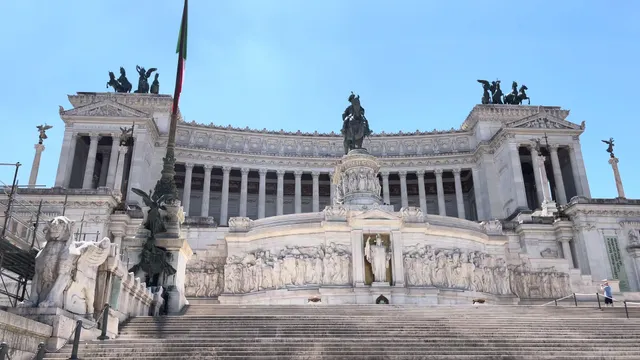
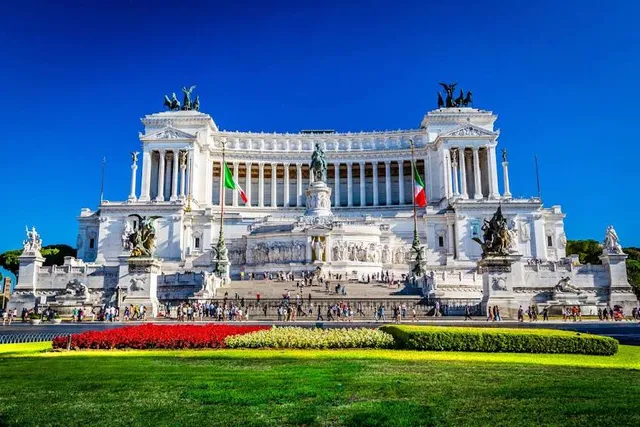
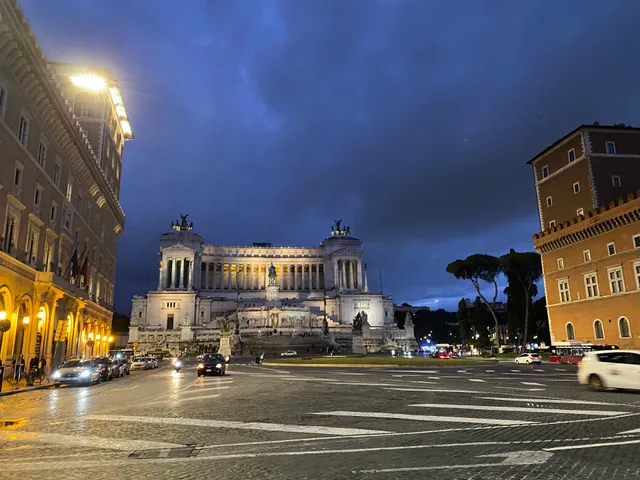
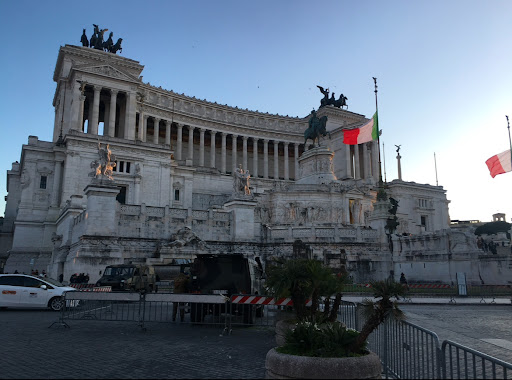
Altare della Patria (Vittoriano) – A Must-See Monument in Rome The "Altare della Patria" (Altar of the Fatherland), also known as the "Vittoriano", is one of Rome’s most iconic landmarks. This grand white marble monument, dedicated to Italy’s first king, "Victor Emmanuel II", and honoring Italian unification, dominates "Piazza Venezia" with its neoclassical design. Here’s everything you need to know to plan your visit:
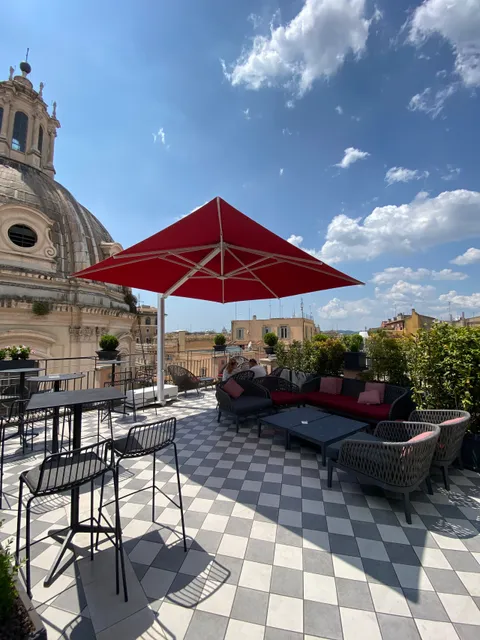
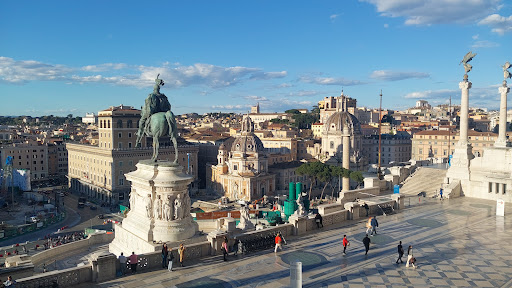
What to Do & See Explore the Monument: Admire the intricate sculptures, including the statue of "Victor Emmanuel II" and the "Tomb of the Unknown Soldier", guarded by soldiers. Don’t miss the "eternal flame" and the hourly changing of the guard (simple but solemn). Climb the "Terrazza delle Quadrighe" (Terrace of the Chariots) via elevator for 360° panoramic views of Rome. Highlights include the Colosseum, Roman Forum, and St. Peter’s Dome. Spectacular pictures!
Visit the Museums: The "Risorgimento Museum" (free entry) inside the monument traces Italy’s unification history. Temporary art exhibitions are often hosted in the galleries (check for current shows).
Tickets & Practical Tips Cost: Monument grounds: Free to explore. Terrace elevator: €17 for adults (book online), €5 for kids 10–18. Under 10 free. Combo tickets with the "Ara Pacis" or other sites are occasionally available.
Tips: Buy terrace tickets online to skip lines. Visit early (opens 9:30 AM) or late afternoon for fewer crowds and golden-hour photos. Dress respectfully at the Tomb of the Unknown Soldier (no bare shoulders/shorts).
How to Get There Address: Piazza Venezia, 00186 Rome. Impossible to miss! Public Transport: Bus: Lines 40, 60, 64, 70, or H to Piazza Venezia. Metro: Take Line B to "Colosseo" station, then a 10-minute walk. Walking: Easily reached from the Roman Forum (5 mins), Trevi Fountain (15 mins), or the Colosseum (10 mins).
Time Needed Quick visit (exterior + Tomb of the Unknown Soldier): 30–45 minutes. Full experience (terrace + museum): 1.5–2 hours.
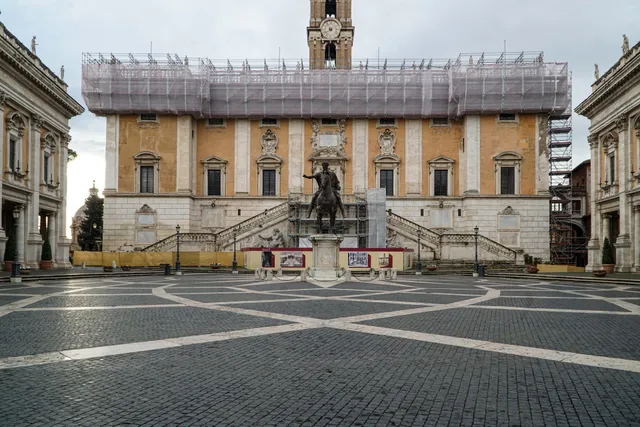
Nearby Attractions Roman Forum & Colosseum: Steps away – pair your visit. Capitoline Museums: 3-minute walk, home to ancient Roman art. Piazza Venezia: Soak in the buzz of this historic square.
Final Thoughts The "Altare della Patria", "Vittoriano", is a symbol of Italy’s pride and offers a mix of history, art, and stunning views. ts grandeur is undeniable.
Rating: 5 – A must for history buffs and photographers!
Pro Tip: After your visit, grab a "Gelato" at some good "Gelateria" (ice-cream shop in italian), just 15 mins away in the city center area, or enjoy a coffee at a nearby café while people-watching in Piazza Venezia.
Plan ahead, wear comfy shoes, and prepare to be awed by Rome’s skyline from above!
Welcome to Italia, to Roma,...
Read moreThe Altare della Patria (Altar of the Fatherland), also known as the Vittoriano, is a monumental structure located in Piazza Venezia, Rome. It was built to honor Victor Emmanuel II, the first king of a unified Italy. The monument is a symbol of Italian national unity and pride.
Key Features: • Construction: Designed by Giuseppe Sacconi, it was constructed between 1885 and 1935. • Architecture: The Altare della Patria is characterized by its grand neoclassical style, with white Botticino marble, massive columns, and elaborate staircases. • Victor Emmanuel II Statue: At its center is an equestrian statue of Victor Emmanuel II, surrounded by allegorical statues representing Italy’s regions. • Tomb of the Unknown Soldier: Below the statue lies the Tomb of the Unknown Soldier, established in 1921 to commemorate Italian soldiers who died during World War I. An eternal flame burns here, guarded by soldiers.
Significance: • The monument offers a panoramic terrace, accessible via an elevator, which provides stunning views of Rome. • Despite its grandeur, the Altare della Patria has faced criticism for its imposing design, earning nicknames like the “typewriter” and the “wedding cake.”
Today, it serves as both a major tourist attraction and a site for...
Read moreThe “Altare della Patria” – also known as the Victor Emmanuel II Monument – is that massive white building in Piazza Venezia, right in the center of Rome. It was built to honor Victor Emmanuel II, the first king of a united Italy. Construction started in 1885, and while it was partially ready by 1911 for a big international expo, the whole monument wasn’t fully completed until 1935!
One of the coolest parts is the giant equestrian statue of Victor Emmanuel II. It’s huge — the horse alone is about 12 meters tall, and they used 50 tons of bronze to build it. There’s even a fun story: during construction, workers and architects apparently had a full dinner inside the belly of the horse. Yes, seriously — like a mini banquet inside a statue!
Under the monument, there’s the Tomb of the Unknown Soldier, added in 1921. It honors all the unidentified Italian soldiers who died in World War I, and it’s always guarded by soldiers in uniform — a really powerful national symbol.
And why do people call it the “wedding cake”? Well, because it’s big, white, full of columns, staircases, and fancy details — it literally looks like a multi-tiered wedding cake. Some people also jokingly call it the “typewriter” because of its shape.
So, it’s a bit dramatic, definitely eye-catching, and packed with history — a real icon of Rome! l’Altare della Patria è quel monumento gigante tutto bianco che si trova in Piazza Venezia. È stato costruito per celebrare l’unità d’Italia e onorare Vittorio Emanuele II, il primo re dell’Italia unita. I lavori sono cominciati nel 1885 e, anche se una parte era già pronta per l’Esposizione Internazionale del 1911, ci hanno messo fino al 1935 per finirlo tutto!
Una delle cose più spettacolari è la statua equestre di Vittorio Emanuele II al centro del monumento. È enorme: pensa che solo il cavallo è alto 12 metri, e per costruirla hanno usato ben 50 tonnellate di bronzo fuso. C’è anche una leggenda divertente: durante i lavori, pare che abbiano fatto una cena dentro il corpo del cavallo, con tavola apparecchiata e tutto! Un vero banchetto tra operai e architetti!
Sotto c’è la Tomba del Milite Ignoto, un soldato senza nome caduto nella Prima Guerra Mondiale. È lì dal 1921, ed è sempre sorvegliata da due militari in uniforme: è un simbolo fortissimo per l’Italia.
E perché lo chiamano “la torta nuziale”? Beh, è tutto bianco, pieno di colonne, scalinate, decorazioni, statue… insomma, a molti ricorda proprio una torta a piani da matrimonio! E altri, con affetto ma un po’ di ironia, lo chiamano anche “la macchina da scrivere” per la forma.
Insomma: è un mix di storia, arte, esagerazione e simboli nazionali… che però resta uno dei posti più iconici (e fotografati) di tutta Roma! آلتاره دلا پاتریا (Altare della Patria) یا همون بنای یادبود ویکتور امانوئل دوم، یه ساختمان خیلی بزرگ و سفیدرنگه که درست وسط شهر رم، توی میدان ونتزیا قرار داره. ساختش از سال ۱۸۸۵ شروع شد و تا سال ۱۹۳۵ طول کشید تا کامل بشه، ولی یه بخشهایی از اون رو برای نمایشگاه جهانی ۱۹۱۱ آماده کرده بودن.
یکی از جالبترین بخشهاش مجسمهی خیلی بزرگ و سوارکاریِ ویکتور امانوئل دومه. فقط خود اسبش حدود ۱۲ متر ارتفاع داره! برای ساختش حدود ۵۰ تُن برنز استفاده کردن. یه داستان بامزه هم هست: وقتی مجسمه رو میساختن، یهبار توی بدن اسب یه مهمونی شام برگزار کردن! بله، واقعاً داخل مجسمه نشستند و غذا خوردن!
پایین بنا، «قبر سرباز گمنام» قرار داره که از سال ۱۹۲۱ اونجاست؛ یه نماد ملی برای گرامیداشت همه سربازهای بینامی که توی جنگ جهانی اول کشته شدن. همیشه هم دو سرباز با لباس رسمی ازش نگهبانی میکنن.
و اما چرا بهش میگن «کیک عروسی»؟ چون خیلی سفید، تزئینی، پر از پله و ستون و مجسمهست — واقعاً شبیه یه کیک چند طبقه عروسیه! یه عده هم با شوخی بهش میگن «ماشین تایپ» چون از دور یه کم شبیهش به نظر میرسه!
در کل، یه جای خاص، پر از تاریخ و سمبلهای ملیه که واقعاً دیدنیش و نماد...
Read more