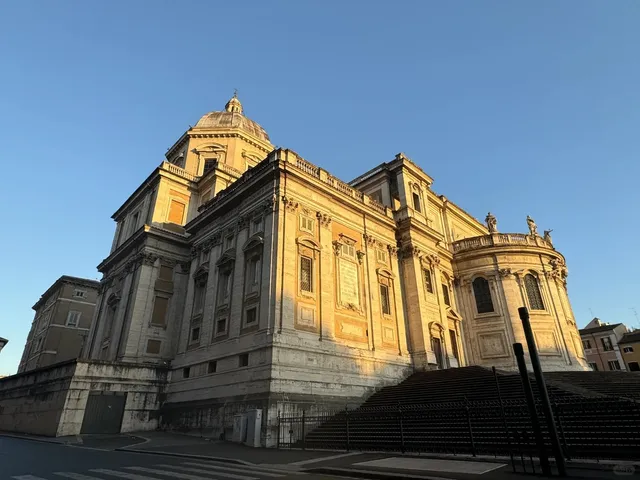
Basilica of Saint Mary of Minerva things to do, attractions, restaurants, events info and trip planning
Basic Info
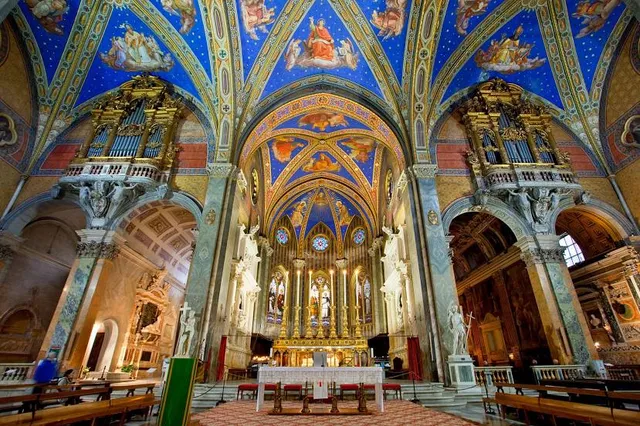
Basilica of Saint Mary of Minerva
Piazza della Minerva, 42, 00186 Roma RM, Italy
4.7(1.5K)
Open until 8:00 PM
Save
spot
spot
Ratings & Description
Info
Santa Maria sopra Minerva is one of the major churches of the Order of Preachers in Rome, Italy. The church's name derives from the fact that the first Christian church structure on the site was built ...
Cultural
Accessibility
attractions: Pantheon, Elephant and Obelisk, Chiesa di Sant'Ignazio di Loyola, Piazza Navona, Largo di Torre Argentina, Il Tempio di Adriano, Obelisco del Pantheon, Chiesa del Gesù, Trevi Fountain, Church of St. Louis of the French, restaurants: Ristorante Pizzeria La Sagrestia, Achille Al Pantheon di Habana, Pantha Rei, Taverna del Seminario, Venchi Cioccolato e Gelato, Roma Via degli Orfani, Pantheon, Hostaria de' Pastini, Pizza e Mozzarella, Sant' Eustachio Caffè, Sant' Eustachio Caffè, Osteria da Fortunata - Pantheon, local businesses: Via della Palombella, 37, laFeltrinelli Books and Music, Doria Pamphili Gallery, Moriondo & Gariglio, La Discoteca al Pantheon, Galleria Alberto Sordi, Angelo Cenci, Mama Bijoux, Piazza La Bella, Palais Cipolla
 Learn more insights from Wanderboat AI.
Phone
+39 333 746 8785
Website
santamariasopraminerva.it
Open hoursSee all hours
Tue8 a.m. - 8 p.m.Open
Plan your stay

Pet-friendly Hotels in Rome
Find a cozy hotel nearby and make it a full experience.

Affordable Hotels in Rome
Find a cozy hotel nearby and make it a full experience.

The Coolest Hotels You Haven't Heard Of (Yet)
Find a cozy hotel nearby and make it a full experience.

Trending Stays Worth the Hype in Rome
Find a cozy hotel nearby and make it a full experience.
Reviews
Live events
LUNA: A Journey to the Moon – un’esperienza immersiva in realtà virtuale a Roma
Wed, Feb 25 • 4:00 PM
Via Trionfale, 7400, Roma, 00136
View details
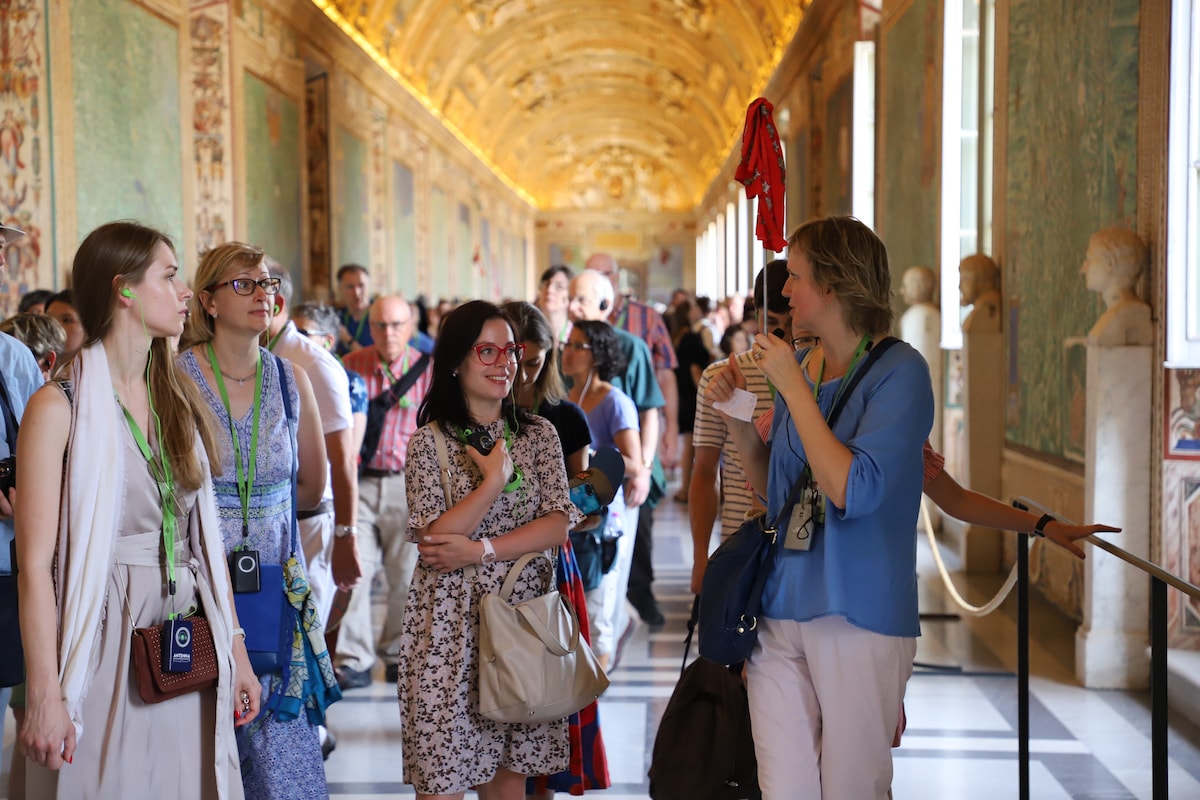
Vatican & St Peters Basilica: unlock the wonders
Wed, Feb 25 • 1:00 PM
00192, Rome, Lazio, Italy
View details
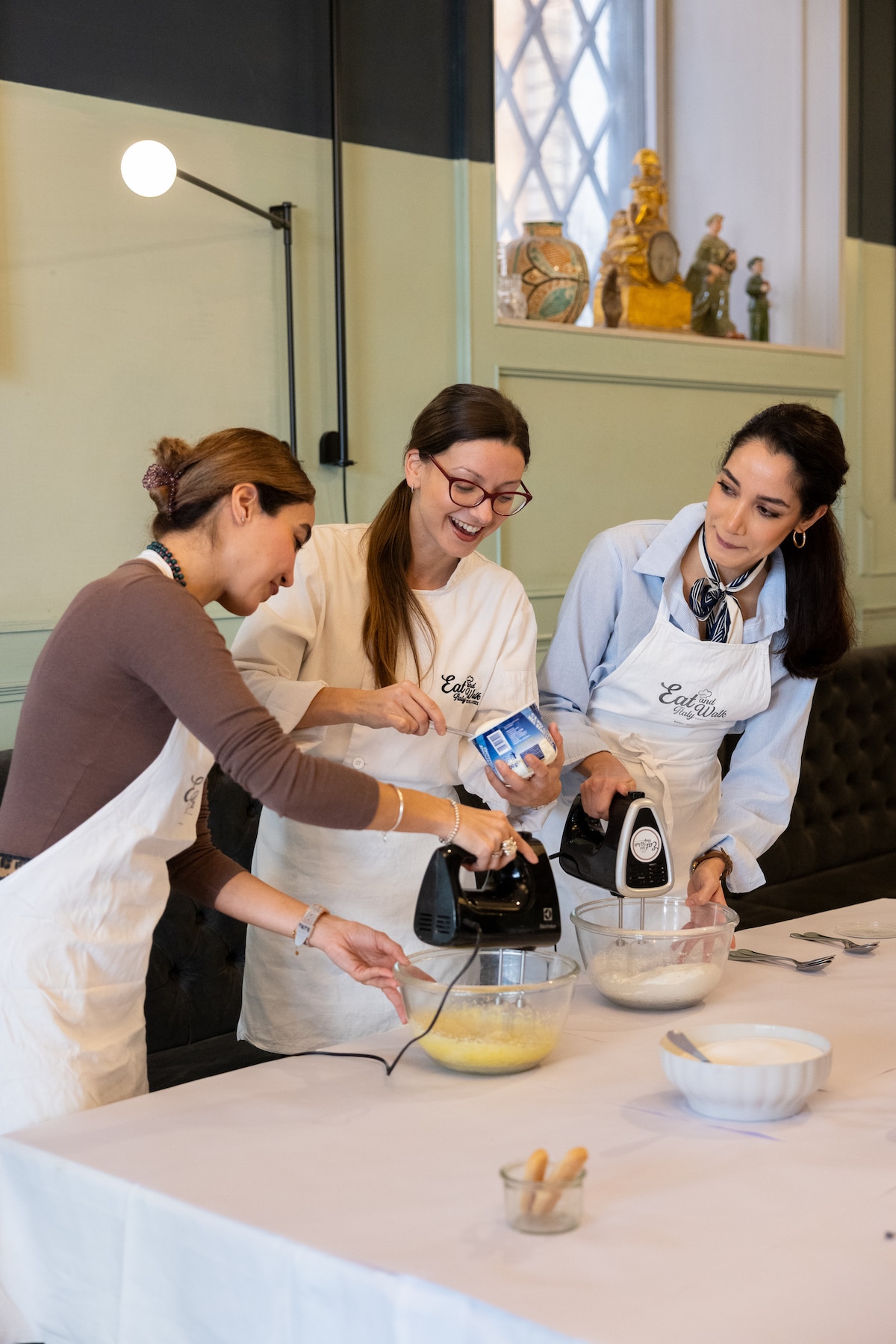
Make Pasta & Tiramisù with Wine and Limoncello
Tue, Feb 24 • 7:30 PM
00186, Rome, Lazio, Italy
View details
Nearby attractions of Basilica of Saint Mary of Minerva
Pantheon
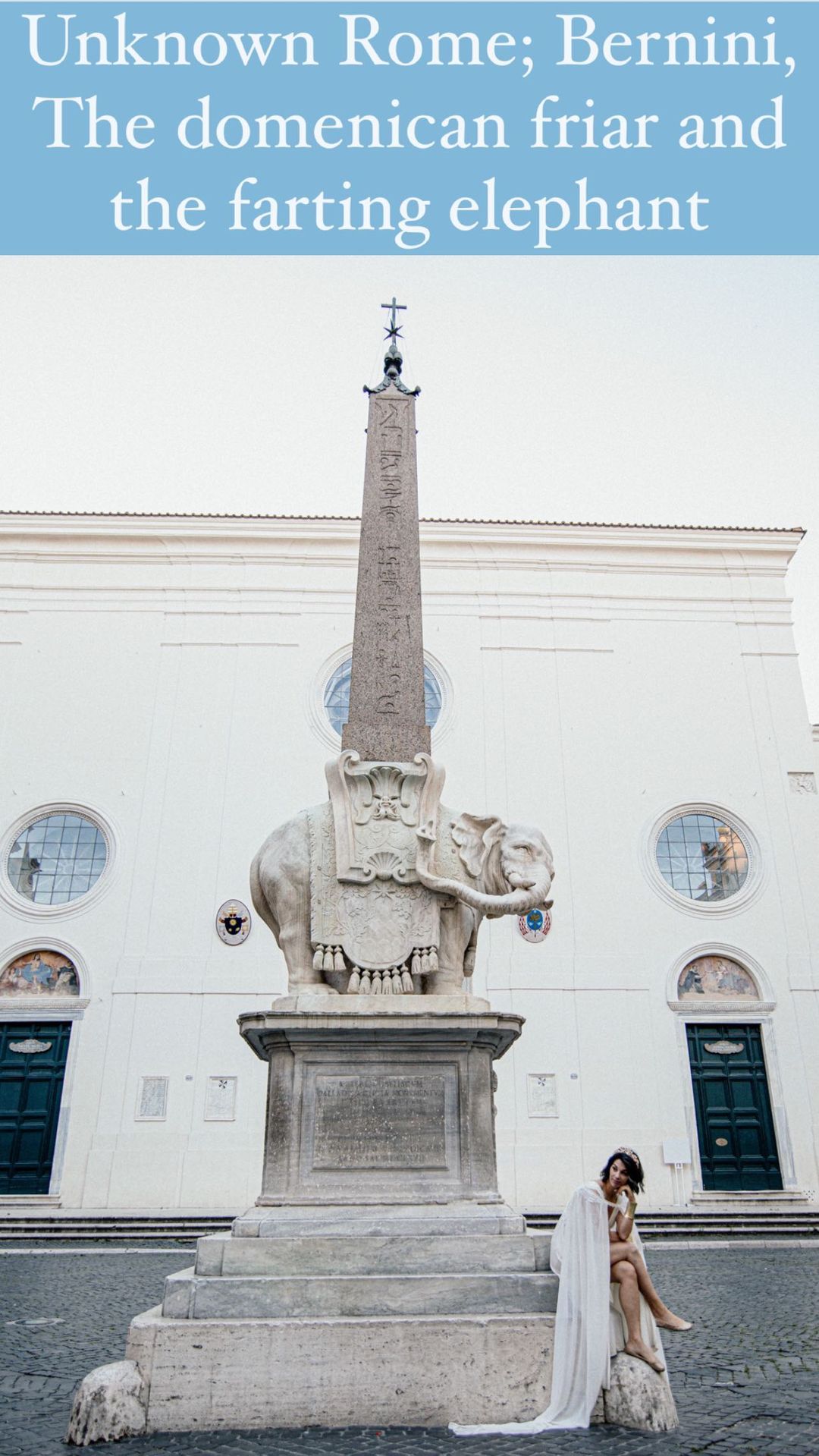
Elephant and Obelisk
Chiesa di Sant'Ignazio di Loyola
Piazza Navona
Largo di Torre Argentina
Il Tempio di Adriano
Obelisco del Pantheon
Chiesa del Gesù
Trevi Fountain
Church of St. Louis of the French
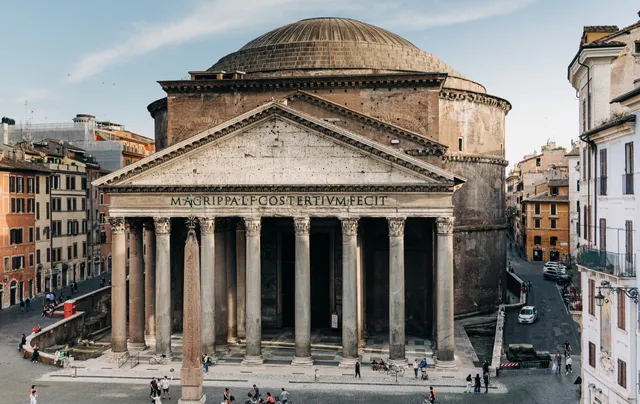
Pantheon
4.8
(82.8K)
Closed
Click for details
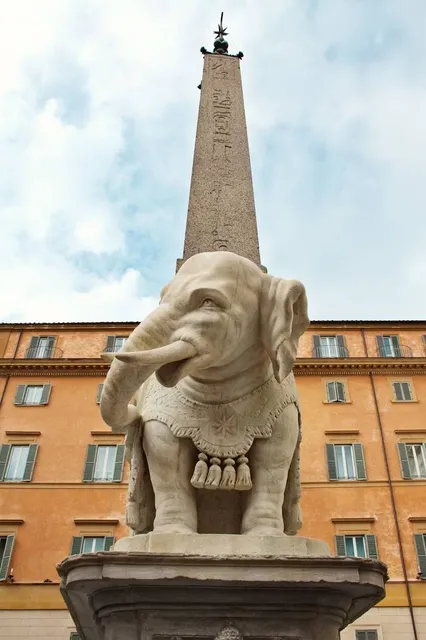
Elephant and Obelisk
4.7
(494)
Open until 12:00 AM
Click for details
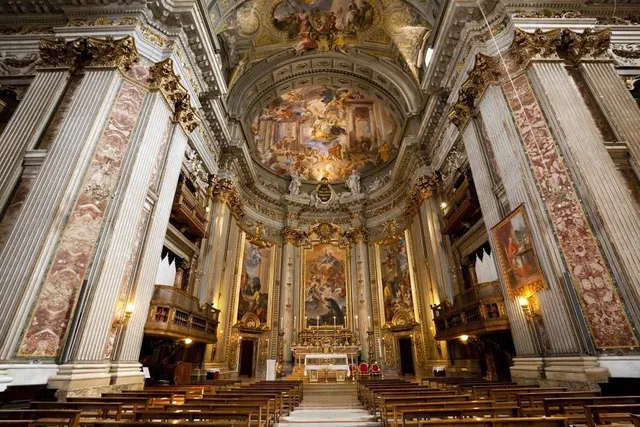
Chiesa di Sant'Ignazio di Loyola
4.8
(7.4K)
Open until 11:30 PM
Click for details
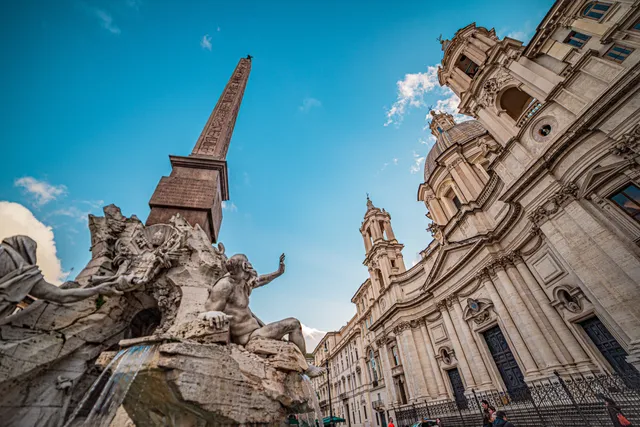
Piazza Navona
4.7
(63.4K)
Open until 12:00 AM
Click for details
Nearby restaurants of Basilica of Saint Mary of Minerva
Ristorante Pizzeria La Sagrestia
Achille Al Pantheon di Habana
Pantha Rei
Taverna del Seminario
Venchi Cioccolato e Gelato, Roma Via degli Orfani, Pantheon
Hostaria de' Pastini
Pizza e Mozzarella
Sant' Eustachio Caffè
Sant' Eustachio Caffè
Osteria da Fortunata - Pantheon
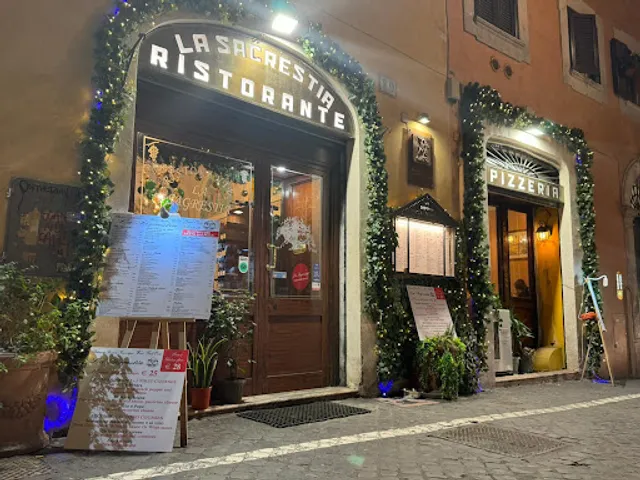
Ristorante Pizzeria La Sagrestia
4.7
(2.9K)
Open until 10:30 PM
Click for details
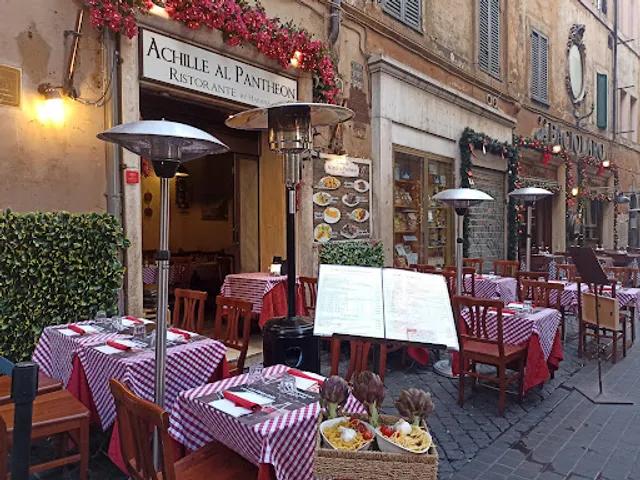
Achille Al Pantheon di Habana
4.7
(5.7K)
Open until 11:30 PM
Click for details
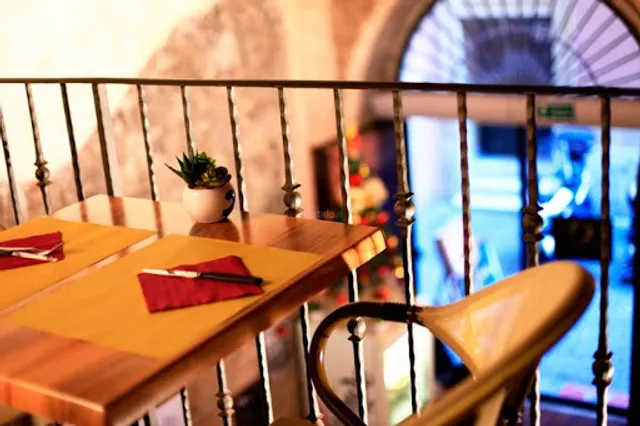
Pantha Rei
4.5
(1.2K)
Open until 12:00 AM
Click for details
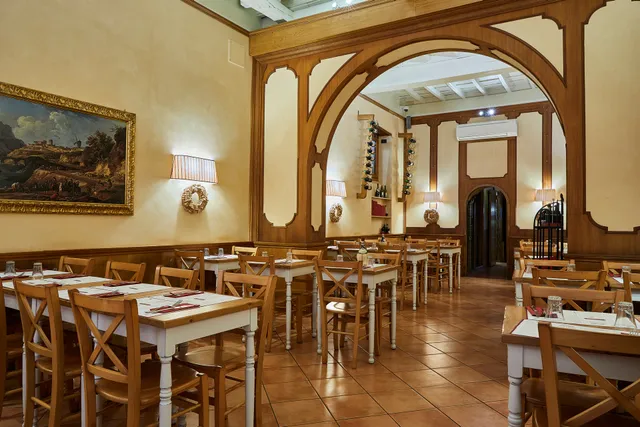
Taverna del Seminario
4.3
(2.6K)
Open until 11:15 PM
Click for details
Nearby local services of Basilica of Saint Mary of Minerva
Via della Palombella, 37
laFeltrinelli Books and Music
Doria Pamphili Gallery
Moriondo & Gariglio
La Discoteca al Pantheon
Galleria Alberto Sordi
Angelo Cenci
Mama Bijoux
Piazza La Bella
Palais Cipolla
Via della Palombella, 37
4.3
(1.1K)
Click for details
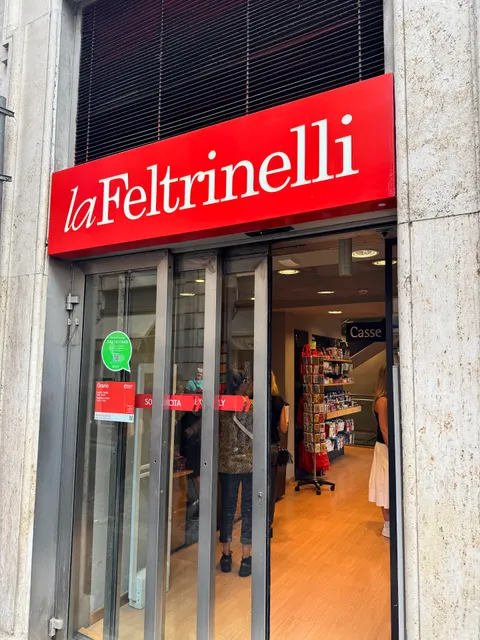
laFeltrinelli Books and Music
4.5
(2.5K)
Click for details
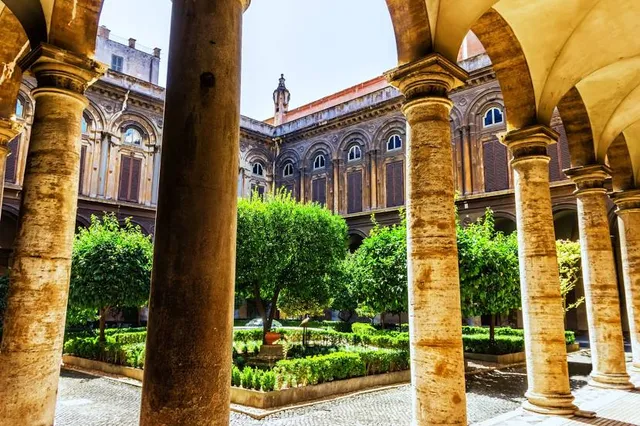
Doria Pamphili Gallery
4.6
(2.5K)
Click for details
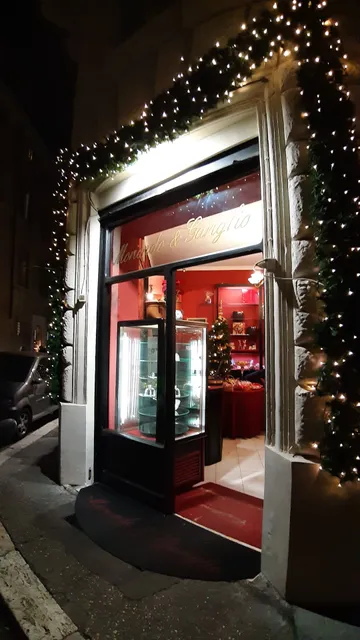
Moriondo & Gariglio
4.6
(157)
Click for details


The hit list

Plan your trip with Wanderboat
Welcome to Wanderboat AI, your AI search for local Eats and Fun, designed to help you explore your city and the world with ease.
Powered by Wanderboat AI trip planner.