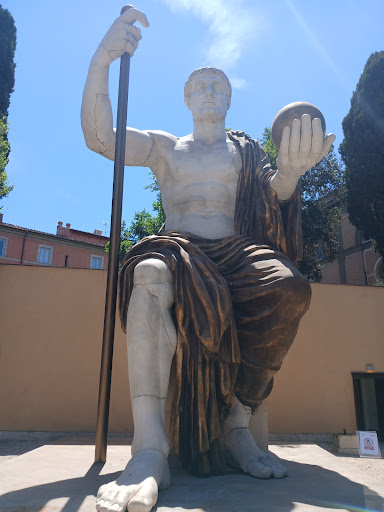
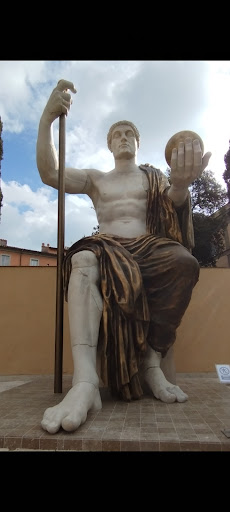
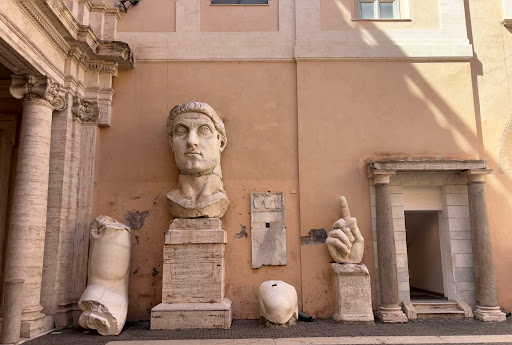
Colossal Statue of Constantine I things to do, attractions, restaurants, events info and trip planning
Basic Info
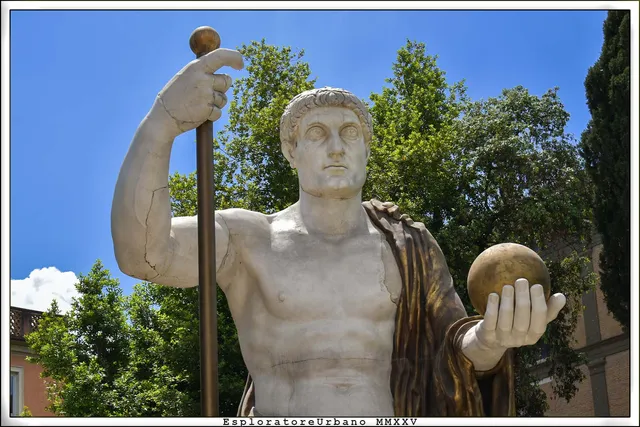
Colossal Statue of Constantine I
Via del Campidoglio, 1, 00196 Roma RM, Italy
4.8(322)
Closed
Save
spot
spot
Ratings & Description
Info
Cultural
Scenic
Accessibility
attractions: Capitoline Museums, Teatro di Marcello, Monument to Victor Emmanuel II, Piazza del Campidoglio, Altare della Patria, Roman Forum, Piazzale Caffarelli, Temple of Jupiter Optimus Maximus, Tarpeian Rock, Basilica di Santa Maria in Ara coeli, restaurants: Terrazza Caffarelli, Antico caffè del teatro di Marcello, In Roma - since 1917, Giggetto, Ristorante Dulcis in Fundo, BaGhetto Ristorante Kosher-Portico d'Ottavia, Edoardo II, Nonna Betta, Vinando A Tor Margana, DIDDI Bistrot | Ristorante Piazza Venezia, local businesses: Campidoglio, Teatro Marcello, Palazzo Caffarelli al Campidoglio, Unlimited Biking (Formerly Fat Tire Tours), Ponte Fabricio, Touristation Aracoeli, Capitoline Hill, Tiber Island, Isola del Cinema, Fatebenefratelli Isola Tiberina
 Learn more insights from Wanderboat AI.
Website
museicapitolini.org
Open hoursSee all hours
Fri9:30 AM - 6:30 PMClosed
Plan your stay

Pet-friendly Hotels in Rome
Find a cozy hotel nearby and make it a full experience.

Affordable Hotels in Rome
Find a cozy hotel nearby and make it a full experience.

The Coolest Hotels You Haven't Heard Of (Yet)
Find a cozy hotel nearby and make it a full experience.

Trending Stays Worth the Hype in Rome
Find a cozy hotel nearby and make it a full experience.
Reviews
Live events
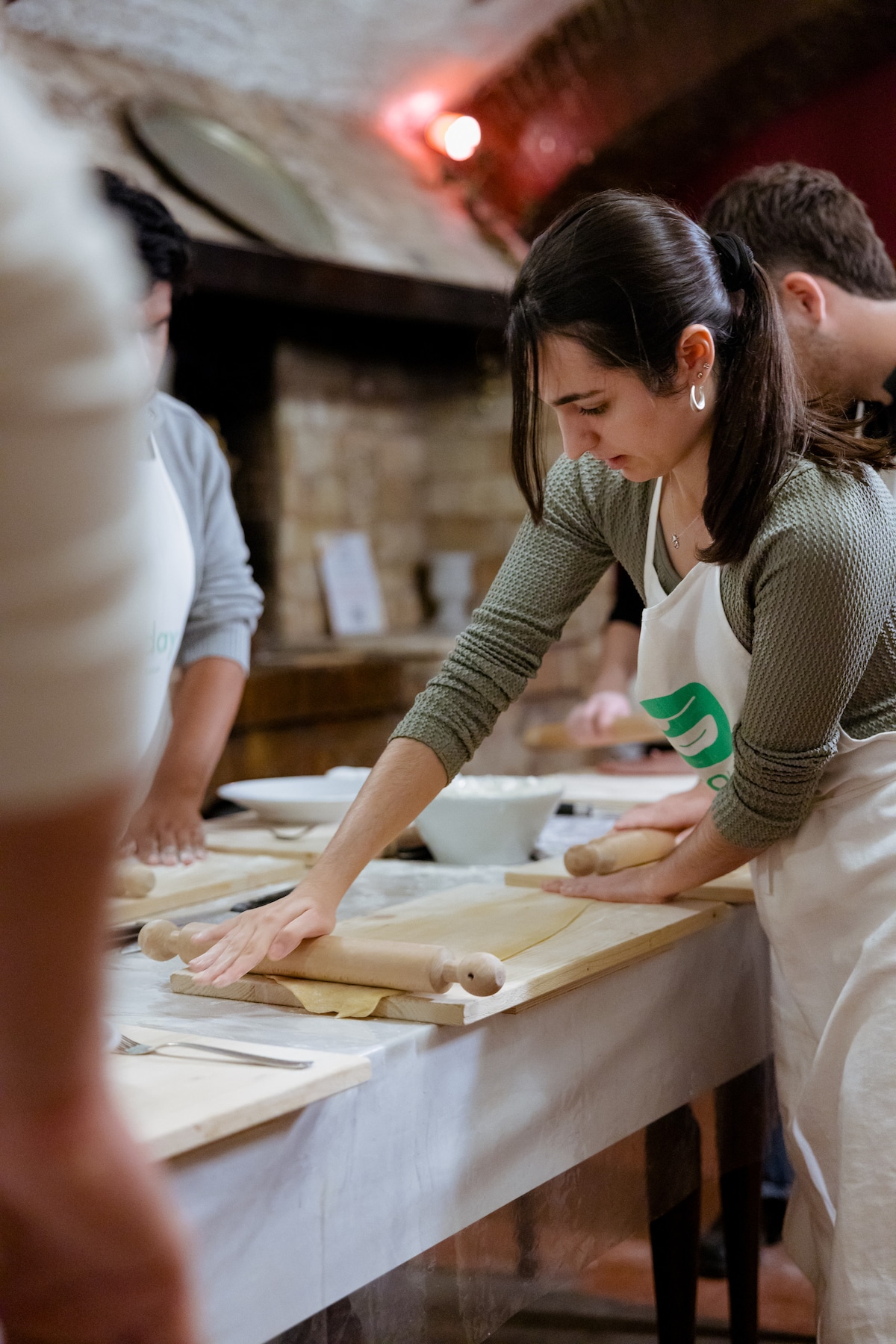
Make handmade fettuccine and tiramisu with a local
Fri, Feb 27 • 10:15 AM
00187, Rome, Lazio, Italy
View details
LUNA: A Journey to the Moon – un’esperienza immersiva in realtà virtuale a Roma
Fri, Feb 27 • 4:00 PM
Via Trionfale, 7400, Roma, 00136
View details
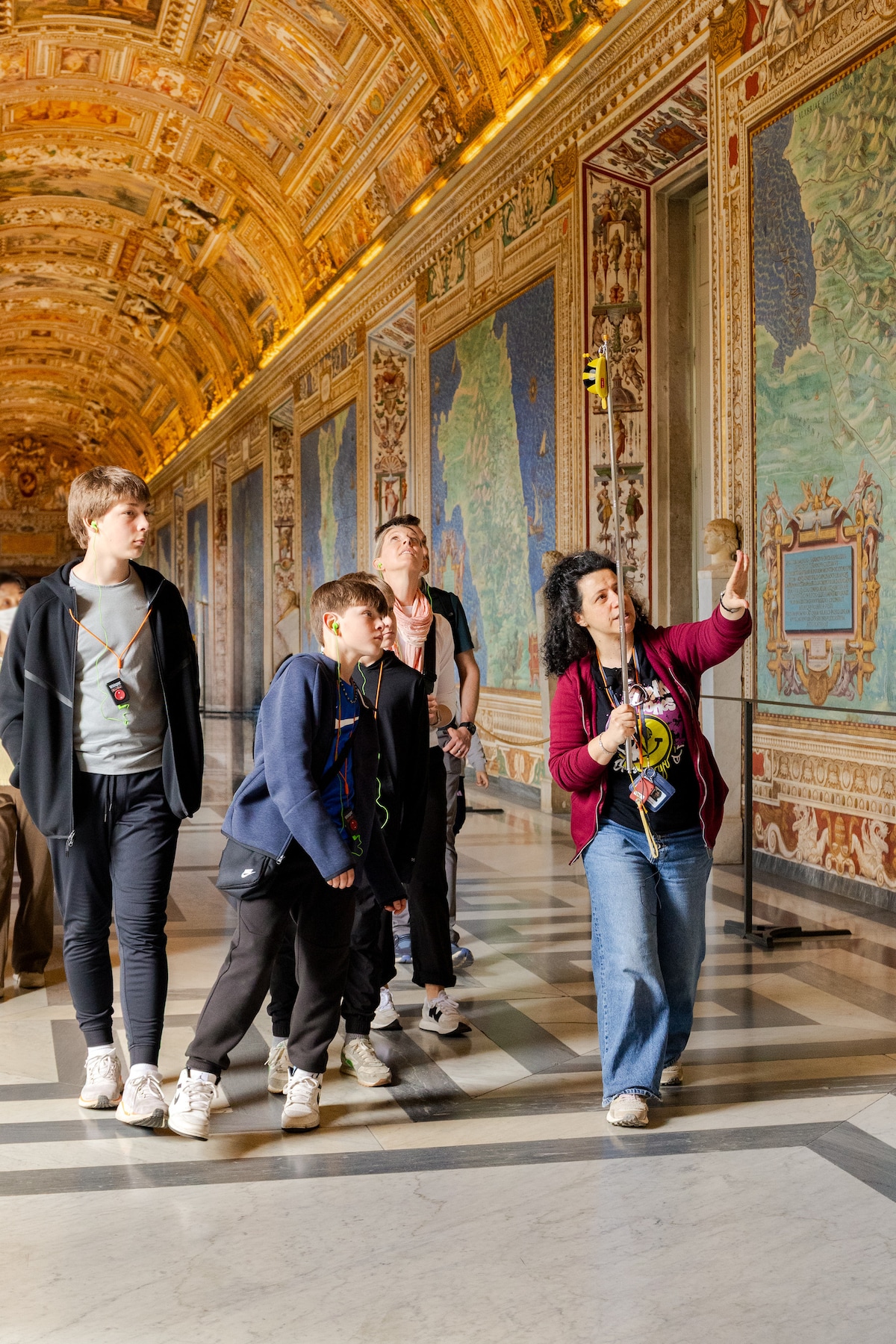
Complete Vatican Tour: Museums, Sistine & Basilica
Fri, Feb 27 • 9:30 AM
00192, Rome, Lazio, Italy
View details
Nearby attractions of Colossal Statue of Constantine I
Capitoline Museums
Teatro di Marcello
Monument to Victor Emmanuel II
Piazza del Campidoglio
Altare della Patria
Roman Forum
Piazzale Caffarelli
Temple of Jupiter Optimus Maximus
Tarpeian Rock
Basilica di Santa Maria in Ara coeli
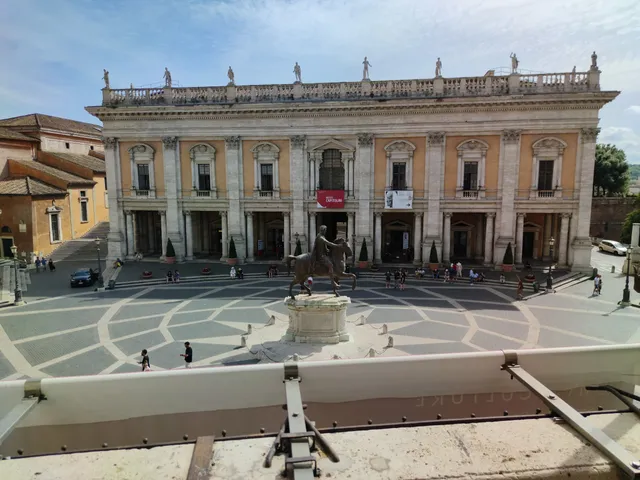
Capitoline Museums
4.7
(7.4K)
Closed
Click for details
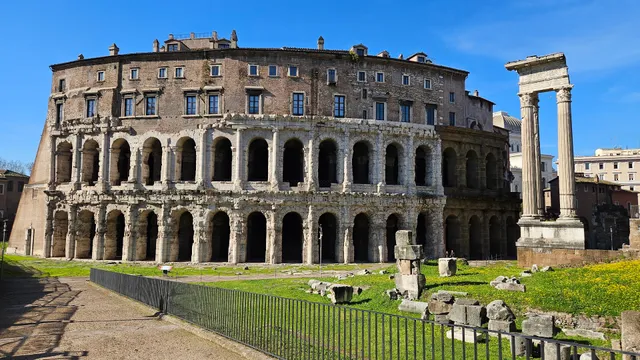
Teatro di Marcello
4.6
(4.5K)
Closed
Click for details
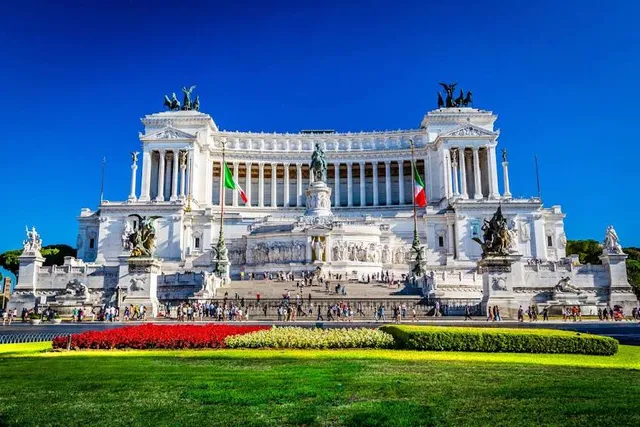
Monument to Victor Emmanuel II
4.8
(25.1K)
Closed
Click for details
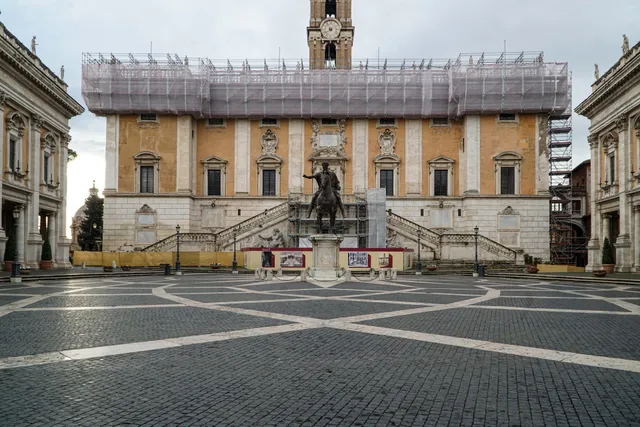
Piazza del Campidoglio
4.7
(2.7K)
Open 24 hours
Click for details
Nearby restaurants of Colossal Statue of Constantine I
Terrazza Caffarelli
Antico caffè del teatro di Marcello
In Roma - since 1917
Giggetto
Ristorante Dulcis in Fundo
BaGhetto Ristorante Kosher-Portico d'Ottavia
Edoardo II
Nonna Betta
Vinando A Tor Margana
DIDDI Bistrot | Ristorante Piazza Venezia
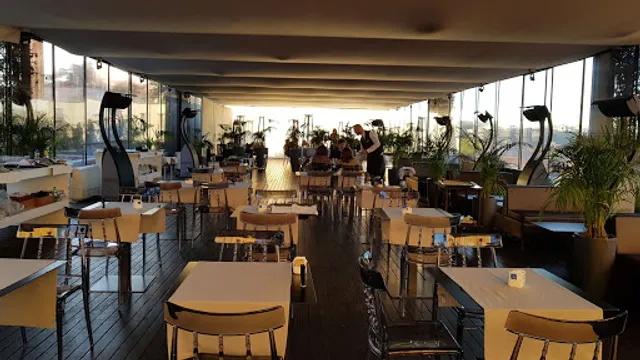
Terrazza Caffarelli
4.2
(691)
Closed
Click for details
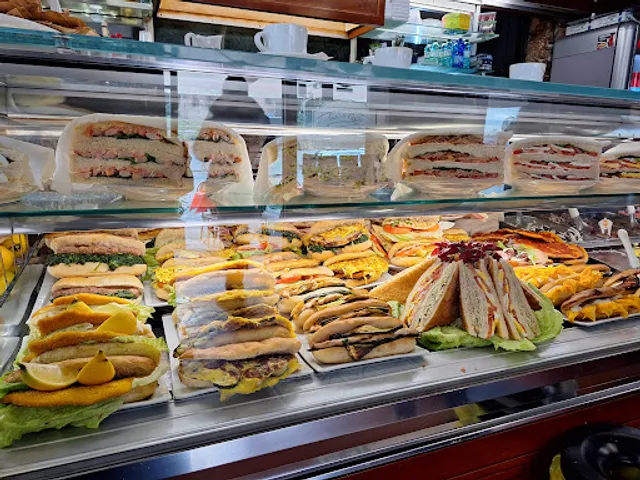
Antico caffè del teatro di Marcello
3.3
(708)
Open until 9:30 PM
Click for details
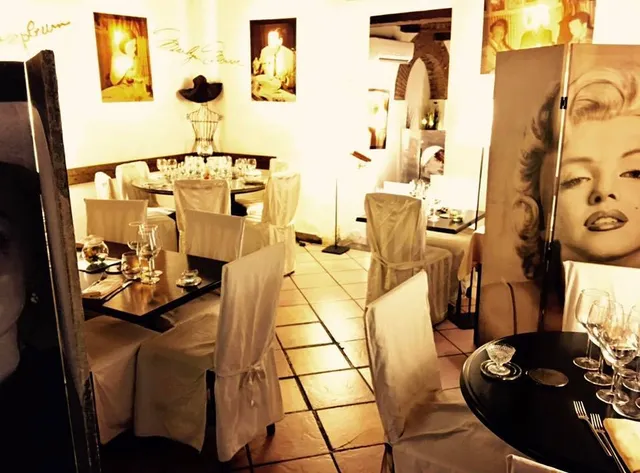
In Roma - since 1917
4.4
(669)
Closed
Click for details
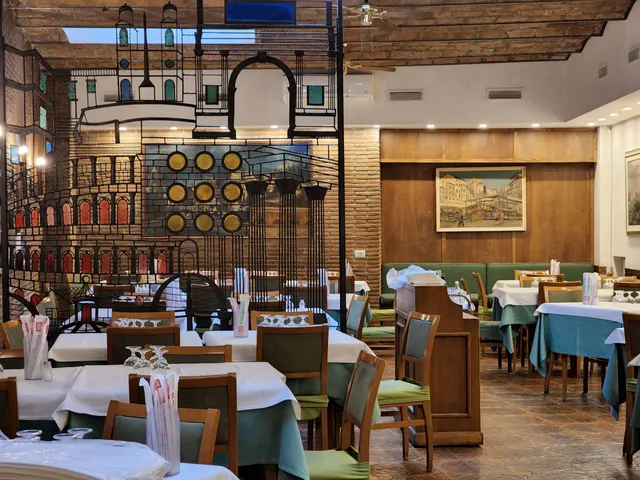
Giggetto
3.9
(2K)
Closed
Click for details
Nearby local services of Colossal Statue of Constantine I
Campidoglio
Teatro Marcello
Palazzo Caffarelli al Campidoglio
Unlimited Biking (Formerly Fat Tire Tours)
Ponte Fabricio
Touristation Aracoeli
Capitoline Hill
Tiber Island
Isola del Cinema
Fatebenefratelli Isola Tiberina
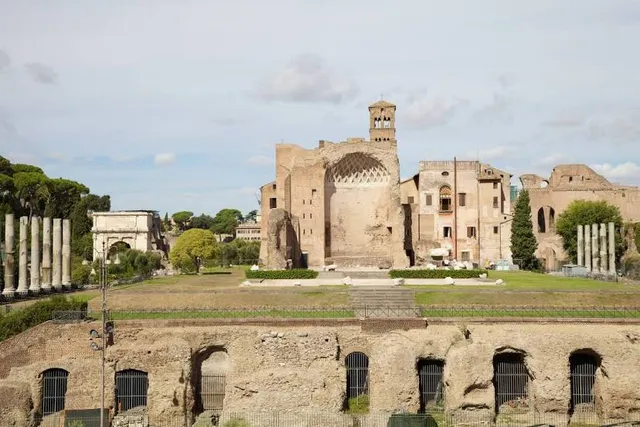
Campidoglio
4.7
(8.4K)
Click for details
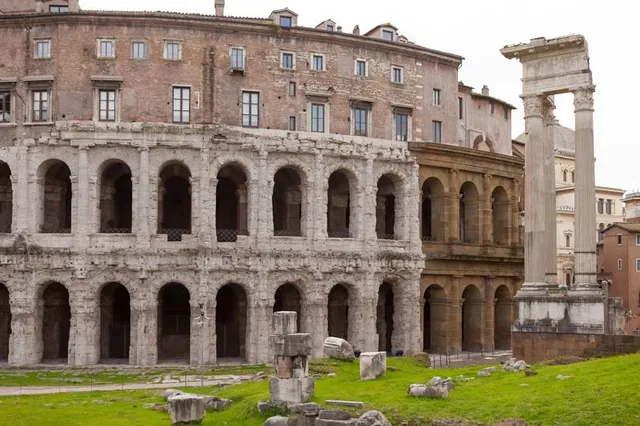
Teatro Marcello
4.6
(3.8K)
Click for details
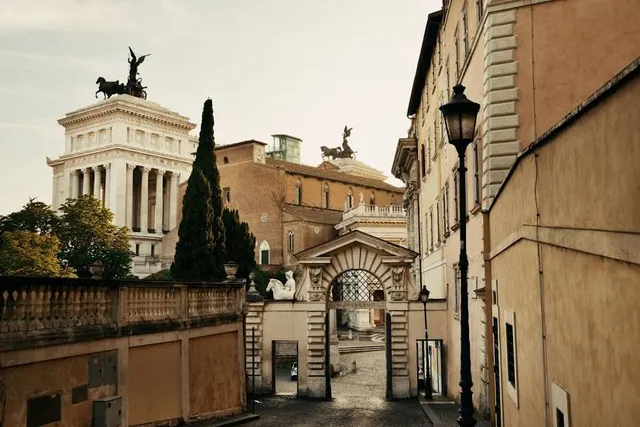
Palazzo Caffarelli al Campidoglio
4.7
(142)
Click for details

Unlimited Biking (Formerly Fat Tire Tours)
5.0
(851)
Click for details


The hit list

Plan your trip with Wanderboat
Welcome to Wanderboat AI, your AI search for local Eats and Fun, designed to help you explore your city and the world with ease.
Powered by Wanderboat AI trip planner.