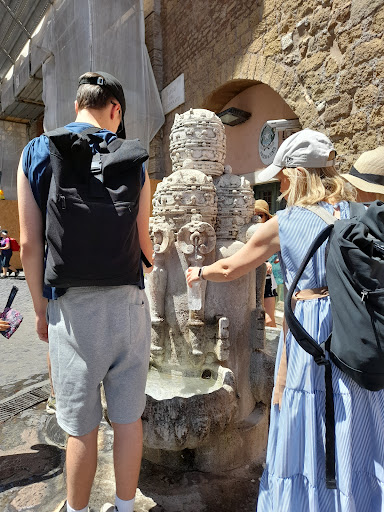
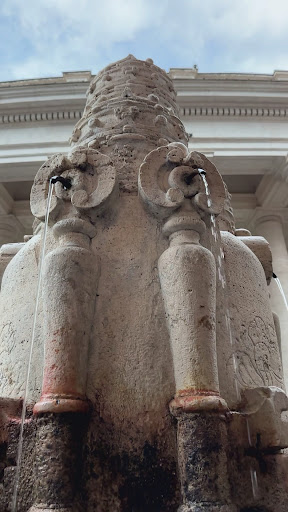
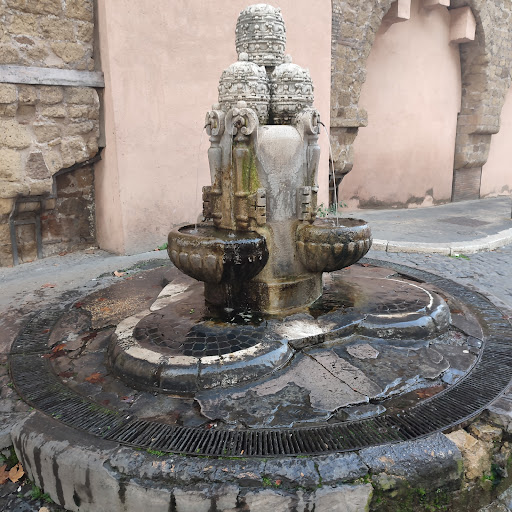
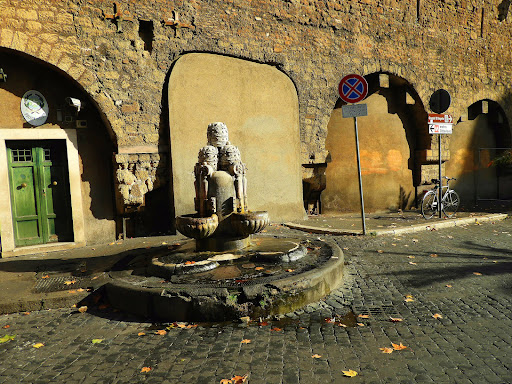
Fontana delle Tiare things to do, attractions, restaurants, events info and trip planning

Basic Info
Fontana delle Tiare
Largo del Colonnato, 00193 Roma RM, Vatican City
4.6(122)
Open until 12:00 AM
Save
spot
spot
Ratings & Description
Info
Cultural
Scenic
Family friendly
Accessibility
attractions: Saint Peter's Square, St. Peter Square Obelisk, Sistine Chapel, St. Peter's Basilica, Chiesa di Sant'Anna dei Palafrenieri, Apostolic Palace, Maderno Fountain, Vatican Museums, Bernini Fountain, Museum Leonardo Da Vinci Experience, restaurants: Ristorante Da Marcello, Pastasciutta, Ristorante Pizzeria Marcantonio, Tonnarello San Pietro, Ristorante Arlù, Ristorante Trattoria Da Marcella, Scialla The Original Street Food, BorgoPio92 Bistrò Caffè, Borgo Nuovo, Caffè Leonina, local businesses: Vatican Tour, Savelli Religious (Savelli Art and Tradition), Tourist Information Office, Vox Mundi, HUMILIS Made in Assisi (Boutique Roma Vaticano), Maya Tours, ANDREA925, Mercato dell' Unità, ItaliaTours, The Roman Guy Tours
 Learn more insights from Wanderboat AI.
Open hoursSee all hours
TueOpen 24 hoursOpen
Plan your stay

Pet-friendly Hotels in Rome
Find a cozy hotel nearby and make it a full experience.

Affordable Hotels in Rome
Find a cozy hotel nearby and make it a full experience.

The Coolest Hotels You Haven't Heard Of (Yet)
Find a cozy hotel nearby and make it a full experience.

Trending Stays Worth the Hype in Rome
Find a cozy hotel nearby and make it a full experience.
Reviews
Live events

Lectio Petri - Il Qohelet (3° incontro)
Tue, Jan 20 • 7:00 PM
Piazza San Pietro, 00120 Città del Vaticano
View details

Sabato 24 gennaio allenati con noi a Villa Borghese!
Sat, Jan 24 • 10:00 AM
Largo Marcello Mastroianni, 00197 Roma
View details

Open day 24 Gennaio 2026 Liceo Artistico Statale via di Ripetta
Sat, Jan 24 • 10:00 AM
218 Via di Ripetta, 00186 Roma
View details
Nearby attractions of Fontana delle Tiare
Saint Peter's Square
St. Peter Square Obelisk
Sistine Chapel
St. Peter's Basilica
Chiesa di Sant'Anna dei Palafrenieri
Apostolic Palace
Maderno Fountain
Vatican Museums
Bernini Fountain
Museum Leonardo Da Vinci Experience
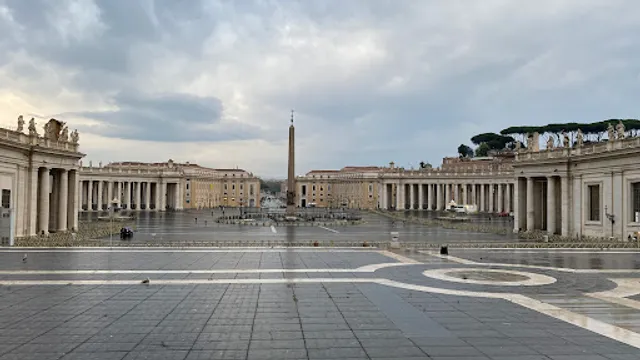
Saint Peter's Square
4.8
(15.7K)
Closed
Click for details
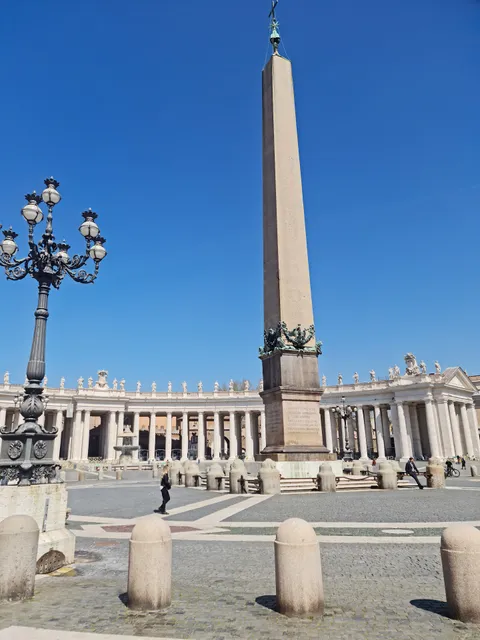
St. Peter Square Obelisk
4.8
(4.9K)
Open until 6:00 PM
Click for details
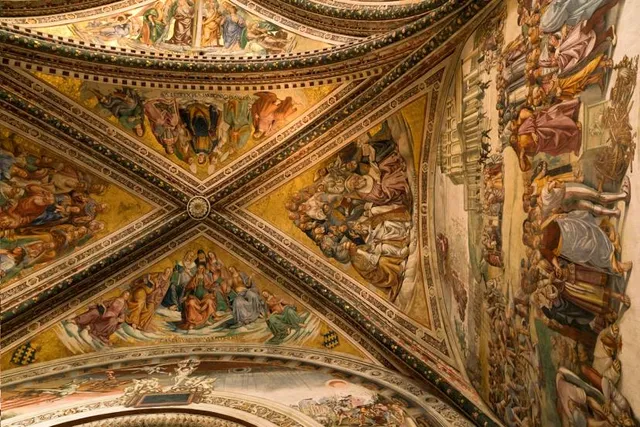
Sistine Chapel
4.7
(31K)
Closed
Click for details
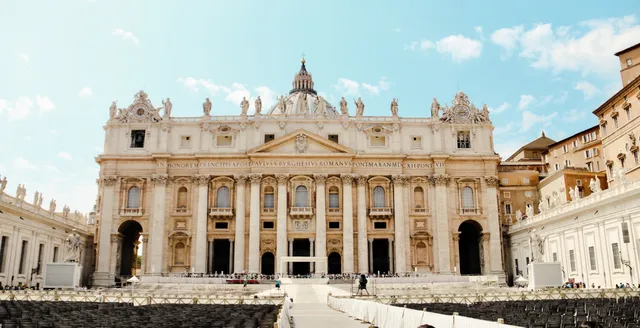
St. Peter's Basilica
4.8
(54.1K)
Open until 7:10 PM
Click for details
Nearby restaurants of Fontana delle Tiare
Ristorante Da Marcello
Pastasciutta
Ristorante Pizzeria Marcantonio
Tonnarello San Pietro
Ristorante Arlù
Ristorante Trattoria Da Marcella
Scialla The Original Street Food
BorgoPio92 Bistrò Caffè
Borgo Nuovo
Caffè Leonina
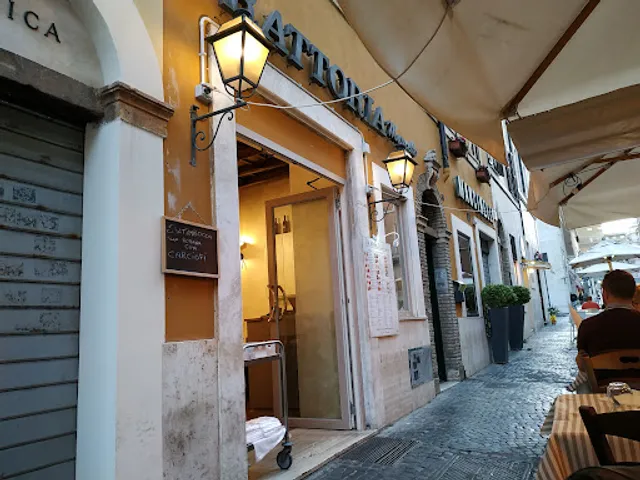
Ristorante Da Marcello
4.5
(2.3K)
Closed
Click for details
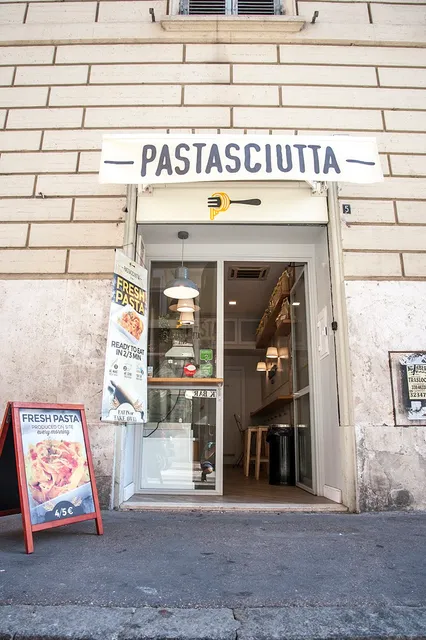
Pastasciutta
4.7
(3.7K)
Closed
Click for details
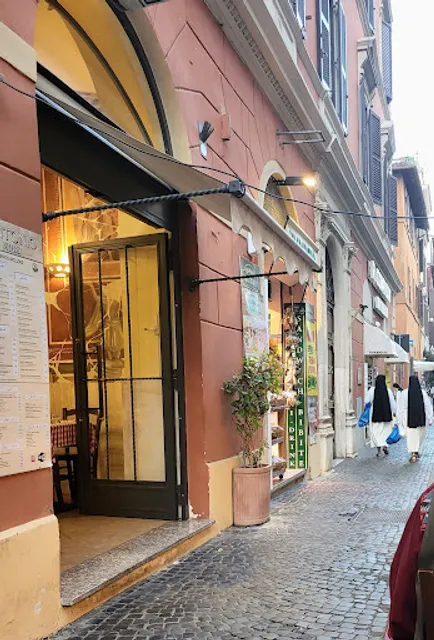
Ristorante Pizzeria Marcantonio
4.6
(3K)
Closed
Click for details
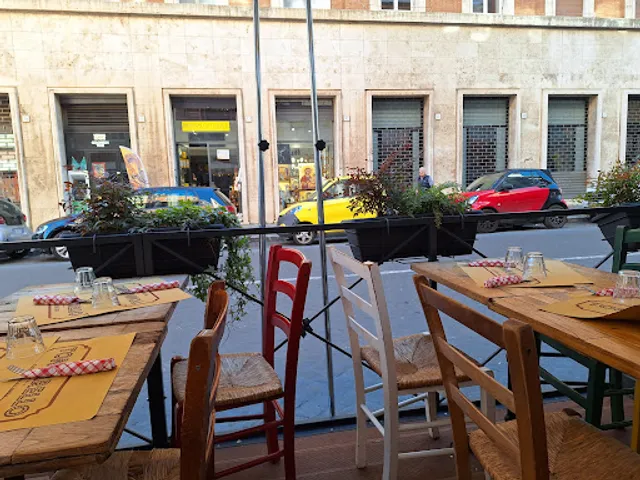
Tonnarello San Pietro
4.8
(2.6K)
Closed
Click for details
Nearby local services of Fontana delle Tiare
Vatican Tour
Savelli Religious (Savelli Art and Tradition)
Tourist Information Office
Vox Mundi
HUMILIS Made in Assisi (Boutique Roma Vaticano)
Maya Tours
ANDREA925
Mercato dell' Unità
ItaliaTours
The Roman Guy Tours
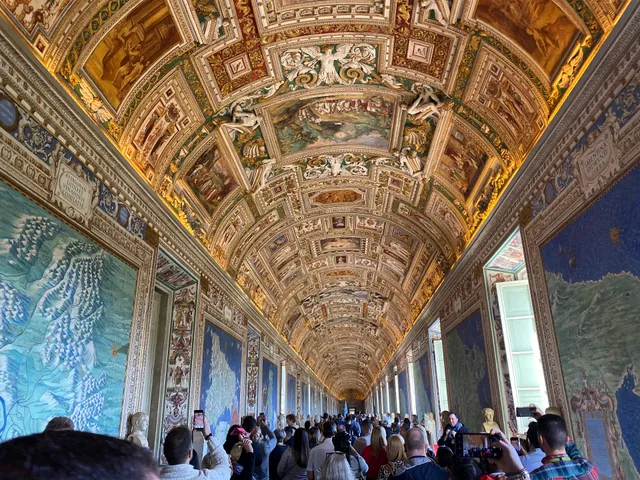
Vatican Tour
4.8
(961)
Click for details
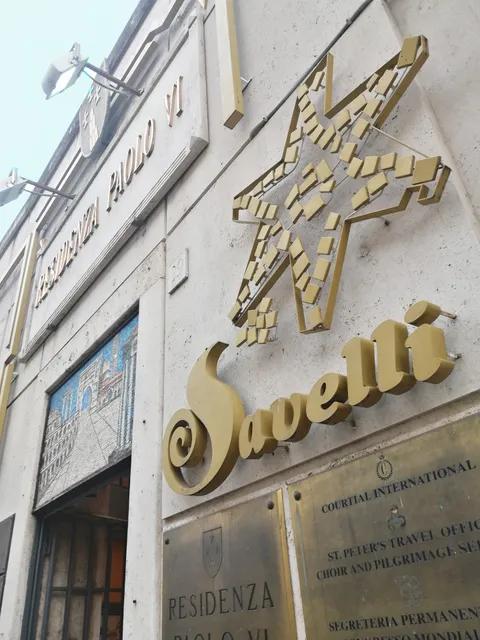
Savelli Religious (Savelli Art and Tradition)
4.7
(305)
Click for details
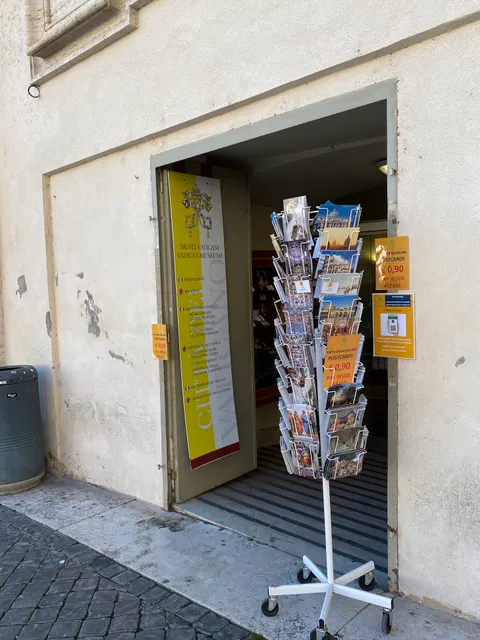
Tourist Information Office
3.8
(84)
Click for details
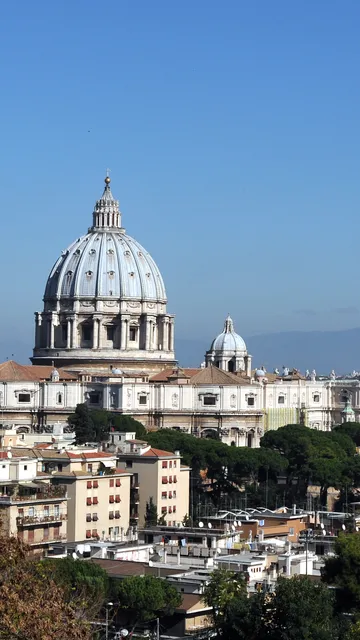
Vox Mundi
4.9
(1.1K)
Click for details


The hit list



Plan your trip with Wanderboat
Welcome to Wanderboat AI, your AI search for local Eats and Fun, designed to help you explore your city and the world with ease.
Powered by Wanderboat AI trip planner.