HTML SitemapExplore
logo
Find Things to DoFind The Best Restaurants

Ludus Magnus — Attraction in Rome

Name
Ludus Magnus
Description
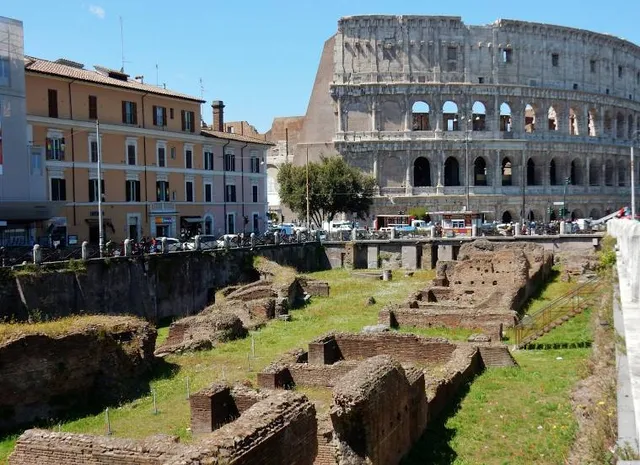
The Ludus Magnus was the largest of the gladiatorial schools in Rome. It was built by the emperor Domitian in the late first century C.E., alongside other building projects undertaken by him such as three other gladiatorial schools across the Roman Empire.
Nearby attractions
Colosseum
Piazza del Colosseo, 1, 00184 Roma RM, Italy
Domus Aurea
Vle della Domus Aurea, 00184 Roma RM, Italy
Basilica of San Clemente
Piazza di S. Clemente, 00184 Roma RM, Italy
Parco del Colle Oppio
Vle del Monte Oppio, 00184 Roma RM, Italy
Arch of Constantine
Piazza del Colosseo, 00184 Roma RM, Italy
Basilica of San Pietro in Vincoli
Piazza di San Pietro in Vincoli, 4/A, 00184 Roma RM, Italy
Mosè di Michelangelo
Piazza di San Pietro in Vincoli, 4/A, 00184 Roma RM, Italy
Baths of Trajan
Vle della Domus Aurea, 1, 00184 Roma RM, Italy
Colosseum Skatepark
Vle del Monte Oppio, 00184 Roma RM, Italy
Giardinetto del Monte Oppio
Via del Monte Oppio, 00184 Roma RM, Italy
Nearby restaurants
Ristorante Pizza Forum
Via di S. Giovanni in Laterano, 34-38, 00184 Roma RM, Italy
Ristoro Della Salute
Piazza del Colosseo, 2A, 00184 Roma RM, Italy
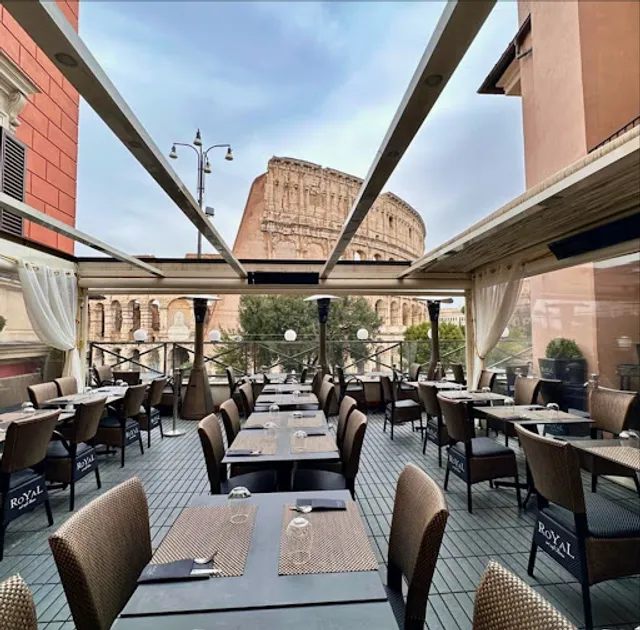
RoYaL Art Cafè
Piazza del Colosseo, 1, 00184 Roma RM, Italy
Ristorante Caffè Martini & Rossi
Piazza del Colosseo, 3, 00184 Roma RM, Italy
Pasqualino Al Colosseo dal 1956- Trattoria Romana
Via dei SS. Quattro, 66, 00184 Roma RM, Italy
Coming Out
Via di S. Giovanni in Laterano, 8, 00184 Roma RM, Italy
Trattoria Luzzi
Via Celimontana, 1, 00184 Roma RM, Italy
Hostaria Al Gladiatore
Piazza del Colosseo, 5, 00184 Roma RM, Italy
Divinostilia food&winebar
Via Ostilia, 4, 00184 Roma RM, Italy
La Pace del Cervello
Via dei SS. Quattro, 63, 00184 Roma RM, Italy
Nearby hotels
Palazzo Manfredi
Via Labicana, 125, 00184 Roma RM, Italy
Imperial Rooms
Via di S. Giovanni in Laterano, 10, 00184 Roma RM, Italy
B & B Second Floor
Via di S. Giovanni in Laterano, 10, 00184 Roma RM, Italy
B & B Santi Quattro al Colosseo
Via dei SS. Quattro, 64, 00184 Roma RM, Italy
Mercure Roma Centro Colosseo
Via Labicana, 144, 00184 Roma RM, Italy
Parco di Nerone
Via di S. Giovanni in Laterano, 28, 00184 Roma RM, Italy
Hotel Celio Roma
Via dei SS. Quattro, 35C, 00184 Roma RM, Italy
Ludus Rooms
Via di S. Giovanni in Laterano, 10, 00184 Roma RM, Italy
N ° 9 Colosseo View Suites
Piazza del Colosseo, 9, 00184 Roma RM, Italy
B&B Colosseo 28
Via di S. Giovanni in Laterano, 28, 00184 Roma RM, Italy
Related posts
Keywords
Ludus Magnus tourism.Ludus Magnus hotels.Ludus Magnus bed and breakfast. flights to Ludus Magnus.Ludus Magnus attractions.Ludus Magnus restaurants.Ludus Magnus travel.Ludus Magnus travel guide.Ludus Magnus travel blog.Ludus Magnus pictures.Ludus Magnus photos.Ludus Magnus travel tips.Ludus Magnus maps.Ludus Magnus things to do.
Ludus Magnus things to do, attractions, restaurants, events info and trip planning
Ludus Magnus
ItalyLazioRomeLudus Magnus

Basic Info

Ludus Magnus

Via Labicana, 00184 Roma RM, Italy
4.4(246)
Open 24 hours
Save
spot

Ratings & Description

Info

The Ludus Magnus was the largest of the gladiatorial schools in Rome. It was built by the emperor Domitian in the late first century C.E., alongside other building projects undertaken by him such as three other gladiatorial schools across the Roman Empire.

Cultural
Family friendly
attractions: Colosseum, Domus Aurea, Basilica of San Clemente, Parco del Colle Oppio, Arch of Constantine, Basilica of San Pietro in Vincoli, Mosè di Michelangelo, Baths of Trajan, Colosseum Skatepark, Giardinetto del Monte Oppio, restaurants: Ristorante Pizza Forum, Ristoro Della Salute, RoYaL Art Cafè, Ristorante Caffè Martini & Rossi, Pasqualino Al Colosseo dal 1956- Trattoria Romana, Coming Out, Trattoria Luzzi, Hostaria Al Gladiatore, Divinostilia food&winebar, La Pace del Cervello
logoLearn more insights from Wanderboat AI.
Phone
+39 06 0608
Website
sovraintendenzaroma.it

Plan your stay

hotel
Pet-friendly Hotels in Rome
Find a cozy hotel nearby and make it a full experience.

hotel
Affordable Hotels in Rome
Find a cozy hotel nearby and make it a full experience.

hotel
The Coolest Hotels You Haven't Heard Of (Yet)
Find a cozy hotel nearby and make it a full experience.

hotel
Trending Stays Worth the Hype in Rome
Find a cozy hotel nearby and make it a full experience.

Reviews

Nearby attractions of Ludus Magnus

Colosseum

Domus Aurea

Basilica of San Clemente

Parco del Colle Oppio

Arch of Constantine

Basilica of San Pietro in Vincoli

Mosè di Michelangelo

Baths of Trajan

Colosseum Skatepark

Giardinetto del Monte Oppio
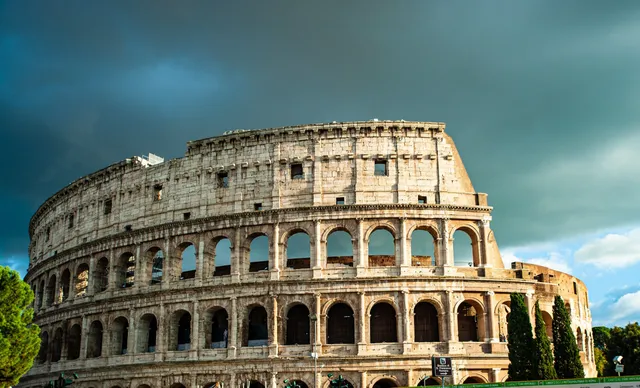
Colosseum

Colosseum

4.8

(134.8K)

Open 24 hours
Click for details
Domus Aurea

Domus Aurea

4.6

(1.7K)

Open until 5:15 PM
Click for details
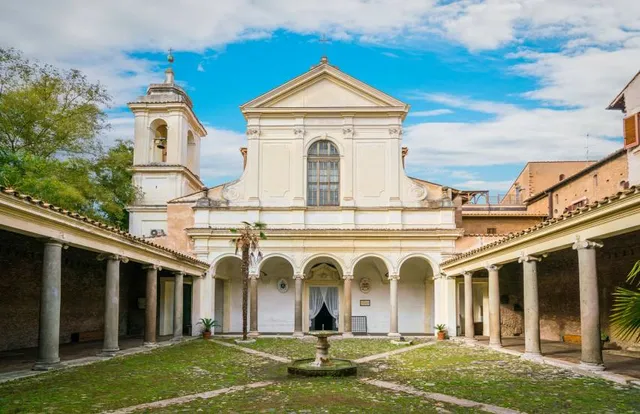
Basilica of San Clemente

Basilica of San Clemente

4.7

(3K)

Open 24 hours
Click for details
Parco del Colle Oppio

Parco del Colle Oppio

4.2

(2.2K)

Open 24 hours
Click for details

Things to do nearby

Catacombs: The Coolest Underground Tour in Rome
Sat, Dec 6 • 3:00 PM
00147, Rome, Lazio, Italy
View details
Pasta-making class, wine tasting and dinner
Sat, Dec 6 • 2:30 PM
00044, Frascati, Lazio, Italy
View details
Pasta and Pizza cooking class with wine and more
Sun, Dec 7 • 10:30 AM
00142, Rome, Lazio, Italy
View details

Nearby restaurants of Ludus Magnus

Ristorante Pizza Forum

Ristoro Della Salute

RoYaL Art Cafè

Ristorante Caffè Martini & Rossi

Pasqualino Al Colosseo dal 1956- Trattoria Romana

Coming Out

Trattoria Luzzi

Hostaria Al Gladiatore

Divinostilia food&winebar

La Pace del Cervello

Ristorante Pizza Forum

Ristorante Pizza Forum

4.7

(7.8K)

$

Click for details
Ristoro Della Salute

Ristoro Della Salute

4.8

(8.5K)

Click for details
RoYaL Art Cafè

RoYaL Art Cafè

4.7

(5.1K)

$$

Click for details
Ristorante Caffè Martini & Rossi

Ristorante Caffè Martini & Rossi

4.7

(3.6K)

$$

Click for details
Get the Appoverlay
Get the AppOne tap to find yournext favorite spots!

The hit list

restaurant
Best 10 Restaurants to Visit in Rome
February 12 · 5 min read
attraction
Best 10 Attractions to Visit in Rome
February 12 · 5 min read
Rome

Plan your trip with Wanderboat

Welcome to Wanderboat AI, your AI search for local Eats and Fun, designed to help you explore your city and the world with ease.

Powered by Wanderboat AI trip planner.
Wanderboat LogoWanderboat

Your everyday Al companion for getaway ideas

CompanyAbout Us
InformationAI Trip PlannerSitemap
SocialXInstagramTiktokLinkedin
LegalTerms of ServicePrivacy Policy

Get the app

© 2025 Wanderboat. All rights reserved.
logo

Posts

Your browser does not support the video tag.
tourguidemitratourguidemitra
Ancient Rome’s brutal gladiatorial games have lived on in legends and stories long after the games themselves ended. 🏟The Colosseum is an impressive architectural feat that continues to draw in vast numbers of tourists every year. But another, lesser-known historic attraction stands nearby: the ruins of the Ludus Magnus, the Great Gladiatorial Training School of Rome. ⚔️Originally constructed under the reign of Emperor Domitian in the late first century, the Ludus Magnus was the largest of the four gladiatorial schools built by his order. 🏋️‍♀️It functioned as a place for gladiators from all across the Roman world to eat, sleep, train and practice fighting techniques on a regular basis. Their training was open to the public, as it was customary in those times, and the Ludus could seat approximately 3,000 spectators at one time. 🏟The training school underwent a major renovation under Emperor Trajan’s reign, later also modified and repaired during the times of Hadrian and Caracalla. By the fifth century, however, gladiatorial games had been banned by Emperor Honorius, and along with the Colosseum the school eventually fell into disuse. A small cemetery and several churches were subsequently built on the site of the Ludus Magnus, though they have since been abandoned. 🏋️‍♀️The ruins of the training school were discovered in 1937, as a series of new constructions was taking place near the Colosseum. What can be seen today is only part of the practice arena and barracks built by Trajan, and the rest of the structure is believed to remain hidden under street level. 🤭Which means, a myriad of tourists and modern Romans alike walk and live above where the ancient gladiators trained, all unknowingly. Amazing, isn’t it? ——————————————- #rometours #rometravel #virtuosotraveladvisor #rometrip #rometourguide
Your browser does not support the video tag.
tourguidemitratourguidemitra
🇮🇹 Ancient Rome’s brutal gladiatorial games have lived on in legends and stories long after the games themselves ended. 🏟 The Colosseum is an impressive architectural feat that continues to draw in vast numbers of tourists every year. But another, lesser-known historic attraction stands nearby: the ruins of the Ludus Magnus, the Great Gladiatorial Training School of Rome. ⚔️ Originally constructed under the reign of Emperor Domitian in the late first century, the Ludus Magnus was the largest of the four gladiatorial schools built by his order. 🏋️‍♀️ It functioned as a place for gladiators from all across the Roman world to eat, sleep, train and practice fighting techniques on a regular basis. Their training was open to the public, as it was customary in those times, and the Ludus could seat approximately 3,000 spectators at one time. 🏟 The training school underwent a major renovation under Emperor Trajan’s reign, later also modified and repaired during the times of Hadrian and Caracalla. By the fifth century, however, gladiatorial games had been banned by Emperor Honorius, and along with the Colosseum the school eventually fell into disuse. A small cemetery and several churches were subsequently built on the site of the Ludus Magnus, though they have since been abandoned. 🏋️‍♀️ The ruins of the training school were discovered in 1937, as a series of new constructions was taking place near the Colosseum. What can be seen today is only part of the practice arena and barracks built by Trajan, and the rest of the structure is believed to remain hidden under street level. 🤭 Which means, a myriad of tourists and modern Romans alike walk and live above where the ancient gladiators trained, all unknowingly. Amazing, isn’t it? 😍 Rome | Italy | Europe | Tour Guide
daniele pedronidaniele pedroni
Il Ludus Magnus era la principale sede e palestra dei gladiatori a Roma, collocata nei pressi del Colosseo, nella valle tra l'Esquilino e il Celio. Fu una delle quattro caserme (ludi) costruite da Domiziano (comprendenti anche il Gallicus, il Matutinus e il Dacicus), l'unica oggi parzialmente visibile. Sono stati trovati i resti di 14 celle per gli alloggiamenti privi di ogni traccia di letti: il che ha fatto pensare che i gladiatori dormissero in terra su giacigli. Le celle misuravano ciascuna all'incirca 20 metri quadrati e vi dovevano abitare due gladiatori per un totale nella palestra di circa un migliaio. L'edificio, che doveva avere tre piani, aveva una pianta simile a quella conosciuta per altre caserme, con stanze di alloggio e servizi intorno ad uno spazio centrale ed era circondato da un portico di colonne tuscaniche in travertino. I percorsi interni erano assicurati da un corridoio alle spalle degli ambienti e dalle scale per i piani superiori, disposte agli angoli. Su uno dei lati corti una grande aula con porticato interno era forse adibita a sacello per il culto imperiale. Il cortile centrale era occupato dall'arena per gli allenamenti, realizzata come copia a scala ridotta di quella del Colosseo (con un rapporto di 1:2,5) e della quale resta parte della curvatura. Vi si dovevano anche svolgere rappresentazioni aperte al pubblico e la cavea, accessibile da scale esterne, poteva ospitare 3000 persone, con palchi per le autorità al centro dei lati lunghi. Secondo altri autori i 1200 spettatori erano invitati ad assistere all'addestramento dei gladiatori. Un passaggio sotterraneo, individuato nel 1939, permetteva di accedere direttamente ai sotterranei del Colosseo, al di sotto dello spazio lastricato che separava i due edifici. Il sottopassaggio iniziato da Domiziano, compiuto e inaugurato da Traiano fu rifinito da Adriano. La fase attualmente visibile si riferisce ad un restauro avvenuto sotto Traiano, che comportò la demolizione e ricostruzione di parte dell'elevato, probabilmente per motivi statici. Commodo, appassionato di giochi gladiatori, vi si esibì e sembra vi avesse anche soggiornato. L'abbandono dell'edificio si data a partire dal VI secolo, quando esso fu utilizzato come area per modeste sepolture. I resti della metà settentrionale del complesso furono rimessi in luce nel 1937, in occasione degli scavi per la costruzione di un nuovo edificio tra via di San Giovanni in Laterano e via Labicana, e sistemati tra il 1957 e il 1961 per la realizzazione della nuova Esattoria Comunale progettisti Pompeo e Giuseppe Coltellacci.
See more posts
See more posts
hotel
Find your stay

Pet-friendly Hotels in Rome

Find a cozy hotel nearby and make it a full experience.

Ancient Rome’s brutal gladiatorial games have lived on in legends and stories long after the games themselves ended. 🏟The Colosseum is an impressive architectural feat that continues to draw in vast numbers of tourists every year. But another, lesser-known historic attraction stands nearby: the ruins of the Ludus Magnus, the Great Gladiatorial Training School of Rome. ⚔️Originally constructed under the reign of Emperor Domitian in the late first century, the Ludus Magnus was the largest of the four gladiatorial schools built by his order. 🏋️‍♀️It functioned as a place for gladiators from all across the Roman world to eat, sleep, train and practice fighting techniques on a regular basis. Their training was open to the public, as it was customary in those times, and the Ludus could seat approximately 3,000 spectators at one time. 🏟The training school underwent a major renovation under Emperor Trajan’s reign, later also modified and repaired during the times of Hadrian and Caracalla. By the fifth century, however, gladiatorial games had been banned by Emperor Honorius, and along with the Colosseum the school eventually fell into disuse. A small cemetery and several churches were subsequently built on the site of the Ludus Magnus, though they have since been abandoned. 🏋️‍♀️The ruins of the training school were discovered in 1937, as a series of new constructions was taking place near the Colosseum. What can be seen today is only part of the practice arena and barracks built by Trajan, and the rest of the structure is believed to remain hidden under street level. 🤭Which means, a myriad of tourists and modern Romans alike walk and live above where the ancient gladiators trained, all unknowingly. Amazing, isn’t it? ——————————————- #rometours #rometravel #virtuosotraveladvisor #rometrip #rometourguide
tourguidemitra

tourguidemitra

hotel
Find your stay

Affordable Hotels in Rome

Find a cozy hotel nearby and make it a full experience.

Get the Appoverlay
Get the AppOne tap to find yournext favorite spots!
🇮🇹 Ancient Rome’s brutal gladiatorial games have lived on in legends and stories long after the games themselves ended. 🏟 The Colosseum is an impressive architectural feat that continues to draw in vast numbers of tourists every year. But another, lesser-known historic attraction stands nearby: the ruins of the Ludus Magnus, the Great Gladiatorial Training School of Rome. ⚔️ Originally constructed under the reign of Emperor Domitian in the late first century, the Ludus Magnus was the largest of the four gladiatorial schools built by his order. 🏋️‍♀️ It functioned as a place for gladiators from all across the Roman world to eat, sleep, train and practice fighting techniques on a regular basis. Their training was open to the public, as it was customary in those times, and the Ludus could seat approximately 3,000 spectators at one time. 🏟 The training school underwent a major renovation under Emperor Trajan’s reign, later also modified and repaired during the times of Hadrian and Caracalla. By the fifth century, however, gladiatorial games had been banned by Emperor Honorius, and along with the Colosseum the school eventually fell into disuse. A small cemetery and several churches were subsequently built on the site of the Ludus Magnus, though they have since been abandoned. 🏋️‍♀️ The ruins of the training school were discovered in 1937, as a series of new constructions was taking place near the Colosseum. What can be seen today is only part of the practice arena and barracks built by Trajan, and the rest of the structure is believed to remain hidden under street level. 🤭 Which means, a myriad of tourists and modern Romans alike walk and live above where the ancient gladiators trained, all unknowingly. Amazing, isn’t it? 😍 Rome | Italy | Europe | Tour Guide
tourguidemitra

tourguidemitra

hotel
Find your stay

The Coolest Hotels You Haven't Heard Of (Yet)

Find a cozy hotel nearby and make it a full experience.

hotel
Find your stay

Trending Stays Worth the Hype in Rome

Find a cozy hotel nearby and make it a full experience.

Il Ludus Magnus era la principale sede e palestra dei gladiatori a Roma, collocata nei pressi del Colosseo, nella valle tra l'Esquilino e il Celio. Fu una delle quattro caserme (ludi) costruite da Domiziano (comprendenti anche il Gallicus, il Matutinus e il Dacicus), l'unica oggi parzialmente visibile. Sono stati trovati i resti di 14 celle per gli alloggiamenti privi di ogni traccia di letti: il che ha fatto pensare che i gladiatori dormissero in terra su giacigli. Le celle misuravano ciascuna all'incirca 20 metri quadrati e vi dovevano abitare due gladiatori per un totale nella palestra di circa un migliaio. L'edificio, che doveva avere tre piani, aveva una pianta simile a quella conosciuta per altre caserme, con stanze di alloggio e servizi intorno ad uno spazio centrale ed era circondato da un portico di colonne tuscaniche in travertino. I percorsi interni erano assicurati da un corridoio alle spalle degli ambienti e dalle scale per i piani superiori, disposte agli angoli. Su uno dei lati corti una grande aula con porticato interno era forse adibita a sacello per il culto imperiale. Il cortile centrale era occupato dall'arena per gli allenamenti, realizzata come copia a scala ridotta di quella del Colosseo (con un rapporto di 1:2,5) e della quale resta parte della curvatura. Vi si dovevano anche svolgere rappresentazioni aperte al pubblico e la cavea, accessibile da scale esterne, poteva ospitare 3000 persone, con palchi per le autorità al centro dei lati lunghi. Secondo altri autori i 1200 spettatori erano invitati ad assistere all'addestramento dei gladiatori. Un passaggio sotterraneo, individuato nel 1939, permetteva di accedere direttamente ai sotterranei del Colosseo, al di sotto dello spazio lastricato che separava i due edifici. Il sottopassaggio iniziato da Domiziano, compiuto e inaugurato da Traiano fu rifinito da Adriano. La fase attualmente visibile si riferisce ad un restauro avvenuto sotto Traiano, che comportò la demolizione e ricostruzione di parte dell'elevato, probabilmente per motivi statici. Commodo, appassionato di giochi gladiatori, vi si esibì e sembra vi avesse anche soggiornato. L'abbandono dell'edificio si data a partire dal VI secolo, quando esso fu utilizzato come area per modeste sepolture. I resti della metà settentrionale del complesso furono rimessi in luce nel 1937, in occasione degli scavi per la costruzione di un nuovo edificio tra via di San Giovanni in Laterano e via Labicana, e sistemati tra il 1957 e il 1961 per la realizzazione della nuova Esattoria Comunale progettisti Pompeo e Giuseppe Coltellacci.
daniele pedroni

daniele pedroni

See more posts
See more posts

Reviews of Ludus Magnus

4.4
(246)
avatar
5.0
6y

The Ludus Magnus (also known as the Great Gladiatorial Training School) was the largest of the gladiatorial schools in Rome. It was built by the emperor Domitian (r. 81–96 C.E.) in the late first century C.E., alongside other building projects undertaken by him such as three other gladiatorial schools across the Roman Empire. The training school is situated directly east of the Colosseum in the valley between the Esquiline and the Caelian hills, an area already occupied by Republican and Augustan structures. While there are remains that are visible today, they belong to a reconstruction that took place under the emperor Trajan (r. 98–117) where the Ludus plane was raised by about 1.5 metres (4 ft 11 in). The Ludus Magnus was essentially a gladiatorial arena where gladiators from across the Roman Empire would live, eat, and practice while undergoing gladiatorial training in preparation for fighting at the gladiatorial games held at the Colosseum. Basically it was also a prison because gladiators were mostly slaves captured from wars in foreign lands. I really recommend Spartacus series for more information about...

   Read more
avatar
5.0
5y

Il Ludus Magnus costruito sotto l’imperatore Diocleziano (81-96 d.C.) si trova nelle immediate vicinanze dell’Anfiteatro Flavio (Colosseo), i due edifici erano collegati tramite una galleria sotterranea.

Infatti lo scopo era quello di una caserma-scuola per i Gladiatori, la più grande presente a Roma.

La scoperta archeologica avvenne nel 1937, ma solo nel dopo guerra il sito ebbe l’attuale sistemazione. Quello che vediamo oggi è solo il settore settentrionale, quello meridionale è sotto le strade limitrofe, come la Via di S. Giovanni in Laterano.

Intorno al Colosseo, ai tempi dell’impero romano, vi era stato un fiorire di edifici che erano funzionali allo svolgimento dei combattimenti, ognuno con una importante specifica funzione, in modo che nulla potesse ostacolare il normale svolgimento dello spettacolo, e come si direbbe oggi “the show must go on”:

• Altri 3 Ludi, quello “DACIUS” per i gladiatori Daci, quello “Matutinus” per i gladiatori che partecipavano alle manifestazioni di combattimento con le fiere feroci che avvenivano al mattino e quello “Gallicus”. • Un ospedale (Saniarium) per i gladiatori feriti • Un obitorio (Spoliarium), per i gladiatori uccisi o feriti gravemente che venivano uccisi e spogliati delle loro armature • Per le armi, un deposito e officina per la loro riparazione (Armamentaria) • Caserma marinai della flotta di Miseno (Castra Misenatium) per l’operazione del Velarium che avveniva al Colosseo (vedere la NOTA a margine). • Un deposito di macchinari scenici e costumi (Summum Choragium)

L’accesso principale dell’edificio era su Via Labicana e tramite un ingresso monumentale si accedeva su un vasto cortile porticato (su tutti e quattro i lati di circa 100 metri ciascuno), al centro di esso si trovava una arena ellittica dove si svolgevano le esercitazioni dei Gladiatori, vi erano anche delle gradinate per un numero limitato di spettatori.

Ai quattro lati vi erano delle fontane, di forma triangolare, una delle quali è stata restaurata ed è visibile sul lato che si affaccia sul Colosseo.

L’edificio in laterizi e in buona parte rivestito di marmo era di due-tre piani. Nel corso dei secoli si ebbero vari restauri, quello visibile ai giorni nostri è relativo a quello avvenuto sotto l’imperatore Traiano (98-117 d.C.).

La vita attiva dell’edificio, termina nel V secolo, con l’abolizione dei combattimenti dei gladiatori voluta dall’imperatore Onorio.

NOTA sull’operazione del Velarium (COPERTURA)

All’esterno dell'Anfiteatro Flavio (Colosseo), nel tratto transennato dove è ancora visibile la pavimentazione originale, disposti in modo circolare vi sono cinque cippi in travertino, con diversi fori ognuno; erano utilizzati per la manovra del velario, che consisteva nei giorni particolarmente caldi nel coprire il pubblico con una copertura le cui estremità venivano fissate tramite grosse funi nei fori dei cippi, tutta l'operazione era svolta da una unità speciale dei marinai della...

   Read more
avatar
5.0
1y

Il Ludus Magnus era la principale sede e palestra dei gladiatori a Roma, collocata nei pressi del Colosseo, nella valle tra l'Esquilino e il Celio. Fu una delle quattro caserme (ludi) costruite da Domiziano (comprendenti anche il Gallicus, il Matutinus e il Dacicus), l'unica oggi parzialmente visibile. Sono stati trovati i resti di 14 celle per gli alloggiamenti privi di ogni traccia di letti: il che ha fatto pensare che i gladiatori dormissero in terra su giacigli. Le celle misuravano ciascuna all'incirca 20 metri quadrati e vi dovevano abitare due gladiatori per un totale nella palestra di circa un migliaio. L'edificio, che doveva avere tre piani, aveva una pianta simile a quella conosciuta per altre caserme, con stanze di alloggio e servizi intorno ad uno spazio centrale ed era circondato da un portico di colonne tuscaniche in travertino. I percorsi interni erano assicurati da un corridoio alle spalle degli ambienti e dalle scale per i piani superiori, disposte agli angoli. Su uno dei lati corti una grande aula con porticato interno era forse adibita a sacello per il culto imperiale. Il cortile centrale era occupato dall'arena per gli allenamenti, realizzata come copia a scala ridotta di quella del Colosseo (con un rapporto di 1:2,5) e della quale resta parte della curvatura. Vi si dovevano anche svolgere rappresentazioni aperte al pubblico e la cavea, accessibile da scale esterne, poteva ospitare 3000 persone, con palchi per le autorità al centro dei lati lunghi. Secondo altri autori i 1200 spettatori erano invitati ad assistere all'addestramento dei gladiatori. Un passaggio sotterraneo, individuato nel 1939, permetteva di accedere direttamente ai sotterranei del Colosseo, al di sotto dello spazio lastricato che separava i due edifici. Il sottopassaggio iniziato da Domiziano, compiuto e inaugurato da Traiano fu rifinito da Adriano. La fase attualmente visibile si riferisce ad un restauro avvenuto sotto Traiano, che comportò la demolizione e ricostruzione di parte dell'elevato, probabilmente per motivi statici. Commodo, appassionato di giochi gladiatori, vi si esibì e sembra vi avesse anche soggiornato. L'abbandono dell'edificio si data a partire dal VI secolo, quando esso fu utilizzato come area per modeste sepolture. I resti della metà settentrionale del complesso furono rimessi in luce nel 1937, in occasione degli scavi per la costruzione di un nuovo edificio tra via di San Giovanni in Laterano e via Labicana, e sistemati tra il 1957 e il 1961 per la realizzazione della nuova Esattoria Comunale progettisti Pompeo e Giuseppe...

   Read more
Page 1 of 7
Previous
Next