HTML SitemapExplore
logo
Find Things to DoFind The Best Restaurants

Napoleon Hotel — Attraction in Rome

Name
Napoleon Hotel
Description
Nearby attractions
Teatro Brancaccio
Via Merulana, 244, 00185 Roma RM, Italy
Museo Ninfeo (Horti Lamiani)
P.za Vittorio Emanuele II, 78, 00185 Roma RM, Italy
Museo delle Illusioni Roma
Via Merulana, 17, 00185 Roma RM, Italy
Basilica Papale di Santa Maria Maggiore
P.za di Santa Maria Maggiore, 00100 Roma RM, Italy
Centro Zen l'Arco
Piazza Dante, 15, 00185 Roma RM, Italy
Basilica dei Santi Silvestro e Martino ai Monti
Vle del Monte Oppio, 28, 00184 Roma RM, Italy
Palazzo Brancaccio
Vle del Monte Oppio, 7, 00184 Roma RM, Italy
Parco del Colle Oppio
Vle del Monte Oppio, 00184 Roma RM, Italy
Basilica of San Clemente
Piazza di S. Clemente, 00184 Roma RM, Italy
Tempio di Minerva Medica
Via Giovanni Giolitti, 00185 Roma RM, Italy
Nearby restaurants
Trattoria Vecchia Roma
Via Ferruccio, 12/b/c, 00185 Roma RM, Italy
Gatsby Cafè
P.za Vittorio Emanuele II, 106, 00185 Roma RM, Italy
Bakery Roscioli Pietro
Via Buonarroti, 46/48, 00185 Roma RM, Italy
Ristorante Le Caveau
Via Conte Verde, 6, 00185 Roma RM, Italy
Janta - Indian Fast Food
Via Mamiani, 11, 00185 Roma RM, Italy
Quartino Enoteca
P.za Vittorio Emanuele II, 103, 00185 Roma RM, Italy
Bar allo Statuto
Via Leopardi, 62, 00185 Roma RM, Italy
Himalaya Kashmir, Indo-Pakistan Restaurant
Via Principe Amedeo, 325/327, 00185 Roma RM, Italy
ARDECORE
Via Buonarroti, 32, 00185 Roma RM, Italy
Indian Restaurant Krishna13
Via Foscolo, 13, 00185 Roma RM, Italy
Related posts
Keywords
Napoleon Hotel tourism.Napoleon Hotel hotels.Napoleon Hotel bed and breakfast. flights to Napoleon Hotel.Napoleon Hotel attractions.Napoleon Hotel restaurants.Napoleon Hotel travel.Napoleon Hotel travel guide.Napoleon Hotel travel blog.Napoleon Hotel pictures.Napoleon Hotel photos.Napoleon Hotel travel tips.Napoleon Hotel maps.Napoleon Hotel things to do.
Napoleon Hotel things to do, attractions, restaurants, events info and trip planning
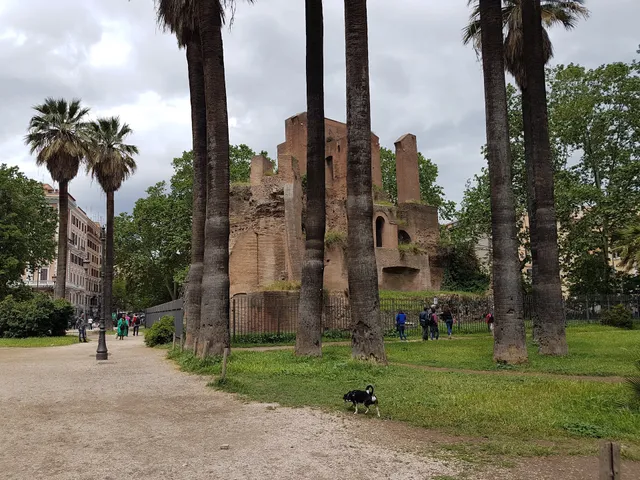
Napoleon Hotel
ItalyLazioRomeNapoleon Hotel

Basic Info

Napoleon Hotel

P.za Vittorio Emanuele II, 1, 00185 Roma RM, Italy
4.2(3.7K)
Open until 12:00 AM
Save
spot

Ratings & Description

Info

Cultural
Scenic
Relaxation
Family friendly
Accessibility
attractions: Teatro Brancaccio, Museo Ninfeo (Horti Lamiani), Museo delle Illusioni Roma, Basilica Papale di Santa Maria Maggiore, Centro Zen l'Arco, Basilica dei Santi Silvestro e Martino ai Monti, Palazzo Brancaccio, Parco del Colle Oppio, Basilica of San Clemente, Tempio di Minerva Medica, restaurants: Trattoria Vecchia Roma, Gatsby Cafè, Bakery Roscioli Pietro, Ristorante Le Caveau, Janta - Indian Fast Food, Quartino Enoteca, Bar allo Statuto, Himalaya Kashmir, Indo-Pakistan Restaurant, ARDECORE, Indian Restaurant Krishna13

logoLearn more insights from Wanderboat AI.
Phone
+39 06 0608
Website
turismoroma.it
Open hoursSee all hours
FriOpen 24 hoursOpen

Plan your stay

hotel
Pet-friendly Hotels in Rome
Find a cozy hotel nearby and make it a full experience.

hotel
Affordable Hotels in Rome
Find a cozy hotel nearby and make it a full experience.

hotel
The Coolest Hotels You Haven't Heard Of (Yet)
Find a cozy hotel nearby and make it a full experience.

hotel
Trending Stays Worth the Hype in Rome
Find a cozy hotel nearby and make it a full experience.

Reviews

Nearby attractions of Napoleon Hotel

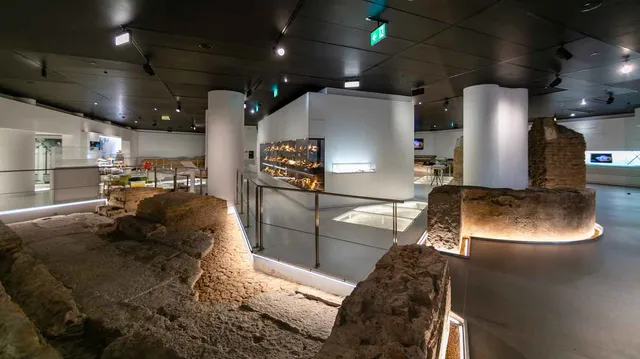
Teatro Brancaccio

Museo Ninfeo (Horti Lamiani)

Museo delle Illusioni Roma

Basilica Papale di Santa Maria Maggiore

Centro Zen l'Arco

Basilica dei Santi Silvestro e Martino ai Monti

Palazzo Brancaccio

Parco del Colle Oppio

Basilica of San Clemente

Tempio di Minerva Medica
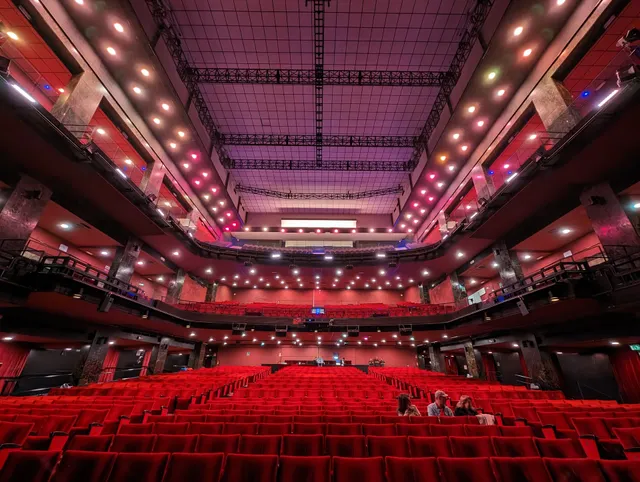
Teatro Brancaccio

Teatro Brancaccio

4.5

(3.4K)

Open 24 hours
Click for details
Museo Ninfeo (Horti Lamiani)

Museo Ninfeo (Horti Lamiani)

4.7

(79)

Closed
Click for details
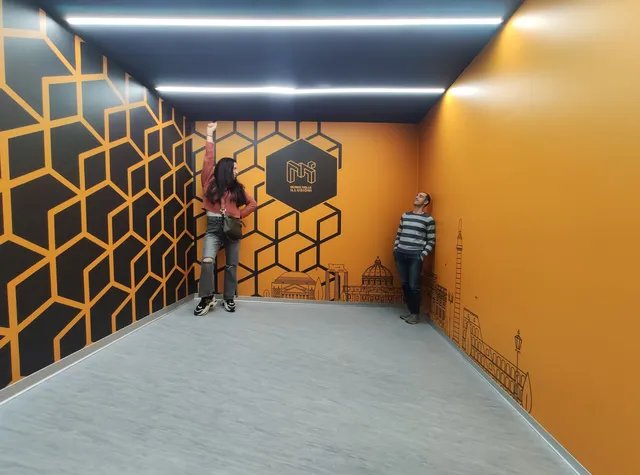
Museo delle Illusioni Roma

Museo delle Illusioni Roma

4.4

(1.8K)

Open 24 hours
Click for details
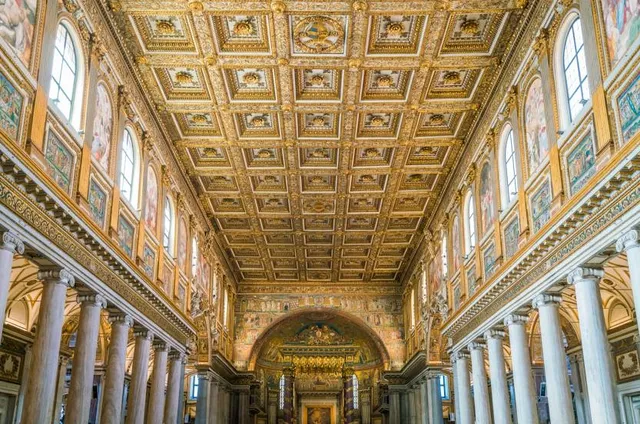
Basilica Papale di Santa Maria Maggiore

Basilica Papale di Santa Maria Maggiore

4.8

(16.8K)

Open 24 hours
Click for details

Things to do nearby
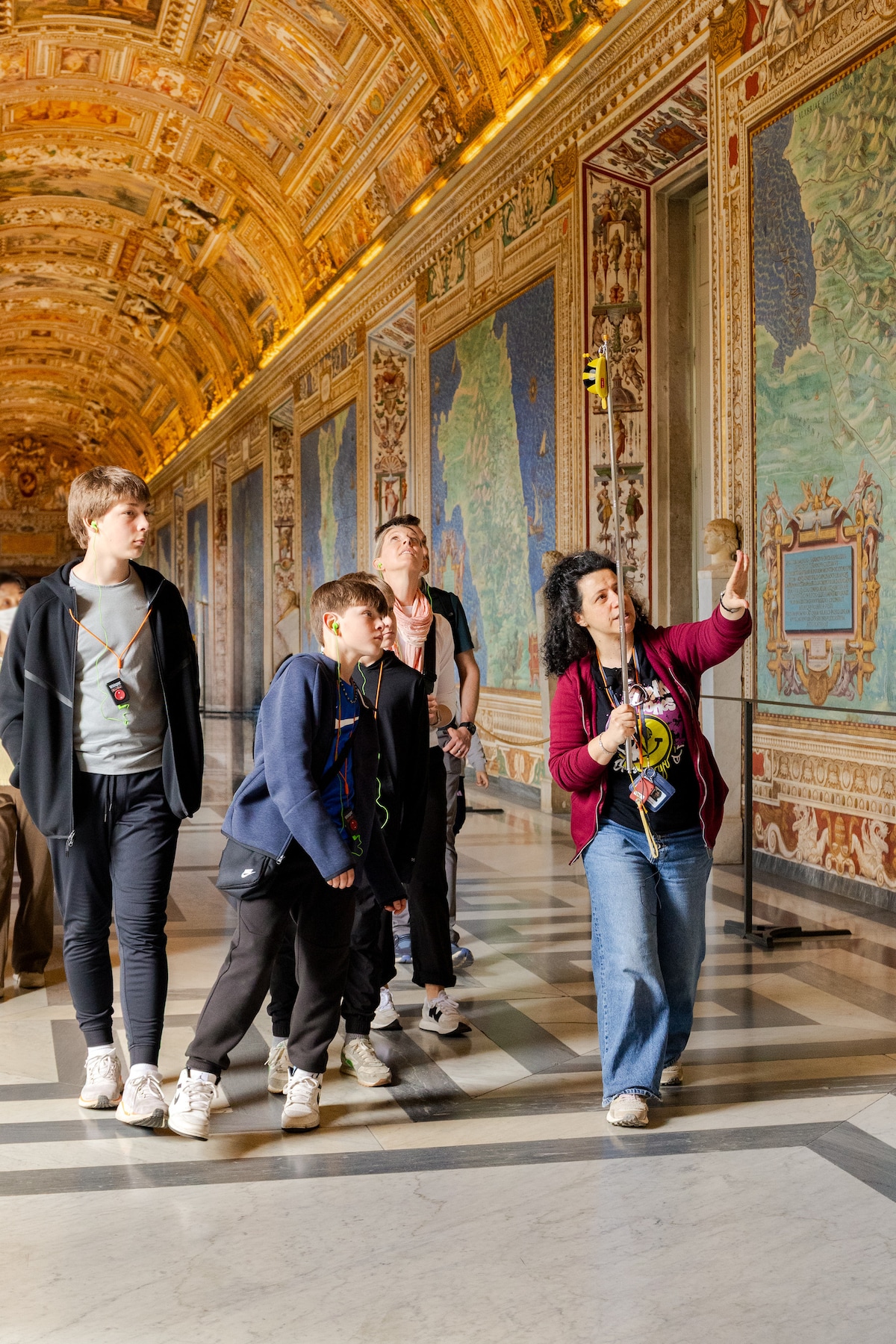
Catacombs: The Coolest Underground Tour in Rome
Thu, Dec 4 • 3:00 PM
00147, Rome, Lazio, Italy
View details
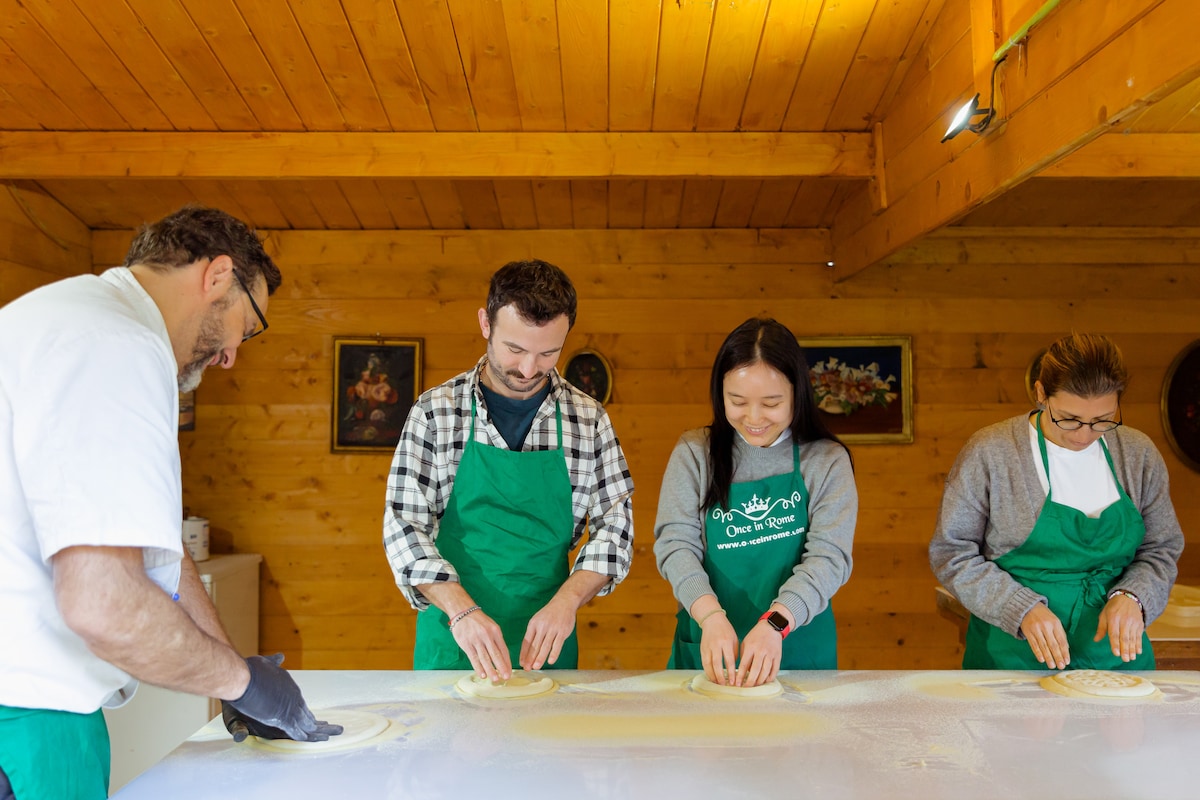
Pasta and Pizza cooking class with wine and more
Sun, Dec 7 • 10:30 AM
00142, Rome, Lazio, Italy
View details

Visit a 16th-century boutique winery
Sat, Dec 6 • 10:00 AM
00044, Frascati, Lazio, Italy
View details

Nearby restaurants of Napoleon Hotel

Trattoria Vecchia Roma

Gatsby Cafè

Bakery Roscioli Pietro

Ristorante Le Caveau

Janta - Indian Fast Food

Quartino Enoteca

Bar allo Statuto

Himalaya Kashmir, Indo-Pakistan Restaurant

ARDECORE

Indian Restaurant Krishna13
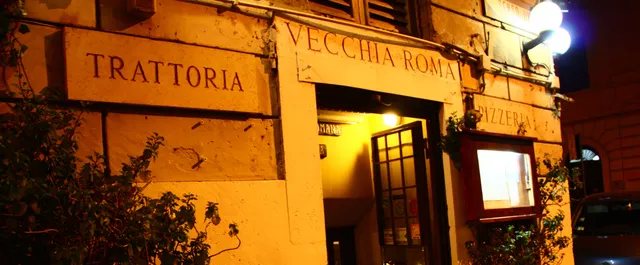
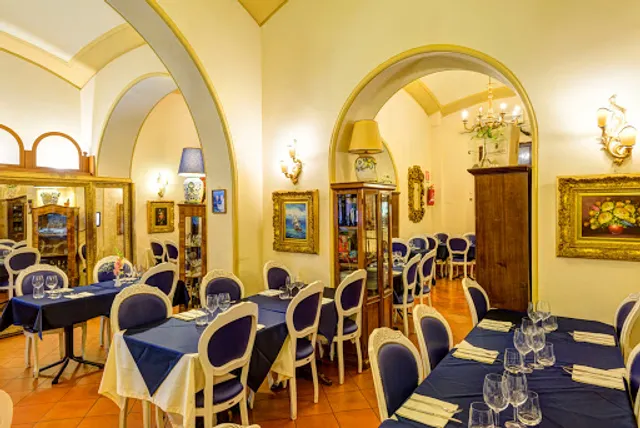
Trattoria Vecchia Roma

Trattoria Vecchia Roma

4.5

(5.2K)

$$

Click for details
Gatsby Cafè

Gatsby Cafè

4.3

(1.2K)

Click for details
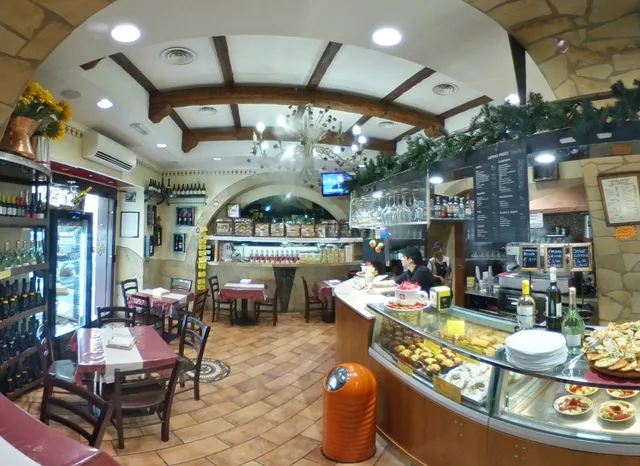
Bakery Roscioli Pietro

Bakery Roscioli Pietro

4.5

(1.0K)

Click for details
Ristorante Le Caveau

Ristorante Le Caveau

4.5

(972)

Click for details
Get the Appoverlay
Get the AppOne tap to find yournext favorite spots!

The hit list

restaurant
Best 10 Restaurants to Visit in Rome
February 12 · 5 min read
attraction
Best 10 Attractions to Visit in Rome
February 12 · 5 min read
Rome

Plan your trip with Wanderboat

Welcome to Wanderboat AI, your AI search for local Eats and Fun, designed to help you explore your city and the world with ease.

Powered by Wanderboat AI trip planner.
Wanderboat LogoWanderboat

Your everyday Al companion for getaway ideas

CompanyAbout Us
InformationAI Trip PlannerSitemap
SocialXInstagramTiktokLinkedin
LegalTerms of ServicePrivacy Policy

Get the app

© 2025 Wanderboat. All rights reserved.
logo

Reviews of Napoleon Hotel

4.2
(3,681)
avatar
5.0
1y

In the bustling city of Rome, there is a square that stands out among the rest. Piazza Vittorio Emanuele II is a grand and magnificent space, located in the heart of the city. People from all walks of life gather here to socialize, relax, and take in the beauty of their surroundings.

The square is named after the first king of Italy, Vittorio Emanuele II, and it is a tribute to his legacy and impact on the country. It is filled with stunning architecture, including the grand Palazzo Doria Pamphilj and the majestic Fontana dell'Acqua Felice.

Among the many people who visit Piazza Vittorio Emanuele II, there is a young woman named Isabella. She has lived in Rome her whole life and has always been in awe of this square. As a child, she would come here with her parents and play in the fountain, imagining herself as a princess in a grand palace.

Now, as an adult, Isabella still finds herself drawn to the square. She often sits on one of the benches, watching the people go by and admiring the beauty of the buildings. It is her escape from the chaos of the city, a place where she can find peace and quiet.

One day, while sitting on her favorite bench, Isabella notices a man sitting on the bench next to her. He introduces himself as Marco and they strike up a conversation. Marco is a tourist from America, and he is captivated by the charm of Piazza Vittorio Emanuele II. Isabella is happy to show him around and tell him about the history of the square.

As they spend more time together, Isabella and Marco develop a deep connection. They explore the city together, trying different foods, and visiting famous landmarks. But their favorite place remains Piazza Vittorio Emanuele II. They spend hours talking and getting to know each other better, surrounded by the beauty of the square.

As their time together comes to an end, Isabella and Marco realize that they have fallen in love. And they both know that Piazza Vittorio Emanuele II will always hold a special place in their hearts, as it was the place where their love story began.

Years later, Isabella and Marco return to Piazza Vittorio Emanuele II as a married couple. They sit on their favorite bench, holding hands and reminiscing about their first meeting. As they look around the square, they are reminded of the magic and beauty of this place, and how it brought them together.

Piazza Vittorio Emanuele II will always be a symbol of love and romance for Isabella and Marco, and for all those who visit it. It is a reminder that in the midst of a busy city, there are still moments of peace and serenity, and that love can blossom in the most...

   Read more
avatar
5.0
21w

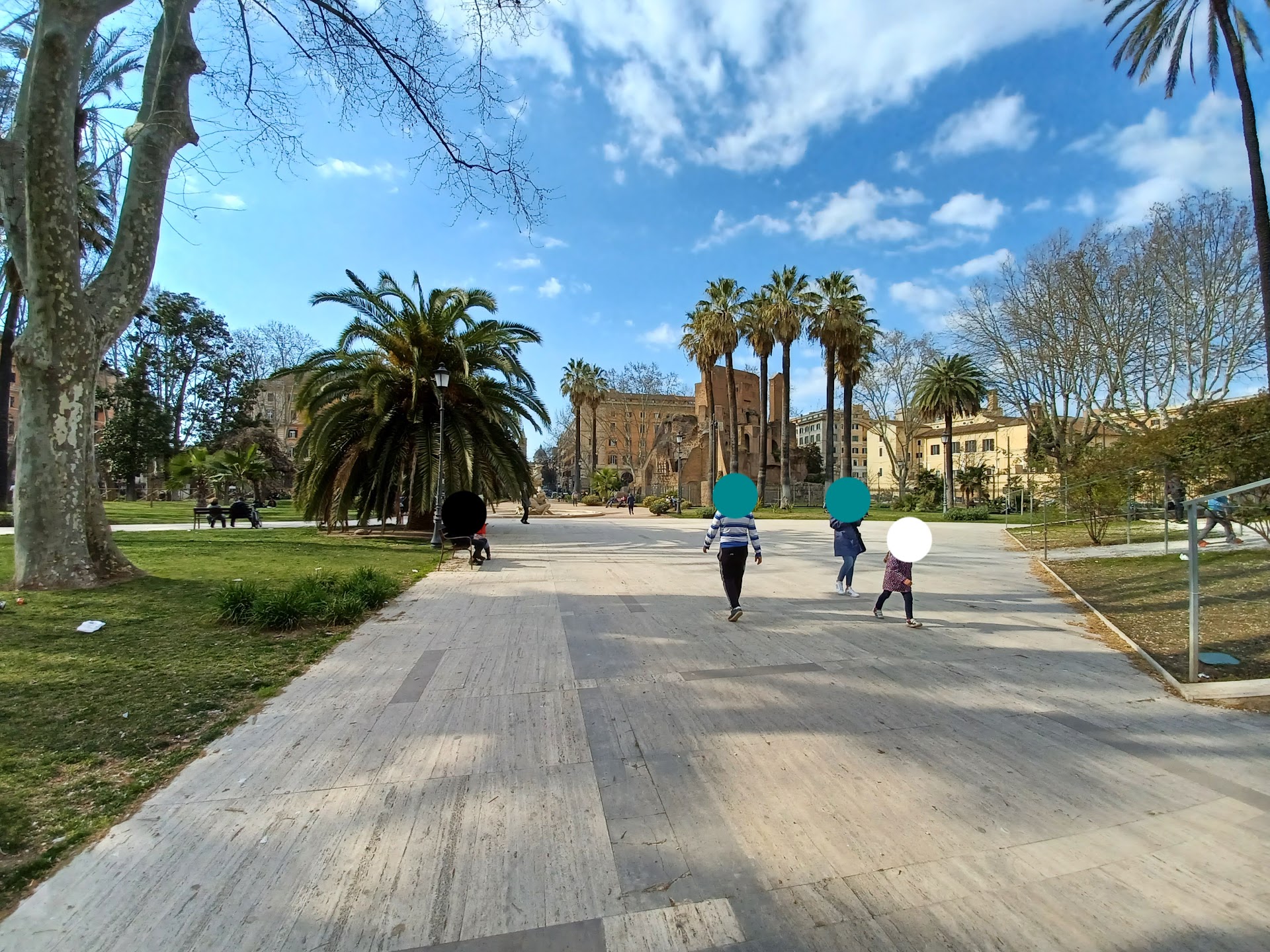
The square, the heart of the multicultural Esquilino district, was built in 1870 and dedicated to the first king of Italy. In the Nicola Calipari Gardens at its center lie the remains of a Roman fountain from the 3rd century AD (Severan period), once adorned with the Trophies of Marius, which were moved in the 16th century to the balustrade of Piazza del Campidoglio. Facing the ruins stands the curious Porta Magica (Magic Door), also known as the Porta Alchemica (Alchemical Door). This monument was built between 1655 and 1680 by Massimiliano Palombara, Marquis of Pietraforte (1614–1680), in his residence, Villa Palombara, which stood on the Esquiline Hill where it is now located. The villa was demolished in the second half of the 19th century during the construction of the new neighborhood, and the Porta Alchemica is the only surviving gate of the five that once belonged to Villa Palombara. It consists of a small, now bricked-up doorway, framed by white stone jambs covered in alchemical symbols and flanked by two statues—though these did not originally belong to Villa Palombara but were brought from the Quirinal Hill. At the rear of the square, there is a fountain featuring a sculptural group by Mario Rutelli, originally created for the Fountain of the Naiads in Piazza della Repubblica. Heavily criticized by the public and mockingly nicknamed the "fritto misto" (mixed fried food) by locals, it was relocated to this square and replaced with a different sculpture, which still stands at the center of the Esedra Fountain today. In one corner of the square, surrounded by uniform porticoed buildings designed by Koch and other architects, stands the Church of Sant'Eusebio all'Esquilino, dating back to the 4th century. It was renovated in 1230 under Pope Gregory IX and rebuilt in 1711 by...

   Read more
avatar
4.0
2y

Piazza Vittorio Emanuele II is one of Rome's most iconic public spaces, and the park that bears its name is an absolute gem that should not be missed. This charming urban oasis is a true haven for nature lovers and city dwellers alike, offering a welcome respite from the hustle and bustle of Rome's busy streets.

The park's beautifully landscaped gardens are a joy to explore, with winding paths, shady trees, and colorful flowers that create a peaceful and relaxing atmosphere. The central fountain is a delightful feature that adds a touch of whimsy to the park, while the well-manicured lawns and picturesque bridges make for the perfect spot for a picnic or a leisurely stroll.

But the real highlight of Piazza Vittorio Emanuele II is its vibrant and diverse community, which adds a unique flavor to the park that you won't find anywhere else in Rome. The park is a popular gathering spot for locals and visitors alike, and on any given day you'll find people from all walks of life enjoying the park's many amenities.

From families with young children playing on the playground to fitness enthusiasts jogging on the running paths, the park is a hub of activity and energy that is sure to leave you feeling invigorated and inspired. And with its many cafes and restaurants offering delicious Italian cuisine, it's the perfect place to relax and soak up the...

   Read more
Page 1 of 7
Previous
Next

Posts

Kutay ÇetinKutay Çetin
Piazza Vittorio Emanuele II is one of Rome's most iconic public spaces, and the park that bears its name is an absolute gem that should not be missed. This charming urban oasis is a true haven for nature lovers and city dwellers alike, offering a welcome respite from the hustle and bustle of Rome's busy streets. The park's beautifully landscaped gardens are a joy to explore, with winding paths, shady trees, and colorful flowers that create a peaceful and relaxing atmosphere. The central fountain is a delightful feature that adds a touch of whimsy to the park, while the well-manicured lawns and picturesque bridges make for the perfect spot for a picnic or a leisurely stroll. But the real highlight of Piazza Vittorio Emanuele II is its vibrant and diverse community, which adds a unique flavor to the park that you won't find anywhere else in Rome. The park is a popular gathering spot for locals and visitors alike, and on any given day you'll find people from all walks of life enjoying the park's many amenities. From families with young children playing on the playground to fitness enthusiasts jogging on the running paths, the park is a hub of activity and energy that is sure to leave you feeling invigorated and inspired. And with its many cafes and restaurants offering delicious Italian cuisine, it's the perfect place to relax and soak up the local culture.
Ricardo RoxoRicardo Roxo
Piazza Vittorio Emanuele II, often referred to as Piazza Vittorio, is one of Rome’s largest public squares, located in the Esquilino district. Established in the late 19th century, the square is surrounded by elegant porticoes and is known for its central gardens, which house historical artifacts such as the “Porta Alchemica” (Alchemist’s Door) and remnants of ancient Roman structures. The area is notably multicultural, featuring a diverse range of restaurants, markets, and shops, particularly known for its multiethnic covered market and Asian supermarkets. This diversity offers a unique cultural experience within Rome.  However, visitor experiences vary. Some appreciate the authentic, less touristy atmosphere, while others have reported feeling uncomfortable due to the presence of groups loitering around the square, especially after dark. It’s advisable to remain aware of your surroundings and perhaps avoid the area late at night.  In summary, Piazza Vittorio Emanuele II offers a glimpse into Rome’s diverse community and historical layers. While it provides a rich cultural experience during the day, visitors should exercise caution during evening hours.
Davide FabiDavide Fabi
Piazza Vittorio Emanuele II. Fu costruita infatti per celebrare l’Unità d’Italia, prendendo il nome del suo primo re. Quando la città di Roma fu eletta a Capitale d’Italia, nel 1871, la popolazione della città contava poco più di 220mila abitanti: per adeguare la città al suo nuovo ruolo furono varati un piano urbanistico e un Piano regolatore Fu progettato un nuovo quartiere vicino alla stazione Termini, l‘Esquilino, il cui cuore è Piazza Vittorio. In città si diffonde lo stile Umbertino, e anche Piazza Vittorio è tuttora considerata la piazza “torinese” dai romani, per il porticato che circonda tutta l’area, tipico delle città Piemontesi. I giardini Nicola Calipari si trovano al centro della più grande piazza di Roma, nel cuore del quartiere esquilino. Le origini della piazza e del giardino sono da collocare nell'ambito di un ambizioso piano di sviluppo urbanistico concepito tra il 1870 e il 1900 per adeguare a Roma al nuovo ruolo di capitale d'Italia. Il progetto prevedeva la costruzione di edifici di rappresentanza, uffici e infrastrutture destinate alle nuove classi dirigenti. Tra il 1882 e il 1887 furono demolite alcune ville quali Villa Palombara e villa Astalli e vennero costruiti su progetto dell'architetto Gaetano Kock imponenti edifici porticati in stile Umbertino dotati di spaziosi appartamenti riccamente decorati. I giardini ospitano preesistenze archeologiche e monumenti di rilievo storico come Il Ninfeo di Alessandro Severo, La misteriosa porta magica o alchemica proveniente dalla seicentesca Villa Palombara fiancheggiata Due figure mostruose di età romana raffigurante la divinità egizia Bes, il gruppo scultoreo di Mario Rutelli originariamente creato per la Fontana delle Naiadi di Piazza della Repubblica comunemente noto come "fritto misto" e raffigurante un groviglio di corpi e mostri marini. Nicola Calipari, un agente segreto italiano ucciso da soldati statunitensi in Iraq, il 4 marzo 2005, nelle fasi immediatamente successive alla liberazione della giornalista de Il Manifesto Giuliana Sgrena. Nel 1902 nella piazza si trasferisce un grande mercato. Col tempo spariscono la cancellata di ferro che circondava il giardino e il laghetto; comincia un lento degrado. Finalmente nel 2001 il mercato viene spostato nella ex caserma Guglielmo Pepe; seguono lavori di rifacimento dei marciapiedi e il ripristino della cancellata ottocentesca; il giardino viene ridisegnato. Il carattere multietnico del rione esquilino e simbolizzato oggi dall'albero dell'identità, l'opera patrocinata dal Comune di Roma è stata realizzata all'interno di un percorso formativo tra studenti e docenti delle scuole del territorio. La Porta Alchemica, detta anche Porta Magica è l'unica sopravvissuta delle cinque porte di villa Palombara. Sull'arco della porta perduta sul lato opposto vi era un'iscrizione che permette di datarla al 1680. Secondo la leggenda un pellegrino identificabile con l'alchimista Francesco Giuseppe Borri, trascorse quella notte nei giardini della villa alla ricerca di una misteriosa erba capace di produrre l'oro. Il mattino seguente fu visto scomparire per sempre attraverso la porta, ma lasciò dietro di sé alcune pagliuzze d'oro, frutto di una riuscita trasmutazione alchemica, e una misteriosa carta piena di enigmi e simboli magici che doveva contenere il segreto della pietra filosofale. Nei pressi della porta magica è presente la Colonia Felina che accoglie, con tanto di piccoli ripari, diverse decine di gatti romani. varie fonti
See more posts
See more posts
hotel
Find your stay

Pet-friendly Hotels in Rome

Find a cozy hotel nearby and make it a full experience.

Piazza Vittorio Emanuele II is one of Rome's most iconic public spaces, and the park that bears its name is an absolute gem that should not be missed. This charming urban oasis is a true haven for nature lovers and city dwellers alike, offering a welcome respite from the hustle and bustle of Rome's busy streets. The park's beautifully landscaped gardens are a joy to explore, with winding paths, shady trees, and colorful flowers that create a peaceful and relaxing atmosphere. The central fountain is a delightful feature that adds a touch of whimsy to the park, while the well-manicured lawns and picturesque bridges make for the perfect spot for a picnic or a leisurely stroll. But the real highlight of Piazza Vittorio Emanuele II is its vibrant and diverse community, which adds a unique flavor to the park that you won't find anywhere else in Rome. The park is a popular gathering spot for locals and visitors alike, and on any given day you'll find people from all walks of life enjoying the park's many amenities. From families with young children playing on the playground to fitness enthusiasts jogging on the running paths, the park is a hub of activity and energy that is sure to leave you feeling invigorated and inspired. And with its many cafes and restaurants offering delicious Italian cuisine, it's the perfect place to relax and soak up the local culture.
Kutay Çetin

Kutay Çetin

hotel
Find your stay

Affordable Hotels in Rome

Find a cozy hotel nearby and make it a full experience.

Get the Appoverlay
Get the AppOne tap to find yournext favorite spots!
Piazza Vittorio Emanuele II, often referred to as Piazza Vittorio, is one of Rome’s largest public squares, located in the Esquilino district. Established in the late 19th century, the square is surrounded by elegant porticoes and is known for its central gardens, which house historical artifacts such as the “Porta Alchemica” (Alchemist’s Door) and remnants of ancient Roman structures. The area is notably multicultural, featuring a diverse range of restaurants, markets, and shops, particularly known for its multiethnic covered market and Asian supermarkets. This diversity offers a unique cultural experience within Rome.  However, visitor experiences vary. Some appreciate the authentic, less touristy atmosphere, while others have reported feeling uncomfortable due to the presence of groups loitering around the square, especially after dark. It’s advisable to remain aware of your surroundings and perhaps avoid the area late at night.  In summary, Piazza Vittorio Emanuele II offers a glimpse into Rome’s diverse community and historical layers. While it provides a rich cultural experience during the day, visitors should exercise caution during evening hours.
Ricardo Roxo

Ricardo Roxo

hotel
Find your stay

The Coolest Hotels You Haven't Heard Of (Yet)

Find a cozy hotel nearby and make it a full experience.

hotel
Find your stay

Trending Stays Worth the Hype in Rome

Find a cozy hotel nearby and make it a full experience.

Piazza Vittorio Emanuele II. Fu costruita infatti per celebrare l’Unità d’Italia, prendendo il nome del suo primo re. Quando la città di Roma fu eletta a Capitale d’Italia, nel 1871, la popolazione della città contava poco più di 220mila abitanti: per adeguare la città al suo nuovo ruolo furono varati un piano urbanistico e un Piano regolatore Fu progettato un nuovo quartiere vicino alla stazione Termini, l‘Esquilino, il cui cuore è Piazza Vittorio. In città si diffonde lo stile Umbertino, e anche Piazza Vittorio è tuttora considerata la piazza “torinese” dai romani, per il porticato che circonda tutta l’area, tipico delle città Piemontesi. I giardini Nicola Calipari si trovano al centro della più grande piazza di Roma, nel cuore del quartiere esquilino. Le origini della piazza e del giardino sono da collocare nell'ambito di un ambizioso piano di sviluppo urbanistico concepito tra il 1870 e il 1900 per adeguare a Roma al nuovo ruolo di capitale d'Italia. Il progetto prevedeva la costruzione di edifici di rappresentanza, uffici e infrastrutture destinate alle nuove classi dirigenti. Tra il 1882 e il 1887 furono demolite alcune ville quali Villa Palombara e villa Astalli e vennero costruiti su progetto dell'architetto Gaetano Kock imponenti edifici porticati in stile Umbertino dotati di spaziosi appartamenti riccamente decorati. I giardini ospitano preesistenze archeologiche e monumenti di rilievo storico come Il Ninfeo di Alessandro Severo, La misteriosa porta magica o alchemica proveniente dalla seicentesca Villa Palombara fiancheggiata Due figure mostruose di età romana raffigurante la divinità egizia Bes, il gruppo scultoreo di Mario Rutelli originariamente creato per la Fontana delle Naiadi di Piazza della Repubblica comunemente noto come "fritto misto" e raffigurante un groviglio di corpi e mostri marini. Nicola Calipari, un agente segreto italiano ucciso da soldati statunitensi in Iraq, il 4 marzo 2005, nelle fasi immediatamente successive alla liberazione della giornalista de Il Manifesto Giuliana Sgrena. Nel 1902 nella piazza si trasferisce un grande mercato. Col tempo spariscono la cancellata di ferro che circondava il giardino e il laghetto; comincia un lento degrado. Finalmente nel 2001 il mercato viene spostato nella ex caserma Guglielmo Pepe; seguono lavori di rifacimento dei marciapiedi e il ripristino della cancellata ottocentesca; il giardino viene ridisegnato. Il carattere multietnico del rione esquilino e simbolizzato oggi dall'albero dell'identità, l'opera patrocinata dal Comune di Roma è stata realizzata all'interno di un percorso formativo tra studenti e docenti delle scuole del territorio. La Porta Alchemica, detta anche Porta Magica è l'unica sopravvissuta delle cinque porte di villa Palombara. Sull'arco della porta perduta sul lato opposto vi era un'iscrizione che permette di datarla al 1680. Secondo la leggenda un pellegrino identificabile con l'alchimista Francesco Giuseppe Borri, trascorse quella notte nei giardini della villa alla ricerca di una misteriosa erba capace di produrre l'oro. Il mattino seguente fu visto scomparire per sempre attraverso la porta, ma lasciò dietro di sé alcune pagliuzze d'oro, frutto di una riuscita trasmutazione alchemica, e una misteriosa carta piena di enigmi e simboli magici che doveva contenere il segreto della pietra filosofale. Nei pressi della porta magica è presente la Colonia Felina che accoglie, con tanto di piccoli ripari, diverse decine di gatti romani. varie fonti
Davide Fabi

Davide Fabi

See more posts
See more posts