HTML SitemapExplore
logo
Find Things to DoFind The Best Restaurants

Porta del Popolo — Attraction in Rome

Name
Porta del Popolo
Description
Nearby attractions
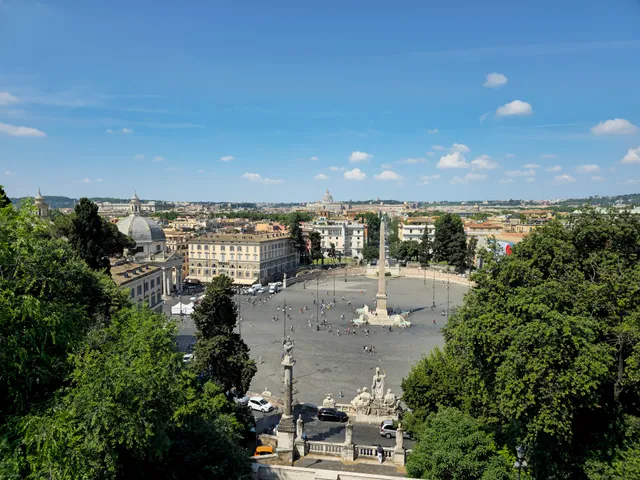
Piazza del Popolo
Piazza del Popolo, 00187 Roma RM, Italy
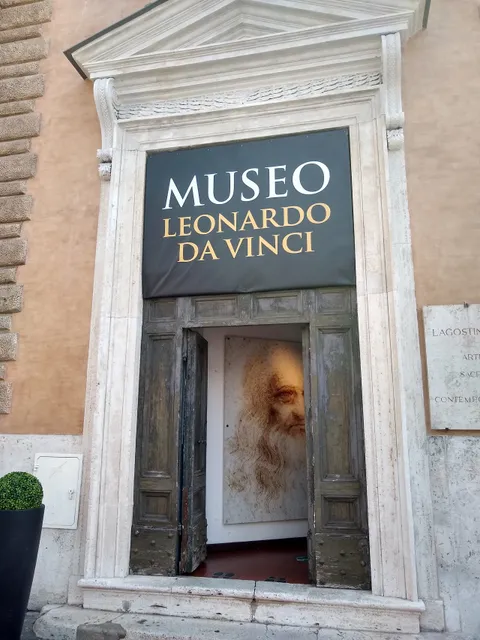
Museo Leonardo da Vinci
Piazza del Popolo, 12, 00187 Roma RM, Italy
Terrazza del Pincio
Piazza del Popolo, 19, 00187 Roma RM, Italy
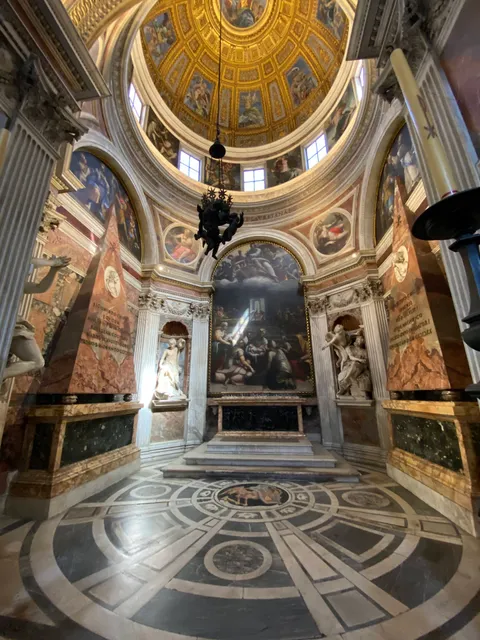
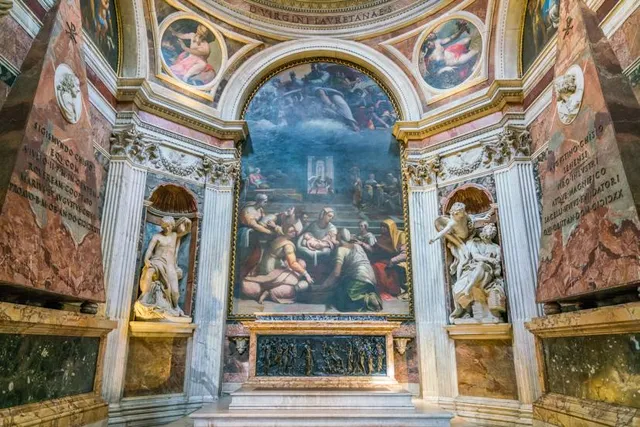
Cappella Chigi
Piazza del Popolo, 12, 00187 Roma RM, Italy
Fontana dei Leoni
Piazza del Popolo, 00187 Roma RM, Italy
Santa Maria in Montesanto Basilica
Piazza del Popolo, 18, 00187 Roma RM, Italy
Chiesa Santa Maria dei Miracoli
Via del Corso, 528, 00186 Roma RM, Italy
Passeggiata del Pincio
Viale Gabriele D'Annunzio, 00197 Roma RM, Italy
Explora - Il Museo dei Bambini di Roma
Via Flaminia, 80/86, 00196 Roma RM, Italy
Hendrik Christian Andersen Museum
Via Pasquale Stanislao Mancini, 20, 00196 Roma RM, Italy
Nearby restaurants
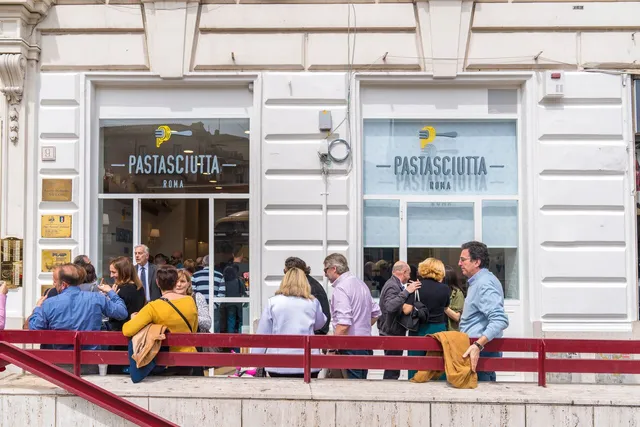
Pastasciutta
Piazzale Flaminio, 10, 00196 Roma RM, Italy
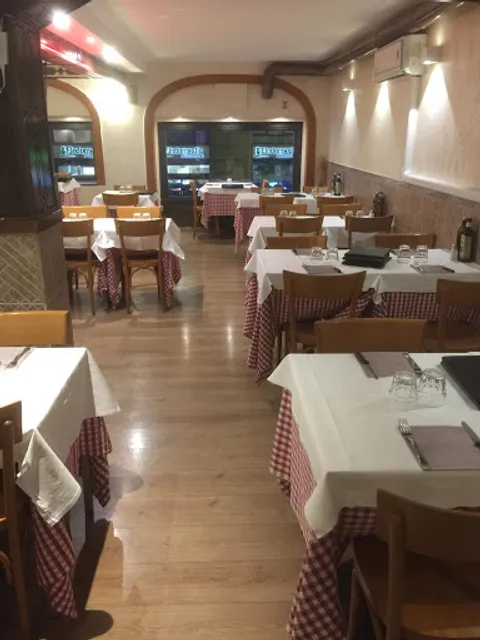
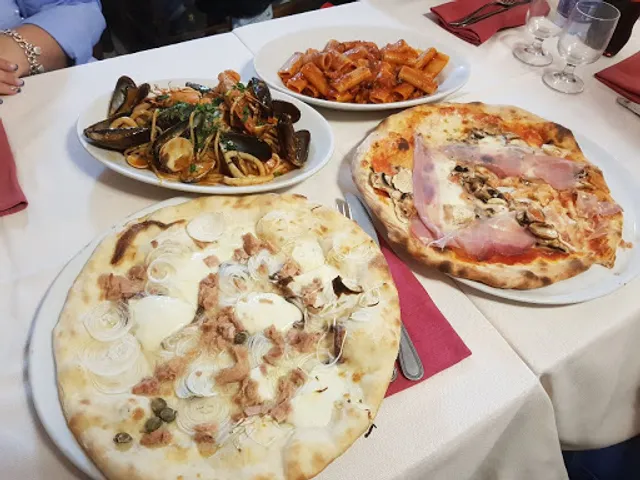
Ristorante Pizzeria Popolo Caffè
Via Flaminia, 9, 00196 Roma RM, Italy
Eden il Paradiso Del Pistacchio
Via Flaminia, 40, 00196 Roma RM, Italy
All'Orsetto
Via Flaminia, 14, 00196 Roma RM, Italy
McDonald's Roma Piazzale Flaminio
Piazzale Flaminio, 15, 00196 Roma RM, Italy
Flaminio Istanbul Kebab
Via Flaminia, 17, 00196 Roma RM, Italy
PizzaRé
Via di Ripetta, 14, 00186 Roma RM, Italy
Negresco Ristorante Pizzeria
Via della Penna, 52, 00186 Roma RM, Italy
Canova Piazza del Popolo
Piazza del Popolo, 16, 00187 Roma RM, Italy
Lima Chicken
Via Flaminia, 34, 00196 Roma RM, Italy
Nearby hotels
Casa Montani
Piazzale Flaminio, 9, 00196 Roma RM, Italy
Hotel Locarno
Via della Penna, 22, 00186 Roma RM, Italy
River Palace Hotel
Via Flaminia, 33, 00196 Roma RM, Italy
Relais Piazza del Popolo
Piazzale Flaminio, 9, 00196 Roma RM, Italy
Daplace - La Locanda di Piazza del Popolo
Via Gian Domenico Romagnosi, 3, 00196 Roma RM, Italy
Popolo & Flaminio Rooms
Via Flaminia, 21, 00196 Roma RM, Italy
900 PIAZZA DEL POPOLO
Piazzale Flaminio, 9 Secondo Piano, Scala C, Interno 3A, 00196 Roma RM, Italy
Hotel Valadier
Via della Fontanella, 15, 00187 Roma RM, Italy
Residenza Flaminio Gaio - Luxury Suites Roma
Via Gian Domenico Romagnosi, 1B, 00196 Roma RM, Italy
Rome Plaza Suites, Luxury Collection
Piazzale Flaminio, 9, 00196 Roma RM, Italy
Related posts
Keywords
Porta del Popolo tourism.Porta del Popolo hotels.Porta del Popolo bed and breakfast. flights to Porta del Popolo.Porta del Popolo attractions.Porta del Popolo restaurants.Porta del Popolo travel.Porta del Popolo travel guide.Porta del Popolo travel blog.Porta del Popolo pictures.Porta del Popolo photos.Porta del Popolo travel tips.Porta del Popolo maps.Porta del Popolo things to do.
Porta del Popolo things to do, attractions, restaurants, events info and trip planning
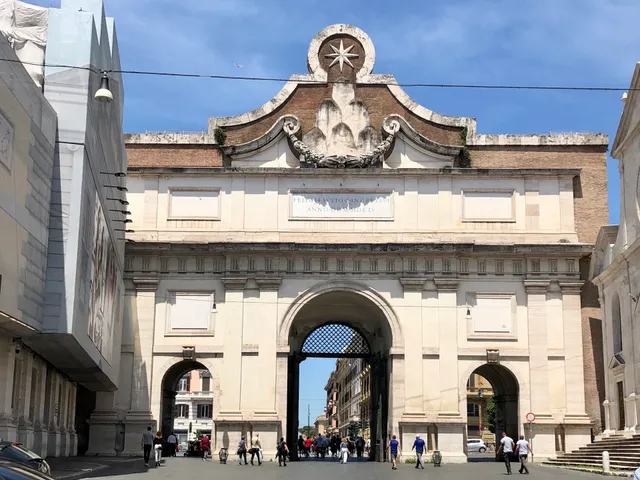
Porta del Popolo
ItalyLazioRomePorta del Popolo

Basic Info

Porta del Popolo

Piazzale Flaminio, 00187 Roma RM, Italy
4.6(283)
Open until 12:00 AM
Save
spot

Ratings & Description

Info

Cultural
Scenic
Accessibility
Family friendly
attractions: Piazza del Popolo, Museo Leonardo da Vinci, Terrazza del Pincio, Cappella Chigi, Fontana dei Leoni, Santa Maria in Montesanto Basilica, Chiesa Santa Maria dei Miracoli, Passeggiata del Pincio, Explora - Il Museo dei Bambini di Roma, Hendrik Christian Andersen Museum, restaurants: Pastasciutta, Ristorante Pizzeria Popolo Caffè, Eden il Paradiso Del Pistacchio, All'Orsetto, McDonald's Roma Piazzale Flaminio, Flaminio Istanbul Kebab, PizzaRé, Negresco Ristorante Pizzeria, Canova Piazza del Popolo, Lima Chicken
logoLearn more insights from Wanderboat AI.
Website
turismoroma.it
Open hoursSee all hours
FriOpen 24 hoursOpen

Plan your stay

hotel
Pet-friendly Hotels in Rome
Find a cozy hotel nearby and make it a full experience.

hotel
Affordable Hotels in Rome
Find a cozy hotel nearby and make it a full experience.

hotel
The Coolest Hotels You Haven't Heard Of (Yet)
Find a cozy hotel nearby and make it a full experience.

hotel
Trending Stays Worth the Hype in Rome
Find a cozy hotel nearby and make it a full experience.

Reviews

Nearby attractions of Porta del Popolo

Piazza del Popolo

Museo Leonardo da Vinci

Terrazza del Pincio

Cappella Chigi

Fontana dei Leoni

Santa Maria in Montesanto Basilica

Chiesa Santa Maria dei Miracoli

Passeggiata del Pincio

Explora - Il Museo dei Bambini di Roma

Hendrik Christian Andersen Museum

Piazza del Popolo

Piazza del Popolo

4.7

(39.1K)

Open 24 hours
Click for details
Museo Leonardo da Vinci

Museo Leonardo da Vinci

4.2

(1.1K)

Open 24 hours
Click for details
Terrazza del Pincio

Terrazza del Pincio

4.8

(639)

Open 24 hours
Click for details
Cappella Chigi

Cappella Chigi

4.7

(93)

Open 24 hours
Click for details

Things to do nearby

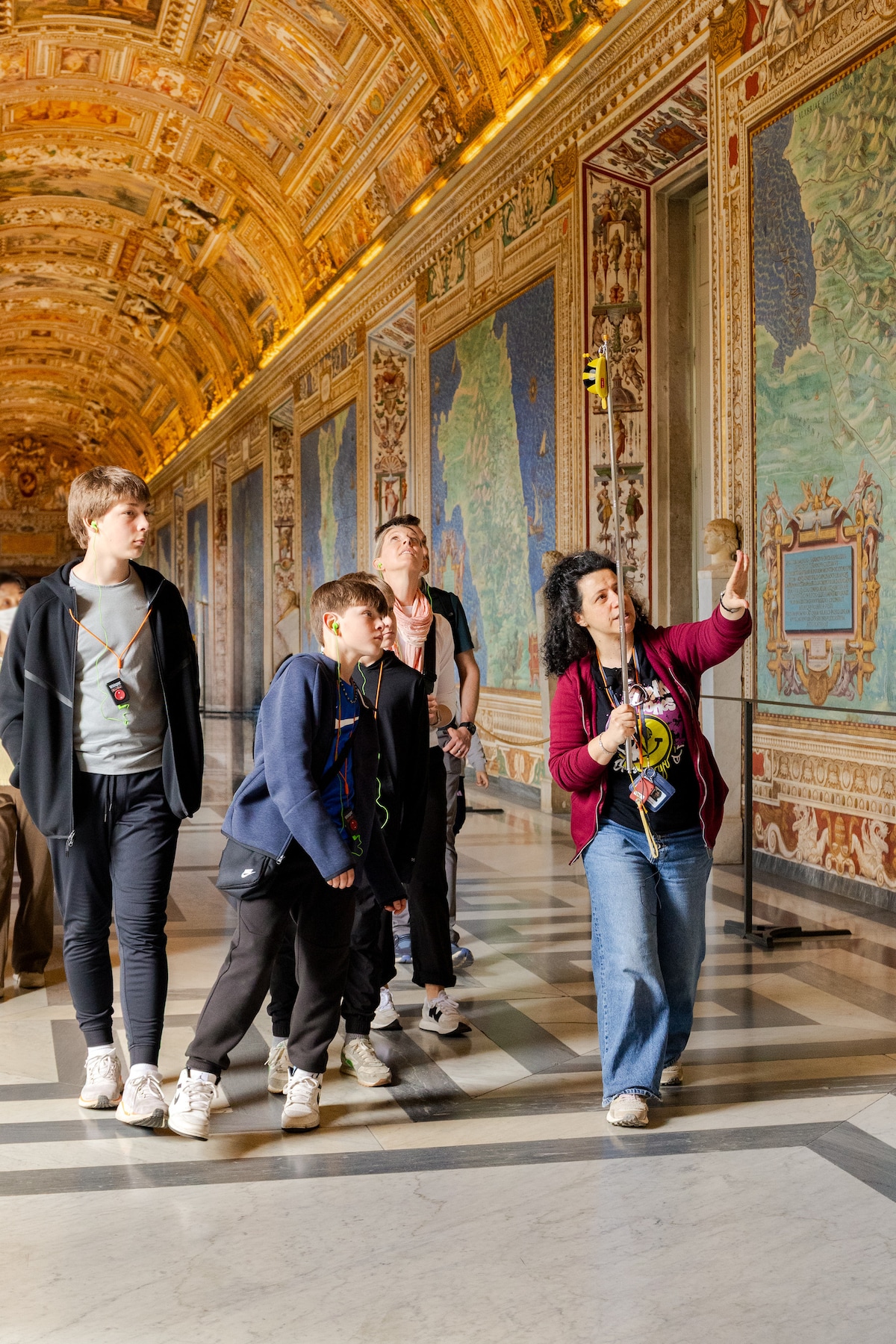
Catacombs: The Coolest Underground Tour in Rome
Fri, Dec 5 • 3:00 PM
00147, Rome, Lazio, Italy
View details
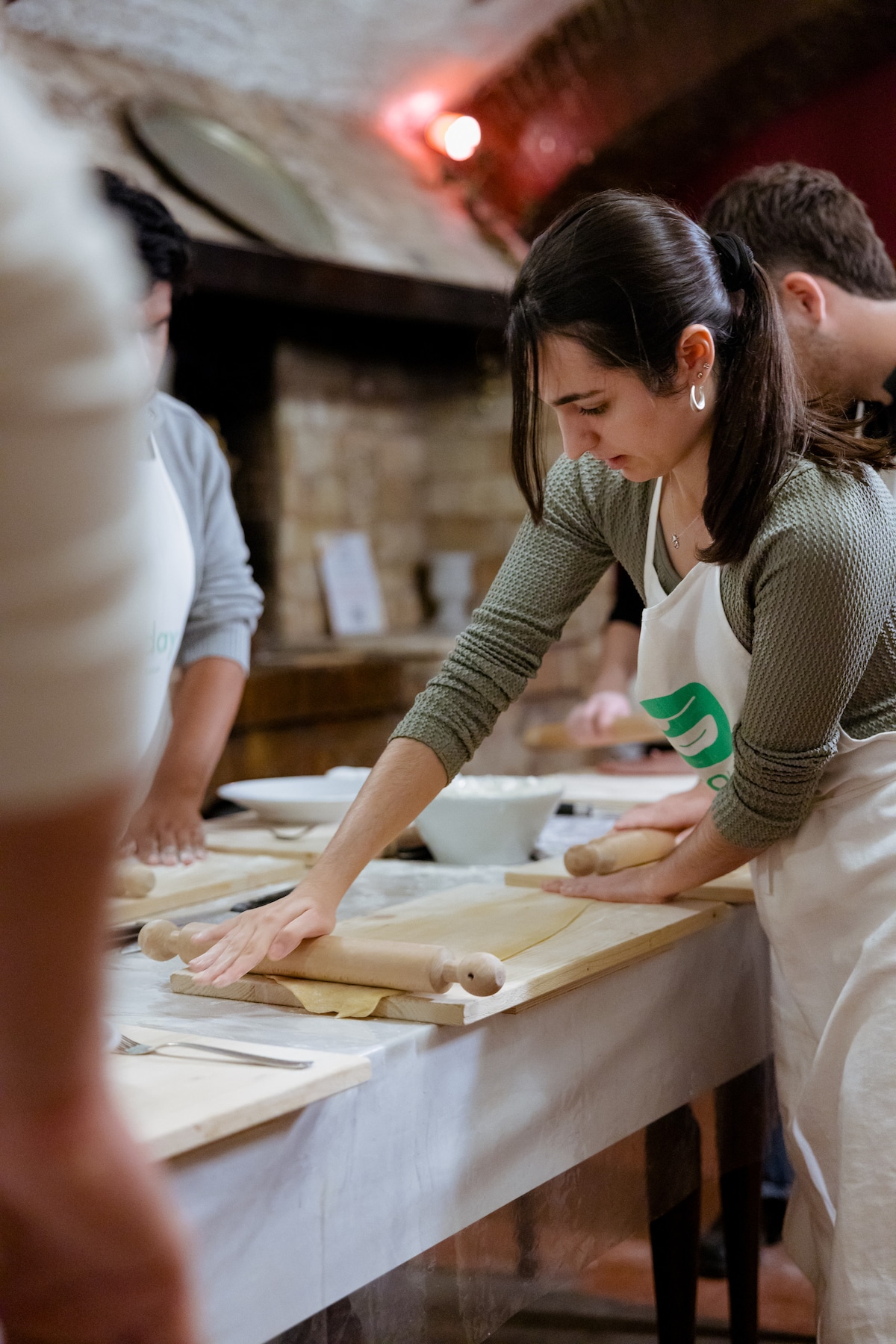
Pasta-making class, wine tasting and dinner
Fri, Dec 5 • 3:30 PM
00044, Frascati, Lazio, Italy
View details
Pasta and Pizza cooking class with wine and more
Sun, Dec 7 • 10:30 AM
00142, Rome, Lazio, Italy
View details

Nearby restaurants of Porta del Popolo

Pastasciutta

Ristorante Pizzeria Popolo Caffè

Eden il Paradiso Del Pistacchio

All'Orsetto

McDonald's Roma Piazzale Flaminio

Flaminio Istanbul Kebab

PizzaRé

Negresco Ristorante Pizzeria

Canova Piazza del Popolo

Lima Chicken

Pastasciutta

Pastasciutta

4.6

(2.3K)

$

Click for details
Ristorante Pizzeria Popolo Caffè

Ristorante Pizzeria Popolo Caffè

4.4

(663)

Click for details
Eden il Paradiso Del Pistacchio

Eden il Paradiso Del Pistacchio

4.8

(48)

Click for details
All'Orsetto

All'Orsetto

3.9

(472)

$

Click for details
Get the Appoverlay
Get the AppOne tap to find yournext favorite spots!

The hit list

restaurant
Best 10 Restaurants to Visit in Rome
February 12 · 5 min read
attraction
Best 10 Attractions to Visit in Rome
February 12 · 5 min read
Rome

Plan your trip with Wanderboat

Welcome to Wanderboat AI, your AI search for local Eats and Fun, designed to help you explore your city and the world with ease.

Powered by Wanderboat AI trip planner.
Wanderboat LogoWanderboat

Your everyday Al companion for getaway ideas

CompanyAbout Us
InformationAI Trip PlannerSitemap
SocialXInstagramTiktokLinkedin
LegalTerms of ServicePrivacy Policy

Get the app

© 2025 Wanderboat. All rights reserved.
logo

Reviews of Porta del Popolo

4.6
(283)
avatar
5.0
28w

Porta del Popolo is a monumental city gate located in the Aurelian Walls of Rome, Italy. It marks the northern entrance to the historical center of the city and is situated at the northern end of Piazza del Popolo, a major urban space that has played a significant role in Rome’s civic and religious life.

The gate was originally known as Porta Flaminia, as it served as the main access point from the Via Flaminia, one of the most important consular roads of ancient Rome, which connected the city with the Adriatic coast. The current structure dates primarily to a 16th-century rebuilding ordered by Pope Pius IV, whose coat of arms and dedicatory inscription are prominently displayed on the façade. The reconstruction was part of a broader campaign of urban renewal during the late Renaissance and was carried out between 1562 and 1565 under the direction of architect Nanni di Baccio Bigio, working in a style influenced by Michelangelo.

The inner façade of the gate, facing the piazza, was redesigned in 1655 by Gian Lorenzo Bernini on the occasion of the ceremonial arrival of Queen Christina of Sweden, who had converted to Catholicism and entered Rome via Porta del Popolo. Bernini’s design included papal emblems and sculptural embellishments intended to enhance the symbolic prestige of the entry point.

⸻

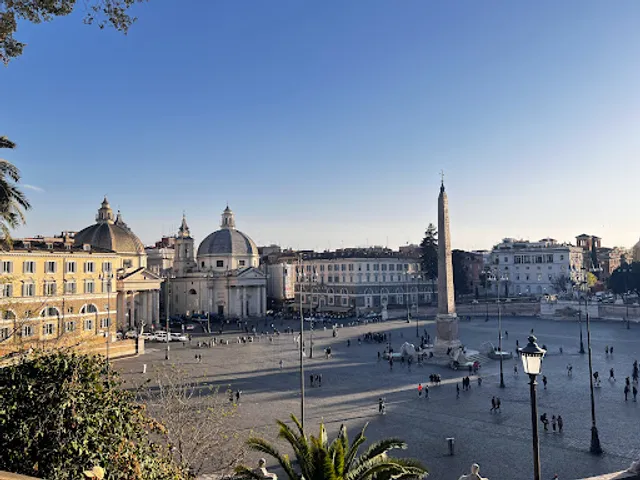
Piazza del Popolo

Piazza del Popolo is a large, elliptical square located just inside Porta del Popolo. It served historically as a point of convergence for travelers entering Rome from the north and became a key location in both the religious and civic topography of the city.

At the center of the square stands the Flaminian Obelisk, an Egyptian obelisk originally erected by Pharaoh Ramses II in Heliopolis. The obelisk was brought to Rome in 10 BCE by Emperor Augustus and placed in the Circus Maximus before being relocated to the piazza in 1589 under Pope Sixtus V as part of his urban planning project to align Rome’s monuments with the city’s Christianization.

The square is flanked by two Baroque churches—Santa Maria dei Miracoli and Santa Maria in Montesanto—which form a symmetrical ensemble known as the “twin churches.” Despite their visual similarity, the churches differ in layout and proportions due to the irregularity of the surrounding urban space. Their construction was initiated in the late 17th century under Pope Alexander VII, with designs attributed to Carlo Rainaldi, Carlo Fontana, and Gian Lorenzo Bernini.

The overall layout of the piazza was redesigned in the early 19th century by the neoclassical architect Giuseppe Valadier, who introduced an elliptical plan, landscaped terraces, and staircases connecting the square to the Pincian Hill (Pincio), creating one of Rome’s most scenic panoramic points.

The name Piazza del Popolo has uncertain origins. While it is often interpreted to mean “People’s Square,” some scholars trace the name to the Latin word populus, meaning “poplar tree,” possibly referring to a grove that once stood nearby or to the church of Santa Maria del Popolo, which borders the square and gives...

   Read more
avatar
5.0
4y

🏛One of Rome's main entrance gates. Papal arms are present on the gate. Dates back 1500s. The previous name was Porta Flaminia, because the consular Via Flaminia passed, as it passes even now, through it (in ancient times, Via Flaminia started at the Porta Fontinalis, close to the current Vittoriano). In the 10th century the gate was named Porta San Valentino, due to the basilica and the catacomb with the same name, rising at the beginning of Viale Pilsudski.

The origin of the present name of the gate, as well as of the piazza that it overlooks, is not clear: it has been supposed that it could derive from the many poplars (Latin: populus) covering the area, but it is more likely that the toponym is connected with the origins of the Basilica of Santa Maria del Popolo (Saint Mary of the People), erected in 1099 by Pope Paschal II thanks to a more or less voluntary subscription of the Roman people.

Considering the importance of the Via Flaminia, Porta del Popolo had, since the beginning of its existence, a prevalent role of sorting of the urban traffic rather than a defensive use. This brought to a never confirmed conjecture that the gate was formerly built with two archways (as well as two cylindrical side towers) and that only during the Middle Ages, as a consequence of the decrease of traffic due to the demographic fall, it was reduced into a single archway. At the age of Sixtus IV, the gate was half-buried and victim of a centuries-old negligence, damaged by time and medieval sieges; a shallow restoration was limited to a partial reinforcement of the structure.

🏛Romanın ana giriş kapılarından biri. Papalık armaları mevcut. 1500lü...

   Read more
avatar
5.0
6y

La Porta del Popolo (anticamente chiamata Porta Flaminia), che fa parte delle Mura Aureliane è ubicata nel centro storico di Roma, nel Rione IV (Campo Marzio) in Piazzale Flaminio dalla parte del esterno e in Piazza del Popolo dalla parte del lato interno.

La forma attuale della Porta denota che lo scopo ornamentale prevaleva su quello difensivo della città, però quella che possiamo ammirare oggi è una ricostruzione del XVI secolo, dato che quella originale, era andata semidistrutta per l’incuria e per i vari assedi che la città di Roma aveva subito nel medioevo

LA FACCIATA ESTERNA: IL TOCCO DI MICHELANGELO E IL RESTAURO DI PIO IV:

La parte esterna quella che dà su Piazzale Flaminio, fu commissionata da Papa Pio IV all’ormai anziano Michelangelo che passò l’incarico ad un suo valente allievo, nella realizzazione del 1565 vi era un’unica fornice, inquadrata da quattro colonne provenienti dalla Basilica di San Pietro, sull’architrave vi è un'iscrizione, per ricordare del restauro fatto eseguire da PIO IV.

Nel 1887 per problemi legati al traffico, furono aggiunte due fornici laterali di dimensioni più piccole di quelle laterali, per fare questo, furono demolite le due Torri preesistenti, anche perché lo scopo difensivo della Porta era terminato.

La facciata interna: il tributo di Bernini e l’ingresso della regina Cristina di Svezia:

La parte interna, appare molto meno elaborata, commissionata dal Papa Alessandro VII della nobile famiglia dei Chigi, fu eseguita da Bernini nel 1655, in occasione dell’arrivo della regina Cristina di Svezia, che si era convertita alla religione cattolica, come ricordato su una iscrizione in latino nell’architrave che significa: “Per un ingresso felice e di buon auspicio nell'anno del Signore 1655”

A coronamento è posto il simbolo della famiglia dei Chigi, monti a sei colli sormontato da una stella ad otto punte, sostenuto da volute e ghirlanda di foglie.

UN'OPERA CHE RESISTE AL TEMPO:

Si tratta di uno dei simboli del cambiamento di questa città, un luogo di ingresso che è stato il passaggio di milioni di persone dai sovrani, ai pellegrini e dai turisti,

Nell’insieme un’opera monumentale, di grande impatto visivo, anche se nella parte esterna è “disturbata” dal notevole traffico.

ALLA SCOPERTA DI ROMA:

Roma è un mosaico di storie e segreti, dove ogni angolo cela un frammento di passato da riscoprire. Se questa narrazione ha stuzzicato la tua curiosità, ti invito a continuare il viaggio con me attraverso altre meraviglie nascoste della città, perché ogni pietra qui...

   Read more
Page 1 of 7
Previous
Next

Posts

Camilo A. PosadaCamilo A. Posada
Porta del Popolo is a monumental city gate located in the Aurelian Walls of Rome, Italy. It marks the northern entrance to the historical center of the city and is situated at the northern end of Piazza del Popolo, a major urban space that has played a significant role in Rome’s civic and religious life. The gate was originally known as Porta Flaminia, as it served as the main access point from the Via Flaminia, one of the most important consular roads of ancient Rome, which connected the city with the Adriatic coast. The current structure dates primarily to a 16th-century rebuilding ordered by Pope Pius IV, whose coat of arms and dedicatory inscription are prominently displayed on the façade. The reconstruction was part of a broader campaign of urban renewal during the late Renaissance and was carried out between 1562 and 1565 under the direction of architect Nanni di Baccio Bigio, working in a style influenced by Michelangelo. The inner façade of the gate, facing the piazza, was redesigned in 1655 by Gian Lorenzo Bernini on the occasion of the ceremonial arrival of Queen Christina of Sweden, who had converted to Catholicism and entered Rome via Porta del Popolo. Bernini’s design included papal emblems and sculptural embellishments intended to enhance the symbolic prestige of the entry point. ⸻ Piazza del Popolo Piazza del Popolo is a large, elliptical square located just inside Porta del Popolo. It served historically as a point of convergence for travelers entering Rome from the north and became a key location in both the religious and civic topography of the city. At the center of the square stands the Flaminian Obelisk, an Egyptian obelisk originally erected by Pharaoh Ramses II in Heliopolis. The obelisk was brought to Rome in 10 BCE by Emperor Augustus and placed in the Circus Maximus before being relocated to the piazza in 1589 under Pope Sixtus V as part of his urban planning project to align Rome’s monuments with the city’s Christianization. The square is flanked by two Baroque churches—Santa Maria dei Miracoli and Santa Maria in Montesanto—which form a symmetrical ensemble known as the “twin churches.” Despite their visual similarity, the churches differ in layout and proportions due to the irregularity of the surrounding urban space. Their construction was initiated in the late 17th century under Pope Alexander VII, with designs attributed to Carlo Rainaldi, Carlo Fontana, and Gian Lorenzo Bernini. The overall layout of the piazza was redesigned in the early 19th century by the neoclassical architect Giuseppe Valadier, who introduced an elliptical plan, landscaped terraces, and staircases connecting the square to the Pincian Hill (Pincio), creating one of Rome’s most scenic panoramic points. The name Piazza del Popolo has uncertain origins. While it is often interpreted to mean “People’s Square,” some scholars trace the name to the Latin word populus, meaning “poplar tree,” possibly referring to a grove that once stood nearby or to the church of Santa Maria del Popolo, which borders the square and gives it its name.
Evren UysalEvren Uysal
🏛One of Rome's main entrance gates. Papal arms are present on the gate. Dates back 1500s. The previous name was Porta Flaminia, because the consular Via Flaminia passed, as it passes even now, through it (in ancient times, Via Flaminia started at the Porta Fontinalis, close to the current Vittoriano). In the 10th century the gate was named Porta San Valentino, due to the basilica and the catacomb with the same name, rising at the beginning of Viale Pilsudski. The origin of the present name of the gate, as well as of the piazza that it overlooks, is not clear: it has been supposed that it could derive from the many poplars (Latin: populus) covering the area, but it is more likely that the toponym is connected with the origins of the Basilica of Santa Maria del Popolo (Saint Mary of the People), erected in 1099 by Pope Paschal II thanks to a more or less voluntary subscription of the Roman people. Considering the importance of the Via Flaminia, Porta del Popolo had, since the beginning of its existence, a prevalent role of sorting of the urban traffic rather than a defensive use. This brought to a never confirmed conjecture that the gate was formerly built with two archways (as well as two cylindrical side towers) and that only during the Middle Ages, as a consequence of the decrease of traffic due to the demographic fall, it was reduced into a single archway. At the age of Sixtus IV, the gate was half-buried and victim of a centuries-old negligence, damaged by time and medieval sieges; a shallow restoration was limited to a partial reinforcement of the structure. 🏛Romanın ana giriş kapılarından biri. Papalık armaları mevcut. 1500lü yıllardan kalma imiş.
Stefano ManzoStefano Manzo
La Porta del Popolo (anticamente chiamata Porta Flaminia), che fa parte delle Mura Aureliane è ubicata nel centro storico di Roma, nel Rione IV (Campo Marzio) in Piazzale Flaminio dalla parte del esterno e in Piazza del Popolo dalla parte del lato interno. La forma attuale della Porta denota che lo scopo ornamentale prevaleva su quello difensivo della città, però quella che possiamo ammirare oggi è una ricostruzione del XVI secolo, dato che quella originale, era andata semidistrutta per l’incuria e per i vari assedi che la città di Roma aveva subito nel medioevo LA FACCIATA ESTERNA: IL TOCCO DI MICHELANGELO E IL RESTAURO DI PIO IV: La parte esterna quella che dà su Piazzale Flaminio, fu commissionata da Papa Pio IV all’ormai anziano Michelangelo che passò l’incarico ad un suo valente allievo, nella realizzazione del 1565 vi era un’unica fornice, inquadrata da quattro colonne provenienti dalla Basilica di San Pietro, sull’architrave vi è un'iscrizione, per ricordare del restauro fatto eseguire da PIO IV. Nel 1887 per problemi legati al traffico, furono aggiunte due fornici laterali di dimensioni più piccole di quelle laterali, per fare questo, furono demolite le due Torri preesistenti, anche perché lo scopo difensivo della Porta era terminato. La facciata interna: il tributo di Bernini e l’ingresso della regina Cristina di Svezia: La parte interna, appare molto meno elaborata, commissionata dal Papa Alessandro VII della nobile famiglia dei Chigi, fu eseguita da Bernini nel 1655, in occasione dell’arrivo della regina Cristina di Svezia, che si era convertita alla religione cattolica, come ricordato su una iscrizione in latino nell’architrave che significa: “Per un ingresso felice e di buon auspicio nell'anno del Signore 1655” A coronamento è posto il simbolo della famiglia dei Chigi, monti a sei colli sormontato da una stella ad otto punte, sostenuto da volute e ghirlanda di foglie. UN'OPERA CHE RESISTE AL TEMPO: Si tratta di uno dei simboli del cambiamento di questa città, un luogo di ingresso che è stato il passaggio di milioni di persone dai sovrani, ai pellegrini e dai turisti, Nell’insieme un’opera monumentale, di grande impatto visivo, anche se nella parte esterna è “disturbata” dal notevole traffico. ALLA SCOPERTA DI ROMA: Roma è un mosaico di storie e segreti, dove ogni angolo cela un frammento di passato da riscoprire. Se questa narrazione ha stuzzicato la tua curiosità, ti invito a continuare il viaggio con me attraverso altre meraviglie nascoste della città, perché ogni pietra qui racconta una storia.
See more posts
See more posts
hotel
Find your stay

Pet-friendly Hotels in Rome

Find a cozy hotel nearby and make it a full experience.

Porta del Popolo is a monumental city gate located in the Aurelian Walls of Rome, Italy. It marks the northern entrance to the historical center of the city and is situated at the northern end of Piazza del Popolo, a major urban space that has played a significant role in Rome’s civic and religious life. The gate was originally known as Porta Flaminia, as it served as the main access point from the Via Flaminia, one of the most important consular roads of ancient Rome, which connected the city with the Adriatic coast. The current structure dates primarily to a 16th-century rebuilding ordered by Pope Pius IV, whose coat of arms and dedicatory inscription are prominently displayed on the façade. The reconstruction was part of a broader campaign of urban renewal during the late Renaissance and was carried out between 1562 and 1565 under the direction of architect Nanni di Baccio Bigio, working in a style influenced by Michelangelo. The inner façade of the gate, facing the piazza, was redesigned in 1655 by Gian Lorenzo Bernini on the occasion of the ceremonial arrival of Queen Christina of Sweden, who had converted to Catholicism and entered Rome via Porta del Popolo. Bernini’s design included papal emblems and sculptural embellishments intended to enhance the symbolic prestige of the entry point. ⸻ Piazza del Popolo Piazza del Popolo is a large, elliptical square located just inside Porta del Popolo. It served historically as a point of convergence for travelers entering Rome from the north and became a key location in both the religious and civic topography of the city. At the center of the square stands the Flaminian Obelisk, an Egyptian obelisk originally erected by Pharaoh Ramses II in Heliopolis. The obelisk was brought to Rome in 10 BCE by Emperor Augustus and placed in the Circus Maximus before being relocated to the piazza in 1589 under Pope Sixtus V as part of his urban planning project to align Rome’s monuments with the city’s Christianization. The square is flanked by two Baroque churches—Santa Maria dei Miracoli and Santa Maria in Montesanto—which form a symmetrical ensemble known as the “twin churches.” Despite their visual similarity, the churches differ in layout and proportions due to the irregularity of the surrounding urban space. Their construction was initiated in the late 17th century under Pope Alexander VII, with designs attributed to Carlo Rainaldi, Carlo Fontana, and Gian Lorenzo Bernini. The overall layout of the piazza was redesigned in the early 19th century by the neoclassical architect Giuseppe Valadier, who introduced an elliptical plan, landscaped terraces, and staircases connecting the square to the Pincian Hill (Pincio), creating one of Rome’s most scenic panoramic points. The name Piazza del Popolo has uncertain origins. While it is often interpreted to mean “People’s Square,” some scholars trace the name to the Latin word populus, meaning “poplar tree,” possibly referring to a grove that once stood nearby or to the church of Santa Maria del Popolo, which borders the square and gives it its name.
Camilo A. Posada

Camilo A. Posada

hotel
Find your stay

Affordable Hotels in Rome

Find a cozy hotel nearby and make it a full experience.

Get the Appoverlay
Get the AppOne tap to find yournext favorite spots!
🏛One of Rome's main entrance gates. Papal arms are present on the gate. Dates back 1500s. The previous name was Porta Flaminia, because the consular Via Flaminia passed, as it passes even now, through it (in ancient times, Via Flaminia started at the Porta Fontinalis, close to the current Vittoriano). In the 10th century the gate was named Porta San Valentino, due to the basilica and the catacomb with the same name, rising at the beginning of Viale Pilsudski. The origin of the present name of the gate, as well as of the piazza that it overlooks, is not clear: it has been supposed that it could derive from the many poplars (Latin: populus) covering the area, but it is more likely that the toponym is connected with the origins of the Basilica of Santa Maria del Popolo (Saint Mary of the People), erected in 1099 by Pope Paschal II thanks to a more or less voluntary subscription of the Roman people. Considering the importance of the Via Flaminia, Porta del Popolo had, since the beginning of its existence, a prevalent role of sorting of the urban traffic rather than a defensive use. This brought to a never confirmed conjecture that the gate was formerly built with two archways (as well as two cylindrical side towers) and that only during the Middle Ages, as a consequence of the decrease of traffic due to the demographic fall, it was reduced into a single archway. At the age of Sixtus IV, the gate was half-buried and victim of a centuries-old negligence, damaged by time and medieval sieges; a shallow restoration was limited to a partial reinforcement of the structure. 🏛Romanın ana giriş kapılarından biri. Papalık armaları mevcut. 1500lü yıllardan kalma imiş.
Evren Uysal

Evren Uysal

hotel
Find your stay

The Coolest Hotels You Haven't Heard Of (Yet)

Find a cozy hotel nearby and make it a full experience.

hotel
Find your stay

Trending Stays Worth the Hype in Rome

Find a cozy hotel nearby and make it a full experience.

La Porta del Popolo (anticamente chiamata Porta Flaminia), che fa parte delle Mura Aureliane è ubicata nel centro storico di Roma, nel Rione IV (Campo Marzio) in Piazzale Flaminio dalla parte del esterno e in Piazza del Popolo dalla parte del lato interno. La forma attuale della Porta denota che lo scopo ornamentale prevaleva su quello difensivo della città, però quella che possiamo ammirare oggi è una ricostruzione del XVI secolo, dato che quella originale, era andata semidistrutta per l’incuria e per i vari assedi che la città di Roma aveva subito nel medioevo LA FACCIATA ESTERNA: IL TOCCO DI MICHELANGELO E IL RESTAURO DI PIO IV: La parte esterna quella che dà su Piazzale Flaminio, fu commissionata da Papa Pio IV all’ormai anziano Michelangelo che passò l’incarico ad un suo valente allievo, nella realizzazione del 1565 vi era un’unica fornice, inquadrata da quattro colonne provenienti dalla Basilica di San Pietro, sull’architrave vi è un'iscrizione, per ricordare del restauro fatto eseguire da PIO IV. Nel 1887 per problemi legati al traffico, furono aggiunte due fornici laterali di dimensioni più piccole di quelle laterali, per fare questo, furono demolite le due Torri preesistenti, anche perché lo scopo difensivo della Porta era terminato. La facciata interna: il tributo di Bernini e l’ingresso della regina Cristina di Svezia: La parte interna, appare molto meno elaborata, commissionata dal Papa Alessandro VII della nobile famiglia dei Chigi, fu eseguita da Bernini nel 1655, in occasione dell’arrivo della regina Cristina di Svezia, che si era convertita alla religione cattolica, come ricordato su una iscrizione in latino nell’architrave che significa: “Per un ingresso felice e di buon auspicio nell'anno del Signore 1655” A coronamento è posto il simbolo della famiglia dei Chigi, monti a sei colli sormontato da una stella ad otto punte, sostenuto da volute e ghirlanda di foglie. UN'OPERA CHE RESISTE AL TEMPO: Si tratta di uno dei simboli del cambiamento di questa città, un luogo di ingresso che è stato il passaggio di milioni di persone dai sovrani, ai pellegrini e dai turisti, Nell’insieme un’opera monumentale, di grande impatto visivo, anche se nella parte esterna è “disturbata” dal notevole traffico. ALLA SCOPERTA DI ROMA: Roma è un mosaico di storie e segreti, dove ogni angolo cela un frammento di passato da riscoprire. Se questa narrazione ha stuzzicato la tua curiosità, ti invito a continuare il viaggio con me attraverso altre meraviglie nascoste della città, perché ogni pietra qui racconta una storia.
Stefano Manzo

Stefano Manzo

See more posts
See more posts