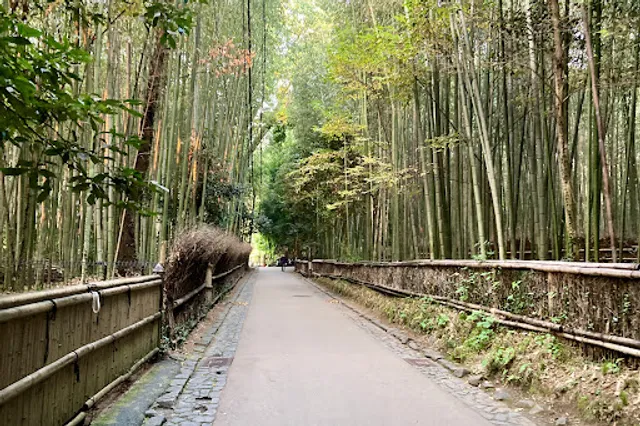
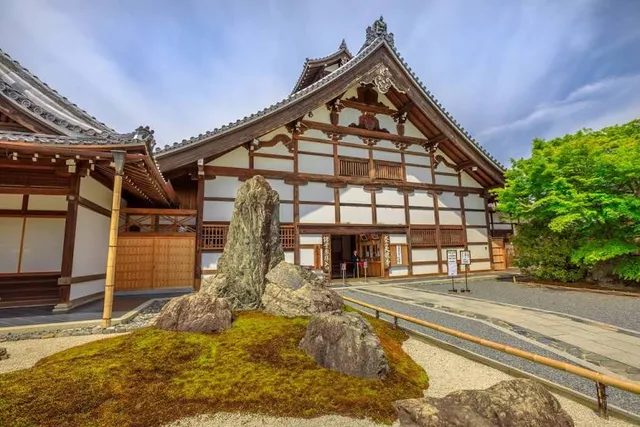
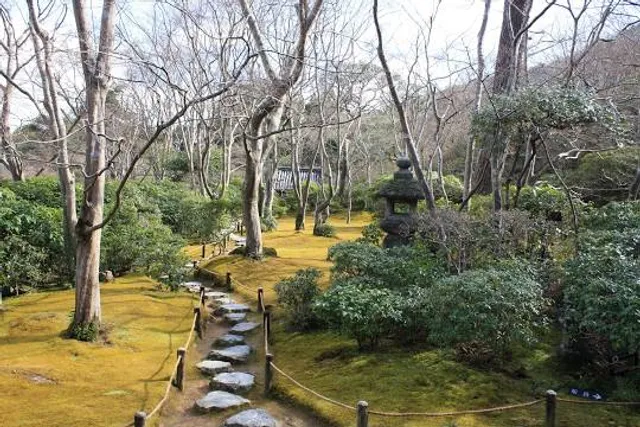
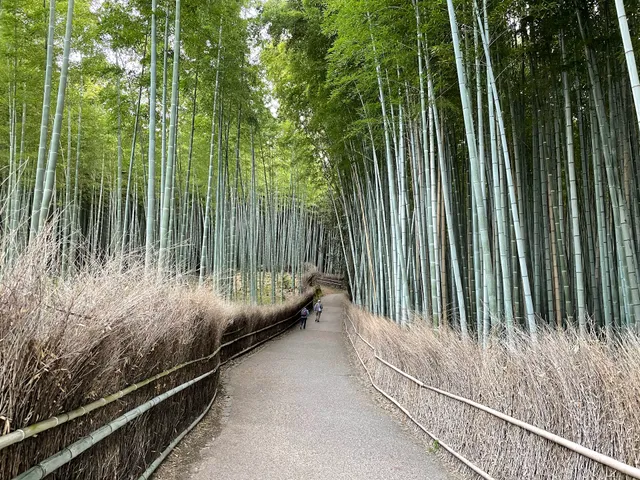
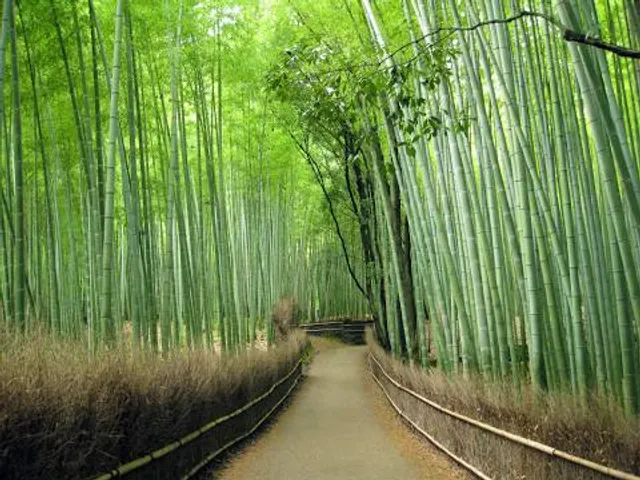
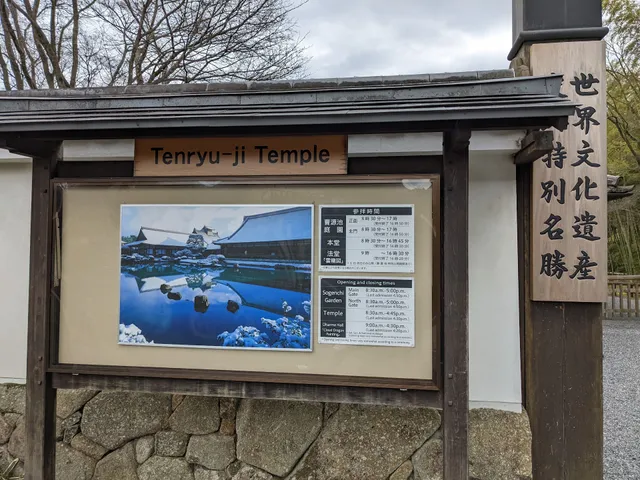
The Arashiyama Bamboo Forest, also known as the Sagano Bamboo Grove, is a renowned natural wonder located in the Arashiyama district on the western outskirts of Kyoto, Japan. It's a popular and iconic destination, often praised for its otherworldly and tranquil atmosphere. Key Features and Experience Towering Bamboo: The grove is famous for its dense, towering stalks of mōsō bamboo that create a beautiful, almost tunnel-like path. The way the sunlight filters through the bamboo and the sound of the wind rustling the leaves are key parts of the experience, which has been recognized by Japan's Ministry of the Environment as one of the "100 Soundscapes of Japan." Walking Path: The main path, known as Chikurin no Komichi ("Path of Bamboo"), is a roughly 400-meter-long promenade. While it may not be a long walk, the experience of being surrounded by the seemingly endless bamboo is what makes it so memorable. Historical Context: The area has historical significance, dating back to the Heian period (794–1185) when it was a popular retreat for aristocrats who built lavish villas and gardens, including bamboo groves. Practical Information for Visitors Location: The bamboo forest is situated near several other attractions in the Arashiyama district. The entrance is easily accessible near Tenryu-ji Temple and Nonomiya Shrine. Opening Hours and Entrance Fee: The Arashiyama Bamboo Grove is open 24/7, and there is no entrance fee. However, some of the surrounding attractions, like Tenryu-ji Temple or Okochi Sanso Villa, do have admission fees. Crowds: As one of Kyoto's most popular sights, the bamboo grove can get extremely crowded, especially during midday and on weekends. For a more peaceful and serene experience, it's highly recommended to visit early in the morning (before 8:30 AM) or in the late afternoon/early evening. Getting There: From Kyoto, the easiest way to reach Arashiyama is by train. By Train (JR Sagano Line): Take the JR Sagano Line (also known as the San-in Line) from JR Kyoto Station to Saga-Arashiyama Station. The journey takes about 10-20 minutes, and from the station, the bamboo grove is a 13-15 minute walk. By Train (Hankyu Railway): Take the Hankyu railway from Kawaramachi Station (downtown Kyoto) to Katsura Station, then transfer to the Hankyu Arashiyama Line to Arashiyama Station. From there, it's a short walk to the main Arashiyama area. By Bus: Kyoto City buses also run to the Arashiyama Tenryuji-mae bus stop, but the journey can be longer due to traffic. Nearby Attractions The Arashiyama Bamboo Forest is just one part of a larger district with many things to see and do. Other popular attractions include: Tenryu-ji Temple: A UNESCO World Heritage site and one of Kyoto's most important Zen temples, with a beautiful garden. Togetsukyo Bridge: A scenic bridge that serves as a landmark of Arashiyama, offering beautiful views of the Katsura River and the surrounding mountains. Arashiyama Monkey Park Iwatayama: A park on a mountainside where you can see Japanese macaques in their natural habitat and get panoramic views of Kyoto. Okochi Sanso Villa: The former home and garden of a famous actor, offering peaceful trails and stunning views. Sagano Romantic Train: A scenic train ride that follows the Hozugawa River and is especially popular during the cherry blossom and autumn foliage seasons. Kimono Forest: A unique art installation near Randen Arashiyama Station featuring pillars wrapped in colorful kimono fabric. Nearby Attractions The Arashiyama Bamboo Grove is just one of many highlights in the Arashiyama area. Consider combining your visit with these other popular spots: Tenryu-ji Temple: This UNESCO World Heritage Site is a prominent temple located right next to the bamboo grove. It features a beautiful garden and is a must-see. Iwatayama Monkey Park: Located on Mt. Arashiyama, this park offers a unique chance to see wild Japanese macaques and provides a panoramic view of Kyoto city. Be prepared for a 15-20 minute uphill hike to reach...
Read moreThe bamboo grove is located in the Arashiyama district, which is easily accessible from central Kyoto by train or bus.
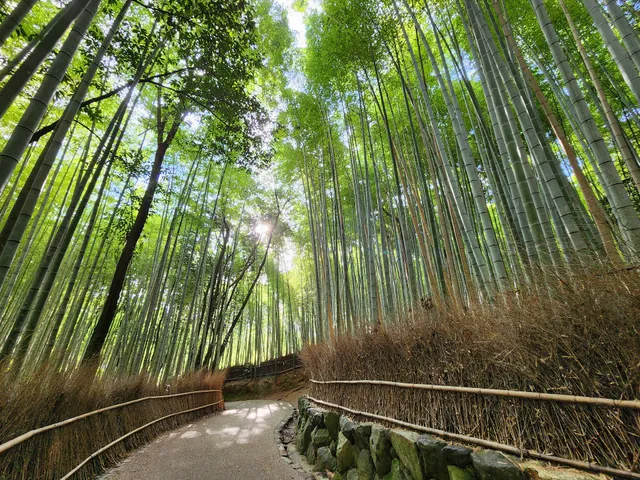
The grove primarily consists of Moso bamboo (Phyllostachys edulis), which can grow to impressive heights, creating a dense canopy overhead.
The Arashiyama Bamboo Grove has historical and cultural significance in Japan. It has been a popular destination for centuries, attracting poets, artists, and travelers who are drawn to its natural beauty.
Visitors can walk along a designated path through the bamboo forest, immersing themselves in the peaceful ambiance created by the rustling bamboo leaves and the filtering sunlight. The sound of the wind passing through the bamboo creates a unique auditory experience.
The bamboo grove is a popular tourist destination throughout the year, but it can get particularly crowded during peak seasons such as spring and autumn. Early mornings or late afternoons are often recommended for a quieter experience.
In addition to the bamboo grove, the Arashiyama district offers other attractions such as the iconic Togetsukyo Bridge, the Tenryu-ji Temple, and the scenic Hozu River.
The Arashiyama Bamboo Grove is a favorite spot for photographers due to its picturesque scenery. Visitors can capture stunning photos of the tall bamboo stalks and play with light and shadow to create striking compositions.
The Arashiyama area, where the bamboo grove is located, has been revered for its natural beauty and spiritual significance for centuries. It has been depicted in Japanese art, literature, and poetry as a symbol of tranquility and harmony with nature.
While specific historical records about the bamboo grove may be scarce, the Arashiyama district has a rich history dating back to the Heian period (794-1185). During this time, nobles and aristocrats often visited Arashiyama for leisure, enjoying its scenic landscapes and recreational activities.
Bamboo has been an integral part of Japanese culture for centuries, used in various aspects of daily life, including architecture, crafts, and culinary arts. The Arashiyama Bamboo Grove likely played a role in supplying bamboo for these traditional practices.
The Arashiyama area has historical connections to Zen Buddhism, with several temples and monasteries established in the vicinity. The serene atmosphere of the bamboo grove may have provided inspiration for meditation and contemplation among Buddhist practitioners.
In more recent history, the Arashiyama Bamboo Grove has become a popular tourist destination, attracting visitors from around the world. The growth of tourism has led to the development of infrastructure, such as designated walking paths and visitor facilities, while efforts are made to preserve the grove's natural beauty and cultural...
Read moreOne of my favorite movies is Crouching Tiger, Hidden Dragon. This is not a movie review, so why am I mentioning it? Because it’s exactly what came to mind as we wandered through the Arashiyama Bamboo Forest. In that film, the characters danced and fought high among the bamboo, moving as if gravity itself had taken a break. The green canopy swayed beneath them as blades clashed, feet barely touching the slender stalks. It was poetry in motion — grace and strength in perfect balance. Of course, I know that movie was filmed in China, not Japan, yet standing in this grove outside Kyoto, I couldn’t help but feel the same energy. Nature here carries the same quiet power.
The emerald tones of the bamboo rise like living pillars toward the light. When the wind shifts, the stalks bend and whisper, and for a fleeting moment, you sense what serenity must feel like in physical form. The sound is soft, almost like water. It washes over you.
But serenity can be hard to come by here. Japan is currently overrun with visitors, and Arashiyama has become one of the most photographed places in the country. It’s easy to lose the forest’s magic when you’re surrounded by a sea of cameras and the constant murmur of tourists jostling for the perfect shot. My advice: arrive early, before the buses and tour groups. The difference between six in the morning and ten can feel like an entirely different world. When the crowds thin, and you can hear your own breath again, the forest feels alive. It is no exaggeration to say that the energy here is sacred. You can’t capture it in a picture any more than you can capture the feeling of wind at your back when you’re running downhill. It’s something to be felt, not framed.
I’m glad I came. Glad I stood beneath those towering stalks that have watched centuries pass. Glad I let the forest remind me what stillness feels like.
In a world obsessed with capturing moments, this is one place that insists you simply...
Read more