Kimono Forest things to do, attractions, restaurants, events info and trip planning
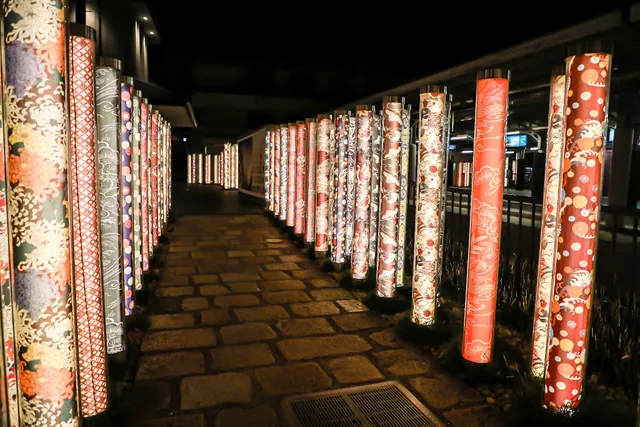
Basic Info
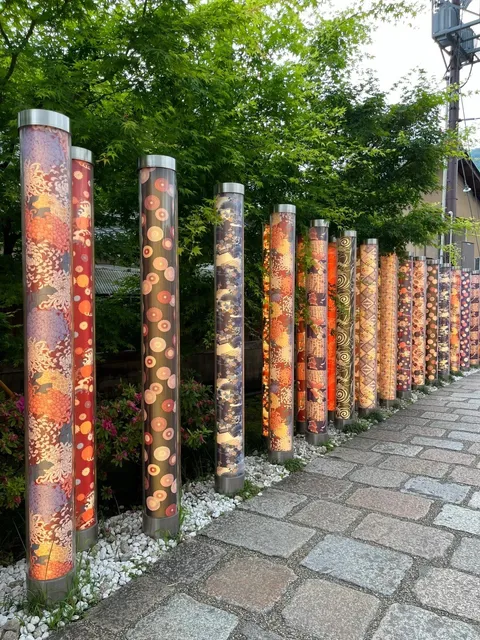
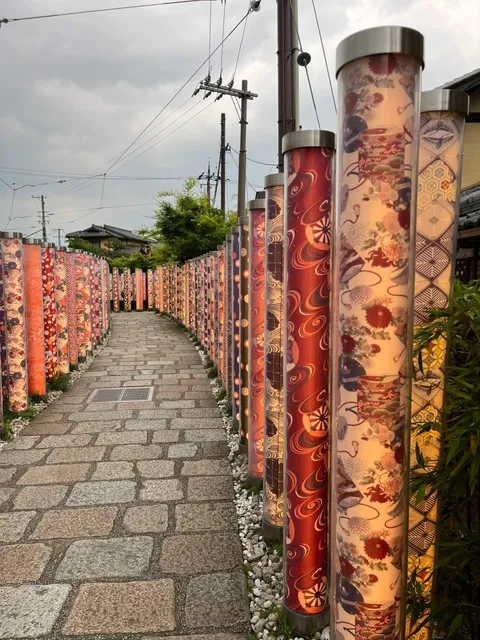
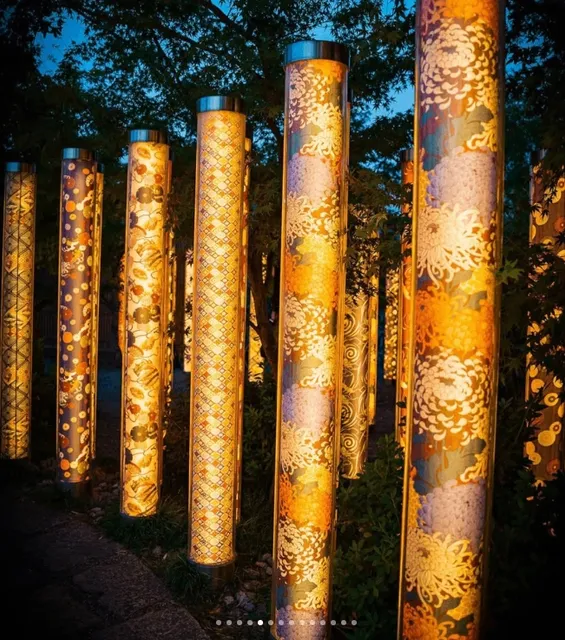
Kimono Forest
20-2 Sagatenryuji Tsukurimichicho, Ukyo Ward, Kyoto, 616-8384, Japan
4.2(1.0K)
Open until 12:00 AM
Save
spot
spot
Ratings & Description
Info
Cultural
Scenic
attractions: Rinsen-ji Temple, Tenryu-ji, Arashiyama Park Nakanoshima Area, Ebisuya Arashiyama Rickshaw, Pond of Dragon, Arashiyama, Arashiyama Monkey Park Iwatayama, Site of Kotokiki Bridge, Oi-jinja Shrine, Kōgen-ji Temple, restaurants: eXcafe Kyoto Arashiyama Main Store, Kumonocha Cafe, Ine, Gion Duck Noodles Arashiyama, Gyatei, TULLY’S COFFEE Randen Arashiyama Station Shop, Sushi Naritaya, Shin-Togetsu, Arashiyama Miyoshitei, Arashiyama Rilakkuma Tea House, local businesses: Kimono Rental Rikawafuku Arashiyama Store, Arashiyama Station, Kyolan Kimono Rental & Sale, Kimono Rental Kyoetsu Arashiyama Shop, Footbath (Onsen) of Arashiyama Station, Sweets Cafe Emman Mochi Kyoto Arashiyama, Studio Kokoro, Ōi River (Katsura River), Togetsukyo Bridge, Kyoto City Arashiyama Tourist Parking Lot
 Learn more insights from Wanderboat AI.
Phone
+81 75-882-5110
Website
kyotoarashiyama.jp
Open hoursSee all hours
SatOpen 24 hoursOpen
Plan your stay

Pet-friendly Hotels in Kyoto
Find a cozy hotel nearby and make it a full experience.

Affordable Hotels in Kyoto
Find a cozy hotel nearby and make it a full experience.

The Coolest Hotels You Haven't Heard Of (Yet)
Find a cozy hotel nearby and make it a full experience.

Trending Stays Worth the Hype in Kyoto
Find a cozy hotel nearby and make it a full experience.
Reviews
Live events
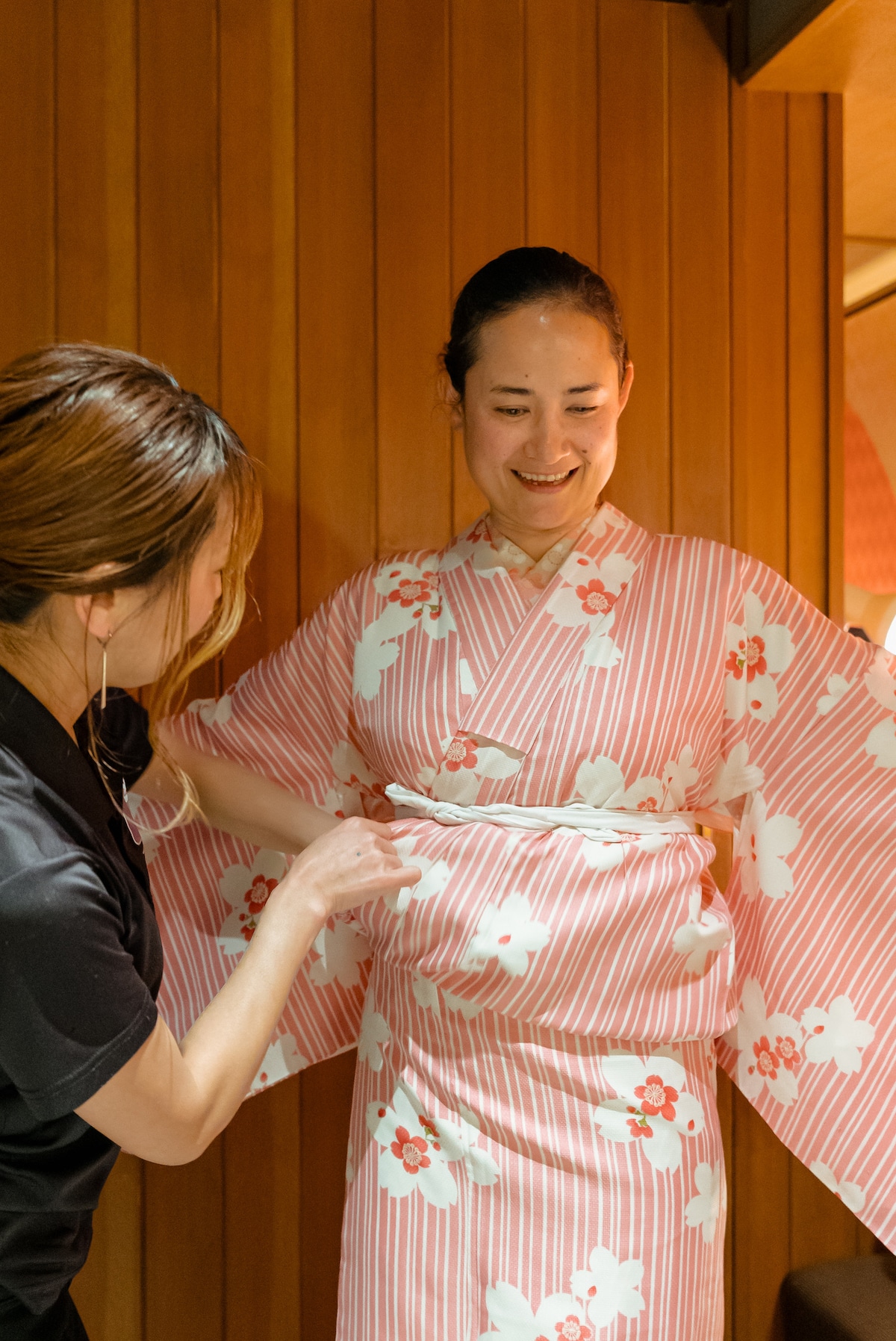
Explore Kyoto in a Kimono
Mon, Feb 23 • 9:00 AM
605-0005, Kyoto, Kyoto, Japan
View details
京都府立植物園:LIGHT CYCLES KYOTO (ライトサイクル京都)
Sat, Feb 21 • 6:00 PM
京都市左京区下鴨半木町, 606-0823
View details
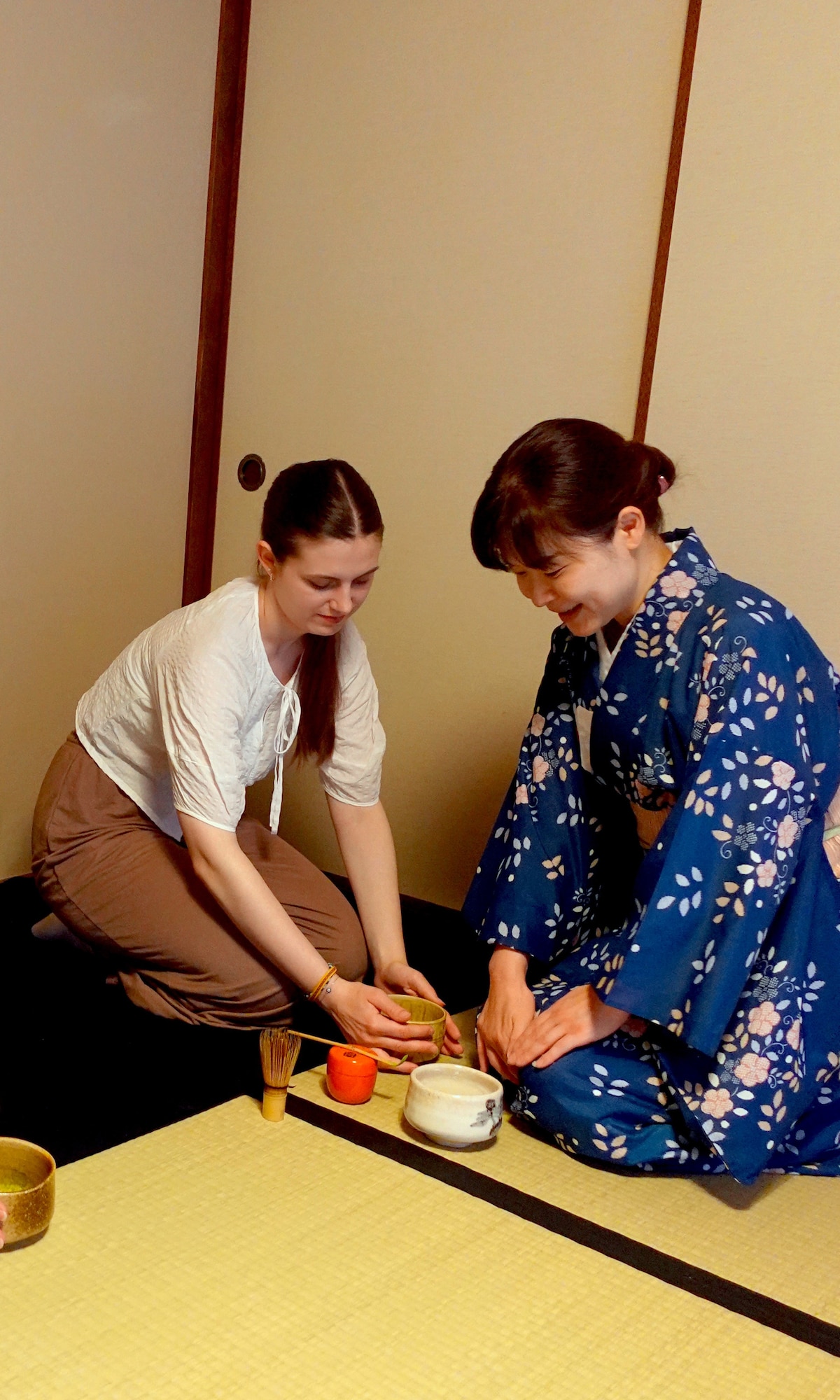
Learn tea ceremony in traditional Kyoto townhouse
Tue, Feb 24 • 10:00 AM
600-8397, Kyoto, Kyoto, Japan
View details
Nearby attractions of Kimono Forest
Rinsen-ji Temple
Tenryu-ji
Arashiyama Park Nakanoshima Area
Ebisuya Arashiyama Rickshaw
Pond of Dragon
Arashiyama
Arashiyama Monkey Park Iwatayama
Site of Kotokiki Bridge
Oi-jinja Shrine
Kōgen-ji Temple
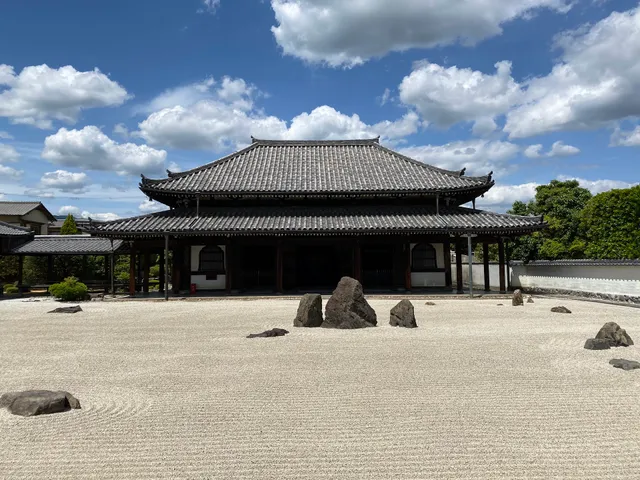
Rinsen-ji Temple
4.0
(156)
Open 24 hours
Click for details
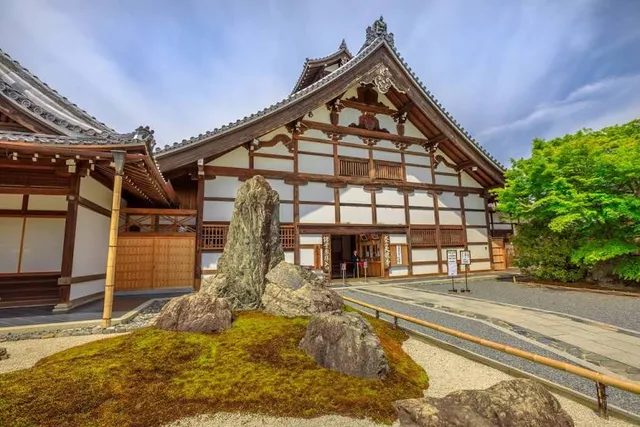
Tenryu-ji
4.4
(6.6K)
Open until 5:00 PM
Click for details
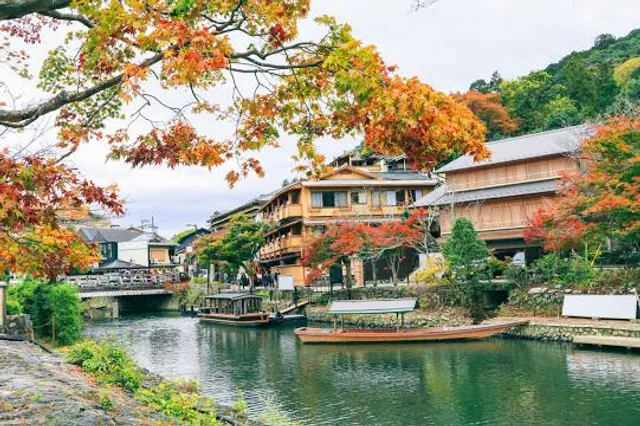
Arashiyama Park Nakanoshima Area
4.4
(1.9K)
Open until 12:00 AM
Click for details

Ebisuya Arashiyama Rickshaw
4.8
(213)
Open until 5:30 PM
Click for details
Nearby restaurants of Kimono Forest
eXcafe Kyoto Arashiyama Main Store
Kumonocha Cafe
Ine
Gion Duck Noodles Arashiyama
Gyatei
TULLY’S COFFEE Randen Arashiyama Station Shop
Sushi Naritaya
Shin-Togetsu
Arashiyama Miyoshitei
Arashiyama Rilakkuma Tea House
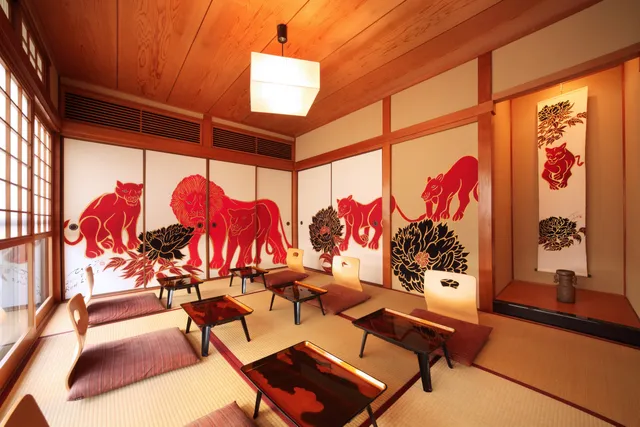
eXcafe Kyoto Arashiyama Main Store
4.6
(1.8K)
Open until 6:00 PM
Click for details
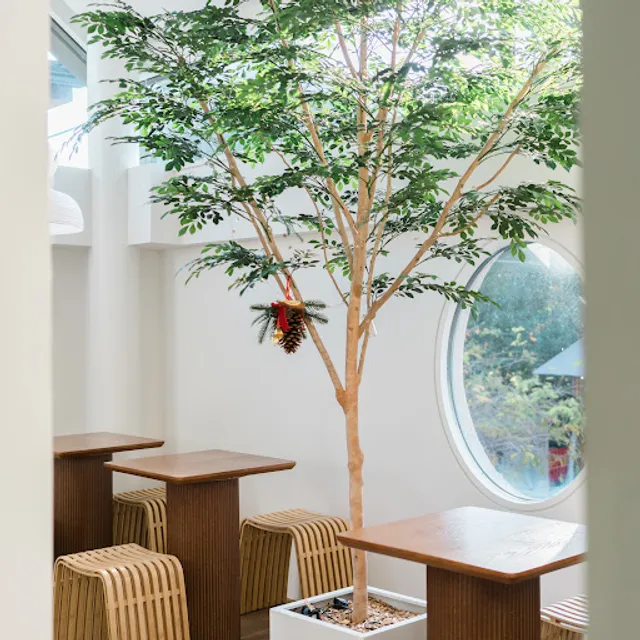
Kumonocha Cafe
4.6
(686)
Open until 6:00 PM
Click for details
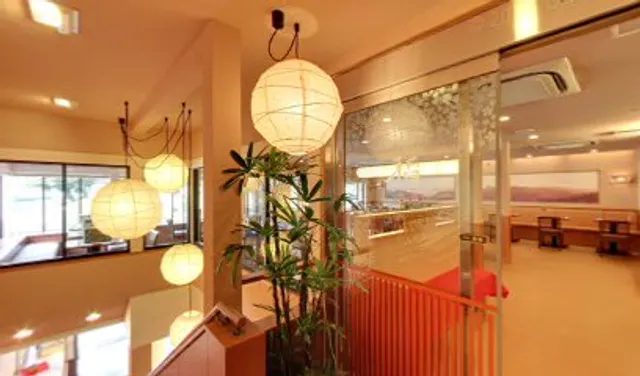
Ine
3.9
(745)
Open until 6:30 PM
Click for details
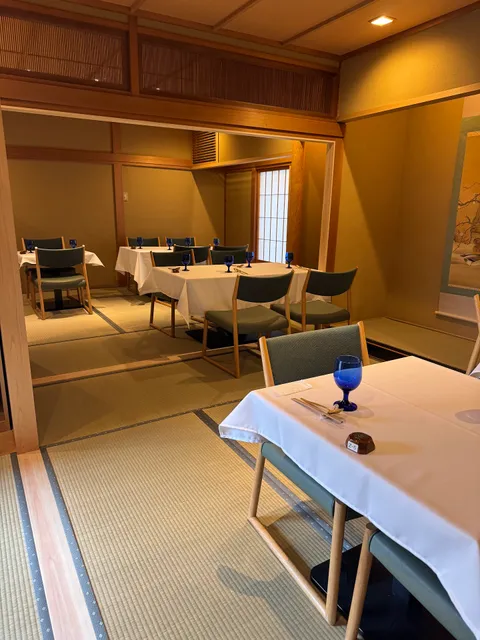
Gion Duck Noodles Arashiyama
4.8
(179)
Open until 5:00 PM
Click for details
Nearby local services of Kimono Forest
Kimono Rental Rikawafuku Arashiyama Store
Arashiyama Station
Kyolan Kimono Rental & Sale
Kimono Rental Kyoetsu Arashiyama Shop
Footbath (Onsen) of Arashiyama Station
Sweets Cafe Emman Mochi Kyoto Arashiyama
Studio Kokoro
Ōi River (Katsura River)
Togetsukyo Bridge
Kyoto City Arashiyama Tourist Parking Lot
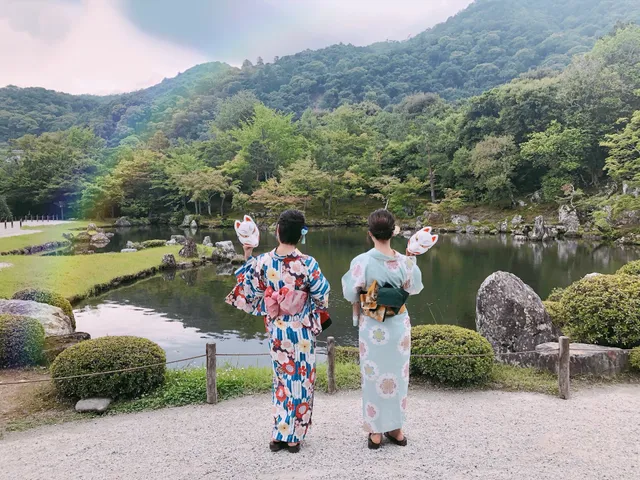
Kimono Rental Rikawafuku Arashiyama Store
4.7
(931)
Click for details
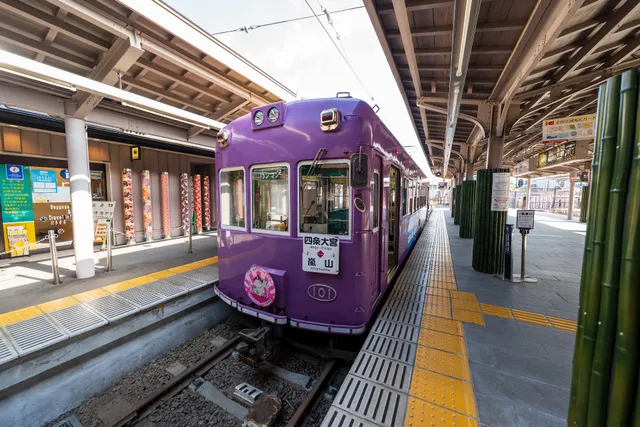
Arashiyama Station
4.4
(589)
Click for details
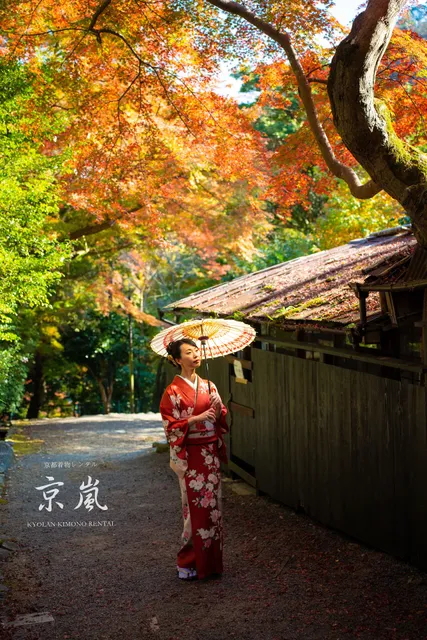
Kyolan Kimono Rental & Sale
5.0
(1.0K)
Click for details
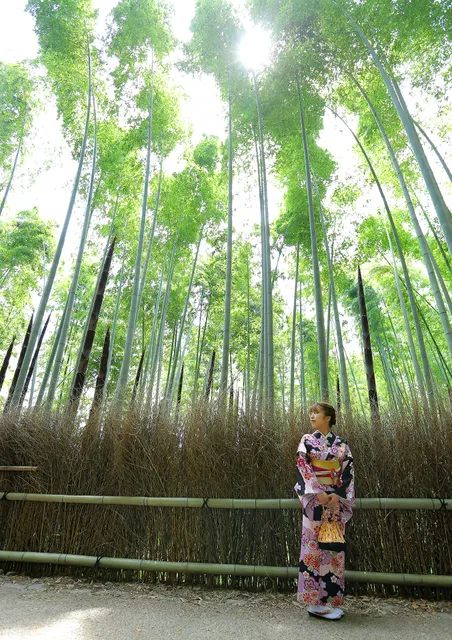
Kimono Rental Kyoetsu Arashiyama Shop
4.8
(296)
Click for details