Kyoto National Museum things to do, attractions, restaurants, events info and trip planning
Basic Info
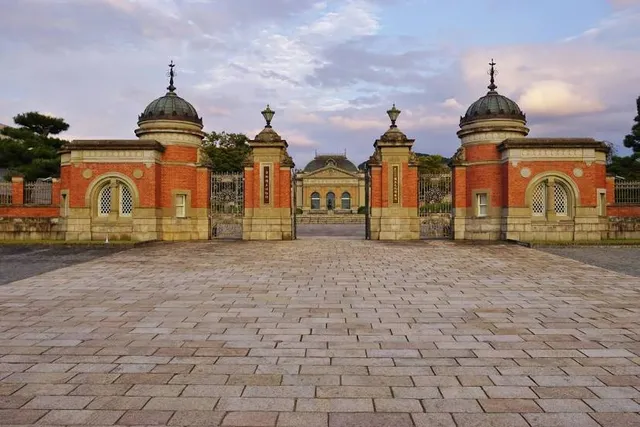
Kyoto National Museum
527 Chayacho, Higashiyama Ward, Kyoto, 605-0931, Japan
4.3(3.5K)
Open until 12:00 AM


tickets
Save
spot
spot
Ratings & Description
Info
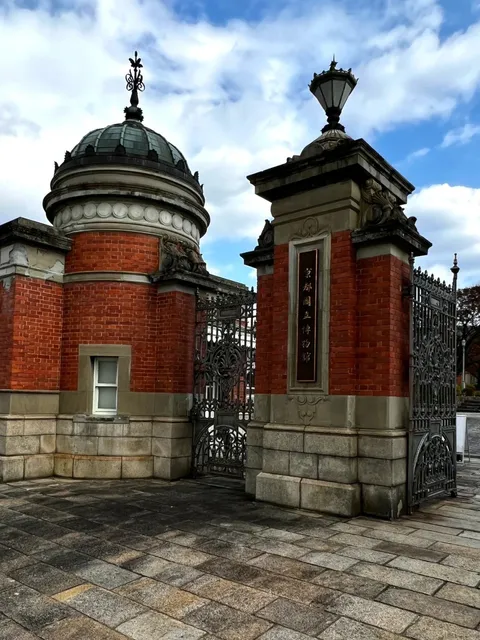
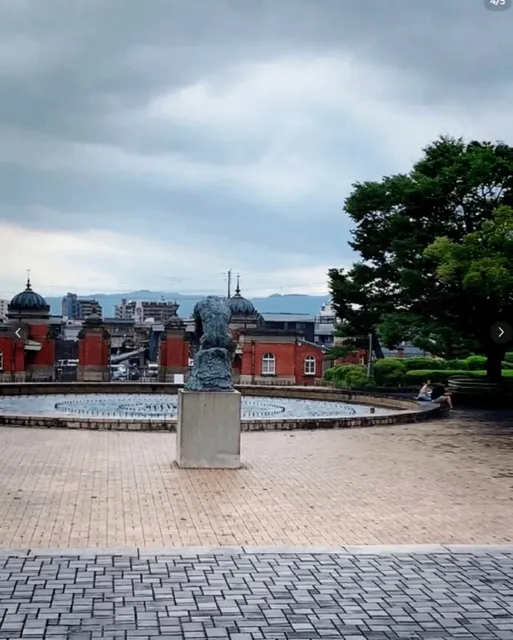
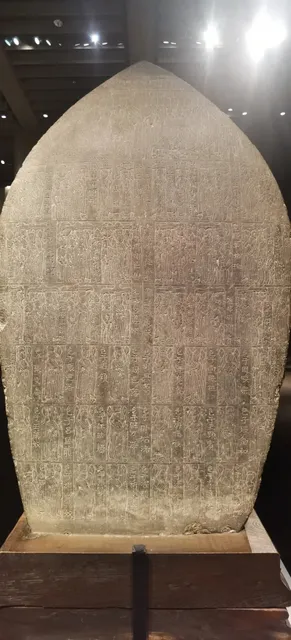
The Kyoto National Museum is one of the major art museums in Japan. Located in Kyoto's Higashiyama ward, the museum focuses on pre-modern Japanese and Asian art.
Cultural
Accessibility
attractions: Rengeō-in (Sanjūsangen-dō) Temple, Toyokuni Shrine, Yōgen-in Temple, Myōhō-in Temple, Hōkō-ji Temple, Treasure Museum, Tea House Tan'an, Mimizuka, Hōjū-ji Temple, Chishakuin Temple Garden, restaurants: Maeda Coffee - Kyoto National Museum, trattoria sette, cafe 33, Kissa Kishin Kyoto, KYONOMIYAKO BURGER, IL PAPPALARDO, Sekki, CoCo Ichibanya Keihan Shichijo, Nine Tails, Warajiya, local businesses: Heisei Chishinkan Wing, Kyoto National Museum, Kyoto National Museum - Heisei Chishinkan Wing, Toyokuni-jinja Shrine, Kōmyō-ji Temple, Myoho-in, Hōkō-ji Temple, Hōkōji Bronze Bell, Six Senses Spa Kyoto, Kyoto Washinkan, Le Petit Chef - Kyoto
 Learn more insights from Wanderboat AI.
Phone
+81 75-525-2473
Website
kyohaku.go.jp
Open hoursSee all hours
Tue9:30 AM - 5 PMOpen
Plan your stay

Pet-friendly Hotels in Kyoto
Find a cozy hotel nearby and make it a full experience.

Affordable Hotels in Kyoto
Find a cozy hotel nearby and make it a full experience.

The Coolest Hotels You Haven't Heard Of (Yet)
Find a cozy hotel nearby and make it a full experience.

Trending Stays Worth the Hype in Kyoto
Find a cozy hotel nearby and make it a full experience.
Reviews
Live events
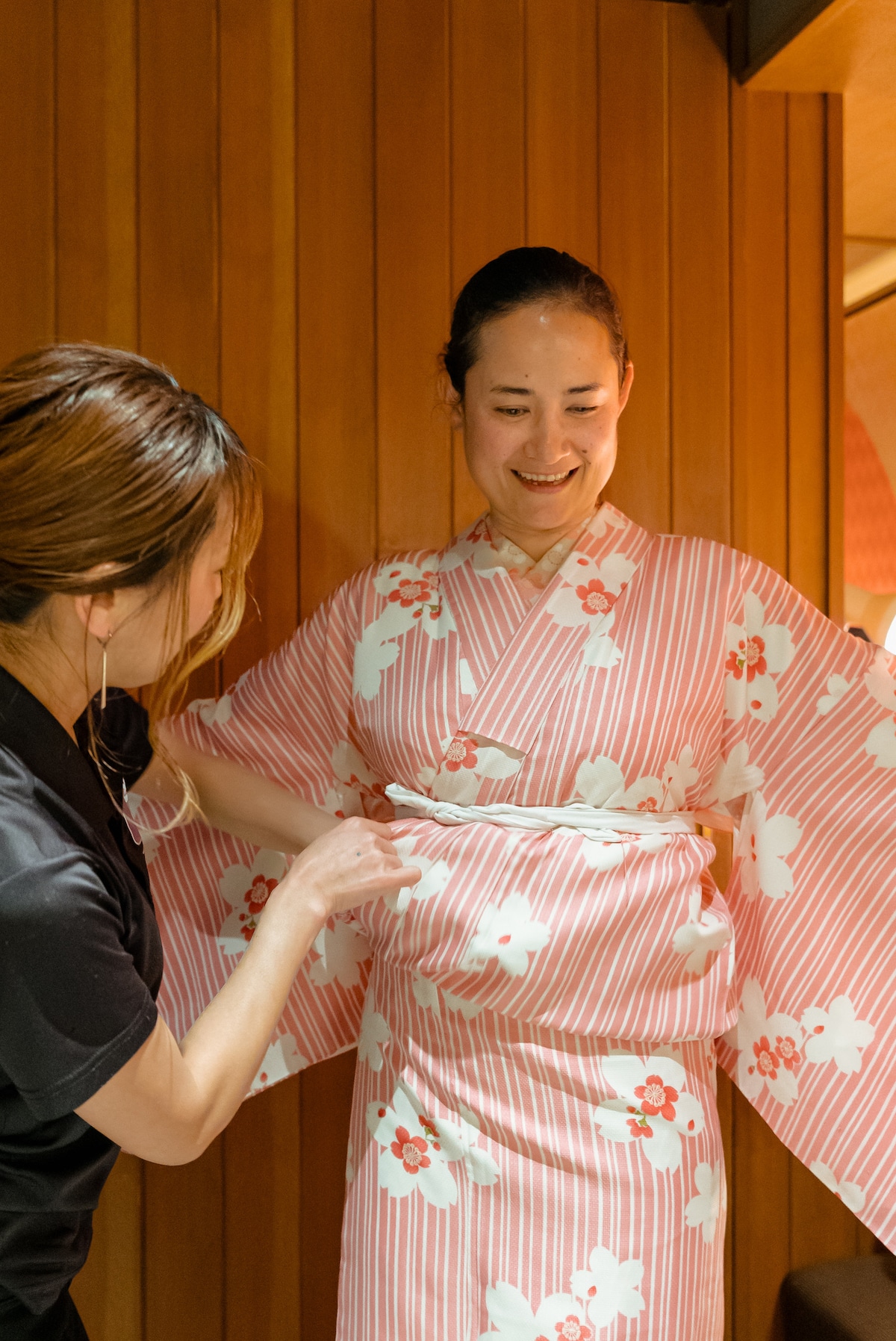
Explore Kyoto in a Kimono
Tue, Feb 17 • 9:00 AM
605-0005, Kyoto, Kyoto, Japan
View details
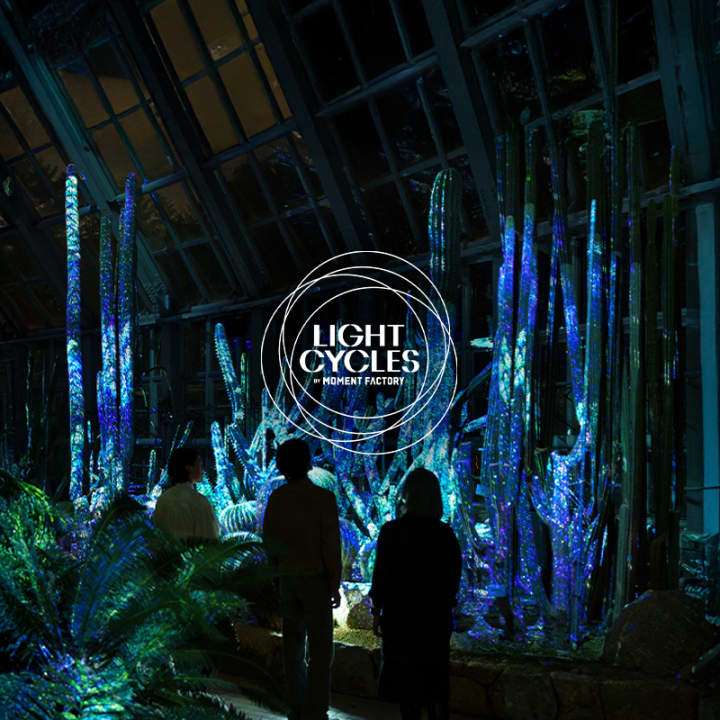
京都府立植物園:LIGHT CYCLES KYOTO (ライトサイクル京都)
Tue, Feb 17 • 6:00 PM
京都市左京区下鴨半木町, 606-0823
View details

Ultimate Kyoto: 10 Must-Sees & Hidden Gems 1-Day
Thu, Feb 19 • 8:45 AM
616-8373, Kyoto, Kyoto, Japan
View details
Nearby attractions of Kyoto National Museum
Rengeō-in (Sanjūsangen-dō) Temple
Toyokuni Shrine
Yōgen-in Temple
Myōhō-in Temple
Hōkō-ji Temple
Treasure Museum
Tea House Tan'an
Mimizuka
Hōjū-ji Temple
Chishakuin Temple Garden
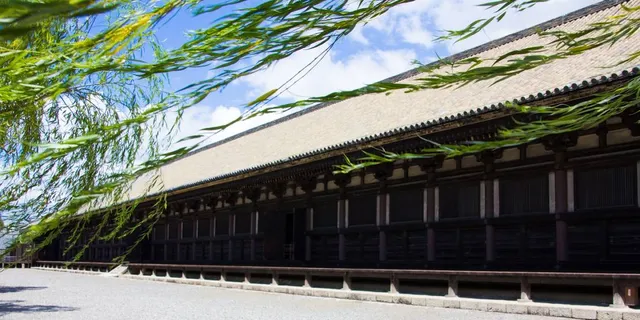
Rengeō-in (Sanjūsangen-dō) Temple
4.6
(6.3K)
Closed
Click for details
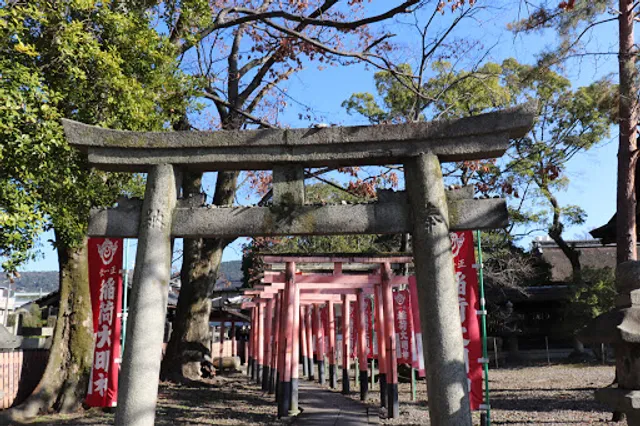
Toyokuni Shrine
4.1
(1.2K)
Closed
Click for details
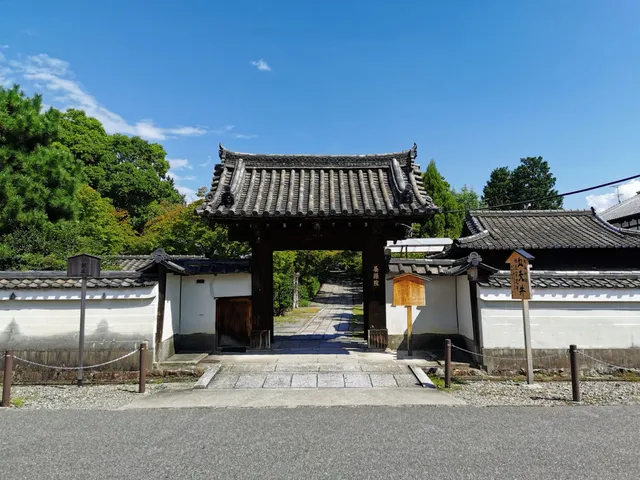
Yōgen-in Temple
4.3
(291)
Open until 12:00 AM
Click for details
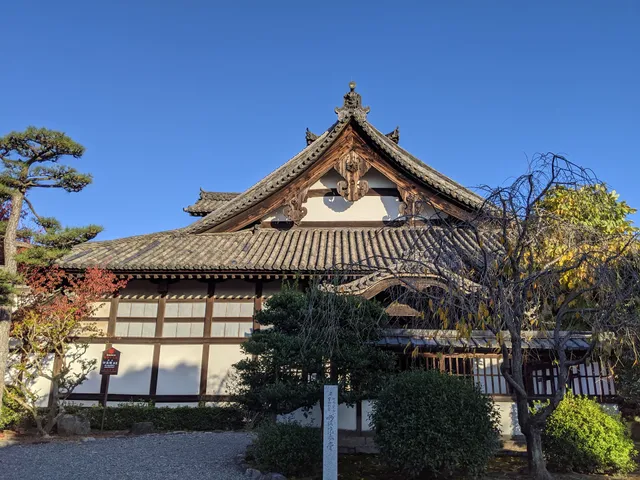
Myōhō-in Temple
4.2
(136)
Open 24 hours
Click for details
Nearby restaurants of Kyoto National Museum
Maeda Coffee - Kyoto National Museum
trattoria sette
cafe 33
Kissa Kishin Kyoto
KYONOMIYAKO BURGER
IL PAPPALARDO
Sekki
CoCo Ichibanya Keihan Shichijo
Nine Tails
Warajiya
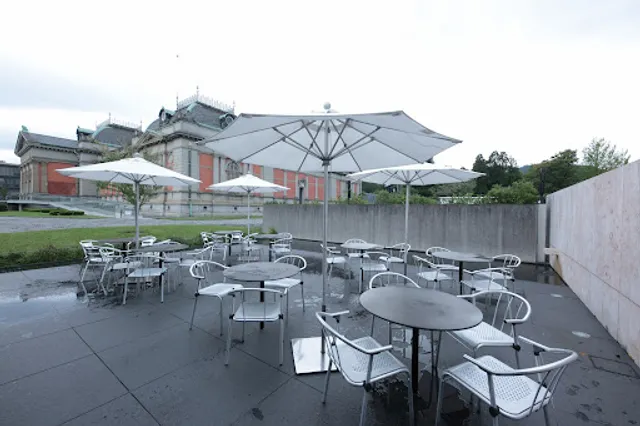
Maeda Coffee - Kyoto National Museum
4.0
(127)
Open until 12:00 AM
Click for details
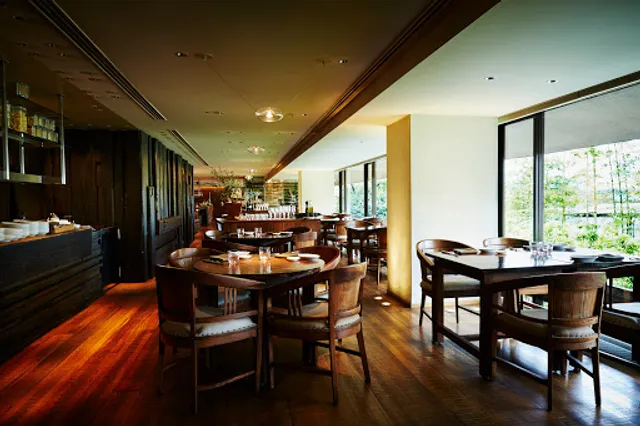
trattoria sette
4.1
(138)
$$
Closed
Click for details
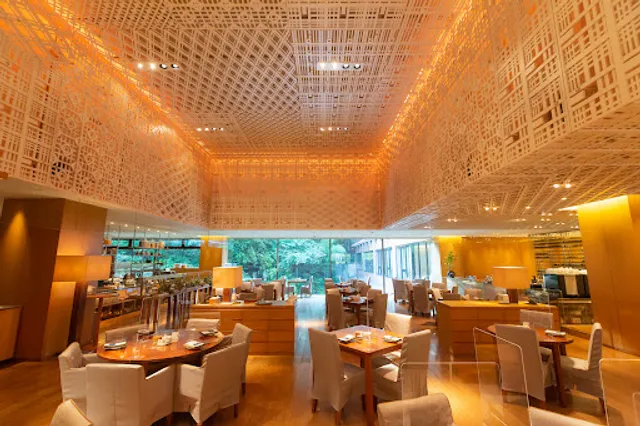
cafe 33
4.0
(135)
Closed
Click for details
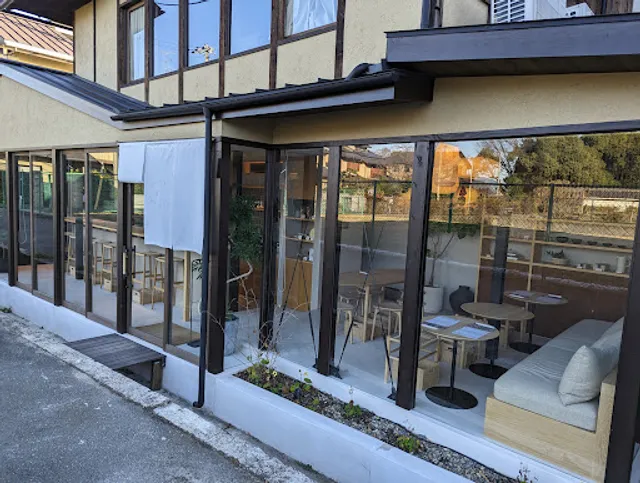
Kissa Kishin Kyoto
4.6
(179)
Open until 12:00 AM
Click for details
Nearby local services of Kyoto National Museum
Heisei Chishinkan Wing, Kyoto National Museum
Kyoto National Museum - Heisei Chishinkan Wing
Toyokuni-jinja Shrine
Kōmyō-ji Temple
Myoho-in
Hōkō-ji Temple
Hōkōji Bronze Bell
Six Senses Spa Kyoto
Kyoto Washinkan
Le Petit Chef - Kyoto
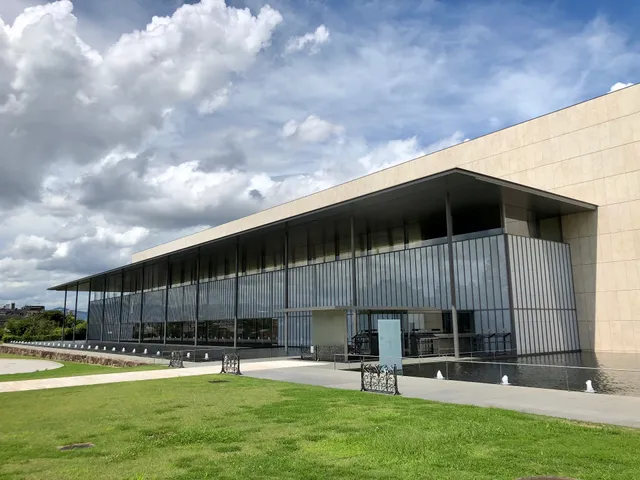
Heisei Chishinkan Wing, Kyoto National Museum
4.3
(366)
Click for details
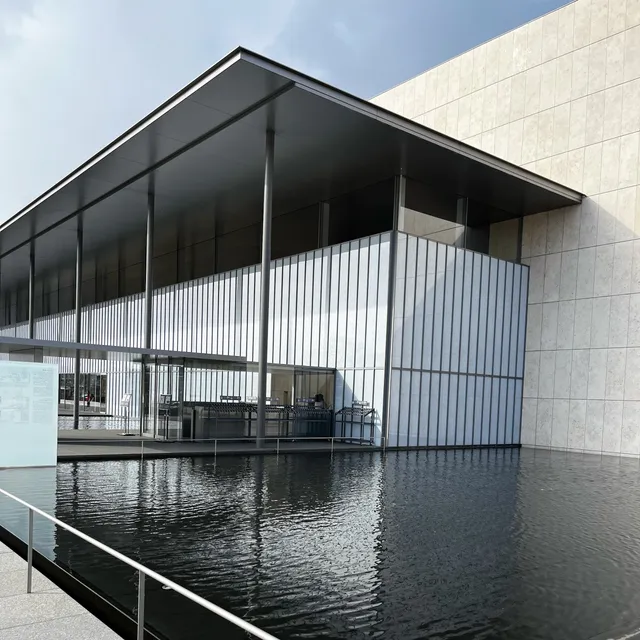
Kyoto National Museum - Heisei Chishinkan Wing
4.3
(240)
Click for details
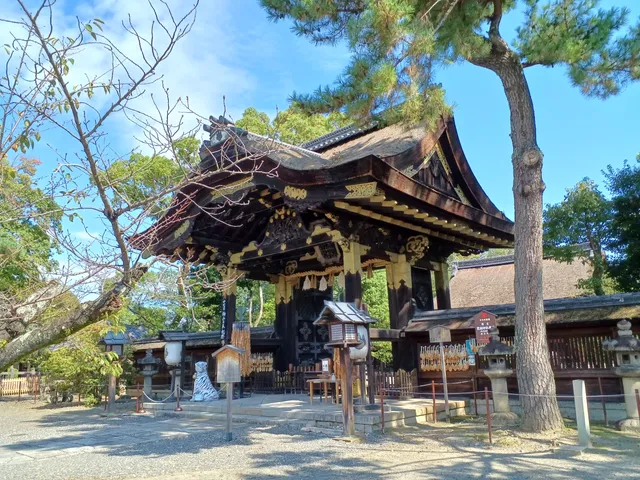
Toyokuni-jinja Shrine
4.1
(1.0K)
Click for details
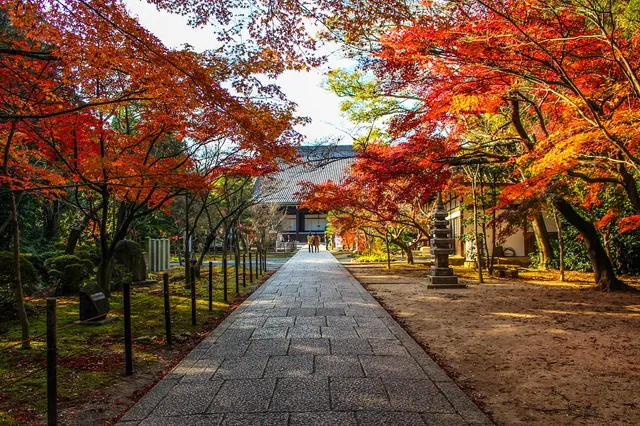
Kōmyō-ji Temple
4.3
(667)
Click for details