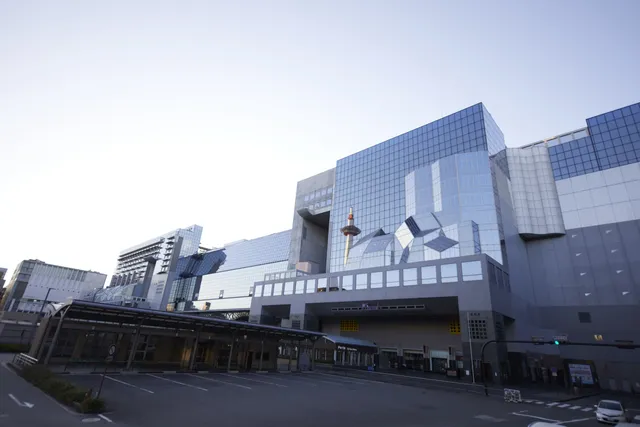
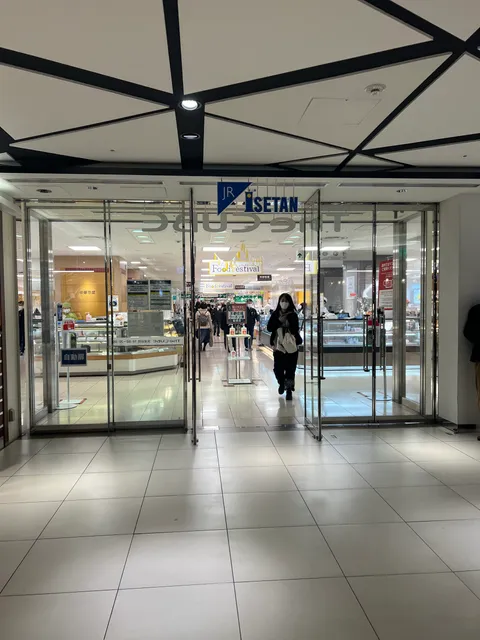
Kyōto Station (京都駅, Kyōto-eki) is a major railway station and transportation hub in Kyōto, Japan. It has Japan's second-largest station building (after Nagoya Station) and is one of the country's largest buildings, incorporating a shopping mall, hotel, movie theater, Isetan department store, and several local government facilities under one 15-story roof. It also housed the Kyōto City Air Terminal until August 31, 2002 . Kyoto Station is served by the following railway lines:
Central Japan Railway Company (JR Central) Tokaido Shinkansen West Japan Railway Company (JR West) Tokaido Main Line (Biwako Line and JR Kyoto Line) Sanin Main Line (Sagano Line) Nara Line Kintetsu Railway Kyoto Line Kyoto City Subway Karasuma Line In addition to the lines above, the following lines, among others, have through services to Kyoto Station:
JR West Kosei Line Kusatsu Line The governmental railway from Kobe reached Kyoto on September 5, 1876, but the station was under construction and a temporary facility called Ōmiya-dōri (Ōmiya Street) Temporary Station was used until the opening of the main station. The first Kyoto Station opened for service by decree of Emperor Meiji on February 5, 1877.
In 1889, the railway became a part of the trunk line to Tokyo (Tokaido Main Line). Subsequently, the station became the terminal of two private railways, Nara Railway (1895, present-day Nara Line) and Kyoto Railway (1897, present-day Sagano Line), that connected the station with southern and northern regions of Kyoto Prefecture, respectively.
The station was replaced by a newer, Renaissance-inspired facility in 1914, which featured a broad square (the site of demolished first station) leading from the station to Shichijō Avenue. Before and during World War II, the square was often used by imperial motorcades when Emperor Showa traveled between Kyoto and Tokyo. The station was spacious and designed to handle a large number of people, but when a few thousand people gathered to bid farewell to naval recruits on January 8, 1934, 77 people were crushed to death. This station burned to the ground in 1950, and was replaced by a more utilitarian concrete facility in 1952.
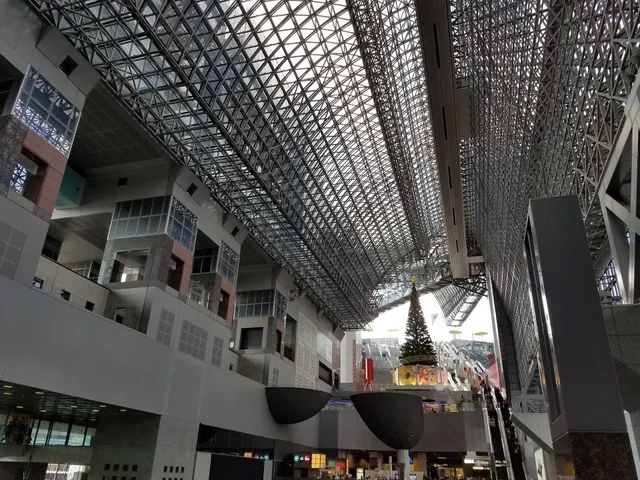
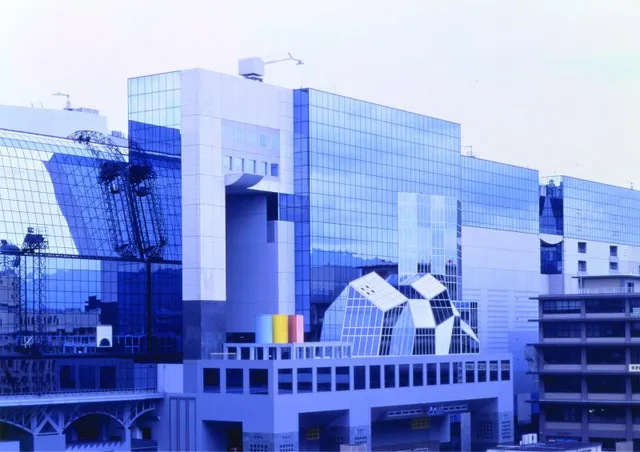
The current Kyoto Station opened in 1997, commemorating Kyoto's 1,200th anniversary. It is 70 meters high and 470 meters from east to west, with a total floor area of 238,000 square meters. Architecturally, it exhibits many characteristics of futurism, with a slightly irregular cubic façade of plate glass over a steel frame. The architect was Hiroshi Hara.
Kyoto, one of the least modern cities in Japan by virtue of its many cultural heritage sites, was largely reluctant to accept such an ambitious structure in the mid-1990s: The station's completion began a wave of new high-rise developments in the city that culminated in the 20-story Kyocera Building.
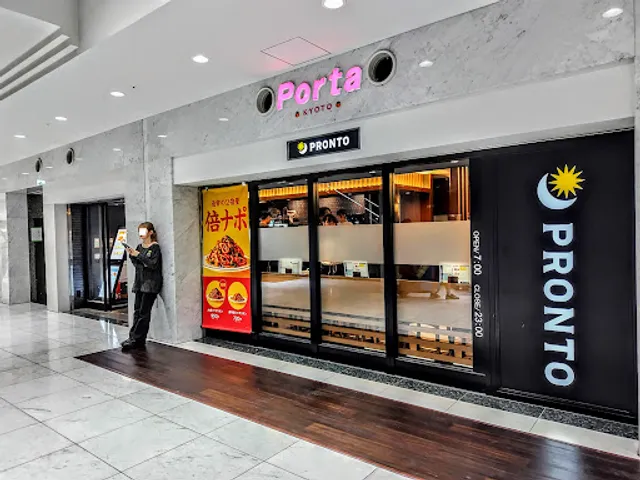
Aside from the main building on the north side of the station, the Hachijō-guchi building on the south side was built to house Tokaido Shinkansen which started operation in 1964. The underground facilities of the station, including the shopping mall Porta beneath the station square, were constructed when the subway...
Read moreThe main design concept of the Kyoto Station is the gateway to History. Kyoto station is the second largest station in Japan (the biggest is Nagoya Station, not Tokyo Station) and is the major transportation hub in western Japan. The architect is Hiroshi Hara. He also designed the Umeda Sky Building Osaka (I can see the resemblances between the two properties). Though kyoto station is built in a city of ancient traditions, however its modern design structure of glass and steel make people feel overwhelmed and fascinated.
With an abundance of shops, restaurants, a museum, a theatre and a sky garden, Kyoto Station has always been a popular tourist attractions.
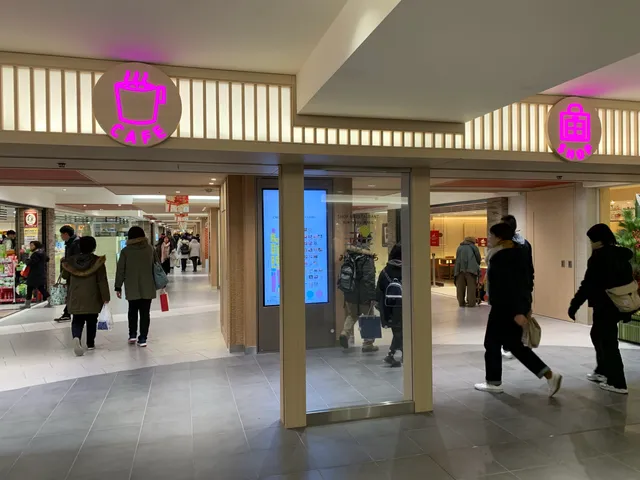
For Shopping near or at the station: you can buy souvenirs, clothing and cosmetics and confectionery etc from numerous department stores and underground shopping malls located nearby or at the Kyoto station building. These shopping places include The cube shopping mall, Isetan department store, Asty square & Asty Road, Porta underground shopping mall, Bic camera Kyoto, Kyoto yodobashi, Kyoto avanti, Aeon mall Kyoto. Shop till you drop.
For hotels nearby the Kyoto Station, there are 13 tourist hotels and 11 business hotels for you to choose from.
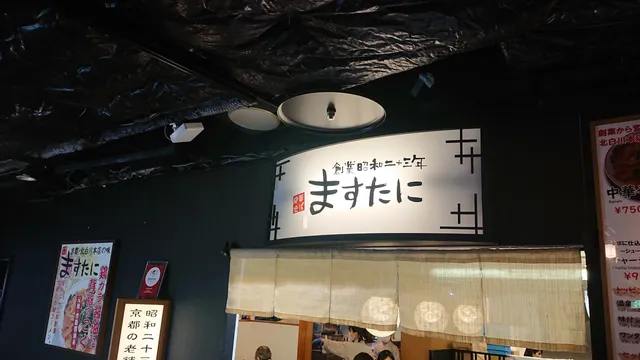
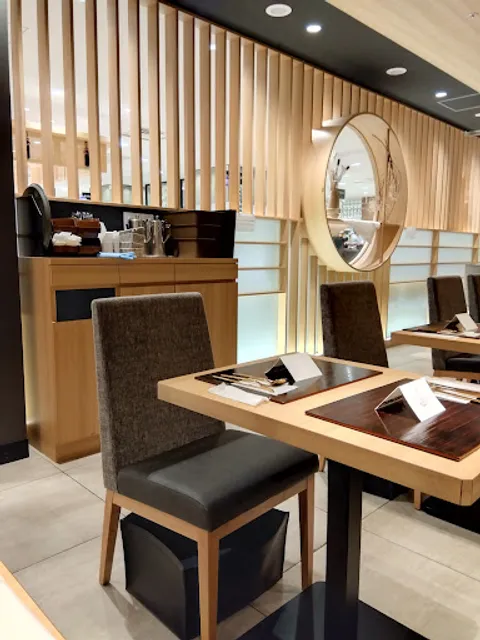
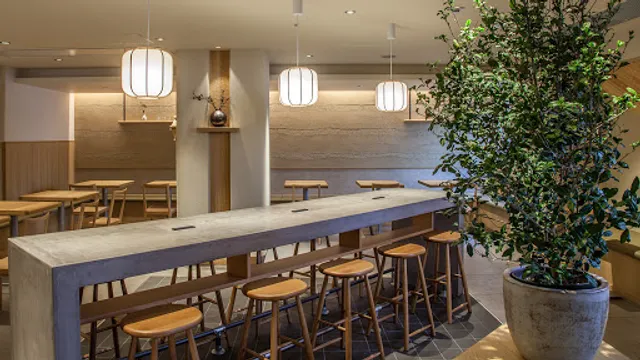
For Dining, there are countless cuisines options to choose from including The Cube Gourmet Street (11/F on west side of the station building where you can choose from 9 restaurants serving mainly Japanese cuisine). Kyoto ramen street (10/F of the Kyoto Station building, around 9 ramen shops for you to choose from). Porta dining (underground dining zone offers a wide range of cuisine options ranging from Japanese food, cafes and sandwich shops. Recommend Tonkatsu KYK, a popular deep fried pork cutlets restaurant. The food prices at the porta Dining are reasonable for a quick and yummy meal).
Due to our tight schedule, we did not try any of the eateries or ramen shops at Kyoto Station. Although I did make some plans to try or explore the station. However we were so busy with sightseeing and night tours that we could not spare few hours to try the food.
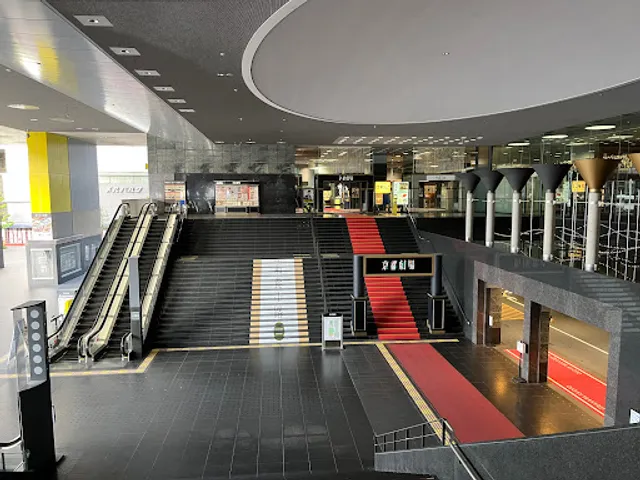
Luckily we did spend an hour or so at The “Daikaidan” or Grand Stairway. Every night there is a dazzling light show on the staircase from 6-9pm. Kids are running joyfully up and down the lit up staircases. The Grand stairway goes from 4th floor of the west wing up to the 15th floor Sky Garden. It is definitely a must visit night spot at the...
Read moreReview: Kyoto Station Building, Kyoto, Japan Rating: ⭐⭐⭐⭐⭐
As the gateway to the ancient capital of Japan, Kyoto Station Building is more than just a transportation hub - it's an architectural marvel and a cultural epicentre. A harmonious fusion of past and future, tradition and modernity, it holds a special charm that captivates locals and tourists alike, earning a well-deserved five-star rating.
The station's sprawling structure showcases a captivating blend of contemporary architecture with nods to traditional design elements. The station's grand stairwell, a significant focal point, is particularly breathtaking and often plays host to seasonal light displays.
In terms of functionality, Kyoto Station Building seamlessly integrates multiple modes of transportation. It's impeccably organised, making travel to, from, and around Kyoto an absolute breeze. The station also houses the Shinkansen bullet trains, providing efficient, high-speed links to other major Japanese cities.
Moreover, Kyoto Station Building is also a thriving shopping and dining hub. A plethora of shops cater to diverse interests - from traditional craft stores to high-end fashion boutiques. The dining options are equally varied and impressive, boasting a wide range of local and international cuisines.
The staff are professional, courteous, and often multilingual, adding to the overall positive experience. Signage is clear and available in multiple languages, ensuring that international travellers can navigate the premises with ease.
In essence, Kyoto Station Building stands as an impressive monument to Japan's advanced infrastructure and its profound respect for tradition and culture. Its fantastic architecture, excellent amenities, and efficient transportation services make it more than just a station - it's a...
Read more