Namiyoke Shrine things to do, attractions, restaurants, events info and trip planning
Basic Info
Namiyoke Shrine
6 Chome-20-37 Tsukiji, Chuo City, Tokyo 104-0045, Japan
4.2(1.2K)
Closed
Save
spot
spot
Ratings & Description
Info
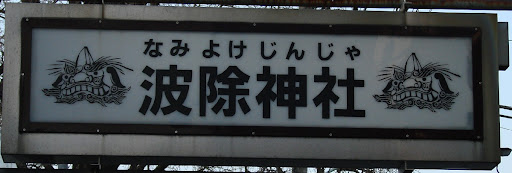
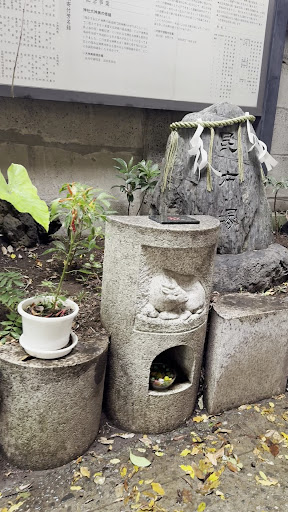
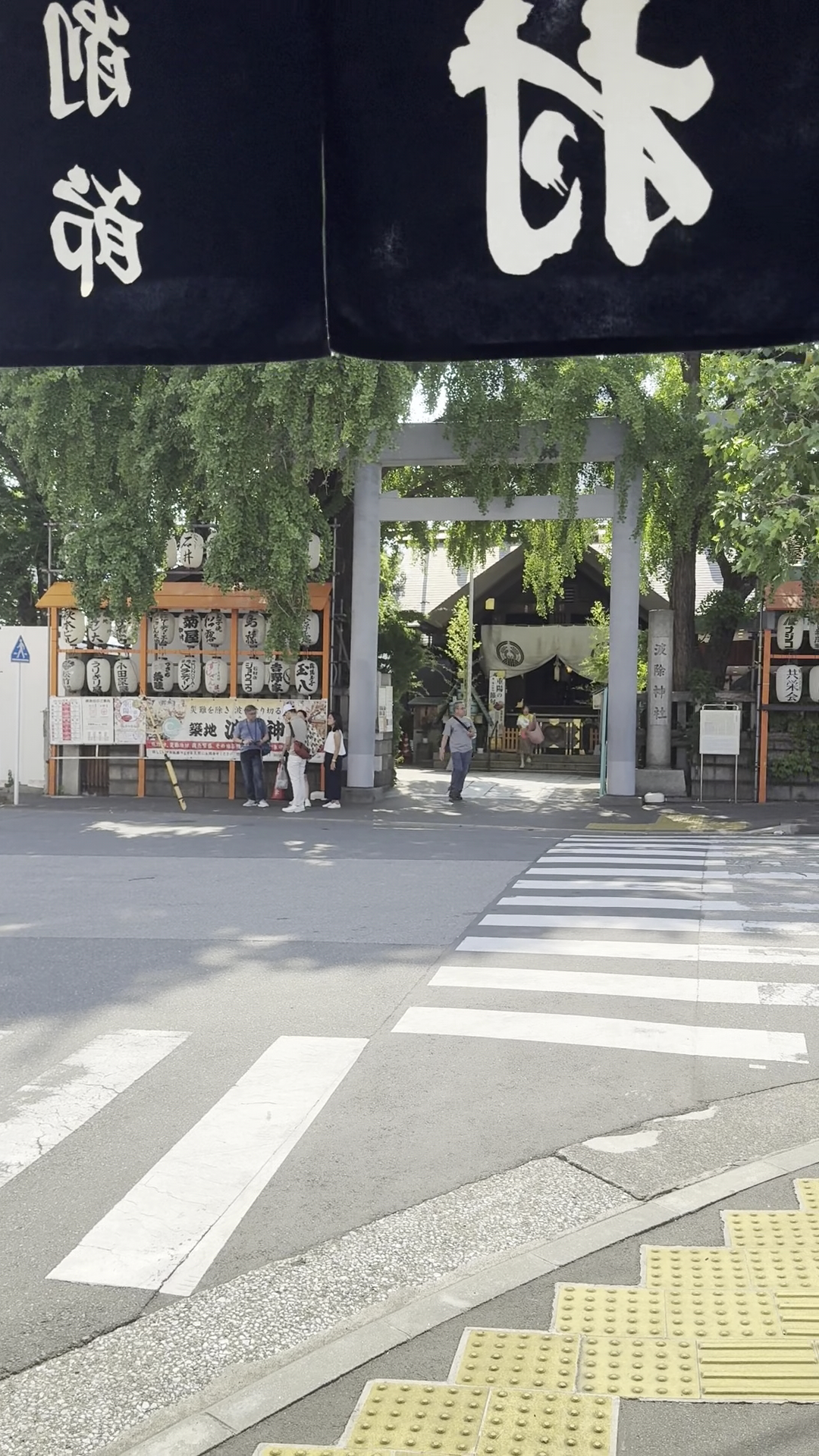
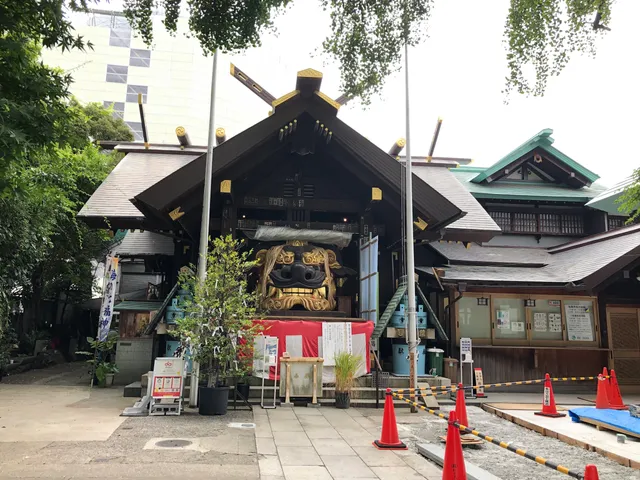
Namiyoke Inari Shrine is a Shinto shrine located in Tsukiji, Chūō, Tokyo. It is an Inari shrine that was built on the water's edge when this part of Tokyo was created from landfill after the Great Fire of Meireki in 1657. The name of the shrine literally means "protection from waves."
Cultural
Accessibility
attractions: Puzzle Room Tokyo(パズルルームトーキョー), Tourist info - Plat Tsukiji, Hatoba Park, Shinbashi Enbujo Theatre, Tsukijigawa Park, Ichibabashi Park, Kabuki-za, Akatsuki Park Adventure Square, Chuo City Akatsuki Park, Kachidoki Marina, restaurants: Tsukiji Sushi Dai Honkan, Tsukiji Paradiso, Wagyu Japanese BBQ Yakiniku (Halal) & Hamburger Ramen Tsukiji Ginza Restaurant Zen, Kushikatsu Tanaka Tsukiji, Tohto Grill, Tsukiji Motodane, Kunisuke Coffee, Sushikuni, Shoutoku Honten Megumi, Tsukiji Sushi Omakase, local businesses: Tsukiji Outer Market, Namiyoke Park, 和牛ステーキ 神戸牛ダイア 築地市場店 | WAGYU STEAK KOBE BEEF DAIA TSUKIJI OUTER MARKET BRANCH, Tsukiji Nippon Fish Port Market, Tsukiji Hongan-ji Temple, Tsukiji Honganji, 日帰り入浴 ココネ築地銀座プレミア, Tsukiji Market, Rooftop Garden, 築地魚河岸 浜焼きBBQテラス
 Learn more insights from Wanderboat AI.
Phone
+81 3-3541-8451
Website
namiyoke.or.jp
Open hoursSee all hours
Wed9 AM - 5 PMClosed
Plan your stay

Pet-friendly Hotels in Tokyo
Find a cozy hotel nearby and make it a full experience.

Affordable Hotels in Tokyo
Find a cozy hotel nearby and make it a full experience.

The Coolest Hotels You Haven't Heard Of (Yet)
Find a cozy hotel nearby and make it a full experience.

Trending Stays Worth the Hype in Tokyo
Find a cozy hotel nearby and make it a full experience.
Reviews
Live events
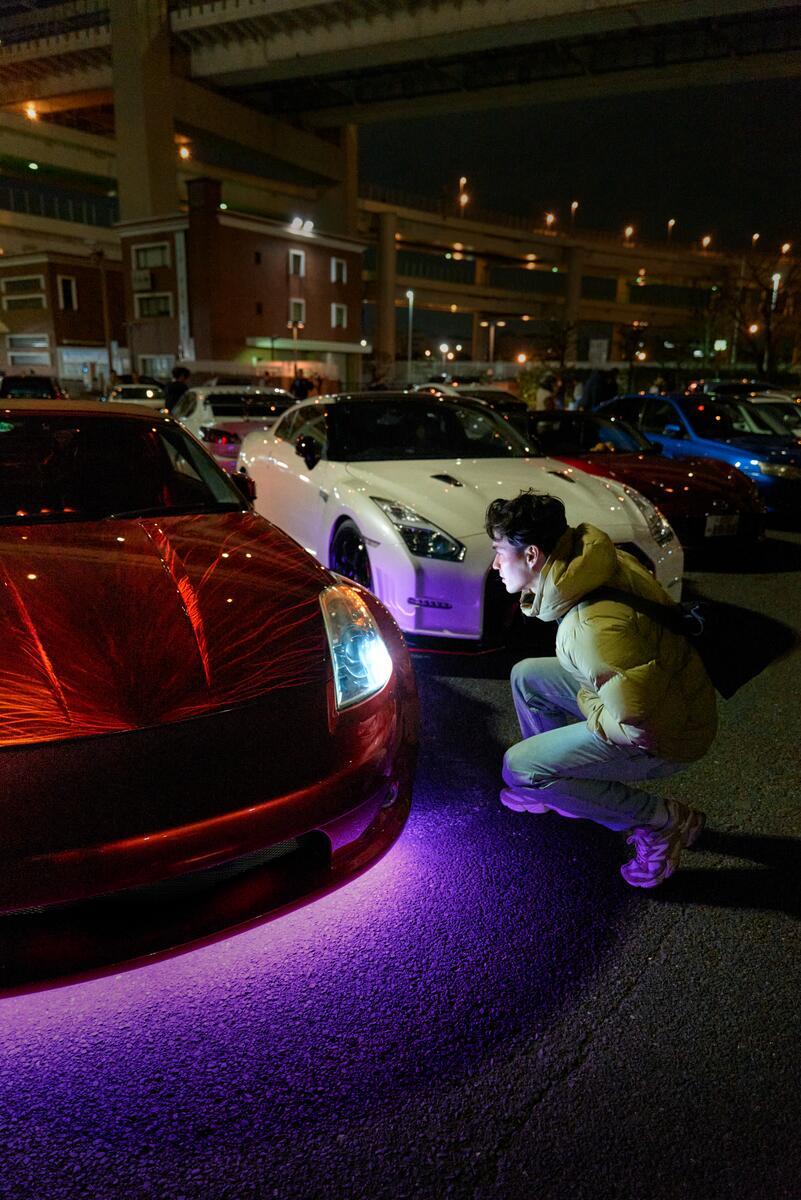
Drive Tokyo’s car culture in a Nissan Skyline
Fri, Feb 27 • 5:30 PM
150-0047, Tokyo Prefecture, Shibuya, Japan
View details
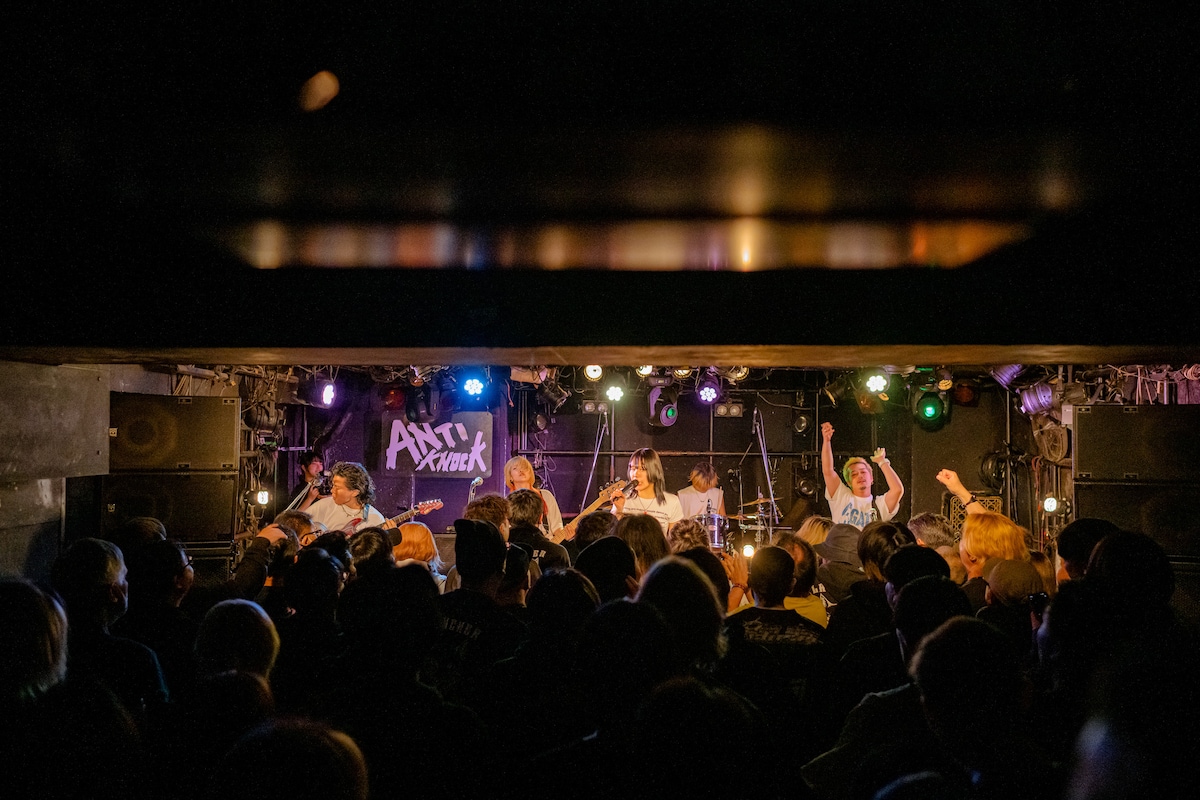
Explore Tokyo’s music scene with an insider
Sun, Mar 1 • 5:00 PM
150-0043, Tokyo Prefecture, Shibuya, Japan
View details
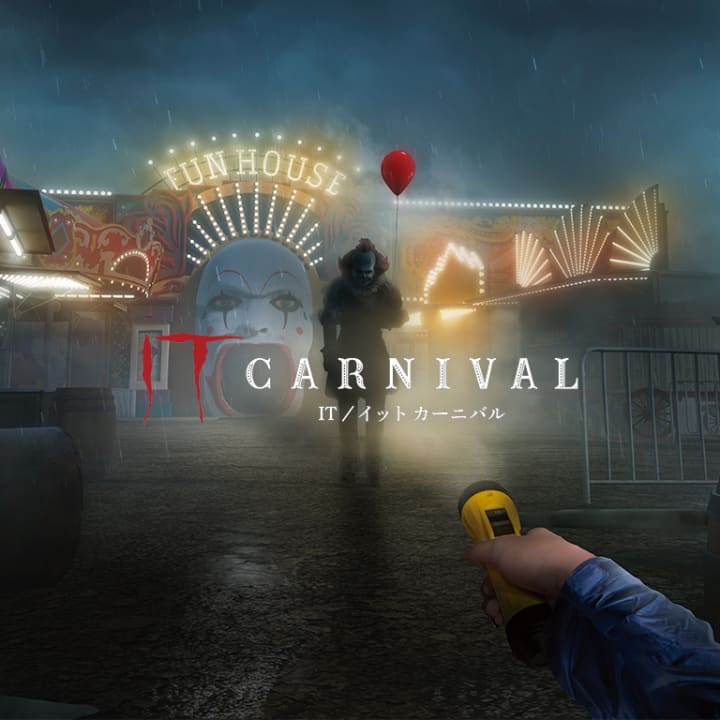
TYFFONIUM 新宿:IT/イット カーニバル
Thu, Feb 26 • 10:20 AM
東京都新宿区西新宿2-2-1 京王プラザホテル 南館2F (2-chōme-2-1 Nishishinjuku, Shinjuku City), 160-8330
View details
Nearby attractions of Namiyoke Shrine
Puzzle Room Tokyo(パズルルームトーキョー)
Tourist info - Plat Tsukiji
Hatoba Park
Shinbashi Enbujo Theatre
Tsukijigawa Park
Ichibabashi Park
Kabuki-za
Akatsuki Park Adventure Square
Chuo City Akatsuki Park
Kachidoki Marina
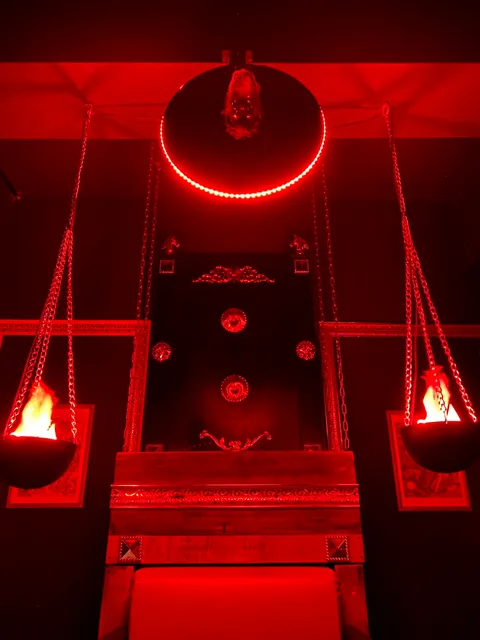
Puzzle Room Tokyo(パズルルームトーキョー)
4.7
(17)
Open until 12:00 AM
Click for details
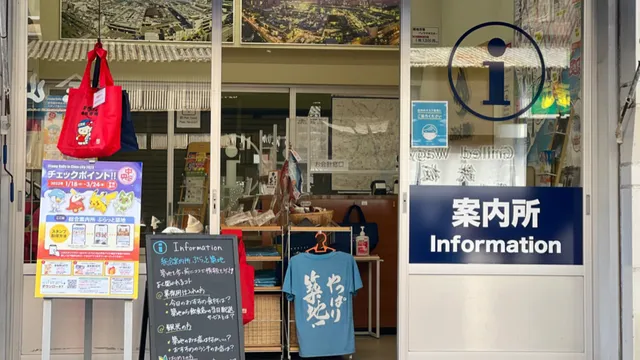
Tourist info - Plat Tsukiji
4.0
(62)
Closed
Click for details
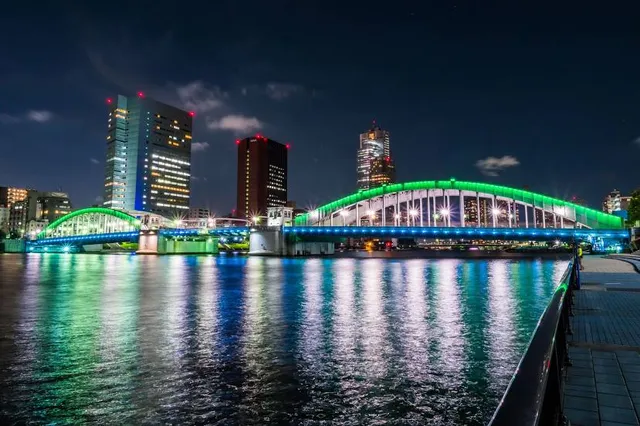
Hatoba Park
3.9
(168)
Closed
Click for details
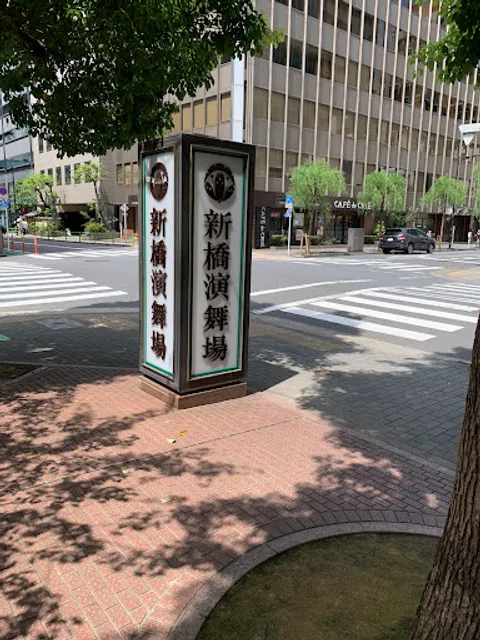
Shinbashi Enbujo Theatre
4.1
(1.8K)
Open 24 hours
Click for details
Nearby restaurants of Namiyoke Shrine
Tsukiji Sushi Dai Honkan
Tsukiji Paradiso
Wagyu Japanese BBQ Yakiniku (Halal) & Hamburger Ramen Tsukiji Ginza Restaurant Zen
Kushikatsu Tanaka Tsukiji
Tohto Grill
Tsukiji Motodane
Kunisuke Coffee
Sushikuni
Shoutoku Honten Megumi
Tsukiji Sushi Omakase
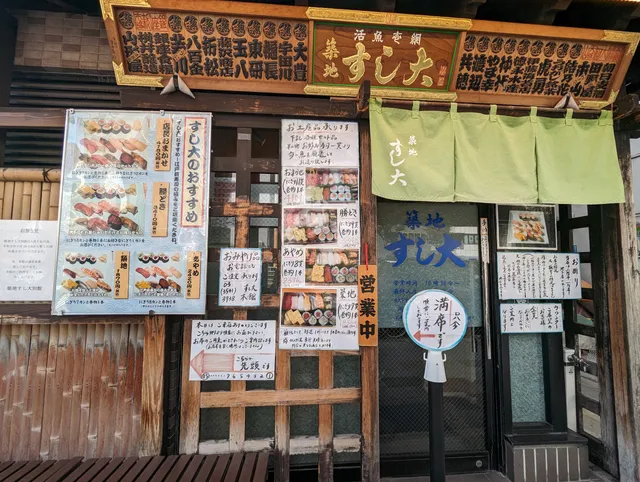
Tsukiji Sushi Dai Honkan
4.4
(1.2K)
$$
Closed
Click for details
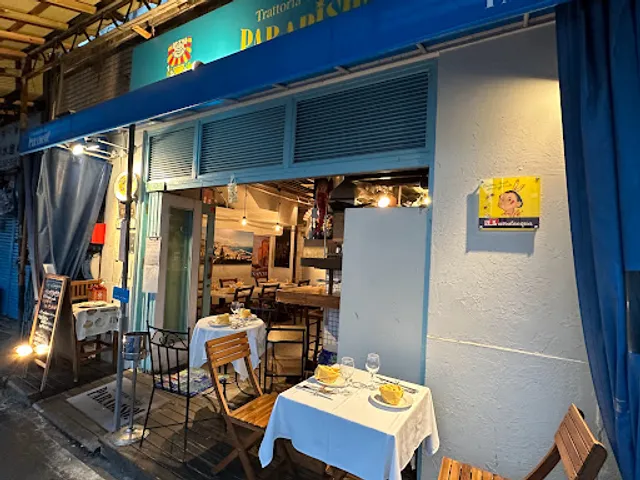
Tsukiji Paradiso
4.1
(447)
$$
Open until 12:00 AM
Click for details
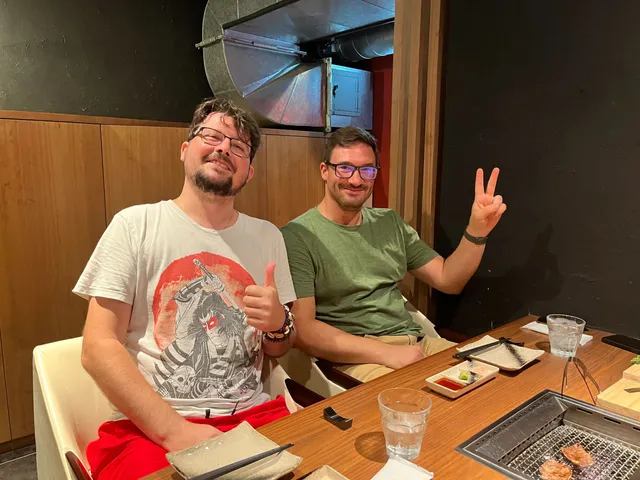
Wagyu Japanese BBQ Yakiniku (Halal) & Hamburger Ramen Tsukiji Ginza Restaurant Zen
4.8
(534)
Closed
Click for details
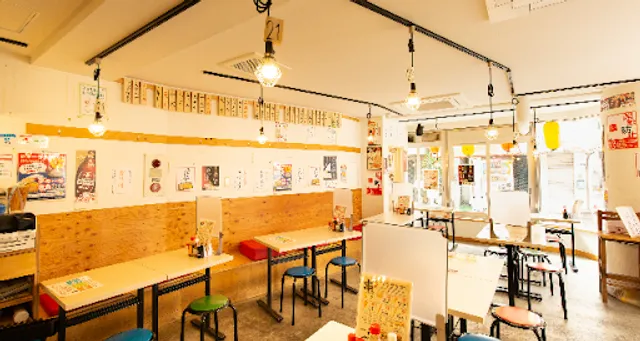
Kushikatsu Tanaka Tsukiji
4.6
(1.0K)
Closed
Click for details
Nearby local services of Namiyoke Shrine
Tsukiji Outer Market
Namiyoke Park
和牛ステーキ 神戸牛ダイア 築地市場店 | WAGYU STEAK KOBE BEEF DAIA TSUKIJI OUTER MARKET BRANCH
Tsukiji Nippon Fish Port Market
Tsukiji Hongan-ji Temple
Tsukiji Honganji
日帰り入浴 ココネ築地銀座プレミア
Tsukiji Market
Rooftop Garden
築地魚河岸 浜焼きBBQテラス
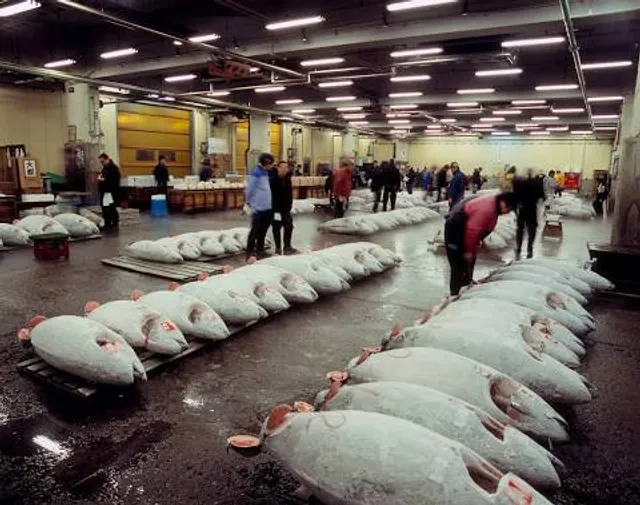
Tsukiji Outer Market
4.2
(20.1K)
Click for details
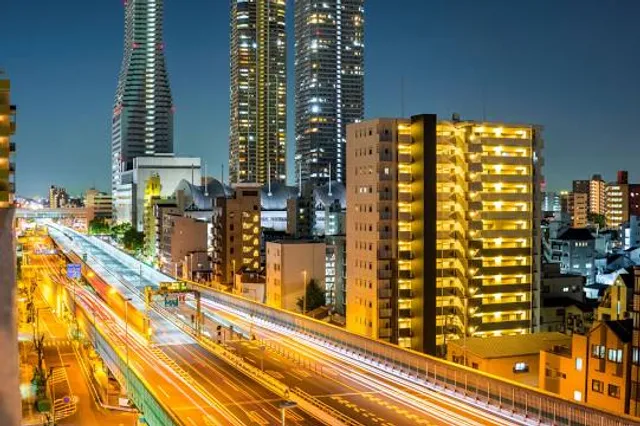
Namiyoke Park
3.3
(149)
Click for details
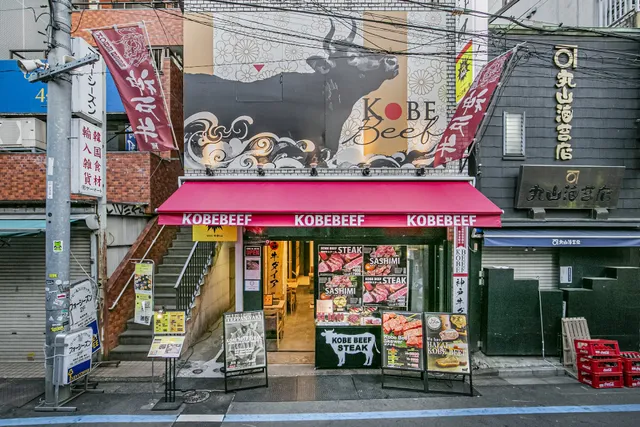
和牛ステーキ 神戸牛ダイア 築地市場店 | WAGYU STEAK KOBE BEEF DAIA TSUKIJI OUTER MARKET BRANCH
4.9
(792)
Click for details
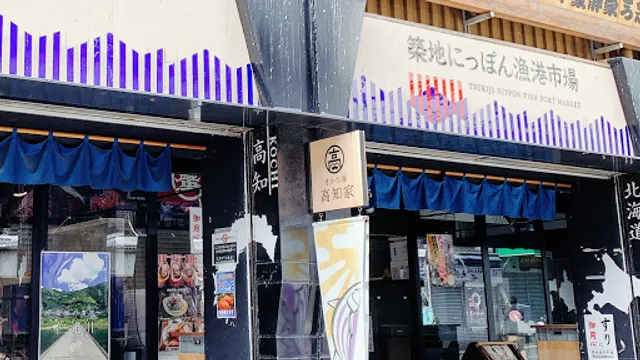
Tsukiji Nippon Fish Port Market
4.0
(575)
Click for details