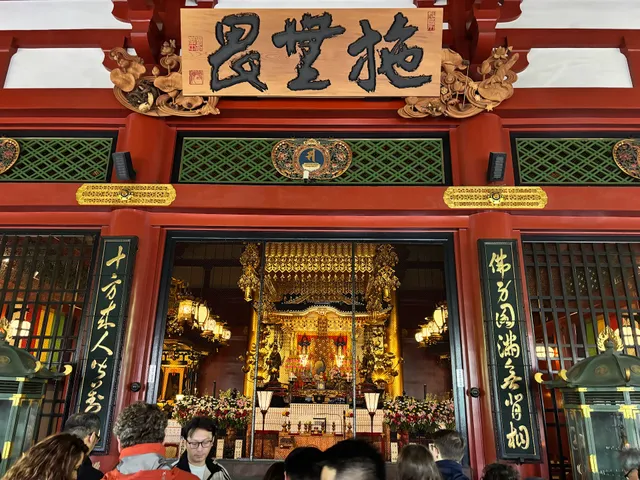
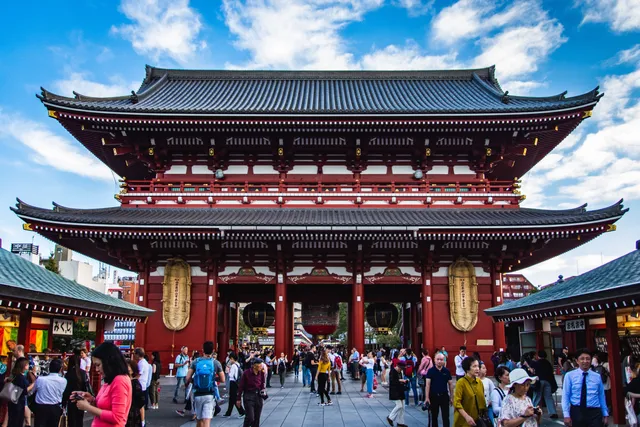
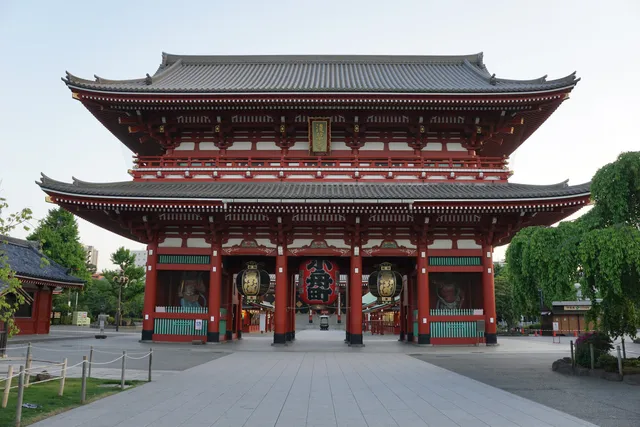
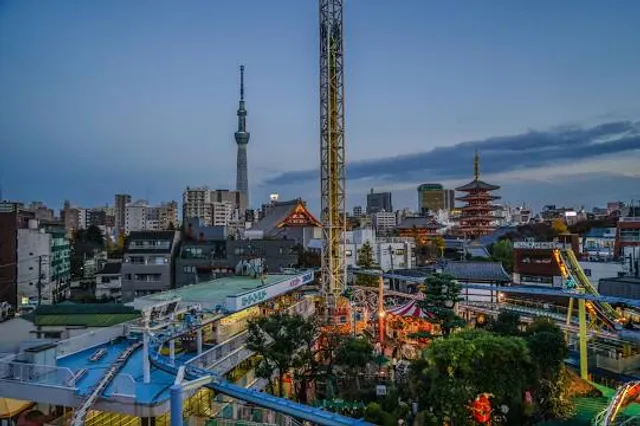
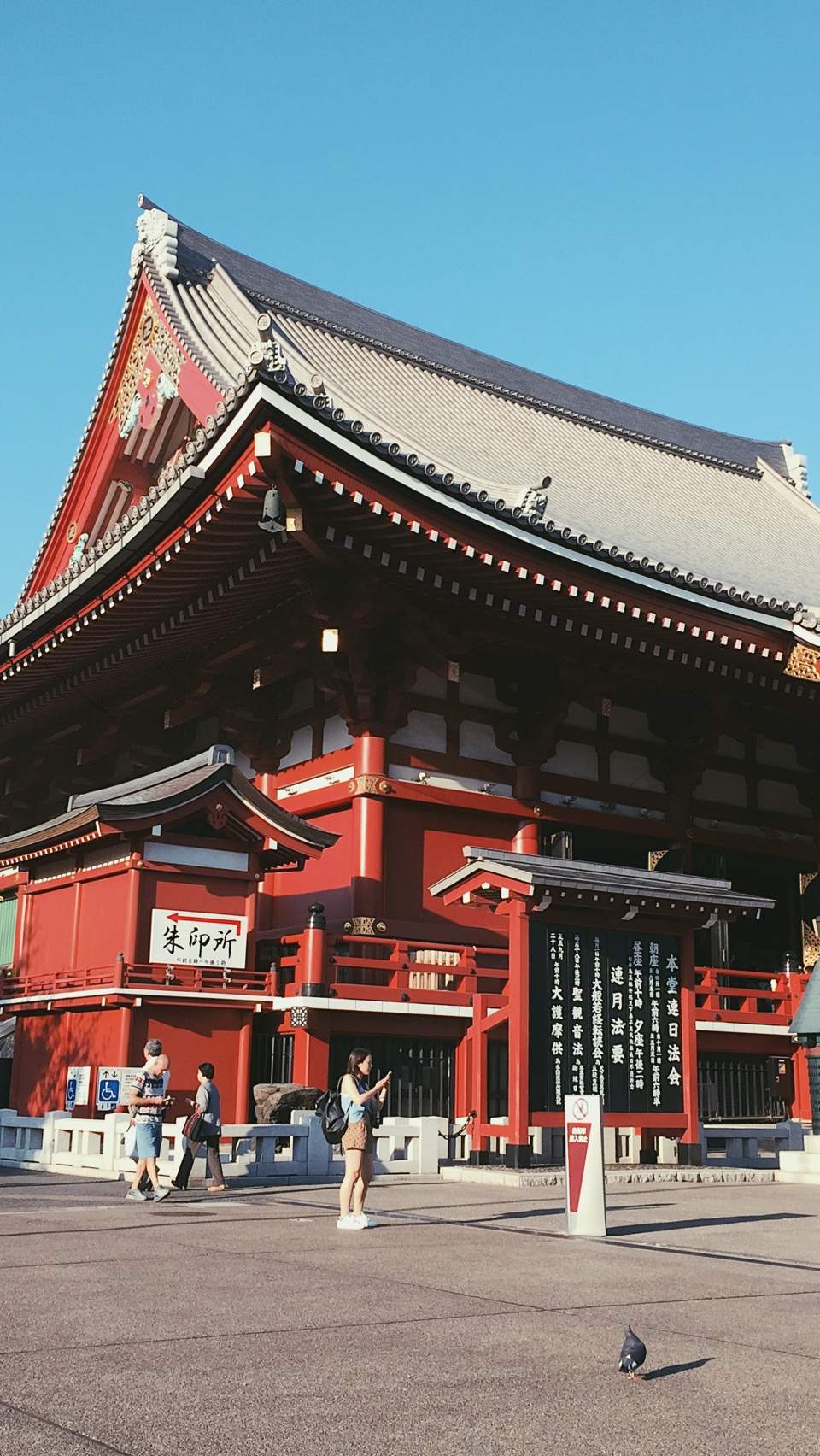
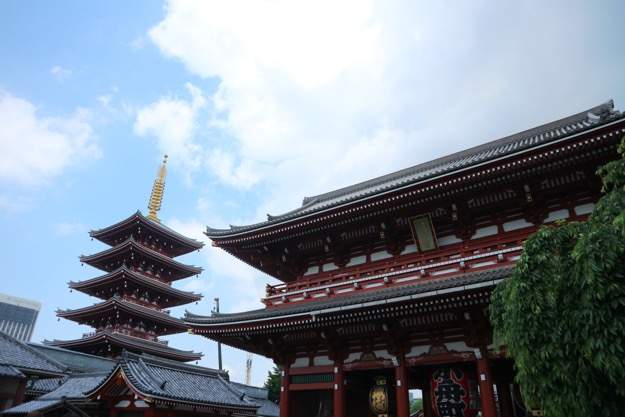
No visit to Tokyo is complete without experiencing Sensō-ji, Tokyo’s oldest and most significant Buddhist temple, located in the heart of Asakusa. Established in 645 AD, this iconic site is dedicated to Kannon, the Goddess of Mercy, and has been a place of pilgrimage for over a thousand years. But beyond its stunning temple grounds, intricate architecture, and spiritual significance, the surrounding Nakamise Shopping Street and nearby alleys offer a vibrant and unforgettable experience.
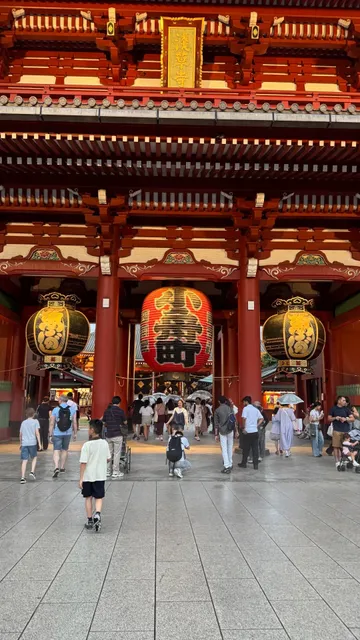
Getting There I took the train from Tokyo Station to Asakusa Station, an easy and efficient route. The Tokyo Metro Ginza Line gets you there in around 15 minutes, and from Asakusa Station, it's just a short walk to the grand Kaminarimon Gate, where your adventure begins.
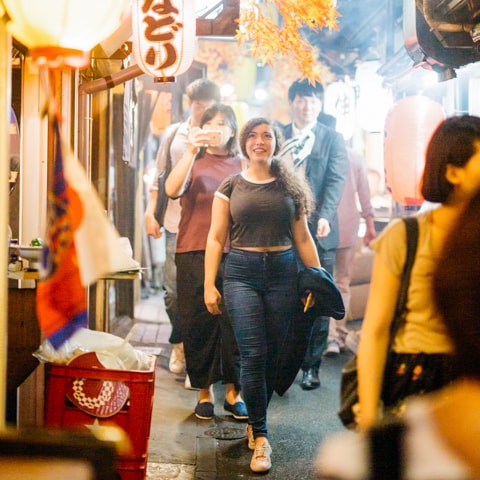
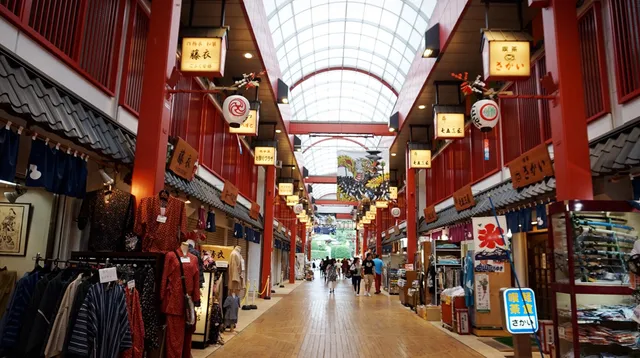
What to Expect – The Bustling Energy of Nakamise Shopping Street Be prepared—Sensō-ji is always busy, and walking from Kaminarimon-dori Street toward the shrine can feel overwhelming due to the bottleneck effect caused by the dense crowds. However, this hustle and bustle is part of the charm—an electric atmosphere filled with chatter, street vendors, and the aroma of traditional Japanese snacks wafting through the air.
Along Nakamise Shopping Street, the main path to the temple, you’ll find a treasure trove of Japanese curiosities, from hand-crafted souvenirs to traditional sweets. Here are just a few highlights:
🏮 Street Food Delights – Try freshly made taiyaki (fish-shaped pastries filled with sweet red bean paste), senbei (crispy rice crackers), or ningyo-yaki (bite-sized sponge cakes shaped like temple icons). If you're feeling adventurous, grab some agemanju (deep-fried sweet buns) for a unique treat!
🔪 Handmade Knives – A must-visit for chefs and home cooks, master knife makers sell razor-sharp Japanese kitchen knives, meticulously crafted using centuries-old techniques.
🍡 Mochi Ice Cream – Cool down with this delightful sweet treat, a perfect blend of chewy mochi and creamy ice cream.
🎎 Traditional Souvenirs – Browse stalls selling yukata (light cotton kimonos), sensu (folding fans), maneki-neko (beckoning cat figurines), and omamori (lucky charms) for good fortune.
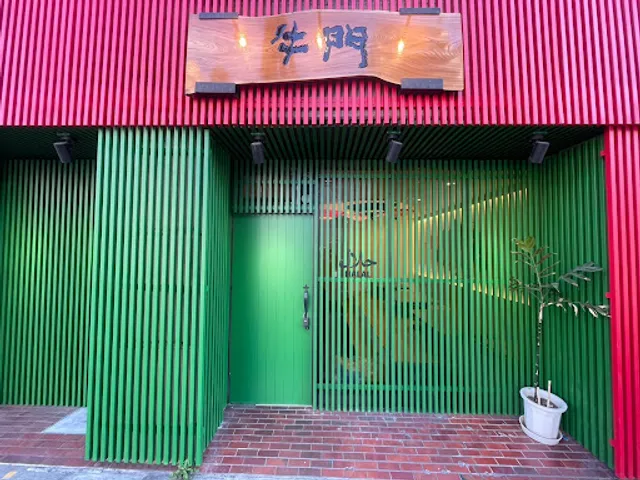
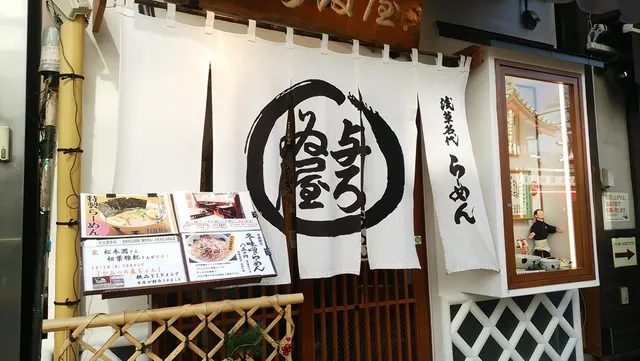
Exploring Beyond Nakamise Street For a quieter, more intimate experience, venture into the side streets and parallel alleys. These hidden pockets offer a more traditional feel, with old-world teahouses, artisan craft shops, and small shrines tucked away from the main crowds. There are even peaceful cul-de-sacs where you can take a break, soak in the ambiance, and appreciate the beautifully designed gardens and landscape architecture.
Temple Etiquette & Practical Tips 🙏 Respect the shrine – Photography is forbidden inside Sensō-ji, so be mindful of this rule. 🚻 Toilets – There are a few public restrooms around, so no need to worry. 🗑️ Trash bins are scarce – Be prepared to carry your rubbish with you until you find a bin.
Final Thoughts – A Tokyo Bucket List Essential Whether you’re here for history, culture, shopping, or food, Sensō-ji and Asakusa offer a truly immersive Tokyo experience. Even if crowds aren’t your thing, visiting this iconic site at least once is an absolute must. Take your time, explore the hidden gems, and embrace the energy of old-meets-new Tokyo.
Highly recommended for first-time visitors, history lovers, foodies, and anyone looking for an authentic...
Read moreWalking down the bustling Nakamise Shopping Street filled with traditional stalls and souvenirs, you are greeted by the grand sight of Sensō-ji, Tokyo’s oldest and most iconic Buddhist temple. The architecture is absolutely stunning and incredibly detailed, with bright red columns, intricate carvings, and a massive lantern at the entrance that makes for a memorable photo opportunity.
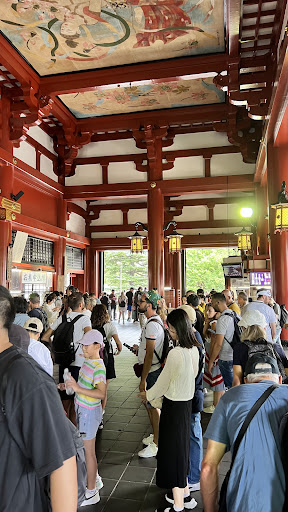
It was quite busy when we visited, with people everywhere taking photos and lining up to view the temple’s main hall. Despite the crowds, it was easy to get caught up in the peaceful atmosphere and admire the artistry of the building. The ceiling murals and golden altar inside are beautifully crafted and worth taking the time to look at closely. Many visitors were dressed in traditional kimonos, adding a cultural flair and making the photos even more authentic.
There is a lot to explore beyond the temple itself, including nearby shrines and gardens, as well as Omikuji fortune slips and incense offerings. Sensō-ji is not just a place of worship, but a full experience that blends tradition, spirituality, and culture. Definitely worth a visit while in Tokyo and one of the best places to take in Japan’s rich history and heritage.
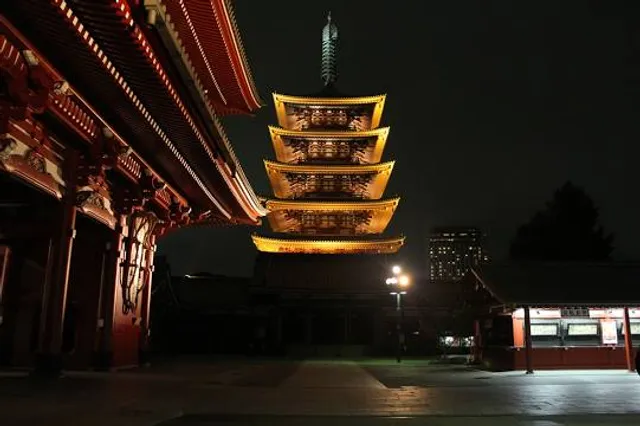
Senso-ji Temple's main hall is open daily from 6:00 AM to 5:00 PM (or 6:30 AM to 5:00 PM from October to March). The temple grounds are always open, but the shops along Nakamise-dori may have different hours, with some opening around 10:00 AM. The temple buildings are also illuminated every evening until 11:00...
Read moreWe arrived around 9:45AM, and the temple grounds were already fairly busy, but still manageable. After taking some photos and soaking in the atmosphere, we tried our luck with the traditional Omikuji fortune slips. For 100 yen, you drop a coin into the box, shake a metal cylinder filled with bamboo sticks, and draw one at random. The stick corresponds to a numbered drawer, where you retrieve your fortune.
My partner ended up with a bad luck slip, while I pulled a neutral one—not the worst outcome, but not quite “great blessing” either! It was a fun little tradition to experience firsthand and added a cultural moment to what had been a very modern itinerary...
Read more