Swedish Gate things to do, attractions, restaurants, events info and trip planning
Basic Info
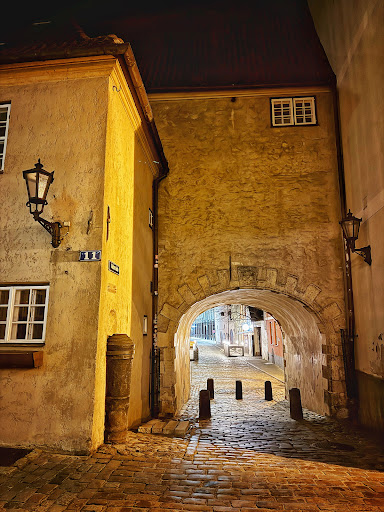
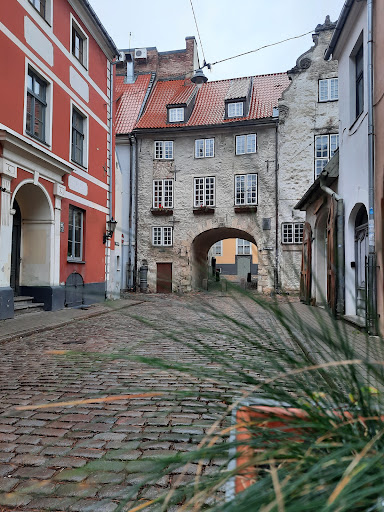
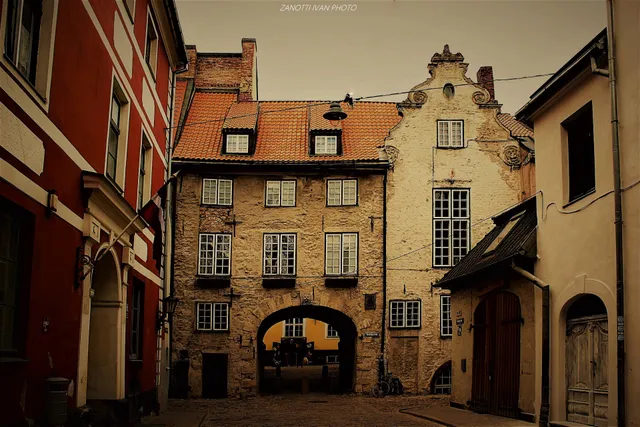
Swedish Gate
Torņa iela 4-1a, Centra rajons, Rīga, LV-1050, Latvia
4.4(1.0K)
Open until 12:00 AM
Save
spot
spot
Ratings & Description
Info
Cultural
Scenic
Family friendly
Accessibility
attractions: Latvian War Museum, Three Brothers, Latvian Museum of Architecture, Powder Tower, Dome Square, Cat House, Bastejkalna Park, Mākslas muzejs RĪGAS BIRŽA, Riga Cathedral, Latvian National Theatre, St. Jacob’s Catholic Cathedral of Riga, restaurants: Kafejnīca, bārs Ezītis miglā, Zviedru vārti restaurant, Garage, Tēvocis Vaņa, 3 pavāru restorāns "Tam labam būs augt", Parunāsim kafe'teeka, KAĶIS MAISĀ | Local craft beer, Black garlic, Pizzatime, Shot Cafe, local businesses: The Swedish Gate, Dome Square, Free Tours Riga by locals, Gastro Pub Duvel's, Vecmeita ar kaķi, EKO SUVENĪRS Rīga /ECO SOUVENIR Riga, Galerija Centrs, Rigabycanal - Boat Tours & Canal Cruises, Riga Town Hall Square, Black Cat Souvenirs
 Learn more insights from Wanderboat AI.
Open hoursSee all hours
SunOpen 24 hoursOpen
Plan your stay

Pet-friendly Hotels in Riga
Find a cozy hotel nearby and make it a full experience.

Affordable Hotels in Riga
Find a cozy hotel nearby and make it a full experience.

The Coolest Hotels You Haven't Heard Of (Yet)
Find a cozy hotel nearby and make it a full experience.

Trending Stays Worth the Hype in Riga
Find a cozy hotel nearby and make it a full experience.
Reviews
Live events
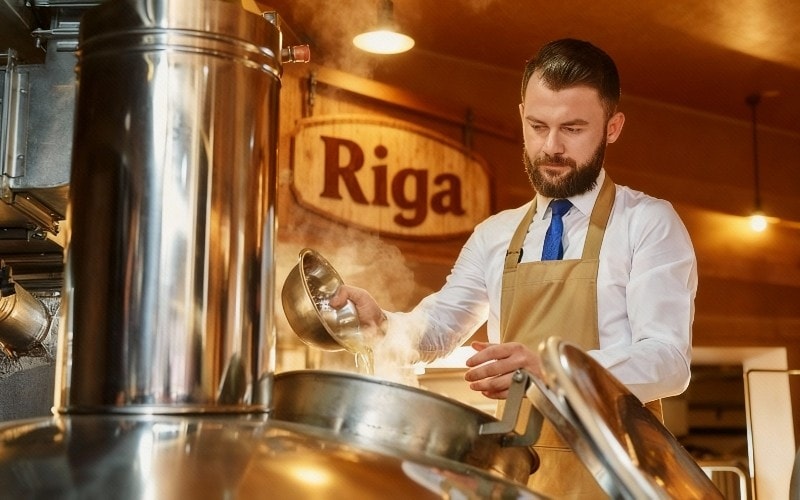
Private Riga Brewery Tour & Beer Tasting
Tue, Feb 10 • 2:00 PM
Riga, 1010, Latvia
View details

Explore Rundale and Bauska Castles
Tue, Feb 10 • 9:00 AM
Riga, LV, 1004, Latvia
View details
Candlelight: The Lord of the Rings
Fri, Feb 13 • 5:00 PM
Elizabetes iela 61, Centra rajons, Rīga, 1050
View details
Nearby attractions of Swedish Gate
Latvian War Museum
Three Brothers, Latvian Museum of Architecture
Powder Tower
Dome Square
Cat House
Bastejkalna Park
Mākslas muzejs RĪGAS BIRŽA
Riga Cathedral
Latvian National Theatre
St. Jacob’s Catholic Cathedral of Riga
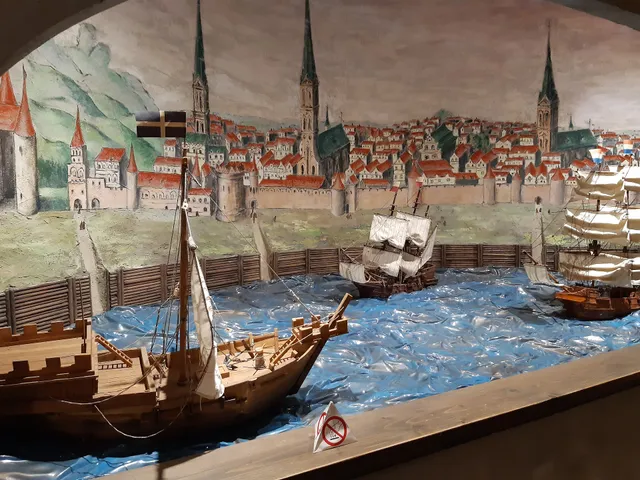
Latvian War Museum
4.6
(1.9K)
Closed
Click for details
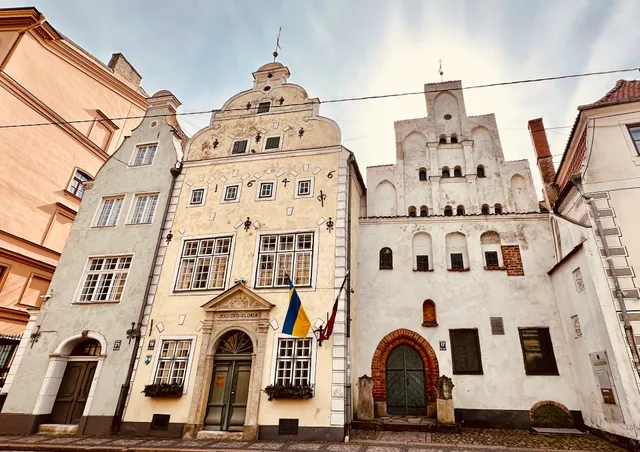
Three Brothers, Latvian Museum of Architecture
4.4
(2.2K)
Open until 12:00 AM
Click for details
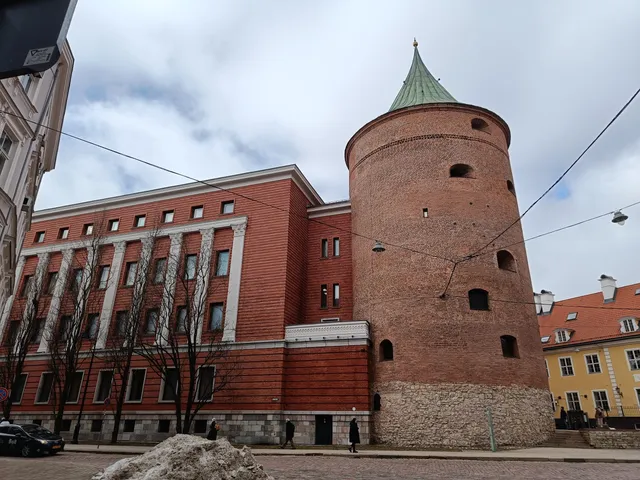
Powder Tower
4.5
(871)
Closed
Click for details
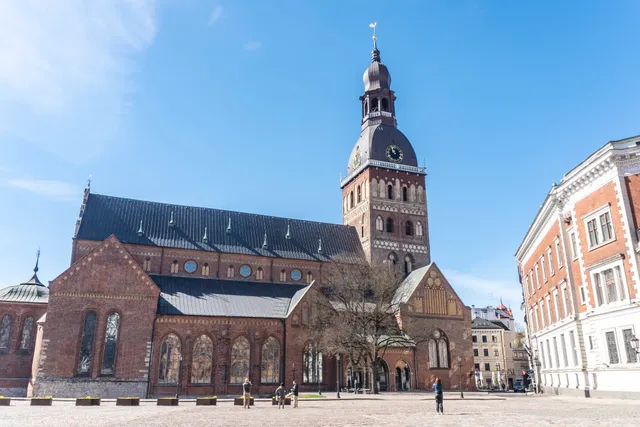
Dome Square
4.7
(2.8K)
Open until 12:00 AM
Click for details
Nearby restaurants of Swedish Gate
Kafejnīca, bārs Ezītis miglā
Zviedru vārti restaurant
Garage
Tēvocis Vaņa
3 pavāru restorāns "Tam labam būs augt"
Parunāsim kafe'teeka
KAĶIS MAISĀ | Local craft beer
Black garlic
Pizzatime
Shot Cafe
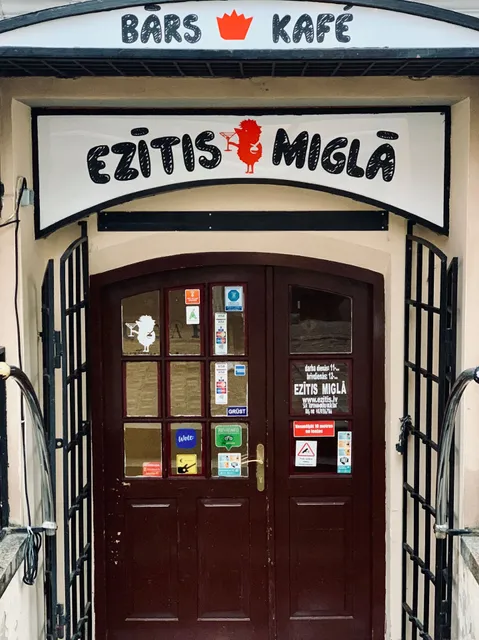
Kafejnīca, bārs Ezītis miglā
4.5
(788)
Closed
Click for details
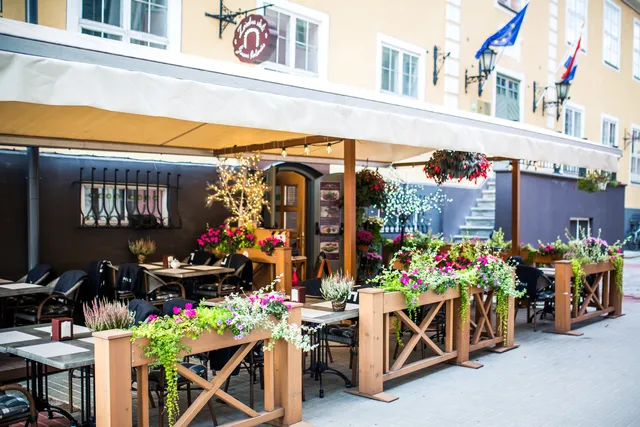
Zviedru vārti restaurant
4.5
(563)
$$
Closed
Click for details
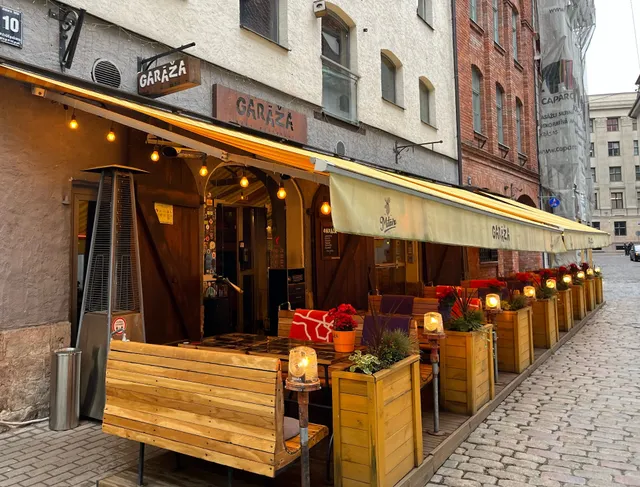
Garage
4.6
(1.0K)
$$
Open until 2:00 AM
Click for details
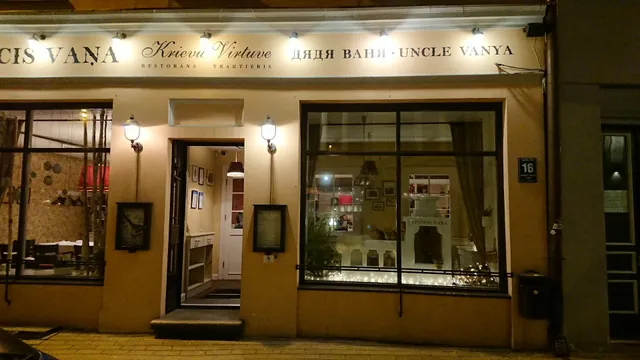
Tēvocis Vaņa
4.6
(743)
$$
Closed
Click for details
Nearby local services of Swedish Gate
The Swedish Gate
Dome Square
Free Tours Riga by locals
Gastro Pub Duvel's
Vecmeita ar kaķi
EKO SUVENĪRS Rīga /ECO SOUVENIR Riga
Galerija Centrs
Rigabycanal - Boat Tours & Canal Cruises
Riga Town Hall Square
Black Cat Souvenirs
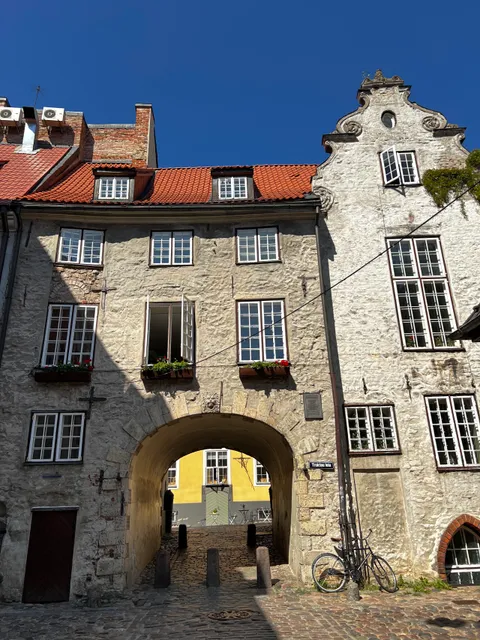
The Swedish Gate
4.4
(877)
Click for details
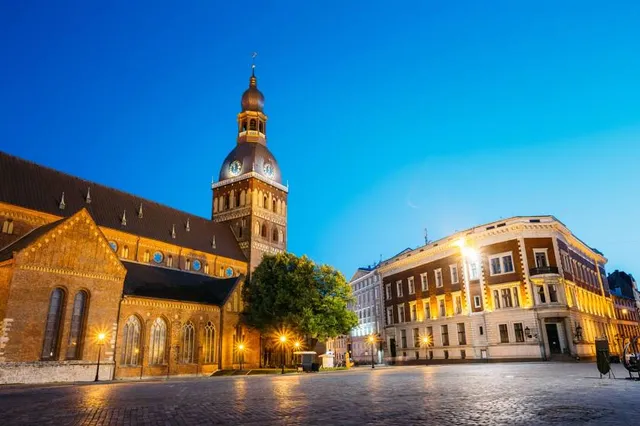
Dome Square
4.7
(2.4K)
Click for details
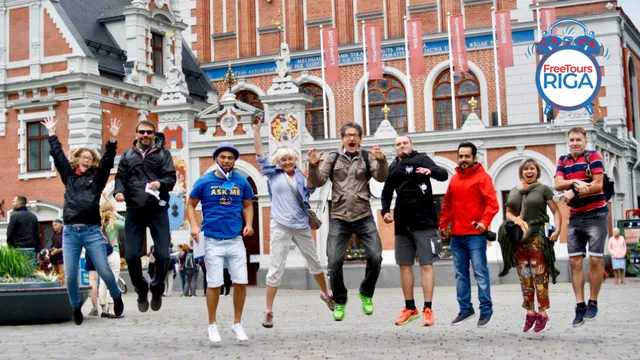
Free Tours Riga by locals
5.0
(978)
Click for details
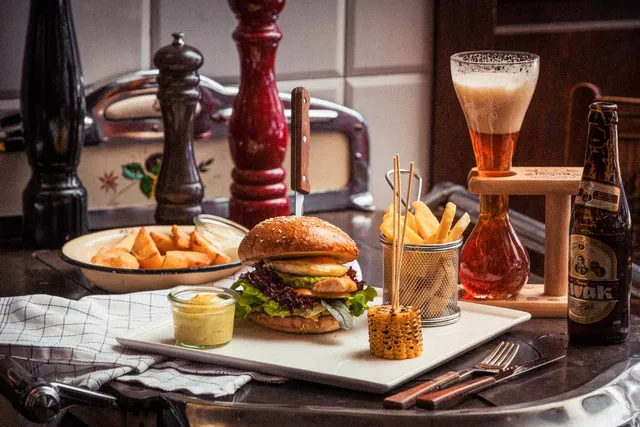
Gastro Pub Duvel's
4.6
(1.2K)
Click for details