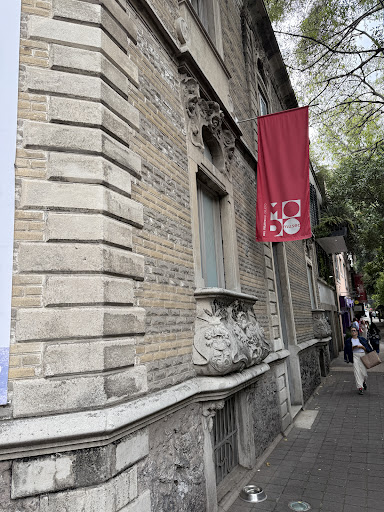
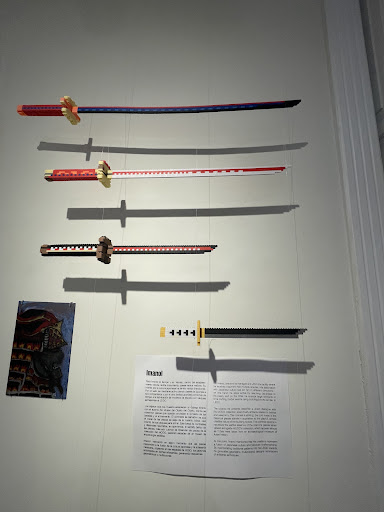
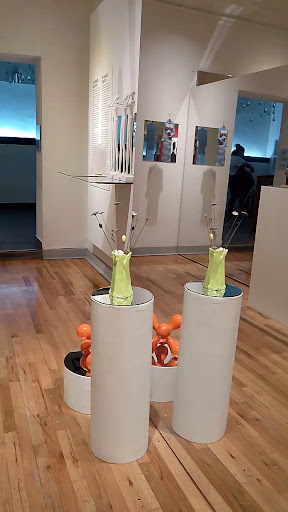
MODO Museo del Objeto del Objeto things to do, attractions, restaurants, events info and trip planning

Basic Info
MODO Museo del Objeto del Objeto
Colima 145, Cuauhtémoc, Roma Nte., Cuauhtémoc, 06700 Ciudad de México, CDMX, Mexico
4.6(1.7K)
Open until 6:00 PM

tickets
Save
spot
spot
Ratings & Description
Info
The Museo del Objeto del Objeto, or MODO, is a museum in Mexico City and the first museum in Mexico dedicated to design and communications.
Cultural
Accessibility
attractions: La Teatrería, Río de Janeiro Plaza, MAIA Contemporary, Foro Lenin, Casa Basalta, Mooni, Casa del Poeta, Pushkin Garden, Salon of Mexican Fine Art, Parroquia de la Sagrada Familia, restaurants: Traspatio, Restaurante Rosetta, Santo Hand Roll Bar, Panadería Rosetta, Meroma, Delirio, JOE & THE JUICE ROMA, Altanera Roma, Blanco Colima, Taquería Orinoco, local businesses: Sumesa Colima, Libreria Morgana, Goodbye Folk Vintage Boutique, Paprika Hair Salon, AZAP Flores, Plaza Río de Janeiro, Arquidiócesis Primada de México, Artes de Mexico, Centro Gallego de México, A.C., Vatel Drones Mexico
 Learn more insights from Wanderboat AI.
Phone
+52 55 5533 9635
Website
elmodo.mx
Open hoursSee all hours
Fri10 a.m. - 6 p.m.Open
Plan your stay

Pet-friendly Hotels in Mexico City
Find a cozy hotel nearby and make it a full experience.

Affordable Hotels in Mexico City
Find a cozy hotel nearby and make it a full experience.

The Coolest Hotels You Haven't Heard Of (Yet)
Find a cozy hotel nearby and make it a full experience.

Trending Stays Worth the Hype in Mexico City
Find a cozy hotel nearby and make it a full experience.
Reviews
Live events

Teotihuacan balloon ride and breakfast at La Gruta
Sat, Feb 28 • 4:30 AM
01000, Mexico City, Mexico City, Mexico
View details
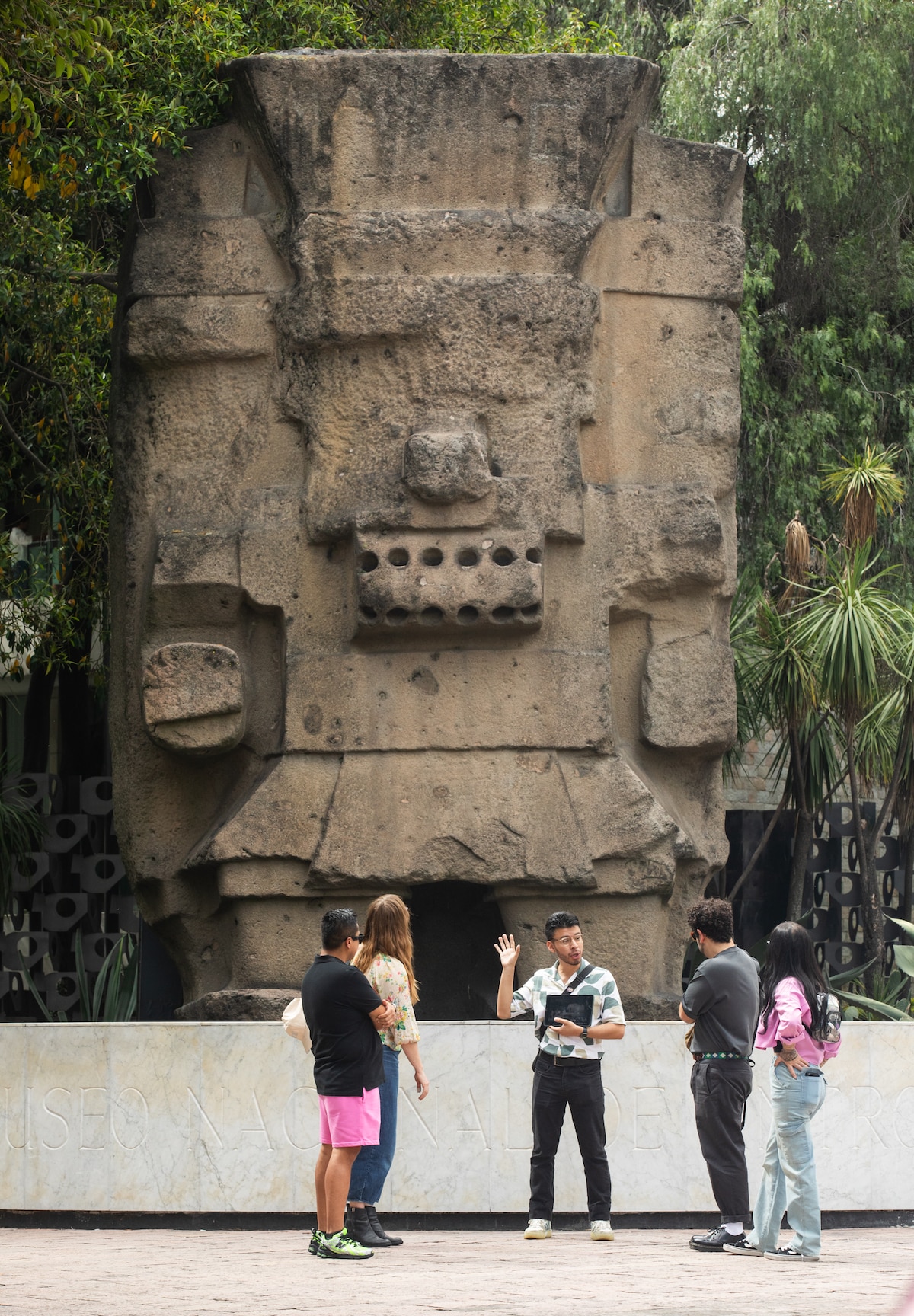
Immersive experience in the Anthropology Museum
Fri, Feb 27 • 1:00 PM
11580, Mexico City, Mexico City, Mexico
View details
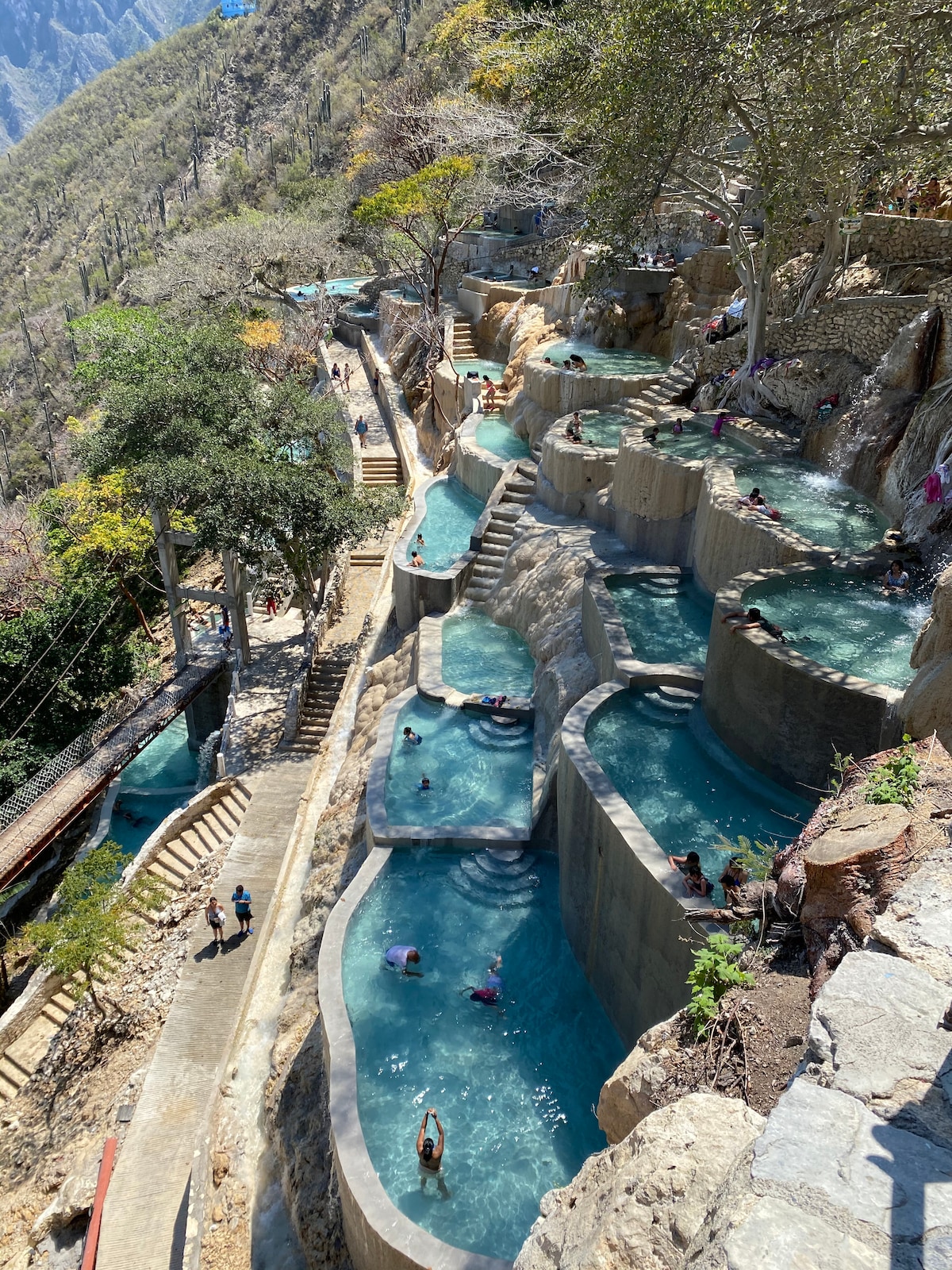
Explore Tolantongo with a Guide
Fri, Feb 27 • 5:45 AM
06500, Mexico City, Mexico City, Mexico
View details
Nearby attractions of MODO Museo del Objeto del Objeto
La Teatrería
Río de Janeiro Plaza
MAIA Contemporary
Foro Lenin
Casa Basalta
Mooni
Casa del Poeta
Pushkin Garden
Salon of Mexican Fine Art
Parroquia de la Sagrada Familia
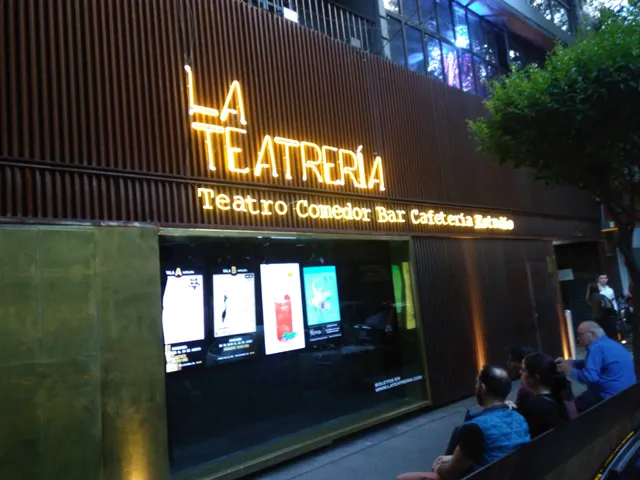
La Teatrería
4.5
(1.2K)
Open 24 hours
Click for details
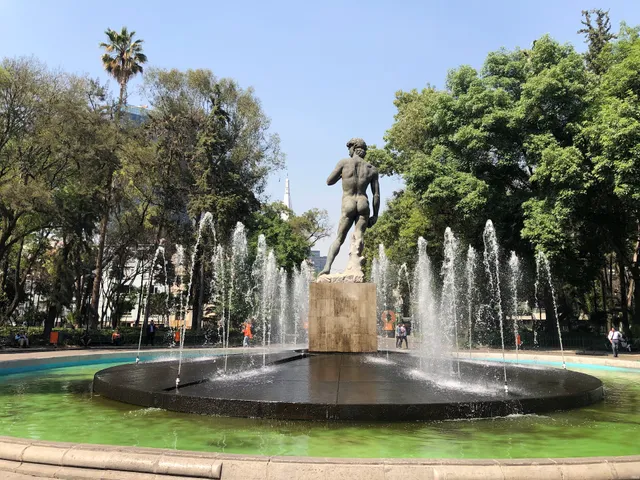
Río de Janeiro Plaza
4.5
(2.1K)
Open until 12:00 AM
Click for details

MAIA Contemporary
4.5
(214)
Open until 7:00 PM
Click for details
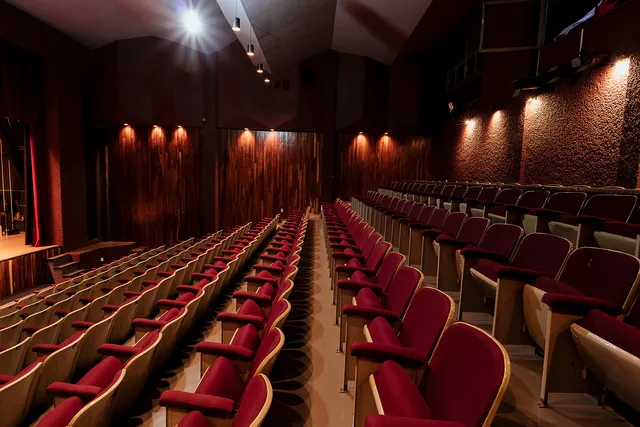
Foro Lenin
4.4
(1.3K)
Open 24 hours
Click for details
Nearby restaurants of MODO Museo del Objeto del Objeto
Traspatio
Restaurante Rosetta
Santo Hand Roll Bar
Panadería Rosetta
Meroma
Delirio
JOE & THE JUICE ROMA
Altanera Roma
Blanco Colima
Taquería Orinoco
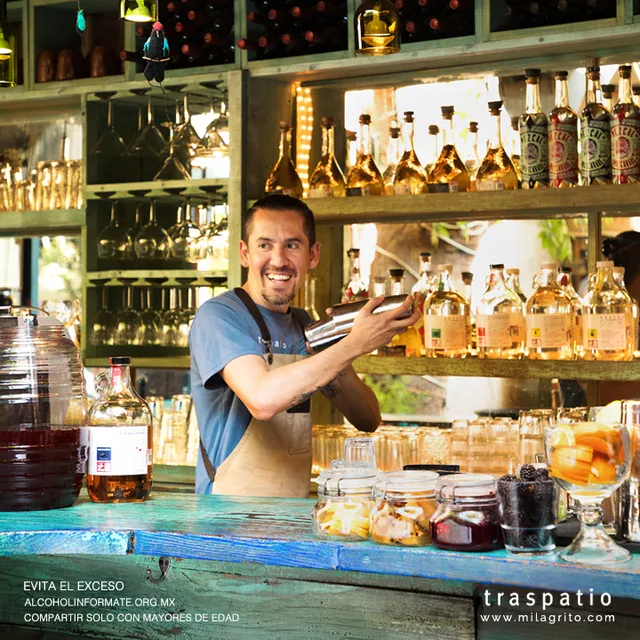
Traspatio
4.4
(1.5K)
$$
Open until 1:00 AM
Click for details
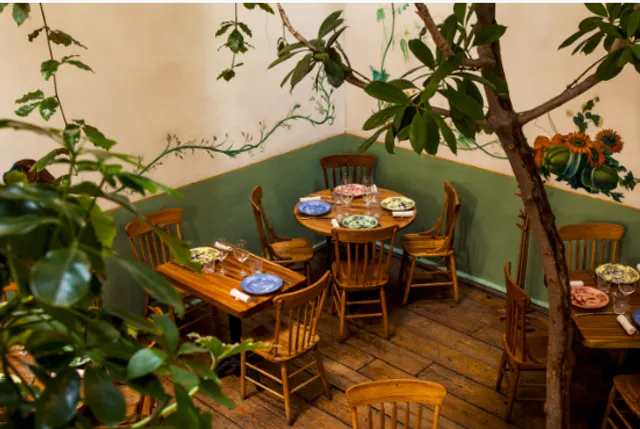
Restaurante Rosetta
4.2
(2.1K)
Closed
Click for details
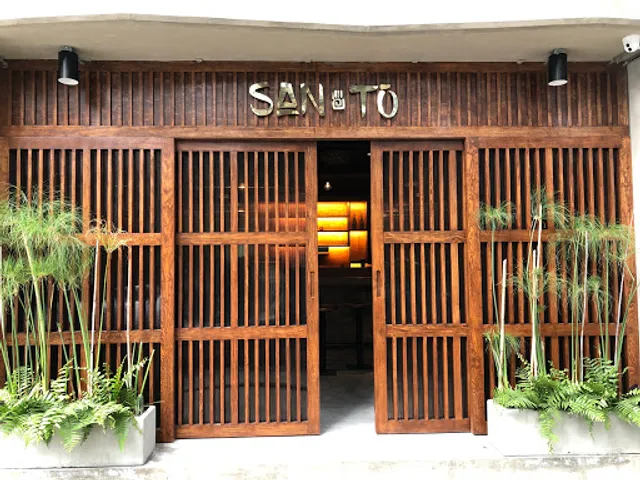
Santo Hand Roll Bar
4.8
(1.5K)
Closed
Click for details
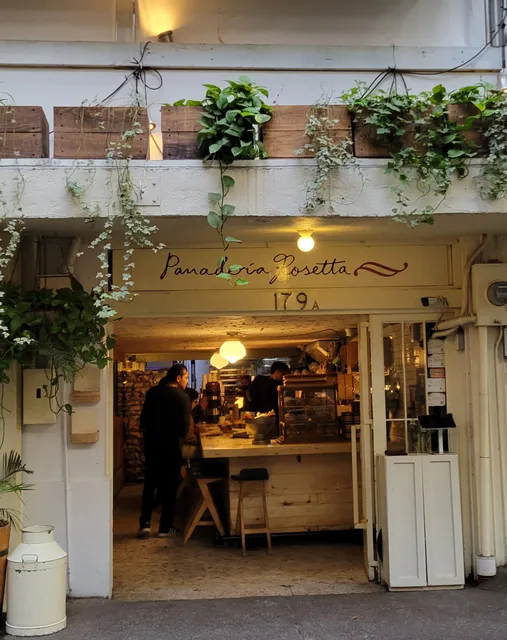
Panadería Rosetta
4.5
(4.4K)
Open until 10:00 PM
Click for details
Nearby local services of MODO Museo del Objeto del Objeto
Sumesa Colima
Libreria Morgana
Goodbye Folk Vintage Boutique
Paprika Hair Salon
AZAP Flores
Plaza Río de Janeiro
Arquidiócesis Primada de México
Artes de Mexico
Centro Gallego de México, A.C.
Vatel Drones Mexico

Sumesa Colima
4.0
(1.2K)
Click for details

Libreria Morgana
4.7
(213)
Click for details
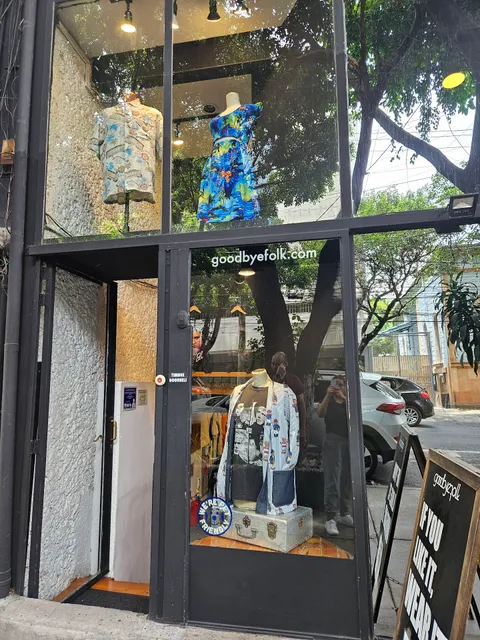
Goodbye Folk Vintage Boutique
4.8
(1.2K)
Click for details

Paprika Hair Salon
4.3
(243)
Click for details


The hit list


Plan your trip with Wanderboat
Welcome to Wanderboat AI, your AI search for local Eats and Fun, designed to help you explore your city and the world with ease.
Powered by Wanderboat AI trip planner.