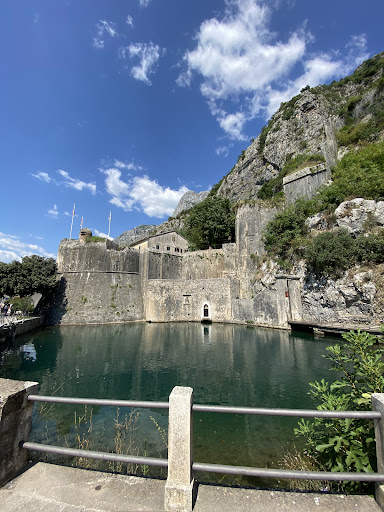
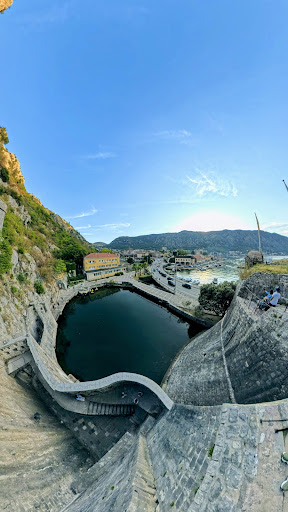
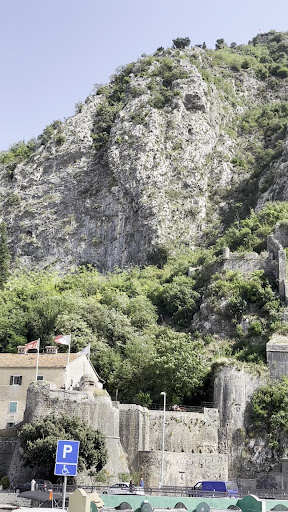
Gurdić Bastion things to do, attractions, restaurants, events info and trip planning

Basic Info
Gurdić Bastion
CQCC+XJ6, Kotor, Montenegro
4.8(142)
Open 24 hours
Save
spot
spot
Ratings & Description
Info
Cultural
Outdoor
Scenic
Family friendly
Off the beaten path
attractions: St. Tryphon's Cathedral, Kotor Fortress, San Giovanni, San Giovanni, Kotor Cats Museum, Kotor Old Town View, Kampana Tower, Church of Our Lady of Remedy, Ladder of Kotor, Maritime Museum, restaurants: BBQ Tanjga, Restoran Atrium, Konoba Scala Santa, Marenda Steak House, Konoba Roma, La Catedral Pasta Bar, Restaurant City, Restaurant Galion, Mon Bistro Cafétéria, Pescaria Dekaderon, local businesses: Kotor Old Town 303, Ancient Roman Settlement in Kotor, Old Town Square, Kotor Speed Boat Tours, San Giovanni, St. Juraj Church, Port of Kotor, Saint Michael’s Church, Cats Of Kotor, Kotorska Suvenirnica
 Learn more insights from Wanderboat AI.
Plan your stay

Pet-friendly Hotels in Kotor
Find a cozy hotel nearby and make it a full experience.

Affordable Hotels in Kotor
Find a cozy hotel nearby and make it a full experience.

The Coolest Hotels You Haven't Heard Of (Yet)
Find a cozy hotel nearby and make it a full experience.

Trending Stays Worth the Hype in Kotor
Find a cozy hotel nearby and make it a full experience.
Reviews
Live events
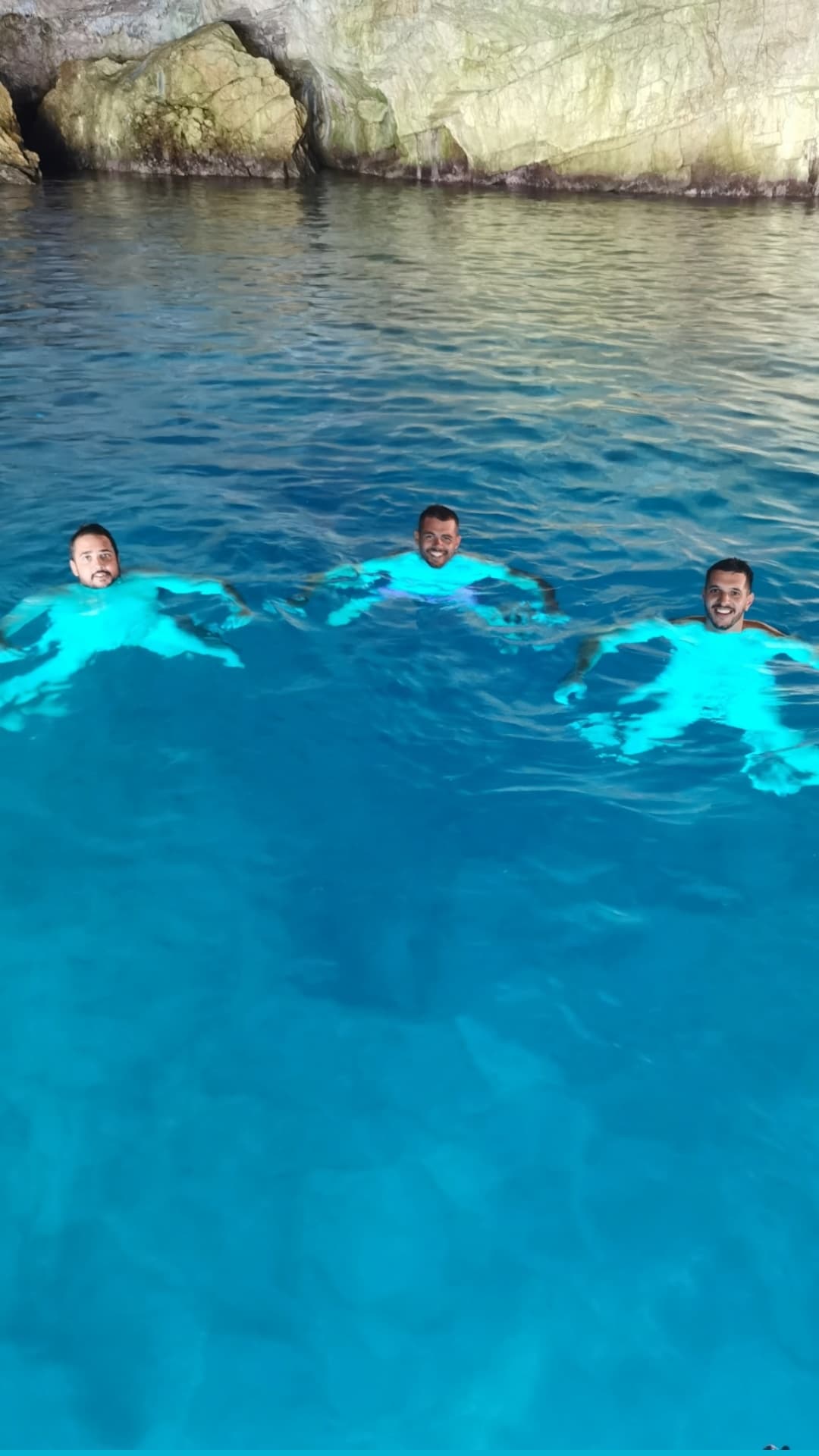
Speedboat 3h tour - Blue Cave and Bay of Kotor
Thu, Feb 26 • 12:00 PM
Kotor, 85330, Montenegro
View details
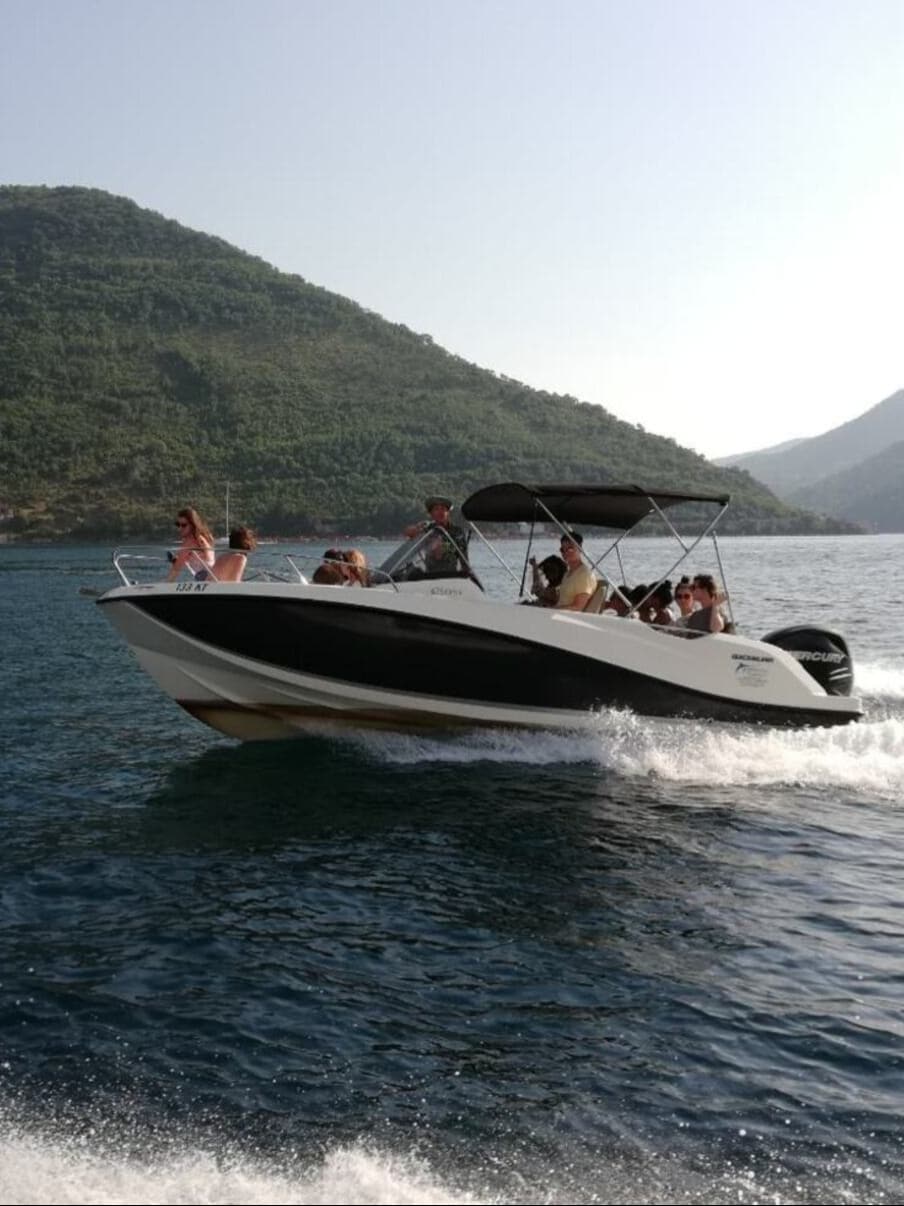
Speed Boat ride to Blue Cave and beach time
Sun, Mar 1 • 12:00 PM
Dobrota, 85330, Montenegro
View details
Nearby attractions of Gurdić Bastion
St. Tryphon's Cathedral
Kotor Fortress
San Giovanni
San Giovanni
Kotor Cats Museum
Kotor Old Town View
Kampana Tower
Church of Our Lady of Remedy
Ladder of Kotor
Maritime Museum
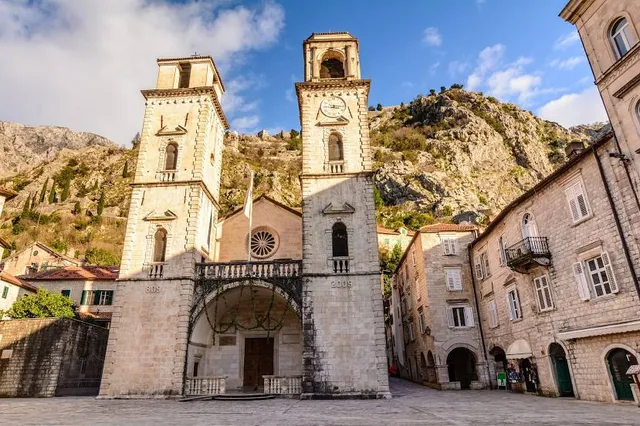
St. Tryphon's Cathedral
4.6
(1.3K)
Closed
Click for details
Kotor Fortress
4.5
(2.1K)
Open until 8:00 PM
Click for details
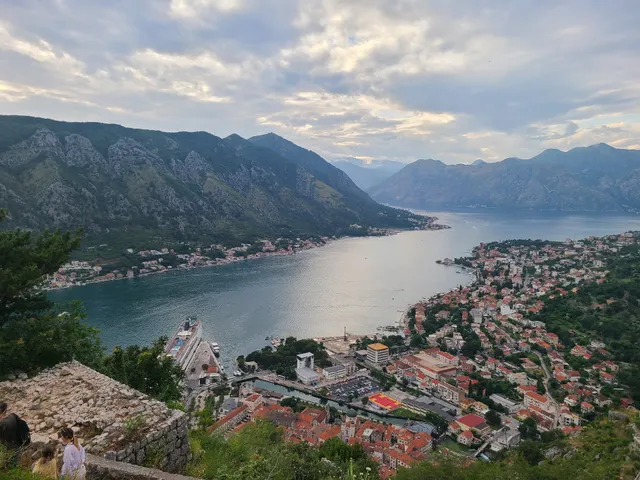
San Giovanni
4.6
(757)
Open 24 hours
Click for details
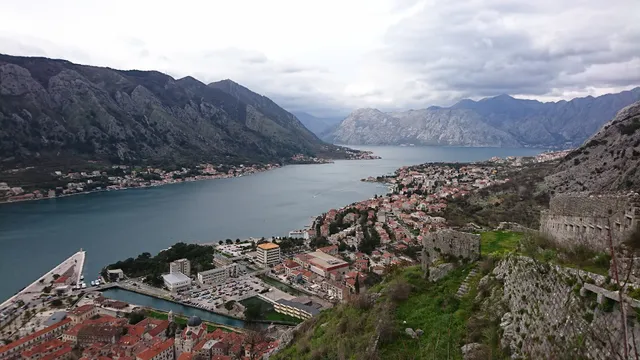
San Giovanni
4.6
(727)
Open until 8:00 PM
Click for details
Nearby restaurants of Gurdić Bastion
BBQ Tanjga
Restoran Atrium
Konoba Scala Santa
Marenda Steak House
Konoba Roma
La Catedral Pasta Bar
Restaurant City
Restaurant Galion
Mon Bistro Cafétéria
Pescaria Dekaderon
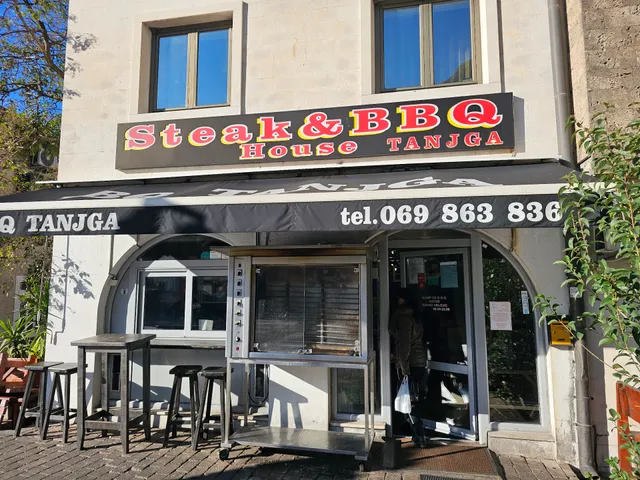
BBQ Tanjga
4.7
(2.9K)
Click for details
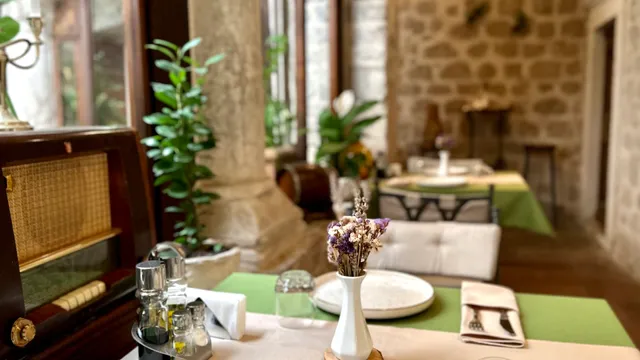
Restoran Atrium
4.7
(393)
Closed
Click for details
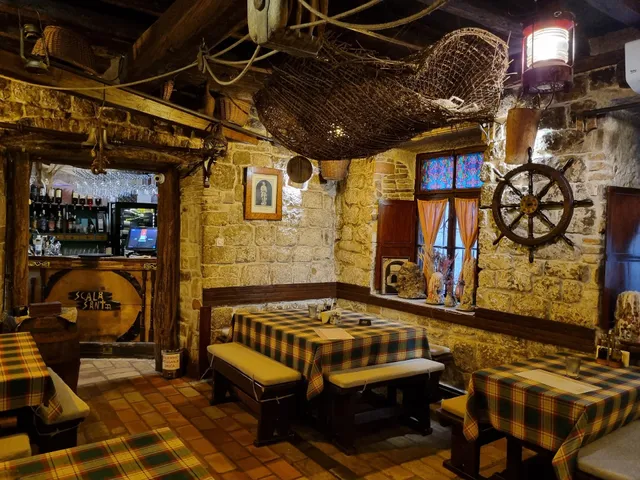
Konoba Scala Santa
4.5
(1.0K)
$$
Closed
Click for details
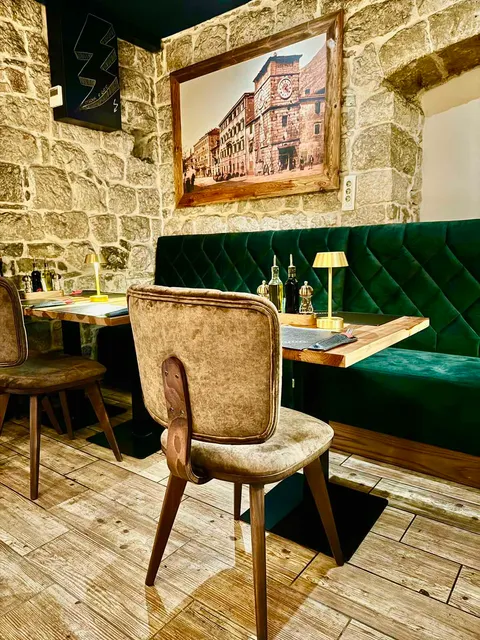
Marenda Steak House
4.7
(944)
$$
Open until 12:00 AM
Click for details
Nearby local services of Gurdić Bastion
Kotor Old Town 303
Ancient Roman Settlement in Kotor
Old Town Square
Kotor Speed Boat Tours
San Giovanni
St. Juraj Church
Port of Kotor
Saint Michael’s Church
Cats Of Kotor
Kotorska Suvenirnica
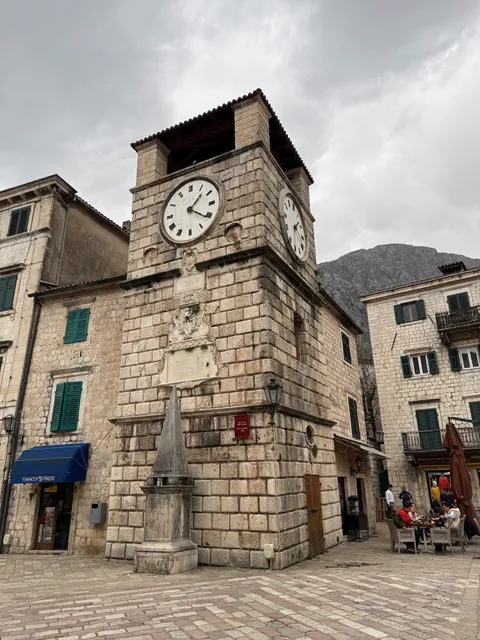
Kotor Old Town 303
4.8
(358)
Click for details
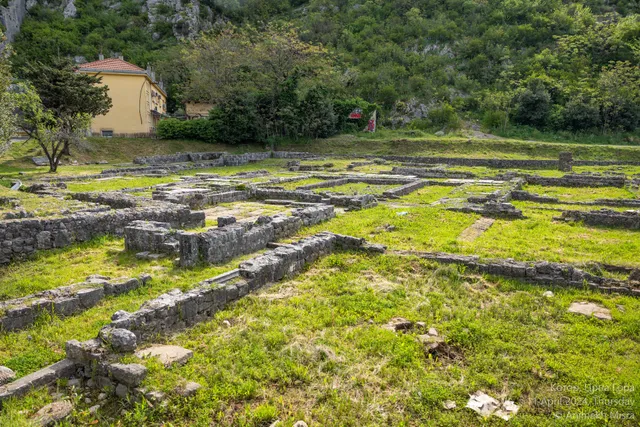
Ancient Roman Settlement in Kotor
4.1
(25)
Click for details

Old Town Square
4.8
(217)
Click for details
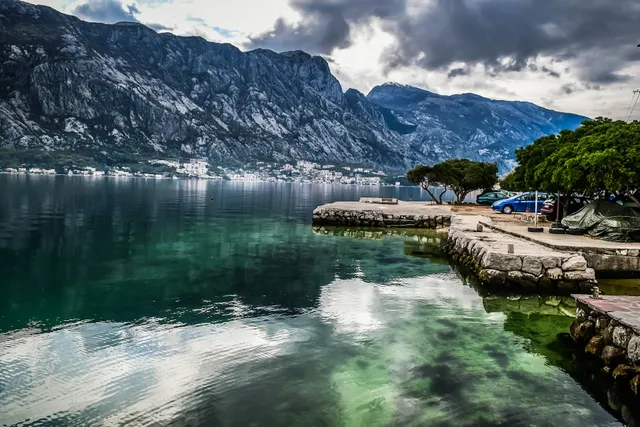
Kotor Speed Boat Tours
4.8
(36)
Click for details