Rembrandtplein things to do, attractions, restaurants, events info and trip planning
Basic Info
Rembrandtplein
Amsterdam, Netherlands
4.6(512)
Open 24 hours
Save
spot
spot
Ratings & Description
Info
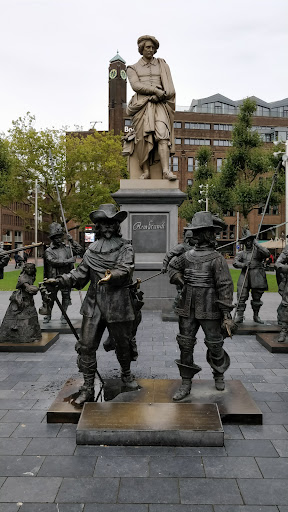
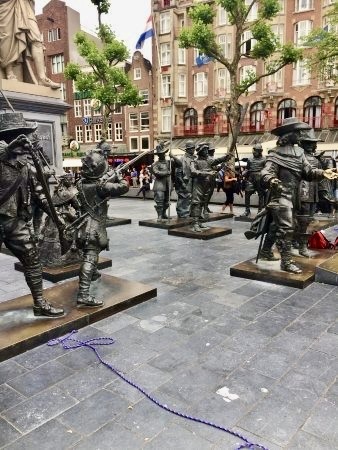
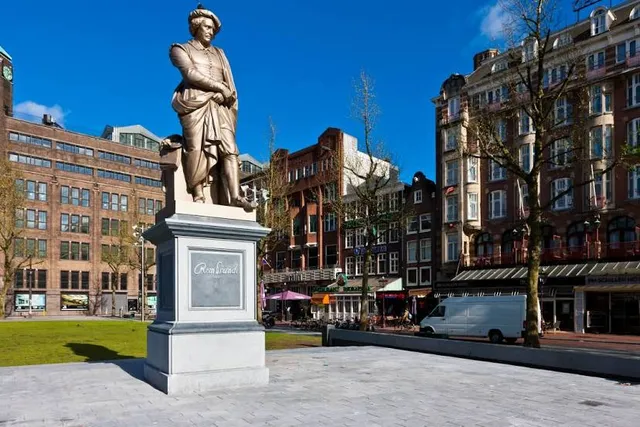
Rembrandtplein is a major square in central Amsterdam, Netherlands, named after Rembrandt van Rijn who owned a house nearby from 1639 to 1656.
Entertainment
Cultural
Family friendly
attractions: Rembrandt Monument, Willet-Holthuysen Museum, Starboard Boats, Private boat tour Amsterdam | Romantic Amsterdam Tour, Foam, H'ART Museum (Hermitage Amsterdam), National Opera & Ballet, Munttoren, KattenKabinet (Cat Cabinet), Aluminium Bridge, restaurants: Escape, Club Prime, The Three Sisters, Ali Ocakbaşı, Indrapura, The Old Bell, De Heeren Van Aemstel, Hunter's Coffeeshop Amsterdam Downtown, Shiso Asian Fusion, Coco's Outback, local businesses: Croon Davidovich Advocaten, Ice rink Rembrandtplein, Flower Market, Stins Flowermarket, Mochi - Official All Things Mochi store, Xenos Amsterdam Kalverstraat, HEMA, Nike Store Amsterdam, H&M, Golden Bend
 Learn more insights from Wanderboat AI.
Plan your stay

Pet-friendly Hotels in Amsterdam
Find a cozy hotel nearby and make it a full experience.

Affordable Hotels in Amsterdam
Find a cozy hotel nearby and make it a full experience.

The Coolest Hotels You Haven't Heard Of (Yet)
Find a cozy hotel nearby and make it a full experience.

Trending Stays Worth the Hype in Amsterdam
Find a cozy hotel nearby and make it a full experience.
Reviews
Live events

Make edibles in Amsterdam with Get Baked Amsterdam
Sun, Jan 18 • 2:00 PM
1052 HL, Amsterdam, Netherlands
View details
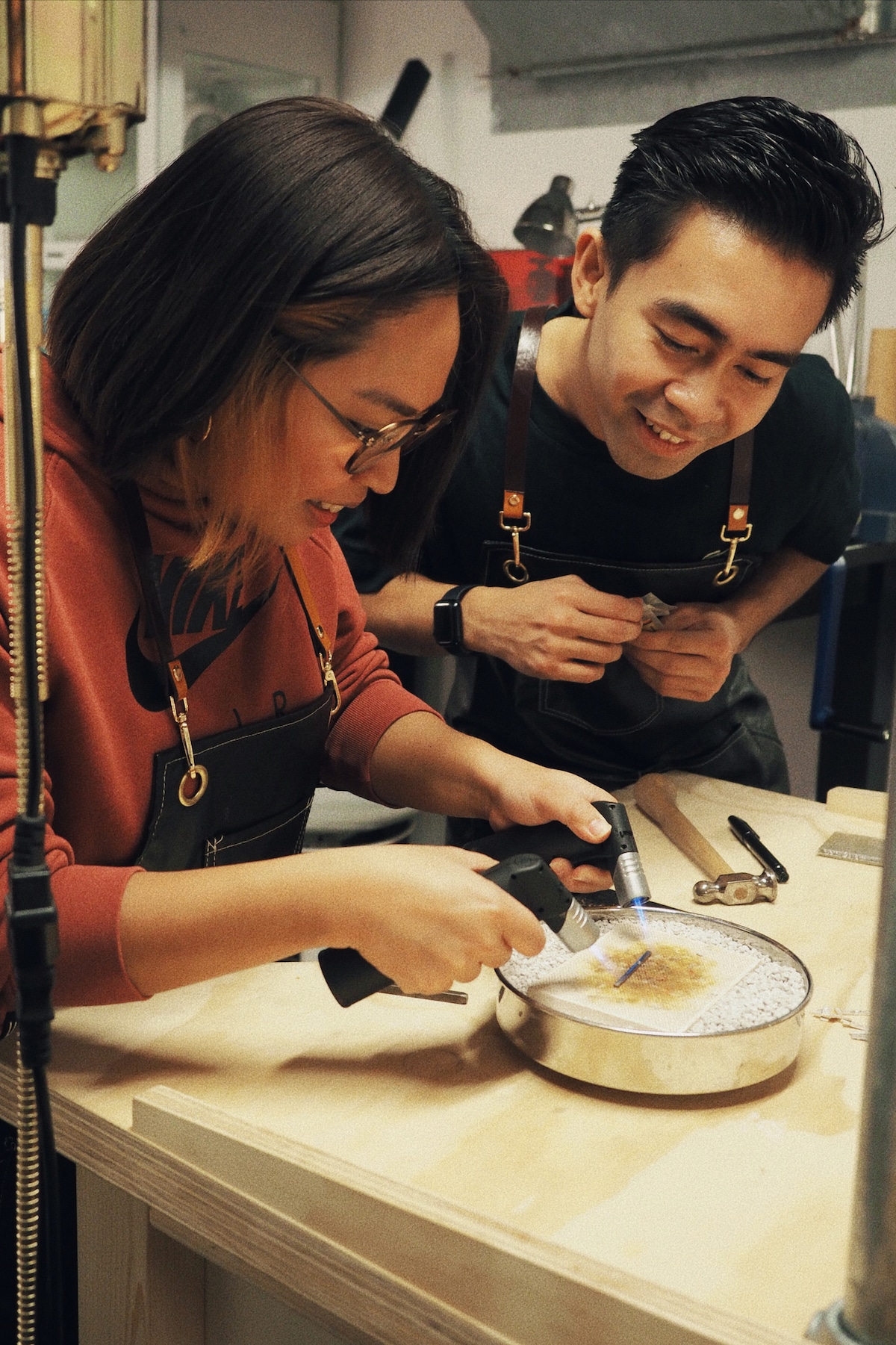
Make silver and gold jewelry
Thu, Jan 22 • 2:00 PM
1059 AX, Amsterdam, Netherlands
View details
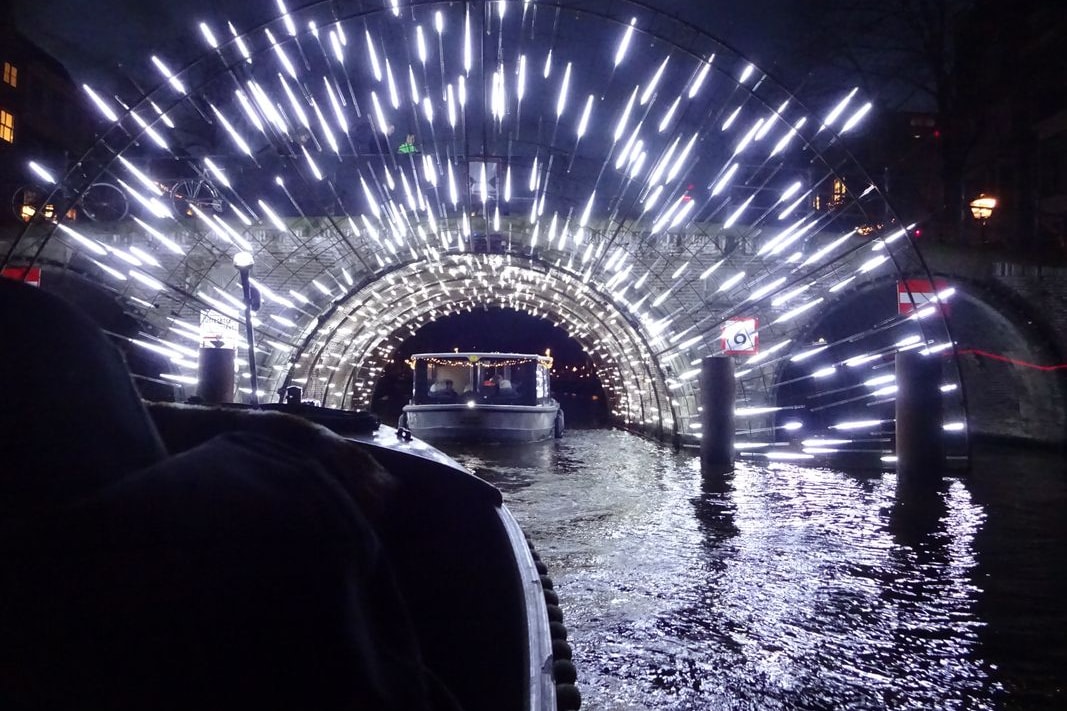
Explore Amsterdam light festival with drinks
Sun, Jan 18 • 4:45 PM
1012 AB, Amsterdam, Netherlands
View details
Nearby attractions of Rembrandtplein
Rembrandt Monument
Willet-Holthuysen Museum
Starboard Boats
Private boat tour Amsterdam | Romantic Amsterdam Tour
Foam
H'ART Museum (Hermitage Amsterdam)
National Opera & Ballet
Munttoren
KattenKabinet (Cat Cabinet)
Aluminium Bridge
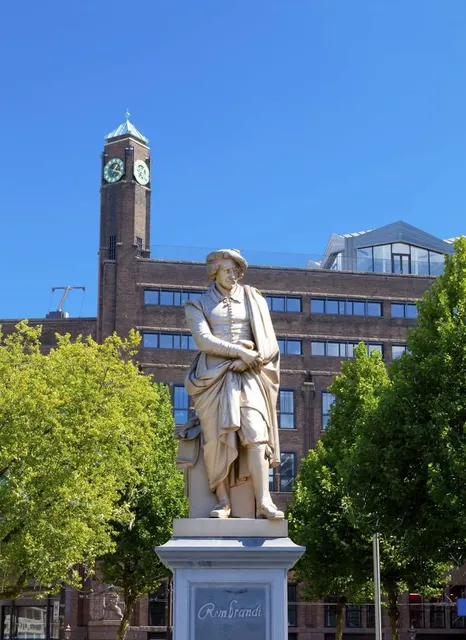
Rembrandt Monument
4.6
(320)
Open 24 hours
Click for details
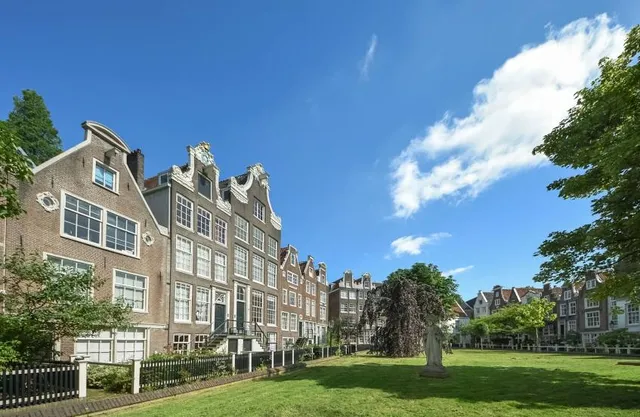
Willet-Holthuysen Museum
4.4
(715)
Open until 5:00 PM
Click for details
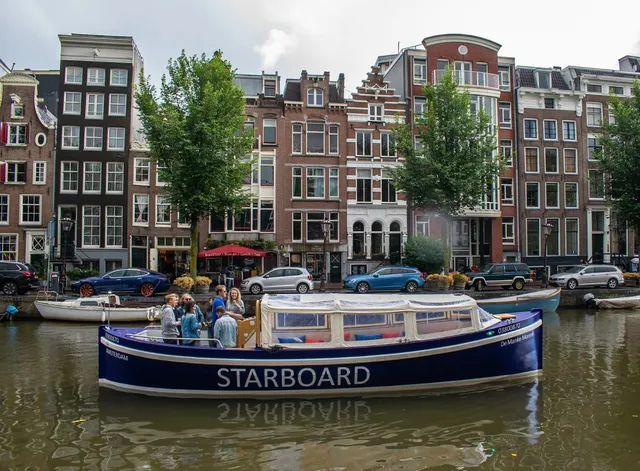
Starboard Boats
4.9
(574)
Open until 6:00 PM
Click for details
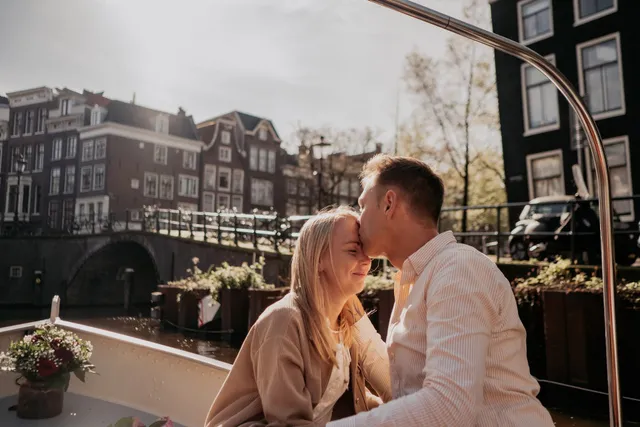
Private boat tour Amsterdam | Romantic Amsterdam Tour
5.0
(323)
Open until 11:00 PM
Click for details
Nearby restaurants of Rembrandtplein
Escape
Club Prime
The Three Sisters
Ali Ocakbaşı
Indrapura
The Old Bell
De Heeren Van Aemstel
Hunter's Coffeeshop Amsterdam Downtown
Shiso Asian Fusion
Coco's Outback
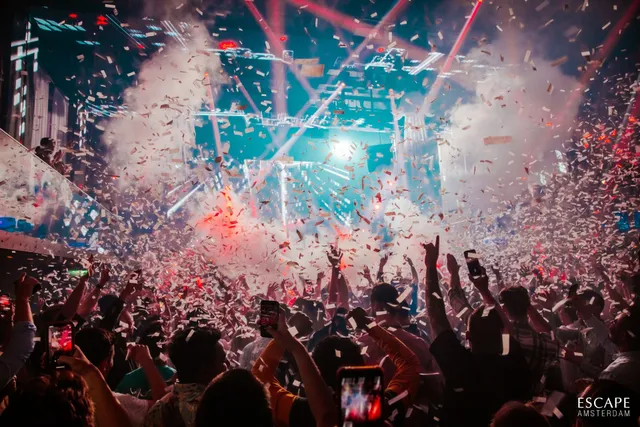
Escape
4.5
(4.6K)
$$
Closed
Click for details

Club Prime
4.6
(1.4K)
Closed
Click for details
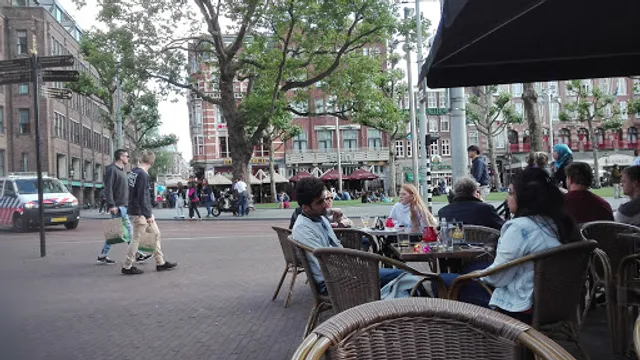
The Three Sisters
4.1
(1.8K)
Open until 1:00 AM
Click for details
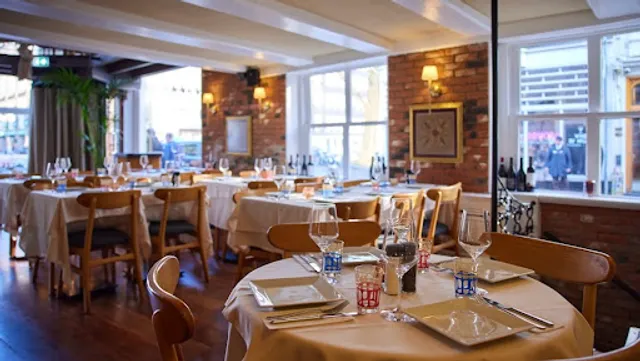
Ali Ocakbaşı
4.7
(3.2K)
$$
Open until 11:00 PM
Click for details
Nearby local services of Rembrandtplein
Croon Davidovich Advocaten
Ice rink Rembrandtplein
Flower Market
Stins Flowermarket
Mochi - Official All Things Mochi store
Xenos Amsterdam Kalverstraat
HEMA
Nike Store Amsterdam
H&M
Golden Bend
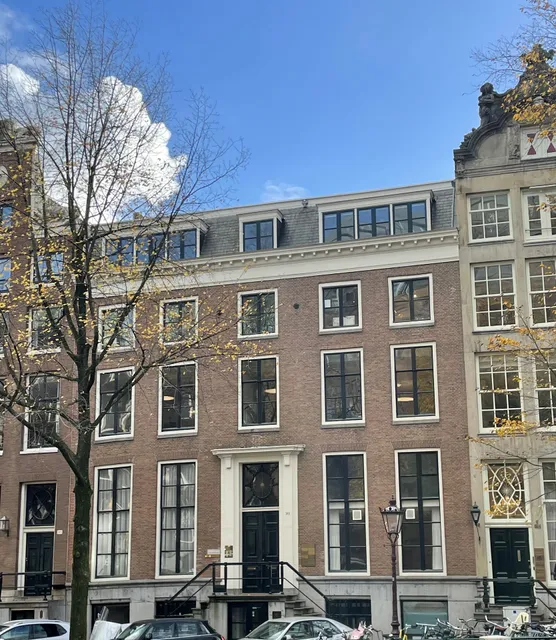
Croon Davidovich Advocaten
5.0
(297)
Click for details
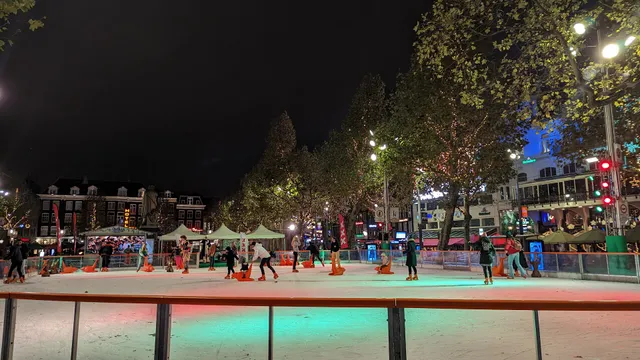
Ice rink Rembrandtplein
3.3
(38)
Click for details
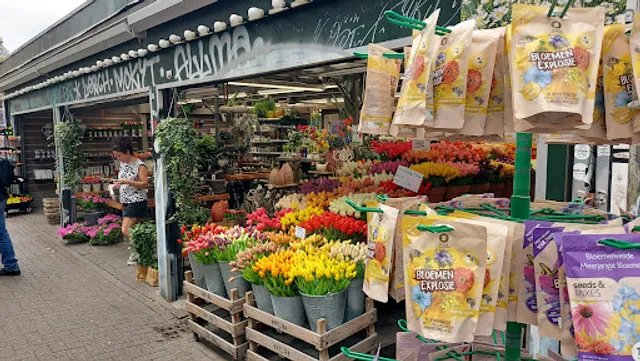
Flower Market
4.3
(769)
Click for details
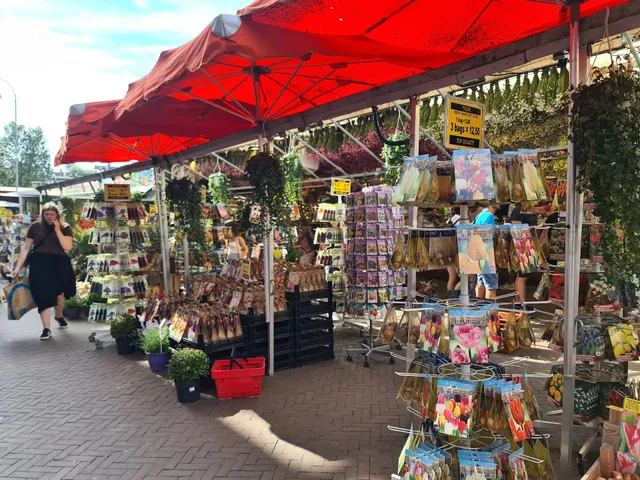
Stins Flowermarket
4.3
(323)
Click for details