Samuel's Fortress things to do, attractions, restaurants, events info and trip planning
Basic Info
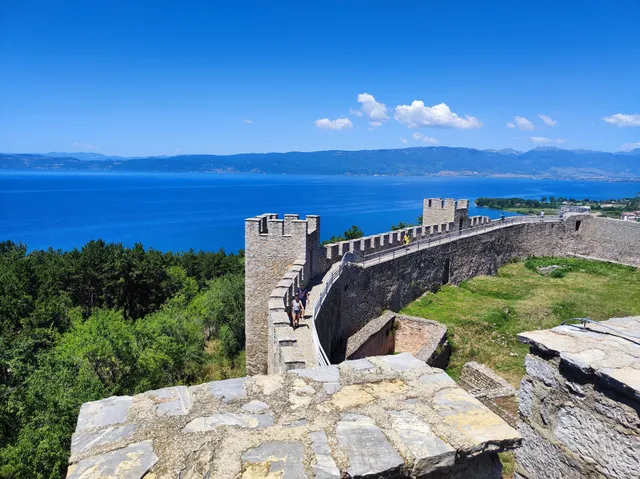
Samuel's Fortress
4Q7R+XCW, Kuzman Kapidan, Ohrid 6000, North Macedonia
4.5(13)
Closed
Save
spot
spot
Ratings & Description
Info
Cultural
Scenic
Outdoor
Family friendly
attractions: Old City Park, Ancient Macedonian Theatre of Ohrid, Plaoshnik Archaeological park, Church of Saints Clement of Ohrid and Panteleimon, Church of Saint Sophia, Church of Saint John the Theologian, Beach Labino, Upper Gate of the Fortress, Church of the Virgin Mary Peribleptos, Varosh - Old Town of Ohrid, restaurants: Restaurant St. Sofija, Kaneo Restaurant & Letna Bavcha, Restaurant Kajche, Kaj Kanevche, Dalga, Vkusno Kebap Shop, Restaurant Antico, Di Angolo Pizzeria, Le Petit Bistro Lihnidos, Pizza Nemo, local businesses: Kaneo, Old Bazaar Street, Melodija Souvenir Shop, Prova Pizzeria, Tandem Paragliding Ohrid
 Learn more insights from Wanderboat AI.
Website
muzejohrid.mk
Open hoursSee all hours
Tue9 AM - 3 PMClosed
Plan your stay

Pet-friendly Hotels in Municipality of Ohrid
Find a cozy hotel nearby and make it a full experience.

Affordable Hotels in Municipality of Ohrid
Find a cozy hotel nearby and make it a full experience.

The Coolest Hotels You Haven't Heard Of (Yet)
Find a cozy hotel nearby and make it a full experience.

Trending Stays Worth the Hype in Municipality of Ohrid
Find a cozy hotel nearby and make it a full experience.
Reviews
Live events
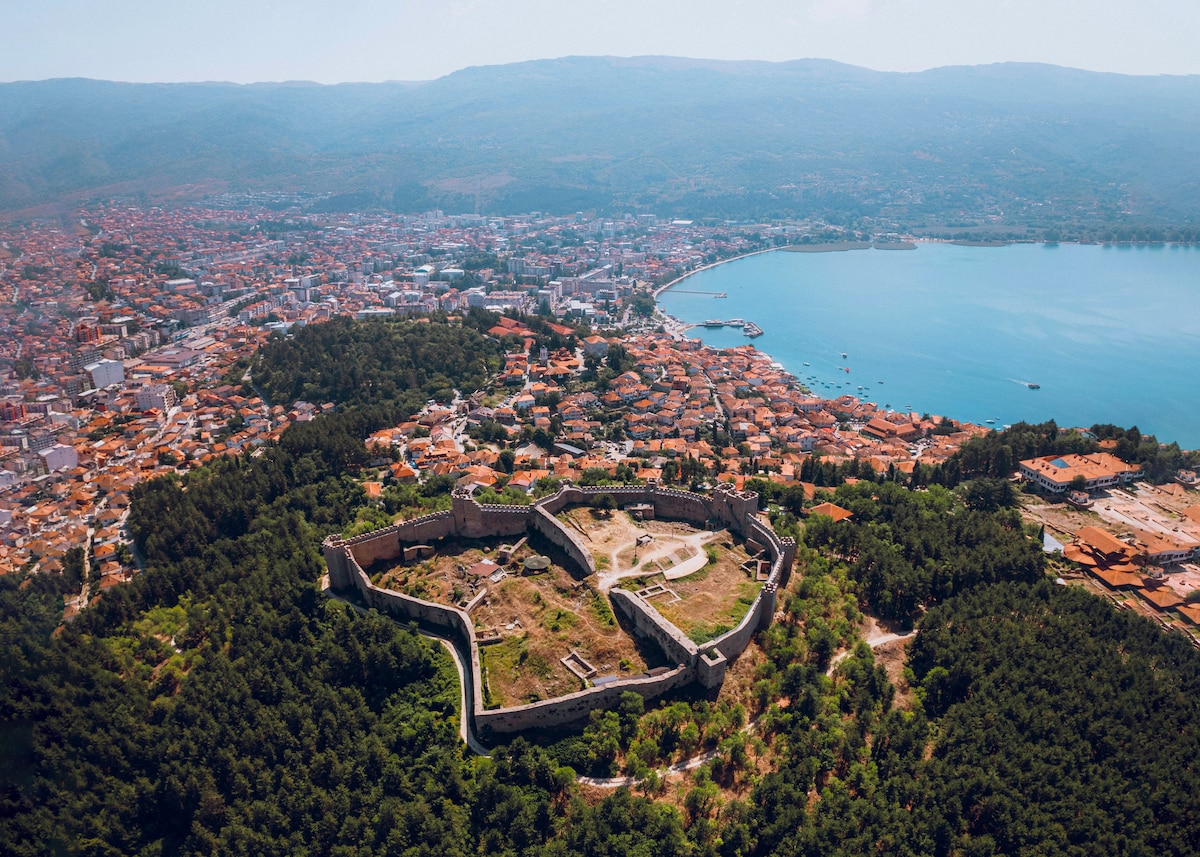
Uncover Ohrids medieval heritage
Tue, Feb 24 • 9:00 AM
Ohrid, Municipality of Ohrid , North Macedonia
View details
Nearby attractions of Samuel's Fortress
Old City Park
Ancient Macedonian Theatre of Ohrid
Plaoshnik Archaeological park
Church of Saints Clement of Ohrid and Panteleimon
Church of Saint Sophia
Church of Saint John the Theologian
Beach Labino
Upper Gate of the Fortress
Church of the Virgin Mary Peribleptos
Varosh - Old Town of Ohrid
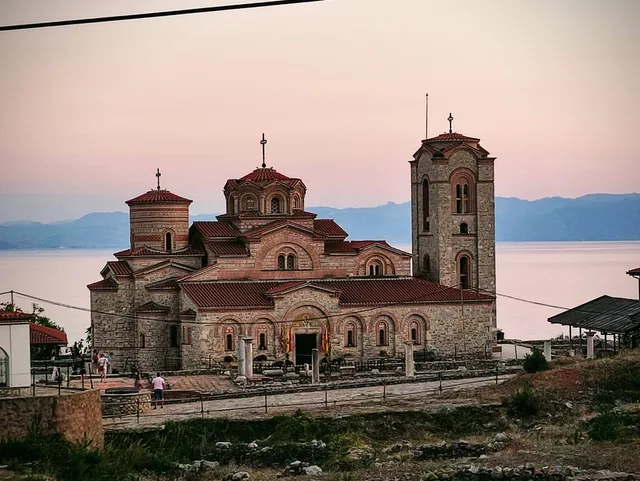
Old City Park
4.7
(941)
Open until 12:00 AM
Click for details
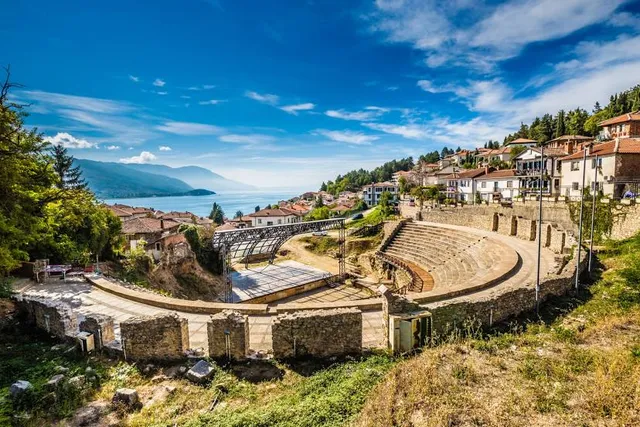
Ancient Macedonian Theatre of Ohrid
4.5
(2.1K)
Open until 12:00 AM
Click for details
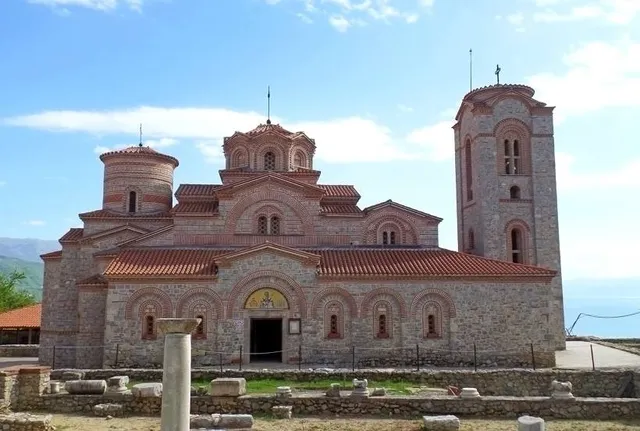
Plaoshnik Archaeological park
4.6
(477)
Open until 12:00 AM
Click for details
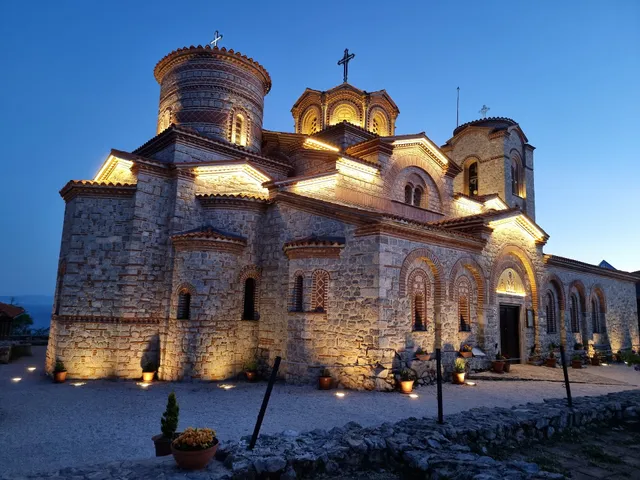
Church of Saints Clement of Ohrid and Panteleimon
4.7
(559)
Closed
Click for details
Nearby restaurants of Samuel's Fortress
Restaurant St. Sofija
Kaneo Restaurant & Letna Bavcha
Restaurant Kajche
Kaj Kanevche
Dalga
Vkusno Kebap Shop
Restaurant Antico
Di Angolo Pizzeria
Le Petit Bistro Lihnidos
Pizza Nemo
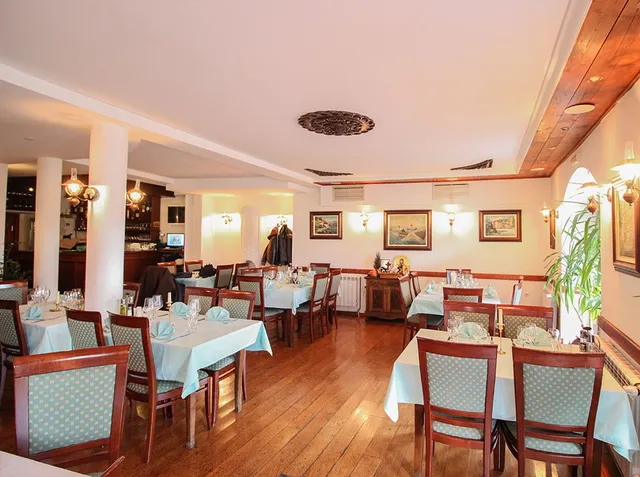
Restaurant St. Sofija
4.2
(608)
$$
Closed
Click for details
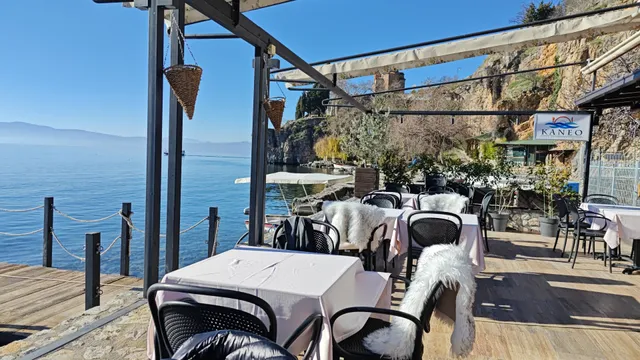
Kaneo Restaurant & Letna Bavcha
4.4
(733)
$$
Closed
Click for details
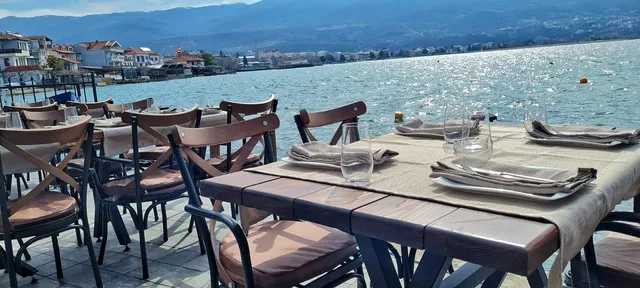
Restaurant Kajche
4.5
(812)
$$
Closed
Click for details
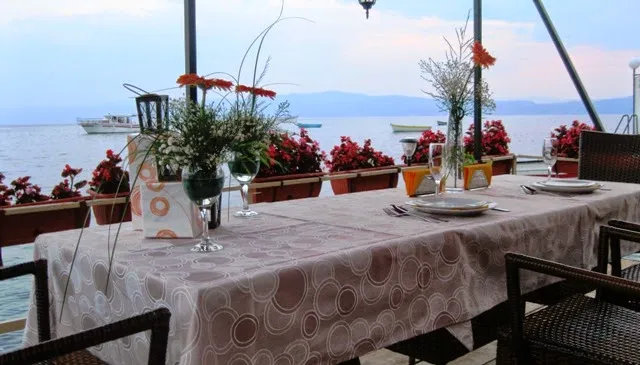
Kaj Kanevche
4.4
(464)
$$
Click for details
Nearby local services of Samuel's Fortress
Kaneo
Old Bazaar Street
Melodija Souvenir Shop
Prova Pizzeria
Tandem Paragliding Ohrid
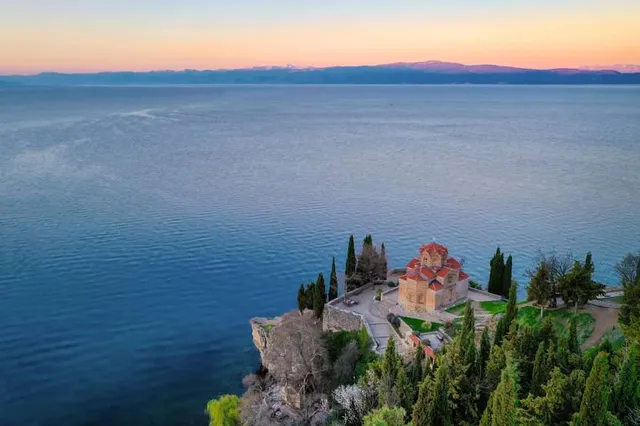
Kaneo
4.7
(65)
Click for details
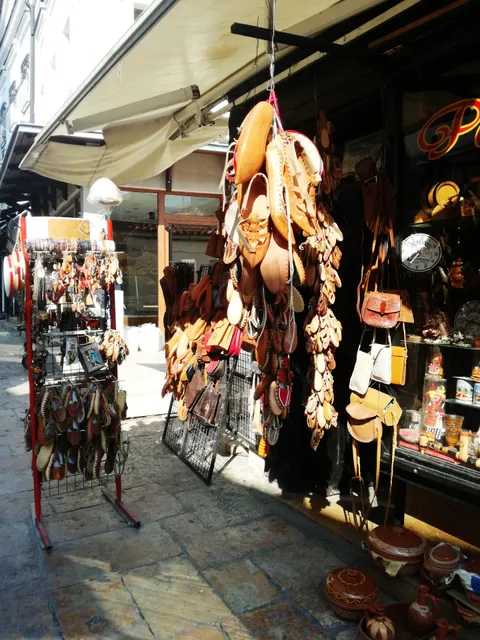
Old Bazaar Street
4.6
(681)
Click for details
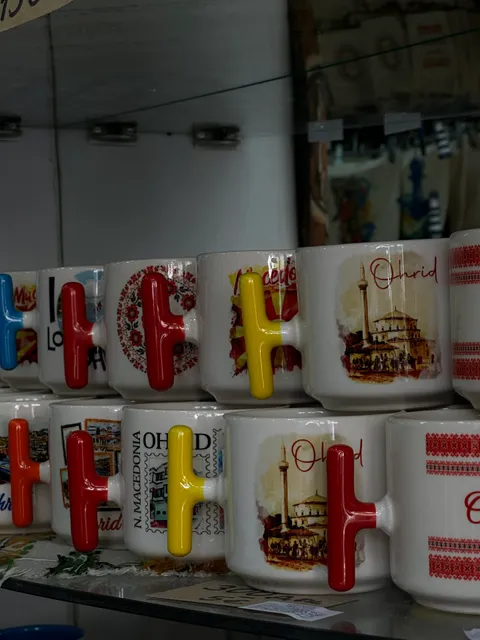
Melodija Souvenir Shop
4.8
(15)
Click for details
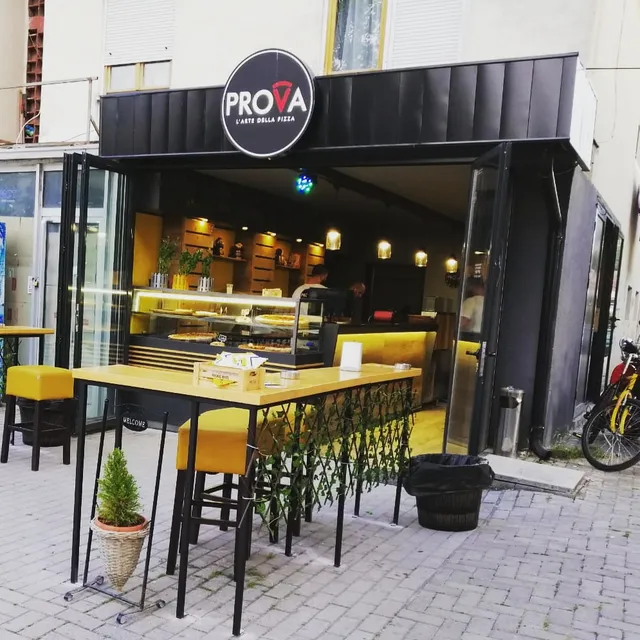
Prova Pizzeria
4.6
(303)
Click for details