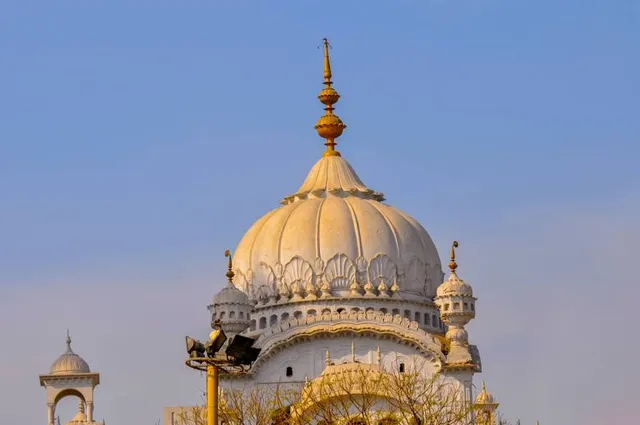
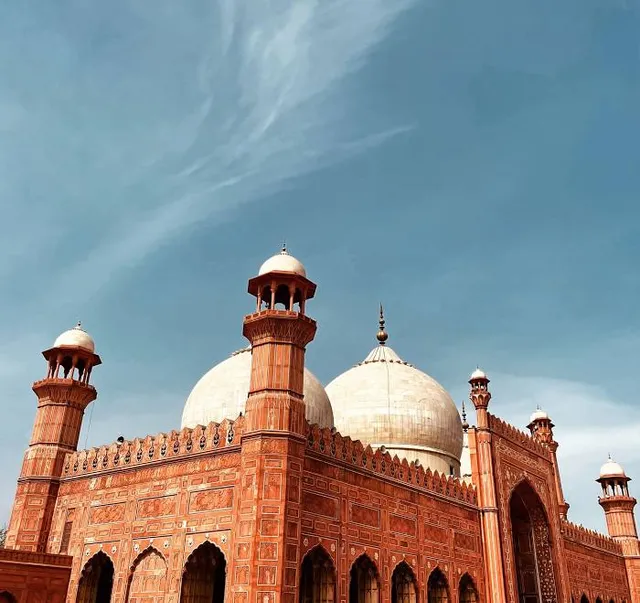
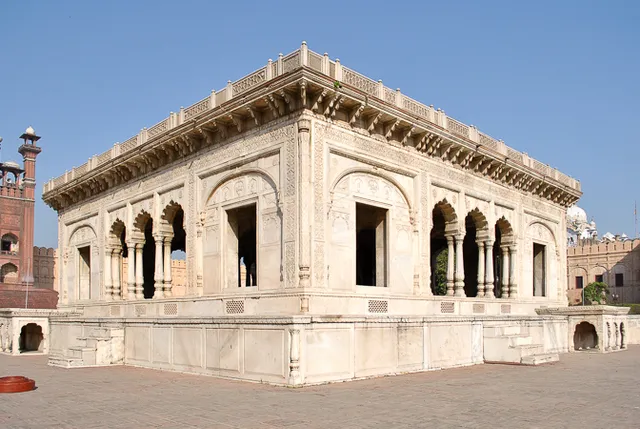
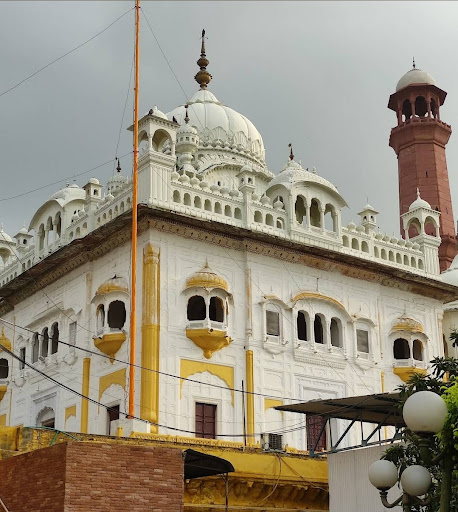
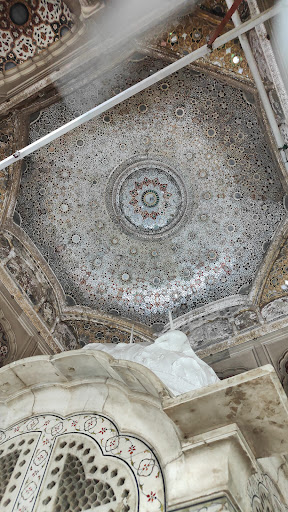
Ranjit Singh, the one-eyed Sikh ruler of the Punjab (ruled 1801-1839), considered himself the heir to the Mughal Empire. Among the people, he was known as Sher-e-Punjab (lion of Punjab). He not only followed many of the customs of the Mughal court, he built buildings utilizing elements pilfered from Mughal monuments, and other buildings influenced by Mughal architectural tradition. In all fairness to him, even though he had conquered the citadel of the Mughals, he is said to have never seated himself on the throne in the Fort. Ranjit Singh's Samadhi (tomb) is located adjacent to the southeastern wall of the Badshahi Mosque. The death of Ranjit Singh heralded a period of intense warfare among his successors and paved the way for the annexation of the Punjab by the British. According to custom, Ranjit Singh's body was placed on a pyre and along with him were burnt alive his 'very handsome' four wives—the four ranees (queens)—seven slave girls, one of whom was a beautiful Kashmiri girl called 'Lotus' or Kanwal. The consuming of the pile took two full days after which the task of separating ashes and bones for storing in separate urns was carried out. The mausoleum was begun by his son Kharak Singh on the spot where he was cremated, and was completed by Dalip Singh in 1848. The tomb is a splendid example of Sikh architecture, with gilded fluted domes and cupolas and an ornate balustrade round the top. The interior is well detailed, much of the marble elements, it is said, having been appropriated from Mughal monuments—the beautiful marble doorway entrance perhaps belonging to the citadel's Shah Burj. The central marble urn in the form of a lotus on the grave carries the remains of the Maharaja, while marble knobs hold the ashes of 11 women who immolated themselves. Also seen in the chamber are portraits of the Maharaja and the last Sikh ruler, the infant Dulip Singh. At the same floor level, on the south of Ranjit Singh's Samadhi are located the samadhis of his son Kharrak Singh and his grandson Nau Nehal Singh and their wives. These structures are treated simply and although the architectural style is similar, the grand treatment of the earlier samadhiis no longer...
Read moreThe Samadhi of Ranjit Singh is an 18th-century building in Lahore, Pakistan that houses the funerary urns of the Sikh ruler Ranjit Singh (1780 - 1839). It is located adjacent the Lahore Fort and Badshahi Mosque, as well the Gurdwara Dera Sahib which marks the spot where the 5th guru of Sikhism, Guru Arjan Dev, died. Construction of the building was started by his son, Kharak Singh on the spot where he was cremated, and was completed by his youngest son, Duleep Singh in 1848. The funerary urns were removed from the marble pavilion and were replaced by a simple slab around 1999. This was done as part of the preparations for the Khalsa Tricentenary and the visit of Sikh dignitaries from India. It has been kept well by Pakistani government. The Samadhi was damaged by an earthquake in 2005 but was repaired soon. The building combines elements of Sikh, Hindu, and Islamic architecture. Portions of the building are believed to have been plundered from the adjacent Lahore Fort.
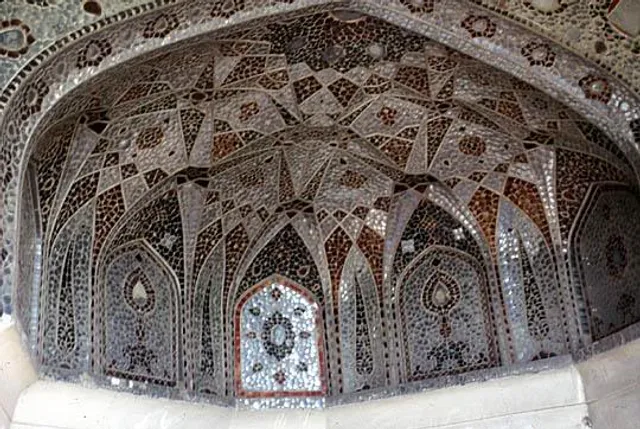
The building has gilded fluted domes and cupolas, and an ornate balustrade around the upper portion of the building. The front of the doorway has images of Ganesh, Devi and Brahma that are cut from red sandstone. The dome is decorated with Naga (serpent) hood designs - the product of Hindu craftsmen that worked on the project.The wooden panels on the ceiling are decorated with stained glass work, while the walls are richly decorated with floral designs. The ceilings are decorated with glass mosaic work. Ranjit Singh's ashes are contained in a marble urn in the shape of a lotus, sheltered under a marble pavilion inlaid with pietra dura, in the centre of the tomb. Surrounding him, in smaller urns, are the ashes of four sati queens and seven concubines. Two small monuments to the west of the main building commemorate Maharaja Ranjit Singh's son Maharaja Kharak Singh and grandson Nau Nihal Singh, along with their wives. The building is located adjacent to Gurdwara Dera Sahib, the place where martyrdom of Guru...
Read moreThe Samadhi of Maharaja Ranjit Singh in Lahore is a site I have visited many times, each visit offering a deeper appreciation for its historical and cultural significance. Nestled near the Lahore Fort and the Badshahi Mosque, this mausoleum is the final resting place of the founder of the Sikh Empire, Maharaja Ranjit Singh.
The architecture of the Samadhi is a fascinating blend of Sikh, Hindu, and Islamic styles, reflecting the syncretic nature of the region’s heritage. Its intricately carved marble, frescoes, and gold-leafed dome exude a sense of grandeur and reverence. The lush gardens surrounding the Samadhi provide a tranquil environment, enhancing the solemnity of the site.
Inside, the ornate decorations and the rich symbolism of the artwork tell stories of Maharaja Ranjit Singh's reign and his contributions to the region. The site is meticulously maintained, preserving its historical integrity and beauty.
Each visit to the Samadhi of Maharaja Ranjit Singh is a journey through history, offering insights into the life and legacy of one of the most influential figures in South Asian history. The site stands as a testament to the rich cultural tapestry of Lahore and the enduring legacy of the...
Read more