Minar-e-Pakistan: A Symbol of National Pride
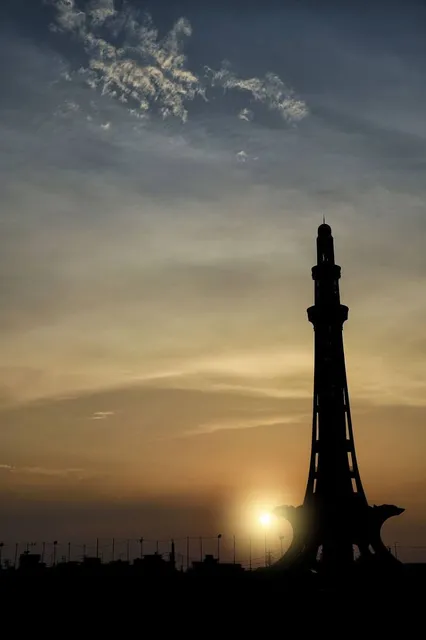
Minar-e-Pakistan, located in the heart of Lahore, stands as a towering symbol of Pakistan’s journey toward independence. Built to commemorate the historic Lahore Resolution passed on March 23, 1940, this iconic monument holds immense historical, cultural, and architectural significance for the people of Pakistan.
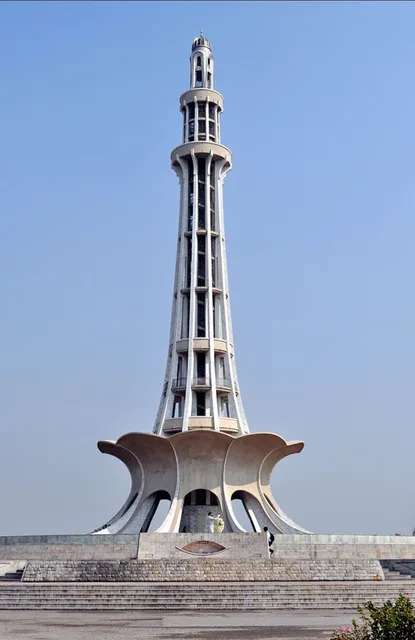
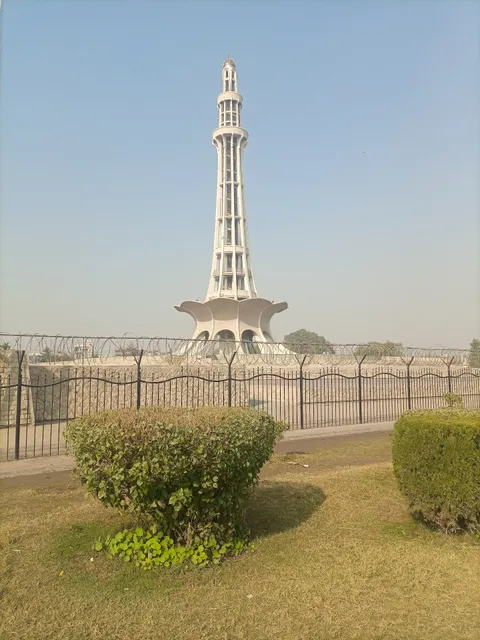
The structure is located in Iqbal Park, one of the largest urban parks in the country. Designed by architect Nasreddin Murat-Khan and constructed between 1960 and 1968, Minar-e-Pakistan reaches a height of approximately 70 meters (around 230 feet). Its design beautifully blends Islamic, Mughal, and modern architectural styles. The base of the tower is shaped like a flower, and as it rises, it transitions from solid stones to lighter materials, symbolizing the hardships faced during the struggle for independence and the eventual success of the movement.
At the foundation, the monument features inscriptions in various languages, including Urdu, English, Bengali, and Arabic. These include the full text of the Lahore Resolution, verses from the Holy Quran, and quotes from key leaders like Quaid-e-Azam Muhammad Ali Jinnah and Allama Iqbal. This not only honors the historical moment but also makes it an educational site for younger generations and tourists alike.
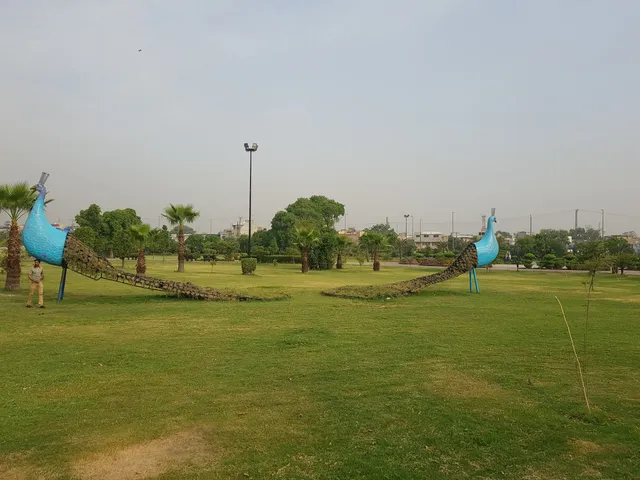
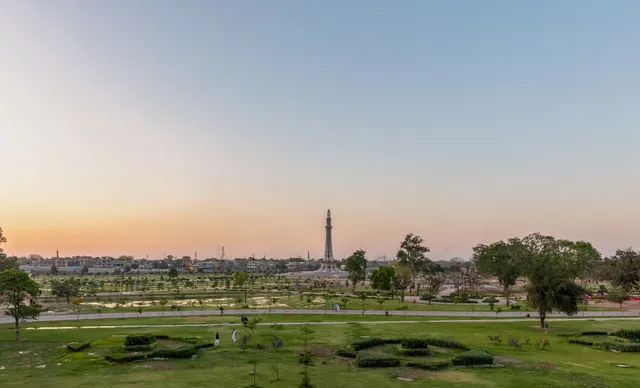
Visiting Minar-e-Pakistan is an emotional experience for many. It evokes a sense of pride, unity, and reflection on the sacrifices made by the forefathers of the nation. The lush green lawns surrounding the monument offer a peaceful retreat for families and history enthusiasts. The area becomes particularly lively on national days like Pakistan Day (March 23) and Independence Day (August 14), when it is beautifully illuminated and hosts public gatherings, parades, and patriotic events.
Despite its importance, Minar-e-Pakistan has faced periods of neglect. Issues like poor maintenance, littering, and limited educational signage have occasionally hampered its appeal. However, recent renovation efforts and increased security have helped preserve its dignity. Government initiatives to restore and beautify Iqbal Park, along with the addition of fountains and a museum nearby, have revitalized public interest in this landmark.
The monument also holds political significance as it often serves as a venue for large-scale public rallies and political speeches, making it a central part of Pakistan’s democratic expression.
In conclusion, Minar-e-Pakistan is not just a historical structure; it is a national symbol of identity, resilience, and hope. It represents the dreams and aspirations of millions who believed in the vision of a separate homeland. A visit to this monument is not only a lesson in history but also a moment of deep national reflection. Every Pakistani, and even tourists from abroad, should take the opportunity to experience the grandeur and emotional weight that Minar-e-Pakistan so...
Read moreImproving the Minar-e-Pakistan—an iconic national monument in Lahore—can be approached from multiple angles: preservation, accessibility, tourism development, historical education, and environmental integration. Here’s a structured breakdown of how it could be improved:
⸻
🛠️ 1. Preservation & Maintenance • Regular structural inspections: Employ experts to check for cracks, weathering, or foundational issues. • Cleaning: Use appropriate techniques (e.g., gentle power washing or chemical-free cleaning) to preserve its materials. • Restoration: Replace or restore eroded tiles, plaques, and stonework with high-quality replicas or original materials.
⸻
🚧 2. Infrastructure and Accessibility • Upgrade visitor facilities: Clean and modernize restrooms, benches, drinking fountains, and shaded areas. • Accessibility: Add ramps, braille signage, and lifts for people with disabilities. • Smart signage: Use QR codes or AR technology to offer multilingual, interactive guides.
⸻
🎓 3. Historical and Educational Value • Interactive Museum: Enhance the adjacent museum with multimedia exhibitions, 3D models, and VR experiences of 1940s Lahore. • Guided tours: Train local guides to offer engaging, fact-based historical narratives. • Educational programs: Collaborate with schools and universities for history field trips and events.
⸻
🌿 4. Park & Environment Enhancement • Green spaces: Improve the landscaping with native plants, flowers, and shaded walking paths. • Waste management: Install recycling bins and implement strict cleanliness protocols. • Lighting: Use soft, energy-efficient lighting to highlight the monument at night without causing light pollution.
⸻
🧭 5. Tourism Development • Souvenir shops & local crafts: Encourage small-scale vendors to sell culturally relevant, high-quality items. • Food courts: Create a clean and controlled food area featuring Pakistani cuisine. • Events & festivals: Host national day celebrations, musical evenings, or cultural festivals with proper security and crowd control.
⸻
🛡️ 6. Security & Crowd Management • CCTV cameras and trained staff: Ensure safety and discourage vandalism. • Visitor limits during peak times: Implement ticketing or time slots to prevent overcrowding.
⸻
📣 7. Promotion & Awareness • Marketing campaigns: Promote Minar-e-Pakistan via digital platforms to attract domestic and international tourists. • Cultural collaborations: Work with artists and historians to produce documentaries, books, or exhibitions about...
Read moreMinaar-e-Pakistan is an iconic monument located in Lahore, Pakistan. The monument commemorates the Lahore Resolution of 1940, which was a significant event in the history of Pakistan and ultimately led to the creation of the country. The monument is a must-visit spot for Muslims and non-Muslims alike, and it is also a popular destination for families.
The construction of Minaar-e-Pakistan began in 1960 and was completed in 1968. The monument was designed by Naseer-ud-Din Murat Khan, an architect from Dhaka, and was built to resemble the Islamic minarets of the region. The tower stands at a height of 203 feet and is made of reinforced concrete.
The monument is located in Iqbal Park, which is a popular destination for families in Lahore. The park is named after Allama Muhammad Iqbal, a famous philosopher, poet, and politician who is considered one of the founding fathers of Pakistan. The park covers an area of 125 acres and features lush green lawns, colorful flower beds, and a lake where visitors can rent boats.
Minaar-e-Pakistan is not only a significant historical landmark but also a symbol of the country's freedom and independence. It is a popular spot for Muslims to offer prayers and pay their respects to the leaders who fought for Pakistan's independence.
The monument also features a museum that showcases the country's struggle for independence and provides information about the Lahore Resolution of 1940. Visitors can learn about the events that led to the creation of Pakistan and the sacrifices made by its leaders.
In addition to the historical significance, Minaar-e-Pakistan and Iqbal Park are popular destinations for families. The park features several playgrounds, a train ride, and a food court, making it a perfect spot for a family outing. The park's serene environment also provides an escape from the hustle and bustle of the city.
In conclusion, Minaar-e-Pakistan and Iqbal Park are must-visit destinations for anyone traveling to Lahore. The monument is an essential part of Pakistan's history and provides visitors with insight into the country's struggle for independence. The park is a family-friendly destination that offers plenty of entertainment and recreational activities. Whether you are a history buff or a family looking for a fun day out, Minaar-e-Pakistan and Iqbal Park are sure to leave a...
Read more