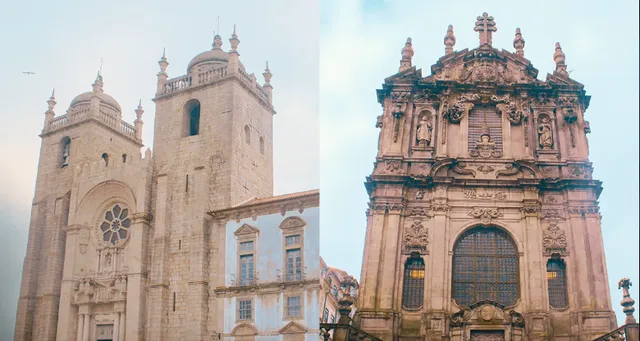
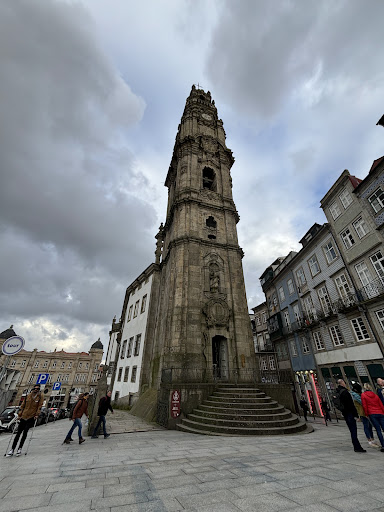
Clerigos Church and Tower things to do, attractions, restaurants, events info and trip planning
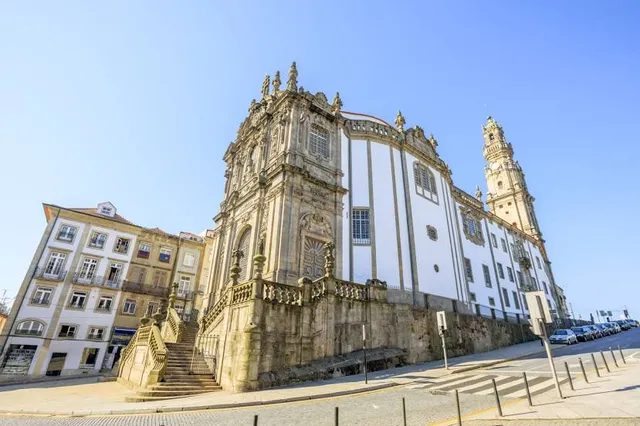
Basic Info
Clerigos Church and Tower
R. de São Filipe de Nery, 4050-546 Porto, Portugal
4.6(5.2K)
Open until 11:00 PM
Save
spot
spot
Ratings & Description
Info
Cultural
Family friendly
Accessibility
attractions: Torre dos Clérigos, Jardim da Cordoaria, Igreja do Carmo, Porto Exit Games (Baixa), Fonte dos Leões, Portuguese Centre of Photography, University of Porto, Miradouro da Vitória, Praça da Liberdade, MMIPO - Museu da Misericórdia do Porto, restaurants: Base Porto, Flor de Bragança, Slice Of Porto, Honorato Clérigos, O Forno dos Clérigos, Taberna Folias de Baco | Natural Wines, Cana Verde, A Despensa, A Sandeira do Porto, Confeitaria dos Clérigos, local businesses: Marques Soares, S.A Porto, O Mundo Fantástico das Sardinhas Portuguesas, Casa Oriental, Museo de la Historia Natural y de la Ciencia de la Universidad de Porto, R. das Flores, Estação de São Bento, Igreja da Misericórdia, Glanni - Portuguese Ice Cream, A Principal da Borracha, Porto São Bento
 Learn more insights from Wanderboat AI.
Phone
+351 22 014 5489
Website
torredosclerigos.pt
Open hoursSee all hours
Mon9 AM - 11 PMOpen
Plan your stay

Pet-friendly Hotels in Porto
Find a cozy hotel nearby and make it a full experience.

Affordable Hotels in Porto
Find a cozy hotel nearby and make it a full experience.

The Coolest Hotels You Haven't Heard Of (Yet)
Find a cozy hotel nearby and make it a full experience.

Trending Stays Worth the Hype in Porto
Find a cozy hotel nearby and make it a full experience.
Reviews
Live events
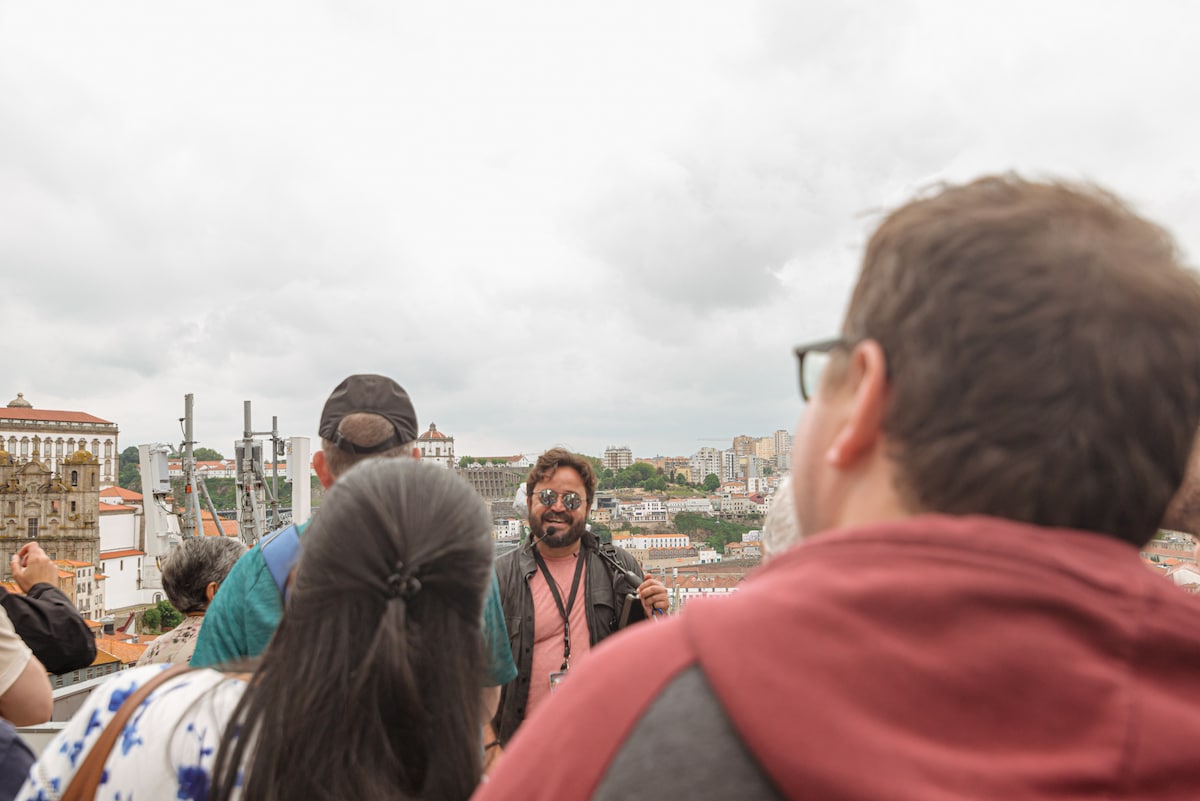
Uncover Portos history with a local guide
Mon, Feb 16 • 10:00 AM
4050-161, Porto, Portugal
View details

Neon Moves by THE BLACKOUTS: dança, luzes e êxitos dos anos 2000
Fri, Feb 20 • 7:30 PM
Rua do Amial 478, Porto, 4200-055
View details
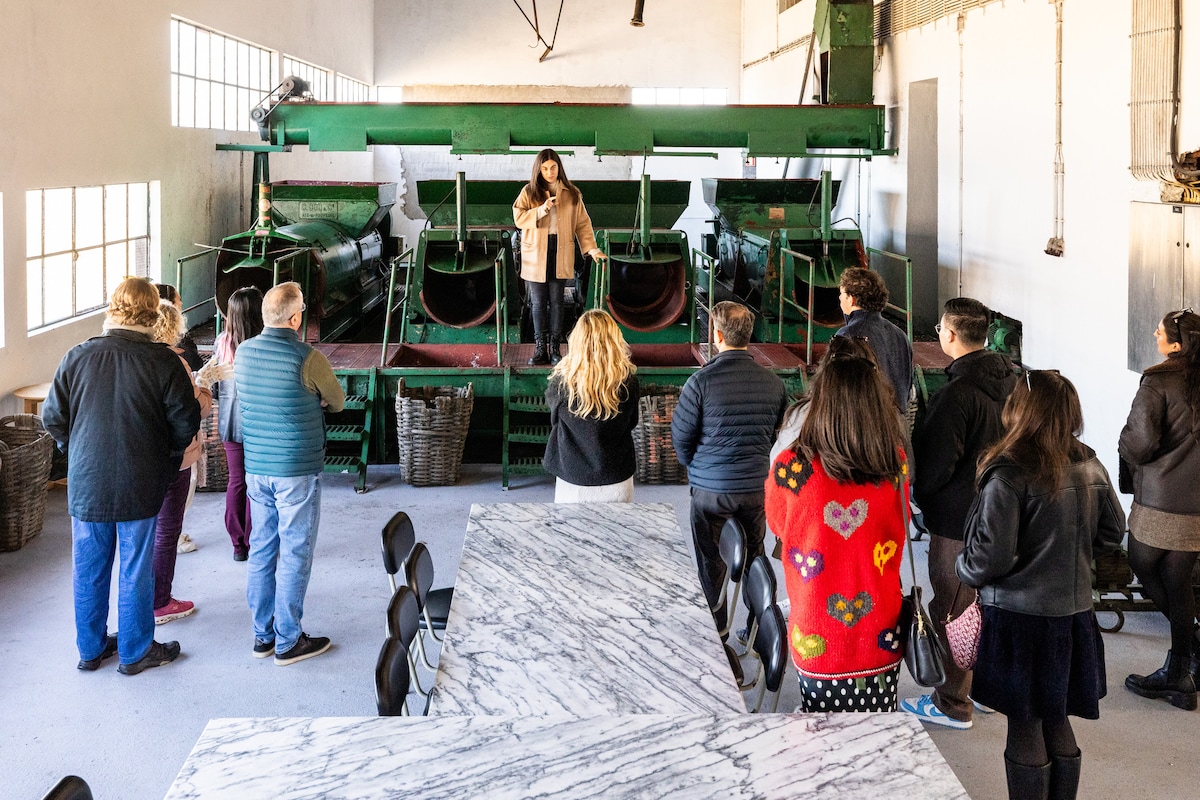
Airbnb 2019 DouroValley MostUniqueAccessExperience
Mon, Feb 16 • 8:30 AM
4000-153, Porto, Portugal
View details
Nearby attractions of Clerigos Church and Tower
Torre dos Clérigos
Jardim da Cordoaria
Igreja do Carmo
Porto Exit Games (Baixa)
Fonte dos Leões
Portuguese Centre of Photography
University of Porto
Miradouro da Vitória
Praça da Liberdade
MMIPO - Museu da Misericórdia do Porto
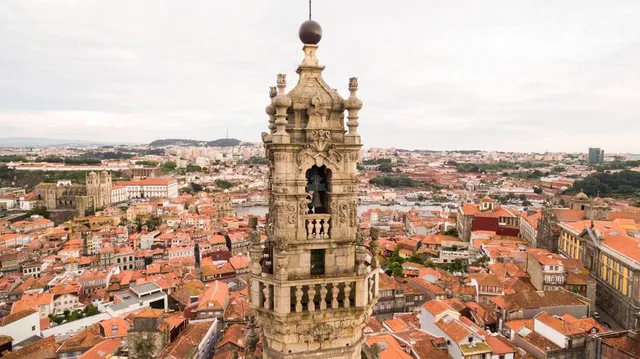
Torre dos Clérigos
4.6
(8K)
Open until 7:00 PM
Click for details
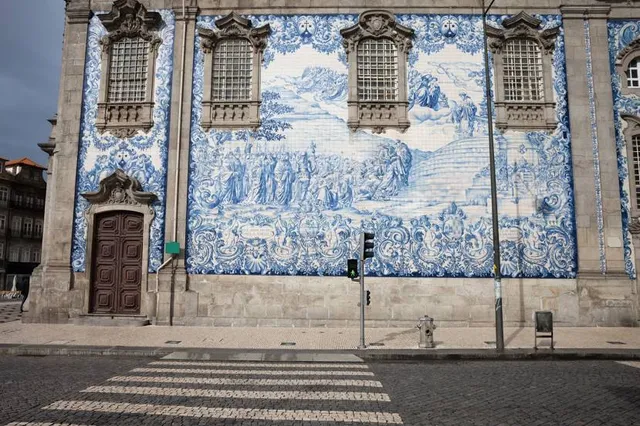
Jardim da Cordoaria
4.5
(4.6K)
Open until 12:00 AM
Click for details
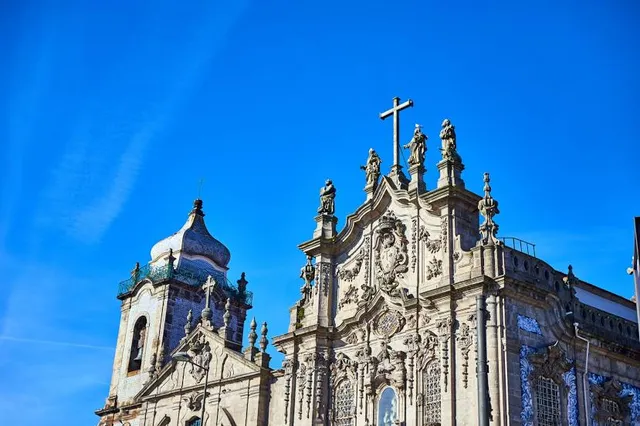
Igreja do Carmo
4.5
(2.1K)
Open until 5:00 PM
Click for details
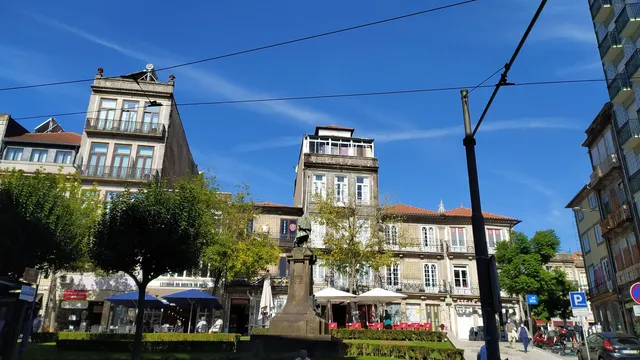
Porto Exit Games (Baixa)
4.9
(1.4K)
Closed
Click for details
Nearby restaurants of Clerigos Church and Tower
Base Porto
Flor de Bragança
Slice Of Porto
Honorato Clérigos
O Forno dos Clérigos
Taberna Folias de Baco | Natural Wines
Cana Verde
A Despensa
A Sandeira do Porto
Confeitaria dos Clérigos
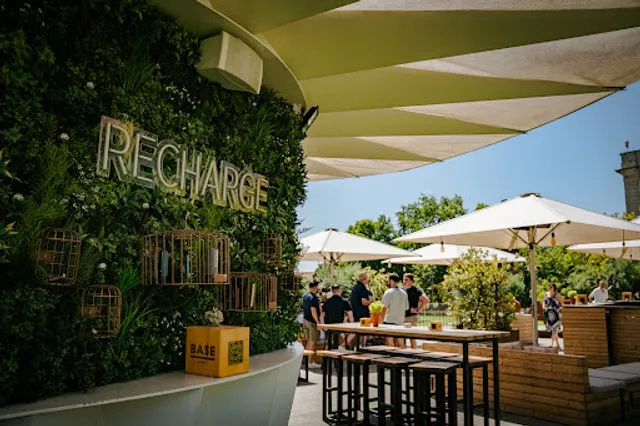
Base Porto
4.5
(2.4K)
Closed
Click for details
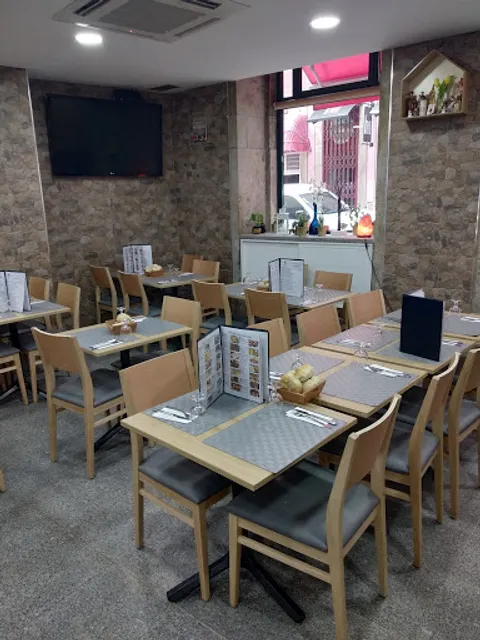
Flor de Bragança
4.6
(1.3K)
Open until 12:00 AM
Click for details
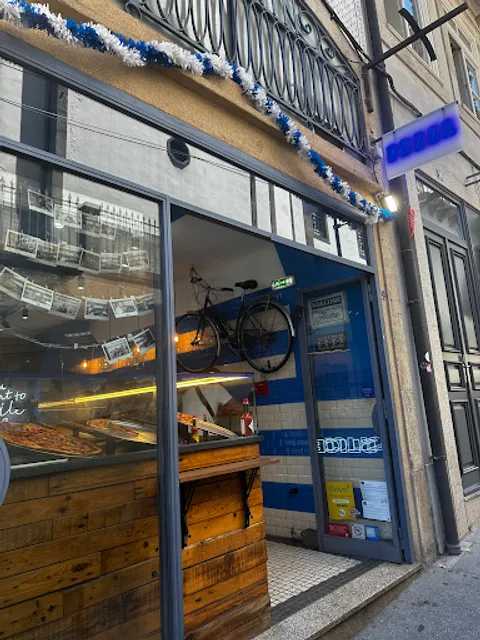
Slice Of Porto
4.9
(719)
Closed
Click for details
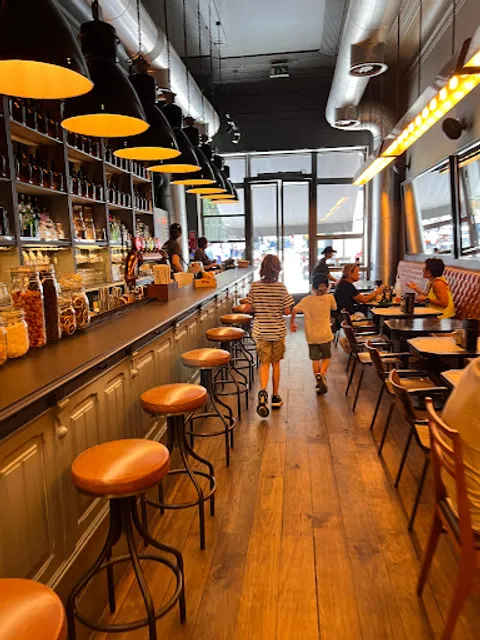
Honorato Clérigos
4.2
(1.2K)
Closed
Click for details
Nearby local services of Clerigos Church and Tower
Marques Soares, S.A Porto
O Mundo Fantástico das Sardinhas Portuguesas
Casa Oriental
Museo de la Historia Natural y de la Ciencia de la Universidad de Porto
R. das Flores
Estação de São Bento
Igreja da Misericórdia
Glanni - Portuguese Ice Cream
A Principal da Borracha
Porto São Bento
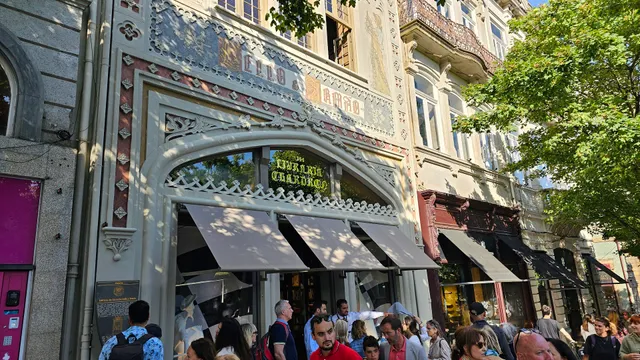
Marques Soares, S.A Porto
4.5
(335)
Click for details
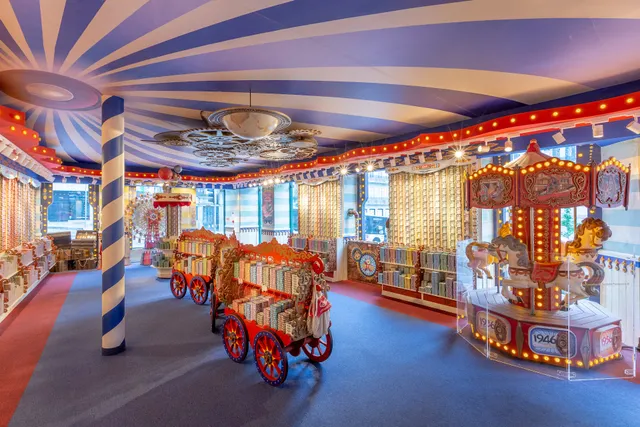
O Mundo Fantástico das Sardinhas Portuguesas
4.7
(374)
Click for details
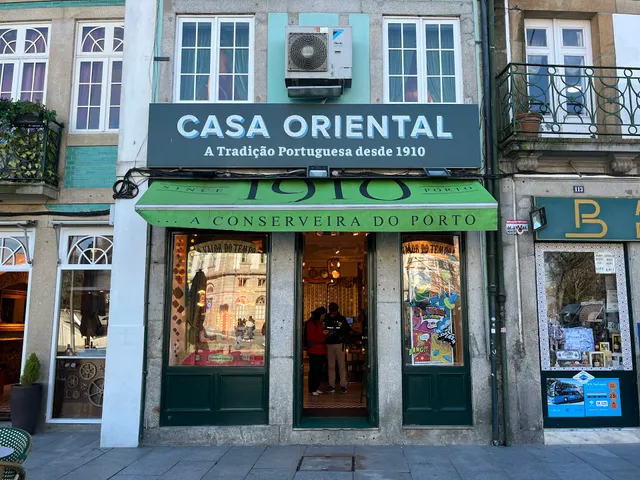
Casa Oriental
4.4
(271)
Click for details
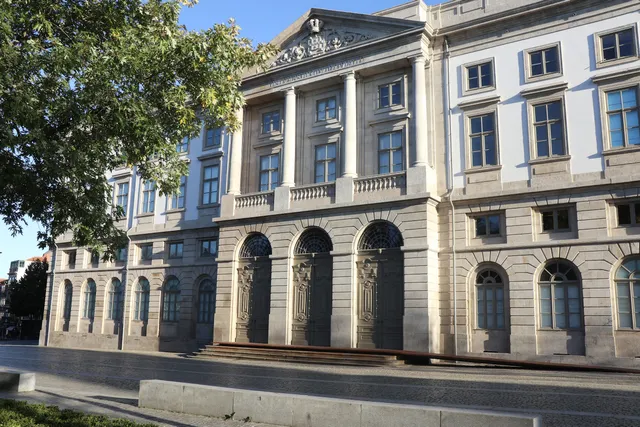
Museo de la Historia Natural y de la Ciencia de la Universidad de Porto
4.3
(262)
Click for details