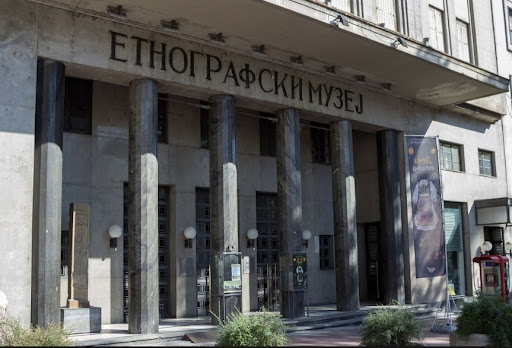
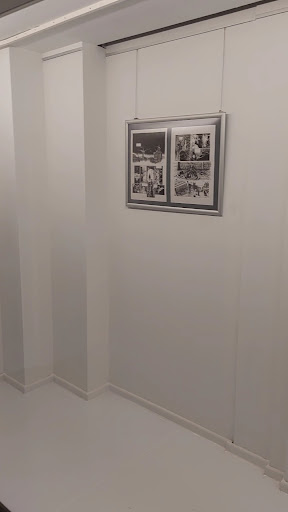
Ethnographic Museum things to do, attractions, restaurants, events info and trip planning
Basic Info
Ethnographic Museum
Studentski trg 13, Beograd 11000, Serbia
4.7(697)
Open until 12:00 AM

tickets
Save
spot
spot
Ratings & Description
Info
Cultural
Family friendly
Accessibility
attractions: Studentski Park, Yugoslav film archive, Zepter Museum, Delijska Česma, Bajrakli Mosque, Center for the Promotion of Science, Heritage House, Gallery of Petar Dobrović, Museum of Pedagogy, Republic Square, restaurants: Boutique #2, Snežana, Mama Restaurant Belgrade, Crna Ovca, Kafeterija Magazin 1907, Cookie Beacon Brunch, Starbucks Rajićeva, Maison Boho Belgrade, Restoran PLATO, ANGRY MONK, local businesses: Rajićeva Shopping Center, Kneza Mihaila, Super Star Si, Petite Genève Petrović d.o.o. - Zvanični Rolex zastupnik, Српска академија наука и уметности, Muzej čokolade, dm drogerie markt, Holy Archangel Michael Orthodox Church, Belgrade Fortress, dm Drogerie Markt d.o.o. - Višnjićeva 8
 Learn more insights from Wanderboat AI.
Phone
+381 11 3281888
Website
etnografskimuzej.rs
Open hoursSee all hours
Thu10 a.m. - 8 p.m.Open
Plan your stay

Pet-friendly Hotels in City of Belgrade
Find a cozy hotel nearby and make it a full experience.

Affordable Hotels in City of Belgrade
Find a cozy hotel nearby and make it a full experience.

The Coolest Hotels You Haven't Heard Of (Yet)
Find a cozy hotel nearby and make it a full experience.

Trending Stays Worth the Hype in City of Belgrade
Find a cozy hotel nearby and make it a full experience.
Reviews
Live events
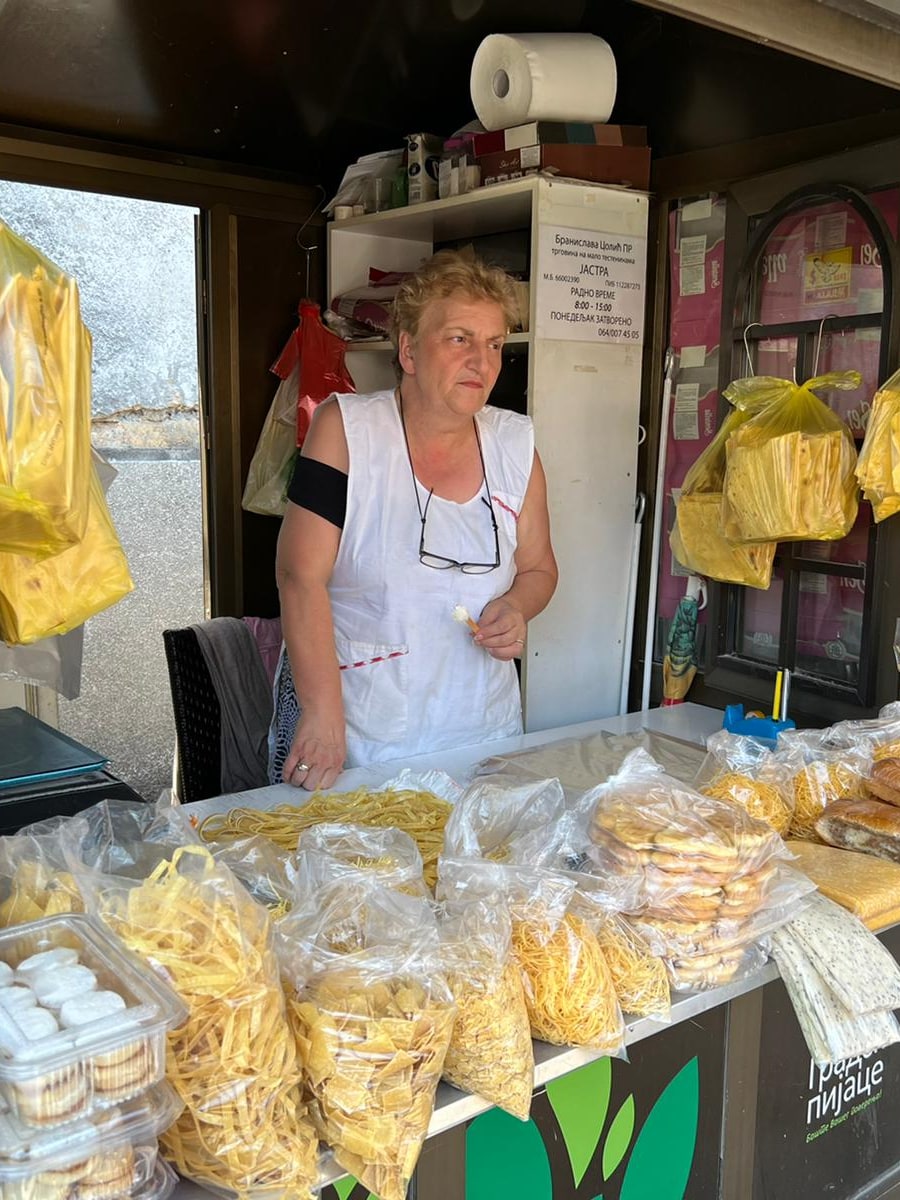
Belgrade Street Food and drinks, Eat like a local
Fri, Feb 27 • 10:45 AM
Belgrade, RS 11000, Serbia
View details
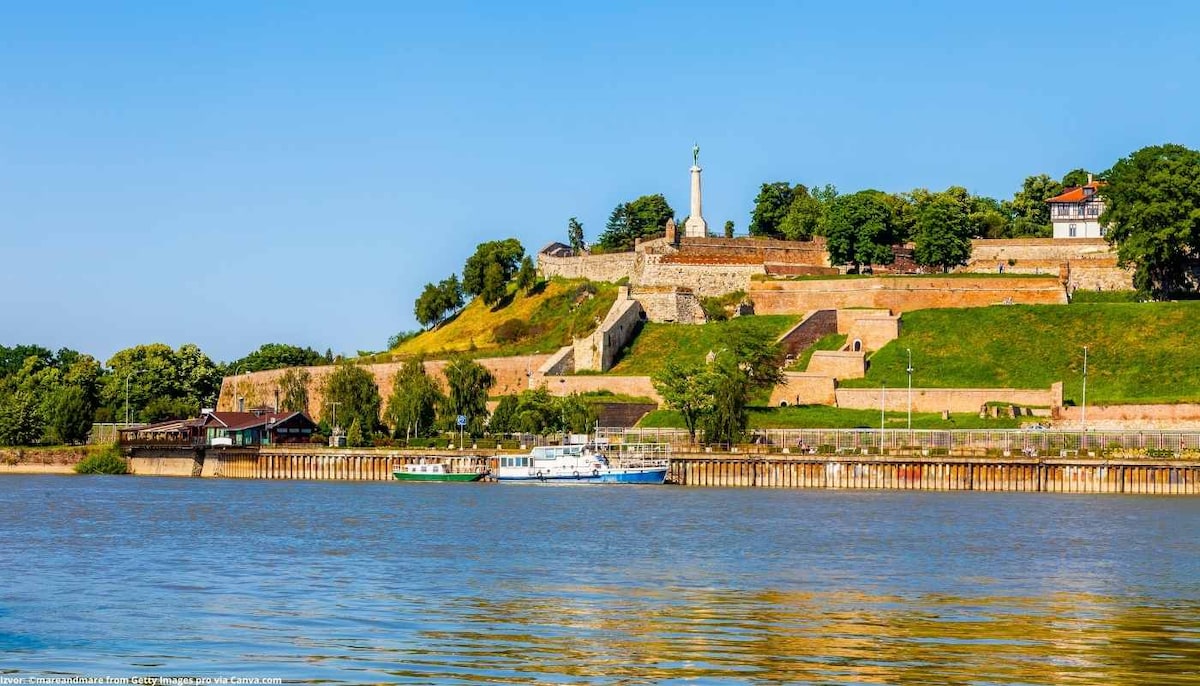
Explore Kalemegdan Fortress
Thu, Feb 26 • 12:30 AM
Belgrade, 11000, Serbia
View details
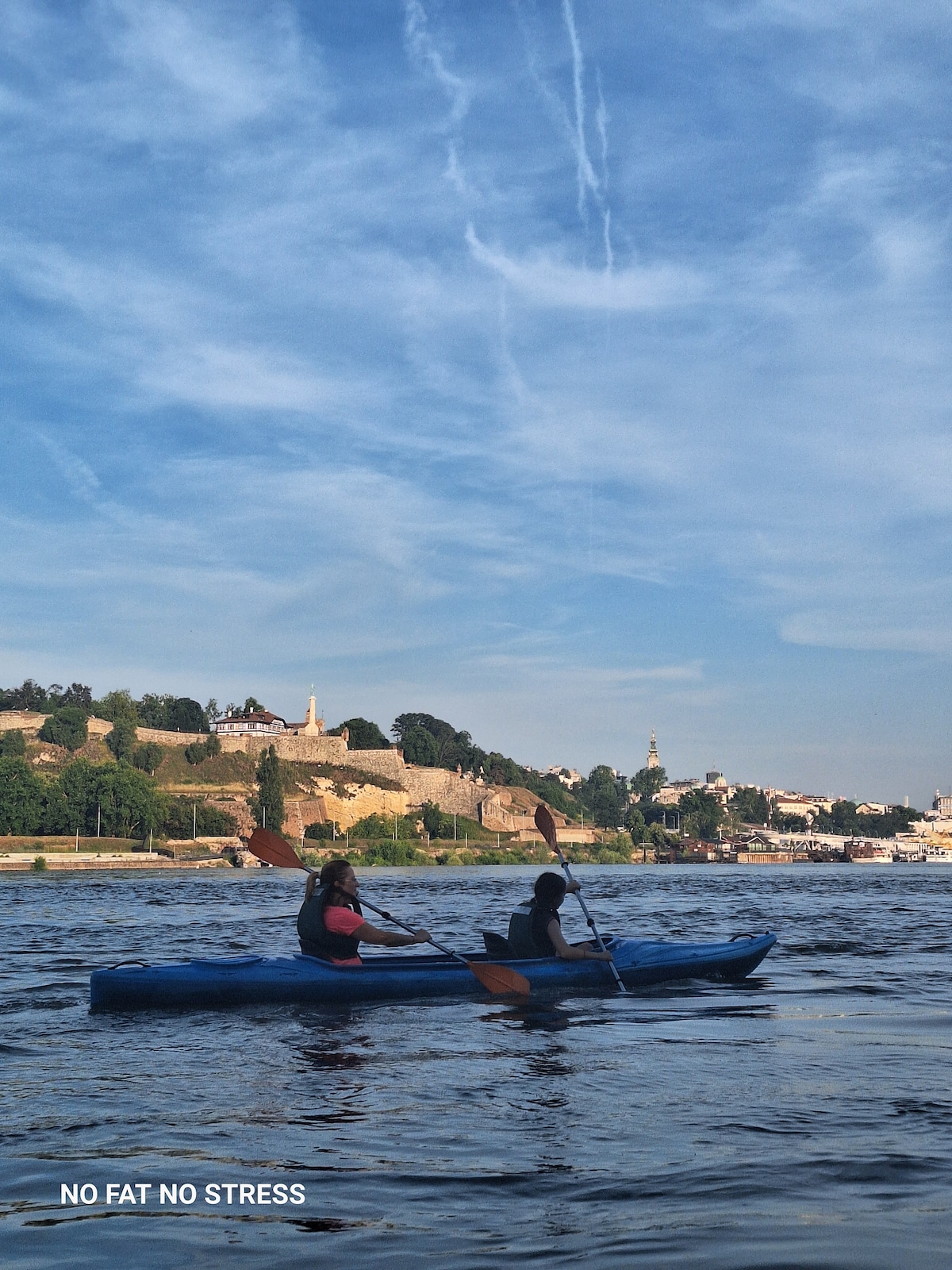
Kayaking in Belgrade
Sun, Mar 1 • 11:00 AM
Belgrade, RS 11080, Serbia
View details
Nearby attractions of Ethnographic Museum
Studentski Park
Yugoslav film archive
Zepter Museum
Delijska Česma
Bajrakli Mosque
Center for the Promotion of Science
Heritage House
Gallery of Petar Dobrović
Museum of Pedagogy
Republic Square
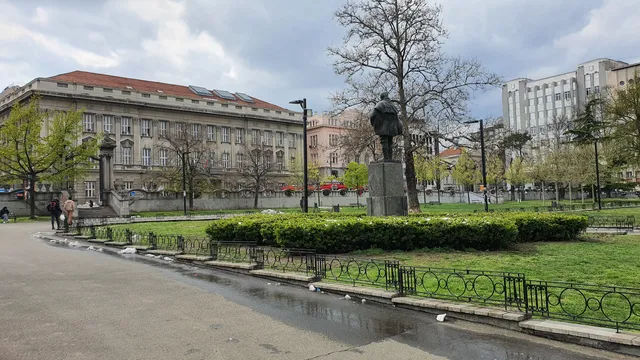
Studentski Park
4.4
(2.6K)
Open until 12:00 AM
Click for details
Yugoslav film archive
4.8
(740)
Closed
Click for details
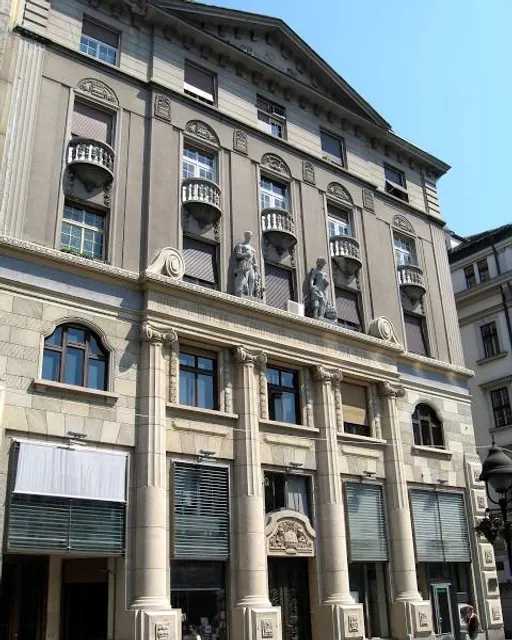
Zepter Museum
4.7
(393)
Closed
Click for details
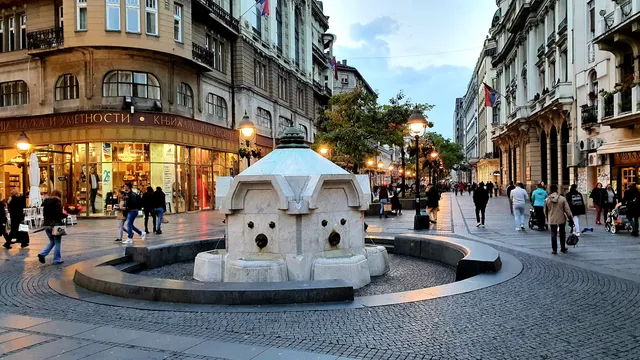
Delijska Česma
4.6
(897)
Open until 12:00 AM
Click for details
Nearby restaurants of Ethnographic Museum
Boutique #2
Snežana
Mama Restaurant Belgrade
Crna Ovca
Kafeterija Magazin 1907
Cookie Beacon Brunch
Starbucks Rajićeva
Maison Boho Belgrade
Restoran PLATO
ANGRY MONK
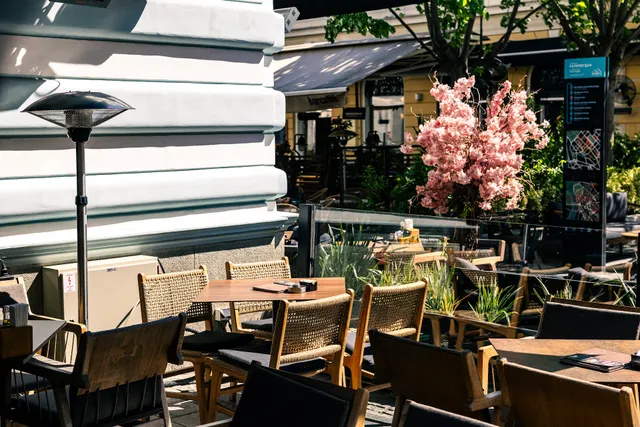
Boutique #2
4.5
(2.5K)
$$
Closed
Click for details
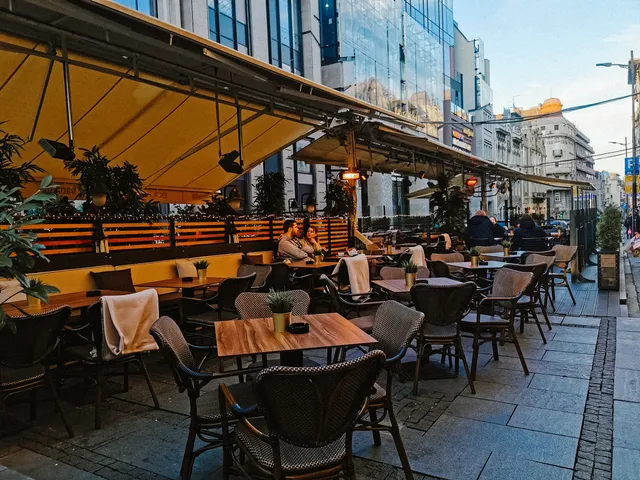
Snežana
4.4
(2K)
$$
Closed
Click for details
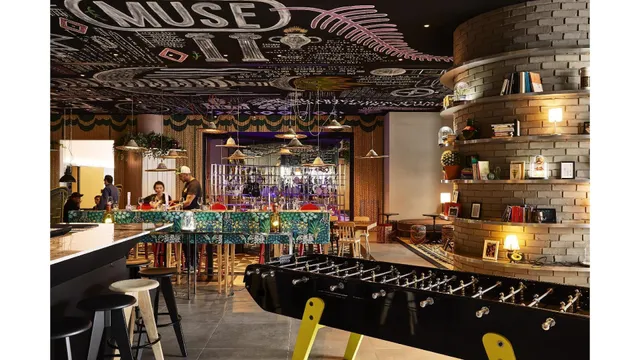
Mama Restaurant Belgrade
4.5
(2.1K)
$$$
Closed
Click for details
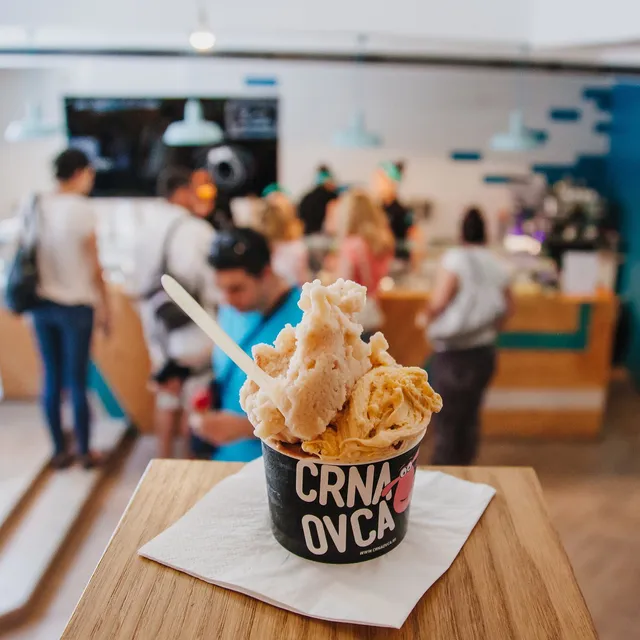
Crna Ovca
4.8
(2.6K)
$$
Closed
Click for details
Nearby local services of Ethnographic Museum
Rajićeva Shopping Center
Kneza Mihaila
Super Star Si
Petite Genève Petrović d.o.o. - Zvanični Rolex zastupnik
Српска академија наука и уметности
Muzej čokolade
dm drogerie markt
Holy Archangel Michael Orthodox Church
Belgrade Fortress
dm Drogerie Markt d.o.o. - Višnjićeva 8
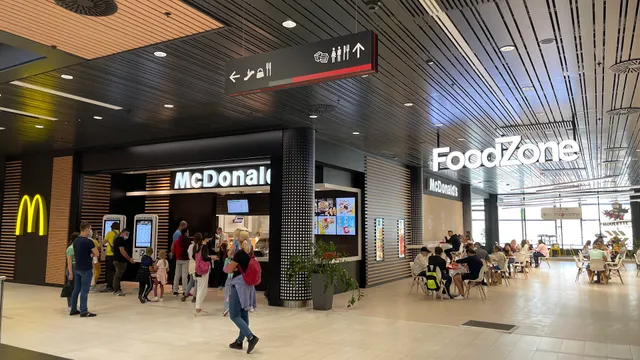
Rajićeva Shopping Center
4.2
(9.2K)
Click for details
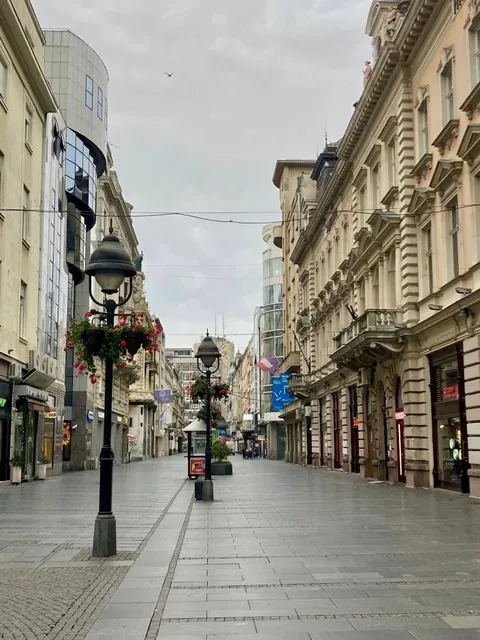
Kneza Mihaila
4.8
(950)
Click for details
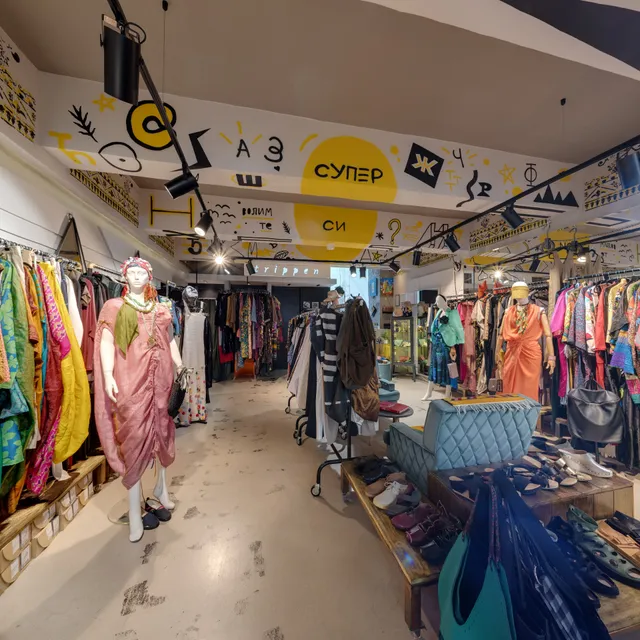
Super Star Si
4.3
(106)
Click for details
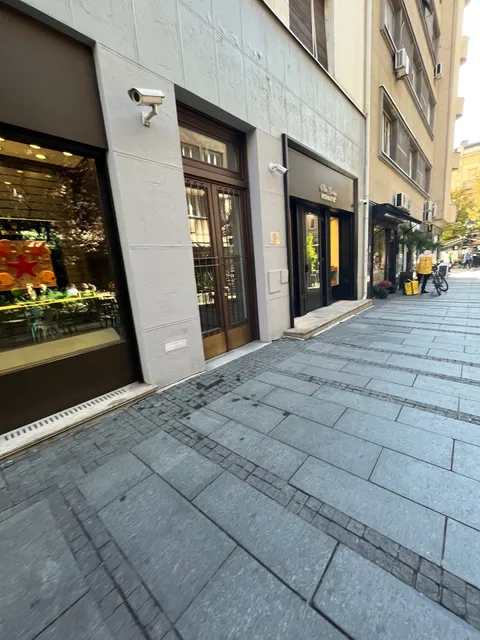
Petite Genève Petrović d.o.o. - Zvanični Rolex zastupnik
4.6
(239)
Click for details