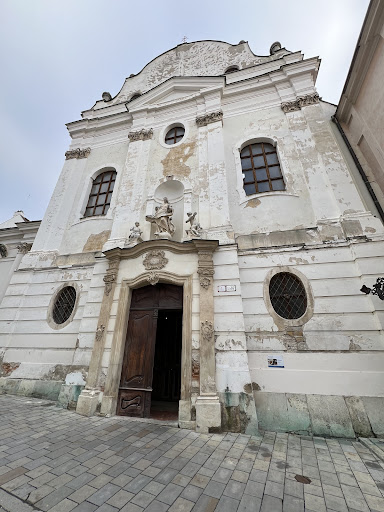
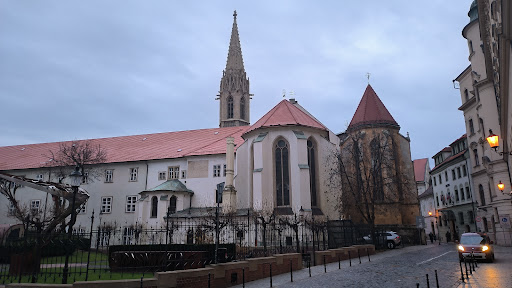
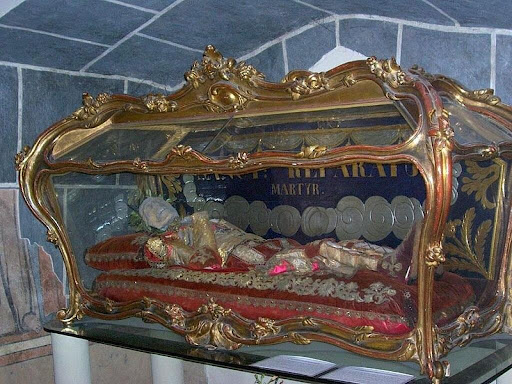
Church of the Annunciation things to do, attractions, restaurants, events info and trip planning
Basic Info
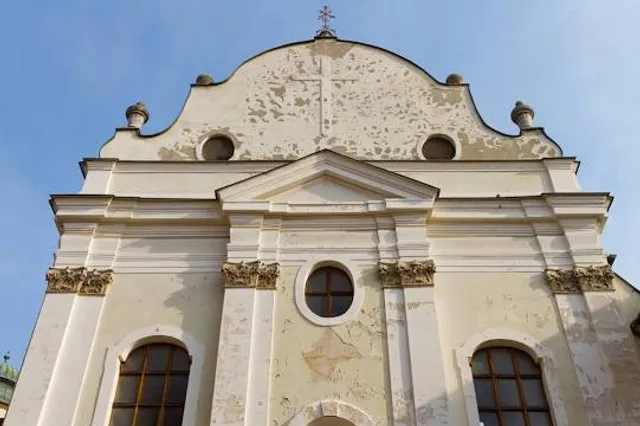
Church of the Annunciation
Františkánske námestie 1, 811 01 Staré Mesto, Slovakia
4.8(236)
Closed
Save
spot
spot
Ratings & Description
Info
Cultural
Accessibility
attractions: Michael's Gate, Čumil, Primacial Palace, Maximilian's fountain, Bratislava City Gallery, Mirbach Palace, Old Town Hall, Grand Cru Wine Gallery, Church of the Most Holy Savior (Jesuit Church), Michael's Gate, restaurants: Brixton House, Goblins Pub, The Dubliner Irish Pub, Factory Bratislava, Los Mexikas, Meanto, Rooftop by Regal, Prašná Bašta Coffee, Bratislava Flagship, Urban Bistro, local businesses: Soupculture, Múzeum mesta Bratislavy, Michalská veža, Hviezdoslavovo námestie, Slovak National Collection of Wines, M12, Steinplatz Bar, Special GELATO, Mojasrdcovka Bratislava, Capuchin Monastery
 Learn more insights from Wanderboat AI.
Phone
+421 2/544 321 45
Website
frantiskani.sk
Open hoursSee all hours
Thu10 AM - 5 PMClosed
Plan your stay

Pet-friendly Hotels in Bratislava
Find a cozy hotel nearby and make it a full experience.

Affordable Hotels in Bratislava
Find a cozy hotel nearby and make it a full experience.

The Coolest Hotels You Haven't Heard Of (Yet)
Find a cozy hotel nearby and make it a full experience.

Trending Stays Worth the Hype in Bratislava
Find a cozy hotel nearby and make it a full experience.
Reviews
Live events
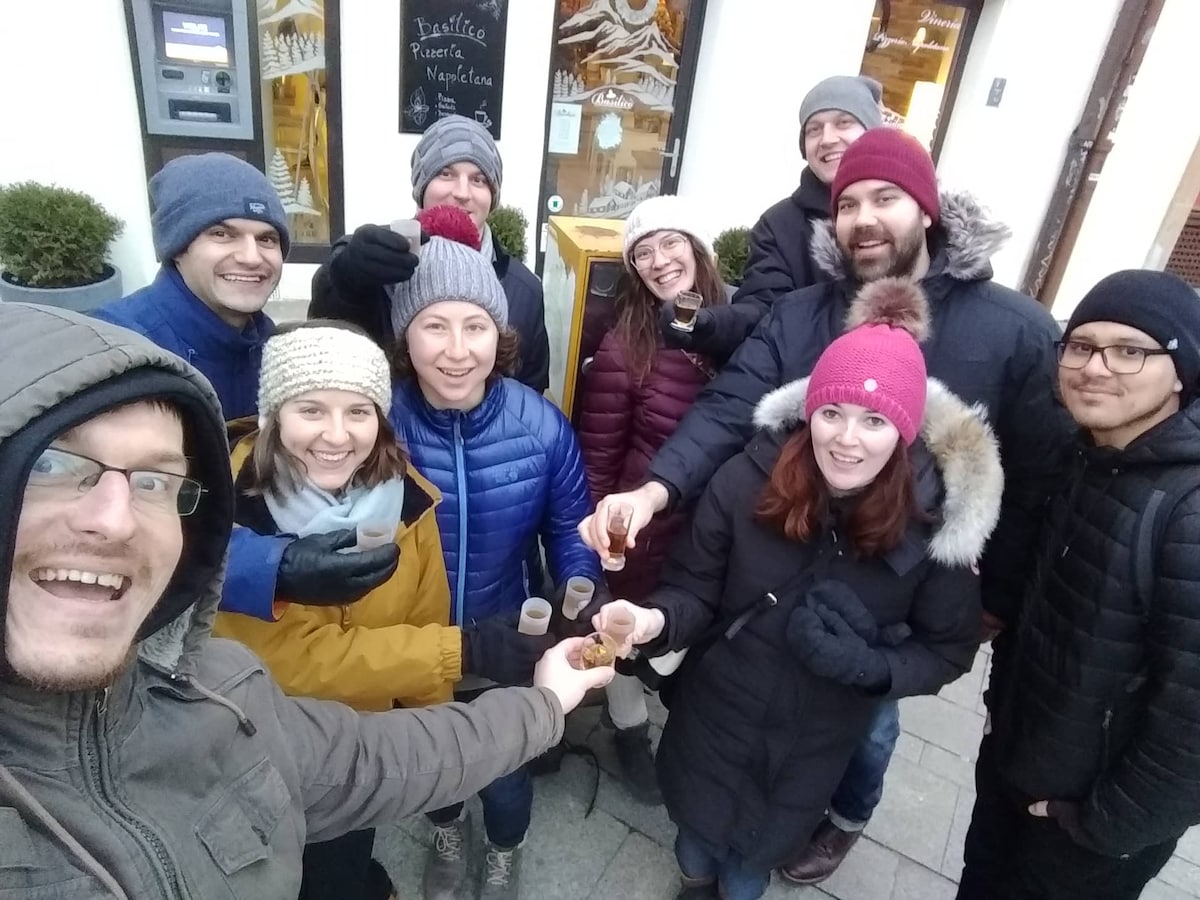
Taste traditional beers in Bratislava
Sat, Feb 14 • 7:00 PM
811 03, Bratislava, Slovakia
View details

Taste the wines of Bratislava
Fri, Feb 13 • 4:30 PM
811 02, Bratislava, Slovakia
View details
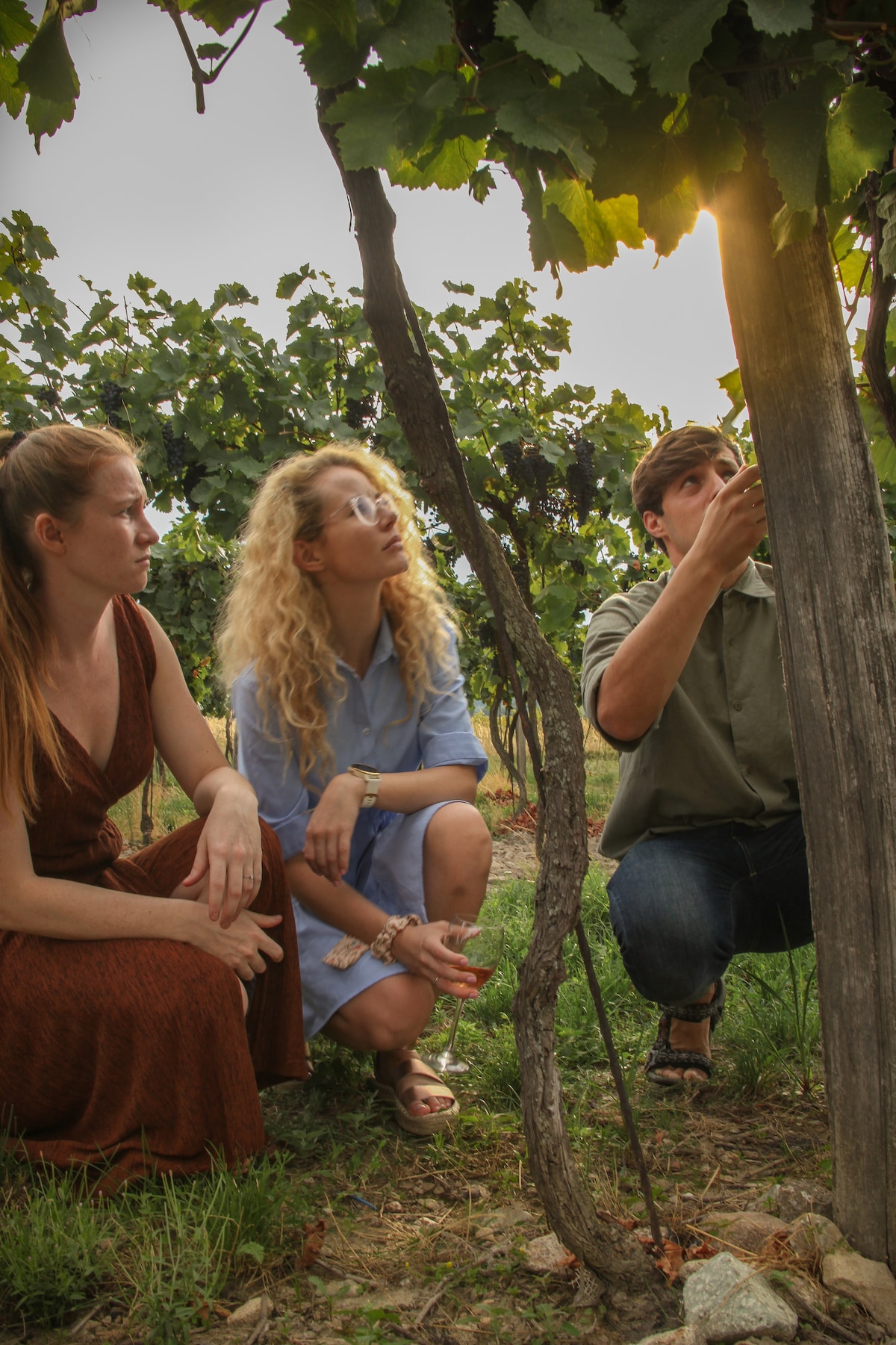
Taste local wines and discover Pezinok
Thu, Feb 12 • 4:30 PM
902 01, Pezinok, Slovakia
View details
Nearby attractions of Church of the Annunciation
Michael's Gate
Čumil
Primacial Palace
Maximilian's fountain
Bratislava City Gallery
Mirbach Palace
Old Town Hall
Grand Cru Wine Gallery
Church of the Most Holy Savior (Jesuit Church)
Michael's Gate
Michael's Gate
4.5
(6.2K)
Closed
Click for details
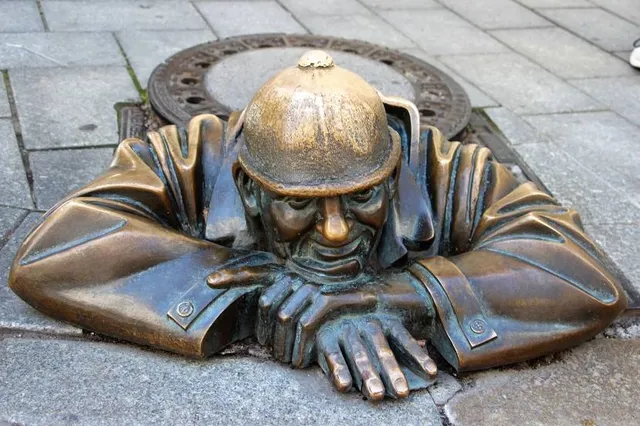
Čumil
4.6
(5.5K)
Open until 12:00 AM
Click for details
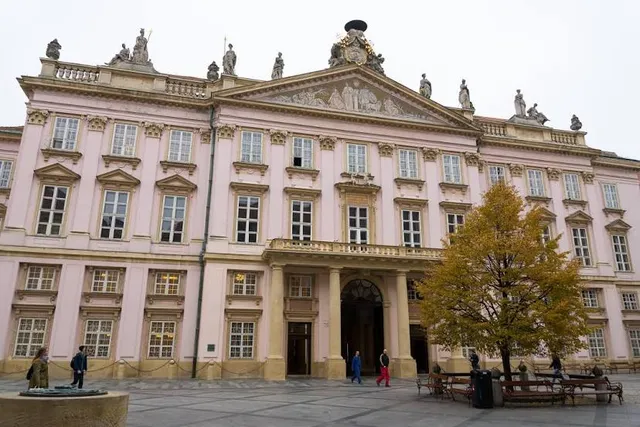
Primacial Palace
4.5
(1.7K)
Closed
Click for details
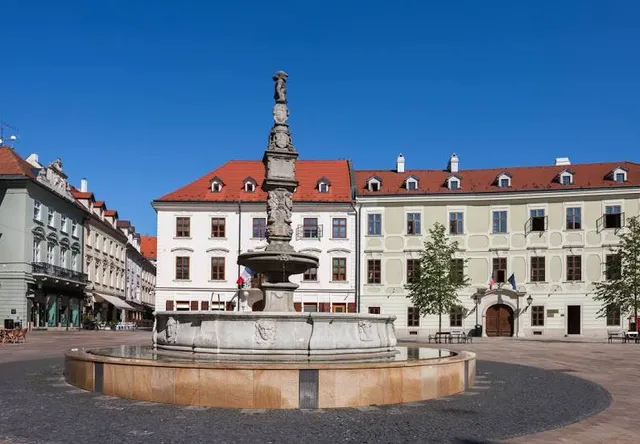
Maximilian's fountain
4.5
(980)
Open until 12:00 AM
Click for details
Nearby restaurants of Church of the Annunciation
Brixton House
Goblins Pub
The Dubliner Irish Pub
Factory Bratislava
Los Mexikas
Meanto
Rooftop by Regal
Prašná Bašta Coffee
Bratislava Flagship
Urban Bistro
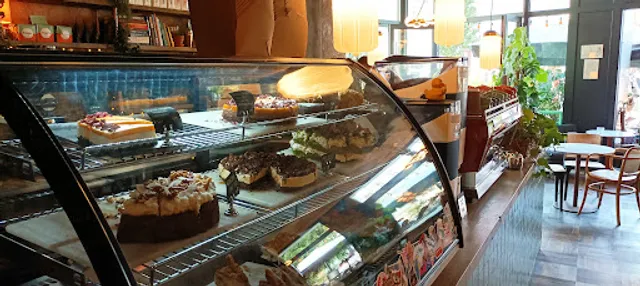
Brixton House
4.6
(1.8K)
$$$
Closed
Click for details
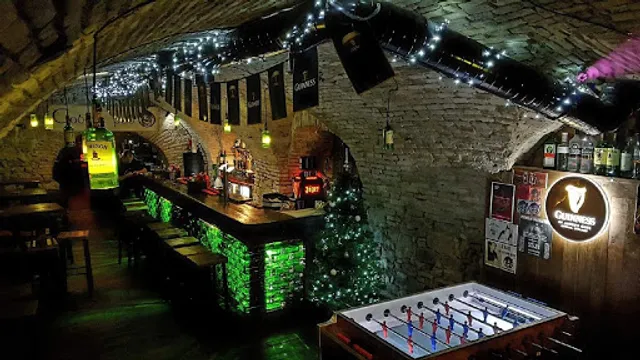
Goblins Pub
4.5
(616)
Closed
Click for details
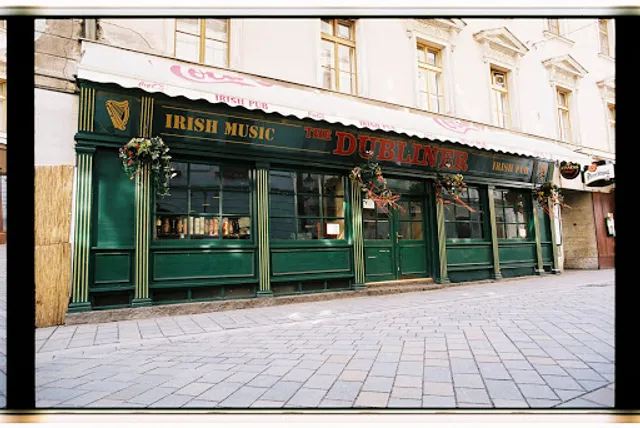
The Dubliner Irish Pub
4.3
(2.3K)
$$
Closed
Click for details
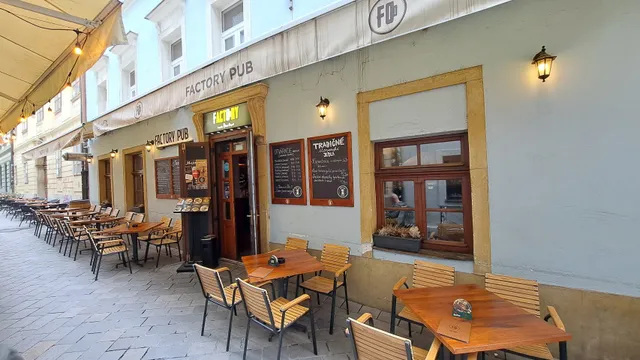
Factory Bratislava
4.5
(592)
Closed
Click for details
Nearby local services of Church of the Annunciation
Soupculture
Múzeum mesta Bratislavy
Michalská veža
Hviezdoslavovo námestie
Slovak National Collection of Wines
M12
Steinplatz Bar
Special GELATO
Mojasrdcovka Bratislava
Capuchin Monastery
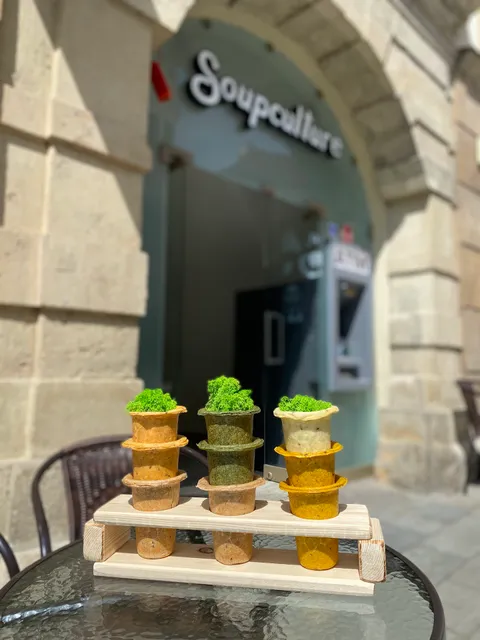
Soupculture
4.8
(283)
Click for details
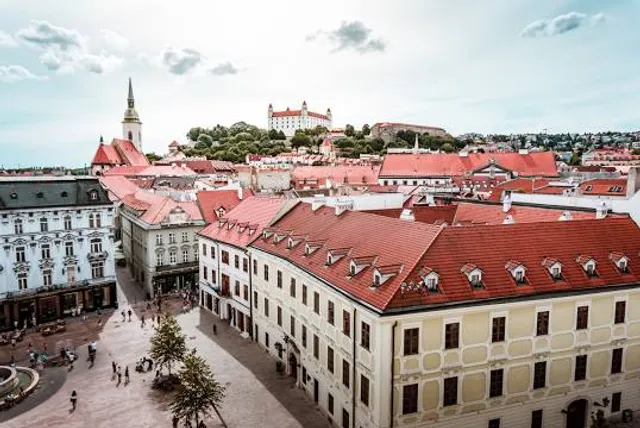
Múzeum mesta Bratislavy
4.3
(115)
Click for details
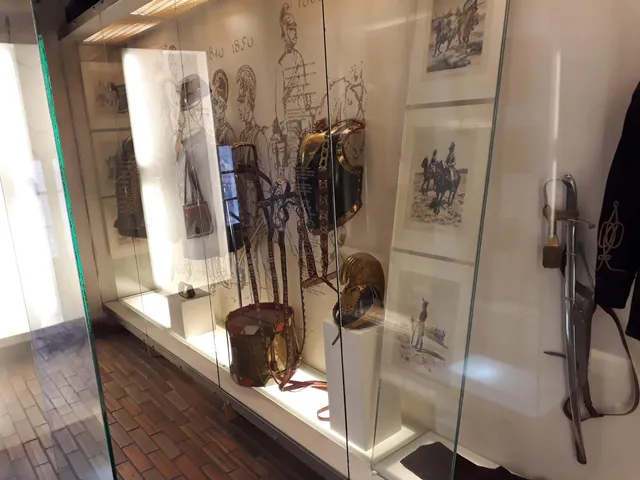
Michalská veža
4.1
(49)
Click for details
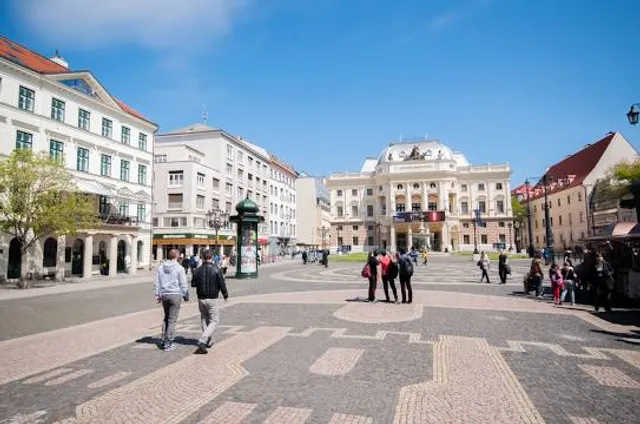
Hviezdoslavovo námestie
4.6
(1.8K)
Click for details