HTML SitemapExplore
logo
Find Things to DoFind The Best Restaurants

Geunjeongjeon — Attraction in Seoul

Name
Geunjeongjeon
Description
Nearby attractions
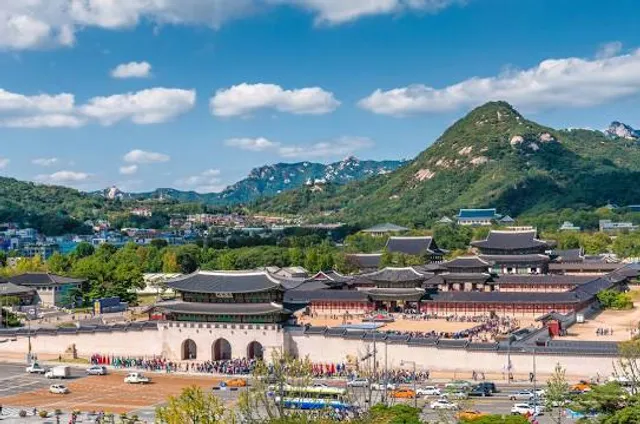
Gyeongbokgung Palace
161 Sajik-ro, Jongno District, Seoul, South Korea
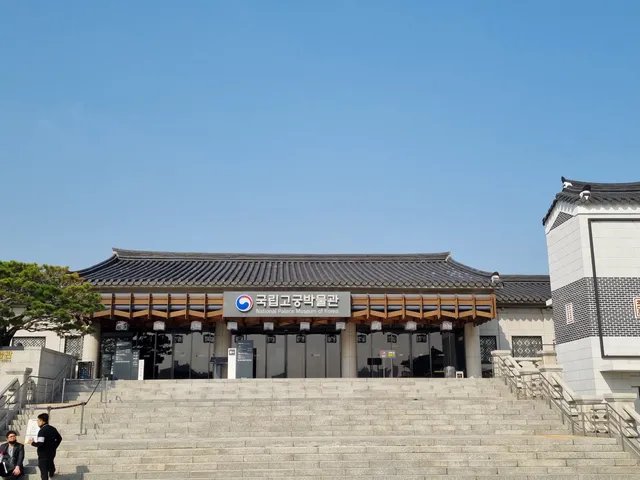
National Palace Museum of Korea
12 Hyoja-ro, Jongno District, Seoul, South Korea
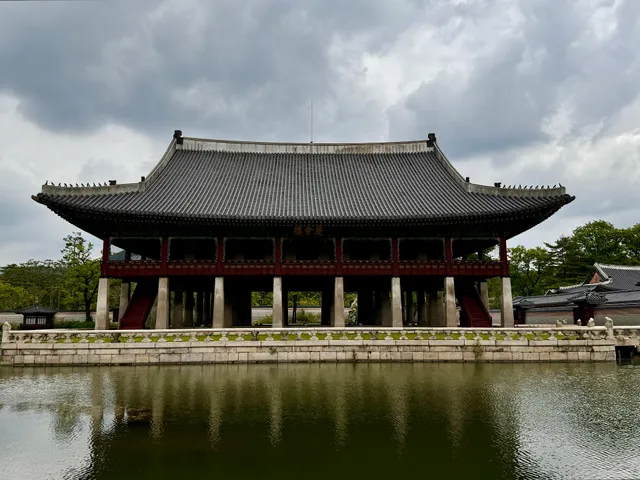
Gyeonghoeru Pavilion
161 Sajik-ro, Jongno District, Seoul, South Korea
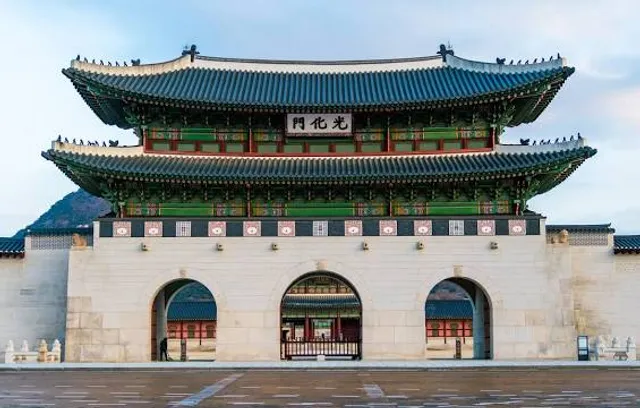
Gwanghwamun Gate
161 Sajik-ro, Jongno District, Seoul, South Korea
Sajeongjeon (King's Office)
161 Sajik-ro, Seoul, South Korea
Heungnyemun Gate
161 Sajik-ro, Jongno District, Seoul, South Korea
The National Folk Museum of Korea
37 Samcheong-ro, Jongno District, Seoul, South Korea
Daelim Museum
21 Jahamun-ro 4-gil, Jongno District, Seoul, South Korea
Cheonchujeon
1 Sejongno, Jongno District, Seoul, South Korea
Sujeongjeon
1-1 Sejongno, Jongno District, Seoul, South Korea
Nearby restaurants
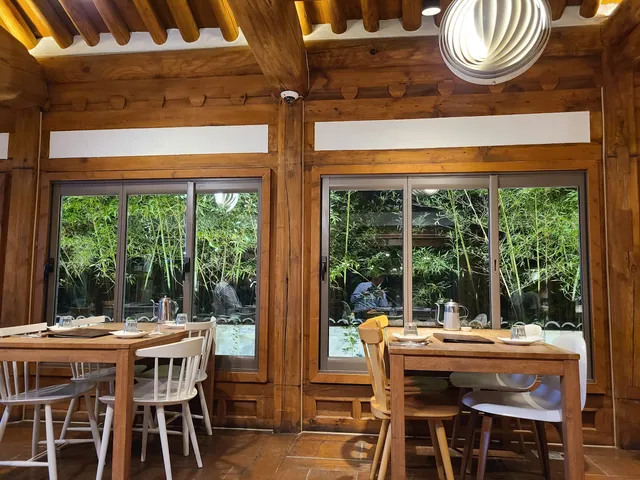
Smith Hanok
22-7 Samcheong-ro, Jongno District, Seoul, South Korea
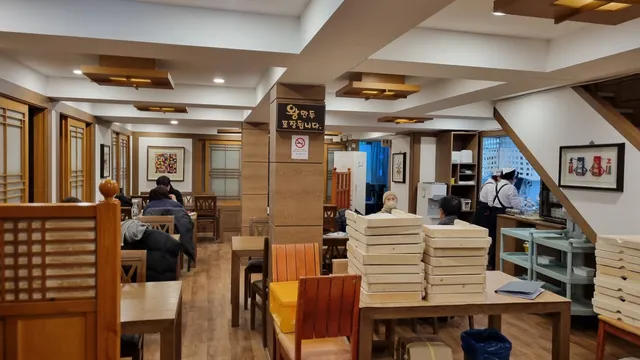
Hwangsaengga Kalguksu
78 Bukchon-ro 5-gil, Jongno District, Seoul, South Korea
Tosokchon Samgyetang
5 Jahamun-ro 5-gil, Jongno District, Seoul, South Korea
HOME KOREAN CUISINE
South Korea, Seoul, Jongno District, Samcheong-ro, 22-9 1층
애즈라이크
23 Hyoja-ro 7-gil, Jongno District, Seoul, South Korea
Dugahun
14 Samcheong-ro, Jongno District, Seoul, South Korea
H Lounge
21-9 Jahamun-ro 4-gil, Jongno District, Seoul, South Korea
Dimi
37 Hyoja-ro, Jongno District, Seoul, South Korea
Dot Blanket Samcheong Hanok Branch
38 Samcheong-ro 2-gil, Jongno District, Seoul, South Korea
Onjium
South Korea, Seoul, Jongno District, Hyoja-ro, 49 4층
Nearby hotels
Woo Guest House
South Korea, Seoul, Jongno District, 사간동 66
Somerset Palace Seoul
7 Yulgok-ro 2-gil, Jongno District, Seoul, South Korea
Gongsimga Hanok Guesthouse
46 Yulgok-ro 1-gil, Jongno District, Seoul, South Korea
boan stay
33 Hyoja-ro, Jongno District, Seoul, South Korea
Nine Tree by Parnas Seoul Insadong
49 Insadong-gil, Jongno District, Seoul, South Korea
Shilla Stay Gwanghwamun
8층, G타워, 71 Sambong-ro, Jongno District, Seoul, South Korea
88Guesthouse
88 Palpan-dong, Jongno District, Seoul, South Korea
Hanok 24 Guesthouse Gyeongbokgung
27-3 Jahamun-ro 5ga-gil, Jongno District, Seoul, South Korea
Seochon Guest House
28-3 Jahamun-ro 7-gil, Cheongunhyoja-dong, Jongno District, Seoul, South Korea
Four Seasons Hotel Seoul
97 Saemunan-ro, Dangju-dong, Jongno District, Seoul, South Korea
Related posts
Keywords
Geunjeongjeon tourism.Geunjeongjeon hotels.Geunjeongjeon bed and breakfast. flights to Geunjeongjeon.Geunjeongjeon attractions.Geunjeongjeon restaurants.Geunjeongjeon travel.Geunjeongjeon travel guide.Geunjeongjeon travel blog.Geunjeongjeon pictures.Geunjeongjeon photos.Geunjeongjeon travel tips.Geunjeongjeon maps.Geunjeongjeon things to do.
Geunjeongjeon things to do, attractions, restaurants, events info and trip planning
Geunjeongjeon
South KoreaSeoulGeunjeongjeon

Basic Info

Geunjeongjeon

161 Sajik-ro, Jongno District, Seoul, South Korea
4.7(204)
Open 24 hours
Save
spot

Ratings & Description

Info

Cultural
Scenic
Family friendly
Accessibility
attractions: Gyeongbokgung Palace, National Palace Museum of Korea, Gyeonghoeru Pavilion, Gwanghwamun Gate, Sajeongjeon (King's Office), Heungnyemun Gate, The National Folk Museum of Korea, Daelim Museum, Cheonchujeon, Sujeongjeon, restaurants: Smith Hanok, Hwangsaengga Kalguksu, Tosokchon Samgyetang, HOME KOREAN CUISINE, 애즈라이크, Dugahun, H Lounge, Dimi, Dot Blanket Samcheong Hanok Branch, Onjium
logoLearn more insights from Wanderboat AI.
Phone
+82 2-3700-3900
Website
heritage.go.kr

Plan your stay

hotel
Pet-friendly Hotels in Seoul
Find a cozy hotel nearby and make it a full experience.

hotel
Affordable Hotels in Seoul
Find a cozy hotel nearby and make it a full experience.

hotel
The Coolest Hotels You Haven't Heard Of (Yet)
Find a cozy hotel nearby and make it a full experience.

hotel
Trending Stays Worth the Hype in Seoul
Find a cozy hotel nearby and make it a full experience.

Reviews

Nearby attractions of Geunjeongjeon

Gyeongbokgung Palace

National Palace Museum of Korea

Gyeonghoeru Pavilion

Gwanghwamun Gate

Sajeongjeon (King's Office)

Heungnyemun Gate

The National Folk Museum of Korea

Daelim Museum

Cheonchujeon

Sujeongjeon

Gyeongbokgung Palace

Gyeongbokgung Palace

4.6

(15.6K)

Closed
Click for details
National Palace Museum of Korea

National Palace Museum of Korea

4.6

(3K)

Open until 9:00 PM
Click for details
Gyeonghoeru Pavilion

Gyeonghoeru Pavilion

4.8

(226)

Open 24 hours
Click for details
Gwanghwamun Gate

Gwanghwamun Gate

4.7

(1.6K)

Open 24 hours
Click for details

Things to do nearby

Seoul Pub Crawl
Seoul Pub Crawl
Sat, Dec 6 • 8:00 PM
Seoul, Mapo-gu, 04049, South Korea
View details
Street Food in Ghwangjang x Dongdaemun Market
Sat, Dec 6 • 5:00 PM
Seoul, Jongno-gu, 03198, South Korea
View details
Cooking Class in Seoul with Korean Grandma
Mon, Dec 8 • 11:00 AM
Seoul, Mapo-gu, 04083, South Korea
View details

Nearby restaurants of Geunjeongjeon

Smith Hanok

Hwangsaengga Kalguksu

Tosokchon Samgyetang

HOME KOREAN CUISINE

애즈라이크

Dugahun

H Lounge

Dimi

Dot Blanket Samcheong Hanok Branch

Onjium

Smith Hanok

Smith Hanok

4.2

(432)

$$$

Click for details
Hwangsaengga Kalguksu

Hwangsaengga Kalguksu

4.2

(1.4K)

$

Click for details
Tosokchon Samgyetang

Tosokchon Samgyetang

4.2

(4.6K)

Click for details
HOME KOREAN CUISINE

HOME KOREAN CUISINE

4.7

(121)

Click for details
Get the Appoverlay
Get the AppOne tap to find yournext favorite spots!
Wanderboat LogoWanderboat

Your everyday Al companion for getaway ideas

CompanyAbout Us
InformationAI Trip PlannerSitemap
SocialXInstagramTiktokLinkedin
LegalTerms of ServicePrivacy Policy

Get the app

© 2025 Wanderboat. All rights reserved.
logo

Reviews of Geunjeongjeon

4.7
(204)
avatar
4.0
1y

Gyeongbokgung Palace, located in the heart of Seoul, South Korea, is the largest of the Five Grand Palaces built during the Joseon Dynasty. Originally constructed in 1395, the palace was the main royal residence and served as the center of government for over 500 years. It has undergone multiple restorations due to destruction during various invasions and wars, including the Japanese occupation.

Before visiting Gyeongbokgung Palace, it's useful to know that it opens daily (except Tuesdays) from 9 AM, with seasonal closing times. The palace grounds are expansive, so plan for at least a couple of hours to fully explore. There is an entry fee, but combination tickets are available that grant access to other nearby palaces and shrines.

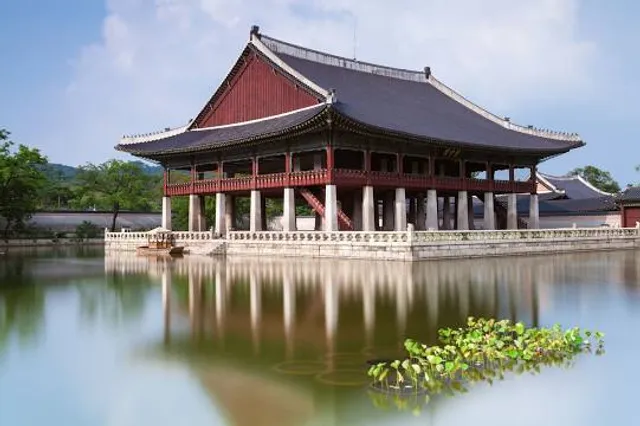
Inside Gyeongbokgung, some key structures to visit include the Geunjeongjeon Hall, which was used for important state ceremonies, and Gyeonghoeru Pavilion, a beautiful lakeside structure that was used for royal banquets. Hyangwonjeong Pavilion is another picturesque spot, set on a small island in a pond.

The National Palace Museum of Korea and the National Folk Museum are also located within the palace grounds, providing visitors with a deeper insight into Korean history and culture. Both museums are included in the ticket price.

Many visitors come to see the changing of the guard ceremony, held in front of Gwanghwamun Gate, the palace's main entrance. The traditional ceremony offers a glimpse into Korea’s royal past, and it is a popular attraction for tourists.

The palace also offers a hanbok rental service nearby, allowing visitors to wear traditional Korean clothing while exploring the palace, which adds to the cultural experience. Those wearing hanbok may also enter the palace for free.

Since the palace is large, comfortable shoes are recommended. Be prepared for weather conditions, as there is minimal shade in some areas during the summer, and the grounds can be chilly in the winter.

Overall, Gyeongbokgung Palace offers a glimpse into Korea’s rich history and is one of the most significant cultural...

   Read more
avatar
3.0
2y

Seoul city is not just a bustling metropolitan but it also can transport you back in time to one of those ancient empayar the likes of during the era where Gwanghwamun time span.

This man made structure replicated the time of the last emperor of Korea in the Yi dynasty is located in the heart of Seoul, South Korea, a historical landmark and iconic site that beautifully blends tradition and modernity. This majestic gate, reconstructed in 1968, stands as a symbol of the nation's rich heritage. The grandeur of Gwanghwamun is awe-inspiring, with its striking crimson facade and intricate architectural details.

Visitors will witness the awe-inspiring structural influence of the Confucius era in cultural architectural, a fusion captivation representation of Korean tradition. Nearby buildings surrounding the gate, you'll find Gwanghwamun Plaza, offices, a bustling hub offering a glimpse of contemporary Seoul. It's a must-visit destination that encapsulates Korea's timeless culture and vibrant present, making it a cornerstone of any Seoul exploration. Before entering the palace, you can dressed up to the time of that era from rental clothing that also includes the entrance fees.

Comes any day it is always crowded with visitors from around. I don't need to promote this grandeur palace since it has become part of the tourist itinerary visiting Seoul, S. Korea just enjoy your outing and remember...

   Read more
avatar
4.0
46w

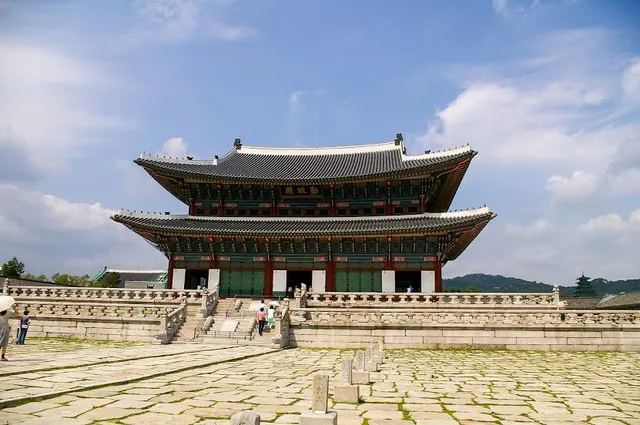
This is the throne hall of Gyeongbokgung Palace for the King to meet it's government officials and hold state ceremonies. Geunjeongjeon 勤政殿 means diligent governance, with many kings of the Joseon Dynasty held their coronation ceremonies here, this shows the Kings' aspiration to the throne and the significance of this 2 storey hall to the Korean history.

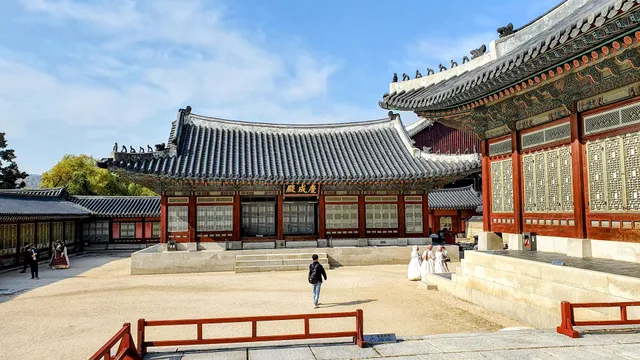
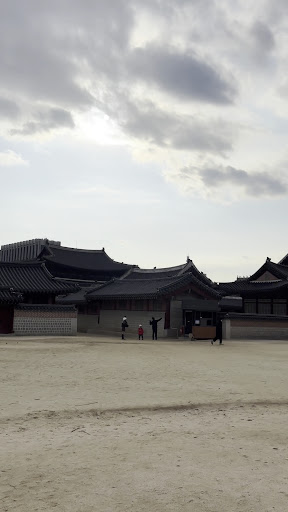
The Geunjeongmun hall stands on an elevated terrace, the balustrades around the stairs are beautifully carved with some animal statues. Too bad the terrace wasn't really maintained, looks dirty and dated. In front of the terrace is a big courtyard with rank stones indicating the standing positions for government officials.

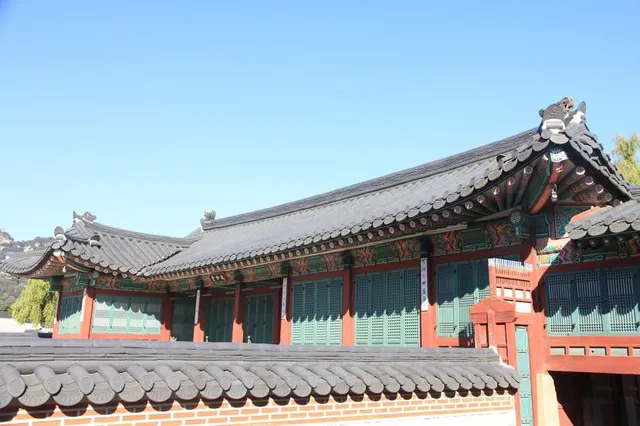
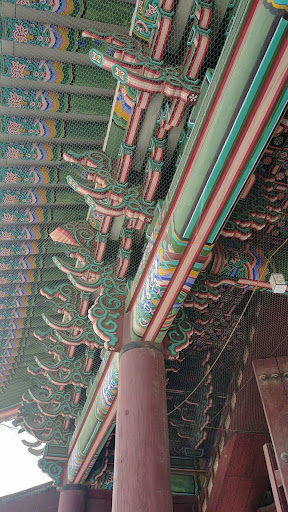
Just like any other palace, access to the Geunjeongmun hall is not allowed but visitors can view from outside. The hall is an open atrium with the throne in the center. The throne is very well maintained with splendid colors. While its pillars maybe a bit underwhelming, its intricate roof details are surely stunning.

As this is the main building of the Gyeongbokgung Palace, there's always a crowd here. I also like the corridors surrounding the courtyard provide a beautiful backdrop for...

   Read more
Page 1 of 7
Previous
Next

Posts

RR
Gyeongbokgung Palace, located in the heart of Seoul, South Korea, is the largest of the Five Grand Palaces built during the Joseon Dynasty. Originally constructed in 1395, the palace was the main royal residence and served as the center of government for over 500 years. It has undergone multiple restorations due to destruction during various invasions and wars, including the Japanese occupation. Before visiting Gyeongbokgung Palace, it's useful to know that it opens daily (except Tuesdays) from 9 AM, with seasonal closing times. The palace grounds are expansive, so plan for at least a couple of hours to fully explore. There is an entry fee, but combination tickets are available that grant access to other nearby palaces and shrines. Inside Gyeongbokgung, some key structures to visit include the Geunjeongjeon Hall, which was used for important state ceremonies, and Gyeonghoeru Pavilion, a beautiful lakeside structure that was used for royal banquets. Hyangwonjeong Pavilion is another picturesque spot, set on a small island in a pond. The National Palace Museum of Korea and the National Folk Museum are also located within the palace grounds, providing visitors with a deeper insight into Korean history and culture. Both museums are included in the ticket price. Many visitors come to see the changing of the guard ceremony, held in front of Gwanghwamun Gate, the palace's main entrance. The traditional ceremony offers a glimpse into Korea’s royal past, and it is a popular attraction for tourists. The palace also offers a hanbok rental service nearby, allowing visitors to wear traditional Korean clothing while exploring the palace, which adds to the cultural experience. Those wearing hanbok may also enter the palace for free. Since the palace is large, comfortable shoes are recommended. Be prepared for weather conditions, as there is minimal shade in some areas during the summer, and the grounds can be chilly in the winter. Overall, Gyeongbokgung Palace offers a glimpse into Korea’s rich history and is one of the most significant cultural landmarks in Seoul.
MaddocMaddoc
Seoul city is not just a bustling metropolitan but it also can transport you back in time to one of those ancient empayar the likes of during the era where Gwanghwamun time span. This man made structure replicated the time of the last emperor of Korea in the Yi dynasty is located in the heart of Seoul, South Korea, a historical landmark and iconic site that beautifully blends tradition and modernity. This majestic gate, reconstructed in 1968, stands as a symbol of the nation's rich heritage. The grandeur of Gwanghwamun is awe-inspiring, with its striking crimson facade and intricate architectural details. Visitors will witness the awe-inspiring structural influence of the Confucius era in cultural architectural, a fusion captivation representation of Korean tradition. Nearby buildings surrounding the gate, you'll find Gwanghwamun Plaza, offices, a bustling hub offering a glimpse of contemporary Seoul. It's a must-visit destination that encapsulates Korea's timeless culture and vibrant present, making it a cornerstone of any Seoul exploration. Before entering the palace, you can dressed up to the time of that era from rental clothing that also includes the entrance fees. Comes any day it is always crowded with visitors from around. I don't need to promote this grandeur palace since it has become part of the tourist itinerary visiting Seoul, S. Korea just enjoy your outing and remember to have fun.
Jo LeeJo Lee
This is the throne hall of Gyeongbokgung Palace for the King to meet it's government officials and hold state ceremonies. Geunjeongjeon 勤政殿 means diligent governance, with many kings of the Joseon Dynasty held their coronation ceremonies here, this shows the Kings' aspiration to the throne and the significance of this 2 storey hall to the Korean history. The Geunjeongmun hall stands on an elevated terrace, the balustrades around the stairs are beautifully carved with some animal statues. Too bad the terrace wasn't really maintained, looks dirty and dated. In front of the terrace is a big courtyard with rank stones indicating the standing positions for government officials. Just like any other palace, access to the Geunjeongmun hall is not allowed but visitors can view from outside. The hall is an open atrium with the throne in the center. The throne is very well maintained with splendid colors. While its pillars maybe a bit underwhelming, its intricate roof details are surely stunning. As this is the main building of the Gyeongbokgung Palace, there's always a crowd here. I also like the corridors surrounding the courtyard provide a beautiful backdrop for photography.
See more posts
See more posts
hotel
Find your stay

Pet-friendly Hotels in Seoul

Find a cozy hotel nearby and make it a full experience.

Gyeongbokgung Palace, located in the heart of Seoul, South Korea, is the largest of the Five Grand Palaces built during the Joseon Dynasty. Originally constructed in 1395, the palace was the main royal residence and served as the center of government for over 500 years. It has undergone multiple restorations due to destruction during various invasions and wars, including the Japanese occupation. Before visiting Gyeongbokgung Palace, it's useful to know that it opens daily (except Tuesdays) from 9 AM, with seasonal closing times. The palace grounds are expansive, so plan for at least a couple of hours to fully explore. There is an entry fee, but combination tickets are available that grant access to other nearby palaces and shrines. Inside Gyeongbokgung, some key structures to visit include the Geunjeongjeon Hall, which was used for important state ceremonies, and Gyeonghoeru Pavilion, a beautiful lakeside structure that was used for royal banquets. Hyangwonjeong Pavilion is another picturesque spot, set on a small island in a pond. The National Palace Museum of Korea and the National Folk Museum are also located within the palace grounds, providing visitors with a deeper insight into Korean history and culture. Both museums are included in the ticket price. Many visitors come to see the changing of the guard ceremony, held in front of Gwanghwamun Gate, the palace's main entrance. The traditional ceremony offers a glimpse into Korea’s royal past, and it is a popular attraction for tourists. The palace also offers a hanbok rental service nearby, allowing visitors to wear traditional Korean clothing while exploring the palace, which adds to the cultural experience. Those wearing hanbok may also enter the palace for free. Since the palace is large, comfortable shoes are recommended. Be prepared for weather conditions, as there is minimal shade in some areas during the summer, and the grounds can be chilly in the winter. Overall, Gyeongbokgung Palace offers a glimpse into Korea’s rich history and is one of the most significant cultural landmarks in Seoul.
R

R

hotel
Find your stay

Affordable Hotels in Seoul

Find a cozy hotel nearby and make it a full experience.

Get the Appoverlay
Get the AppOne tap to find yournext favorite spots!
Seoul city is not just a bustling metropolitan but it also can transport you back in time to one of those ancient empayar the likes of during the era where Gwanghwamun time span. This man made structure replicated the time of the last emperor of Korea in the Yi dynasty is located in the heart of Seoul, South Korea, a historical landmark and iconic site that beautifully blends tradition and modernity. This majestic gate, reconstructed in 1968, stands as a symbol of the nation's rich heritage. The grandeur of Gwanghwamun is awe-inspiring, with its striking crimson facade and intricate architectural details. Visitors will witness the awe-inspiring structural influence of the Confucius era in cultural architectural, a fusion captivation representation of Korean tradition. Nearby buildings surrounding the gate, you'll find Gwanghwamun Plaza, offices, a bustling hub offering a glimpse of contemporary Seoul. It's a must-visit destination that encapsulates Korea's timeless culture and vibrant present, making it a cornerstone of any Seoul exploration. Before entering the palace, you can dressed up to the time of that era from rental clothing that also includes the entrance fees. Comes any day it is always crowded with visitors from around. I don't need to promote this grandeur palace since it has become part of the tourist itinerary visiting Seoul, S. Korea just enjoy your outing and remember to have fun.
Maddoc

Maddoc

hotel
Find your stay

The Coolest Hotels You Haven't Heard Of (Yet)

Find a cozy hotel nearby and make it a full experience.

hotel
Find your stay

Trending Stays Worth the Hype in Seoul

Find a cozy hotel nearby and make it a full experience.

This is the throne hall of Gyeongbokgung Palace for the King to meet it's government officials and hold state ceremonies. Geunjeongjeon 勤政殿 means diligent governance, with many kings of the Joseon Dynasty held their coronation ceremonies here, this shows the Kings' aspiration to the throne and the significance of this 2 storey hall to the Korean history. The Geunjeongmun hall stands on an elevated terrace, the balustrades around the stairs are beautifully carved with some animal statues. Too bad the terrace wasn't really maintained, looks dirty and dated. In front of the terrace is a big courtyard with rank stones indicating the standing positions for government officials. Just like any other palace, access to the Geunjeongmun hall is not allowed but visitors can view from outside. The hall is an open atrium with the throne in the center. The throne is very well maintained with splendid colors. While its pillars maybe a bit underwhelming, its intricate roof details are surely stunning. As this is the main building of the Gyeongbokgung Palace, there's always a crowd here. I also like the corridors surrounding the courtyard provide a beautiful backdrop for photography.
Jo Lee

Jo Lee

See more posts
See more posts