Seoul Archdiocesan Catholic History Museum things to do, attractions, restaurants, events info and trip planning
Basic Info
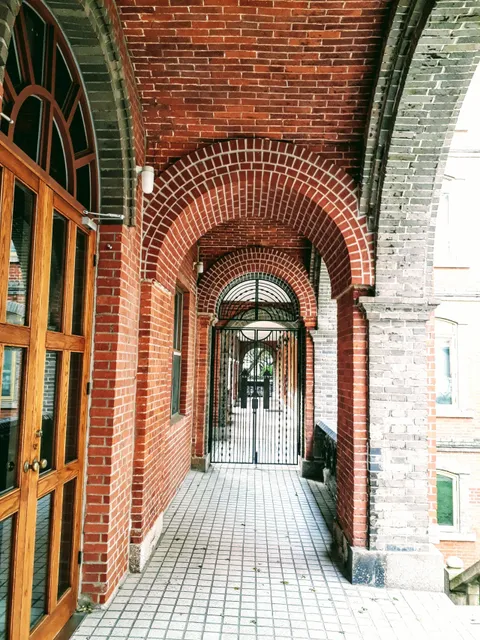
Seoul Archdiocesan Catholic History Museum
74 Myeongdong-gil, Jung District, Seoul, South Korea
4.1(9)
Closed
Save
spot
spot
Ratings & Description
Info
Cultural
Family friendly
Accessibility
attractions: Myeongdong Cathedral, Myeongdong Shopping Street, Myeongdong NANTA Theatre, Myeongdong Tourist Information Center (MDTIC), Bank of Korea Money Museum, Korea Postage & Stamps Museum, Cheonggyecheon Berlin Square, Gallery Bresson, JUMP, Namsan Cable Car, restaurants: Myeongdong Kyoja Main Restaurant, Cat Cafe Cat's Sarangchae, Myeongdong Kyoja Branch, Ilpyeon Sirloin Myeongdong Korean BBQ, Starbucks Myeongdong Jungang-ro, 태초갈비 명동점 | Myeongdong korean bbq TAECHO GALBI Myeongdong Branch | Korean Beef | 明洞美食 太初烤排明洞店 | 焼肉 | グルメ | 烤肉, Sulbing Korean Dessert Cafe, Wangbijip Myeongdong Main store, Gurkha Indian Restaurant, Isaac Toast & Coffee Myeongdong Cathedral, local businesses: 🌟JUNOHAIR MyeongdongStreet Branch🌟, Olive Young Myeongdong Town, Myeondong Shopping Street, M PLAZA, Myeong Dong Night Market, adidas Brand Flagship Seoul, 명동오렌즈 중앙점, Juno Hair, Line Esthe (aesthetic & spa ), Daiso Myeongdong Main
 Learn more insights from Wanderboat AI.
Phone
+82 2-6949-1890
Website
blog.naver.com
Open hoursSee all hours
Thu9 AM - 5 PMClosed
Plan your stay

Pet-friendly Hotels in Seoul
Find a cozy hotel nearby and make it a full experience.

Affordable Hotels in Seoul
Find a cozy hotel nearby and make it a full experience.

The Coolest Hotels You Haven't Heard Of (Yet)
Find a cozy hotel nearby and make it a full experience.

Trending Stays Worth the Hype in Seoul
Find a cozy hotel nearby and make it a full experience.
Reviews
Live events
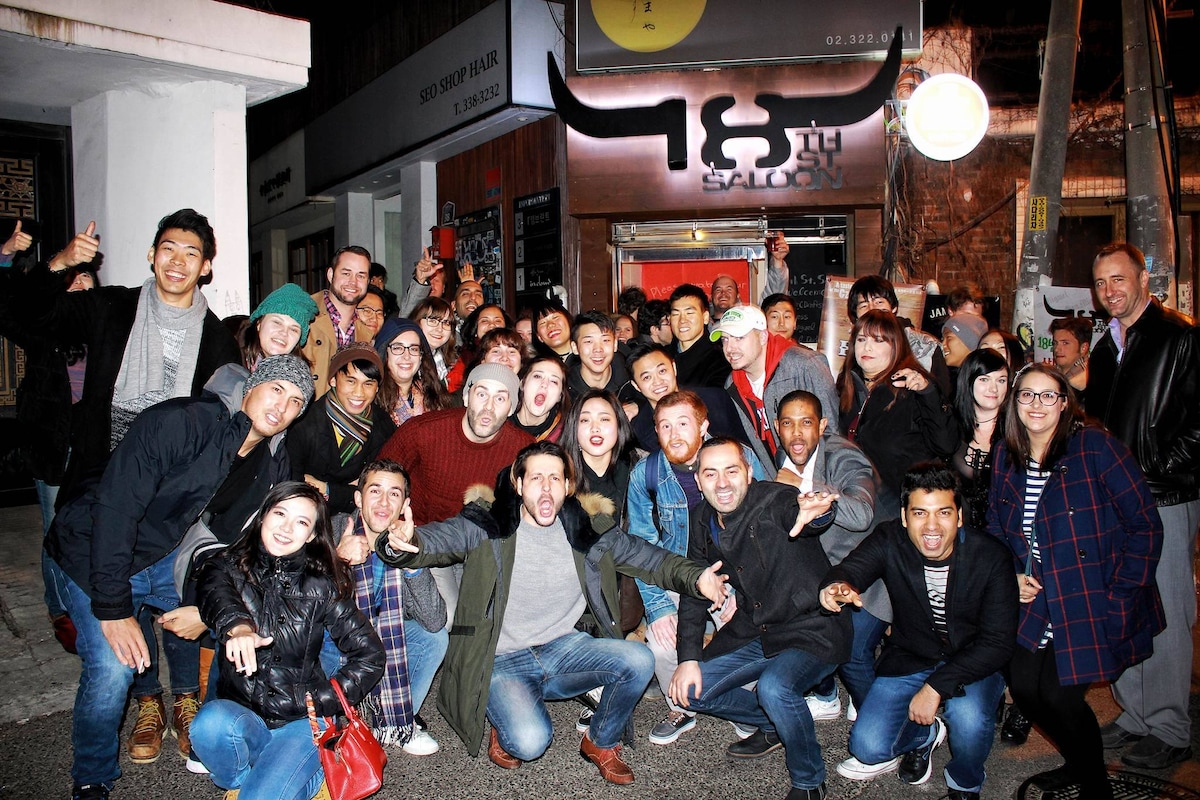
Seoul Pub Crawl
Thu, Feb 26 • 8:00 PM
Seoul, Mapo-gu, 04049, South Korea
View details
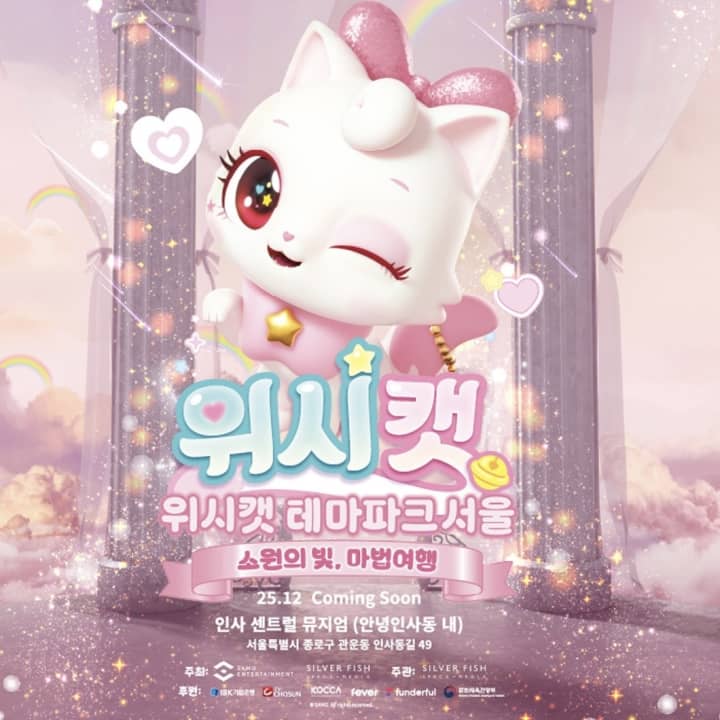
위시캣 테마파크 서울
Thu, Feb 26 • 10:00 AM
서울 종로구 인사동길 49 B1, 03145
View details
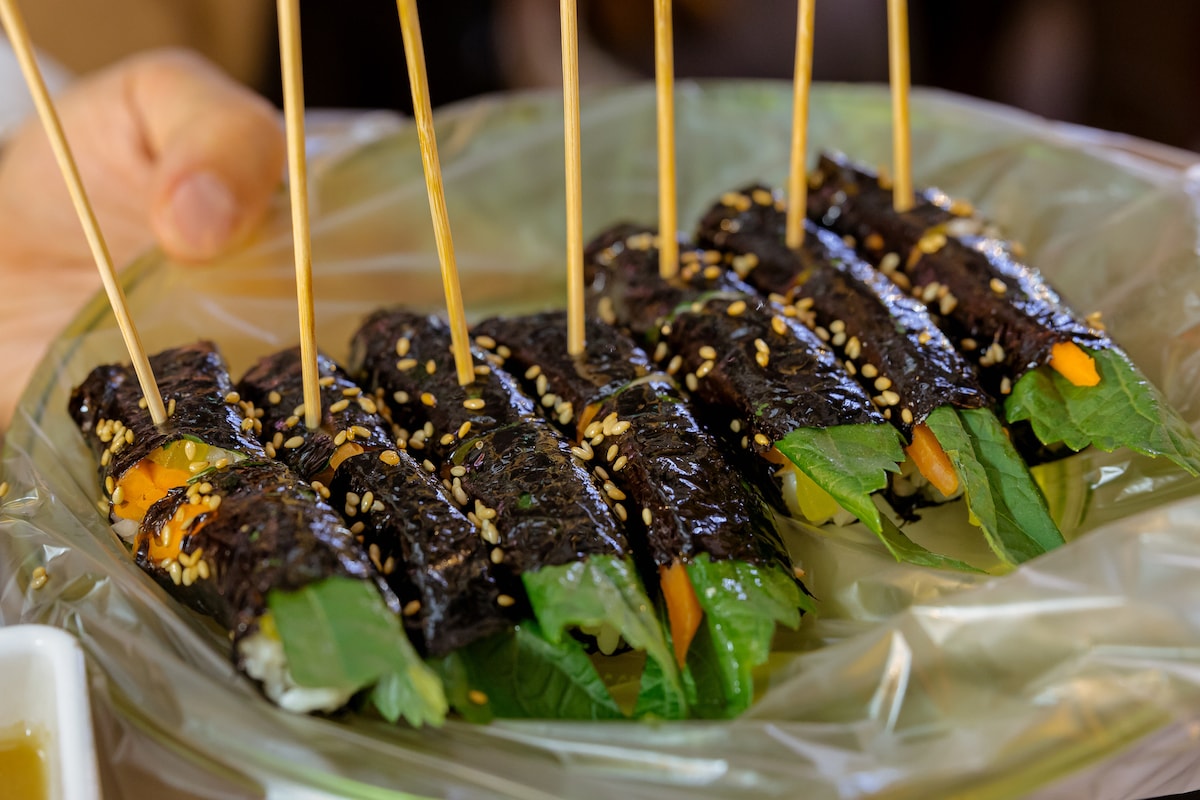
Explore night market food
Thu, Feb 26 • 7:00 PM
Seoul, 종로5.6가동, 종로구, 03195, South Korea
View details
Nearby attractions of Seoul Archdiocesan Catholic History Museum
Myeongdong Cathedral
Myeongdong Shopping Street
Myeongdong NANTA Theatre
Myeongdong Tourist Information Center (MDTIC)
Bank of Korea Money Museum
Korea Postage & Stamps Museum
Cheonggyecheon Berlin Square
Gallery Bresson
JUMP
Namsan Cable Car
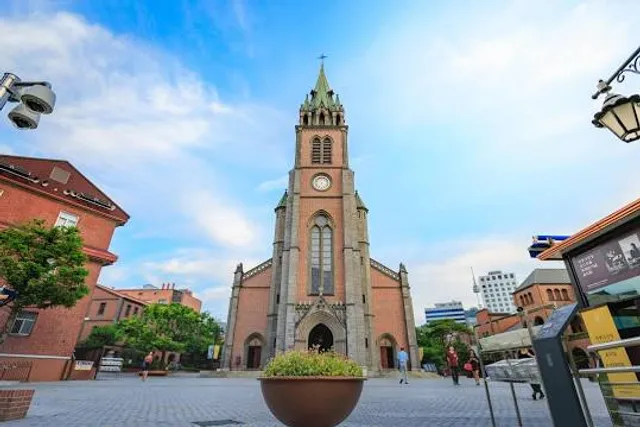
Myeongdong Cathedral
4.7
(4.2K)
Closed
Click for details
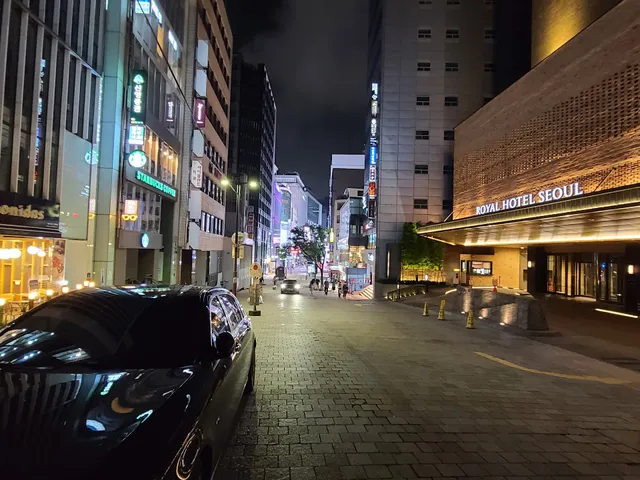
Myeongdong Shopping Street
4.4
(9.8K)
Closed
Click for details
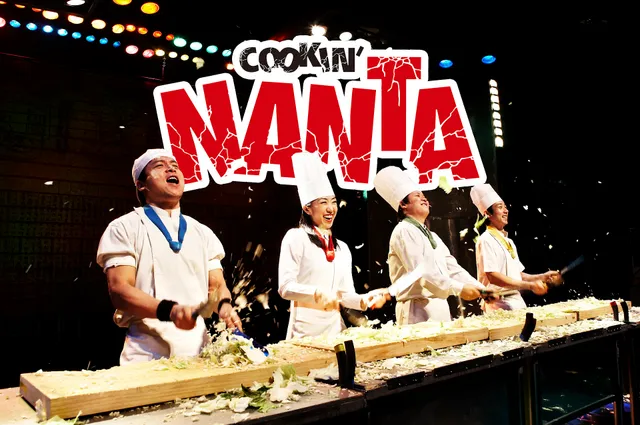
Myeongdong NANTA Theatre
4.5
(2.5K)
Open 24 hours
Click for details
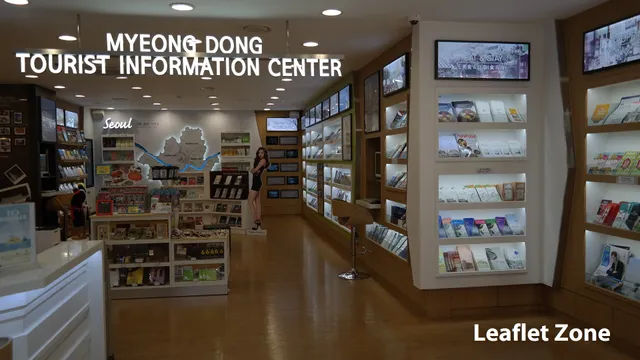
Myeongdong Tourist Information Center (MDTIC)
4.3
(334)
Closed
Click for details
Nearby restaurants of Seoul Archdiocesan Catholic History Museum
Myeongdong Kyoja Main Restaurant
Cat Cafe Cat's Sarangchae
Myeongdong Kyoja Branch
Ilpyeon Sirloin Myeongdong Korean BBQ
Starbucks Myeongdong Jungang-ro
태초갈비 명동점 | Myeongdong korean bbq TAECHO GALBI Myeongdong Branch | Korean Beef | 明洞美食 太初烤排明洞店 | 焼肉 | グルメ | 烤肉
Sulbing Korean Dessert Cafe
Wangbijip Myeongdong Main store
Gurkha Indian Restaurant
Isaac Toast & Coffee Myeongdong Cathedral
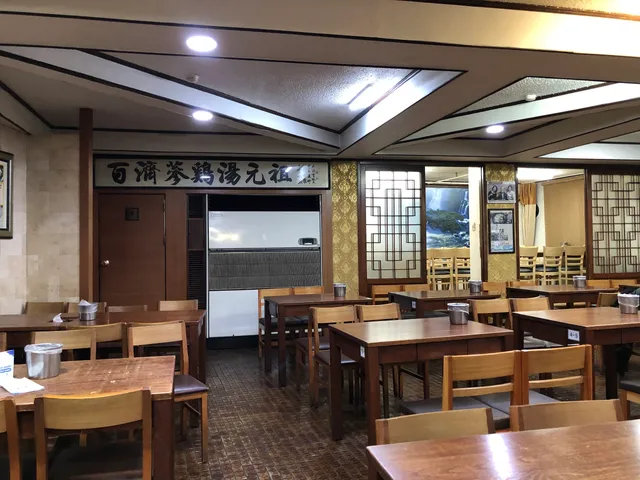
Myeongdong Kyoja Main Restaurant
4.2
(5.6K)
Open until 9:00 PM
Click for details
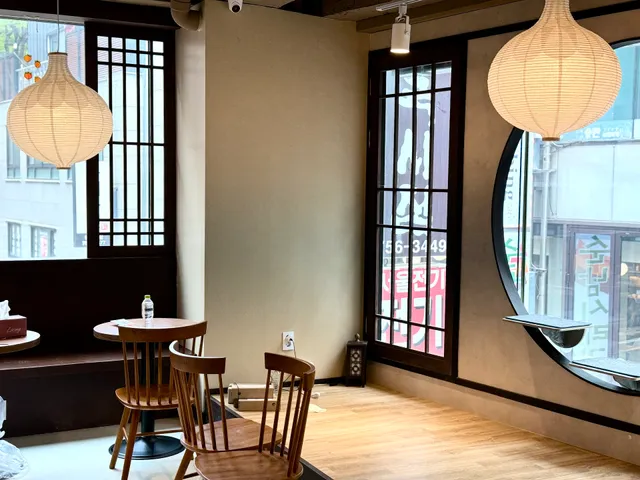
Cat Cafe Cat's Sarangchae
5.0
(1.7K)
Open until 10:00 PM
Click for details
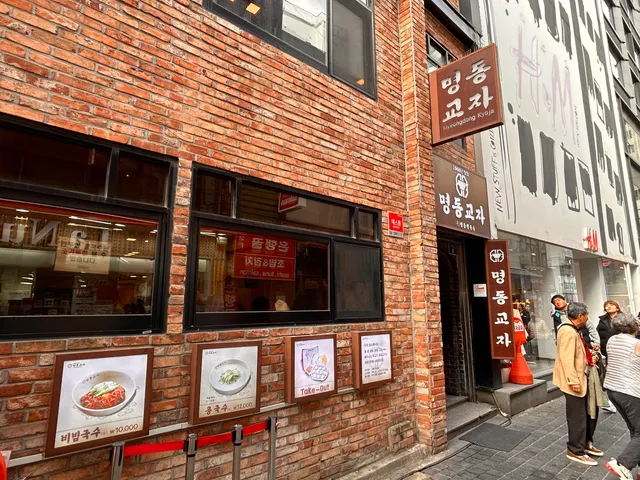
Myeongdong Kyoja Branch
4.2
(1.9K)
Click for details
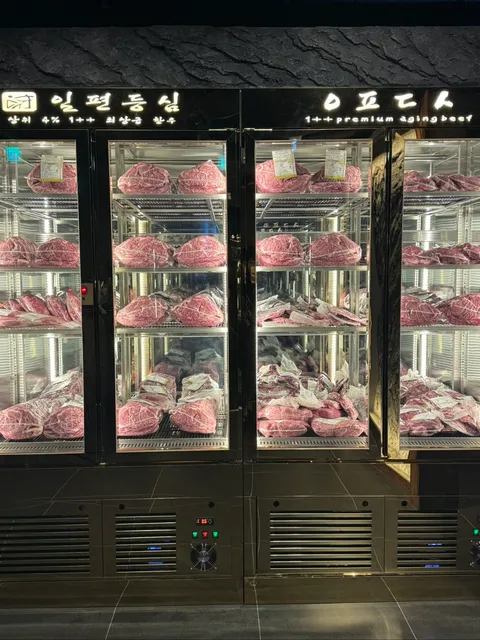
Ilpyeon Sirloin Myeongdong Korean BBQ
4.9
(1.4K)
Open until 12:00 AM
Click for details
Nearby local services of Seoul Archdiocesan Catholic History Museum
🌟JUNOHAIR MyeongdongStreet Branch🌟
Olive Young Myeongdong Town
Myeondong Shopping Street
M PLAZA
Myeong Dong Night Market
adidas Brand Flagship Seoul
명동오렌즈 중앙점
Juno Hair
Line Esthe (aesthetic & spa )
Daiso Myeongdong Main
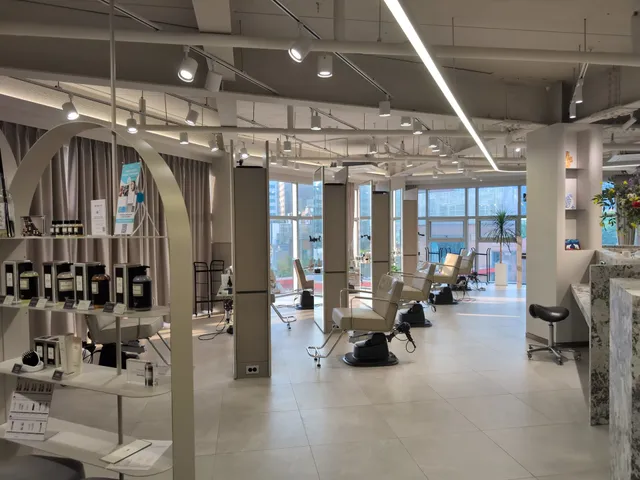
🌟JUNOHAIR MyeongdongStreet Branch🌟
5.0
(5K)
Click for details
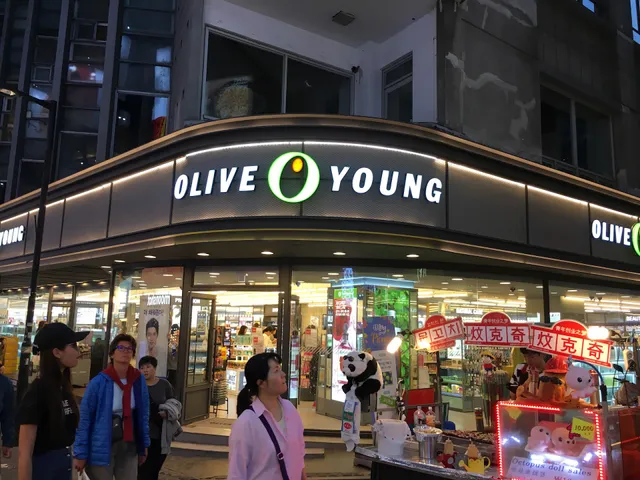
Olive Young Myeongdong Town
4.3
(1.6K)
Click for details
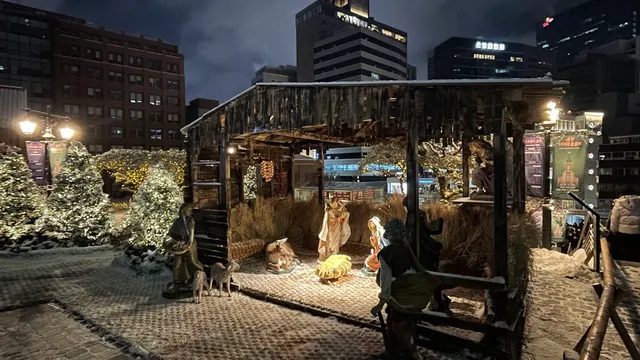
Myeondong Shopping Street
4.3
(608)
Click for details
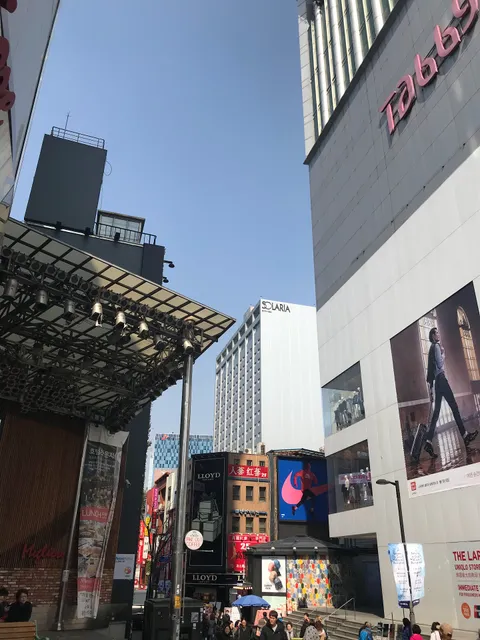
M PLAZA
4.2
(1.3K)
Click for details