Girona Cathedral things to do, attractions, restaurants, events info and trip planning
Basic Info
Girona Cathedral
Pl. de la Catedral, s/n, 17004 Girona, Spain
4.6(8.6K)
Closed


tickets
Save
spot
spot
Ratings & Description
Info
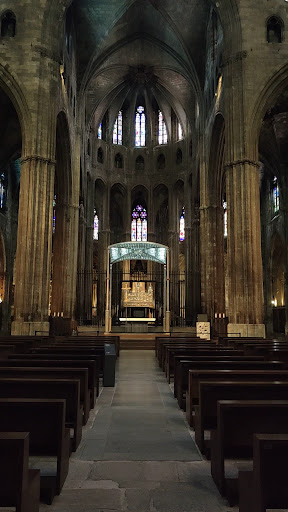
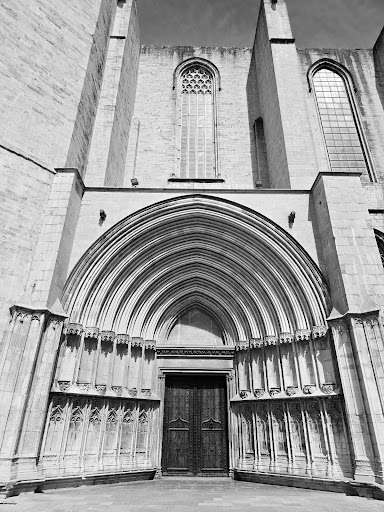
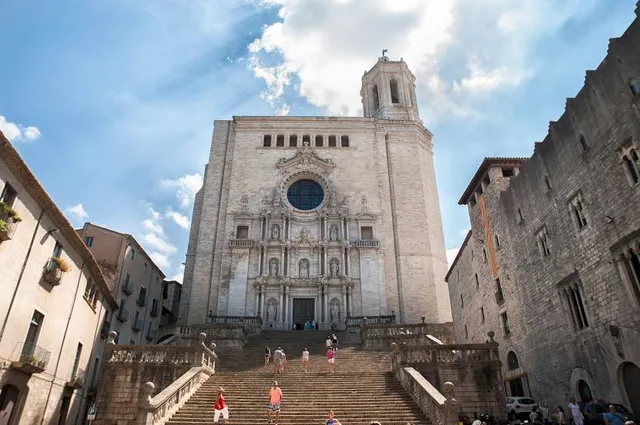
Girona Cathedral, also known as the Cathedral of Saint Mary of Girona, is a Roman Catholic church located in Girona, Catalonia, Spain. It is the seat of the Roman Catholic Diocese of Girona.
Cultural
Accessibility
attractions: Banys Àrabs, Museu d'Art de Girona, Museu d'Història dels Jueus, Muralles de Girona, Sant Pere de Galligants, Museu d'Història de Girona, Museu Tresor de la Catedral, Pont de les Peixateries Velles, Archaeology Museum of Catalonia in Girona, Passeig arqueològic, restaurants: König, River Girona, Bau Bar, Cafè l'Arc, El Cul de la Lleona Restaurante, Restaurant Mimolet, LaFerla, La Vedette, Bar Restaurant La Terra, Casa Marieta Restaurant, local businesses: Escaleras de la Catedral, Basílica de San Félix, Puente de Sant Feliu, Capella de Sant Nicolau, Casas del Onyar, Bòlit: centro de arte contemporáneo, Església de Sant Martí, Sant Daniel Monastery, Marta Roca Immoserveis, Roman Catholic Diocese of Girona
 Learn more insights from Wanderboat AI.
Phone
+34 972 42 71 89
Website
catedraldegirona.cat
Open hoursSee all hours
Sun12 - 4:30 PMClosed
Plan your stay

Pet-friendly Hotels in Girona
Find a cozy hotel nearby and make it a full experience.

Affordable Hotels in Girona
Find a cozy hotel nearby and make it a full experience.

The Coolest Hotels You Haven't Heard Of (Yet)
Find a cozy hotel nearby and make it a full experience.

Trending Stays Worth the Hype in Girona
Find a cozy hotel nearby and make it a full experience.
Reviews
Live events
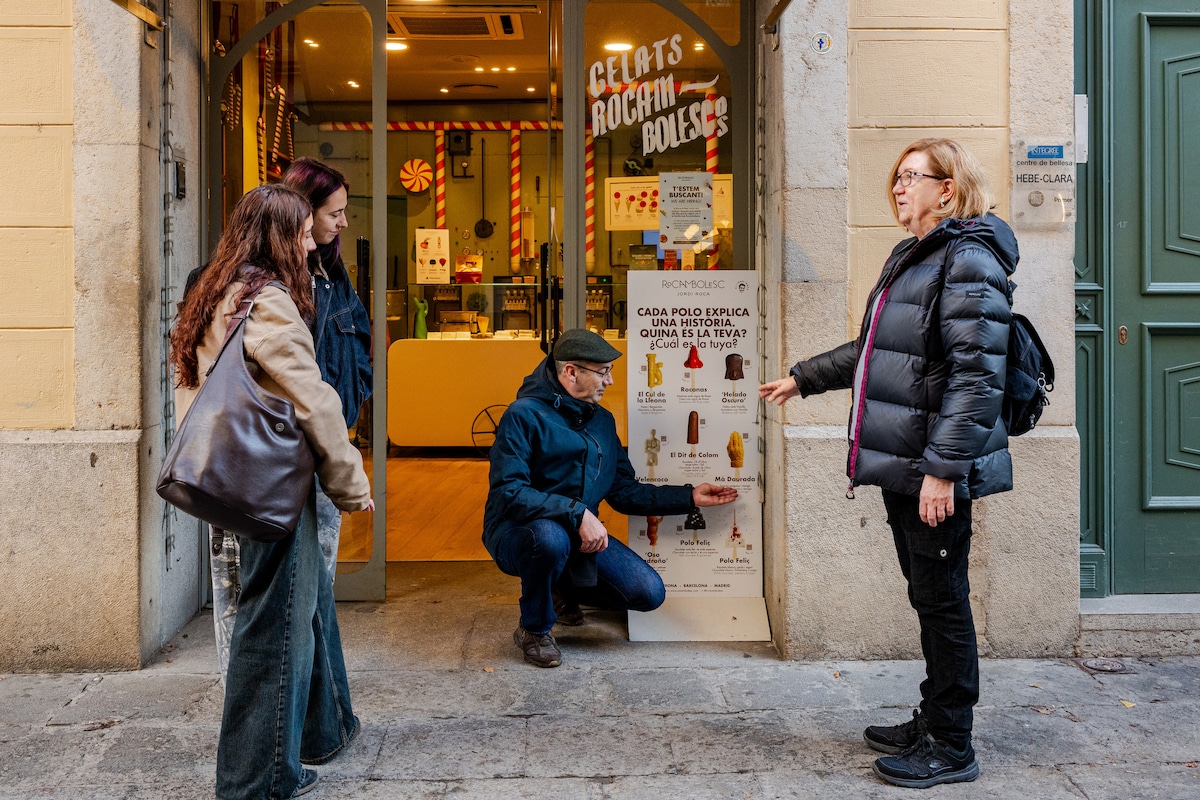
Discover Girona with a Local Guide
Sun, Feb 22 • 9:30 AM
17004, Girona, Catalonia, Spain
View details

Horseback riding through the landscapes of Alt Empordà
Sun, Feb 22 • 10:00 AM
17469, Siurana, Catalunya, Spain
View details
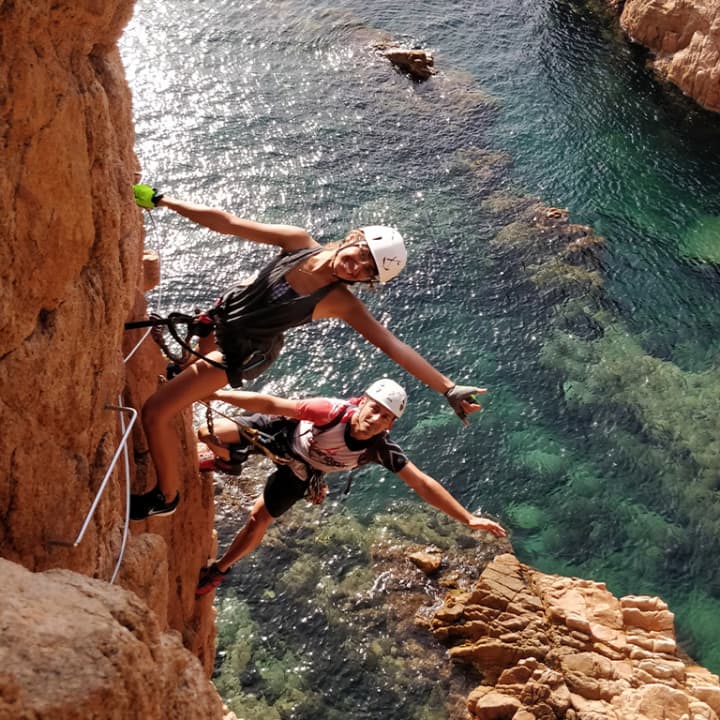
Vía Ferrata en Cala del Molí con reportaje fotográfico
Sun, Feb 22 • 8:00 AM
Carrer sicilia 34, sant feliu de guixols., 17220
View details
Nearby attractions of Girona Cathedral
Banys Àrabs
Museu d'Art de Girona
Museu d'Història dels Jueus
Muralles de Girona
Sant Pere de Galligants
Museu d'Història de Girona
Museu Tresor de la Catedral
Pont de les Peixateries Velles
Archaeology Museum of Catalonia in Girona
Passeig arqueològic
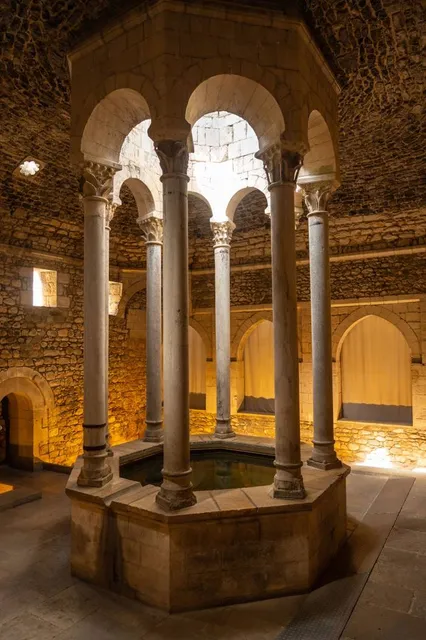
Banys Àrabs
4.3
(1.5K)
Closed
Click for details
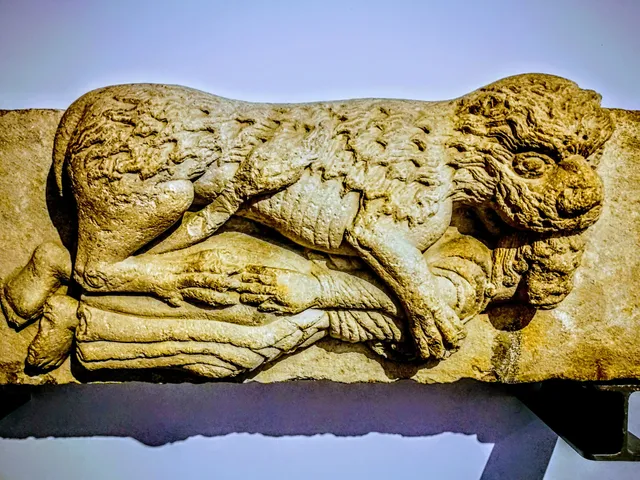
Museu d'Art de Girona
4.5
(368)
Closed
Click for details
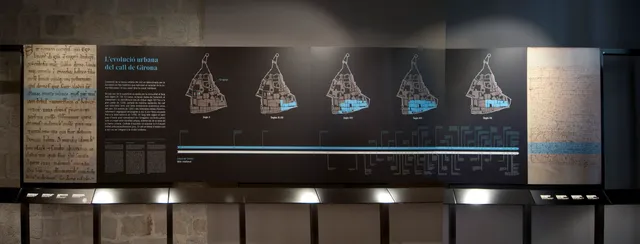
Museu d'Història dels Jueus
4.5
(1.0K)
Closed
Click for details
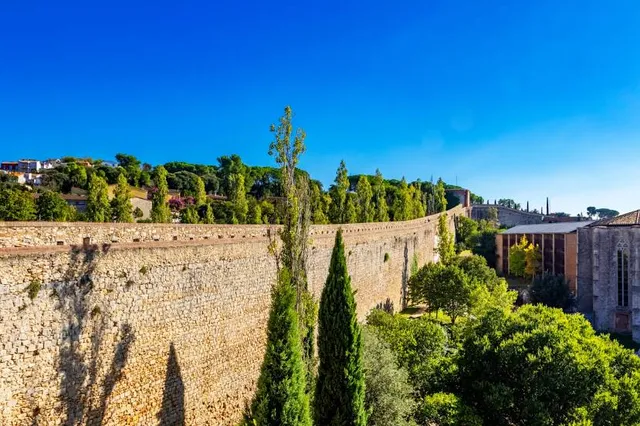
Muralles de Girona
4.7
(1.9K)
Open until 9:00 PM
Click for details
Nearby restaurants of Girona Cathedral
König
River Girona
Bau Bar
Cafè l'Arc
El Cul de la Lleona Restaurante
Restaurant Mimolet
LaFerla
La Vedette
Bar Restaurant La Terra
Casa Marieta Restaurant
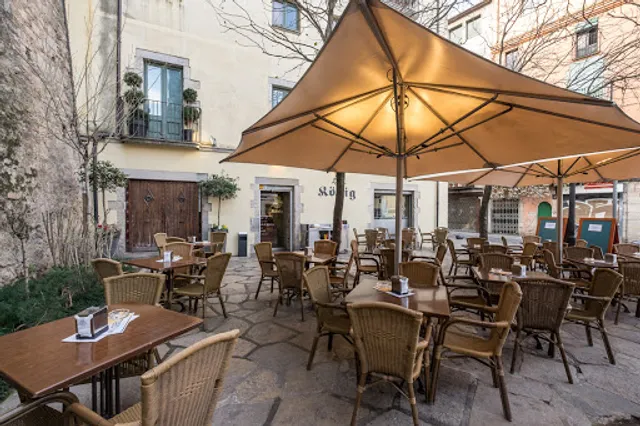
König
4.0
(2.5K)
Open until 11:00 PM
Click for details
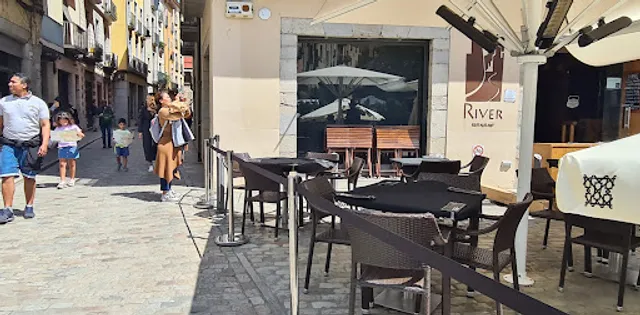
River Girona
4.1
(1.2K)
Open until 3:00 AM
Click for details
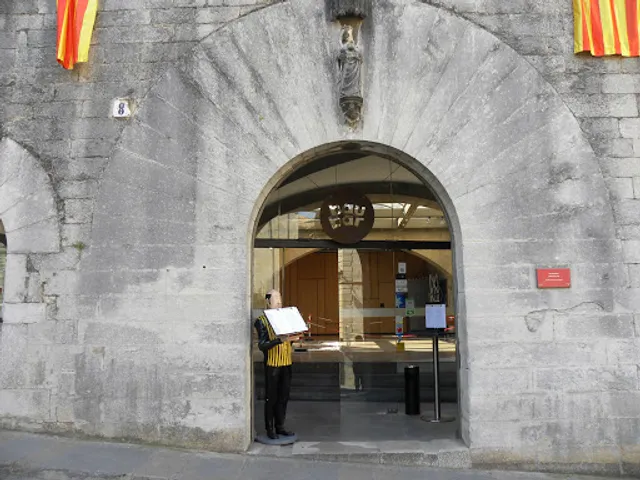
Bau Bar
4.1
(221)
Open until 12:00 AM
Click for details
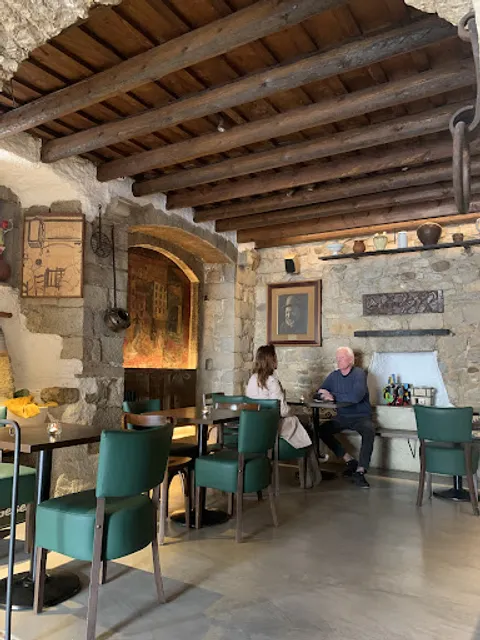
Cafè l'Arc
3.5
(294)
Open until 9:00 PM
Click for details
Nearby local services of Girona Cathedral
Escaleras de la Catedral
Basílica de San Félix
Puente de Sant Feliu
Capella de Sant Nicolau
Casas del Onyar
Bòlit: centro de arte contemporáneo
Església de Sant Martí
Sant Daniel Monastery
Marta Roca Immoserveis
Roman Catholic Diocese of Girona

Escaleras de la Catedral
4.7
(157)
Click for details
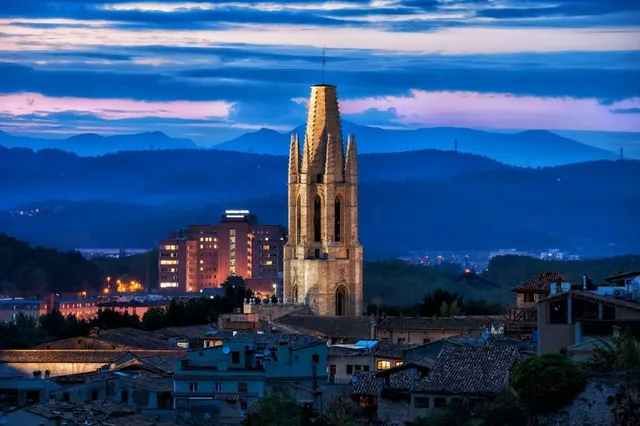
Basílica de San Félix
4.6
(642)
Click for details
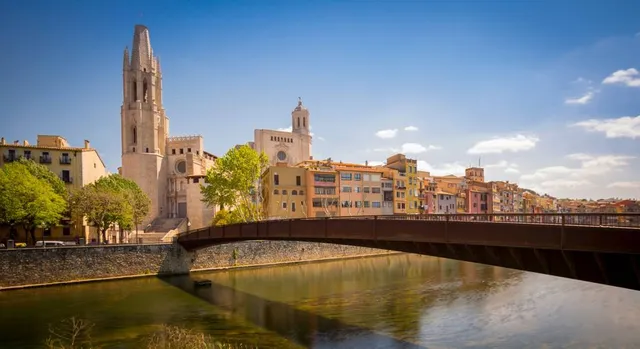
Puente de Sant Feliu
4.6
(81)
Click for details
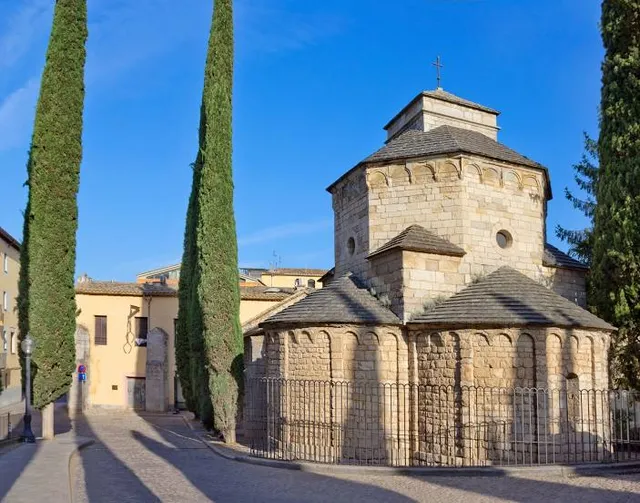
Capella de Sant Nicolau
4.2
(40)
Click for details