HTML SitemapExplore
logo
Find Things to DoFind The Best Restaurants

Frontón Beti Jai — Attraction in Madrid

Name
Frontón Beti Jai
Description
Nearby attractions
Sweet Space Museum
C. de Serrano, 61, Planta 2, Salamanca, 28006 Madrid, Spain
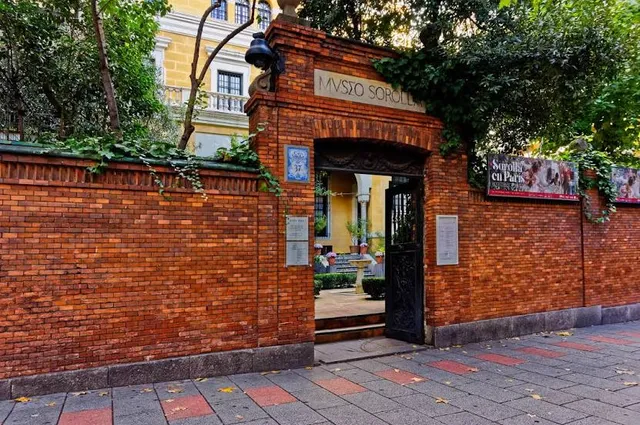
Sorolla Museum
P.º del Gral. Martínez Campos, 37, Chamberí, 28010 Madrid, Spain
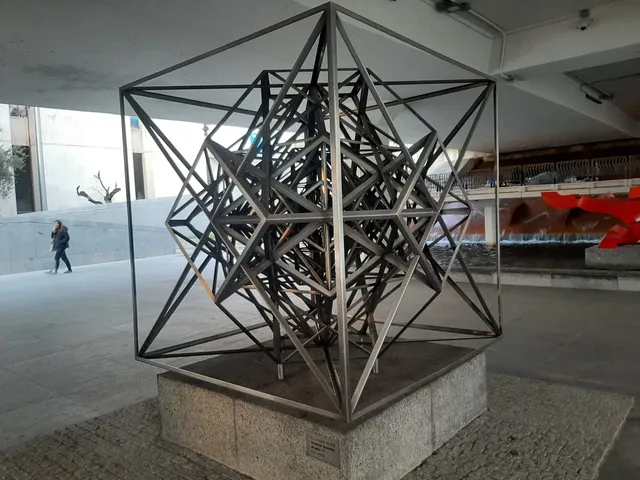
Museo Arte Público
P.º de la Castellana, 40, Salamanca, 28046 Madrid, Spain
Fundación María Cristina Masaveu Peterson
C. de Alcalá Galiano, 6, Chamberí, 28010 Madrid, Spain
Galería Cayón
C. Blanca de Navarra, 7, Chamberí, 28010 Madrid, Spain
Estación Museo Chamberí
Plaza de Chamberí, s/n, Chamberí, 28010 Madrid, Spain
Comunidad Evangélica de Habla Alemana - Friedenskirche
P.º de la Castellana, 6, Salamanca, 28046 Madrid, Spain
Museo de Cera
Pl. de Colón, 1, Centro, 28004 Madrid, Spain
Marlborough Madrid
C. de Orfila, 5, Chamberí, 28010 Madrid, Spain
Hermético Escape Rooms - Escape Room en Madrid
Calle de Sta Engracia, 15, Chamberí, 28010 Madrid, Spain
Nearby restaurants
Coque
C. del Marqués del Riscal, 11, Chamberí, 28010 Madrid, Spain
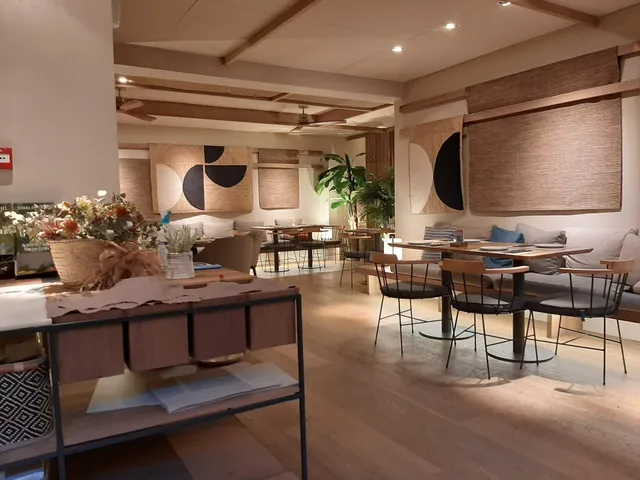
Saona Zurbarán
C. de Zurbarán, 18, Chamberí, 28010 Madrid, Spain
Restaurante La Parra Madrid
C. del Monte Esquinza, 34, Chamberí, 28010 Madrid, Spain
Narciso
C. de Almagro, 32, Chamberí, 28010 Madrid, Spain
Bumpgreen
C. de Fortuny, 7, Chamberí, 28010 Madrid, Spain
Fellina Chamberí | Restaurante Italiano Madrid
C. de Caracas, 21, Chamberí, 28010 Madrid, Spain
La Morenilla | Casa de Antojos
C. de Caracas, 10, Chamberí, 28010 Madrid, Spain
KOJI NIKKEI
C. del Marqués del Riscal, 5, Chamberí, 28010 Madrid, Spain
Makkila Almagro
C. de Almagro, 22, Chamberí, 28010 Madrid, Spain
Tatel Madrid
P.º de la Castellana, 36, Salamanca, 28046 Madrid, Spain
Nearby hotels
Santo Mauro, a Luxury Collection Hotel, Madrid
Calle de Zurbano, 36, Chamberí, 28010 Madrid, Spain
Petit Palace President Castellana
C. del Marqués de Villamagna, 4, Salamanca, 28001 Madrid, Spain
Hotel One Shot Fortuny
C. de Fortuny, 7, Chamberí, 28010 Madrid, Spain
Hotel Serrano
C. del Marqués de Villamejor, 8, Salamanca, 28006 Madrid, Spain
Hotel Avani Alonso Martínez Madrid - Formerly NH Alonso Martínez
Calle de Sta Engracia, 5, Chamberí, 28010 Madrid, Spain
Hotel Fénix Gran Meliá - The Leading Hotels of the World
C. de Hermosilla, 2, Salamanca, 28001 Madrid, Spain
Casa Almagro by The Pavilions Hotels & Resorts
C. de Amador de los Ríos, 3, Chamberí, 28010 Madrid, Spain
Relais & Chateaux Hotel Orfila
C. de Orfila, 6, Chamberí, 28010 Madrid, Spain
Hotel Gran Versalles
Calle de Covarrubias, 4, Chamberí, 28010 Madrid, Spain
Hotel Único Madrid
C. de Claudio Coello, 67, Salamanca, 28001 Madrid, Spain
Related posts
Keywords
Frontón Beti Jai tourism.Frontón Beti Jai hotels.Frontón Beti Jai bed and breakfast. flights to Frontón Beti Jai.Frontón Beti Jai attractions.Frontón Beti Jai restaurants.Frontón Beti Jai travel.Frontón Beti Jai travel guide.Frontón Beti Jai travel blog.Frontón Beti Jai pictures.Frontón Beti Jai photos.Frontón Beti Jai travel tips.Frontón Beti Jai maps.Frontón Beti Jai things to do.
Frontón Beti Jai things to do, attractions, restaurants, events info and trip planning
Frontón Beti Jai
SpainCommunity of MadridMadridFrontón Beti Jai

Basic Info

Frontón Beti Jai

C. del Marqués del Riscal, 7, Chamberí, 28010 Madrid, Spain
4.7(908)
Open 24 hours
Save
spot

Ratings & Description

Info

Cultural
Entertainment
attractions: Sweet Space Museum, Sorolla Museum, Museo Arte Público, Fundación María Cristina Masaveu Peterson, Galería Cayón, Estación Museo Chamberí, Comunidad Evangélica de Habla Alemana - Friedenskirche, Museo de Cera, Marlborough Madrid, Hermético Escape Rooms - Escape Room en Madrid, restaurants: Coque, Saona Zurbarán, Restaurante La Parra Madrid, Narciso, Bumpgreen, Fellina Chamberí | Restaurante Italiano Madrid, La Morenilla | Casa de Antojos, KOJI NIKKEI, Makkila Almagro, Tatel Madrid
logoLearn more insights from Wanderboat AI.
Website
frontonbetijai.es

Plan your stay

hotel
Pet-friendly Hotels in Madrid
Find a cozy hotel nearby and make it a full experience.

hotel
Affordable Hotels in Madrid
Find a cozy hotel nearby and make it a full experience.

hotel
The Coolest Hotels You Haven't Heard Of (Yet)
Find a cozy hotel nearby and make it a full experience.

hotel
Trending Stays Worth the Hype in Madrid
Find a cozy hotel nearby and make it a full experience.

Reviews

Nearby attractions of Frontón Beti Jai

Sweet Space Museum

Sorolla Museum

Museo Arte Público

Fundación María Cristina Masaveu Peterson

Galería Cayón

Estación Museo Chamberí

Comunidad Evangélica de Habla Alemana - Friedenskirche

Museo de Cera

Marlborough Madrid
Hermético Escape Rooms - Escape Room en Madrid

Sweet Space Museum

Sweet Space Museum

4.4

(3.9K)

Open until 8:00 PM
Click for details
Sorolla Museum

Sorolla Museum

4.7

(8.4K)

Open 24 hours
Click for details
Museo Arte Público

Museo Arte Público

4.1

(273)

Open 24 hours
Click for details
Fundación María Cristina Masaveu Peterson

Fundación María Cristina Masaveu Peterson

4.7

(852)

Open 24 hours
Click for details

Things to do nearby

Palacio Real de Madrid
Wed, Dec 10 • 10:00 AM
Calle de Bailén, s/n, Madrid, 28071
View details
Galería de las Colecciones Reales
Wed, Dec 10 • 10:00 AM
Calle de Bailén, s/n, Madrid, 28013
View details
Jurassic World The Experience Madrid
Wed, Dec 10 • 4:00 PM
Paseo de las Delicias, 61, 28045
View details

Nearby restaurants of Frontón Beti Jai

Coque

Saona Zurbarán

Restaurante La Parra Madrid

Narciso

Bumpgreen

Fellina Chamberí | Restaurante Italiano Madrid

La Morenilla | Casa de Antojos

KOJI NIKKEI

Makkila Almagro

Tatel Madrid

Coque

Coque

4.7

(791)

Click for details
Saona Zurbarán

Saona Zurbarán

4.3

(1.2K)

Click for details
Restaurante La Parra Madrid

Restaurante La Parra Madrid

4.5

(256)

$$$

Click for details
Narciso

Narciso

4.0

(266)

$$$

Click for details
Get the Appoverlay
Get the AppOne tap to find yournext favorite spots!
Wanderboat LogoWanderboat

Your everyday Al companion for getaway ideas

CompanyAbout Us
InformationAI Trip PlannerSitemap
SocialXInstagramTiktokLinkedin
LegalTerms of ServicePrivacy Policy

Get the app

© 2025 Wanderboat. All rights reserved.
logo

Reviews of Frontón Beti Jai

4.7
(908)
avatar
5.0
5y

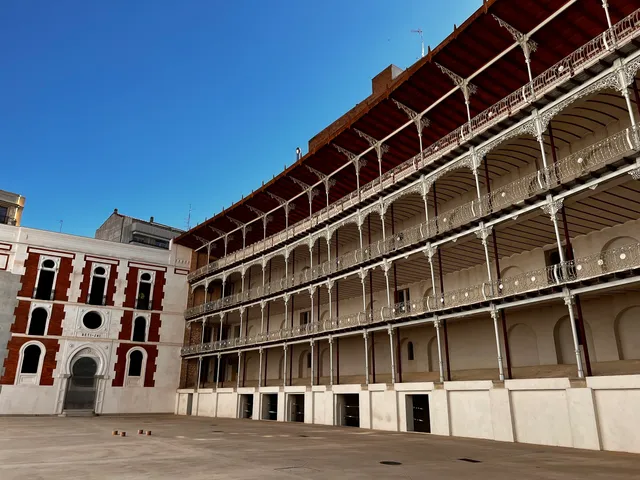
A hidden gem in Madrid. This is the last surviving basque pelota historic fronton (i.e. ball court) in Madrid, and a one of its kind example of neomudéjar arquitecture from the late 19th century. If you have the chance of visiting. It was recently renovated after being neglected for nearly a century and reconstruction works took over 6 years.

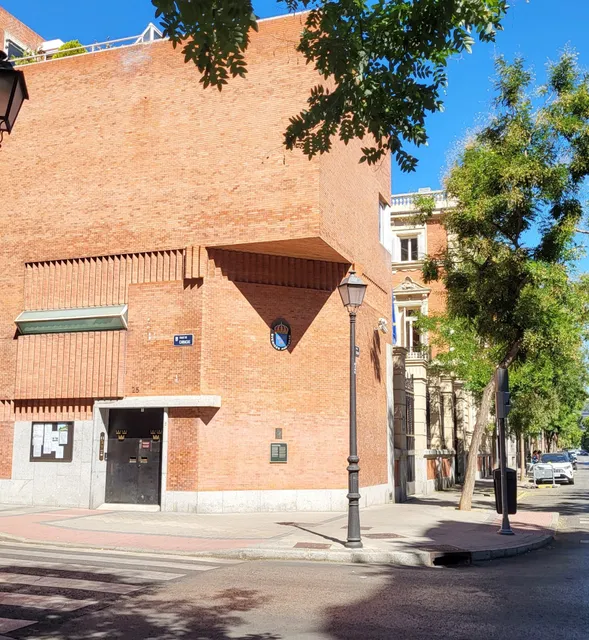
Beti Jai opened on 29 April 1894 as a basque pelota Court. Basque pelota is a court sport played with a ball (pelota), using one's hand, a racket (pala), a wooden bat or a basket, against a wall (fronton) very popular in Spain in the late 19th century and early 20th century. It was one of the best projects of the arquitect Joaquin Rucoba. For this project, Rucoba created a neoclassical façade facing the Marqués de Riscal street in which he employed the same stylistic elements previously used in the Arriaga Theater in Bilbao: big openings that ended with semicircular arches that covered the ground and mezzanine levels and, above them, vertical windows with an oculus above the lintel in the main floor.

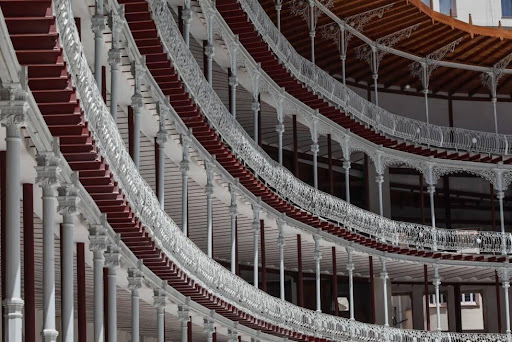
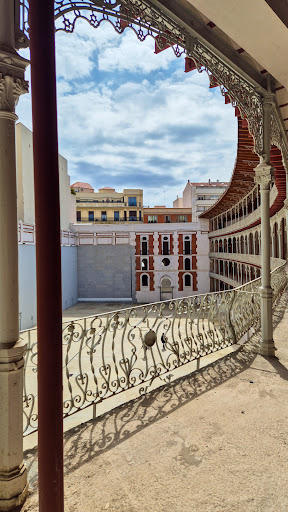
For the area of the stands, he used a structure of forged steel pillars and beams (with lavish decoration created with molds offsite) that facilitated the viewing of the sports area, a structural solution similar to the one he used in the La Malagueta bull ring. Unlike other frontons, Beti Jai had a curved stand area that increased the distance to the court to avoid the possibility of stray balls hitting the spectators.

But the main novelty of the building was the use of curved beams in the stands, creating a slope that provided optimum viewing conditions for the game. All the elements of this structural system were manufactured in an offsite factory and assembled on site, making it one of the first examples of prefabricated construction.

For the side façades of the building, Rucoba created brick walls of neomudéjar style (a Moorish Revival architectural movement), a style he also used in the side of the frontis (the wall of the fronton), where the access door is finished with a horseshoe arch. The use of the neomudéjar style is a clear sign of the period in which the building was built, when old styles were reintroduced to affirm a “national identity” in troubled times such as the ones in those years.

Probably due to the lost of interest of frontons and pelota games, but also due to its own design (it was a very large uncovered fronton in a city with cold winters), the exclusive use of Beti Jai for the game of pelota did not last long and the building lost its use and after years it became abandoned.

Luckily, years of neglect did not fatally damage the building, and in 1997, the building was labeled as a monument, with the use and typology typical to a public building.

Recently, the building has been renovated following reconstruction works that took over 6 years. The final use of the building remains to be seen but it is thought that Beti Jai will become an...

   Read more
avatar
5.0
33w

Gracias a la popularidad que el juego de pelota alcanzó a finales del siglo XIX, se construyó en Madrid un frontón para albergar los encuentros de esta especialidad deportiva. Joaquín Rucoba, autor entre otros del teatro Arriaga y el Ayuntamiento de Bilbao, la plaza de toros y el mercado Alfonso XII de Málaga, fue el encargado de iniciar su construcción en 1893.  Se puede visitar de manera libre de martes a domingos por la mañana.

Las obras concluyeron al año siguiente, siendo inaugurado el 29 de abril de 1894 en pleno barrio de Chamberí. Con una capacidad para 4000 espectadores, dejó de funcionar en el año 1919, construyéndose en la cancha al aire libre pabellones para albergar coches.

Apertura permanente del frontón y Centro de Interpretación

Coincidiendo con su 130 aniversario, el frontón Beti Jai abrió a finales de marzo de 2024 con carácter permanente al público en general. Actualmente se puede visitar de martes a domingos de manera gratuita, de 10:00 a 14:00 h, y cuenta con el Centro de Interpretación del frontón Beti Jai, integrado en las galerías y pasillos de este edificio tan singular situado en Chamberí. Esta instalación ofrece a los visitantes un recorrido por los principales momentos que constituyen la historia de este bien cultural.

Comisariado por Fernando Rodríguez Rodríguez y con el proyecto museográfico a cargo de Juan Pablo Rodríguez Frade, este espacio expositivo de carácter temporal se ubica en la planta baja del inmueble, dejando a la vista su arquitectura y cuenta con un desarrollo vertical en las tres plantas superiores que compone una sucesión de miradores para poder contemplar el frontón desde diferentes alturas.

A lo largo de tres ejes temáticos, presenta la historia del edificio desde su diseño en 1891 por el arquitecto Joaquín Rucoba y su inauguración en 1894 como espacio para celebrar partidos de los denominados juegos vascos de pelota hasta su restauración en 2019 tras numerosos avatares, ya que fue utilizado como espacio de exhibiciones de esgrima e hípica, laboratorio de ensayos aeronáuticos o concesionario.

El montaje reúne piezas históricas, fotografías, documentos, audiovisuales y otros elementos relevantes que proceden de diversas instituciones como el museo Leonardo Torres Quevedo, la Plataforma Salvemos el Frontón Beti Jai o el Museo Moto Basella, entre otros.

125 años de historia

El Beti Jai cumplió 125 años en 2019. Tras su inauguración en 1894, funcionó como frontón hasta 1918. A partir de 1919 tuvo diversos usos como taller de coches, comisaría de policía, cárcel, taller de objetos de escayola y cartón piedra, entre otros.

Fue declarado monumento nacional en 1991 y Bien de Interés Cultural en 2011. En mayo de 2015, el Ayuntamiento finalizó el proceso de expropiación y adquirió el Beti Jai, dando inicio así a los trabajos para recuperarlo sin alterar su esencia.

Las obras de rehabilitación finalizaron a principios de 2019 y durante este proceso se ha realizado un minucioso trabajo de investigación (recurriendo a periódicos de la época, fondos documentales de bibliotecas, colaboración con asociaciones y expertos) para que el nuevo Beti Jai fuera lo más fiel posible...

   Read more
avatar
4.0
1y

Arq. Joaquín de Rucoba Octavio de Toledo. 1893. Finalización de obras por Octavio de Toledo. 1924. 67m x 11 m.

El frontón de pelota vasca Beti Jai en el barrio de Chamberí se inauguró en 1894, a pedido del empresario José Arana, quien encargó el proyecto a Joaquín Rucoba. Al igual que en otras obras que había realizado el arquitecto por aquellas épocas, en esta obra optó por utilizar las modernas tecnologías de estructuras prefabricadas de hierro, con las que logra levantar 4 niveles de gradas dispuestas en una planta semielíptica.

Estas gradas, que llegaron a albergar hasta 4000 espectadores, tienen su suelo inclinado para asegurar una visibilidad óptima hacia la zona de la cancha al aire libre de 67 m de largo, 20 m de ancho, con un frontón de 11 m de alto.

Declarado BIC en 2011 bajo la categoría de Monumento, este edificio histórico de Madrid que detrás de su fachada principal ecléctica nos sorprende con un espacio interior de estilo neomudéjar con fuerte presencia de arquitectura de hierro, está siendo sometido a un proceso muy cuidadoso de recuperación y rehabilitación desde el año 2017.

Los tres pisos del edificio con fachada a Marqués de Riscal están destinados a vestíbulo principal y salones de descanso, despachos de administración, contadurías y taquilla, habitación para el conserje y cajas de escalera independientes para palcos y plateas, sillas y gradas, mientras que en los tres pisos del cuerpo posterior se disponen otras dos cajas de escaleras y las áreas de servicio. Entre ambos pabellones se desarrolla un graderío de estilo neomudéjar en el que destaca el interesante trabajo en hierro de las galerías, aunque la fachada a la calle sigue en cambio el estilo ecléctico de inspiración Segundo Imperio recurrente en la obra de Rucoba. En 2105 paso a propiedad del...

   Read more
Page 1 of 7
Previous
Next

Posts

Carlos BlazquezCarlos Blazquez
A hidden gem in Madrid. This is the last surviving basque pelota historic fronton (i.e. ball court) in Madrid, and a one of its kind example of neomudéjar arquitecture from the late 19th century. If you have the chance of visiting. It was recently renovated after being neglected for nearly a century and reconstruction works took over 6 years. Beti Jai opened on 29 April 1894 as a basque pelota Court. Basque pelota is a court sport played with a ball (pelota), using one's hand, a racket (pala), a wooden bat or a basket, against a wall (fronton) very popular in Spain in the late 19th century and early 20th century. It was one of the best projects of the arquitect Joaquin Rucoba. For this project, Rucoba created a neoclassical façade facing the Marqués de Riscal street in which he employed the same stylistic elements previously used in the Arriaga Theater in Bilbao: big openings that ended with semicircular arches that covered the ground and mezzanine levels and, above them, vertical windows with an oculus above the lintel in the main floor. For the area of the stands, he used a structure of forged steel pillars and beams (with lavish decoration created with molds offsite) that facilitated the viewing of the sports area, a structural solution similar to the one he used in the La Malagueta bull ring. Unlike other frontons, Beti Jai had a curved stand area that increased the distance to the court to avoid the possibility of stray balls hitting the spectators. But the main novelty of the building was the use of curved beams in the stands, creating a slope that provided optimum viewing conditions for the game. All the elements of this structural system were manufactured in an offsite factory and assembled on site, making it one of the first examples of prefabricated construction. For the side façades of the building, Rucoba created brick walls of neomudéjar style (a Moorish Revival architectural movement), a style he also used in the side of the frontis (the wall of the fronton), where the access door is finished with a horseshoe arch. The use of the neomudéjar style is a clear sign of the period in which the building was built, when old styles were reintroduced to affirm a “national identity” in troubled times such as the ones in those years. Probably due to the lost of interest of frontons and pelota games, but also due to its own design (it was a very large uncovered fronton in a city with cold winters), the exclusive use of Beti Jai for the game of pelota did not last long and the building lost its use and after years it became abandoned. Luckily, years of neglect did not fatally damage the building, and in 1997, the building was labeled as a monument, with the use and typology typical to a public building. Recently, the building has been renovated following reconstruction works that took over 6 years. The final use of the building remains to be seen but it is thought that Beti Jai will become an exhibition centre.
Luis VidalLuis Vidal
Si andas por la zona, tienes que visitarlo sí o sí 😍. A simple vista puede pasar desapercibido 🏙️, pero en cuanto cruzas la puerta… ¡WOW! 🤯✨ Es una auténtica joya oculta 🏆. Su arquitectura 🏗️, su historia 📜 y ese aire de nostalgia 🕰️ lo convierten en un sitio único en Madrid. Construido en 1893 🏛️, este frontón es uno de los pocos que quedan en pie en Europa 🌍. A lo largo de los años ha pasado por muchas manos ✋, ha estado abandonado 🏚️, y en los años 80 estuvo a punto de convertirse en una discoteca 🎶💃. ¡Imagínate bailar bajo su estructura de hierro y madera! 🔩🌳 Por suerte, en lugar de luces de neón y bolas de discoteca 🎇🪩, hoy podemos admirarlo en todo su esplendor original. No sé si en el futuro ampliarán la parte visitable 🤔, pero lo que ya se puede ver es increíble 🤩. Caminar por sus gradas 🏟️ y pensar en los partidos que se jugaron aquí en su época dorada es una experiencia mágica ✨. 💡 Dato curioso: Fue diseñado por Joaquín Rucoba, el mismo arquitecto del Mercado de Atarazanas en Málaga 🍊🏪 y el Ayuntamiento de Bilbao 🚢🏢. ¡Un visionario que dejó huella en España! 🇪🇸 Así que si quieres descubrir uno de esos rincones secretos que sorprenden 😍📸, apunta Beti-Jai en tu lista de visitas. Te prometo que no te dejará indiferente! 💙
Carmen MaestreCarmen Maestre
Inaugurado en 1894. Creado por Joaquín Rucoba y Octavio de Toledo (el mismo que diseñó la Malagueta y el ayuntamiento de Bilbao). Llegó a ser concesionario de vehículos y taller de la marca Citroën e incluso viviendas para acoger a los emigrantes que venían a la capital después de la última guerra civil, local de ensayo para bandas de música , incluso teatro. Algunos dicen que también fue cárcel pero este dato no está documentado y parece que hay una confusión pues en Logroño había un frontón también llamado así que sí se sabe con seguridad que sirvió para retener a personas. También tuvo conexión con el Caso Malaya, vinculación por el blanqueo de dinero de Marbella a través de empresarios vascos, uno de ellos único administrador de la empresa propietaria del inmueble. El gobierno de Esperanza Aguirre lo declaró BIC, el de Carmena lo expropió. Vecinos, pelotaris y arquitectos fueron los que consiguieron que hoy siga en pie. Queda, todavía, un camino a seguir por el ayuntamiento y otras instituciones, terminar la restauración y conseguir que se utilice para competiciones, conciertos, teatros y cualquier uso cultural que se les ocurra
See more posts
See more posts
hotel
Find your stay

Pet-friendly Hotels in Madrid

Find a cozy hotel nearby and make it a full experience.

A hidden gem in Madrid. This is the last surviving basque pelota historic fronton (i.e. ball court) in Madrid, and a one of its kind example of neomudéjar arquitecture from the late 19th century. If you have the chance of visiting. It was recently renovated after being neglected for nearly a century and reconstruction works took over 6 years. Beti Jai opened on 29 April 1894 as a basque pelota Court. Basque pelota is a court sport played with a ball (pelota), using one's hand, a racket (pala), a wooden bat or a basket, against a wall (fronton) very popular in Spain in the late 19th century and early 20th century. It was one of the best projects of the arquitect Joaquin Rucoba. For this project, Rucoba created a neoclassical façade facing the Marqués de Riscal street in which he employed the same stylistic elements previously used in the Arriaga Theater in Bilbao: big openings that ended with semicircular arches that covered the ground and mezzanine levels and, above them, vertical windows with an oculus above the lintel in the main floor. For the area of the stands, he used a structure of forged steel pillars and beams (with lavish decoration created with molds offsite) that facilitated the viewing of the sports area, a structural solution similar to the one he used in the La Malagueta bull ring. Unlike other frontons, Beti Jai had a curved stand area that increased the distance to the court to avoid the possibility of stray balls hitting the spectators. But the main novelty of the building was the use of curved beams in the stands, creating a slope that provided optimum viewing conditions for the game. All the elements of this structural system were manufactured in an offsite factory and assembled on site, making it one of the first examples of prefabricated construction. For the side façades of the building, Rucoba created brick walls of neomudéjar style (a Moorish Revival architectural movement), a style he also used in the side of the frontis (the wall of the fronton), where the access door is finished with a horseshoe arch. The use of the neomudéjar style is a clear sign of the period in which the building was built, when old styles were reintroduced to affirm a “national identity” in troubled times such as the ones in those years. Probably due to the lost of interest of frontons and pelota games, but also due to its own design (it was a very large uncovered fronton in a city with cold winters), the exclusive use of Beti Jai for the game of pelota did not last long and the building lost its use and after years it became abandoned. Luckily, years of neglect did not fatally damage the building, and in 1997, the building was labeled as a monument, with the use and typology typical to a public building. Recently, the building has been renovated following reconstruction works that took over 6 years. The final use of the building remains to be seen but it is thought that Beti Jai will become an exhibition centre.
Carlos Blazquez

Carlos Blazquez

hotel
Find your stay

Affordable Hotels in Madrid

Find a cozy hotel nearby and make it a full experience.

Get the Appoverlay
Get the AppOne tap to find yournext favorite spots!
Si andas por la zona, tienes que visitarlo sí o sí 😍. A simple vista puede pasar desapercibido 🏙️, pero en cuanto cruzas la puerta… ¡WOW! 🤯✨ Es una auténtica joya oculta 🏆. Su arquitectura 🏗️, su historia 📜 y ese aire de nostalgia 🕰️ lo convierten en un sitio único en Madrid. Construido en 1893 🏛️, este frontón es uno de los pocos que quedan en pie en Europa 🌍. A lo largo de los años ha pasado por muchas manos ✋, ha estado abandonado 🏚️, y en los años 80 estuvo a punto de convertirse en una discoteca 🎶💃. ¡Imagínate bailar bajo su estructura de hierro y madera! 🔩🌳 Por suerte, en lugar de luces de neón y bolas de discoteca 🎇🪩, hoy podemos admirarlo en todo su esplendor original. No sé si en el futuro ampliarán la parte visitable 🤔, pero lo que ya se puede ver es increíble 🤩. Caminar por sus gradas 🏟️ y pensar en los partidos que se jugaron aquí en su época dorada es una experiencia mágica ✨. 💡 Dato curioso: Fue diseñado por Joaquín Rucoba, el mismo arquitecto del Mercado de Atarazanas en Málaga 🍊🏪 y el Ayuntamiento de Bilbao 🚢🏢. ¡Un visionario que dejó huella en España! 🇪🇸 Así que si quieres descubrir uno de esos rincones secretos que sorprenden 😍📸, apunta Beti-Jai en tu lista de visitas. Te prometo que no te dejará indiferente! 💙
Luis Vidal

Luis Vidal

hotel
Find your stay

The Coolest Hotels You Haven't Heard Of (Yet)

Find a cozy hotel nearby and make it a full experience.

hotel
Find your stay

Trending Stays Worth the Hype in Madrid

Find a cozy hotel nearby and make it a full experience.

Inaugurado en 1894. Creado por Joaquín Rucoba y Octavio de Toledo (el mismo que diseñó la Malagueta y el ayuntamiento de Bilbao). Llegó a ser concesionario de vehículos y taller de la marca Citroën e incluso viviendas para acoger a los emigrantes que venían a la capital después de la última guerra civil, local de ensayo para bandas de música , incluso teatro. Algunos dicen que también fue cárcel pero este dato no está documentado y parece que hay una confusión pues en Logroño había un frontón también llamado así que sí se sabe con seguridad que sirvió para retener a personas. También tuvo conexión con el Caso Malaya, vinculación por el blanqueo de dinero de Marbella a través de empresarios vascos, uno de ellos único administrador de la empresa propietaria del inmueble. El gobierno de Esperanza Aguirre lo declaró BIC, el de Carmena lo expropió. Vecinos, pelotaris y arquitectos fueron los que consiguieron que hoy siga en pie. Queda, todavía, un camino a seguir por el ayuntamiento y otras instituciones, terminar la restauración y conseguir que se utilice para competiciones, conciertos, teatros y cualquier uso cultural que se les ocurra
Carmen Maestre

Carmen Maestre

See more posts
See more posts